分类: business

  • 2026 is set to reinforce India’s position as a future-ready real estate market

    2026 is set to reinforce India’s position as a future-ready real estate market

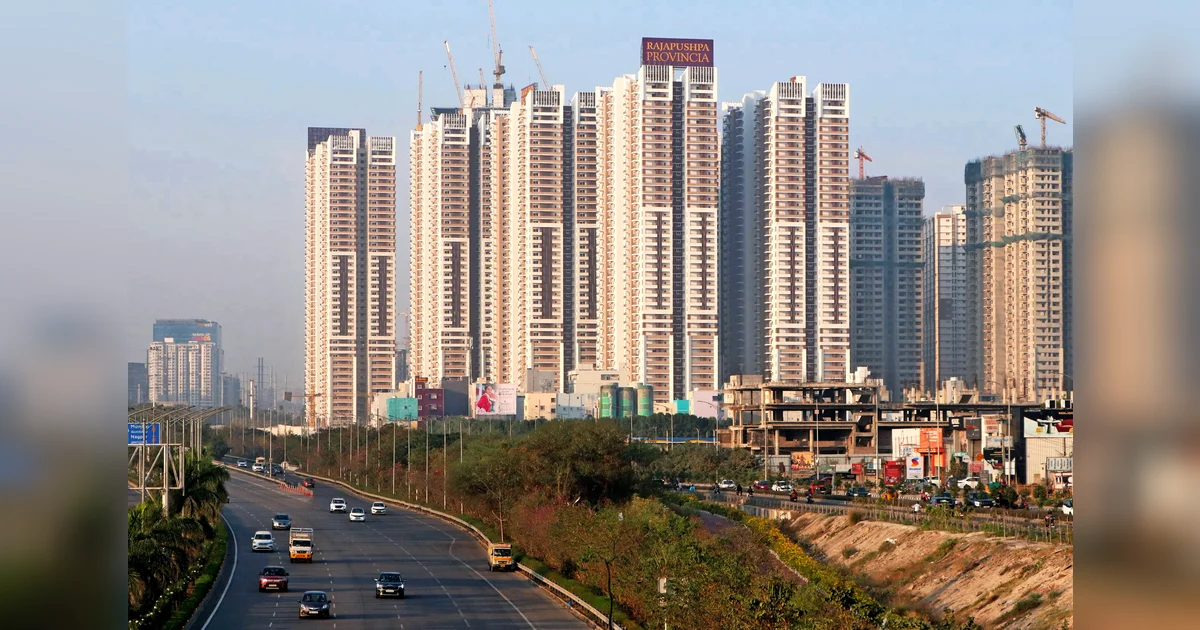
    India’s real estate market is positioned for unprecedented expansion throughout 2026, with comprehensive analyses indicating the sector’s trajectory toward achieving $1 trillion in valuation by 2030. This remarkable growth narrative is underpinned by multiple structural drivers including robust domestic consumption patterns, sustained occupier activities, and strengthening investor confidence across all asset classes.

    Industry specialists from leading consultancies Colliers India and Cushman & Wakefield identify several transformative forces reshaping the market landscape. Urbanization acceleration, demographic advantages with a median age of 30 years, rising disposable incomes, and infrastructure modernization are creating synergistic growth conditions. The residential segment demonstrates particular vigor, maintaining annual sales between 300,000-400,000 units in the post-pandemic recovery phase, with this momentum expected to intensify throughout 2026.

    Commercial real estate exhibits parallel robustness, driven by evolving workplace strategies and enhanced connectivity infrastructure. The industrial and warehousing segment anticipates accelerated demand as manufacturing capabilities expand and supply chains undergo technological modernization. Simultaneously, alternative asset classes including data centers, co-living spaces, and senior living facilities are attracting increased institutional investment attention.

    Market segmentation analysis reveals the mid-segment housing category maintains dominance with 52% market share over recent quarters, while luxury and high-end properties show sustained growth potential fueled by non-resident Indian investment and evolving lifestyle aspirations. Residential pricing structures have demonstrated approximately 57% appreciation in recent years, partially influenced by premium project launches altering overall market composition.

    The institutional investment landscape is transforming through democratized access vehicles including Real Estate Investment Trusts (REITs), small and medium REITs, Infrastructure Investment Trusts (InvITs), and Alternative Investment Funds (AIFs). Concurrently, environmental, social, and governance (ESG) considerations are becoming fundamental to development strategies, with green construction methodologies, energy-efficient materials, and climate-resilient communities gaining significant traction.

    According to Badal Yagnik, Chief Executive Officer of Colliers India, ‘2026 will reinforce India’s position as a future-ready, globally competitive real estate market. The convergence of technological integration, sustainability imperatives, and institutional maturity creates an unparalleled growth ecosystem that transcends traditional real estate paradigms.’

    This comprehensive market evolution establishes India’s property sector as a multifaceted growth engine, characterized by deepening asset class diversification, technological adoption, and institutional sophistication that collectively support its journey toward trillion-dollar valuation.
  • Fathima Healthcare Group UAE: Building an Inclusive Healthcare Ecosystem

    Fathima Healthcare Group UAE: Building an Inclusive Healthcare Ecosystem

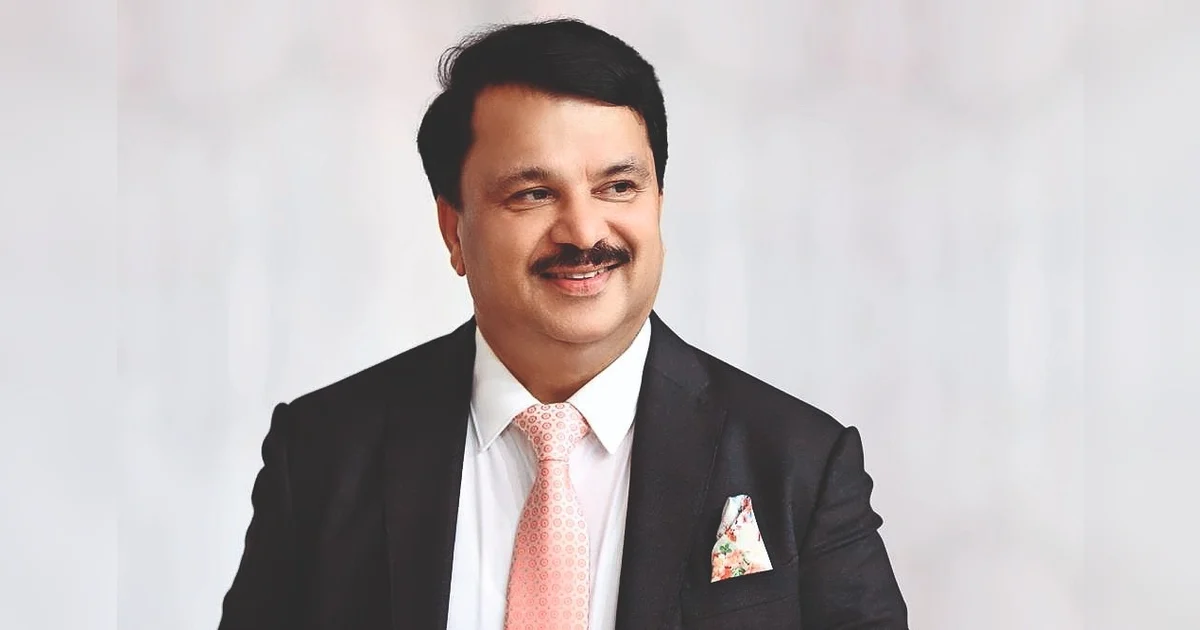
    Fathima Healthcare Group UAE is revolutionizing healthcare accessibility through digital innovation and strategic partnerships, with Founder Chairman Dr. K.P. Hussain outlining the organization’s transformative vision for inclusive medical services. The initiative, operating under FMC Network’s mission of “Cost-effective, Comprehensive and Affordable Healthcare for All,” has dramatically expanded coverage to over 8 million UAE expatriates since its late 1990s inception.

    The organization’s breakthrough approach emerged from Dr. Hussain’s firsthand observations of healthcare access challenges among blue-collar and low-income expatriate communities. Through extensive market research and actuarial analysis, FMC Network successfully challenged conventional cost assumptions, enabling insurers and corporations to extend coverage while maintaining sustainable risk models.

    Technological innovation forms the cornerstone of FMC Network’s transformation strategy. The implementation of automated, rule-based adjudication systems has significantly reduced processing times while minimizing manual intervention. The organization has pioneered teleconsultation services that provide remote medical access, reducing unnecessary outpatient visits and enabling early intervention.

    Centralized digital platforms now integrate hospitals, clinics, and pharmacies, facilitating standardized pricing and electronic billing. The FMC Network mobile application offers real-time access to policy benefits, pre-authorization tracking, and multilingual support specifically designed for diverse user demographics.

    Looking ahead, FMC Network’s five-year vision emphasizes AI-driven claims adjudication, predictive analytics, and expanded inclusive healthcare programs. A landmark collaboration with Jamia Hamdard University will establish an off-campus facility in Dubai, further strengthening the group’s educational and healthcare infrastructure.

    As Republic Day 2026 approaches, FMC Network reaffirms its commitment to the Indian expatriate community through wellness sessions and medical camps focused on preventive healthcare and early detection initiatives.

  • Adil Group of Supermarkets: A taste of India, rooted in Trust

    Adil Group of Supermarkets: A taste of India, rooted in Trust

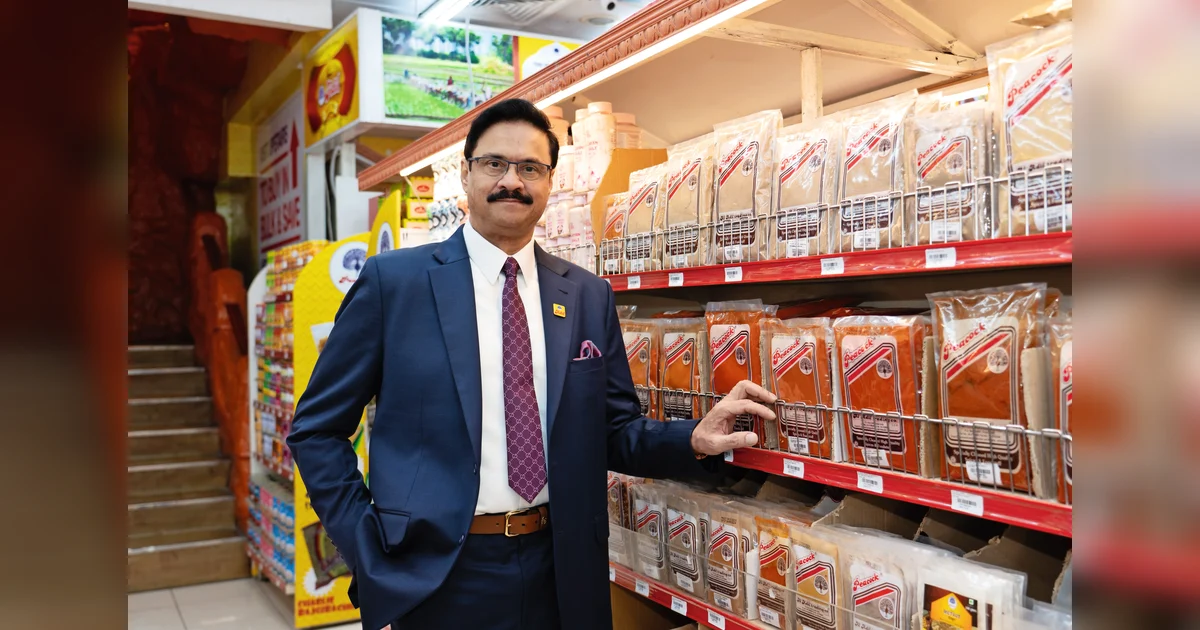
    For decades, the Adil Group of Supermarkets has served as far more than a conventional retail chain for the Indian diaspora in the UAE. It has evolved into an essential cultural touchstone, providing a tangible connection to homeland traditions through authentic culinary products. With an expansive network exceeding 50 outlets throughout the GCC region, the enterprise has established itself as a preeminent name in ethnic retail by maintaining uncompromising quality standards and preserving genuine Indian flavors.

    Dr. Dhananjay Datar, the visionary Chairman and Managing Director renowned as the ‘Masala King,’ has been the architectural force behind this remarkable transformation. His profound understanding of expatriate community needs enabled him to develop a basic retail concept into a comprehensive cultural institution. The Group’s product ecosystem now encompasses everything from traditional spices, pulses, and grains to specialized festive items, sweets, and ready-to-cook solutions—effectively creating complete Indian kitchens abroad.

    The organization’s distinctive identity stems from its pioneering commitment to operating purely vegetarian supermarkets, a revolutionary approach that resonated powerfully with families prioritizing authenticity, ethical sourcing, and dietary purity. This strategic positioning, combined with consistently affordable pricing, has made the brand accessible across all community segments while maintaining premium quality.

    Reflecting on India’s Republic Day significance, Dr. Datar emphasized: ‘This occasion powerfully symbolizes India’s core values of unity, resilience, and cultural pride. Our fundamental mission has always centered on keeping the overseas Indian community connected to their roots. Customer trust represents our most valuable asset and continuously inspires elevated standards. As India celebrates this historic milestone, we reaffirm our dedication to strengthening bilateral bonds between India and the UAE.’

    Transcending commercial objectives, the Group maintains active involvement in community development initiatives. From supporting cultural celebrations to partnering with charitable programs, the organization consistently demonstrates its commitment to social responsibility. These efforts embody principles of compassion, inclusivity, and service that align seamlessly with the Indian Constitution’s foundational spirit.

    As India commemorates its democratic journey, the Adil Group stands as a testament to how businesses can effectively bridge nations, preserve cultural heritage, and foster enduring people-to-people connections between India and the UAE through purposeful commerce.

  • Empowering NRIs with long-term financial security

    Empowering NRIs with long-term financial security

    In an exclusive Republic Day interview, Debashis Prasad Pattanaik, CEO and Executive Director of LIC International BSC, detailed the company’s remarkable 36-year journey serving non-resident Indians across GCC nations. The insurance giant has established a formidable presence since commencing operations in 1989, providing dollar-denominated financial solutions specifically tailored for expatriate requirements.

    The United Arab Emirates represents a particularly strategic market for LIC International, hosting one of the largest Indian diaspora communities globally. Pattanaik emphasized the UAE’s combination of robust regulatory frameworks, financial transparency, and rapid technological adoption as key factors making it an ideal environment for long-term financial planning. The dollar-denominated policies offered in the region provide customers with currency stability when planning for education, retirement, and intergenerational wealth transfer.

    Despite significant market volatility throughout 2025, the company achieved sustainable growth through a disciplined long-term investment strategy. Rather than reacting to short-term market fluctuations, LIC International focused on appropriate asset allocation within their Unit Linked Insurance Plans (ULIPs) aligned with individual risk profiles and life stages. This approach enabled policyholders to continue building wealth in US dollars while maintaining essential life insurance coverage.

    Digital transformation played a pivotal role in the company’s 2025 success story. Enhanced digital onboarding processes, online policy management systems, and real-time fund performance tracking capabilities allowed customers worldwide to manage their investments with unprecedented convenience. The organization is now advancing its technological infrastructure through artificial intelligence integration to further streamline product accessibility and service delivery.

    Social media engagement has emerged as a crucial component of LIC International’s outreach strategy, particularly for connecting with younger NRI demographics. These platforms serve as educational tools that help potential customers make informed financial decisions through better product understanding.

    Pattanaik highlighted that trust remains the cornerstone of their relationship with the Indian diaspora, earned through 36 years of consistent service delivery, transparent processes, and reliable claim settlements. This trust factor proves especially critical for NRIs who must navigate complex cross-border financial planning involving multiple currencies and regulatory environments.

    Concluding with Republic Day greetings, the CEO encouraged global Indian communities to continue contributing positively to both their host countries and homeland while preserving India’s rich cultural heritage for future generations.

  • Auto Buzz: Lamborghini unveils a hybrid supercar, Rolls Royce drops new collection

    Auto Buzz: Lamborghini unveils a hybrid supercar, Rolls Royce drops new collection

    The United Arab Emirates’ automotive sector is currently experiencing a remarkable surge of innovation and luxury, highlighted by several groundbreaking vehicle introductions. Lamborghini has unleashed its latest hybrid marvel, the Temerario, at the Dubai Autodrome. This spectacular supercar combines aggressive aesthetics with breathtaking performance, featuring a mid-mounted 4.0-liter twin-turbo V8 hybrid powertrain that generates an astonishing 920 PS. With acceleration capabilities reaching 0-100 km/h in merely 2.7 seconds and a top speed exceeding 340 km/h, the Temerario represents automotive engineering at its most extreme. The optional Alleggerita package further enhances track performance through advanced aerodynamics and significant weight reduction.

    Simultaneously, Rolls-Royce Motor Cars Abu Dhabi has commemorated the Phantom’s centennial anniversary with the exclusive Phantom Centenary Private Collection. This historic unveiling occurred against the majestic backdrop of the Sheikh Zayed Grand Mosque, where all eight Phantom generations were displayed together for the first time. The collection showcases unprecedented craftsmanship techniques, including revolutionary 3D marquetry, gold leaf application, and meticulously stitched high-resolution fabric interiors. A specially commissioned solid gold Spirit of Ecstasy ornament pays homage to the original Phantom’s heritage.

    In the commercial vehicle segment, Al-Futtaim Motors has reintroduced the HINO 300 Series, now equipped with advanced Euro 5 compliant engines that significantly improve both power output and environmental efficiency. This light-duty truck series continues to serve numerous UAE industries including logistics, construction, and last-mile delivery operations.

    Complementing these developments, Al Habtoor Motors has introduced three new JAC models: the tech-forward JS6 PRO SUV featuring intelligent driver assistance systems, the robust T8 Pro pickup designed for commercial applications, and the premium RF8 multipurpose vehicle offering Level 2 autonomous driving capabilities and executive-class comfort features.

  • Al Dobowi Group: Five decades of engineering motion solutions

    Al Dobowi Group: Five decades of engineering motion solutions

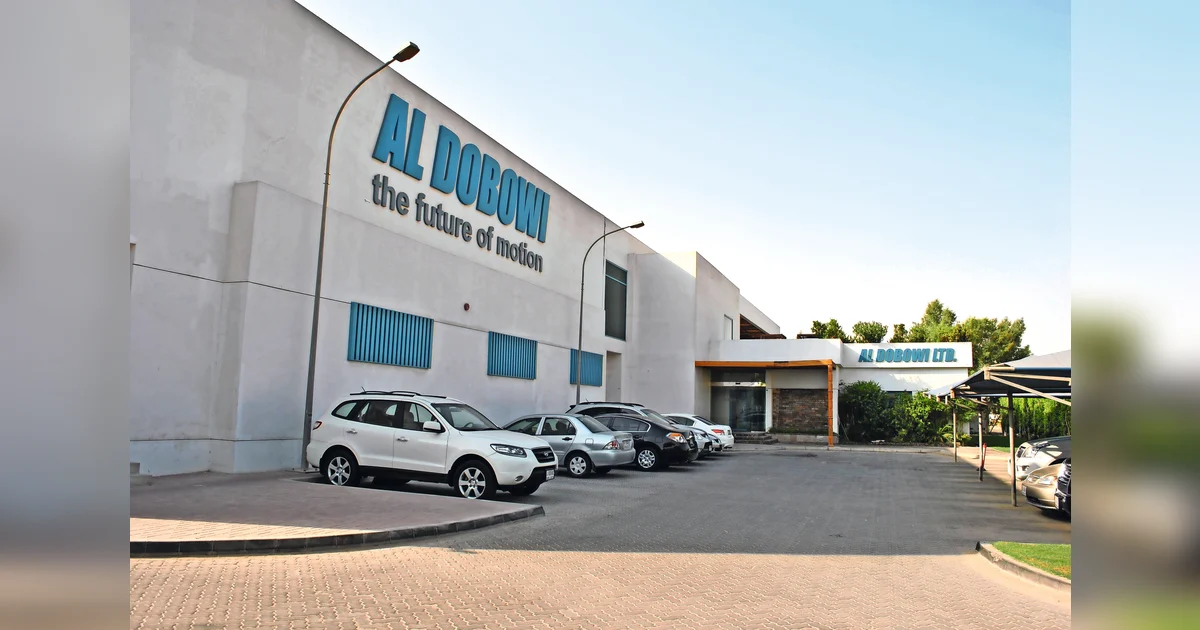
    Celebrating five decades of industrial innovation, the Al Dobowi Group has transformed from its 1976 origins in Middle Eastern tire management into a comprehensive global motion solutions provider. The UAE-based conglomerate now delivers integrated systems across tire management, power storage, industrial rubber, material handling, and fluid management sectors.

    With operations spanning more than 10 countries and employing over 2,000 professionals, the group maintains manufacturing partnerships with Asia’s largest tire production facilities while utilizing proprietary equipment and in-house research capabilities. The company has achieved particular distinction as the MENA region’s largest battery manufacturer, supplying both automotive and industrial power solutions that support global economic activities.

    Through its subsidiary Eternity Technologies, established in 2011 in Ras Al Khaimah, the group has emerged as a rapidly expanding force in industrial battery production. The company specializes in motive power batteries for electric forklifts and renewable energy storage systems, operating from advanced manufacturing facilities that incorporate sustainable practices.

    Eternity Technologies’ product evolution includes the 2014 introduction of OPzV and OPzS batteries for standby power markets, followed by 2020’s expansion into 6V and 12V Gel Blocs for light traction applications. The company’s innovation milestone came in 2021 with the QUASAR series—Thin Tube Carbon Nano Motive Batteries engineered for demanding applications including airport ground support equipment, offering extended runtime, rapid charging, and superior cold-storage performance.

    Currently distributing to over 100 countries, Eternity Technologies maintains manufacturing presence in the UAE complemented by partner operations in Germany, Spain, the United States, Chile, and South Africa. The company operates within a circular economy framework, incorporating over 80% recycled materials in manufacturing and producing products that achieve 99% recyclability rates.

    The company’s commitment aligns with UAE’s sustainability objectives, providing reliable energy storage solutions while advancing renewable energy infrastructure and environmental stewardship through closed-loop manufacturing processes.

  • Gold smashes $5,000 barrier as UAE buyers feel the heat

    Gold smashes $5,000 barrier as UAE buyers feel the heat

    Gold markets witnessed an unprecedented milestone as prices catapulted beyond the $5,000 per ounce threshold for the first time in history, reaching an intraday peak of $5,085. This remarkable surge represents the continuation of a powerful rally that has captivated global investors seeking sanctuary from mounting geopolitical tensions and fiscal instability.

    The precious metal’s spectacular ascent—registering a 17% gain year-to-date and more than doubling its value over the past 24 months—reflects what market specialists term the ‘debasement trade.’ This phenomenon describes the massive capital flight from sovereign bonds and traditional currencies toward hard assets perceived as more stable stores of value.

    In the United Arab Emirates, retail markets immediately reflected the global trend with 24K gold trading at approximately Dh612 per gram and 22K at Dh566.75 per gram. These local prices underscore how international macroeconomic developments directly influence regional jewelry and investment markets.

    The rally stems from multiple convergent factors: a substantial sell-off in Japanese government bonds, escalating public debt burdens across developed economies, and renewed policy uncertainty surrounding the U.S. Federal Reserve’s independence. Additionally, geopolitical flashpoints from Greenland to Venezuela and ongoing Middle Eastern tensions have further eroded investor confidence in conventional financial instruments.

    Max Belmont, portfolio manager at First Eagle Investment Management, contextualized the movement: ‘Gold fundamentally represents the inverse of confidence. It serves as a critical hedge against unanticipated inflation spikes, unexpected market corrections, and sudden escalations in geopolitical risk.’

    The precious metals rally extends beyond gold. Silver breached the $100 per ounce barrier and advanced over 4% in Monday trading, while platinum achieved record highs and palladium maintained elevated levels. This broad-based strength indicates robust demand across both industrial applications and wealth preservation strategies.

    Ipek Ozkardeskaya, senior analyst at Swissquote, observed that the flight to safety continues despite the absence of major new geopolitical headlines. ‘The surge past $5,000 clearly signals that risk appetite has not returned to markets,’ she noted, highlighting that recent U.S. tariff threats against Canada demonstrate how trade tensions persist beneath the surface.

    Institutional participation has been particularly vigorous. Western exchange-traded funds have accumulated approximately 500 tonnes of gold since early 2025, while ultra-wealthy investors and family offices have emerged as significant players focused on generational wealth preservation.

    Central banks, particularly in emerging markets, continue aggressive accumulation with Goldman Sachs estimating monthly official purchases averaging 60 tonnes—substantially above pre-2022 levels—as monetary authorities diversify away from paper currencies.

    Financial institutions are revising forecasts upward. Union Bancaire Privée projects year-end targets near $5,200 per ounce, while Goldman Sachs recently elevated its December 2026 prediction to $5,400, citing persistent macro-policy risks and sustained demand for inflation hedges.

    With market expectations building around potential Federal Reserve rate cuts under new leadership, gold’s appeal as a non-yielding diversifier remains potent. As one Dubai bullion trader summarized: ‘Many current geopolitical and fiscal uncertainties aren’t dissipating soon. Gold will likely remain relevant for months, if not years, despite periodic corrections following substantial gains.’

  • India’s $5 trillion sprint: Will incomes keep up?

    India’s $5 trillion sprint: Will incomes keep up?

    India’s remarkable economic expansion positions the nation firmly on course to achieve a monumental $5 trillion economy, potentially surpassing Germany to claim the title of world’s third-largest economy within the coming years. This accelerated growth trajectory, outpacing most major economies, represents a significant geopolitical milestone that underscores India’s emergence as a formidable global economic power.

    However, beneath this impressive macroeconomic achievement lies a crucial socioeconomic question: Will this national output surge genuinely elevate living standards and income levels for India’s vast population of over 1.4 billion? The fundamental paradox remains that a nation can ascend global economic rankings while simultaneously grappling with stagnant wages, widespread informal employment, and escalating living costs for millions of households.

    Current economic indicators reveal both the strength and structural imbalances within India’s growth model. While international institutions consistently project growth rates exceeding global averages, driven by robust domestic demand, substantial infrastructure investments, and rapid digital transformation, per capita income continues to lag significantly behind advanced economy benchmarks.

    Economists emphasize that India’s next phase of development must transition from pure output expansion to income-centered growth that generates substantial formal employment. The critical challenge involves ensuring economic gains are distributed across labor-intensive manufacturing, infrastructure-linked construction, logistics networks, and agricultural processing sectors beyond metropolitan centers.

    Manufacturing competitiveness must evolve through productivity enhancements rather than protectionist measures, with export integration and global supply chain participation serving as crucial drivers for sustainable income growth. This requires addressing infrastructural bottlenecks, streamlining regulatory approvals, ensuring reliable power supply, and reducing logistics costs to capitalize on shifting global trade patterns.

    Human capital development emerges as the fundamental determinant of whether economic growth translates into tangible income improvements. Despite advancements in digital infrastructure, the nation must prioritize educational quality, vocational training pipelines, and workforce reskilling initiatives to prepare for an AI-driven economic landscape.

    Furthermore, elevating female workforce participation represents both a social imperative and economic opportunity, potentially unlocking substantial household income growth through improved urban mobility, accessible childcare, and flexible work arrangements. Simultaneously, bridging the rural-urban productivity divide by enhancing agricultural processing capabilities and rural logistics could unlock significant earnings potential without triggering destabilizing migration patterns.

    India’s economic narrative thus transcends mere statistical achievements, evolving into a complex story about transforming national scale into shared prosperity. The ultimate measure of success will be whether the coming decade delivers substantial real wage growth, comprehensive job creation, and sustained income mobility across all demographic segments and geographic regions.

  • Trump administration invests in another US rare earth miner to loosen China’s grip on supply

    Trump administration invests in another US rare earth miner to loosen China’s grip on supply

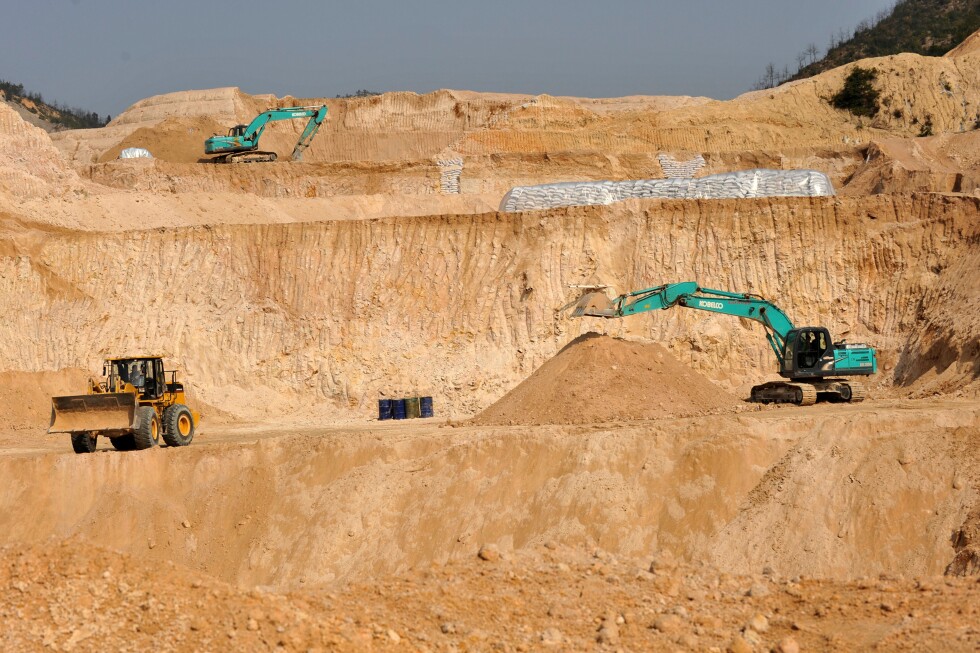
    In a significant move to secure its technological supply chains, the United States government has acquired a minority stake in Oklahoma-based USA Rare Earth through a comprehensive $1.6 billion investment package. This strategic initiative, administered through the Commerce Department’s CHIPS program, represents the latest effort to reduce American dependence on foreign-sourced critical minerals essential for advanced technologies.

    The investment structure comprises $277 million in direct federal funding coupled with a $1.3 billion senior secured loan. In exchange, the Commerce Department will receive 16.1 million shares of common stock and options to purchase an additional 17.6 million shares. The announcement triggered an immediate market response, with USA Rare Earth’s shares surging over 13% in pre-market trading.

    Commerce Secretary Howard Lutnick emphasized the national security implications of the investment, stating: ‘USA Rare Earth’s heavy critical minerals project is essential to restoring U.S. critical mineral independence. This investment ensures our supply chains are resilient and no longer reliant on foreign nations.’

    This investment occurs against the backdrop of China’s overwhelming dominance in the critical minerals sector, where it processes more than 90% of the world’s supply. This market control has provided China with substantial leverage in ongoing trade tensions with Washington.

    The Trump administration has intensified efforts to build domestic capacity for critical minerals, identifying over-reliance on foreign sources as a national security vulnerability. The initiative includes developing a mine in Texas and establishing a magnet manufacturing facility in Oklahoma—components crucial for smartphones, electric vehicles, robotics, and military equipment.

    This investment represents the third major government intervention in the sector recently, following a $400 million Pentagon investment in MP Materials and a $150 million loan to the same company. Additionally, a $1.4 billion partnership with rare earth startups Vulcan Elements and ReElement Technologies was announced in November.

    Legislative support continues to grow, with a bipartisan group of lawmakers proposing a new agency funded with $2.5 billion to stimulate domestic production of rare earths and other critical minerals. The administration’s tax and spending cut legislation already includes $2 billion for Pentagon stockpiling of critical minerals and $5 billion through 2029 for supply chain investments.

  • Cyprus set to show strong presence at Gulfood exhibition

    Cyprus set to show strong presence at Gulfood exhibition

    Dubai prepares to host the 31st edition of Gulfood, the world’s premier food and beverage trade exhibition, from January 26-30, 2026. For the first time, the event will span two major venues: Dubai World Trade Centre and Dubai Exhibition Centre, bringing together over 8,500 exhibitors representing 195 countries. This expansive gathering serves as a critical international platform for identifying emerging market trends, forging strategic partnerships, and presenting premium food and beverage offerings to global industry stakeholders.

    Cyprus will maintain a substantial presence at this year’s exhibition with National Pavilions at both venues, featuring 27 distinguished companies. These exhibitors will present a diverse assortment of high-quality Cypriot food products and beverages, highlighting the Mediterranean nation’s culinary excellence and manufacturing capabilities.

    Visitors to the Cyprus Pavilion will discover an impressive array of products including world-renowned Halloumi cheese, fresh and organic dairy products, premium olive oils, bulgur wheat, frozen bakery goods, artisanal salt, specialty snacks, fruit juices, and various confectionery and processed food items. These offerings demonstrate Cyprus’s unwavering commitment to quality, authenticity, and innovation within the global food sector.

    The Cyprus Pavilions present an exceptional opportunity for buyers, distributors, and industry professionals to engage directly with Cypriot producers and explore potential business collaborations. Attendees can find Cypriot companies at Dubai World Trade Centre in Sheikh Rashid Hall (Dairy) and Za’abeel Hall 5 (Beverages), as well as at Dubai Exhibition Centre in South Hall 3 (World Food) and North Hall 12 (Fruits & Vegetables).

    With its strong agricultural heritage and food production expertise, Cyprus continues to expand its international footprint while maintaining dedication to excellence. The country’s participation in Gulfood 2026 reinforces its position as a significant contributor to the global agri-food sector and provides a platform to showcase its unique culinary traditions to international markets.