分类: business

  • Building Financial Bridges Between India and the UAE

    Building Financial Bridges Between India and the UAE

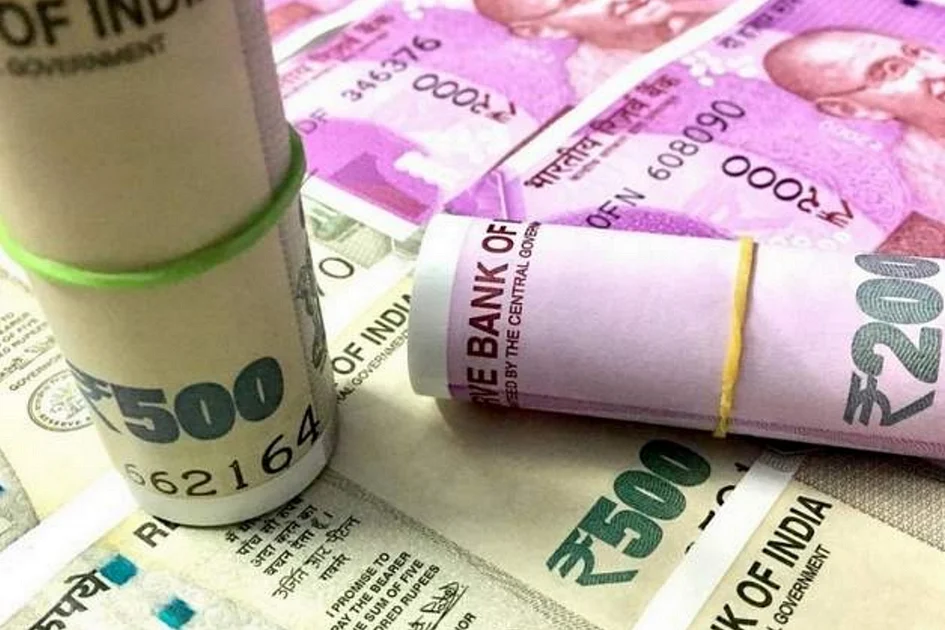
    Al Ansari Exchange, the UAE’s leading outward personal remittance and foreign exchange provider, has extended heartfelt congratulations to India on its 77th Republic Day celebration. The occasion serves as both a national commemoration and a recognition of the profound contributions made by the Indian community to the UAE’s economic and social development.

    The Indian diaspora has played an instrumental role in shaping the UAE’s growth trajectory through their dedication, entrepreneurial spirit, and professional expertise. Their continued involvement has significantly strengthened bilateral relations while enriching the cultural and economic fabric of the Emirates.

    As one of the primary channels for cross-border financial transactions, Al Ansari Exchange acknowledges its privileged position in facilitating remittance flows between the GCC region and India. Indians residing across the UAE and broader GCC remain among the largest contributors to India’s remittance economy, relying on the company’s secure and efficient money transfer services.

    The exchange reaffirmed its commitment to supporting the financial aspirations of millions of Indians who depend on their services to maintain connections with families back home. This responsibility drives the company’s ongoing focus on innovation, reliability, and maintaining customer trust while serving diverse communities.

    The Republic Day celebration symbolizes unity, resilience, and democratic values while highlighting the limitless possibilities that emerge when nations and communities collaborate. Al Ansari Exchange expressed hopes that the occasion would renew collective spirit and further strengthen the India-UAE partnership.
  • Water with gold flakes, frozen onions: 10 cool things to check out at Gulfood in Dubai

    Water with gold flakes, frozen onions: 10 cool things to check out at Gulfood in Dubai

    Dubai has become the epicenter of global food innovation as Gulfood 2026 launched across two major venues on Monday, attracting hundreds of industry professionals and food enthusiasts. The expanded event, spanning both the Dubai World Trade Center and Dubai Exhibition Center, has doubled in scale compared to last year’s edition, reflecting the growing significance of the Middle East’s food and beverage market.

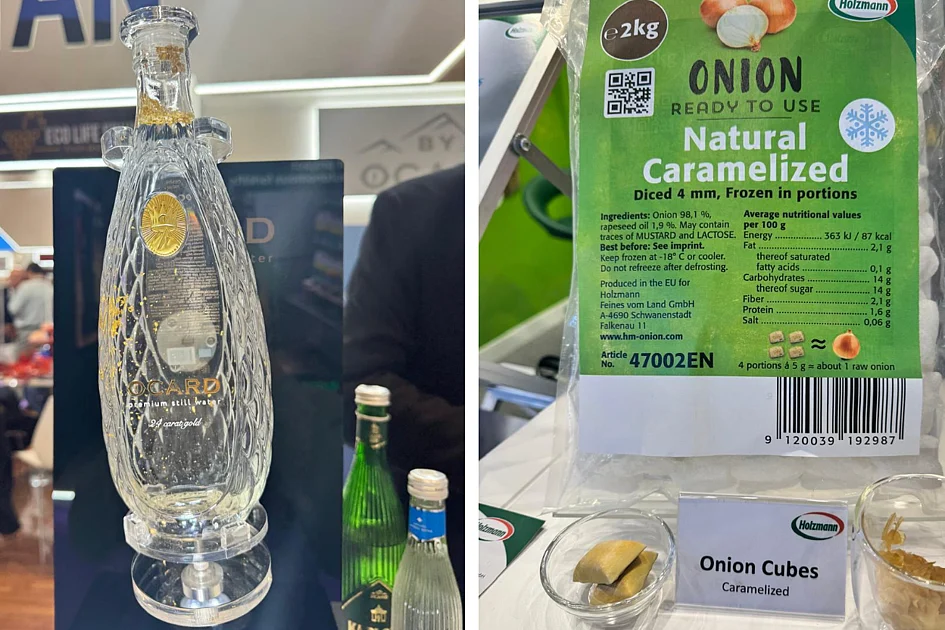
    Among the most striking innovations presented was Ocard’s luxury mineral water containing authentic 24-karat gold flakes, produced at one of Europe’s oldest gold mining plants in Uzbekistan. Priced at approximately AED 360 per bottle in the US market, the product represents the premium segment of functional beverages.

    Health-conscious consumers found numerous alternatives, including Liife’s protein-enhanced sparkling waters containing 10 grams of clear whey protein, available in innovative flavors like blood orange ginseng and raspberry peach. Zerup from Singapore presented sugar-free caramel popcorn sweetened with monkfruit extract, alongside their zero-calorie beverage line.

    Practical culinary solutions emerged with Austria’s Holzmann introducing ready-to-use frozen caramelized onions that eliminate preparation time, with one kilogram replacing up to six kilograms of raw onions. Meanwhile, Wild Bee Honey showcased their Gulfood Innovation Award-nominated products featuring morel mushrooms, moringa, and saffron preserved in honey.

    Nutritional innovation took center stage with Co Nature’s sublingual collagen strips for instant nutrition delivery and nutritional yeast flakes fortified with 300% of daily Vitamin D requirements. Liviano’s chocolate hummus, combining premium cocoa with protein and fiber, offered versatility as dessert, dip, or spread.

    The event also featured artistic presentations including fruit bouquets arranged as the UAE flag and socially conscious initiatives from South Africa-based companies creating healthy spinach cookies while providing employment opportunities for women and youth.

  • Saudi megacity Neom to be ‘far smaller’ than first envisaged, says report

    Saudi megacity Neom to be ‘far smaller’ than first envisaged, says report

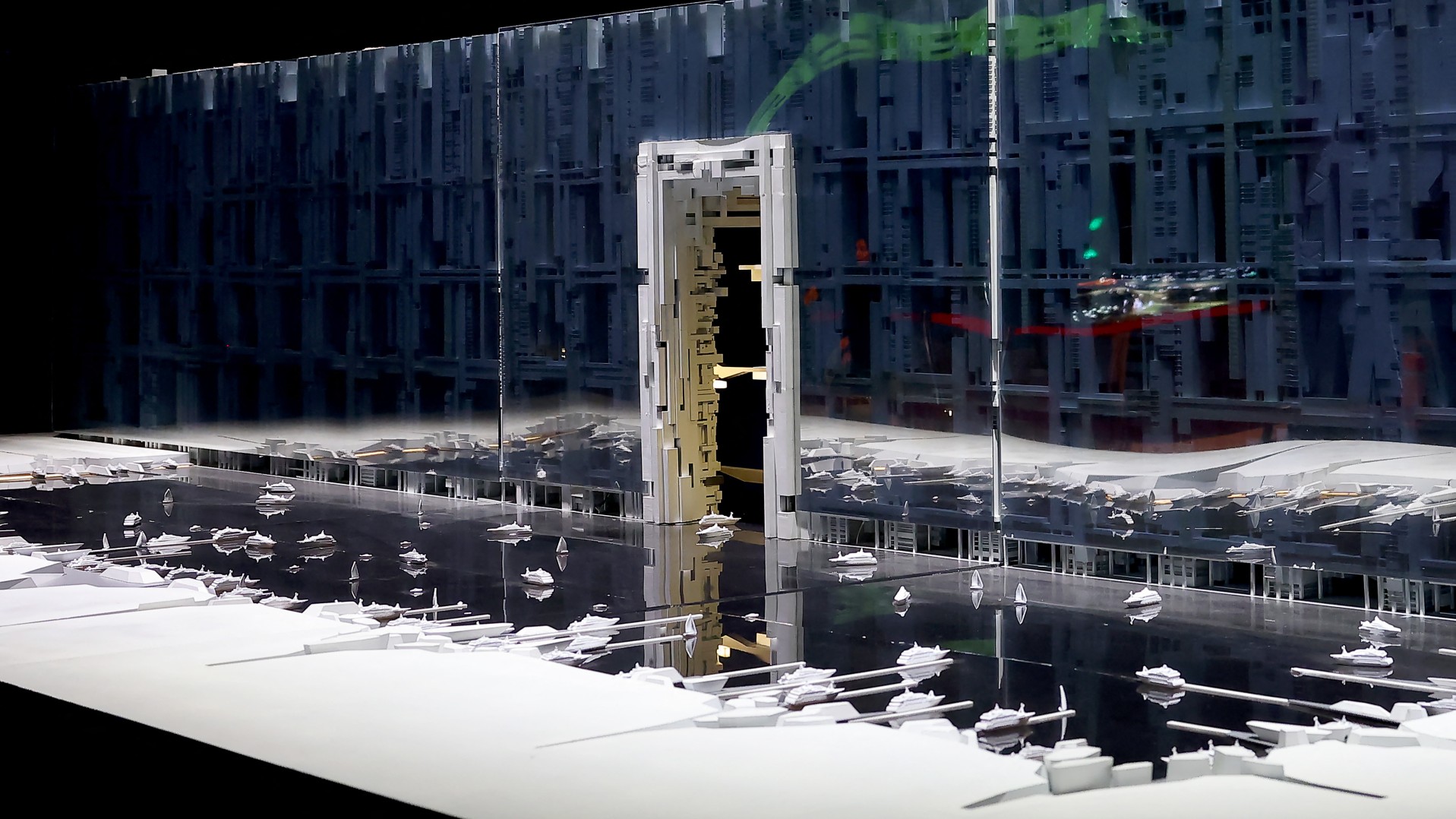
    Saudi Arabia’s visionary $1 trillion Neom megaproject is undergoing substantial downsizing and redesign following years of implementation delays and financial constraints. According to a Financial Times report citing informed sources, Neom’s leadership now envisions a significantly scaled-down version of the originally proposed development.

    The project’s centerpiece, ‘The Line’—initially conceptualized as a revolutionary 170-kilometer linear city—has been radically reconfigured into a more modest undertaking. Sources indicate the redesigned concept will utilize existing infrastructure differently than originally planned, marking a fundamental shift in approach.

    Additional components of the Neom blueprint have also faced reduction. The planned eight-sided floating city ‘Oxagon’ and the ‘Trojena’ ski resort—originally slated to host the 2029 Asian Winter Games—have been downsized, with Riyadh announcing the withdrawal from hosting the winter sports event.

    The strategic repositioning emphasizes industrial sectors, particularly positioning Neom as a hub for data centers. This aligns with Crown Prince Mohammed bin Salman’s ambition to establish Saudi Arabia as a major artificial intelligence player. The coastal location provides strategic advantages for seawater cooling systems essential for data center operations.

    Financial pressures stemming from stagnating oil prices have prompted this recalibration. Saudi authorities are simultaneously prioritizing resources toward fixed-deadline events including the 2030 Expo international trade fair and the 2034 World Cup.

    The project has faced persistent criticism regarding its feasibility and human rights implications. Allegations include forced displacement of the indigenous Howeitat tribe from their ancestral lands in northwest Saudi Arabia. Reports document arrests and detentions of tribe members resisting eviction, including the 2020 shooting death of an activist protesting land clearance.

    A comprehensive year-long review examining Neom’s implementation is scheduled for completion by first quarter 2026. Neom’s management stated they ‘continuously evaluate phasing and prioritization to align with national objectives and create long-term value,’ emphasizing advancement ‘in line with strategic priorities, market readiness and sustainable economic impact.’

    As part of the Public Investment Fund’s portfolio, Neom’s restructuring reflects broader potential reviews of Saudi Arabia’s sovereign wealth fund projects amidst evolving economic realities.

  • UAE, India, Saudi drive global airline growth with aircraft orders, passenger demand

    UAE, India, Saudi drive global airline growth with aircraft orders, passenger demand

    The global aviation sector is witnessing a dramatic geographical shift in growth dynamics, with the United Arab Emirates, India, and Saudi Arabia emerging as the industry’s primary engines of expansion. According to forecasts from aviation lessor Avolon, airlines are projected to achieve approximately $41 billion in profits during 2026, marking the fourth consecutive year of profitability and signaling a complete departure from the pandemic-induced downturn.

    The scale of ambition in these regions is unprecedented. Collectively, these three nations have placed aircraft orders exceeding 3,000 planes—more than double their current active fleets—with approximately 900 deliveries scheduled within the next three years. This massive investment reflects both booming passenger demand and strategic national initiatives centered on tourism development and enhanced global connectivity.

    India’s aviation market stands out as one of the world’s fastest growing, having secured the position as the third-largest domestic aviation market globally. Indian carriers transport over 150 million passengers annually and have placed record orders for more than 1,300 aircraft, led by major carriers IndiGo and Air India. The International Air Transport Association projects sustained annual passenger traffic growth exceeding 6% through 2030, significantly outpacing global averages.

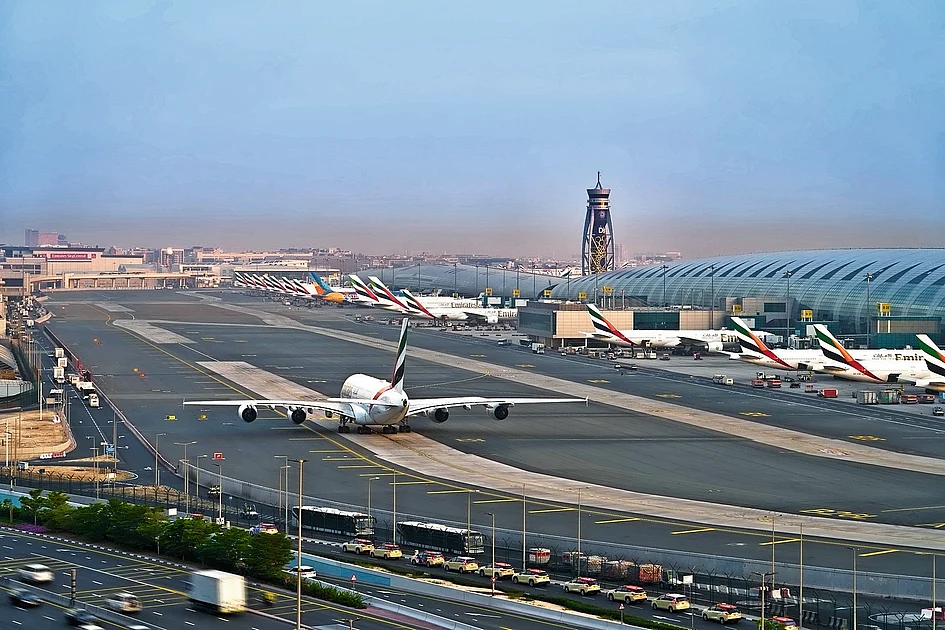
    The UAE maintains its dominance as the region’s premier international hub. Dubai International Airport processed nearly 90 million passengers in 2024, retaining its status as the world’s busiest airport for international travel. Abu Dhabi has simultaneously doubled terminal capacity at Zayed International Airport. Emirates and Etihad Airways collectively operate one of the planet’s largest widebody fleets, with over 500 additional aircraft on order.

    Saudi Arabia is pursuing one of the most aggressive aviation expansions globally under its Vision 2030 framework. The Kingdom aims to triple annual passenger numbers to surpass 330 million by 2030. This ambitious plan includes the establishment of new national carrier Riyadh Air, substantial fleet expansions at Saudia, and the development of King Salman International Airport designed to handle up to 120 million passengers annually.

    Despite favorable conditions including reduced fuel prices—which saved the industry approximately $8 billion in 2025—significant supply constraints present challenges. Order backlogs at manufacturing giants Airbus and Boeing now extend beyond 11 years, creating intense competition for delivery slots and driving lease rates higher. Widebody aircraft are experiencing particularly severe shortages as international routes drive most global capacity growth.

    The industry’s financial requirements are substantial, with global aircraft deliveries expected to reach $120 billion in value during 2026—a 20% increase from the previous year. Aviation lessors are projected to finance nearly half of these purchases, playing a crucial role in enabling fleet modernization and the transition to more fuel-efficient aircraft.

    With traditional Western markets reaching maturity, industry leadership increasingly recognizes that the coming decade of aviation growth will be fundamentally shaped by developments in the Gulf and South Asia regions, where massive infrastructure investments and government-backed aviation strategies are repositioning these nations at the center of the industry’s next expansion cycle.

  • A Shared Ascent: The UAE–India Growth Story

    A Shared Ascent: The UAE–India Growth Story

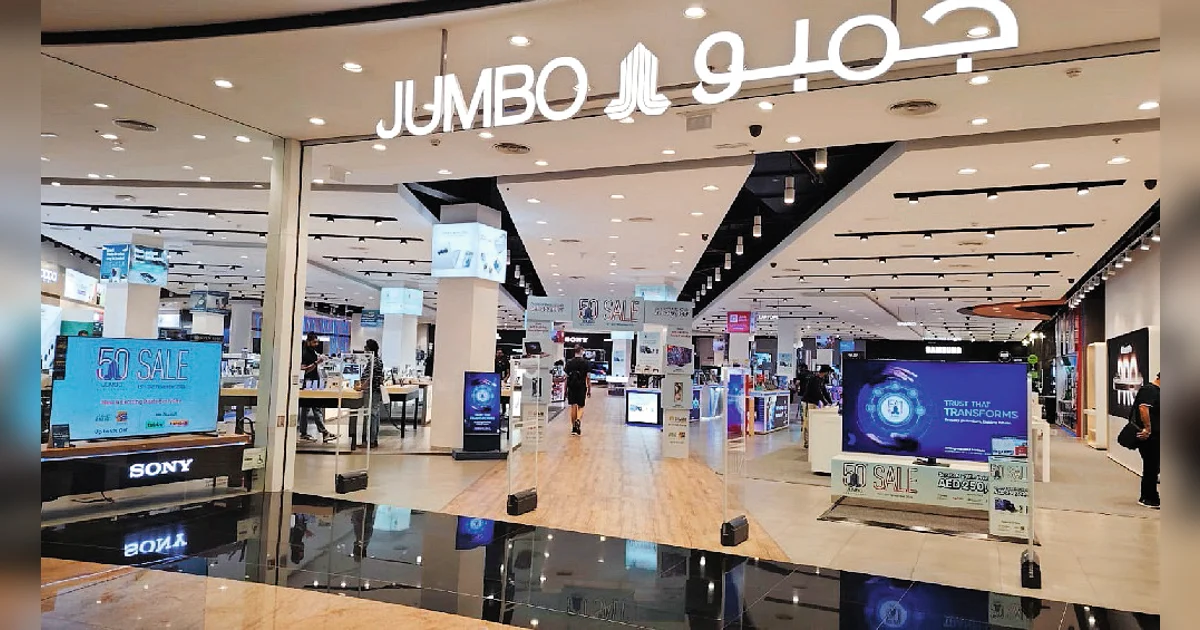
    As India commemorates its 77th Republic Day, the profound economic and cultural synergy between the United Arab Emirates and India emerges as a blueprint for successful bilateral partnership. This relationship, characterized by mutual values and ambitious growth trajectories, finds embodiment in enterprises like Jumbo Group, whose five-decade evolution mirrors the broader UAE-India success story.

    Vidya Chhabria, Chairperson of Jumbo Group, reflects on how Indian principles of resilience, innovation, and progress have fundamentally shaped the company’s journey from a single retail store to a major UAE distribution powerhouse. The organization’s growth strategy has consistently leveraged opportunities within the UAE market while maintaining its foundational Indian ethos.

    The company’s commercial evolution illustrates the bilateral partnership’s practical application. Beginning with longstanding collaborations with global brands like Sony and expanding through recent partnerships including international lifestyle brand Christy, Jumbo has demonstrated how UAE-India cooperation drives business diversification and market relevance.

    This economic interconnection extends beyond corporate strategy to human capital development. Jumbo’s workforce prominently features talented Indian diaspora professionals whose contributions have been instrumental to the company’s achievements. Through both retail operations and distribution networks, the organization has actively participated in job creation, talent cultivation, and the UAE’s broader innovation-focused economic agenda.

    The timing of this reflection coincides with the UAE’s designation of the Year of Family, creating cultural resonance with Indian family-centric values. These shared principles influence business approaches toward customer service and community engagement, ensuring commercial activities contribute meaningfully to quality of life for residents and visitors alike.

    This symbiotic relationship continues to strengthen through aligned ambitions and heritage, positioning the UAE-India partnership as a model of international cooperation with tangible economic and social benefits.

  • US government invests $1.6bn for stake in rare earths firm

    US government invests $1.6bn for stake in rare earths firm

    The Trump administration has committed $1.6 billion in federal support to USA Rare Earth, an Oklahoma-based critical minerals company, in a significant move to challenge China’s global dominance in the rare earth elements market. This non-binding agreement, announced Monday, represents the latest strategic initiative to secure America’s supply chain for minerals essential to both consumer electronics and advanced defense technologies.

    The financing package consists of a $1.3 billion loan from the Commerce Department—which will grant the government a stake in the company—alongside $277 million in direct federal funding. Simultaneously, USA Rare Earth revealed it had secured an additional $1.5 billion through private investment rounds. The company specializes in ‘heavy’ rare earth elements, which are particularly crucial for defense applications.

    Market response was immediately positive, with the miner’s shares surging up to 20% following the dual announcements. This investment continues the administration’s pattern of supporting domestic rare earth production, following previous agreements including a $1.4 billion deal with magnet startup Vulcan Elements and investments in MP Materials, operator of America’s sole active rare earth mine.

    This development occurs against the backdrop of tense trade negotiations between Washington and Beijing, where rare earths have emerged as a strategic bargaining chip. China currently processes approximately 90% of the world’s rare earths and has previously restricted exports to gain leverage in trade discussions. The U.S. reliance on these materials—vital for smartphones, electric vehicles, and military technologies—has created significant supply chain vulnerabilities.

    Beyond domestic investments, the administration has pursued international partnerships to diversify sources. Recent agreements include a minerals partnership with Australia and discussions regarding resource access in Greenland, though full independence from Chinese processing remains a longer-term objective.

  • LuLu Group: A Deeper Investment Push Across India

    LuLu Group: A Deeper Investment Push Across India

    LuLu Group has dramatically escalated its investment footprint across India, marking Republic Day with substantial commitments to retail expansion and agricultural export infrastructure. The multinational conglomerate unveiled comprehensive plans for new shopping malls, hypermarkets, and specialized food processing centers spanning multiple states.

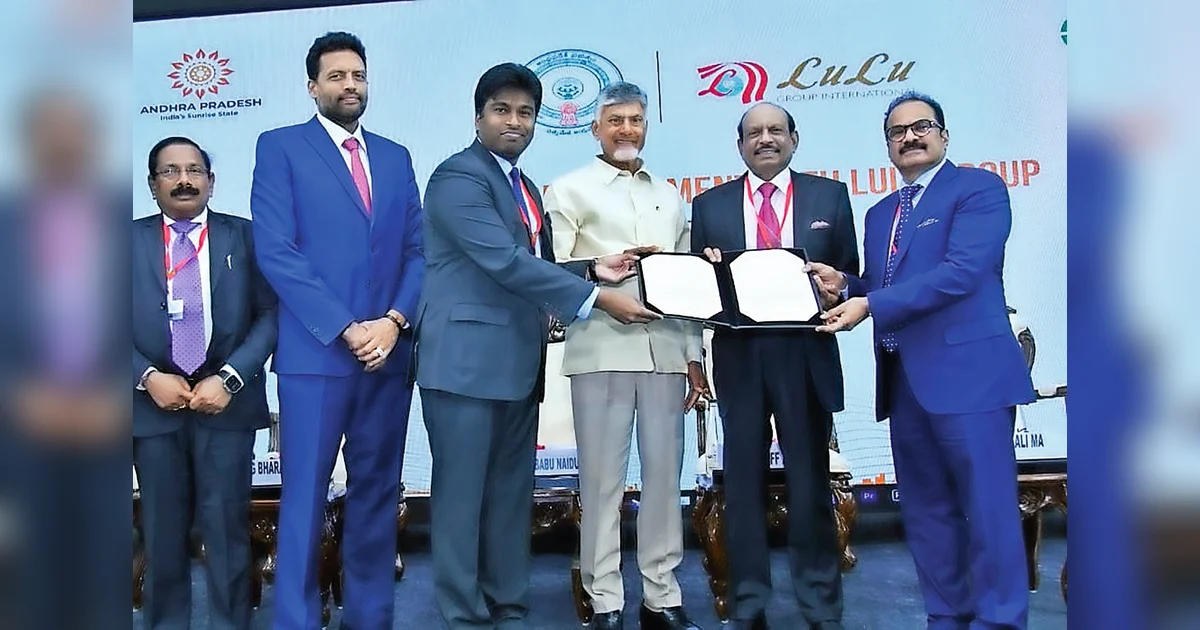
    In a strategic move, Chairman Yusuffali M.A. formalized agreements with Andhra Pradesh Chief Minister N Chandrababu Naidu to establish multiple flagship projects. These include a monumental shopping mall in Visakhapatnam—positioned to rank among India’s largest retail developments—alongside specialized food sourcing and export facilities in Vijayawada and Rayalaseema. The Visakhapatnam mall alone anticipates generating approximately 5,000 direct employment opportunities and an additional 12,000 indirect jobs upon its scheduled opening within three years.

    The export-oriented initiatives will focus on value-added processing of regional agricultural products including mango pulp, guava pulp, and premium spices under the LuLu brand. These facilities are designed to enhance market access for local farmers while strengthening international trade channels to GCC markets and Egypt.

    Concurrently, LuLu Group is advancing its retail network with new hypermarkets in Chennai scheduled for mid-2026 completion. Additional Express Stores and shopping complexes are being finalized in key urban centers including Bengaluru, Lucknow, Noida, and Gurugram. The expansion strategy also includes identifying potential mall locations in Gujarat’s Chandkheda area, situated within the Gandhinagar parliamentary constituency along the SP Ring Road corridor.

    Chief Minister Naidu characterized the Visakhapatnam development as the ‘Navaratna’ (nine jewels) of LuLu’s Indian portfolio, emphasizing its dual role as both retail destination and tourism experience center. He encouraged accelerated construction timelines aiming for a six-month early opening.

    This comprehensive investment push demonstrates LuLu Group’s deepening integration within India’s economic ecosystem, combining retail innovation with agricultural supply chain development to create multifaceted growth opportunities across multiple states.

  • Dubai’s Al Habtoor Group warns Lebanon of legal action over Dh6-billion losses

    Dubai’s Al Habtoor Group warns Lebanon of legal action over Dh6-billion losses

    Dubai-based conglomerate Al Habtoor Group has issued a formal warning to the Lebanese government, signaling imminent legal proceedings over substantial financial losses exceeding $1.7 billion (Dh6.24 billion). The multinational corporation alleges systematic violations of bilateral investment agreements through restrictive measures imposed by Lebanese authorities and the central bank, Banque du Liban.

    The dispute centers on the Group’s diversified portfolio across Lebanon’s hospitality, retail, leisure, real estate, and banking sectors. According to official statements, these investments have suffered severe deterioration due to capital control measures preventing access to lawfully deposited funds in Lebanese financial institutions. These financial restrictions, exacerbated by Lebanon’s prolonged political and economic crises, have created an unsustainable operational environment for foreign investors.

    Al Habtoor Group emphasized having exhausted all diplomatic channels and good-faith negotiation attempts since formally notifying Lebanon of the investment dispute in January 2024. The six-month cooling-off period mandated under UAE-Lebanon bilateral investment treaties concluded without resolution, despite the Group’s engagement with relevant authorities.

    The conglomerate now asserts that international legal action represents the only remaining recourse to enforce its rights under binding international agreements. These treaties obligate Lebanon to ensure protection, fair treatment, and effective remedies for foreign investors. While maintaining openness to constructive solutions, the Group stated it cannot continue absorbing losses resulting from what it characterizes as systemic failure and prolonged governmental inaction.

    This development follows Chairman Khalaf Al Habtoor’s January 2025 announcement canceling all Lebanese investment projects and divesting existing properties, citing security concerns including personal threats received in 2024. The case highlights worsening investor confidence in Lebanon’s ability to stabilize its financial systems and protect foreign investments amid ongoing economic collapse.

  • Malabar Gold & Diamonds: A Legacy Crafted in Gold

    Malabar Gold & Diamonds: A Legacy Crafted in Gold

    As India commemorates its 77th Republic Day, Malabar Gold & Diamonds emerges as a paradigm of how Indian enterprises are translating constitutional values into global business excellence. The jewelry giant, now ranked as the world’s fifth largest jewelry retailer, exemplifies India’s growing international economic influence through its unique fusion of traditional craftsmanship and contemporary business practices.

    With an extensive network exceeding 420 showrooms across 14 countries, Malabar Gold & Diamonds has transformed from a domestic enterprise into an international powerhouse serving diverse consumer markets. The brand’s operational headquarters in the UAE underscores the strategic importance of Indo-Emirati bilateral relations, demonstrating how progressive business ecosystems facilitate responsible global expansion for Indian companies.

    The company’s distinctive approach balances centuries-old Indian design traditions with modern aesthetic sensibilities, operationalizing its philosophy of ‘Make in India; Market to the World.’ This strategy positions Indian craftsmanship as a dynamic, evolving art form while maintaining cultural authenticity and relevance in international markets.

    Beyond commercial success, Malabar Gold & Diamonds has established comprehensive ESG frameworks emphasizing ethical sourcing, environmental sustainability, and community impact. The brand recognizes that in the jewelry industry—where trust and provenance are paramount—ethical leadership constitutes both a business imperative and social responsibility.

    Republic Day 2026 provides a moment for reflection on how Indian-origin brands represent national values on the global stage. Malabar’s journey illustrates how constitutional principles of integrity, fairness, and inclusivity can guide international business practices while enhancing India’s soft power and economic diplomacy.

    The company’s expansion narrative mirrors India’s broader economic transformation from domestic-focused markets to global influence across manufacturing, technology, design, and retail sectors. As Indian enterprises increasingly shape international consumer experiences and redefine global benchmarks, Malabar Gold & Diamonds stands as a testament to how business excellence can embody national pride and global responsibility simultaneously.

  • India budget 2026-27: What NRIs, investors and taxpayers can expect

    India budget 2026-27: What NRIs, investors and taxpayers can expect

    Finance Minister Nirmala Sitharaman prepares to present India’s Union Budget 2026-27 on February 1, marking her ninth consecutive fiscal presentation and the third comprehensive budget under the NDA 3.0 government. This budget emerges against a complex backdrop of resilient economic growth projections, global trade volatility, and heightened expectations from both domestic and international stakeholders.

    India’s economy demonstrates remarkable momentum with a projected 7.4% growth rate for the current fiscal year, positioning the nation to potentially surpass Germany as the world’s third-largest economy by 2027-28. However, slowing nominal GDP growth to approximately 8%—the weakest in five years—creates tension between fiscal consolidation objectives and growth-oriented expenditure requirements.

    Key stakeholder groups anticipate targeted interventions:

    Non-Resident Indians seek clarity on overseas income taxation, streamlined reporting mechanisms, and enhanced repatriation procedures. With India receiving over $125 billion in annual remittances, these reforms could strengthen foreign exchange stability while encouraging greater investment participation from the diaspora community.

    Domestic taxpayers expect further refinements to the new tax regime following last year’s landmark reform that established tax-free status for annual incomes up to ₹1.2 million. Potential adjustments include expanded deduction frameworks, surcharge rationalization for high earners, and simplified capital gains structures.

    Investment communities prioritize policy continuity and regulatory predictability amid recent market corrections. Equity investors seek assurance regarding stable taxation frameworks, while analysts emphasize the importance of maintaining fiscal discipline and macroeconomic stability.

    The startup ecosystem advocates for enhanced deep-tech and artificial intelligence incentives, including improved R&D tax credits, reduced cloud infrastructure costs, and simplified ESOP taxation. Industry leaders emphasize the need for clearer GST treatment for SaaS exports and reduced compliance burdens that currently drive overseas incorporation.

    Infrastructure development remains central to India’s growth strategy, with experts calling for improved project execution models and revised funding mechanisms. The real estate sector seeks increased urban housing allocations and GST rationalization for under-construction properties to address supply constraints in emerging cities.

    Energy independence emerges as a critical theme, with industry proponents urging comprehensive tax rationalization across the oil and gas value chain. The electric vehicle sector anticipates recalibrated incentive schemes and strengthened domestic manufacturing support to reduce import dependency.

    Agricultural stakeholders emphasize implementation acceleration for previously announced initiatives, including credit schemes and productivity missions, recognizing that nearly half of India’s workforce depends on this sector for livelihood.

    Market analysts will ultimately judge the budget’s effectiveness based on credible fiscal consolidation pathways, borrowing strategy transparency, and targeted growth expenditure allocations, with particular attention to how the government balances household relief measures with long-term infrastructure priorities.