分类: business

  • Indian rupee crosses Rs25 against UAE dirham: Factors of decline, what it means

    Indian rupee crosses Rs25 against UAE dirham: Factors of decline, what it means

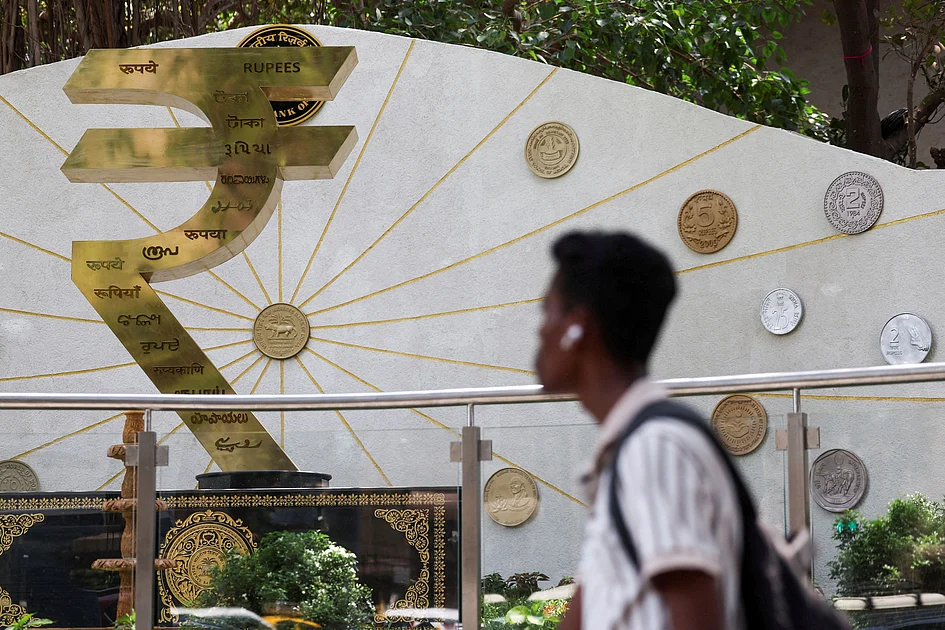
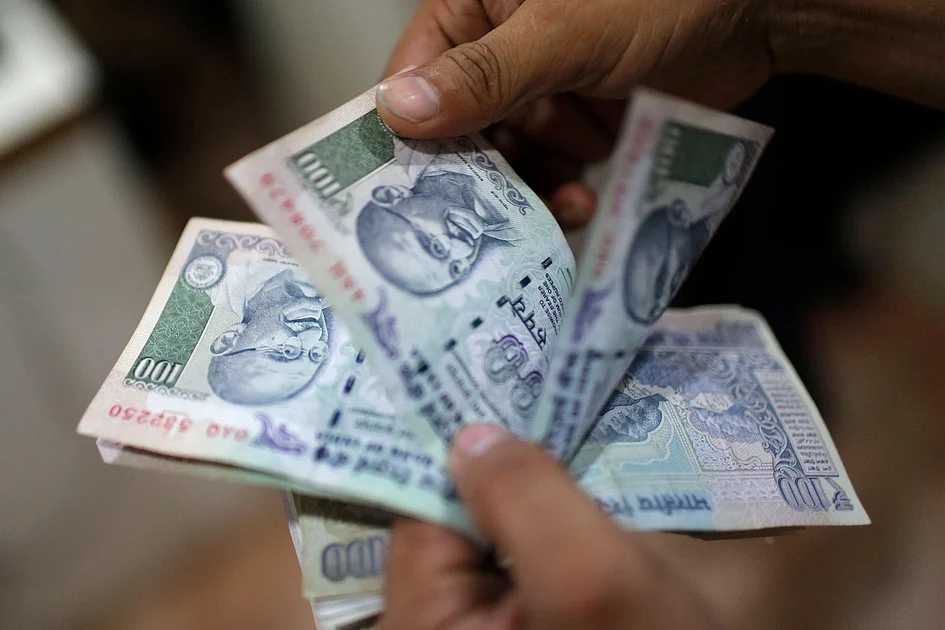
    The Indian rupee has breached the psychologically significant threshold of 25 against the UAE dirham, reflecting its persistent weakness against the US dollar which recently approached record lows of 92 rupees. This depreciation, impacting millions of UAE-based Indians through remittances, education costs, and import expenses, stems from multiple converging factors rather than a single catalytic event.

    Currency markets witnessed heightened volatility on January 27, 2026, with the rupee experiencing slight firming as the dollar softened and trade-deal optimism provided temporary relief. However, this minor recovery followed fresh historic lows, underscoring the currency’s underlying vulnerability.

    Three primary drivers are propelling the rupee’s decline. First, elevated US interest rates and Federal Reserve policy signals have strengthened the dollar, drawing global capital away from emerging markets like India. Second, sustained foreign portfolio outflows have created tangible dollar demand as international investors exit Indian assets. Third, importers’ anticipatory dollar buying—particularly for crude oil, electronics, and gold—has created self-fulfilling downward pressure, while exporters withhold dollar conversions hoping for further rupee depreciation.

    The UAE dirham’s peg to the dollar means the rupee-dirham exchange rate directly mirrors rupee-dollar movements, making Gulf transactions more expensive for Indian expatriates. Despite market anxieties, Reserve Bank of India Governor Sanjay Malhotra has clarified that the central bank focuses on maintaining orderly market conditions rather than defending specific exchange rate levels, emphasizing that currency strength shouldn’t be judged solely by exchange rates but by broader economic fundamentals.

    Potential stabilizers include moderating dollar strength, progress on India-EU trade agreements, and the RBI’s smoothing interventions. For households, the weak rupee presents a dual reality: enhanced remittance value for those sending money to India, but increased costs for imported goods, international education, and travel.

    The rupee’s trajectory remains contingent on global dollar dynamics, foreign investment flows, and trade imbalances, with the RBI positioned to prevent disorderly movements rather than reverse the currency’s broader trend.

  • Foreign trade fuels Xinjiang’s regional GDP growth during 14th Five-Year Plan

    Foreign trade fuels Xinjiang’s regional GDP growth during 14th Five-Year Plan

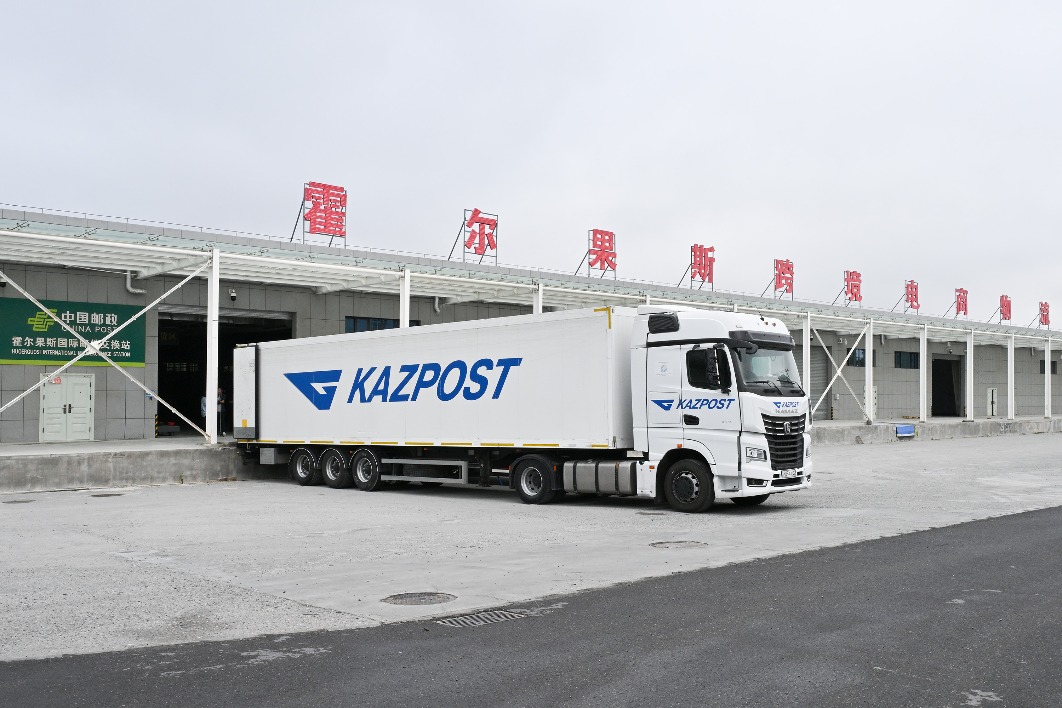
    Xinjiang Uygur Autonomous Region has demonstrated remarkable economic performance throughout China’s 14th Five-Year Plan period (2021-2025), with foreign trade emerging as a primary growth engine. Regional Chairman Erkin Tuniyaz revealed these findings during his government work report presented at the annual legislative session in Urumqi this week.

    The northwestern region achieved an impressive 5.9% average annual GDP growth, significantly propelled by a staggering 28.5% yearly expansion in foreign trade volume. By 2025, Xinjiang’s total economic output reached 2.15 trillion yuan ($309.03 billion), representing a 5.5% year-on-year increase.

    Notably, disposable income growth showed robust performance across urban and rural communities. Urban per capita disposable income rose by 5.3%, while rural residents experienced a more substantial 7% increase. For the first time in the region’s history, rural disposable income surpassed the 20,000 yuan threshold, reaching 20,793 yuan.

    Strategic industrial development played a crucial role in this economic transformation. Xinjiang has successfully cultivated characteristic and competitive industries, with major clusters emerging in multiple sectors including oil and gas production and processing, clean coal utilization, innovative power systems, environmentally conscious mining, and strategic emerging industries.

    The region maintained its national leadership in oil and gas equivalent output throughout the five-year period, achieving a cumulative production of 320 million metric tons. Simultaneously, Xinjiang’s energy transition advanced significantly with installed new-energy capacity growing to 167 million kilowatts—accounting for nearly two-thirds of the region’s total power capacity. Outbound electricity transmission increased at an average annual rate of 3.6%, with green electricity constituting over 30% of total exports.

  • EU says India to slash tariffs on import of autos, wine and pasta

    EU says India to slash tariffs on import of autos, wine and pasta

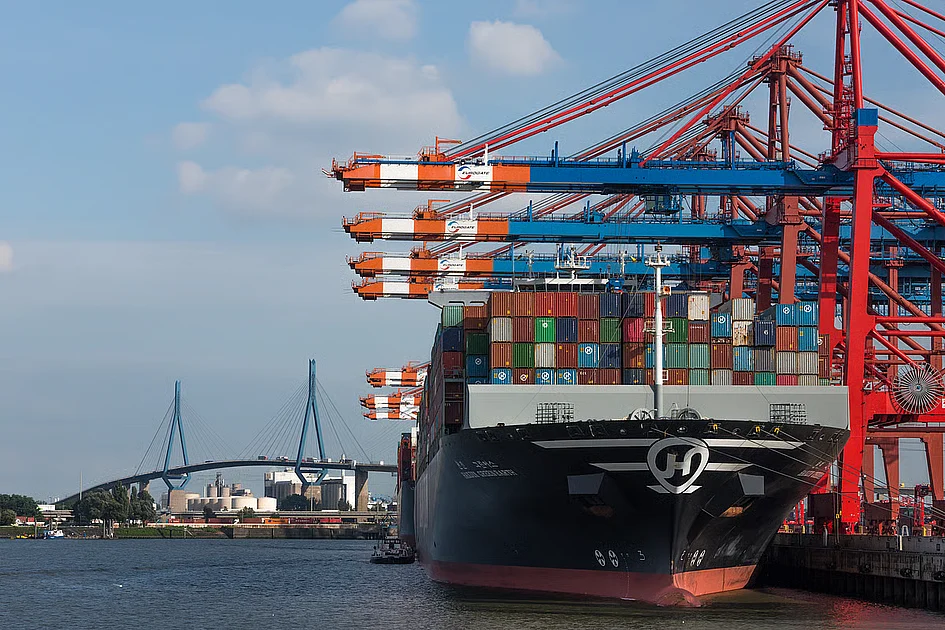
    In a landmark move set to redefine bilateral trade, India and the European Union have officially unveiled a comprehensive free trade agreement. The pact, announced on Tuesday, January 27, 2026, will dramatically reduce or eliminate import duties on an unprecedented 97 percent of goods exported from the EU to India, creating an estimated annual duty savings of up to €4 billion ($4.75 billion).

    The agreement specifically targets several high-tariff sectors, signaling a new era of market access for European producers. The automotive industry will witness a profound transformation, with India’s notoriously high import duties on cars being systematically reduced from a peak of 110 percent down to a new low of 10 percent. Similarly, the wine sector is poised for a breakthrough as tariffs, previously as high as 150 percent, will be progressively lowered to a base rate of 20 percent.

    Furthermore, the EU confirmed that India will completely eliminate its current 50 percent tariff on a range of processed food products. This elimination will apply to key European exports including pasta, chocolate, and other gourmet food items, granting them unprecedented price competitiveness in the vast Indian consumer market.

    This agreement is widely regarded as one of the most significant trade deals negotiated by the EU, marking a decisive step in strengthening economic ties between the world’s largest trading bloc and one of its fastest-growing major economies. The tariff reductions are structured to be implemented progressively, allowing industries in both regions to adapt to the new competitive landscape.

  • Digipos crosses Dh20 billion in transactions in 8 years as founder Sunil Rangwani advances multi-sector expansion

    Digipos crosses Dh20 billion in transactions in 8 years as founder Sunil Rangwani advances multi-sector expansion

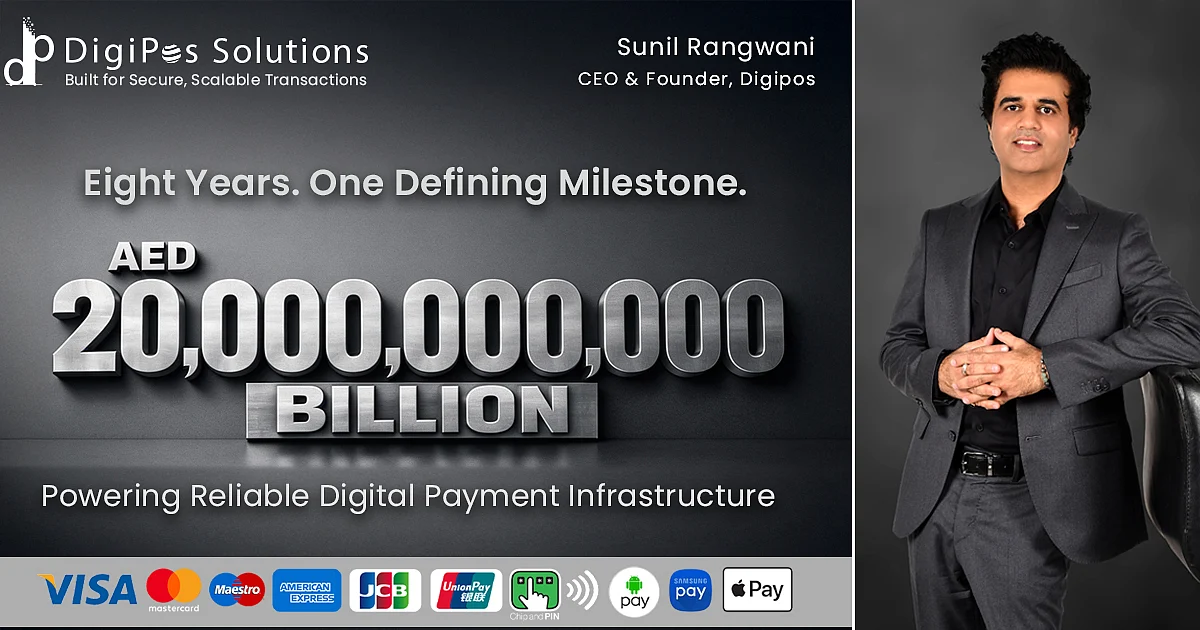
    Dubai-based digital payments provider Digipos has achieved a remarkable financial milestone, processing over Dh20 billion ($5.45 billion) in cumulative transactions since its establishment in 2016. This achievement underscores the company’s evolution from a specialized payment solution to a comprehensive digital infrastructure partner within the UAE’s rapidly transforming economy.

    The company’s growth trajectory has accelerated significantly, with 2025 alone accounting for Dh5 billion ($1.36 billion) in processed transactions. This performance demonstrates robust merchant confidence and consistent platform reliability across more than 15,000 Point of Sale terminals deployed throughout the UAE.

    Founder and CEO Sunil Rangwani attributes this success to strategic execution and operational discipline rather than short-term market opportunism. “Expanding to over 15,000 terminals across the UAE represents a defining moment for our organization,” Rangwani stated. “This achievement reflects the collective efforts of our entire team and our commitment to ongoing pursuit of excellence.”

    Rangwani specifically acknowledged the contributions of Co-Founder and Business Director Mirza Hussain, whose operational expertise has been instrumental in strengthening platform reliability and scaling capabilities within the competitive fintech landscape.

    Building upon this success, Digipos has initiated a structured multi-sector expansion strategy across the UAE and India. The company has launched five new ventures in 2025, applying the same principles of governance and scalability that defined its payment solutions success.

    The expansion portfolio includes Henox IT and Datacenters LLC in Dubai and India, focusing on scalable digital infrastructure; La Opulence Real Estate LLC for premium property development; and Henox Insurance Broker Services along with Henox Capital and Finserv Pvt Ltd for financial services. Across all ventures, Rangwani maintains founder-level and board leadership roles, guiding strategic direction and governance frameworks.

    “Each venture is being built with the scale, structure, and discipline required to compete at an institutional level,” Rangwani emphasized. “Our objective is to create durable, category-defining businesses that deliver long-term value across infrastructure, finance, and real assets.”

    This expansion aligns with the UAE’s national digital transformation agenda, positioning Digipos as a dependable partner for merchants seeking payment solutions that combine reliability, scalability, and operational continuity in an increasingly cashless economic environment.

  • China’s bamboo industry thrives as eco-friendly plastic alternative

    China’s bamboo industry thrives as eco-friendly plastic alternative

    China has successfully established a comprehensive industrial framework positioning bamboo as a premier substitute for plastic, marking a significant advancement in sustainable material development. The National Forestry and Grassland Administration confirmed the industry now boasts an impressive annual output value exceeding 520 billion yuan ($74.8 billion) with product diversity expanding beyond 15,000 distinct items.

    This remarkable growth stems from a dedicated three-year action plan implementing systematic measures to cultivate industrial clusters and optimize the sector’s ecosystem. Government support has been instrumental, with preferential policies allocating over 900 million yuan to bolster relevant industries. The development includes establishment of a specialized standard system encompassing nine categories and 140 items, with China taking leadership in initiating several international standards for bamboo products.

    The industry’s expansion has generated substantial economic impact, with bamboo processing enterprises now numbering over 10,000 nationwide. These enterprises provide employment for nearly 29 million workers across the entire industrial chain. Ten Chinese counties have achieved exceptional scale, each hosting bamboo industries with annual output exceeding 10 billion yuan.

    China’s natural bamboo resources provide a strong foundation for this growth, with nearly 8 million hectares of bamboo forests producing approximately 150 million metric tons annually. Looking forward, the administration has committed to enhanced measures during the 15th Five-Year Plan period (2026-30), including strengthened preferential policies to maximize the bamboo industry’s potential in circular economy development. Additional efforts will focus on improving standard systems and deepening technological innovation to further support sustainable industry growth.

  • India’s Adani, Embraer announce regional aerospace partnership

    India’s Adani, Embraer announce regional aerospace partnership

    In a significant development for India’s aerospace sector, Adani Group and Brazilian aerospace conglomerate Embraer SA unveiled a comprehensive partnership Tuesday to establish a regional transport aircraft manufacturing venture in India. The strategic collaboration encompasses manufacturing, assembly operations, and substantial localization initiatives, representing Adani Group’s ambitious entry into the aviation manufacturing landscape.

    The announcement comes as Embraer strengthens its presence in the South Asian market, having established a New Delhi office last year. Currently, approximately 50 Embraer aircraft of various configurations operate within India, including civil aircraft deployed by regional carrier Star Air. While this fleet remains substantially smaller than the dominant Airbus and Boeing orders held by Indian airlines, Embraer’s market analysis projects substantial growth potential.

    According to Embraer’s market assessment, India will require at least 500 aircraft in the 80- to 146-seat category over the coming two decades. This forecast underscores the strategic timing of the partnership, positioning both companies to capitalize on India’s expanding regional connectivity needs and the government’s ‘Make in India’ manufacturing initiative.

    The collaboration marks a significant diversification for Adani Group, one of India’s largest industrial conglomerates, into aerospace manufacturing—a sector with strategic importance to India’s economic and technological development. The partnership combines Embraer’s established aerospace expertise with Adani’s industrial capabilities and deep understanding of the Indian market dynamics.

  • India, EU finalise landmark trade deal, PM Modi says

    India, EU finalise landmark trade deal, PM Modi says

    In a groundbreaking development for global trade, India and the European Union have concluded negotiations on a comprehensive trade agreement that represents approximately 25% of the world’s economy. Prime Minister Narendra Modi announced the completion of this landmark pact on Tuesday, marking the culmination of nearly twenty years of intermittent negotiations between the parties.

    The agreement establishes a framework for India to gradually open its massive, previously protected market of 1.4 billion people to free trade with the 27-nation European bloc, which currently stands as India’s largest trading partner. Bilateral trade between India and the EU reached $136.5 billion during the fiscal year ending March 2025.

    This strategic partnership emerges against a backdrop of shifting global alliances and economic uncertainties. The deal follows the recent collapse of India-US trade negotiations after the Trump administration imposed substantial tariffs, including a 50% levy on Indian goods. The agreement also comes shortly after the EU finalized similar pacts with Mercosur, Indonesia, Mexico, and Switzerland.

    According to Indian government officials familiar with the matter, the formal signing ceremony will occur following a five-to-six month legal review process, with full implementation expected within twelve months. This agreement represents part of a broader pattern of nations seeking alternative trade partnerships amid increasing volatility in traditional Western alliances.

  • Will UAE petrol prices rise in February after increase last month?

    Will UAE petrol prices rise in February after increase last month?

    The United Arab Emirates may witness another increase in petrol prices for February 2026 following January’s upward adjustment, as global oil markets experience renewed volatility driven by geopolitical tensions and supply concerns. Market analysts point to rising Brent crude prices, which averaged $63.47 per barrel this month compared to $61.51 in December 2025, creating pressure on local fuel pricing mechanisms.

    Geopolitical risk factors have emerged as significant price drivers, with renewed U.S. focus on Iran and Venezuela sparking supply disruption fears. The deployment of American naval assets to the Middle East has particularly raised concerns about potential escalation, contributing to what market experts describe as a ‘geopolitical risk premium’ in current oil pricing. This sentiment has prompted hedge funds to increase bullish crude positions to their highest level since August.

    Despite these upward pressures, Fitch Ratings maintains a cautious outlook, noting that any potential supply disruptions would likely be absorbed by an oversupplied global market. The ratings agency emphasized that OPEC’s future strategic stance on volume versus value will prove crucial in shaping oil market dynamics in the coming months.

    Domestically, the growing vehicle population in the UAE continues to drive substantial demand for petroleum products. Adnoc Distribution, the nation’s largest fuel retailer, reported record nine-month fuel volumes totaling 11.7 billion liters while expanding its network with 85 new service stations during January-September 2026.

    The UAE’s fuel pricing committee considers both international benchmark trends and local market conditions when determining monthly prices. For January, Super 98, Special 95, and E-Plus were priced at Dh2.53, Dh2.42, and Dh2.34 per liter respectively, representing a slight decrease from December 2025 rates. Market watchers now await the February announcement amid current market conditions that suggest possible increases.

  • The new blue frontier: How the Gulf is reimagining water

    The new blue frontier: How the Gulf is reimagining water

    The Arabian Gulf is undergoing a remarkable transformation in its relationship with water, evolving from mere survival strategy to strategic economic advantage. With approximately 50-60% of global desalination capacity concentrated within Gulf Cooperation Council (GCC) states, the region has established itself as the undisputed center of the world’s desalination industry, producing roughly 40% of all desalinated water worldwide.

    This technological dominance forms the backbone of national infrastructure, with desalination providing 90% of Kuwait’s drinking water, 86% of Oman’s, and approximately 70% of Saudi Arabia’s supply. The Kingdom, home to massive complexes like Ras Al-Khair, stands as the world’s largest producer of desalinated water by volume, while the UAE maintains the largest installed capacity in the Arabian Gulf.

    The scale of ambition is demonstrated by a monumental $100 billion investment commitment to expand desalination capacity by 37% over the next five years. This represents one of the most comprehensive water-security initiatives globally, transitioning from energy-intensive thermal systems to more efficient reverse-osmosis technologies that integrate more effectively with renewable energy sources.

    Beyond infrastructure, GCC nations are pioneering what they term the ‘blue economy’—the sustainable utilization of ocean resources for economic growth while preserving marine health. Saudi Arabia’s Vision 2030 allocates significant resources toward coastal and marine assets, including next-generation projects like NEOM’s Oxagon, a planned floating industrial city featuring dedicated blue economy zones spanning approximately 10 square kilometers.

    Innovation ecosystems are emerging across three primary domains: low-carbon desalination technologies, advanced water reuse and circular systems, and digital water management platforms utilizing AI and predictive analytics. The UAE’s partnership with the XPRIZE Foundation on a $119 million Water Scarcity competition seeks breakthrough technologies that could transform global water security.

    Environmental considerations remain paramount as expansion continues. Regional policymakers are implementing protective measures including brine valorization (converting waste into valuable minerals), stricter discharge standards, and blended conservation finance. These safeguards address concerns about marine ecosystem impacts, particularly in semi-enclosed bodies like the Arabian Gulf.

    The GCC’s accumulated expertise positions it advantageously for global export opportunities as climate stress intensifies worldwide. Countries including Jordan and Morocco are launching major desalination initiatives, creating opportunities for Gulf-based firms like ACWA Power to supply technology, capital, and operational knowledge to water-stressed markets from North Africa to South Asia.

    This strategic reimagining of water represents a fundamental shift in economic thinking—transforming a historical deficit into a platform for growth, diversification, and global leadership in an era where ‘blue gold’ may rival the economic importance of hydrocarbons.

  • Indian rupee crosses Rs25 threshold against UAE dirham in early trade

    Indian rupee crosses Rs25 threshold against UAE dirham in early trade

    The Indian rupee experienced significant downward pressure in early Tuesday trading, crossing the psychologically critical threshold of 25 against the UAE dirham. Opening at 91.82 against the US dollar (equivalent to 25.01907 versus the dirham), the currency showed a modest recovery of 8 paise from its record low, though concerns about its continued weakness persist.

    Market analysts attribute the rupee’s persistent decline to multiple factors, including substantial equity outflows that have reached nearly $4 billion for January. This represents a 1.18% decline for the currency just last week, bringing it perilously close to the 92.00 per dollar mark for the first time in history.

    The Reserve Bank of India has actively intervened to stabilize the currency, though traders report the central bank has adopted a strategy of supplying dollars at various levels rather than defending any specific exchange rate threshold. This approach has failed to halt the rupee’s slide, suggesting deeper underlying pressures beyond portfolio flows.

    Additional factors contributing to the currency’s weakness include increased bullion imports and growing depreciation expectations that have amplified dollar demand. The sustained decline has created a self-reinforcing cycle where expectations of further depreciation drive additional dollar buying, putting further downward pressure on the rupee.

    The breach of the 25-to-dirham threshold represents a significant psychological milestone for markets and may signal continued volatility ahead for the Indian currency amid global economic uncertainties and domestic market challenges.