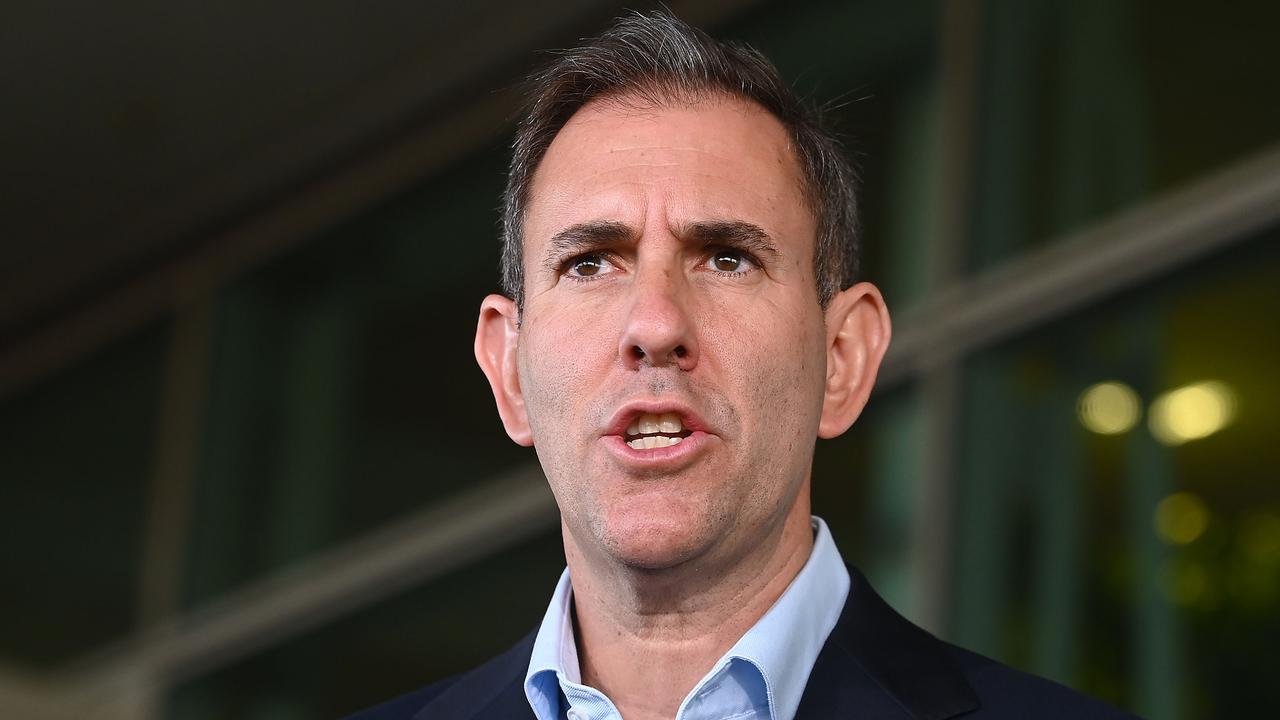
As geopolitical tensions in the Middle East threaten to unravel a fragile ceasefire between Israel and Iran, 11 US-allied nations led by Australia have put out an extraordinary joint warning about the catastrophic economic fallout a wider conflict could trigger globally. Australian Treasurer Jim Chalmers, who is currently in Washington D.C. attending high-level talks with leaders from the International Monetary Fund and World Bank, was one of the first signatories to the statement, which also draws signatures from finance leaders of the United Kingdom, Japan, New Zealand, Sweden, the Netherlands, Finland, Spain, Norway, the Republic of Ireland, and Poland.
The core message of the joint communique is clear: any collapse of the current ceasefire or escalation of hostilities in the region would inject severe new risks into already fragile global energy markets, cross-border supply chains, and broad-based economic stability. Even if the parties reach a lasting, durable resolution to the current standoff, the statement notes that lingering disruptions will continue to weigh on global fiscal growth, keep core inflation elevated, and generate volatility across international financial markets.
Against this backdrop, the statement calls on all global governments to coordinate their post-crisis economic responses in a transparent, responsible, and responsive manner. With most national government balance sheets already stretched thin from recent global shocks, the signatories have committed to ensuring any domestic policy interventions to offset conflict impacts are fiscally prudent and targeted specifically at the most vulnerable populations and sectors.
A key pillar of the statement is a reaffirmation of the signatories’ commitment to open, rules-based trade for global energy products. The group explicitly called on all nations to reject protectionist measures that could worsen supply chain disruptions, including unjustified export controls, excessive strategic stockpiling of energy resources, and new trade barriers that block the flow of hydrocarbons and other critical goods through crisis-affected supply chains.
Long-term, the signatories also committed to accelerating global energy diversification efforts, including scaling up the clean energy transition and rolling out improvements to energy efficiency across all economies, to reduce long-term exposure to regional energy market shocks. The statement welcomed any steps individual nations take to advance these goals, and called for coordinated assessment work from the IMF, World Bank, and International Energy Agency to map the full scope of potential global economic impacts from the current conflict.
The communique highlights that low-income and vulnerable nations face the worst consequences of market volatility, particularly small, remote island states that rely entirely on imported energy to meet basic domestic needs. In response, the group has called on the IMF and World Bank to roll out a coordinated emergency support package for at-risk countries, tailored to individual national circumstances and leveraging the full flexible toolkit of the global financial institutions. The signatories also urged the institutions to provide guidance on temporary, targeted, and effective domestic policy responses, while prioritizing actions that protect long-term sustainable global growth.