分类: business

  • ‘Ganwei’ brand drives agricultural modernization and rural vitality in Gansu

    ‘Ganwei’ brand drives agricultural modernization and rural vitality in Gansu

    In a remarkable demonstration of digital commerce’s power, a single livestream conducted beneath a walnut tree in rural Longnan resulted in the sale of 1,500 kilograms of walnuts within just two hours. This extraordinary event exemplifies the transformative impact of Gansu province’s agricultural brand initiative ‘Ganwei’ (meaning ‘flavor of Gansu’), which is driving unprecedented economic vitality across the region’s countryside.

    Liang Qianjuan, a National People’s Congress deputy and rural e-commerce entrepreneur from Huixian county, highlighted how digital platforms have eliminated traditional transportation barriers that once hampered sales of local specialties. ‘E-commerce has given them wings,’ she stated during the Gansu delegation’s open day at the two sessions in Beijing. Over the past decade, Liang has expanded her enterprise from a solitary online store to a multi-platform operation spanning major e-commerce and livestreaming platforms, now marketing over 50 distinct products including edible fungi, wild honey, and artisanal bean products sourced directly from local farmers and cooperatives.

    The digital transformation has generated substantial economic ripple effects throughout rural communities. Liang’s business currently collaborates with hundreds of households, while inspiring numerous farmers to launch their own online ventures specializing in regional products like walnuts and honey. Her company’s annual sales have surged from approximately 2 million yuan ($290,000) to over 6 million yuan, reflecting the broader expansion of Longnan’s e-commerce ecosystem which now encompasses more than 16,000 online stores with total sales reaching 8.8 billion yuan in 2025.

    Beyond commerce, the initiative has created significant employment opportunities, particularly for rural women who previously remained at home. Many now work in packaging and logistics roles, earning monthly incomes between 3,000-4,000 yuan.

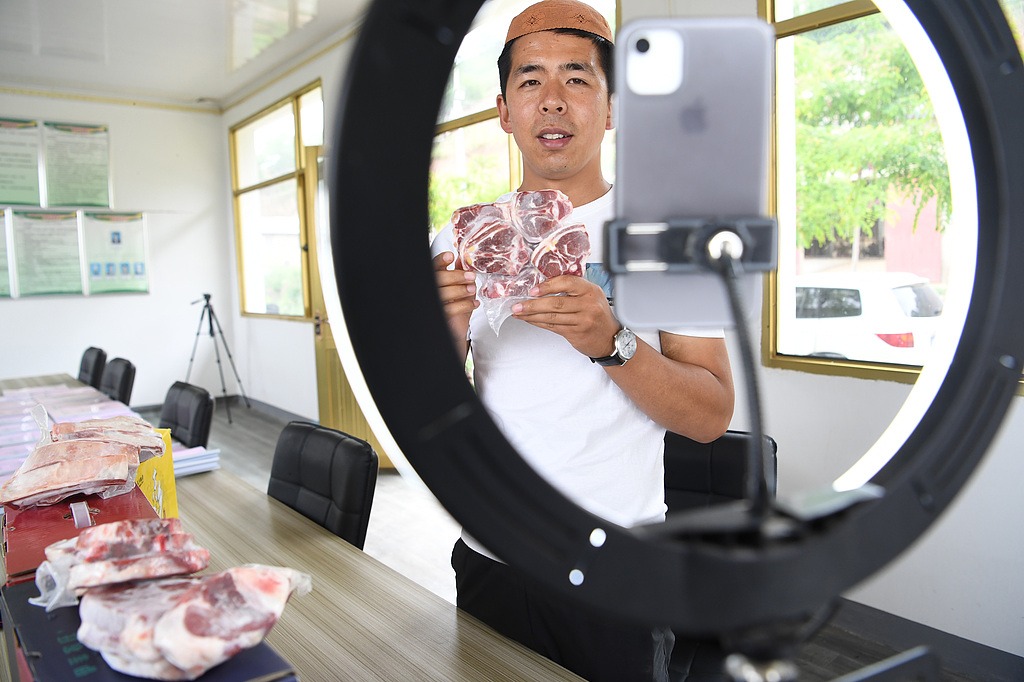
    Concurrently, NPC deputy Yin Jianmin has pioneered comprehensive industrial chain development through the ‘one county, one product’ model. Drawing upon the Dongxiang ethnic group’s longstanding sheep-raising traditions in Linxia, Yin has established a fully integrated operation covering breeding, technical training, processing, and marketing of Dongxiang lamb. This initiative has enhanced lambing rates, expanded market access, and generated stable incomes for local farmers, benefiting over 10,000 people throughout the past decade while creating employment opportunities for ethnic minority women within their communities.

    These grassroots efforts collectively advance the ‘Ganwei’ brand while transforming traditional agriculture into higher-value industries. According to Gansu Governor Ren Zhenhe, the province’s primary industry value-added growth has ranked among China’s top five for 19 consecutive quarters. The comprehensive agricultural industrial chain—encompassing livestock, vegetables, fruits, potatoes, Chinese medicinal herbs, grains, and seeds—has achieved an output value of 620 billion yuan. The ‘Ganwei’ brand has consistently ranked among China’s top regional agricultural brands for five consecutive years, with products distributed nationwide and exported to over 90 countries and regions.

    As branding strategies, digital commerce, and agricultural modernization continue converging, the fundamental objective remains ensuring that high-quality agricultural products from farmers’ lands reach stable and profitable markets, thereby sustaining rural revitalization across Gansu province.
  • Xinjiang’s foreign trade grows steadily

    Xinjiang’s foreign trade grows steadily

    Despite facing international sanctions, China’s Xinjiang Uygur Autonomous Region has demonstrated remarkable economic resilience with sustained foreign trade growth, according to representatives at the 14th National People’s Congress in Beijing.

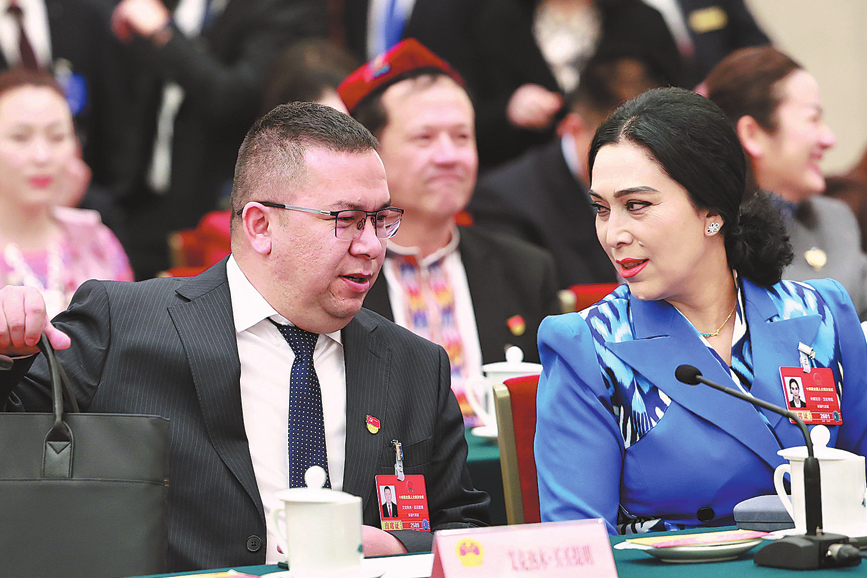
    Wang Kuiran, NPC deputy and secretary-general of Xinjiang’s People’s Government, addressed what he characterized as politically motivated sanctions during the ongoing legislative sessions. “The nature of these sanctions represents economic bullying grounded in false narratives about forced labor,” Wang stated. “They constitute deliberate attempts to contain China’s development through Xinjiang.”

    The region’s trade metrics reveal a compelling growth story. From a baseline of 156.91 billion yuan ($22.72 billion) in 2020, Xinjiang’s foreign trade volume progressively surpassed the 200, 300, 400, and 500 billion yuan thresholds between 2022 and 2025. The 2025 figures reached 520.37 billion yuan, marking a 19.9% year-on-year increase that led national growth rates.

    Zheng Jun, NPC deputy and finance department official, attributed this success to strategic geographical advantages and infrastructure development. “Xinjiang serves as a golden transport corridor connecting Asia and Europe, positioning us as China’s western gateway for international trade,” Zheng explained. The region currently maintains trade relationships with 228 countries and territories.

    Structural transformation has been equally crucial. Xinjiang’s export profile has evolved from energy and raw materials toward high-value manufactured goods. Mechanical and electrical product exports surged to 186.5 billion yuan in 2025 (40.7% growth), while electric vehicle and solar cell exports exploded by 99.9% and 187.4% respectively.

    The region has developed comprehensive logistics networks integrating rail, road, and air transportation, facilitating efficient market connections globally. Policy initiatives promoting goods, services, and digital trade complement these infrastructure advantages.

    Looking ahead, Zheng outlined ambitions for the 15th Five-Year Plan period (2026-2030): “Xinjiang will accelerate institutional opening-up and trade-investment integration, pursuing high-quality foreign trade development through scale expansion, diversified market participation, and optimized structure.”

    Wang concluded with defiant optimism: “We stand firm as a mountain against challenges—unshaken by wind and rain, determined until we achieve our goals, sailing through waves to reach our destination.”

  • Nation ramps up efforts to attract visitors

    Nation ramps up efforts to attract visitors

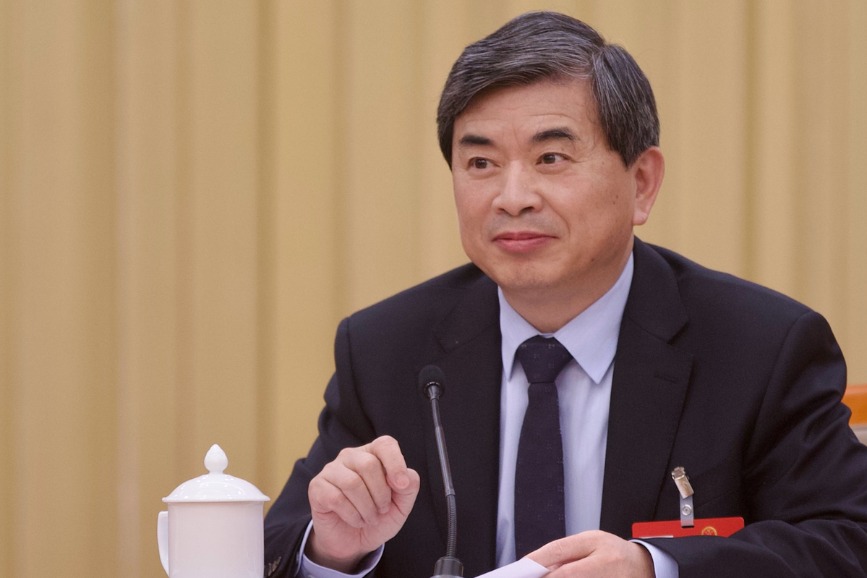
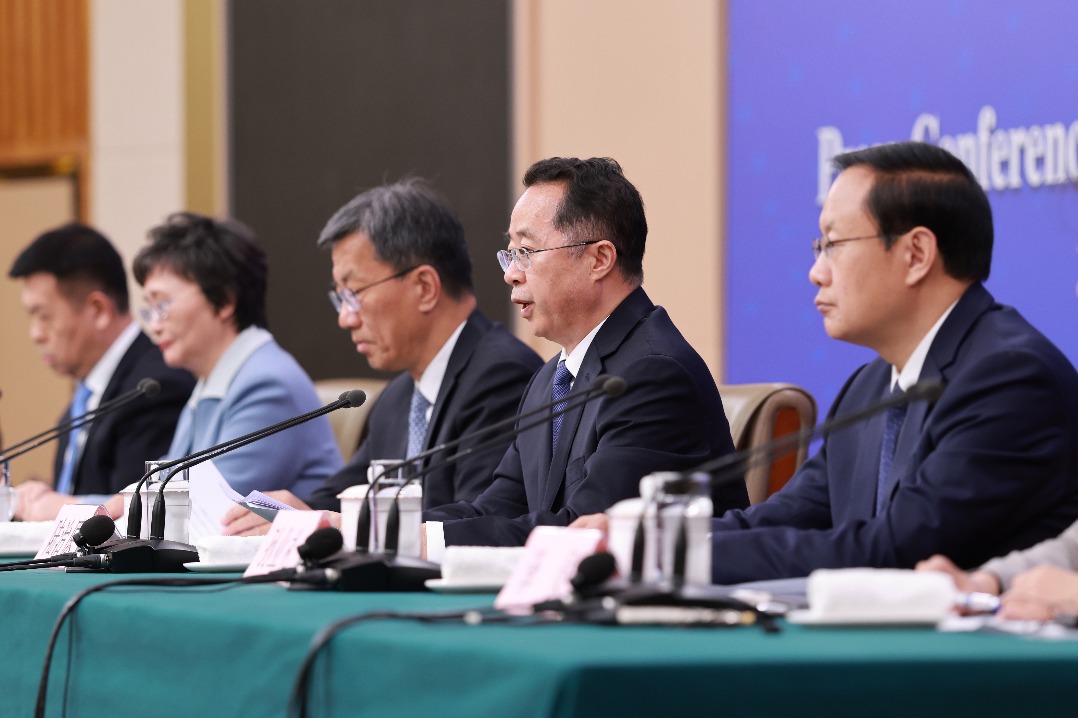
    China is aggressively enhancing its global tourism appeal through a comprehensive strategy integrating cultural promotion with streamlined travel services, according to Minister of Culture and Tourism Sun Yeli. The announcement came during a pivotal press conference on民生 (people’s livelihood) held alongside the fourth session of the 14th National People’s Congress.

  • Cocoa beans rot and West African farmers seek other options after commodity crash

    Cocoa beans rot and West African farmers seek other options after commodity crash

    KONA, Ghana (AP) — The global chocolate industry faces an unprecedented supply chain crisis as West African cocoa farmers abandon their traditional livelihoods amid catastrophic price collapses. Ghana and Ivory Coast, which collectively supply nearly 70% of the world’s cocoa beans, are experiencing widespread agricultural transformation with severe long-term implications.

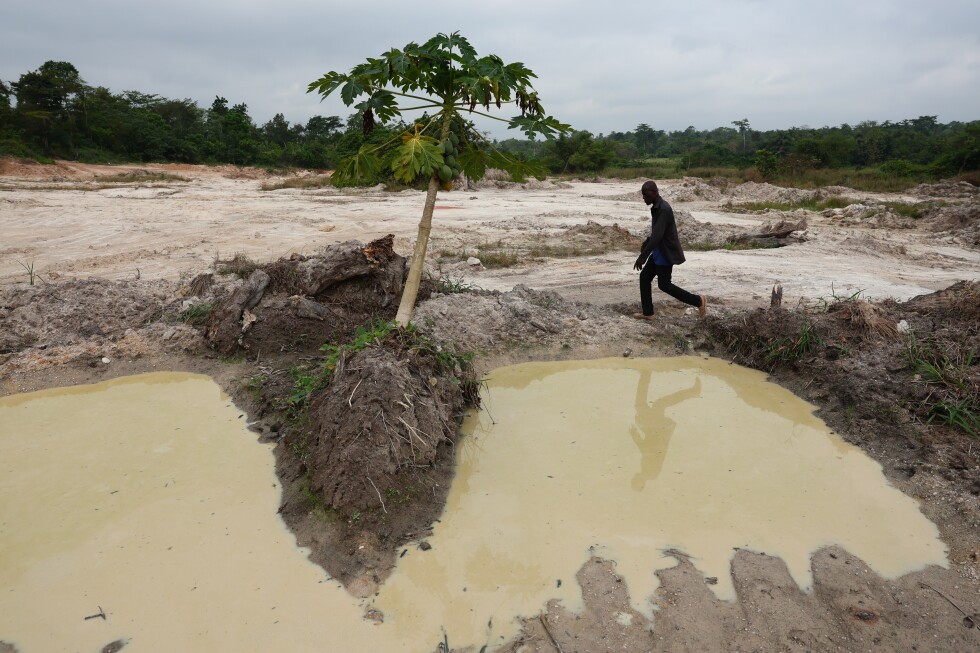
    Manu Yaw Fofie, a 52-year-old multigenerational cocoa farmer in Ghana, represents the desperate measures being taken across the region. With annual yields plummeting from 300 bags to a projected 50 bags by 2025 due to climate change and economic pressures, Fofie has resorted to leasing portions of his family land to illegal sand miners—a destructive but immediately profitable alternative that renders the soil permanently infertile.

    The crisis stems from a violent market fluctuation that saw cocoa futures skyrocket to over $12,000 per metric ton in 2024 before crashing to approximately $4,000. This whiplash effect created massive stockpiles of rotting beans in West African warehouses while global chocolate manufacturers struggled to secure reliable supplies.

    Government price stabilization mechanisms in both countries have collapsed under market pressures. Ghana slashed its fixed cocoa price by 28% to $3,881 per metric ton in January, while Ivory Coast implemented even more drastic cuts—reducing farmer compensation by more than half to $2.13 per kilogram for the 2026 season.

    The human impact is devastating. Farmers like Mercy Amponsah report that accepting current prices would force children to withdraw from school due to unsustainable profit margins. Many are turning to alternative land uses, including illegal gold mining operations that offer immediate cash payments but cause permanent environmental damage.

    Agricultural experts note that while commodity markets are inherently volatile, the scale of this crisis exceeded all preparedness measures. Edward Karaweh, former general secretary of Ghana’s General Agricultural Workers Union, emphasized that proper planning could have mitigated though not prevented the situation.

    The crisis demonstrates how climate change, global market speculation, and local economic pressures are converging to threaten the world’s chocolate supply while pushing West African farmers into irreversible agricultural transitions.

  • Sony faces $2.7 bn class action from UK PlayStation users

    Sony faces $2.7 bn class action from UK PlayStation users

    Japanese entertainment conglomerate Sony Group Corporation confronts a monumental legal challenge as a £2 billion ($2.7 billion) collective action lawsuit commences proceedings at London’s Competition Appeal Tribunal. The case alleges systematic anticompetitive behavior through Sony’s digital marketplace operations spanning nearly a decade.

    The litigation, spearheaded by consumer rights advocate Alex Neill, represents an estimated 12.2 million United Kingdom PlayStation users who purchased digital content between February 2016 and February 2026. The core allegation centers on Sony’s purported exploitation of its market dominance to impose inflated pricing structures on digital games and supplementary content.

    Central to the claimants’ argument is Sony’s alleged maintenance of a near-monopolistic position regarding digital game distribution for PlayStation consoles. This market control supposedly enabled the corporation to mandate a standardized 30% commission fee from game developers and publishers—a rate substantially exceeding the 12-20% commissions prevalent on competitive PC gaming platforms.

    The lawsuit further contends that contemporary game design intentionally encourages excessive spending patterns, particularly concerning vulnerable demographics including minors. These monetization strategies allegedly pressure players to purchase additional content for progression, feature unlocking, or character customization.

    Sony’s defense maintains the legitimacy of its distribution model, though company representatives declined immediate commentary regarding the ongoing proceedings. The trial is projected to extend across ten weeks, with potential implications for digital marketplace regulations globally.

    This legal action follows similar antitrust proceedings against technology behemoths, including Apple’s recent litigation concerning App Store commission structures. Under UK collective action regulations, all potentially affected consumers are automatically included in the claimant group unless they formally opt out, potentially enabling widespread compensation distribution should the case succeed.

  • Fujian targets high-quality growth through industry

    Fujian targets high-quality growth through industry

    During the ongoing 14th National People’s Congress session in Beijing, Fujian Provincial Party Committee Secretary Zhou Zuyi outlined an ambitious economic development strategy centered on strengthening real economy sectors and empowering private enterprises. Speaking at an open-media deliberation session of the Fujian delegation on Friday, Zhou emphasized the province’s commitment to establishing itself as a national leader in high-quality economic development.

    Zhou highlighted Fujian’s existing robust foundation in real economy sectors, noting that this provides significant advantages for constructing a modern industrial system. “Fujian must resolutely shoulder the responsibility of a major economic province,” Zhou stated, adding that the province aims to ensure its economic progress contributes substantially to national development objectives.

    The provincial strategy for the 15th Five-Year Plan period (2026-2030) prioritizes intelligent transformation, green development, and integrated industrial advancement. Fujian plans to achieve comprehensive improvements across its industrial ecosystem by fostering deeper integration between scientific innovation and industrial applications.

    A key component of this strategy involves implementing the “Jinjiang Experience”—a renowned model for private sector development—while advancing comprehensive reforms to enhance the business environment for private enterprises. The province will fully enact both the national Private Economy Promotion Law and corresponding provincial regulations, while actively promoting entrepreneurial spirit and developing succession plans for next-generation private business leaders.

    Zhou further detailed that Fujian will pursue a balanced industrial approach that simultaneously upgrades traditional industries, cultivates emerging sectors, and strategically positions itself in future industries. This multi-faceted development framework aims to accelerate the construction of a strong private economy province while maintaining sustainable and innovation-driven growth.

  • Beyond 10t yuan: How Shandong aims to power ahead

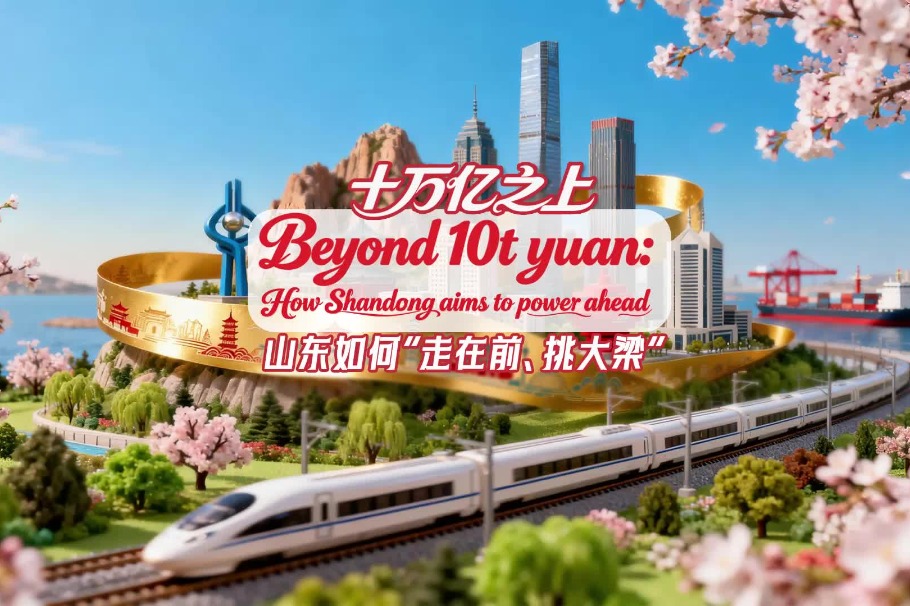
    Beyond 10t yuan: How Shandong aims to power ahead

    Shandong Province has achieved a monumental economic milestone by surpassing 10 trillion yuan ($145 billion) in GDP for 2025, establishing itself as Northern China’s foremost economic powerhouse and the nation’s third provincial-level economy to join the elite ’10-trillion-yuan club.’ This achievement places Shandong alongside Guangdong and Jiangsu as China’s leading regional economies.

    As the province enters 2026, government representatives and political advisors are convening during the annual Two Sessions to deliberate on Shandong’s next phase of development. The critical question facing policymakers is how to sustain this impressive growth momentum while addressing structural challenges and identifying new growth drivers.

    The province’s economic transformation has been fueled by strategic investments in advanced manufacturing, technological innovation, and green energy initiatives. Shandong’s coastal location has facilitated robust international trade, while its industrial heartland has undergone significant modernization.

    Key discussion points at the political gatherings include industrial upgrading strategies, innovation ecosystem development, regional coordination mechanisms, and sustainable growth policies. The outcomes of these deliberations will shape Shandong’s economic trajectory and potentially offer a development blueprint for other northern provinces.

    This economic milestone represents not just numerical achievement but symbolizes the shifting economic balance within China, with northern regions demonstrating increased competitiveness in the national economic landscape.

  • China to deepen culture-tourism integration to spur consumption, growth

    China to deepen culture-tourism integration to spur consumption, growth

    China is embarking on an ambitious national strategy to deepen the integration between its cultural and tourism sectors, positioning this fusion as a powerful engine for consumer spending and economic expansion. Minister of Culture and Tourism Sun Yeli unveiled this strategic direction during a press conference on March 7th, held alongside the National People’s Congress annual session.

    The announcement comes against the backdrop of remarkable growth in China’s tourism sector. Minister Sun revealed that domestic tourist trips surpassed 6.5 billion throughout 2025, marking a substantial 16 percent year-on-year increase. Tourism expenditure reached an unprecedented 6.3 trillion yuan ($915 billion), establishing a new record high for the industry.

    The recently concluded Spring Festival holiday provided compelling evidence of this trend, with domestic trips reaching 596 million and tourism spending exceeding 800 billion yuan ($116 billion) during the nine-day period. These figures represent the highest recorded numbers for the holiday season, demonstrating the growing significance of travel in Chinese consumption patterns.

    Minister Sun characterized this development as more than mere statistical growth, noting that ‘traveling, watching performances and spending leisure time in different places have become a new lifestyle for many people.’ This evolution reflects a fundamental shift in consumer behavior, with tourism transitioning from simple sightseeing to immersive experiences that blend cultural engagement with leisure activities.

    The ministry’s strategy encompasses multiple dimensions of development. Digital transformation will play a crucial role in creating innovative travel services, products, and experiences that inject fresh momentum into traditional tourism models. Beyond technological advancement, the initiative will foster cross-sector collaboration, linking tourism more closely with sports, commerce, agriculture, and industrial sectors.

    Contemporary Chinese travelers are increasingly seeking personalized experiences that offer emotional connections and cultural depth. Minister Sun emphasized that ‘tourism today is no longer only about visiting scenic spots,’ noting growing demand for local life experiences, cultural activities, and event-based travel centered around concerts, exhibitions, and special occasions.

    To meet these evolving preferences, China will encourage travel programs connected to performing arts, intangible cultural heritage experiences, and sporting events. The government will further support innovative business models that combine tourism with diverse sectors, creating new growth opportunities while better satisfying public demand for quality travel experiences.

  • China to train over 10 million workers, upgrade skills for new industries, says minister

    China to train over 10 million workers, upgrade skills for new industries, says minister

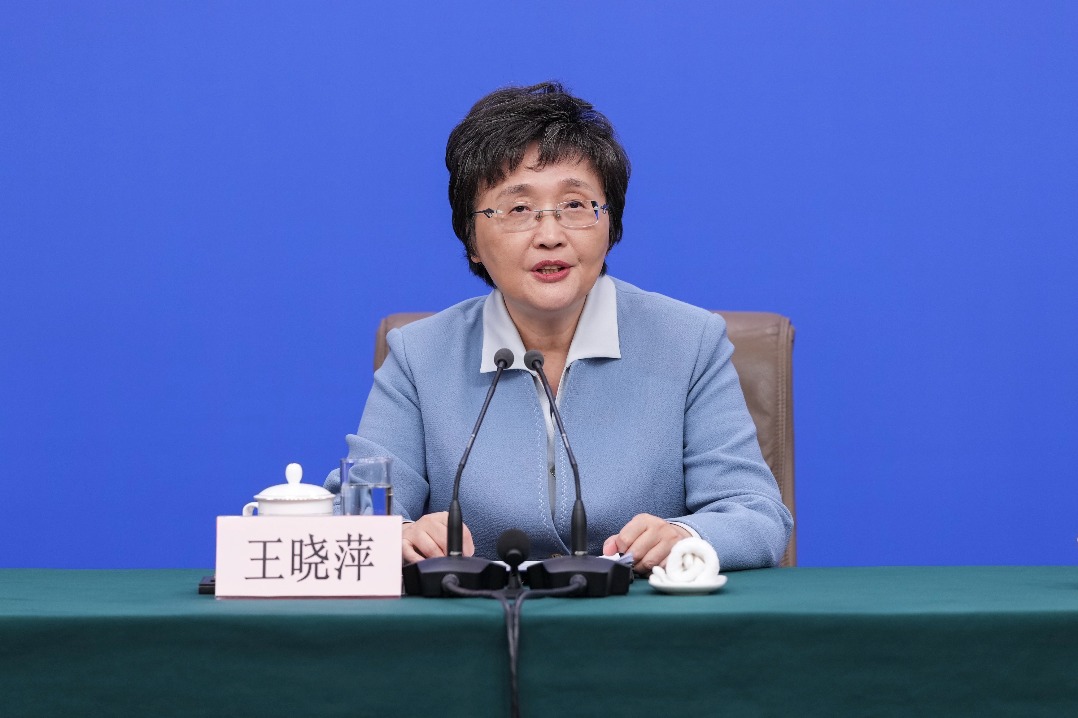
    China has unveiled an ambitious national workforce development strategy aimed at training more than 10 million workers through state-subsidized programs, with particular focus on emerging sectors including the low-altitude economy, artificial intelligence, new energy vehicles, and elderly care services. The announcement was made by Wang Xiaoping, Minister of Human Resources and Social Security, during a press conference on March 7, 2026, held as part of the ongoing National People’s Congress sessions.

    The comprehensive skills upgrade initiative represents a strategic response to the rapidly evolving industrial landscape, positioning vocational training as a cornerstone of China’s economic modernization efforts. Minister Wang outlined the establishment of a lifelong vocational skills training ecosystem designed to accommodate workers at varying career stages—from new entrants receiving preparatory instruction to experienced employees pursuing advanced specialization and career changers acquiring completely new skill sets.

    A key innovation in this national upskilling campaign involves the creation of industry-led systems that seamlessly integrate corporate requirements with educational content and employment pathways. This tripartite approach has already seen significant implementation, with over 20 provinces establishing more than 230 such collaborative frameworks that enable companies to enhance workforce capabilities while improving operational efficiency.

    Complementing the training expansion, China will implement a reformed eight-grade vocational skill grading system and promote skill-based compensation structures that reward technical proficiency and innovation. Minister Wang emphasized the principle that “those who work harder, possess higher skills and innovate more will get greater rewards,” signaling a fundamental shift in how technical expertise is valued within the labor market.

    Concurrently, China will host the 48th WorldSkills Competition in Shanghai from September 22-27, 2026, providing a global platform to showcase vocational excellence. The event, recognized as the world’s most influential skills competition, will feature over 60 competitive categories and include the inaugural WorldSkills Museum, offering international visitors an immersive experience in technical craftsmanship and innovation.

  • Linfen aims to be a natl transformation model

    Linfen aims to be a natl transformation model

    Linfen, a resource-dependent city in China’s Shanxi province, is undergoing a remarkable economic transformation by strategically cultivating new quality productive forces. During the ongoing Two Sessions, Li Yunfeng, Party Secretary of Linfen and NPC deputy, revealed the city’s comprehensive development strategy focusing on three emerging economic sectors: digital economy, low-altitude economy, and micro-short drama economy.

    The digital economy has demonstrated explosive growth, reaching 18.25 billion yuan ($2.65 billion) in revenue during 2025—a staggering 62.8% year-on-year increase that ranks first provincially. The low-altitude economy has established substantial infrastructure including Class A service stations and eight major flight bases, with 23 supporting enterprises conducting over 3,000 service scenarios. Meanwhile, the micro-short drama industry has attracted 87 film production companies that produced 273 short dramas, with ambitious targets to attract 50 leading enterprises and produce over 500 micro-short dramas in 2026.

    This transformation represents a fundamental shift for a city that historically faced dual challenges of resource dependency and ecological pressure. Over the past decade, Linfen has consistently prioritized environmental protection, shutting down 9.15 million metric tons of coking capacity and 220,000 tons of crude steel capacity since the 14th Five-Year Plan period. The city has completed ultra-low emission transformations across its industrial base and achieved remarkable air quality improvements, with PM2.5 density dropping to 35.1 micrograms per cubic meter in 2025.

    Linfen’s cultural heritage has gained renewed attention following the global success of the video game ‘Black Myth: Wukong,’ which features scenes inspired by the region’s ancient Buddhist and Taoist culture. The city has launched innovative tourism initiatives including free shuttle buses and parking under its ‘Homecoming’ service brand, while planning deeper cultural-tourism integration through sports events, performances, and food directories.

    Looking toward the 15th Five-Year Plan period (2026-30), Linfen aims to establish itself as a national model for urban transformation and comprehensive reform. The city is committed to energy transition, industrial upgrading, and developing a new energy system while promoting low-carbon development in traditional industries. By 2030, Linfen targets the fundamental achievement of resource-based economic transformation and positioning as an ecological protection demonstration city in the Yellow River Basin.