分类: business

  • Sino-Indian business ties gain traction

    Sino-Indian business ties gain traction

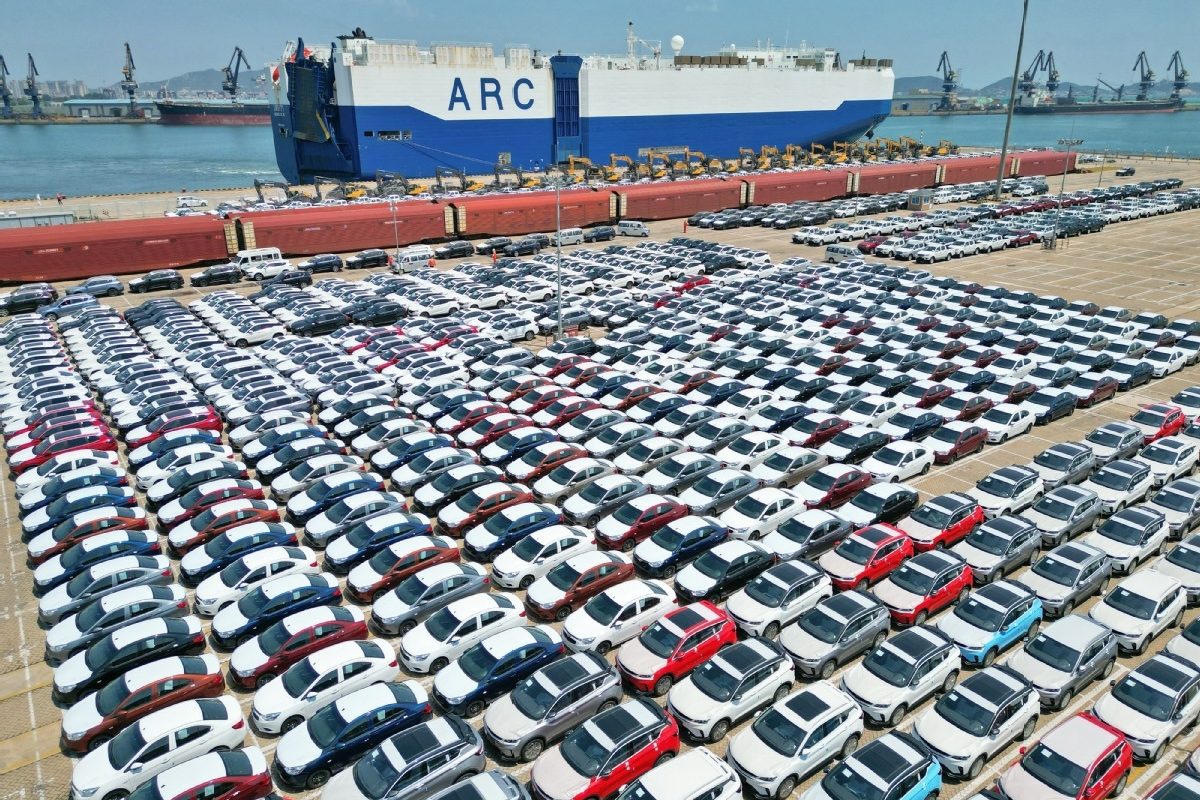
    Economic relations between China and India have entered a promising new phase as bilateral trade surged to an unprecedented $155.6 billion in 2025, marking a substantial 12% year-on-year increase. This breakthrough comes amid improving diplomatic relations and signals growing momentum for deeper economic integration between the two Asian giants.

    Chinese Ambassador to India Xu Feihong, speaking at a Chinese New Year reception in New Delhi, highlighted the significance of this milestone, noting that Indian exports to China grew by 9.7% annually. The ambassador emphasized China’s commitment to strengthening strategic alignment with India, enhancing practical cooperation, and boosting people-to-people exchanges. He further affirmed China’s support for India’s BRICS rotating chairmanship and willingness to enhance multilateral coordination.

    Business leaders and analysts from both nations express optimism about the relationship’s trajectory. Rajeev Singh, Director-General of the Indian Chamber of Commerce, noted that China and India represent natural economic partners capable of contributing 50% of global GDP growth. He emphasized the importance of building trust and maintaining stability in the current geopolitical climate.

    The improved relations are already yielding tangible benefits, with travel restrictions easing and direct flight routes resuming. Air India recently reinstated the Shanghai-New Delhi direct route, following the October restart of daily flights between Kolkata and Guangzhou after a five-year hiatus.

    Vijay K. Mishra, Executive Vice-Chairman of the India China Trade Centre, observed that China’s demonstrated economic resilience and commitment to high-quality growth provide strong reassurance to Indian businesses and investors. He noted the vast untapped potential for deeper economic engagement, industrial collaboration, and value-chain integration between the two nations.

    Indian entrepreneurs and young leaders echo this sentiment, with Shranik Chopra noting that improved bilateral ties will build greater confidence among business communities on both sides. Himadrish Suwan, Chairman of the Confederation of Young Leaders of India, emphasized the immense potential of the partnership when guided by dialogue, mutual respect, and shared interests.

    The relationship’s upward trajectory follows the August meeting between the two countries’ leaders in Tianjin, which marked a turning point in bilateral relations. With record trade figures and renewed diplomatic engagement, 2026 is poised to be a year of significant positive developments in Sino-Indian economic cooperation.
  • China-Laos mega power project opens channel for clean energy collaboration

    China-Laos mega power project opens channel for clean energy collaboration

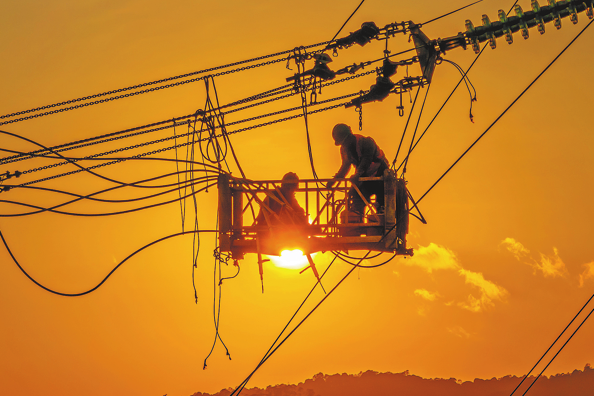
    A landmark energy infrastructure project connecting China and Laos has achieved a critical construction milestone, positioning the Lancang-Mekong region for enhanced clean energy collaboration. The China-Laos 500-kilovolt power interconnection project completed full transmission line connectivity on Thursday, signaling the final phase before its scheduled April operational launch.

    Engineers from both nations have been working intensively to realize this cross-border electricity highway, which represents one of the most significant energy cooperation initiatives in Southeast Asia. The high-voltage transmission system spans challenging terrain to create a sustainable energy corridor between the neighboring countries.

    According to China Southern Power Grid Lancang-Mekong International Company, the completed infrastructure will enable bidirectional power flow capacity of 1.5 million kilowatts upon commissioning. This substantial transfer capability will facilitate annual electricity exchanges of approximately 3 billion kilowatt-hours of renewable-sourced power between the two nations.

    The environmental implications are substantial, with projections indicating the project could reduce regional carbon dioxide emissions by roughly 2.5 million metric tons annually. This reduction equivalent to removing hundreds of thousands of gasoline-powered vehicles from roadways each year.

    Energy analysts highlight that this interconnection establishes a template for cross-border clean energy partnerships across the Mekong subregion. The project demonstrates how shared infrastructure can optimize renewable resource distribution while supporting climate commitments made by both China and Laos.

    The timing coincides with increasing regional emphasis on sustainable development and energy security. The interconnection allows Laos to leverage its hydropower resources while accessing China’s more diverse energy portfolio during seasonal variations.

    Project developers emphasize that the infrastructure will enhance grid stability and reliability for both nations while creating economic opportunities through energy trade. The collaboration represents a concrete manifestation of the Belt and Road Initiative’s focus on mutually beneficial infrastructure development.

    As construction teams prepare for the final commissioning phase, energy policymakers across Southeast Asia are monitoring the project’s operational performance as a potential model for future cross-border clean energy initiatives.

  • Thailand eyes $1.3b revenue via festival

    Thailand eyes $1.3b revenue via festival

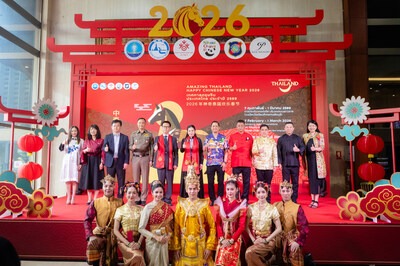
    Thailand is positioning itself as the premier Southeast Asian destination for Chinese New Year festivities with an ambitious campaign projected to generate $1.33 billion in tourism revenue. The Tourism Authority of Thailand (TAT) has launched “Amazing Thailand Happy Chinese New Year 2026” to coincide with both the Year of the Horse celebrations and the 51st anniversary of Thailand-China diplomatic relations.

    The comprehensive nationwide celebration features flagship events across multiple provinces including Bangkok, Hat Yai, Nakhon Sawan, and Suphan Buri. Tourism officials anticipate welcoming approximately 1.25 million international visitors during the peak travel period from February 13-22, representing a 10% year-on-year increase, alongside 2.3 million domestic trips marking a 3% rise from 2025.

    Bangkok’s Yaowarat Road Chinatown will transform into a luminous spectacle with large-scale illuminations themed “Ride the Fortune, Share the Future” from February 7 through March 1. The capital will host cultural troupes from Beijing, Chongqing, Henan, and Fujian provinces showcasing traditional performances, lantern-making, calligraphy, paper-cutting, and astrology demonstrations.

    Southern Thailand will see vibrant celebrations in Hat Yai near the Malaysian border from February 17-20, featuring lion dances and acrobatic performances from Fujian province, reinforcing the city’s status as a crucial tourism hub for regional and cross-border travelers.

    TAT Governor Thapanee Kiatphaibool emphasized that “this campaign underscores over two decades of close collaboration between Thai and Chinese tourism authorities while celebrating the shared cultural heritage that drives sustainable travel and fosters long-term tourism growth.”

    To ensure visitor safety and enhance experiences, the Thai Tourist Police Bureau will deploy language support services at major destinations including Phuket, Chiang Mai, and Hat Yai, with special service vans stationed to assist international tourists.

    The Chinese New Year initiative aligns with Thailand’s broader “Thailand Tourism Next” strategy aiming to generate 3 trillion baht ($95 billion) in total tourism revenue for 2026. This quality-driven approach prioritizes premium experiences including health tourism, nocturnal attractions, film tourism, and sports-related travel, supported by sustainable models and integrated digital platforms.

  • Japan’s top automaker Toyota taps earnings expert as its chief after reporting declining profits

    Japan’s top automaker Toyota taps earnings expert as its chief after reporting declining profits

    TOYOTA, Japan — In a significant corporate restructuring, Toyota Motor Corporation unveiled a 43% plunge in quarterly profits alongside the appointment of Chief Financial Officer Kenta Kon as its incoming President and CEO. The leadership transition, effective this April, signals the automaker’s strategic response to mounting financial pressures and industry transformation.

    Kon, a seasoned Toyota executive with expertise spanning automated driving and financial optimization, will succeed Koji Sato, who retains his position as Vice Chairman. The board’s decision, subject to shareholder ratification in June, represents what Sato characterized as a necessary ‘gear shift’ for the automotive giant.

    The financial results revealed stark challenges: October-December quarterly profits plummeted to ¥1.25 trillion ($8 billion) from ¥2.19 trillion year-over-year. Despite a 7% sales increase to ¥38 trillion ($242 billion) for the nine-month period through December, profits declined 26% to ¥3.03 trillion ($19 billion).

    Toyota attributed substantial financial headwinds to escalating material costs and U.S. tariff policies, estimating a ¥1.45 trillion ($9.2 billion) operating profit reduction from tariffs alone in the previous year. Nevertheless, global vehicle sales demonstrated resilience, growing to 7.3 million units from 7 million, with gains across Japanese, North American, and European markets.

    The company maintained its full-year forecast of ¥3.57 trillion ($22.8 billion) profit, representing a 25% annual decrease. Investor response appeared optimistic, with Toyota shares climbing 2% following the announcements.

    Sato, who will continue leading industry initiatives as chairman of JAMA (Japan Automobile Manufacturers Association) and Keidanren (Japan Business Federation), emphasized the urgency of organizational adaptation. Kon echoed this sentiment, noting Toyota’s need for increased agility despite its established systems.

    In an official statement, Toyota underscored its commitment to ‘expanding partnerships beyond the industry’ as it accelerates its transformation into a comprehensive mobility company.

  • China economic rebalancing to test Koreans before benefiting them

    China economic rebalancing to test Koreans before benefiting them

    China presents a fascinating economic paradox where two seemingly contradictory narratives coexist: while the nation’s overall economic growth shows significant deceleration, its export sector is simultaneously gaining formidable competitive strength globally. This apparent contradiction stems from China’s unique development model—built upon substantial investment, restrained household consumption, and assertive industrial policy—which continues to drive export competitiveness even as domestic growth plateaus.

    As China’s traditional growth engines lose momentum, Beijing is increasingly relying on exports and industrial advancement to maintain economic stability. This strategic shift creates immediate challenges for South Korea, which now faces not only reduced Chinese purchasing but also intensified competition in critical product categories where Korean industries traditionally dominated.

    The comparison between China and South Korea’s development models reveals both parallels and critical distinctions. Both nations achieved rapid GDP expansion through close state-business collaboration, industrial policy targeting high-value sectors, and high savings rates with controlled wages. However, China’s macroeconomic imbalances have reached far greater proportions than South Korea’s ever did, compounded by China’s massive scale—where provincial governments implement central directives through targeted performance indicators.

    China’s historical growth strategy, effective during its infrastructure development phase, now shows diminishing returns with rising unproductive investment and soaring debt. Rather than addressing weak consumption through politically challenging income redistribution, Beijing is exporting its excess capacity abroad—directly competing with Korean firms in automobiles, petrochemicals, and semiconductors.

    Despite identifying domestic consumption as its top priority for 2025-2026, China has yet to confront the fundamental issue: Chinese households consume little not because they save excessively, but because they earn too little. With household income representing just 44% of national income (compared to 73% in the US), rebalancing will require decades of careful political navigation.

    The eventual rebalancing toward consumption would benefit China, South Korea, and the global economy by creating a larger, more open Chinese market while easing competitive pressures. Until then, Seoul may implement temporary measures within WTO frameworks to support affected industries, recognizing that China’s economic health ultimately depends on this necessary transition.

  • Discover a better work-life balance with Regus

    Discover a better work-life balance with Regus

    The global workforce is undergoing a profound transformation as hybrid working models emerge as the dominant paradigm in corporate operations. This innovative approach, which strategically blends remote work with traditional office environments, represents a fundamental shift in how businesses conceptualize productivity and employee satisfaction.

    According to comprehensive research by the International Workplace Group (IWG), parent company of leading workspace providers including Regus, Spaces, HQ and Signature, 82% of employees report increased happiness and motivation through flexible work arrangements. The data reveals striking statistics: 55% of workers experience reduced stress levels, while 72% prefer hybrid models even when traditional offices offer higher compensation.

    The economic and environmental implications are equally significant. IWG’s landmark study indicates hybrid working could reduce urban carbon emissions by up to 70% in metropolitan areas like London. This reduction stems primarily from eliminated commutes and downsized office spaces, with each unused desk preventing approximately one tonne of unnecessary CO₂ emissions annually—equivalent to a 6,000-mile car journey.

    From a talent management perspective, 88% of job seekers now consider hybrid options a top requirement when evaluating employment opportunities. Nearly half of workers would exclusively consider positions offering flexible arrangements, with a Microsoft survey indicating over 50% might resign if hybrid policies were revoked.

    IWG CEO Mark Dixon emphasizes the strategic advantage: “Businesses recognize hybrid models mean happier, more engaged employees and significant cost savings.” The transformation extends beyond mere location flexibility, fundamentally reimagining corporate real estate. Traditional headquarters are evolving from open-plan workstations into collaborative hubs designed specifically for creativity and social interaction.

    The inclusivity benefits are particularly noteworthy. Flexible work environments expand talent pools beyond geographical constraints while better accommodating neurodivergent employees through customizable workspaces. Additionally, with over 25% of the workforce projected to be over 55 by 2031, hybrid models enable experienced employees to gradually transition toward retirement while maintaining professional contributions.

    For working parents, the model offers particular relief from childcare challenges, with 49% reporting hybrid arrangements would eliminate stress associated with school holiday coverage. Nicholas Bloom of Stanford University notes employees value hybrid working equivalently to a 7-8% pay raise, underscoring its perceived value in comprehensive compensation packages.

    As organizations worldwide race toward Net Zero commitments, 78% of hybrid workers believe flexible working should be formally integrated into corporate ESG strategies, positioning the model as both an employee benefit and environmental imperative.

  • iFX EXPO Dubai 2026: Two days that shape the online trading year ahead

    iFX EXPO Dubai 2026: Two days that shape the online trading year ahead

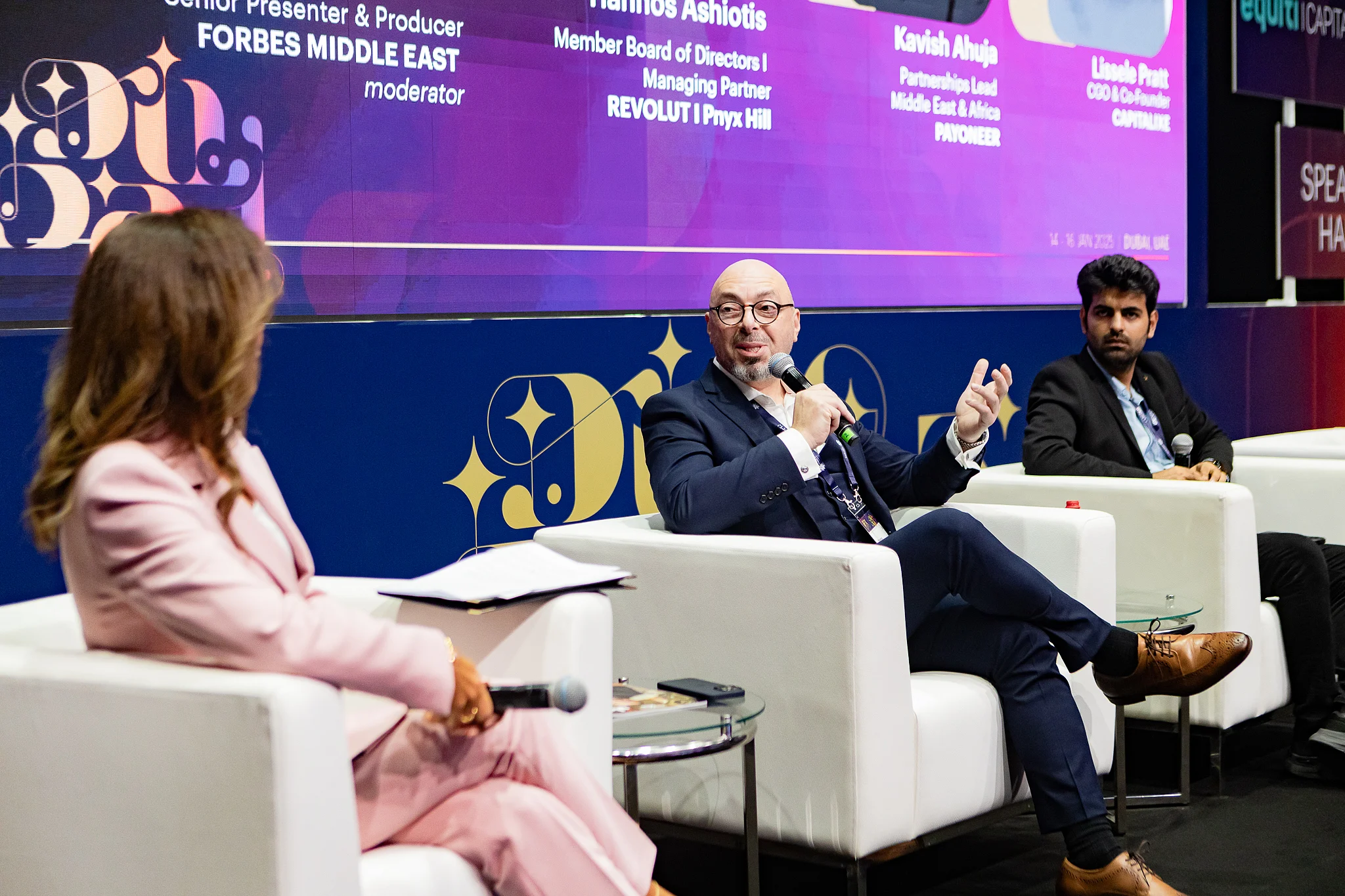
    The global financial technology sector is converging on Dubai for the highly anticipated iFX EXPO 2026, scheduled for February 11-12 at the Dubai World Trade Centre’s Za’abeel Halls 5–6. This premier industry gathering anticipates welcoming over 10,000 participants, featuring 200+ exhibiting companies and 150+ expert speakers from across the online trading ecosystem.

    The 2026 edition introduces an innovative Trading Festival component, creating a comprehensive industry campus that complements the traditional exhibition format. This expansion offers attendees hands-on experiences including live trading competitions through the Trading Cup, platform testing facilities at the Investing Lab, and educational sessions at the Mastery Hub and Traders Arena.

    Day one (February 11) will showcase solutions from leading firms including Pepperstone, Mega Fusion, Exness, Tattvam, and B2Broker, providing exhibitors access to pre-vetted decision-makers while enabling attendees to efficiently compare offerings and identify potential partners. Concurrently, the Speaker Hall will host panels featuring representatives from prestigious organizations including H.H. The Ruler’s Court of Dubai, MENA Fintech Association, Deutsche Bank, Vara, Middle East Stablecoin Association (MESA), and Emirates Gold.

    The second day (February 12) is strategically designed to capitalize on established momentum, offering additional opportunities for partnership finalization and deal-making. The conference program will delve into critical industry topics including growth strategies, affiliate and introducing broker models, market expansion techniques, performance analytics, and operational efficiency enhancements.

    The event commences with a welcome reception on February 10 at Bla Bla Dubai, facilitating preliminary networking. With registration closing imminently, professionals are urged to secure their participation to gain access to the full spectrum of exhibition, conference, and festival experiences while bypassing on-site queues.

  • Arcera Life Sciences inks strategic partnership with ISPOR UAE Chapter

    Arcera Life Sciences inks strategic partnership with ISPOR UAE Chapter

    In a significant move to address the growing global threat of antimicrobial resistance (AMR), Abu Dhabi-based Arcera Life Sciences has established a strategic partnership with ISPOR UAE Chapter alongside launching a novel intravenous antibiotic in the United Arab Emirates. The memorandum of understanding, signed on February 5, 2026, creates a collaborative framework focused on advancing health economics and outcomes research (HEOR) within the region’s healthcare landscape.

    The partnership emerges against the backdrop of alarming global health statistics from the World Health Organization, which identifies AMR as a critical public health threat responsible for approximately 1.14 million deaths directly attributed to drug-resistant bacteria in 2021 alone. Projections indicate that without immediate intervention, bacterial AMR could claim 39 million lives globally over the next quarter-century—equivalent to three deaths per minute. The economic implications are equally staggering, with World Bank forecasts suggesting AMR could trigger annual GDP losses reaching $3.4 trillion by 2030 due to escalating healthcare costs and productivity declines.

    Arcera’s newly introduced antibiotic represents a pharmaceutical breakthrough designed to combat multidrug-resistant bacteria, including Extended Spectrum Beta-Lactamase (ESBL)-producing pathogens. This development aligns with the UAE’s national antimicrobial stewardship programs aimed at preserving last-line medical defenses. The company has accelerated regulatory approval processes across GCC nations while advancing registration plans in South Africa, where authorization is anticipated by early 2027.

    The collaboration will leverage ISPOR UAE Chapter’s global network and research capabilities alongside Arcera’s regional expertise to enhance evidence-based decision-making in healthcare technology assessment. The partnership specifically targets capacity building, career development, and mentorship programs to strengthen local research competencies.

    Isabel Afonso, Chief Executive Officer of Arcera Life Sciences, emphasized that “building future-ready healthcare systems requires trusted partnerships and appropriate policy frameworks to translate scientific advancements into tangible real-world impact.” Professor Nadia AL Mazrouei, ISPOR UAE Chapter President, noted that “by combining our global resources with Arcera’s regional leadership, we can effectively address the unique challenges of the UAE’s rapidly evolving health technology landscape.”

    The announcement coincided with Arcera’s participation in a high-level panel discussion titled ‘Securing the Future: Policies to Strengthen Healthcare for the Next Generation in the Middle East and Africa Region.’ The dialogue featured distinguished global experts focusing on creating sustainable policy frameworks that balance innovation with long-term healthcare system resilience.

  • Sky View Development enrolls in Dubai Land Department’s first-time home buyers initiative

    Sky View Development enrolls in Dubai Land Department’s first-time home buyers initiative

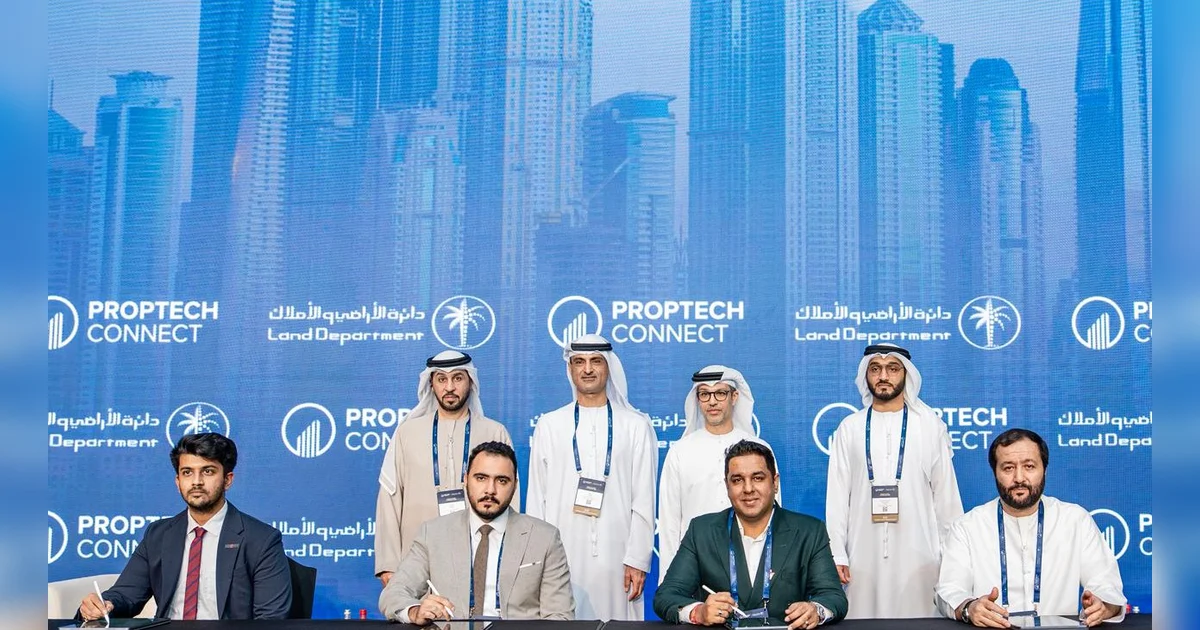
    In a significant move to transform Dubai’s housing landscape, Sky View Development has formally partnered with the Dubai Land Department’s First-Time Home Buyers (FTHB) Initiative. This government-led program, developed through multi-stakeholder collaboration, represents a strategic effort to transition long-term UAE residents from rental accommodations to property ownership.

    Under the leadership of Founder and CEO Akash Kanjwani, Sky View Development now stands among a select group of approved developers authorized to extend exclusive benefits to eligible participants. The program offers qualified first-time buyers preferential pricing structures and dedicated inventory access that would otherwise be unavailable through conventional market channels.

    Kanjwani characterized the enrollment as a “proud milestone” that aligns with the company’s core philosophy of long-term value creation. “This initiative represents a powerful governmental commitment to supporting residents who aspire to own their first home in Dubai,” he stated, emphasizing the program’s role in making homeownership more accessible and meaningful for end-users.

    The operational mechanism simplifies the property acquisition process through a digital government platform. Prospective buyers can register using their Emirates ID, and upon qualification, receive a unique QR code. This digital credential serves as a key to unlocking specialized benefits when presented to enrolled developers.

    Sky View Development has designated its forthcoming residential project, Avion 100, as a participant in the initiative. The development will offer qualified first-time buyers exclusive launch benefits and priority inventory selection. This collaboration reflects Dubai’s broader commitment to cultivating a sustainable, end-user-driven real estate market while empowering residents to actively participate in the city’s ongoing growth narrative.

  • India lifts wheat stock limits as supplies rise, easing prices

    India lifts wheat stock limits as supplies rise, easing prices

    In a significant policy reversal, the Indian government has officially abolished all restrictions on wheat stockpiling for traders, wholesalers, and retailers. The decision, announced Thursday, comes as domestic supplies reach comfortable levels and market prices show sustained moderation.

    The world’s second-largest wheat producer had initially implemented these stockholding limits in May 2025 as an emergency measure to combat hoarding practices and suppress escalating food inflation. The restrictions were part of a broader strategy to ensure adequate domestic availability and stabilize market conditions during periods of supply constraint.

    Official statements from New Delhi indicate current wheat inventories have surpassed last year’s levels, signaling robust supply conditions that rendered the previous constraints unnecessary. Despite the removal of quantity limits, market participants will continue to submit weekly stock position declarations, maintaining transparency in supply chain monitoring.

    This policy shift follows last month’s authorization of 500,000 metric tons of wheat flour and related product exports, marking a gradual easing of export controls originally instituted in 2022. The sequential relaxation of trade restrictions reflects India’s improving agricultural output and stabilizing food security situation, potentially positioning the nation for increased participation in global grain markets.