分类: business

  • Canada unveils auto industry plan in latest pivot away from US

    Canada unveils auto industry plan in latest pivot away from US

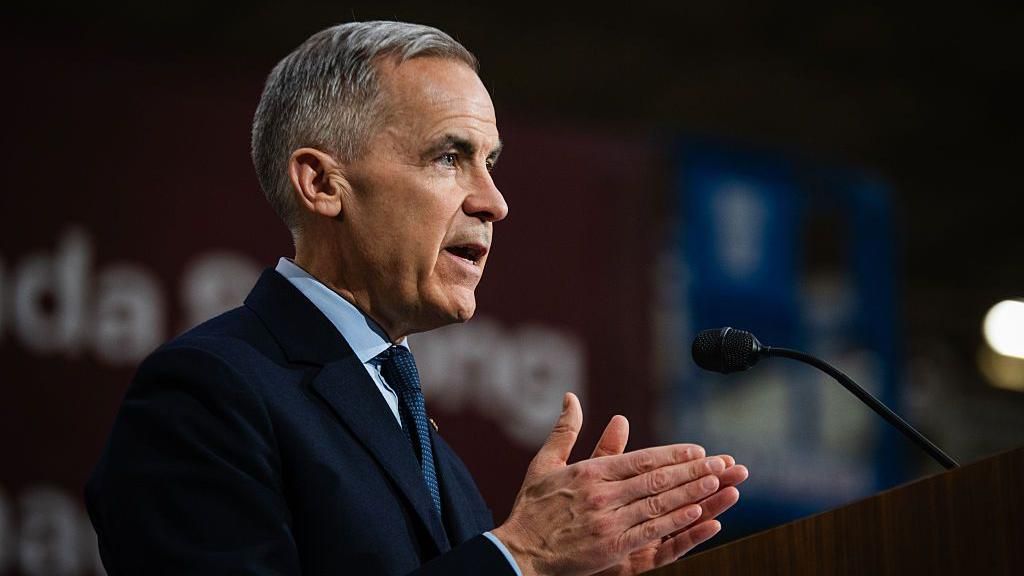
    In a significant move to fortify its automotive sector against mounting economic pressures, Canadian Prime Minister Mark Carney has introduced a comprehensive strategy aimed at bolstering domestic car manufacturing while accelerating the nation’s transition to electric vehicles. The announcement was made on Thursday at the Martinrea auto parts manufacturing facility in Woodbridge, Ontario, against the backdrop of challenging trade relations with the United States.

    The newly unveiled measures represent Canada’s proactive response to the 25% tariff imposed by the Trump administration last year on Canadian vehicles and auto parts—a decision that has severely disrupted an industry where approximately 90% of production is traditionally exported to the US market. This tariff implementation has already resulted in thousands of job losses across Canadian auto plants as major manufacturers including General Motors and Stellantis have scaled back their Canadian operations.

    Carney’s multifaceted approach includes financial incentives designed to encourage automakers to maintain and expand their Canadian manufacturing footprint. A key component is a novel tariff offset scheme that provides credits to companies like General Motors and Toyota to help mitigate the impact of US import duties. Additionally, the government will reintroduce consumer rebates for electric vehicle purchases—a direct contrast to the US where similar subsidies were eliminated under the Trump administration.

    The Prime Minister simultaneously announced stricter emissions standards for new vehicles, establishing an ambitious target for electric vehicles to comprise 90% of all car sales by 2040. In a notable policy shift, Carney eliminated the previous administration’s electric vehicle sales mandate, arguing that the new emissions-focused approach would achieve environmental goals without placing excessive burdens on automakers.

    This strategic realignment occurs as the United States-Canada-Mexico Agreement (USMCA) faces its scheduled review this year. Carney noted that the original purpose of eliminating tariffs across North America no longer aligns with current US trade objectives, necessitating Canadian preparedness for ‘all possibilities.’

    Concurrently, Canadian officials have been actively diversifying international partnerships to reduce dependence on US markets. Recent weeks have seen Canada establish agreements with both China and South Korea that could potentially undermine US automotive interests. The arrangement with China involves eased tariffs on Chinese electric vehicles, while the South Korea agreement aims to encourage Korean automotive manufacturing within Canada.

    While automotive industry representatives have generally welcomed the pragmatic approach, environmental groups have expressed concerns about the elimination of the mandatory EV sales targets, arguing that weakened regulations might slow Canada’s progress toward its climate objectives.
  • Amazon joins Big Tech AI spending spree

    Amazon joins Big Tech AI spending spree

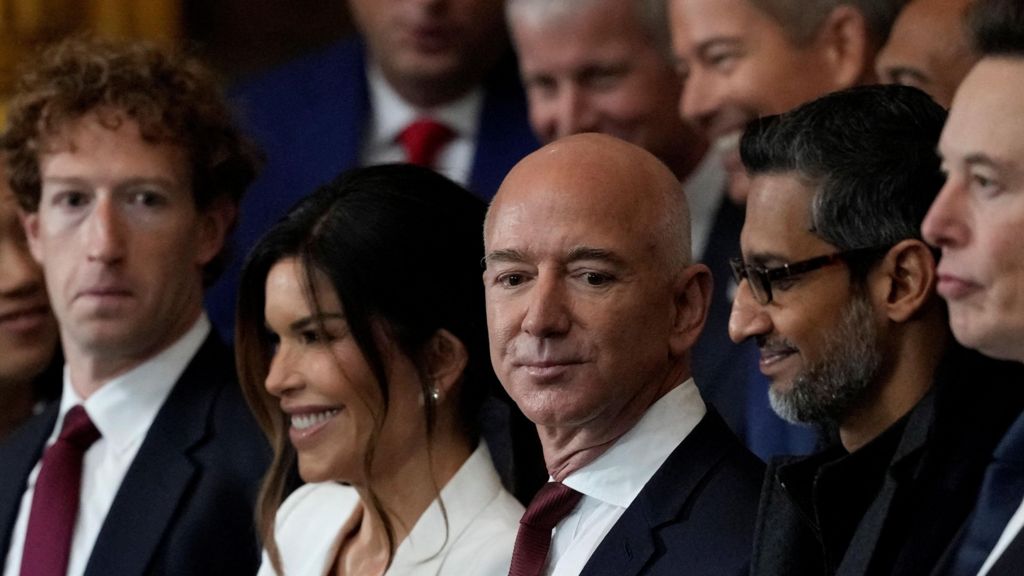
    Amazon has unveiled an unprecedented $200 billion investment strategy for the coming year, positioning itself at the forefront of the intensifying artificial intelligence infrastructure competition among technology titans. The announcement came during the company’s annual financial disclosure on Thursday, revealing a dramatic 60% spending increase compared to last year’s $125 billion expenditure.

    The substantial capital allocation, predominantly directed toward AI development and computational infrastructure, triggered immediate investor concerns. Amazon’s stock value declined approximately 10% in after-hours trading following the revelation, reflecting market apprehension about the massive capital outlay.

    This aggressive investment strategy places Amazon ahead of other major technology corporations in absolute spending figures. However, when viewed collectively, the combined AI investment from Amazon, Meta, Google, and Microsoft is projected to reach approximately $650 billion for the current year, signaling an industry-wide commitment to artificial intelligence dominance.

    The substantial financial commitment underscores the strategic importance of AI capabilities for maintaining competitive advantage in cloud computing, e-commerce, and digital assistant technologies. While the short-term market reaction demonstrated investor nervousness, this investment represents a long-term bet on artificial intelligence as the fundamental driver of future technological innovation and revenue generation.

  • Bitcoin falls to lowest value since Trump took office

    Bitcoin falls to lowest value since Trump took office

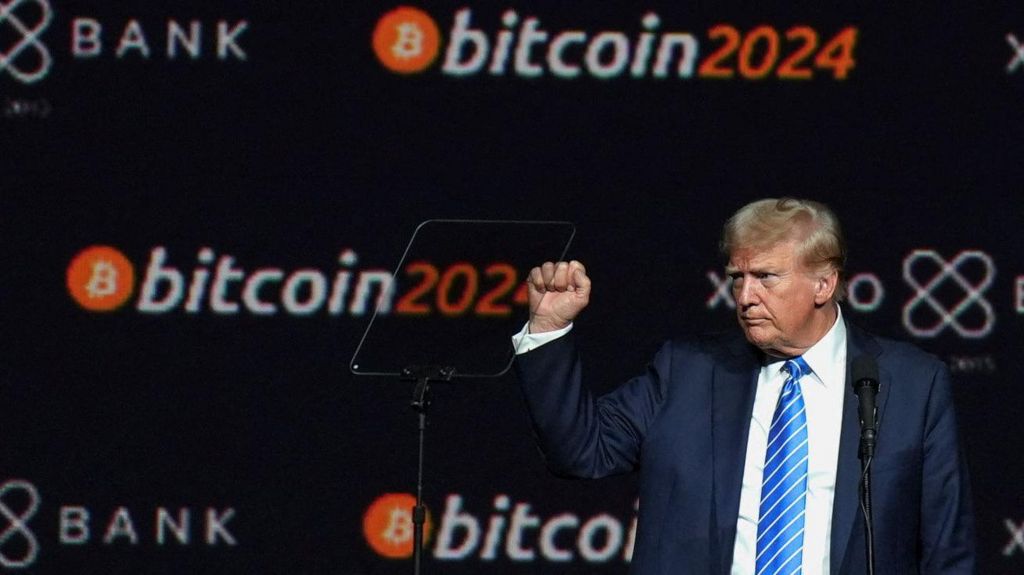
    Bitcoin has plunged to a 15-month low of $66,000, marking a 24% decline since January 2026 and a 32% drop over the past year. This significant downturn occurs despite former President Donald Trump’s vigorous personal and policy support for the cryptocurrency sector since returning to office in January 2025.

    Trump’s administration has implemented what Senate Democrats have termed a “pro-crypto agenda,” including an executive order positioning the U.S. as the “crypto capital of the planet,” federal backing legislation, dissolution of a Justice Department crypto enforcement team, and reduced SEC oversight. The president has personally benefited from these policies, amassing crypto holdings worth over $11 billion and generating $800 million in personal income from crypto transactions, according to Senate Judiciary Committee findings.

    The current decline follows Bitcoin’s October 2025 all-time high of $122,200, which was partially fueled by investor optimism about Trump’s policies. However, analysts from Deutsche Bank identify Trump’s nomination of Kevin Warsh as Federal Reserve chair as the trigger for the recent sell-off. The bank notes four consecutive months of declining prices and growing negative sentiment among traditional investors.

    Market data reveals broader crypto weakness, with Ethereum and Solana both down approximately 37% in 2026. According to CoinGecko, the cryptocurrency market has lost over $1 trillion in value in the past month and $2 trillion since its October peak.

    Investment firm Stifel predicts Bitcoin could fall as low as $38,000, citing a new correlation with the U.S. dollar’s performance after the currency recently hit a four-year low. Deutsche Bank suggests Bitcoin is transitioning from a “purely speculative asset” to one that “needs to find its specific role” in the financial ecosystem, indicating they don’t expect a return to Trump-driven highs despite cryptocurrency’s likely permanence.

  • Hunan emerging as China-Africa trade hub

    Hunan emerging as China-Africa trade hub

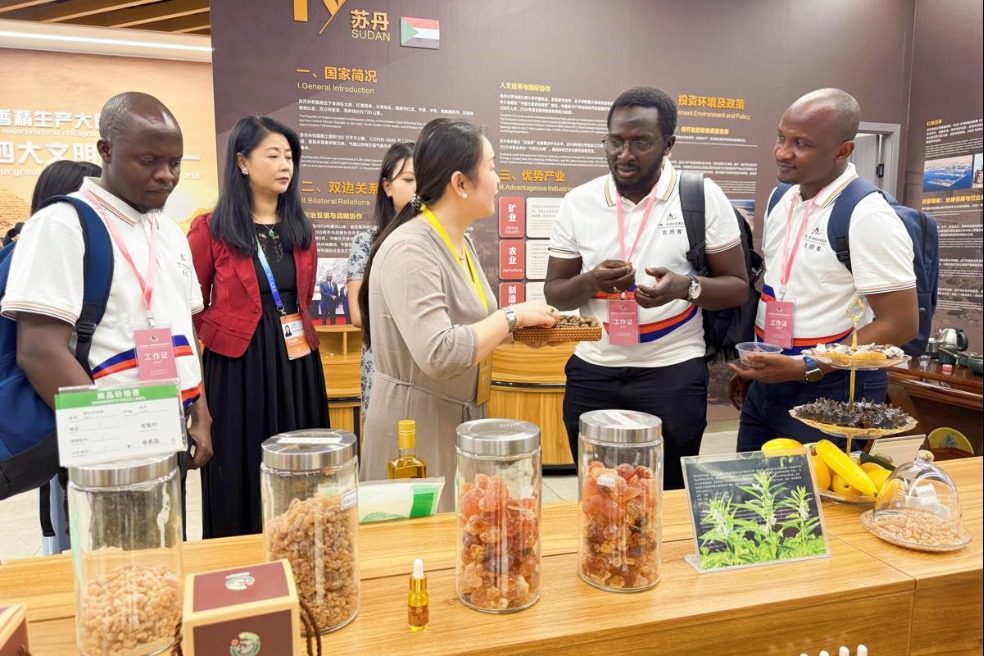
    Hunan Province is rapidly solidifying its position as China’s central hub for African trade relations, with African specialty products becoming increasingly integrated into local consumption patterns. As the Lunar New Year approaches, households across Hunan are stocking celebration supplies featuring South African wines and Tanzanian nuts among other African commodities.

    The province has launched extensive promotional activities since January 23rd, showcasing nearly 300 products from over a dozen African nations through pop-up events in multiple cities including Yiyang and Yueyang. At the permanent exhibition hall of the China-Africa Economic and Trade Expo (CAETE) in provincial capital Changsha, consumers can explore a comprehensive range of African goods spanning food, beverages, and skincare products.

    Hunan’s strategic importance in China-Africa trade relations is demonstrated by impressive economic metrics. According to the Hunan Department of Commerce, the province recorded 58 billion yuan ($8.36 billion) in trade with African nations last year, maintaining its leading position in central and western China for seven consecutive years. The province has hosted four editions of the CAETE, significantly strengthening its role in facilitating cross-continental commerce.

    Shen Yumou, head of the Hunan Department of Commerce, revealed during the ongoing provincial legislative session that more than 3,000 Hunan-based enterprises currently operate across 111 countries and regions, indicating the province’s extensive global business footprint.

    Changsha, internationally recognized as the ‘construction machinery capital,’ has pioneered innovative export standards for second-hand engineering equipment. The city addressed previous challenges with inconsistent international regulations by establishing national-first class standards for remanufactured and repaired machinery.

    Tan Haoran, deputy director of the administrative office of the China (Hunan) Pilot Free Trade Zone, explained: ‘To address these challenges, we released standards for the export of remanufactured and repaired engineering machinery—a national first.’ These standards have significantly enhanced product quality and export competitiveness, resulting in over 3 billion yuan worth of remanufactured equipment exported from Hunan globally during the past two years.

  • Index Exchange marks 50 years, launches Shan-e-Ramadan Season 5 and xfi app

    Index Exchange marks 50 years, launches Shan-e-Ramadan Season 5 and xfi app

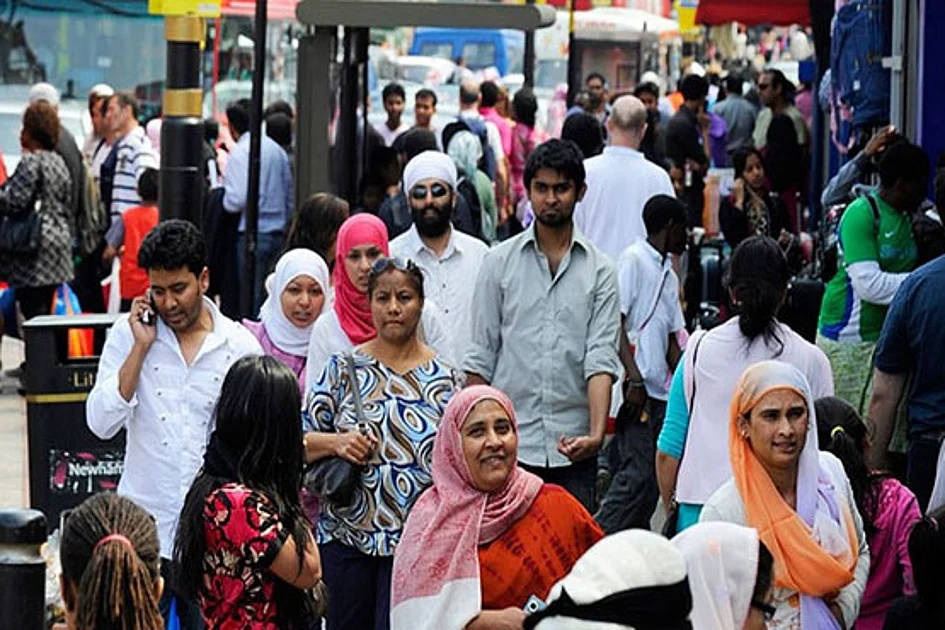
    Index Exchange commemorates five decades of operations in the UAE financial sector, celebrating its golden jubilee with the dual launch of its fifth annual Shan-e-Ramadan campaign and the innovative xfi mobile application. The milestone event underscores the company’s enduring commitment to blending traditional values with digital transformation in serving the nation’s diverse expatriate community.

    Founded in 1976, the financial services institution has evolved from basic remittance services to a comprehensive financial partner for millions of overseas workers. The company’s growth trajectory parallels the UAE’s own economic development, with its operational philosophy rooted in cultural understanding, ethical practices, and community-centric services that have earned multi-generational trust.

    Chairman Hamad Jassim Al Darwish emphasized the significance of this milestone: “Our fifty-year journey reflects the profound relationships we’ve built across generations. As we celebrate this golden jubilee, we reaffirm our dedication to serving our communities through both integrity and technological innovation.”

    The Shan-e-Ramadan initiative, now in its fifth iteration, takes on special significance during this anniversary year. The program embodies the spiritual essence of Ramadan while recognizing customer loyalty through community engagement activities and cultural celebrations that strengthen communal bonds.

    Chief Operating Officer Syed Abdus Salam noted: “This anniversary represents not just corporate longevity but the trust our customers have placed in us. The simultaneous launch of our xfi mobile application demonstrates our forward-looking approach to financial accessibility and security.”

    The newly introduced xfi platform represents Index Exchange’s digital transformation strategy, offering enhanced transaction capabilities, improved security protocols, and user-friendly interfaces designed to meet evolving customer expectations. The application maintains the company’s trademark reliability while introducing contemporary financial management features.

    Mir K Rasool, Chief Business Officer, added: “Our foundation rests on three pillars: trust, people, and innovation. As industry challenges evolve, we remain committed to combining our established values with technological advancement to serve future generations.”

    The company’s golden jubilee celebrations highlight both its historical contributions to financial inclusion and its roadmap for continued innovation. Index Exchange positions itself for future growth while maintaining the core principles that have defined its first half-century of operations in the UAE market.

  • China Eastern Airlines announces new Xi’an-Vienna route

    China Eastern Airlines announces new Xi’an-Vienna route

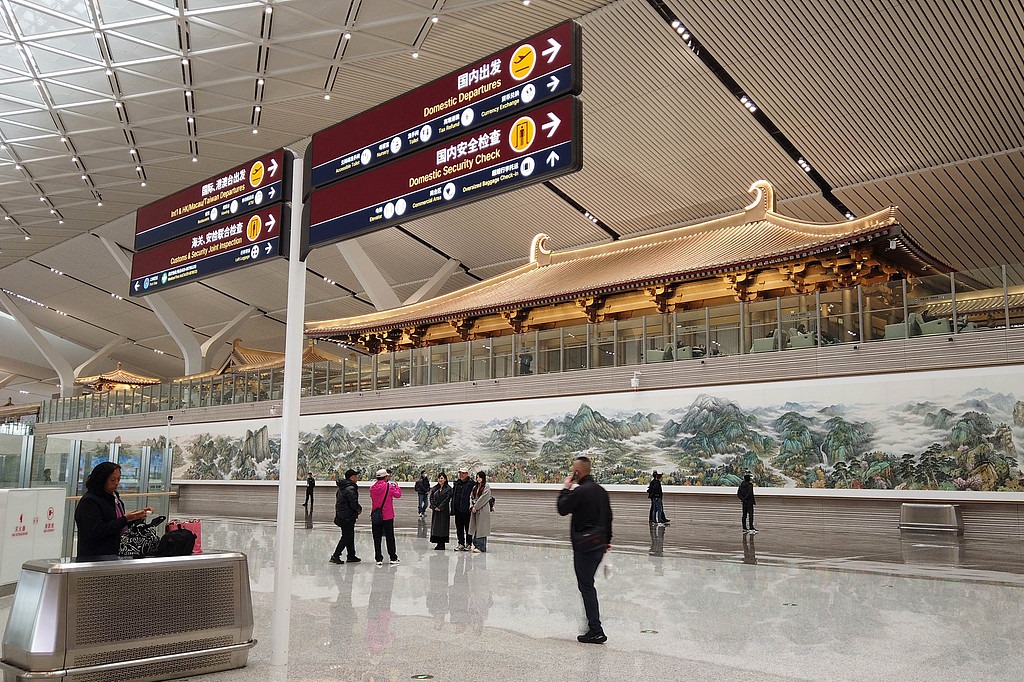
    In a significant expansion of its European operations, Shanghai-based China Eastern Airlines has unveiled plans to inaugurate a direct air corridor connecting Xi’an, the historic capital of Shaanxi province, with Vienna, Austria’s cultural and political heart. The groundbreaking service is scheduled to commence operations on April 20, 2026, marking the first-ever direct flight linkage between Northwest China and this Central European nation.

    The airline confirmed the flight will operate tri-weekly, with departures scheduled every Monday, Thursday, and Saturday. Aircraft will push back from Xi’an Xianyang International Airport at 1:30 AM, making the journey to the Austrian capital. Return services from Vienna will depart later the same calendar day according to local time, ensuring convenient scheduling for international travelers.

    This strategic route addition elevates China Eastern’s European destination portfolio to 27 distinct locations, substantially enhancing the carrier’s transcontinental connectivity. Aviation analysts note the route development reflects growing economic and cultural ties between China’s northwestern regions and Central European countries.

    Tickets for the new Xi’an-Vienna service are presently available for reservation through China Eastern’s official digital platforms, including the airline’s website and mobile application. Industry observers anticipate the route will stimulate bilateral tourism, foster business exchanges, and strengthen economic cooperation between these two culturally rich regions.

  • Tolaab launches in the UAE to support students with smart spending and exclusive benefits

    Tolaab launches in the UAE to support students with smart spending and exclusive benefits

    DUBAI, UAE – Tolaab has officially launched its innovative student-exclusive platform across the United Arab Emirates, introducing a comprehensive solution designed to alleviate financial pressures on the academic community. The digital platform, which became operational on January 1, provides verified students with curated benefits spanning multiple essential categories including dining, transportation, retail, entertainment, healthcare, and lifestyle services.

    The platform has demonstrated remarkable traction since its inception, attracting over 3,000 student registrations and securing partnerships with more than 100 retail establishments within the first three weeks of operation. Company leadership has established ambitious expansion targets, aiming to onboard 800 merchant partners and 50,000 student users within the initial six-month operational period.

    Tolaab’s verification mechanism ensures exclusive access for legitimate students through a streamlined authentication process. Secondary school students validate their status through academic documentation uploads, while university scholars utilize their institutional email addresses for identity confirmation. This rigorous verification protocol maintains the integrity of the platform’s exclusive offerings.

    The emergence of Tolaab addresses growing concerns regarding escalating educational costs and living expenses faced by UAE students. Unlike conventional discount platforms, Tolaab distinguishes itself through a value-oriented approach that directs students to existing service providers rather than promoting unnecessary consumption through artificial discounts.

    Seyed Mahdi Moosavi, Founder and CEO of Tolaab, emphasized the platform’s philosophical foundation: ‘Today’s students represent not merely a future demographic but active decision-makers who significantly influence spending patterns and brand preferences. Our platform was conceived to acknowledge this evolving dynamic while prioritizing trust, relevance, and sustainable value creation.’

    Abdullah Faisal, Founder and CFO, highlighted the platform’s data-driven architecture: ‘As the UAE continues to strengthen its position as a global education hub, Tolaab is engineered for scalability and sustainability. We facilitate genuine value exchange between students and brands, fostering enduring loyalty through responsible engagement practices.’

    Positioned as a comprehensive lifestyle companion rather than merely a discount aggregator, Tolaab aspires to promote responsible financial habits, encourage balanced consumption choices, and ultimately enhance the overall student experience throughout the UAE.

  • ‘No disruption’: Confident Group MD reassures UAE investors after CJ Roy’s death

    ‘No disruption’: Confident Group MD reassures UAE investors after CJ Roy’s death

    In the wake of Chairman Dr. C.J. Roy’s recent passing, Confident Group has moved swiftly to address stakeholder concerns regarding business continuity. Managing Director T.A. Joseph delivered a comprehensive video message to investors, clients, and employees, emphasizing that all operations continue without disruption despite the leadership loss.

    Joseph articulated that the organization functions through established corporate systems rather than individual leadership. ‘Companies are not run by individuals alone,’ he stated. ‘They are run by systems, teams, and processes. That is exactly how Confident Group functions.’ The managing director highlighted the company’s infrastructure of experienced professionals who have managed daily operations and projects for years, ensuring consistent performance.

    Addressing financial security concerns, Joseph provided explicit reassurance: ‘There is no risk to your investment. All works will continue with the same strength, capacity, and commitment as before.’ He particularly addressed the UAE investor community, noting the significant number of Middle Eastern stakeholders in the India-based real estate and infrastructure development corporation.

    The executive also confronted circulating social media speculation, urging stakeholders to rely exclusively on official company communications rather than unverified online claims. Joseph committed to maintaining transparent communication through official channels and reiterated the organization’s unchanged dedication to projects and investors alike.

    The corporate message arrives during a period of transition for the multinational development group, which maintains substantial investment ties throughout the United Arab Emirates despite its primary operations being headquartered in India.

  • Pakistan must create 30 million jobs in 10 years, World Bank president says

    Pakistan must create 30 million jobs in 10 years, World Bank president says

    World Bank President Ajay Banga has issued a stark warning that Pakistan must create 25-30 million jobs within the next decade to harness its demographic potential and prevent widespread instability. During his visit to Karachi, Banga emphasized that the country’s growing youth population presents both an economic opportunity and a critical challenge requiring immediate action.

    The announcement comes as Pakistan implements its 10-year Country Partnership Framework with the World Bank, which commits approximately $4 billion annually in combined public and private financing. Banga revealed that half of this funding is expected to originate from private-sector operations managed by the International Finance Corporation, reflecting Pakistan’s economic reality where 90% of employment is generated outside government channels.

    Banga outlined a three-pillar strategy for job creation: substantial investment in human and physical infrastructure, business-friendly regulatory reforms, and expanded access to financing—particularly for small enterprises and farmers who traditionally lack banking support. He identified infrastructure development, primary healthcare, tourism, and small-scale agriculture as the most promising labor-intensive sectors, with farming alone potentially accounting for one-third of required employment by 2050.

    The World Bank president highlighted Pakistan’s urgent need to address its power sector deficiencies, noting that distribution inefficiencies and growing debt have constrained economic growth despite improved generation capacity. He stressed that privatization and private-sector participation in electricity distribution would be crucial for restoring financial viability and ensuring reliable power for businesses and households.

    Banga also called for integrating climate resilience into mainstream development projects, noting Pakistan’s particular vulnerability to floods, heatwaves, and erratic monsoons. He advocated building climate adaptation measures directly into infrastructure, housing, water management, and agricultural projects rather than treating environmental sustainability as a separate initiative.

    The warning comes amid concerning trends of skilled worker emigration, with nearly 4,000 doctors leaving Pakistan in 2025 alone—the highest recorded annual outflow—highlighting the pressing need for improved job prospects and working conditions.

  • China-Laos 500-kV power interconnection project achieves full line connectivity

    China-Laos 500-kV power interconnection project achieves full line connectivity

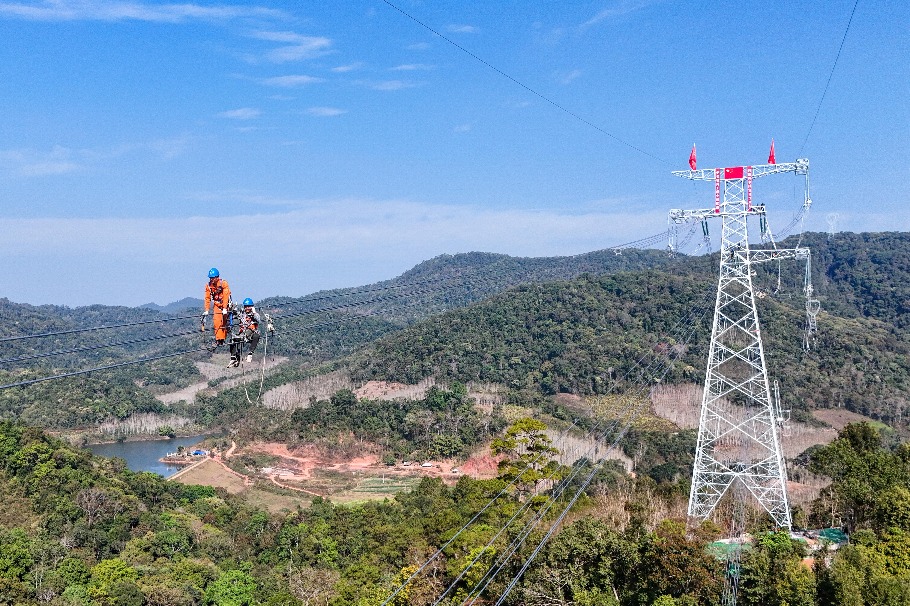
    In a landmark development for regional energy cooperation, the Chinese and Lao sections of the 500-kV power interconnection project achieved physical connectivity on Thursday, February 5, 2026. This strategic infrastructure milestone represents the latest breakthrough in bilateral cooperation following the successful China-Laos Railway project.

    The transnational transmission line spans 177.5 kilometers across both nations, with China Southern Power Grid Co., Ltd. constructing the 145-kilometer Chinese segment and Electricite du Laos Transmission Company Limited developing the 32.5-kilometer Lao section. The project’s completion establishes critical energy infrastructure between the neighboring countries.

    Upon becoming operational, the interconnection is projected to facilitate bidirectional electricity transmission capacity of 1.5 million kilowatts, enabling the annual transfer of approximately 3 billion kilowatt-hours of clean energy. This capacity will significantly enhance regional power stability while promoting sustainable development through clean energy exchange.

    The project extends physical connectivity beyond transportation into the energy sector, marking a new chapter in China-Laos economic cooperation. It strengthens regional infrastructure integration while supporting energy mix optimization and environmentally responsible development throughout the Southeast Asian region.