分类: business

  • Indian rupee faces prolonged pressure amid trade deficits, US deal uncertainty

    Indian rupee faces prolonged pressure amid trade deficits, US deal uncertainty

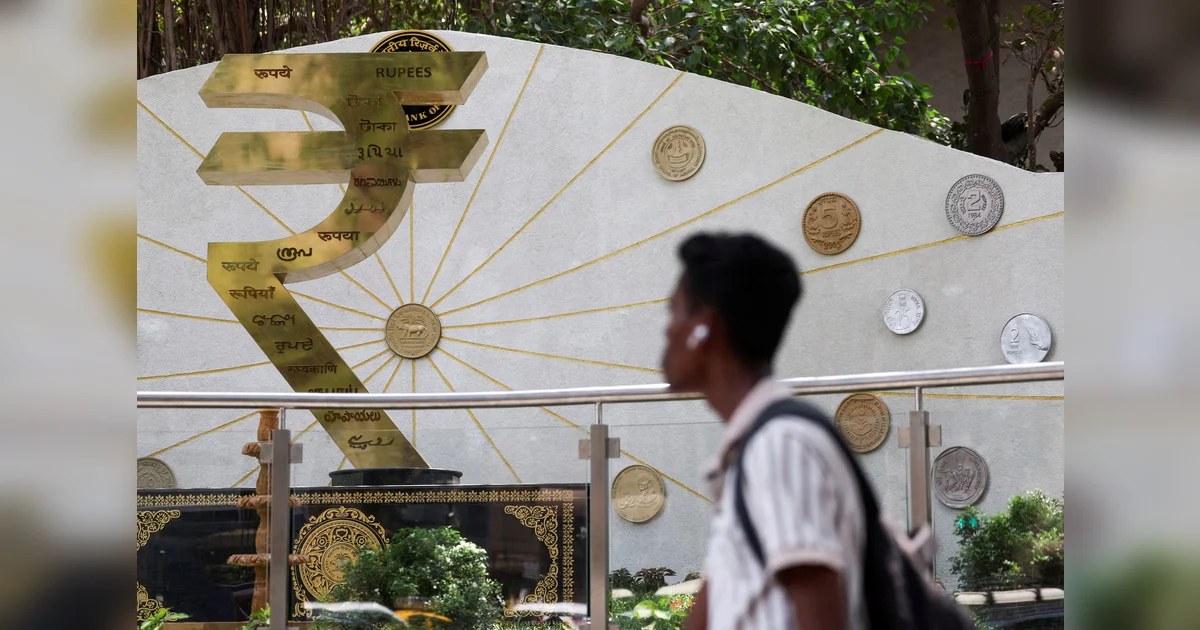
    The Indian rupee is projected to encounter persistent challenges throughout 2026, with financial analysts forecasting continued depreciation against the US dollar. Multiple factors are converging to create sustained pressure on the currency, primarily driven by widening trade deficits and unresolved trade negotiations with the United States.

    Currency projections indicate the rupee-dollar exchange rate may reach approximately 92.00 by the third quarter of 2026, representing a significant adjustment from previous expectations of 90.80. This depreciation trajectory, while slower than the previous year’s decline, reflects ongoing underperformance against both G10 and Asian currency crosses. The rupee concluded 2025 at 89.87, registering a 4.72 percent annual decline—its most substantial drop since 2022.

    Structural challenges include substantial foreign portfolio outflows, with international investors withdrawing nearly $18 billion from Indian markets in 2025. This capital flight has been exacerbated by robust initial public offering activity and private equity profit-taking cycles. Additionally, the delayed inclusion of Indian bonds in the Bloomberg Global Aggregate Index has removed a potential catalyst for foreign investment inflows.

    The current account deficit has emerged as another critical pressure point. Second-quarter data for fiscal year 2026 revealed net financial flows plummeting to $0.7 billion from $8.1 billion in the preceding quarter, accompanied by a $10.9 billion depletion in foreign exchange reserves.

    US trade policy constitutes another significant headwind. Approximately 50 percent tariffs on Indian imports imposed during the Trump administration remain in effect, with limited progress in bilateral trade discussions between New Delhi and Washington. Federal Reserve interest rate policies have further complicated matters by incentivizing capital movement toward higher-yielding US bonds.

    The Reserve Bank of India has adopted measured intervention strategies, primarily during periods of elevated volatility. While India’s economic fundamentals remain robust with 7.4 percent real GDP growth projections and stable inflation, authorities appear comfortable with gradual rupee depreciation that enhances export competitiveness.

    Currency swap agreements with nations including the UAE and Russia offer marginal support mechanisms. These arrangements aim to reduce dollar dependency in bilateral trade and enhance the rupee’s role in trade finance. India-UAE trade reached $100.06 billion in FY 2024-25, growing 19.6 percent year-on-year, creating potential for local currency transactions to alleviate dollar demand.

    Despite these mechanisms, analysts emphasize that swap agreements alone cannot reverse depreciation trends without supportive balance-of-payments conditions and consistent foreign inflows. The rupee’s trajectory will ultimately depend on resolving trade tensions, stabilizing capital flows, and maintaining economic growth momentum.


  • China to ban ‘hidden’ car door handles to address safety fears

    China to ban ‘hidden’ car door handles to address safety fears

    China has announced groundbreaking regulatory measures that will prohibit vehicles from featuring concealed door handles starting in 2027, establishing the world’s first comprehensive safety standard addressing this controversial automotive design. The policy shift comes amid growing international scrutiny over the potential safety hazards associated with flush-mounted handle mechanisms popularized by Tesla and subsequently adopted by numerous Chinese electric vehicle manufacturers, including technology giant Xiaomi.

    The Ministry of Industry and Information Technology unveiled detailed technical specifications mandating that all automobile doors must incorporate both exterior and interior mechanical release mechanisms. Under the new framework, while innovative electrical handle designs remain permissible as supplementary features, mechanical operation capabilities will become compulsory safety components. The regulations explicitly outline requirements for handle positioning, visibility, and operational functionality to ensure emergency access remains possible during accident scenarios.

    This regulatory development follows a tragic incident reported by Chinese state media in October, wherein a driver of a Xiaomi SU7 Ultra sedan perished in a collision as bystanders struggled to locate and operate the vehicle’s concealed door handles while the car was engulfed in flames. Concurrently, United States automotive safety authorities have initiated defect investigations into Tesla’s emergency door release systems, highlighting transcontinental safety concerns regarding modern handle designs.

    Implementation will occur in phases: newly developed vehicle models must comply with the handle requirements by January 1, 2027, while existing approved models receive until January 1, 2029, to undergo necessary design modifications. This measured approach provides manufacturers with adequate transition periods to redesign door systems while prioritizing occupant safety through mechanical redundancy systems.

  • X Open Hub returns to iFX EXPO Dubai with new liquidity solution

    X Open Hub returns to iFX EXPO Dubai with new liquidity solution

    Institutional liquidity provider X Open Hub is poised to make a significant impact at the upcoming iFX EXPO Dubai from February 10-12, 2026, showcasing an innovative approach that transforms how brokers maximize value from client relationships. The company’s groundbreaking solution combines superior execution quality with a revolutionary Interest Plan that generates institutional-grade returns on idle funds.

    At Booth #156 in the Dubai World Trade Centre, X Open Hub will demonstrate how its dual-value proposition addresses the perennial challenge brokers face: extracting additional value without introducing operational friction or risk. The Interest Plan, launched in late 2025, enables brokers to earn daily accrued interest ranging from 1.5% to 3.7% on segregated hedge account balances, depending on currency and balance size. This system operates automatically, allowing funds to remain fully accessible for trading while generating passive income.

    The strategic timing of this exhibition coincides with X Open Hub’s multiple nominations at the prestigious UF AWARDS MEA 2026, recognizing the provider’s excellence in liquidity provision, execution quality, and broker support services. This recognition underscores the company’s growing influence in the Middle East and African markets, where demand for institutional-grade infrastructure continues to accelerate amid tightening regulatory requirements and competitive pressures.

    Brokers attending the expo will have opportunities for in-depth technical discussions covering multi-asset infrastructure, order book depth, and integration processes. Demonstrations will focus on execution performance during simulated volatile market conditions and how the Interest Plan seamlessly integrates with existing broker operations. The provider will also detail its robust infrastructure capabilities, including redundancy protocols, failover systems, and 24/7 monitoring that ensure stability during extreme market movements.

    For brokers operating with thin margins and high operational costs, this model represents a paradigm shift. The Interest Plan creates a secondary revenue stream independent of trading volume or client acquisition, accruing returns regardless of market conditions. This approach mirrors traditional financial institutions’ capital management strategies but adapts them specifically for the forex and CFD trading ecosystem.

    X Open Hub is facilitating advanced meeting scheduling through its website, recommending early bookings due to expected high traffic. For those unable to attend physically, the company offers remote consultations and virtual product tours through its globally distributed support team. The Dubai expo marks the beginning of X Open Hub’s 2026 event calendar, with planned appearances at regional conferences and trading summits worldwide.

    This exhibition reflects a broader industry transformation toward infrastructure solutions that deliver multiple value dimensions. While execution quality remains foundational, the competitive landscape now demands partners who offer comprehensive value beyond mere liquidity access. X Open Hub’s innovative approach represents the future of broker-provider relationships in the evolving financial services landscape.

  • Dubai gold prices trend downward as US-Iran talks start tomorrow

    Dubai gold prices trend downward as US-Iran talks start tomorrow

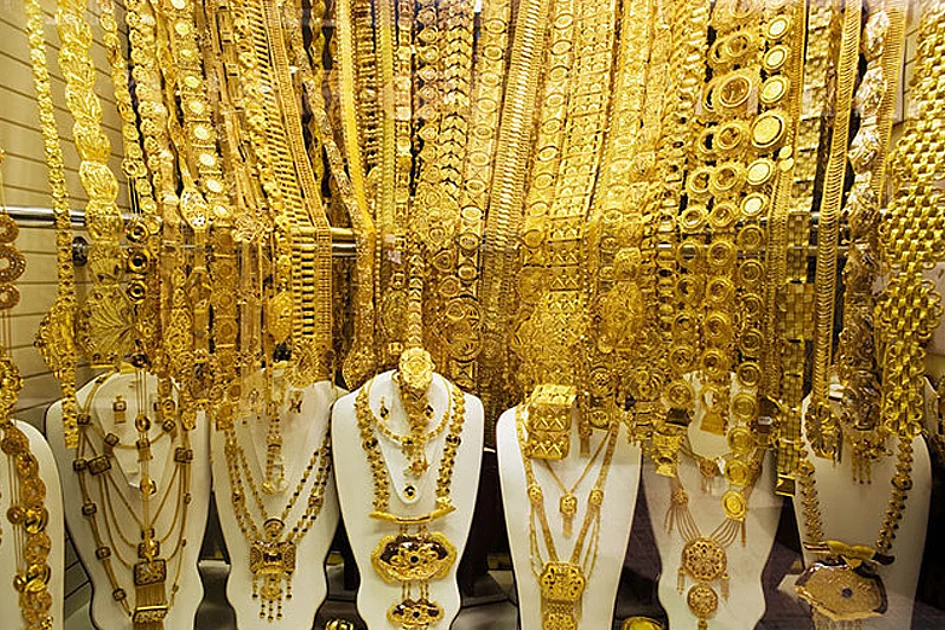
    Dubai’s gold market opened with notable declines on Thursday morning as diplomatic developments between the United States and Iran prompted a shift in investor sentiment. The benchmark 24K gold variant dropped to Dh586.0 per gram at 9:00 AM UAE time, mirroring a broader downward trend across global precious metal markets.

    The price adjustment follows Wednesday’s peak above $5,000 per ounce, with spot gold currently trading at $4,853 – representing a 1.5 percent decrease. This reversal coincides with the anticipated US-Iran negotiations scheduled to commence Friday in Oman, which have already begun easing market anxieties regarding potential regional conflicts.

    Other gold variants experienced corresponding declines, with 22K, 21K, 18K, and 14K trading at Dh542.75, Dh520.25, Dh446.0, and Dh347.75 per gram respectively. Market analysts attribute the volatility to positioning-driven liquidations rather than fundamental narrative changes, noting that heavily leveraged long positions were forced to reduce exposure during recent fluctuations.

    Despite the current retreat, gold has demonstrated remarkable resilience, maintaining approximately 15 percent growth from recent lows. The metal’s ability to sustain levels above $5,000 per ounce earlier this week signaled significant market strength following a period of intense volatility.

    Financial experts are advising UAE investors and residents to adopt a cautious wait-and-watch approach amid the ongoing commodity market instability. The diplomatic talks between Washington and Tehran remain complicated by divergent priorities, with the US insisting on discussing Iran’s missile arsenal while Iran focuses exclusively on nuclear program negotiations.

  • Europe’s central bank maintains interest rate with economic growth resilient

    Europe’s central bank maintains interest rate with economic growth resilient

    FRANKFURT, Germany — The European Central Bank maintained its current monetary policy stance Thursday, keeping benchmark interest rates unchanged as the eurozone economy demonstrates unexpected resilience despite global trade tensions and geopolitical challenges.

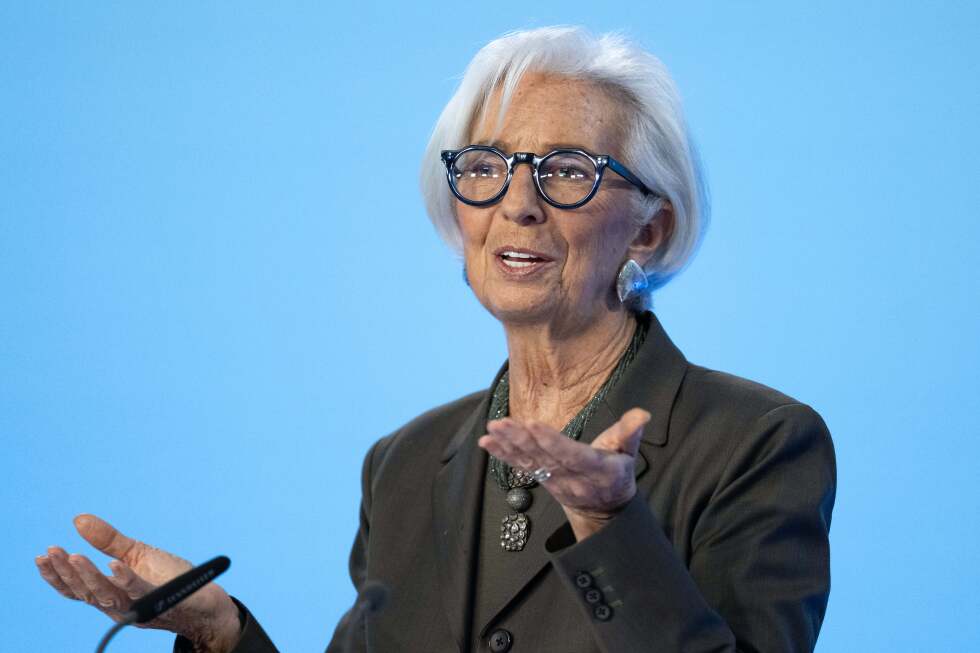
    ECB policymakers decided to retain the key deposit rate at 2%, maintaining the level established in June following a series of reductions from the previous peak of 4% that began in mid-2024. This decision reflects the institution’s cautious approach amid what President Christine Lagarde characterized as “a challenging global environment.”

    Addressing journalists during her post-meeting conference, Lagarde highlighted several factors supporting the region’s economic stability. “The economy remains resilient, buoyed by historically low unemployment levels, increased governmental expenditure on defense infrastructure, and the cumulative impact of our previous rate reductions,” she stated.

    However, Lagarde acknowledged significant external headwinds, citing “higher tariff impositions and a strengthening euro” as continuing challenges. The ECB president offered no definitive guidance on future monetary policy directions, emphasizing instead a meeting-by-meeting approach to decision-making given the current “significant uncertainty” in global markets.

    The current accommodative monetary environment has already stimulated economic activity through revived mortgage lending and construction sectors, benefiting from reduced borrowing costs. Concurrently, robust employment figures continue to sustain consumer demand, providing additional economic momentum without requiring further immediate stimulus measures.

    Economic indicators support the ECB’s steady approach. The eurozone expanded by 0.3% in the final quarter of 2025, exceeding analyst expectations. Financial institution Berenberg projects full-year growth could reach 1.3% for 2026, with economists anticipating the ECB might maintain current rates until mid-2027 before considering any increases.

    Improved growth prospects stem partly from anticipated fiscal expansions in key economies. Germany, the eurozone’s largest economy, is expected to increase infrastructure and defense spending, while France recently resolved prolonged budgetary negotiations that had created political uncertainty.

    Additional positive developments include moderated energy costs since the dramatic price surges following Russia’s 2022 invasion of Ukraine, and reduced trade policy uncertainty after the European Commission negotiated a cap on U.S. tariffs at 15%—a substantial increase from the previous 4.8% but below worst-case scenarios.

    Inflationary pressures have similarly moderated, with January figures falling to 1.7%, below the ECB’s 2% target threshold. This combination of controlled inflation, steady growth, and reduced external uncertainties provides the central bank with flexibility to maintain its current policy stance while monitoring evolving economic conditions.

  • Renowned hotelier on why today’s luxury traveller wants stillness, not spectacle

    Renowned hotelier on why today’s luxury traveller wants stillness, not spectacle

    Visionary hotelier Sonu Shivdasani, founder of acclaimed luxury brands Soneva and Six Senses, is launching his third hospitality venture—Sosei—a next-generation ultra-luxury platform rooted in Japanese philosophy and wellness principles. Currently developing initial projects in Dubai with ambitious expansion plans across 12 countries, Sosei represents Shivdasani’s evolved perspective on luxury, shaped by personal health challenges and changing consumer preferences.

    The new brand will focus on longevity science, regenerative medicine, and integrative healing practices, blending ancient Asian traditions with advanced diagnostics. Sosei’s diverse portfolio will encompass beach resorts, ski destinations, urban sanctuaries, ryokans, and branded residences, each featuring a central wellness facility that transforms guest experiences beyond conventional spa services.

    Shivdasani’s journey began in the 1980s when he encountered the Maldives’ nascent tourism industry, characterized by basic infrastructure and minimal environmental consideration. His breakthrough came in 1991 with an abandoned Maldivian island that would become Soneva Fushi, revolutionizing luxury travel in the region despite initial skepticism from government officials who questioned his premium pricing strategy without traditional tour operator partnerships.

    The hotelier’s personal battle with stage four cancer fundamentally reshaped his understanding of success, shifting from material accumulation to purposeful living and self-discovery. This philosophical transformation now informs his approach to luxury hospitality, which he defines through rarity and contrast rather than opulent displays.

    ‘True luxury isn’t about marble floors or gold taps—Dubai executes that perfectly,’ Shivdasani notes. ‘It’s about walking barefoot for a week, eating garden-fresh food, or arriving at dinner via zipline. These are rare experiences that create meaningful contrast with daily life.’

    He conceptualizes hotels as experience platforms rather than physical products, drawing parallels to Steve Jobs’ vision of the iPhone as an ecosystem rather than merely a device. This philosophy extends to Sosei’s wellness approach, which treats wellbeing as fundamental infrastructure rather than an optional amenity.

    Despite witnessing his innovative concepts being widely replicated throughout the industry, Shivdasani remains concerned about unsustainable practices in luxury tourism, particularly environmental damage in sensitive ecosystems like the Maldives. He maintains a philosophical perspective, acknowledging that while imitation was inevitable, the current priority lies in evolving the luxury model responsibly to address contemporary needs for digital detox, stress relief, and genuine connection.

  • Gold prices swing sharply: What UAE investors should know amid regional tensions

    Gold prices swing sharply: What UAE investors should know amid regional tensions

    The UAE gold market has been experiencing unprecedented price swings in recent weeks, with values fluctuating dramatically amid escalating geopolitical tensions between the United States and Iran. This volatility has challenged gold’s traditional status as a stable safe-haven asset, creating both risks and opportunities for investors in the Emirates and globally.

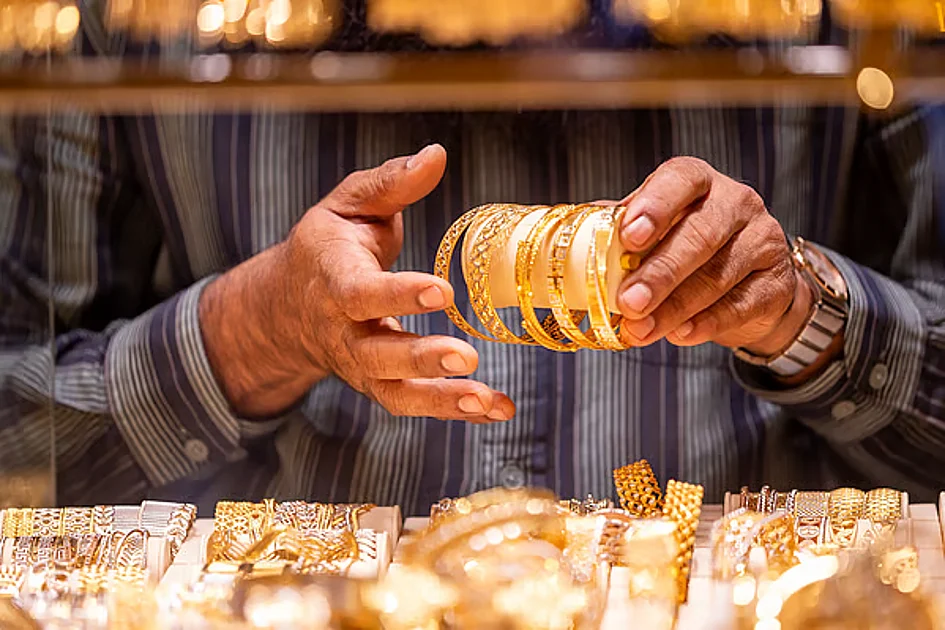
    Market data reveals extraordinary price movements, with gold reaching peaks exceeding $5,500 per ounce before plummeting below $4,700 within days. In Dubai’s local markets, this translated to a decrease of Dh100 per gram within a remarkably short timeframe. As of Wednesday evening, international gold traded at $5,061 per ounce, marking a 3.1 percent increase, while Dubai’s 24K and 22K gold traded at Dh609 and Dh563.75 per gram respectively.

    The primary driver of this volatility stems from the rapidly changing dynamics in US-Iran relations. Prices declined when diplomatic talks between the nations surfaced, but sharply rebounded following incidents such as a US fighter jet shooting down an Iranian drone near the USS Abraham Lincoln in the Arabian Sea, prompting renewed investor flight to safety.

    Financial experts emphasize that while geopolitical tensions typically create bullish conditions for gold, investors must consider multiple factors. George Pavel, General Manager at Naga.com Middle East, notes that “gold typically reacts to sudden changes in perceived escalation risks. Short-term rallies could be driven by hedging demand and can fade quickly if tensions stabilize or diplomatic progress materializes.”

    Beyond geopolitical concerns, analysts identify additional factors influencing gold’s performance, including central bank interest rate decisions and sustained institutional buying. Michael Brown, Senior Research Strategist at Pepperstone, observes that “the rebound being more of a mechanical one than anything else, though ongoing haven demand remains a key part of the underlying fundamental bull case.”

    For UAE investors navigating this turbulent market, experts recommend implementing robust risk management strategies. These include disciplined position-sizing to ensure gold exposure aligns with its safe-haven role rather than speculative positioning, maintaining diversification across asset classes, and conducting thorough research to distinguish between temporary market movements and sustained trends.

  • Uncertainty clouds tariff talks

    Uncertainty clouds tariff talks

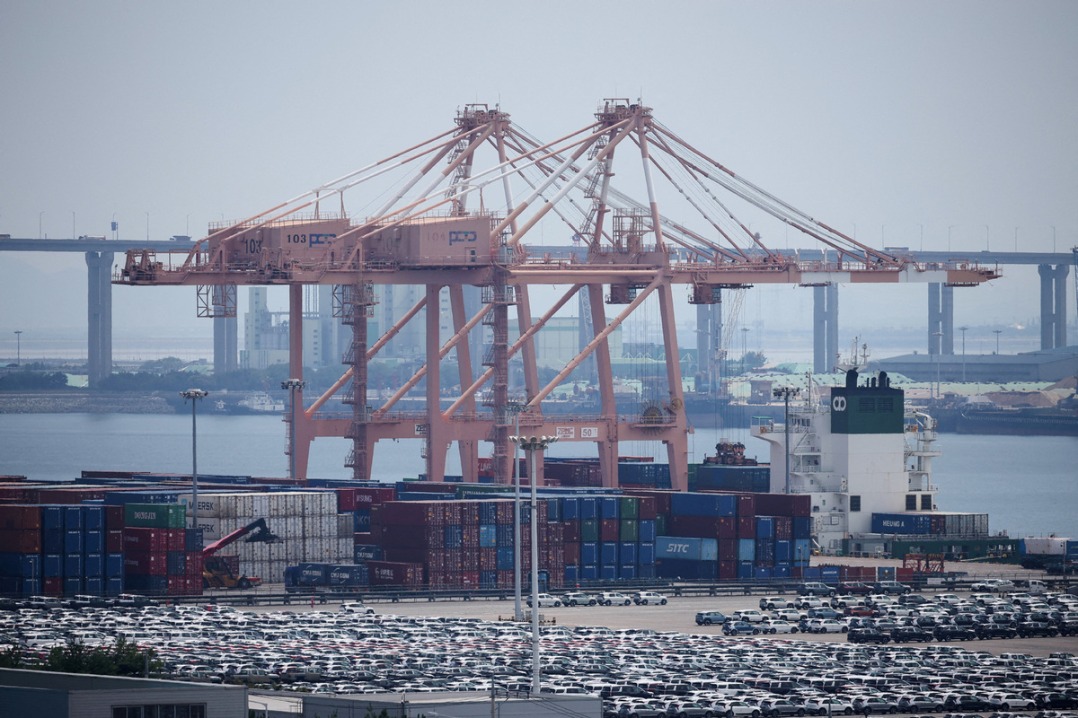
    A critical diplomatic meeting between South Korean Foreign Minister Cho Hyun and US Secretary of State Marco Rubio concluded without resolution on Tuesday, leaving unresolved the specter of substantial tariff increases on Korean exports. The high-level discussions in Washington addressed bilateral trade concerns, including shipbuilding disputes and investment frameworks, yet failed to produce a concrete agreement to avert impending levies.

    The trade tension escalated significantly on January 26 when former President Donald Trump announced via social media his intention to raise import duties on South Korean goods from 15% to 25%. This proposed increase hinges on Seoul’s delayed ratification of a bilateral trade agreement that would authorize a monumental $350 billion investment package in the United States.

    Despite Minister Cho’s detailed presentation of Seoul’s implementation efforts and his proposal for enhanced communication between trade authorities, the US State Department’s official meeting summary conspicuously omitted any reference to the tariff discussion. This absence signals a fundamental divergence in diplomatic priorities between the two nations, according to regional analysts.

    Professor Kang In-soo of Sookmyung Women’s University characterized the situation as a ‘macro-critical emergency’ for South Korea, noting that the potential tariffs could severely impact export revenues, corporate profitability, and broader economic stability including employment and currency markets. Meanwhile, US officials appear to approach the matter primarily as an implementation issue rather than a diplomatic crisis requiring immediate de-escalation.

    The foreign minister’s visit followed similarly inconclusive talks by Trade Minister Yeo Han-koo, who spent the previous week in Washington unable to secure meetings with key US trade officials. Minister Yeo noted that American administrators are proceeding with plans to formalize ‘reciprocal’ tariff increases, emphasizing the need for continued dialogue to bridge institutional understanding gaps.

    Domestically, South Korea’s ruling Democratic Party is accelerating legislative efforts to pass the special investment bill, recently agreeing with opposition parties to establish a special committee to expedite the process. Economic experts advise that any legislation should incorporate protective measures such as conditional disbursement requirements, periodic parliamentary review, and investment caps to prevent future negotiation vulnerabilities.

    Industry representatives from Korea’s International Trade Association suggest that Washington has increasingly employed tariffs as a standard negotiation tool, indicating that similar pressures may recur depending on investment sector selection and execution timelines.

  • Argentine wheat shipment opens new link to China

    Argentine wheat shipment opens new link to China

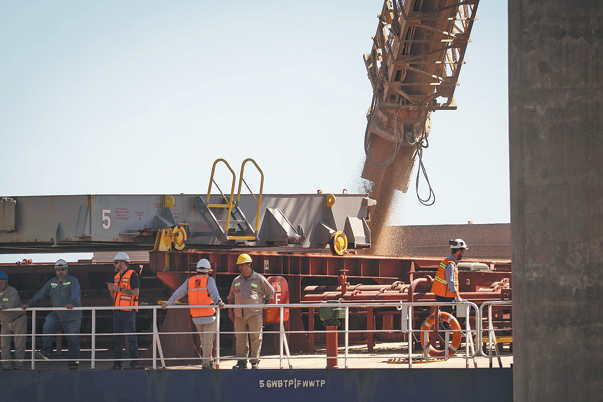
    In a significant development for global agricultural trade, Argentina has successfully launched a new wheat export corridor to China, marking a strategic shift in international supply chains. The shipment of approximately 65,000 metric tons of Argentine wheat currently en route to Chinese ports represents the first bulk commercial delivery since 1997, establishing what industry experts believe could become a rapidly expanding trade route.

    The Argentine Secretariat of Agriculture, Livestock and Fisheries has hailed this transaction as a landmark achievement in bilateral commercial relations. The cargo, loaded at COFCO International’s terminal in Timbues, Santa Fe Province, signals a new chapter in agricultural cooperation between the two nations. Chinese Ambassador to Argentina Wang Wei emphasized during December’s send-off ceremony that this initiative aligns with China’s commitment to expanding high-level opening-up policies while fostering mutual economic development.

    Emilce Terre, Head of the Directorate of Information and Economic Studies at Argentina’s Rosario Board of Trade, revealed that the initial shipments in late 2025—comprising four vessels carrying nearly 160,000 tons—represent merely the foundation of a much larger trading relationship. While Argentina’s peak wheat exports to China reached 1.05 million tons in 1989, Terre expressed confidence that current potential exceeds historical records due to evolving demand patterns and supply-side transformations.

    This new trade flow emerges as China strategically diversifies its import sources amid sensitivity to price volatility, geopolitical tensions, and climate-related risks in traditional supplier markets. Although China predominantly satisfies domestic consumption through local production, its massive market size continues to make it an attractive destination for global exporters. The current import structure heavily relies on limited producers including Australia and Canada, creating vulnerability to supply disruptions.

    Argentina’s competitive advantages extend beyond mere volume. The Southern Hemisphere harvest cycle runs counter to Northern Hemisphere patterns, enabling buyers to maintain consistent annual procurement schedules. This seasonality proves particularly valuable when weather events or logistical challenges disrupt conventional supply routes. Furthermore, Argentina’s robust agricultural infrastructure centered in the Rosario region provides ample capacity for export expansion without compromising domestic supply during high-yield harvest years.

    Beyond wheat, Argentina has established itself as a key supplier of soybeans and beef to China, with corn exports gaining traction over the past two years. Industry analysts suggest potential exists for broadening the trade basket to include poultry, pork, legumes, and other high-quality agro-industrial products, creating a comprehensive agricultural partnership that benefits both economies through enhanced food security and market diversification.

  • Bank of England set to keep UK interest rates on hold as inflation remains above target

    Bank of England set to keep UK interest rates on hold as inflation remains above target

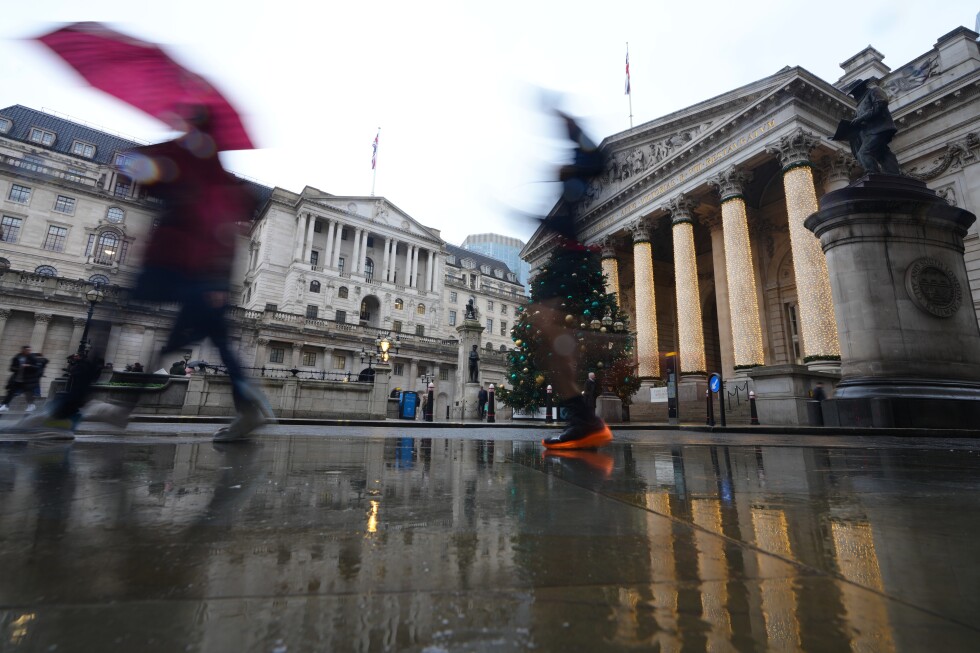
    The Bank of England has maintained its benchmark interest rate at 3.75% during Thursday’s monetary policy meeting, marking a pause in its extended cycle of monetary easing. This decision comes as UK policymakers navigate competing economic pressures: persistently elevated inflation levels and unexpectedly robust economic indicators.

    Over the past eighteen months, Britain’s central banking authority has implemented a series of measured rate reductions, typically adjusting monetary policy every quarter. The most recent cut occurred in December 2023, when officials lowered the key rate by 25 basis points while signaling additional decreases potentially forthcoming in 2024.

    Recent economic assessments have revealed stronger-than-projected performance in the British economy during the early months of 2024, creating potential inflationary pressures that complicate monetary policy decisions. Although inflation has demonstrated a downward trajectory over approximately the past year, the current rate of 3.4% continues to exceed the central bank’s mandated 2% target.

    Andrew Wishart, Senior UK Economist at Berenberg Bank, noted: ‘Preliminary 2024 economic data suggests both stronger consumer demand and more persistent inflation dynamics than our previous projections anticipated.’

    Economists emphasize that forthcoming economic releases will prove crucial in determining the timing of future rate adjustments. The monetary policy committee faces the delicate balancing act of stimulating economic growth through reduced borrowing costs while simultaneously containing price stability risks.

    Lower interest rates typically stimulate economic activity by decreasing borrowing expenses for both consumers and businesses, potentially encouraging increased spending and capital investment. However, this stimulus may simultaneously exert upward pressure on prices, creating policy dilemmas for central bankers.

    The current Labour government, which has experienced declining popularity since its 2024 election victory partly due to economic concerns, maintains a vested interest in seeing inflation decline substantially this year, which would enable further reductions in borrowing costs.