分类: business

  • UWANT enters the UAE market with smart cleaning innovations

    UWANT enters the UAE market with smart cleaning innovations

    The United Arab Emirates is witnessing a paradigm shift in residential technology adoption as smart home solutions transition from premium luxury to mainstream necessity. This transformation is fueled by nationwide digitalization efforts, government-led smart city initiatives, and evolving consumer preferences toward interconnected living experiences.

    Market projections indicate substantial growth potential across the Middle East, with the regional smart home sector expected to achieve a valuation of $12.53 billion by 2026. This expansion represents a compound annual growth rate of 18.9% through 2031, demonstrating particularly strong demand for automated lighting systems, advanced security solutions, energy management technologies, and artificial intelligence-enhanced home appliances.

    Capitalizing on this market momentum, innovation-driven cleaning technology brand UWANT has officially launched its comprehensive product portfolio in the UAE. The company’s market entry strategy focuses on addressing diverse cleaning requirements—from routine dust and crumb removal to intensive fabric sanitation and post-meal spill management.

    UWANT’s UAE debut features a curated selection of their most sought-after products, including cordless stick vacuums, wet-dry vacuum systems, specialized carpet cleaners, autonomous robotic vacuums, and advanced mite removal devices. The product pricing strategy positions items between AED 249 and AED 2,499 to accommodate various consumer segments.

    The brand’s regional distribution is managed by Al Esayi Group, an established electronics and home appliances distributor with operations across the Gulf Cooperation Council region. Founded in 1994 and headquartered in Jeddah, Saudi Arabia, Al Esayi brings extensive retail expertise and market knowledge to support UWANT’s Gulf expansion strategy.

    Farrukh Abdugaforov, Managing Director of UWANT’s UAE operations, emphasized the market’s strategic importance: “The UAE represents an international innovation hub characterized by sophisticated consumer expectations and robust demand for premium home solutions. The country’s mature retail infrastructure, substantial consumer purchasing power, and openness to technological innovation create ideal conditions for introducing advanced appliance solutions like UWANT.”

    Abdugaforov further elaborated on the brand’s philosophy: “UWANT embodies three fundamental principles: attention to detail, emotional warmth, and customer happiness. We strive to integrate meaningful innovation into daily routines, transforming household maintenance into more comfortable and efficient experiences.”

    The product development team has specifically engineered UWANT’s offerings to accommodate characteristic UAE living scenarios, including family-intensive kitchens, high-traffic living areas, and pet-inclusive households. The technology portfolio enables both routine maintenance and comprehensive hygiene management, addressing challenges such as persistent dust accumulation, liquid spills, pet hair, and soft furnishing care with minimal user intervention.

    Globally, UWANT has established particular recognition for its dust-mite elimination technology, commanding over 40% market share in China’s mite remover category. The brand has successfully expanded across international markets including the United States, European nations, and Russia before commencing its Middle Eastern operations.

    UWANT’s initial UAE product lineup includes: cordless stick vacuums featuring multi-layer filtration technology, hybrid wet-dry floor cleaning systems, fully autonomous robotic vacuums for continuous maintenance, and portable spot cleaners with upgraded steam-hot water functionality that claims 99.9% bacteria elimination.

    Consumer availability commences immediately through Sharaf DG retail locations at Deira City Centre, Times Square Centre, and Dubai Hills Mall, with parallel e-commerce accessibility through online purchasing platforms.

  • Lulu Group chief Yusuff Ali reappointed board member of Abu Dhabi Chamber

    Lulu Group chief Yusuff Ali reappointed board member of Abu Dhabi Chamber

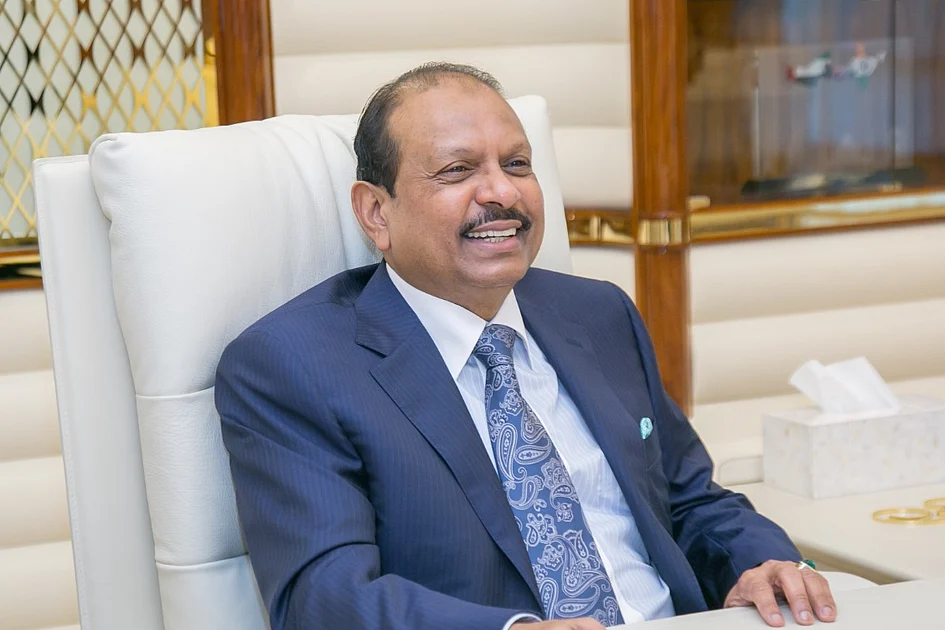
    In a significant development for the UAE’s business community, Lulu Group Chairman and Managing Director Yusuff Ali MA has been reappointed to the Board of Directors of the Abu Dhabi Chamber of Commerce and Industry. The appointment came through an official resolution issued by the Abu Dhabi Executive Council, marking the second time the prominent business leader has received such an appointment through council resolution.

    This reappointment represents the latest chapter in Yusuff Ali’s longstanding relationship with the Chamber, having previously served three separate terms as an elected board member. The Abu Dhabi Chamber formally welcomed his return, stating: “The Chamber extends its best wishes for success in his new role and for meaningful contributions toward enhancing the role and impact of the private sector in the Emirate, while supporting the achievement of Abu Dhabi’s economic aspirations.”

    Yusuff Ali, ranked as the wealthiest Indian national in the UAE with an estimated fortune of $5.8 billion, leads one of the region’s most expansive retail empires. Lulu Group maintains a formidable global presence with operations spanning 22 countries and a diverse workforce exceeding 75,000 employees representing 46 nationalities.

    The group’s portfolio includes an extensive network of shopping malls, hypermarkets, and financial services through its money exchange and remittance division. Recent financial performance indicators demonstrate robust growth, with Lulu Retail reporting a net profit of $36 million (Dh132 million) for the third quarter of 2025—representing a substantial 24 percent year-on-year increase.

    This strategic appointment reinforces the continued collaboration between government institutions and private sector leadership in driving Abu Dhabi’s economic vision forward.

  • OneRoyal to attend iFX EXPO Dubai 2026 as platinum sponsor

    OneRoyal to attend iFX EXPO Dubai 2026 as platinum sponsor

    Financial services firm OneRoyal has secured platinum sponsorship status for the upcoming iFX EXPO Dubai 2026, positioning itself at the forefront of the Middle East’s premier financial trading exhibition. The event is scheduled for February 11-12, 2026, at the Dubai World Trade Centre, where OneRoyal will occupy Booth 105 to engage with industry professionals.

    The company plans to leverage its prominent presence to facilitate discussions on emerging market trends, technological innovations in trading, and the evolving landscape of online financial markets. Exhibition attendees will have exclusive access to OneRoyal’s award-winning trading platforms and AI-powered analytical tools engineered to optimize execution capabilities and enhance decision-making processes for traders of all experience levels.

    This strategic sponsorship underscores OneRoyal’s dedicated commitment to fostering development within the Middle Eastern trading ecosystem. The company emphasizes providing regional traders with premium trading conditions and secure access to global market opportunities through advanced technological infrastructure.

    Industry professionals visiting the exposition are encouraged to connect with OneRoyal representatives to explore how the company is democratizing access to financial markets and driving the next evolution of digital trading solutions. The participation reflects broader industry movements toward technological integration and expanded market accessibility in the financial sector.

  • Construction of MGM Resorts’ hotels in Dubai on track; opening in Q3 2028, says CEO

    Construction of MGM Resorts’ hotels in Dubai on track; opening in Q3 2028, says CEO

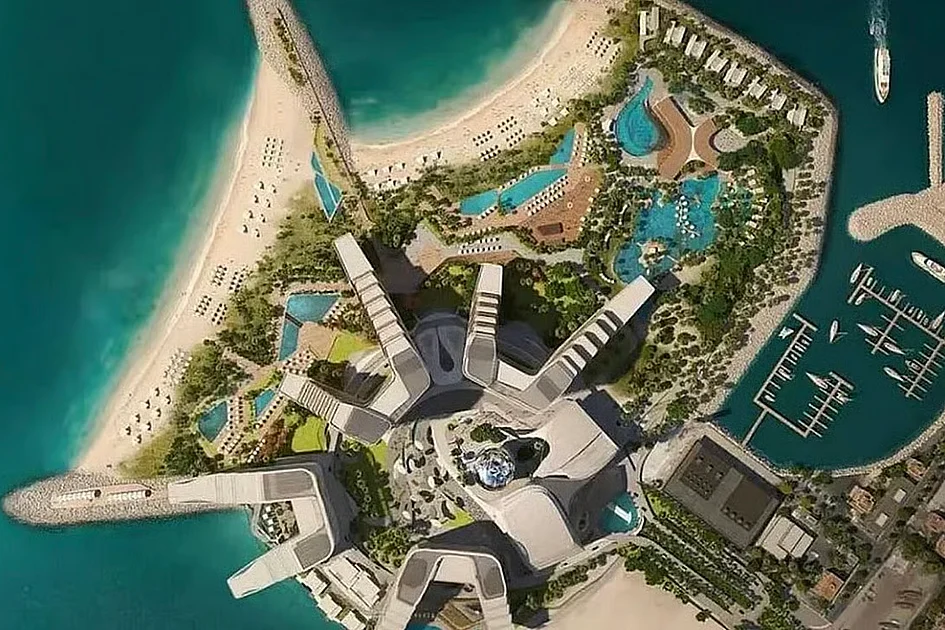
    MGM Resorts International has confirmed that construction of its three luxury hotel properties in Dubai remains firmly on schedule, with an anticipated opening set for the third quarter of 2028. The announcement came directly from President and CEO Bill Hornbuckle during the company’s Q4 2025 earnings call with financial analysts.

    The project represents a significant expansion for the Las Vegas-based hospitality giant through a non-gaming management agreement with Dubai’s Wasl Hospitality. The development will introduce three of MGM’s premier brands – Bellagio, Aria, and MGM Grand – to the Emirates’ luxury hospitality market, though notably without gaming facilities.

    This development marks MGM Resorts as the second U.S.-based hotelier and gaming operator to secure operational licensing within the UAE. Wynn Resorts previously obtained the first license to operate an integrated gaming resort, Wynn Al Marjan, in Ras Al Khaimah, scheduled to commence operations next year.

    The UAE’s hospitality sector has demonstrated remarkable growth over the past five years, driven by increasing tourist arrivals and the emerging trend of staycations. Recent data from the Ministry of Economy and Tourism reveals impressive performance metrics, with hotel revenues reaching Dh12.5 billion during the latest “World’s Most Beautiful Winter” campaign. The sector welcomed approximately 5 million hotel guests, representing a 5% increase from the previous year, while occupancy rates climbed to 84%.

    Industry analysts note that Dubai, Abu Dhabi, and Sharjah have emerged as preferred 2026 holiday destinations for travelers from Germany, Switzerland, Canada, and South Korea. According to Skyscanner’s 2026 Travel Trends Report, modern travelers are increasingly seeking authentic experiences beyond traditional tourist hotspots, favoring destinations that offer fresh and unique accommodation experiences.

    The expansion coincides with strong financial performance for MGM Resorts, which reported consolidated net revenues of $4.6 billion in Q4 2025 – a 6% increase compared to the same period last year. Net income attributable to the company reached $294 million, substantially higher than the $157 million recorded in the prior year quarter.

  • Valentine flower imports increase at Miami airport, despite tariffs and higher costs, officials say

    Valentine flower imports increase at Miami airport, despite tariffs and higher costs, officials say

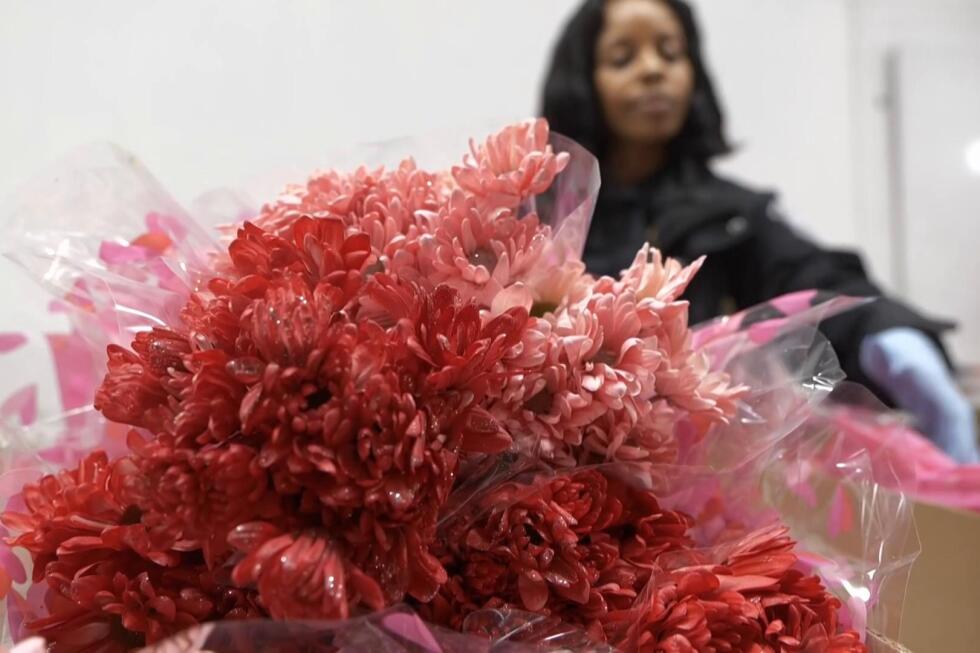
    While Cupid garners the romantic accolades each February, the true engine of Valentine’s Day operates not in the clouds but within the bustling cargo warehouses of Miami International Airport (MIA). This logistical hub serves as the critical gateway for an astonishing 90% of all fresh cut flowers sold for the holiday across the United States, processing nearly one billion stems in the weeks leading up to February 14th.

    The pre-Valentine’s surge transforms airport operations. Avianca Cargo, the airport’s largest floral importer based in Medellín, Colombia, exemplifies this scale. In preparation for the holiday, the company is operating 320 dedicated cargo flights—more than double its usual schedule—to transport approximately 19,000 tons of blossoms. CEO Diogo Elias notes the unique concentration on a specific variety, stating, ‘We fly flowers for the whole year, but Valentine’s is special… More than 50-60% are red roses at this time.’ These floral caravans, primarily arriving from Colombia and Ecuador, carry roses, carnations, pompons, hydrangeas, chrysanthemums, and gypsophila destined for florists and supermarkets throughout the U.S. and Canada.

    However, consumers will encounter a thornier reality this season: higher prices. Christine Boldt, Executive Vice President for the Association of Floral Importers of America, attributes the increase to recent tariffs on imports from Colombia and Ecuador, coupled with a new minimum wage enacted in Colombia. ‘This adds significant dollars to the bouquets that are coming in,’ Boldt explained. ‘Every consumer is gonna have to face additional costs.’

    Despite the price hike, flowers remain a cornerstone of MIA’s imports. Airport Director Ralph Cutié reported that the airport handled nearly 3.5 million tons of total cargo last year, with flowers accounting for roughly 400,000 tons. Pre-Valentine’s shipments alone have seen a 6% year-over-year increase. ‘The mother, the wife, the girlfriend in Omaha, Nebraska, that gets their flowers… chances are those flowers passed through our airport,’ Cutié said with pride.

    Ensuring this massive import doesn’t introduce ecological threats falls to U.S. Customs and Border Protection (CBP) agricultural specialists. Their rigorous inspection process is vital to safeguarding the nation’s floral and agricultural industries. According to CBP senior official Daniel Alonso, inspectors meticulously check flower bundles for harmful plant pests and foreign animal diseases, discovering on average 40-50 pests daily, most commonly moths. Any intercepted threats are promptly turned over to the U.S. Department of Agriculture for further analysis and containment.

  • India gold premiums down by half; China demand up ahead of Lunar New Year

    India gold premiums down by half; China demand up ahead of Lunar New Year

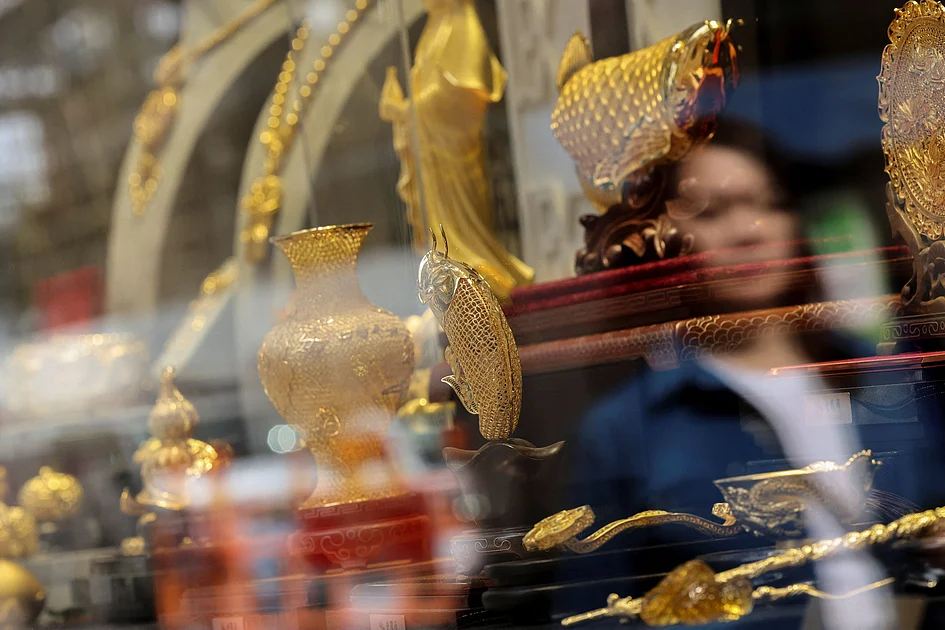
    A significant divergence has emerged in Asian gold markets, with premiums in India collapsing from decade-high levels while Chinese demand strengthened ahead of the Lunar New Year celebrations. Market data reveals Indian bullion dealers this week charged premiums of up to $70 per ounce over official domestic prices, representing a dramatic decline from last week’s $153 premium – the highest recorded since December 2013. This sharp contraction follows substantial price volatility that saw domestic gold prices swing between 133,687 rupees and a record 180,779 rupees per 10 grams, creating uncertainty among buyers. Market analysts attribute last week’s premium spike to anticipations of an import duty hike in India’s Union Budget, which ultimately maintained the existing duty structure when presented on February 1. Conversely, China demonstrated robust demand with premiums increasing to $35 per ounce above global benchmark prices, up from $32 the previous week. Regional variations persisted across Asia, with Hong Kong trading at par to $1.70 premiums, Japan offering discounts of $7 to $1 premiums, and Singapore trading at discounts of $0.50 to premiums of $3. Peter Fung, Head of Dealing at Wing Fung Precious Metals, noted that ‘consumers still have interest in buying jewellery on the downside while physical investment demand is very good.’ The market shift comes as spot gold prices have retreated more than 13.5% since hitting a record high of $5,594.82 on January 29. ANZ analyst Soni Kumari observed that ‘the correction in gold and silver prices came at the right time, just before the Chinese New Year,’ potentially stimulating further demand. This market realignment occurs against the backdrop of China’s evolving gold consumption patterns, where 2025 marked the second consecutive annual decline but saw investment products (bars and coins) surpass jewelry purchases for the first time, reflecting growing safe-haven demand among Chinese investors.

  • Voyah UAE brings design-led flair to Taste of Dubai as official automotive sponsor

    Voyah UAE brings design-led flair to Taste of Dubai as official automotive sponsor

    Voyah UAE, the premium electric vehicle brand exclusively distributed by Performance Plus Motors, has undertaken the role of official automotive sponsor for Taste of Dubai 2026, introducing an innovative approach to brand integration at the celebrated culinary festival. Departing from conventional automotive displays, the company has crafted a serene majlis-inspired sanctuary that harmoniously merges traditional Arabic hospitality with the tranquil aesthetics of classical Chinese gardens.

    This carefully curated space provides festival attendees with an oasis of calm amidst the event’s vibrant energy, embodying Voyah’s philosophy of understated modern luxury through atmospheric design and cultural resonance rather than overt commercial promotion. Throughout the festival duration, visitors can examine the Voyah Free and Voyah Dream models showcased within this distinctive environment, with on-site registration available for exclusive test drive experiences directly from the event venue.

    Expanding its engagement beyond physical boundaries, Voyah has launched a complementary social media initiative designed to extend participation to the broader community. This digital campaign offers opportunities to access the Taste of Dubai experience, encouraging shared moments that reinforce the brand’s commitment to fostering genuine connections, accessibility, and meaningful consumer interactions.

    Mohamed Elzawawy, General Manager of Performance Plus Motors, elaborated on the strategic approach: ‘Taste of Dubai attracts audiences who appreciate quality, cultural richness, and experiential engagement. Our presence is meticulously designed to complement this ethos by offering something intentionally distinct from the surrounding festivities. We’re introducing Voyah through cultural dialogue and atmospheric design rather than traditional automotive conventions.’

    The sponsorship represents a sophisticated brand positioning exercise within the UAE’s evolving luxury mobility market, leveraging cultural references and design excellence to integrate naturally within the festival’s rhythm while demonstrating Voyah’s unique perspective on modern automotive luxury.

  • Historic first: CBBC Sale makes waves with massive crowd at Queen Elizabeth II Cruise

    Historic first: CBBC Sale makes waves with massive crowd at Queen Elizabeth II Cruise

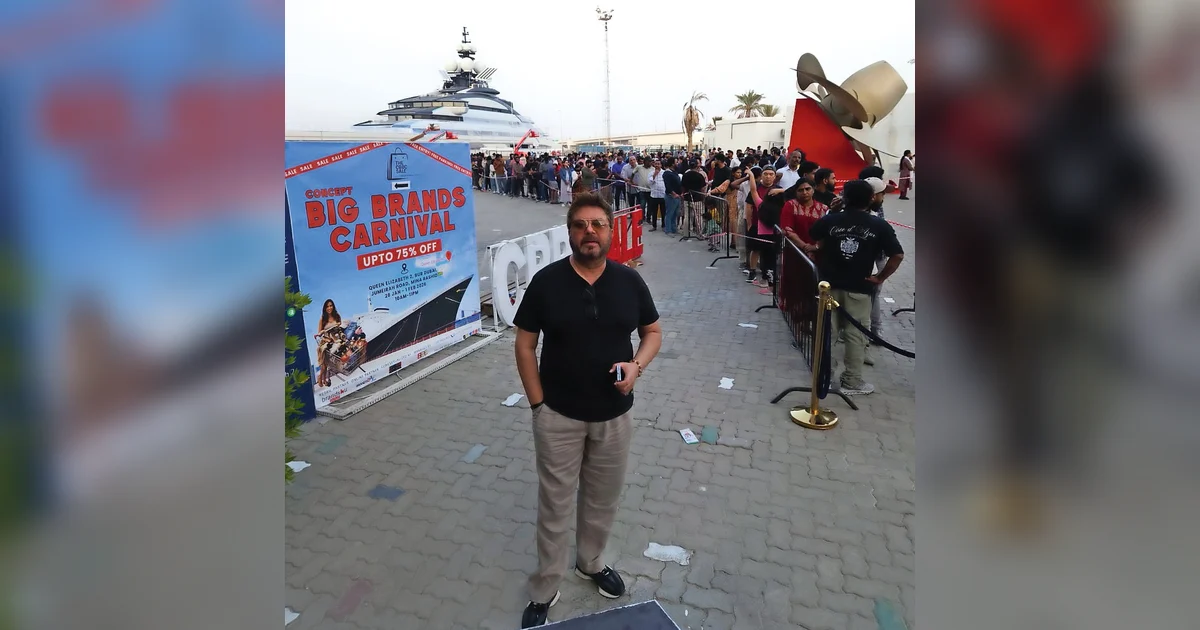
    Dubai’s Port Rashid became the epicenter of an unprecedented retail revolution as the CBBC Sale achieved a historic milestone by transforming the Queen Elizabeth II Cruise into the United Arab Emirates’ first large-scale maritime shopping destination. From January 28 to February 1, this groundbreaking event captivated consumers across the region, generating extraordinary public enthusiasm that manifested in queues exceeding 500 people during peak periods just to gain entry to the floating retail paradise.

    The innovative shopping concept attracted bargain hunters from throughout Dubai and neighboring emirates, all seeking premium international brands at significantly discounted prices. This remarkable turnout highlighted the growing consumer appetite for accessible luxury goods within unique, experience-driven environments that transcend traditional shopping venues.

    Concept Brands Group, the visionary organizers behind the CBBC Sale, curated an extensive collection spanning fashion apparel, footwear, accessories, fragrances, and lifestyle products. The strategic selection of the cruise ship venue added a distinctive nautical charm to the shopping experience, successfully converting the maritime vessel into a dynamic retail hub while maintaining complimentary admission for all visitors.

    ‘We are profoundly appreciative of the overwhelming trust and excitement demonstrated by our customers,’ expressed a representative from the organizing team. ‘Witnessing hundreds of dedicated shoppers queuing daily was both humbling and inspiring. This phenomenal response strengthens our dedication to creating exceptional opportunities for consumers seeking premium brands at accessible price points.’

    This pioneering event demonstrated the vast potential of alternative venues for hosting high-traffic retail events, particularly in the experiential commerce sector. The resounding success has prompted organizers to explore additional collaborations with cruise operators interested in replicating this innovative retail model.

    ‘We firmly believe this approach can generate extraordinary foot traffic and customer engagement for maritime venues,’ the spokesperson added. ‘We welcome partnerships with other cruise operators seeking to recreate this successful retail concept at their respective locations.’

  • Facing high Trump tariffs, Africa’s leading economy says it’s close to a new trade deal with China

    Facing high Trump tariffs, Africa’s leading economy says it’s close to a new trade deal with China

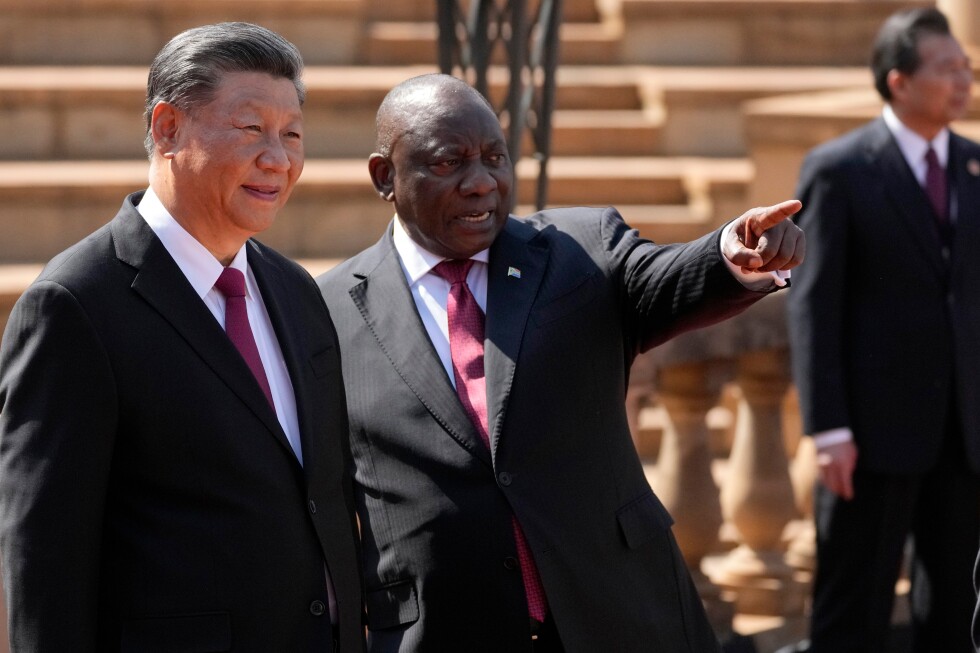
    CAPE TOWN, South Africa — In a significant strategic pivot, South Africa has formalized a new trade framework agreement with China, seeking alternative economic partnerships following strained relations with the United States. The agreement, signed on Friday by South African Trade and Industry Minister Parks Tau during his visit to China, initiates negotiations aimed at securing duty-free access for key South African agricultural exports, including fruits, to Chinese markets.

    The South African Ministry of Trade and Industry anticipates finalizing the comprehensive trade pact by the end of March. In exchange for market access, China secures enhanced investment opportunities within South Africa’s growing automotive sector, where Chinese vehicle manufacturers have dramatically expanded their market presence from approximately 2.8% in 2020 to between 11-15% last year.

    This development occurs against the backdrop of deteriorating US-South Africa relations, which have reached their lowest point in decades. The Trump administration imposed substantial 30% tariffs on select South African goods under its reciprocal tariffs policy, while simultaneously excluding the nation from Group of 20 meetings. Diplomatic tensions escalated further following US allegations regarding South Africa’s foreign policy orientation and domestic land reform issues, which Pretoria has firmly denied.

    China already stands as South Africa’s predominant trading partner for both imports and exports, with primary exports including gold, iron ore, and platinum-group metals. The agreement reinforces China’s expanding economic influence across the African continent, particularly in the extraction of critical minerals essential for high-technology manufacturing. Notably, Chinese automaker BYD recently surpassed Tesla as the world’s leading electric vehicle manufacturer in 2025, underscoring the sector’s strategic importance.

    The South African government expressed commitment to pursuing “friendly, pragmatic, and flexible” cooperation with China, anticipating substantial benefits for its mining, agriculture, renewable energy, and technology sectors through this enhanced partnership.

  • DXB extends its lead as global air travel powerhouse

    DXB extends its lead as global air travel powerhouse

    Dubai International Airport (DXB) has solidified its status as the world’s premier international aviation hub, demonstrating remarkable growth momentum that continues to outpace global competitors. According to newly released 2026 data, DXB handled an unprecedented 62.4 million international seats in 2025, extending its lead over London Heathrow by 13.5 million seats and establishing a commanding position in global air travel.

    The airport’s capacity has surged 4% year-on-year and stands 16% above pre-pandemic 2019 levels, with projections indicating 96 million passengers in 2026 and a breakthrough to 100 million by early 2027. Aviation analysts from OAG Aviation Worldwide confirm DXB’s sustained growth trajectory positions it to overtake Atlanta’s Hartsfield-Jackson Airport (ATL) as the world’s busiest airport overall within the next 3-4 years.

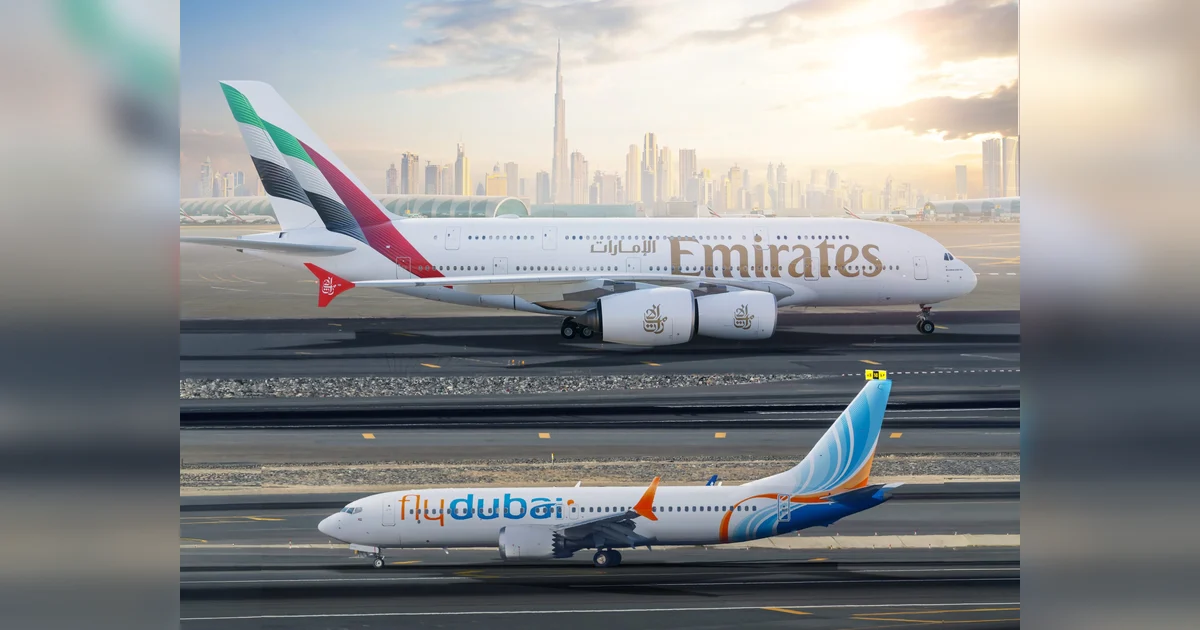
    Strategic drivers behind this expansion include the aggressive network growth of home carriers Emirates and flydubai, both of which have placed substantial aircraft orders to support continued expansion. Emirates’ product investments across its A380, 777, and new A350 fleets have contributed to its status as the world’s most profitable airline, while flydubai’s expansion has bolstered DXB’s connectivity.

    DXB’s strategic geographical location enables comprehensive coverage across Europe, Asia, Africa, and the Americas through an extensive ultra-long-haul network. The airport benefits from robust winter tourism from Europe and South Asia alongside resilient business travel demand.

    The economic impact of Dubai’s aviation success is profound, with the sector contributing approximately one-third of the emirate’s GDP. Record passenger flows stimulate demand across hospitality, tourism, retail, and transportation sectors, with peak periods exceeding 300,000 daily passengers creating substantial ripple effects throughout the local economy.

    Despite operating near capacity, DXB continues investing in technological advancements and operational systems to ensure smoother passenger transit and minimize delays. Looking ahead, the planned 2032 opening of Dubai World Central/Al Maktoum International will provide critical additional capacity, with DXB expected to surpass 110 million passengers by 2030 within its current 120-125 million passenger capacity.

    Regional aviation markets also show strength, with Doha Hamad International Airport maintaining a top-10 global position with 32.7 million international seats—20% above 2019 levels. Industry experts note that while geopolitical tensions present potential challenges to international travel, Dubai’s strategic location provides alternative routing options that minimize disruption risks.