分类: business

  • Al Dobowi Group: Five decades of engineering motion solutions

    Al Dobowi Group: Five decades of engineering motion solutions

    Celebrating five decades of industrial innovation, the Al Dobowi Group has transformed from its 1976 origins in Middle Eastern tire management into a comprehensive global motion solutions provider. The UAE-based conglomerate now delivers integrated systems across tire management, power storage, industrial rubber, material handling, and fluid management sectors.

    With operations spanning more than 10 countries and employing over 2,000 professionals, the group maintains manufacturing partnerships with Asia’s largest tire production facilities while utilizing proprietary equipment and in-house research capabilities. The company has achieved particular distinction as the MENA region’s largest battery manufacturer, supplying both automotive and industrial power solutions that support global economic activities.

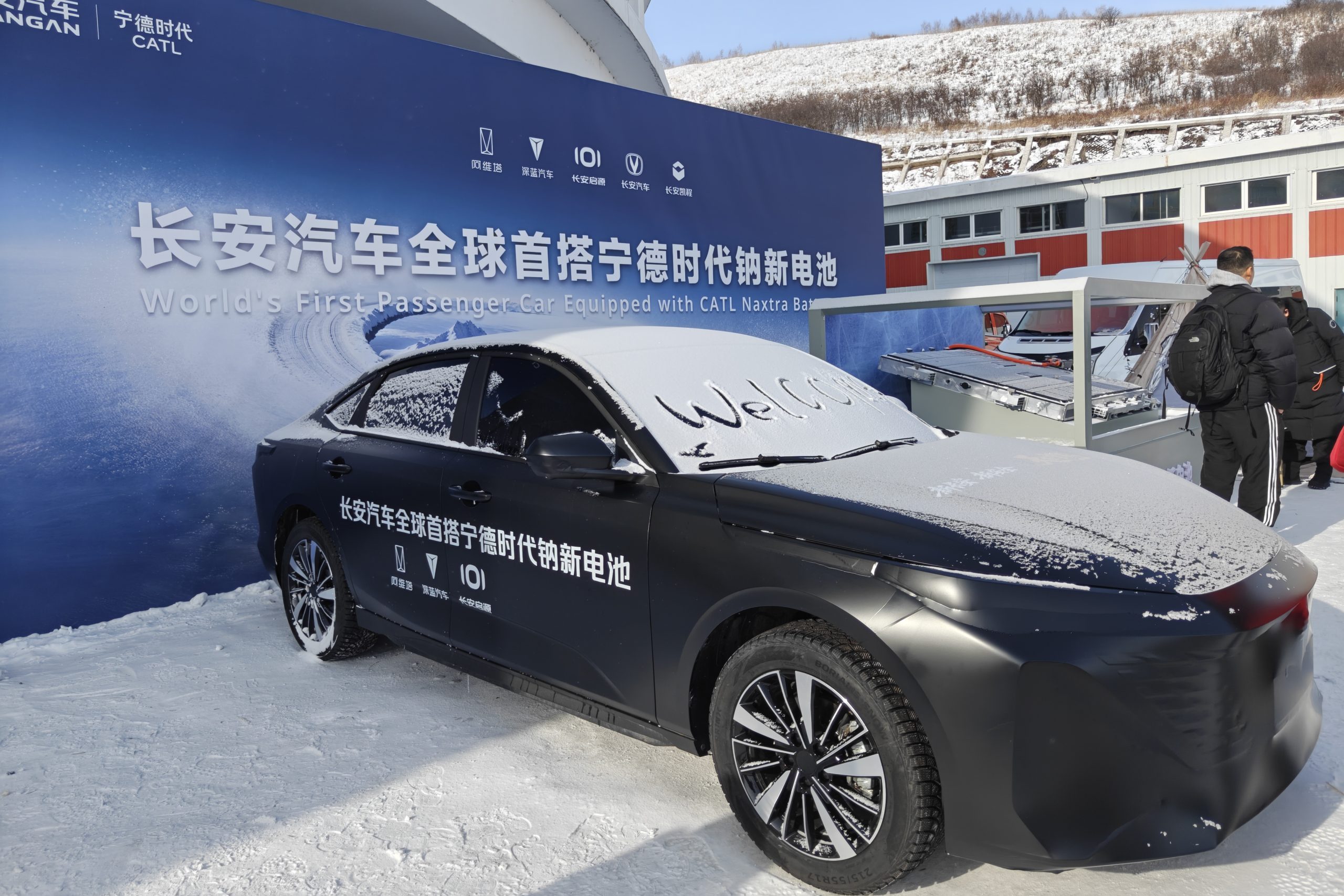
    Through its subsidiary Eternity Technologies, established in 2011 in Ras Al Khaimah, the group has emerged as a rapidly expanding force in industrial battery production. The company specializes in motive power batteries for electric forklifts and renewable energy storage systems, operating from advanced manufacturing facilities that incorporate sustainable practices.

    Eternity Technologies’ product evolution includes the 2014 introduction of OPzV and OPzS batteries for standby power markets, followed by 2020’s expansion into 6V and 12V Gel Blocs for light traction applications. The company’s innovation milestone came in 2021 with the QUASAR series—Thin Tube Carbon Nano Motive Batteries engineered for demanding applications including airport ground support equipment, offering extended runtime, rapid charging, and superior cold-storage performance.

    Currently distributing to over 100 countries, Eternity Technologies maintains manufacturing presence in the UAE complemented by partner operations in Germany, Spain, the United States, Chile, and South Africa. The company operates within a circular economy framework, incorporating over 80% recycled materials in manufacturing and producing products that achieve 99% recyclability rates.

    The company’s commitment aligns with UAE’s sustainability objectives, providing reliable energy storage solutions while advancing renewable energy infrastructure and environmental stewardship through closed-loop manufacturing processes.

  • Gold smashes $5,000 barrier as UAE buyers feel the heat

    Gold smashes $5,000 barrier as UAE buyers feel the heat

    Gold markets witnessed an unprecedented milestone as prices catapulted beyond the $5,000 per ounce threshold for the first time in history, reaching an intraday peak of $5,085. This remarkable surge represents the continuation of a powerful rally that has captivated global investors seeking sanctuary from mounting geopolitical tensions and fiscal instability.

    The precious metal’s spectacular ascent—registering a 17% gain year-to-date and more than doubling its value over the past 24 months—reflects what market specialists term the ‘debasement trade.’ This phenomenon describes the massive capital flight from sovereign bonds and traditional currencies toward hard assets perceived as more stable stores of value.

    In the United Arab Emirates, retail markets immediately reflected the global trend with 24K gold trading at approximately Dh612 per gram and 22K at Dh566.75 per gram. These local prices underscore how international macroeconomic developments directly influence regional jewelry and investment markets.

    The rally stems from multiple convergent factors: a substantial sell-off in Japanese government bonds, escalating public debt burdens across developed economies, and renewed policy uncertainty surrounding the U.S. Federal Reserve’s independence. Additionally, geopolitical flashpoints from Greenland to Venezuela and ongoing Middle Eastern tensions have further eroded investor confidence in conventional financial instruments.

    Max Belmont, portfolio manager at First Eagle Investment Management, contextualized the movement: ‘Gold fundamentally represents the inverse of confidence. It serves as a critical hedge against unanticipated inflation spikes, unexpected market corrections, and sudden escalations in geopolitical risk.’

    The precious metals rally extends beyond gold. Silver breached the $100 per ounce barrier and advanced over 4% in Monday trading, while platinum achieved record highs and palladium maintained elevated levels. This broad-based strength indicates robust demand across both industrial applications and wealth preservation strategies.

    Ipek Ozkardeskaya, senior analyst at Swissquote, observed that the flight to safety continues despite the absence of major new geopolitical headlines. ‘The surge past $5,000 clearly signals that risk appetite has not returned to markets,’ she noted, highlighting that recent U.S. tariff threats against Canada demonstrate how trade tensions persist beneath the surface.

    Institutional participation has been particularly vigorous. Western exchange-traded funds have accumulated approximately 500 tonnes of gold since early 2025, while ultra-wealthy investors and family offices have emerged as significant players focused on generational wealth preservation.

    Central banks, particularly in emerging markets, continue aggressive accumulation with Goldman Sachs estimating monthly official purchases averaging 60 tonnes—substantially above pre-2022 levels—as monetary authorities diversify away from paper currencies.

    Financial institutions are revising forecasts upward. Union Bancaire Privée projects year-end targets near $5,200 per ounce, while Goldman Sachs recently elevated its December 2026 prediction to $5,400, citing persistent macro-policy risks and sustained demand for inflation hedges.

    With market expectations building around potential Federal Reserve rate cuts under new leadership, gold’s appeal as a non-yielding diversifier remains potent. As one Dubai bullion trader summarized: ‘Many current geopolitical and fiscal uncertainties aren’t dissipating soon. Gold will likely remain relevant for months, if not years, despite periodic corrections following substantial gains.’

  • India’s $5 trillion sprint: Will incomes keep up?

    India’s $5 trillion sprint: Will incomes keep up?

    India’s remarkable economic expansion positions the nation firmly on course to achieve a monumental $5 trillion economy, potentially surpassing Germany to claim the title of world’s third-largest economy within the coming years. This accelerated growth trajectory, outpacing most major economies, represents a significant geopolitical milestone that underscores India’s emergence as a formidable global economic power.

    However, beneath this impressive macroeconomic achievement lies a crucial socioeconomic question: Will this national output surge genuinely elevate living standards and income levels for India’s vast population of over 1.4 billion? The fundamental paradox remains that a nation can ascend global economic rankings while simultaneously grappling with stagnant wages, widespread informal employment, and escalating living costs for millions of households.

    Current economic indicators reveal both the strength and structural imbalances within India’s growth model. While international institutions consistently project growth rates exceeding global averages, driven by robust domestic demand, substantial infrastructure investments, and rapid digital transformation, per capita income continues to lag significantly behind advanced economy benchmarks.

    Economists emphasize that India’s next phase of development must transition from pure output expansion to income-centered growth that generates substantial formal employment. The critical challenge involves ensuring economic gains are distributed across labor-intensive manufacturing, infrastructure-linked construction, logistics networks, and agricultural processing sectors beyond metropolitan centers.

    Manufacturing competitiveness must evolve through productivity enhancements rather than protectionist measures, with export integration and global supply chain participation serving as crucial drivers for sustainable income growth. This requires addressing infrastructural bottlenecks, streamlining regulatory approvals, ensuring reliable power supply, and reducing logistics costs to capitalize on shifting global trade patterns.

    Human capital development emerges as the fundamental determinant of whether economic growth translates into tangible income improvements. Despite advancements in digital infrastructure, the nation must prioritize educational quality, vocational training pipelines, and workforce reskilling initiatives to prepare for an AI-driven economic landscape.

    Furthermore, elevating female workforce participation represents both a social imperative and economic opportunity, potentially unlocking substantial household income growth through improved urban mobility, accessible childcare, and flexible work arrangements. Simultaneously, bridging the rural-urban productivity divide by enhancing agricultural processing capabilities and rural logistics could unlock significant earnings potential without triggering destabilizing migration patterns.

    India’s economic narrative thus transcends mere statistical achievements, evolving into a complex story about transforming national scale into shared prosperity. The ultimate measure of success will be whether the coming decade delivers substantial real wage growth, comprehensive job creation, and sustained income mobility across all demographic segments and geographic regions.

  • Trump administration invests in another US rare earth miner to loosen China’s grip on supply

    Trump administration invests in another US rare earth miner to loosen China’s grip on supply

    In a significant move to secure its technological supply chains, the United States government has acquired a minority stake in Oklahoma-based USA Rare Earth through a comprehensive $1.6 billion investment package. This strategic initiative, administered through the Commerce Department’s CHIPS program, represents the latest effort to reduce American dependence on foreign-sourced critical minerals essential for advanced technologies.

    The investment structure comprises $277 million in direct federal funding coupled with a $1.3 billion senior secured loan. In exchange, the Commerce Department will receive 16.1 million shares of common stock and options to purchase an additional 17.6 million shares. The announcement triggered an immediate market response, with USA Rare Earth’s shares surging over 13% in pre-market trading.

    Commerce Secretary Howard Lutnick emphasized the national security implications of the investment, stating: ‘USA Rare Earth’s heavy critical minerals project is essential to restoring U.S. critical mineral independence. This investment ensures our supply chains are resilient and no longer reliant on foreign nations.’

    This investment occurs against the backdrop of China’s overwhelming dominance in the critical minerals sector, where it processes more than 90% of the world’s supply. This market control has provided China with substantial leverage in ongoing trade tensions with Washington.

    The Trump administration has intensified efforts to build domestic capacity for critical minerals, identifying over-reliance on foreign sources as a national security vulnerability. The initiative includes developing a mine in Texas and establishing a magnet manufacturing facility in Oklahoma—components crucial for smartphones, electric vehicles, robotics, and military equipment.

    This investment represents the third major government intervention in the sector recently, following a $400 million Pentagon investment in MP Materials and a $150 million loan to the same company. Additionally, a $1.4 billion partnership with rare earth startups Vulcan Elements and ReElement Technologies was announced in November.

    Legislative support continues to grow, with a bipartisan group of lawmakers proposing a new agency funded with $2.5 billion to stimulate domestic production of rare earths and other critical minerals. The administration’s tax and spending cut legislation already includes $2 billion for Pentagon stockpiling of critical minerals and $5 billion through 2029 for supply chain investments.

  • Cyprus set to show strong presence at Gulfood exhibition

    Cyprus set to show strong presence at Gulfood exhibition

    Dubai prepares to host the 31st edition of Gulfood, the world’s premier food and beverage trade exhibition, from January 26-30, 2026. For the first time, the event will span two major venues: Dubai World Trade Centre and Dubai Exhibition Centre, bringing together over 8,500 exhibitors representing 195 countries. This expansive gathering serves as a critical international platform for identifying emerging market trends, forging strategic partnerships, and presenting premium food and beverage offerings to global industry stakeholders.

    Cyprus will maintain a substantial presence at this year’s exhibition with National Pavilions at both venues, featuring 27 distinguished companies. These exhibitors will present a diverse assortment of high-quality Cypriot food products and beverages, highlighting the Mediterranean nation’s culinary excellence and manufacturing capabilities.

    Visitors to the Cyprus Pavilion will discover an impressive array of products including world-renowned Halloumi cheese, fresh and organic dairy products, premium olive oils, bulgur wheat, frozen bakery goods, artisanal salt, specialty snacks, fruit juices, and various confectionery and processed food items. These offerings demonstrate Cyprus’s unwavering commitment to quality, authenticity, and innovation within the global food sector.

    The Cyprus Pavilions present an exceptional opportunity for buyers, distributors, and industry professionals to engage directly with Cypriot producers and explore potential business collaborations. Attendees can find Cypriot companies at Dubai World Trade Centre in Sheikh Rashid Hall (Dairy) and Za’abeel Hall 5 (Beverages), as well as at Dubai Exhibition Centre in South Hall 3 (World Food) and North Hall 12 (Fruits & Vegetables).

    With its strong agricultural heritage and food production expertise, Cyprus continues to expand its international footprint while maintaining dedication to excellence. The country’s participation in Gulfood 2026 reinforces its position as a significant contributor to the global agri-food sector and provides a platform to showcase its unique culinary traditions to international markets.

  • Why copper’s moment is far from over and what’s driving the next phase

    Why copper’s moment is far from over and what’s driving the next phase

    Copper continues to defy market expectations, establishing unprecedented price levels despite near-term volatility. The industrial metal’s remarkable 40% surge throughout 2025 has extended into 2026, with London Metal Exchange benchmarks breaching the $13,000/tonne threshold for the first time in January. This sustained appreciation reflects a complex convergence of supply constraints, evolving demand dynamics, and macroeconomic influences reshaping the global commodities landscape.

    Supply-side challenges have emerged as the dominant market driver, with significant production disruptions at major mining operations worldwide. The prolonged outage at Indonesia’s Grasberg facility – the planet’s second-largest copper mine – continues to constrain output, with normal operations not anticipated before 2027. Concurrently, labor strikes at Chile’s Mantoverde mine further tightened global supplies during early 2026, exacerbating the structural deficit.

    Market analysts identify multiple reinforcing factors behind copper’s ascent. Federal Reserve monetary policy expectations, geopolitical uncertainties, and potential US tariffs on refined copper have collectively created what Standard Chartered’s Sudakshina Unnikrishnan describes as ‘a perfect storm’ of supportive conditions. The traditional inverse correlation between copper and the US dollar positions the metal favorably amid anticipated interest rate reductions, while speculative activity has amplified recent price movements.

    Despite near-term overbought conditions prompting predictions of corrections to $11,000/tonne, the long-term outlook remains fundamentally bullish. S&P Global projections indicate copper demand will reach 42 million metric tonnes by 2040 – a 50% increase from current consumption levels – driven primarily by electrification initiatives, artificial intelligence infrastructure, and defense manufacturing. Vice Chairman Daniel Yergin emphasizes that ‘new vectors of demand that didn’t exist 10 years ago’ now permanently alter market dynamics, with electric vehicles consuming 2.9 times more copper than conventional automobiles and data centers requiring substantial electrical components.

    The critical supply-demand imbalance appears structural rather than cyclical. With new mining projects requiring approximately 17 years from discovery to production, S&P Global anticipates supply will peak at 33 million metric tonnes by 2030, potentially creating a 10-million-tonne deficit within fifteen years. This outlook has attracted diversified investment interest, including sovereign wealth funds and institutional investors increasing commodity allocations beyond traditional stock-bond portfolios.

    Market participants can access copper exposure through physical metal ownership, exchange-traded products tracking futures contracts, or equity positions in mining corporations. While price consolidation may occur pending US tariff policy clarification in June, the metal’s fundamental supply constraints and expanding demand applications suggest sustained long-term appreciation potential despite interim volatility.

  • Dubai gears up for largest edition of Gulfood; commute, parking explained

    Dubai gears up for largest edition of Gulfood; commute, parking explained

    Dubai is poised to host the most expansive iteration of Gulfood in its history, marking a significant milestone by simultaneously utilizing two premier venues for the first time. The 2026 edition of this globally recognized food and beverage sourcing exhibition will unfold across both the Dubai Exhibition Centre (DEC) at Expo City and the Dubai World Trade Centre (DWTC) from January 26 to 30.

    This strategic expansion facilitates an unprecedented scale, featuring over 8,500 exhibitors from 195 countries presenting more than 1.5 million products. The event introduces several innovative programs, including curated discovery tours designed to connect investors with buyers. Prestigious competitions, such as the Gulfood Innovation Awards and the World Agri Food-tech Startup Challenge, will spotlight groundbreaking products and services within the industry.

    Attendees are advised on logistical arrangements to navigate the dual-venue format. The Dubai Metro is highly recommended for access to both locations, complemented by a complimentary shuttle bus service operating between DEC and DWTC. Paid parking is available at DWTC facilities, starting at Dh100 for the first hour, while DEC offers entirely free visitor parking. Organizers have implemented enhanced security protocols at both sites, including bag checks and screenings, and encourage pre-printing of badges and use of the official event app to streamline entry and improve the visitor experience.

    The event programming is strategically divided between the two venues. DWTC will host exhibitors from core categories like beverages, meat, seafood, and dairy, alongside the Future Food 500, NXT stage, and startup investor lounges. The Dubai World Cuisine program will feature culinary demonstrations from seven Michelin-starred chefs and 80 masterclasses. Conversely, DEC will serve as the global hub for international country pavilions and multi-commodity suppliers, housing the Gulfood Fresh exhibit, a new dedicated Grocery Trade sector, and the pivotal Gulfood World Economy summit.

  • Dubai gold prices hit Dh600: Shoppers continue buying, selling unused jewellery

    Dubai gold prices hit Dh600: Shoppers continue buying, selling unused jewellery

    Dubai’s gold market is demonstrating remarkable resilience as prices surge past unprecedented thresholds, with 24K gold reaching a historic peak of Dh601 per gram over the weekend. Despite the soaring valuations, consumer activity remains robust as both buyers and sellers adapt to the new market reality.

    The precious metal has maintained a consistent upward trajectory, achieving record highs during five separate trading sessions within the past week alone. This sustained appreciation has created a dynamic marketplace where traditional purchasing patterns are evolving in response to economic conditions.

    Market observers report two distinct consumer behaviors emerging. Many buyers are accelerating previously planned jewelry acquisitions in anticipation of further price increases, while others are shifting toward lighter, more intricate designs that emphasize craftsmanship over pure weight. According to Aditya Singh of Titan Company, ‘Trust matters more than ever at this current price point.’

    Concurrently, jewelry retailers note increased activity in the secondary market as consumers capitalize on high prices to monetize unused pieces. Anil Dhanak of Kanz Jewels clarified that this trend represents strategic value realization rather than distress selling, with customers frequently exchanging older items for contemporary designs through transparent exchange programs.

    The fundamental drivers of gold demand in the region—cultural traditions, wedding requirements, and emotional value—continue to sustain market activity despite price pressures. Consumers are adapting purchase quantities and designs to accommodate budgetary constraints rather than withdrawing from the market entirely, demonstrating gold’s enduring perception as a long-term store of value in the UAE market.

  • Venezuela targets 18% oil output expansion

    Venezuela targets 18% oil output expansion

    CARACAS — In a strategic move to revitalize its energy sector, Venezuela has announced plans to increase oil output by 18% throughout 2026. This ambitious target follows proposed legislative reforms that would dramatically open the country’s petroleum industry to private investment, marking a significant departure from decades of state dominance.

    Hector Obregon, Chief Executive of state-owned oil giant PDVSA, revealed the production goals during a Saturday address from the Puerto La Cruz refinery complex. He emphasized that existing hydrocarbon regulations require modernization to align with contemporary industry needs and provide legal assurances to potential private partners.

    “Our current legislation falls short of what we require as a modern energy industry,” Obregon stated. “The fundamental objective for this year is to achieve minimum growth of 18 percent in production capacity.”

    The proposed amendments to Venezuela’s Organic Hydrocarbons Law, which received preliminary parliamentary approval on Thursday, would enable privately-registered Venezuelan companies to engage in oil extraction through contractual agreements. This legislative shift represents the most substantial market liberalization since the industry’s nationalization under former president Hugo Chavez during the mid-2000s.

    Political analysts note the reforms emerged following significant geopolitical developments, including the January 3rd military operation by United States forces that resulted in the detention of President Nicolas Maduro. Interim leader Delcy Rodriguez has championed the legislative changes under apparent international pressure.

    Parallel developments indicate active negotiations between U.S. officials and major energy corporations regarding Venezuela’s production recovery. Bloomberg News reported ongoing discussions with Chevron and leading oilfield service providers—including SLB, Halliburton, and Baker Hughes—concerning equipment modernization and operational reactivation strategies. The mentioned companies haven’t publicly commented on these reports.

    In related developments, former U.S. President Donald Trump asserted in a New York Post interview that American authorities had confiscated petroleum from Venezuelan tankers and would process the crude stateside. “The straightforward reality is they no longer possess that oil. We’ve taken control of it,” Trump declared.

    National Assembly President Jorge Rodriguez framed the reforms as essential for national benefit: “The core purpose of amending hydrocarbon regulations is production expansion. We must adapt our framework to facilitate extraction of resources that rightfully belong to all Venezuelan citizens.”

  • Capital city targets 5% GDP growth for 2026

    Capital city targets 5% GDP growth for 2026

    Beijing has established an ambitious economic target for 2026, aiming to achieve over 5% GDP growth following its milestone achievement of reaching 5 trillion yuan ($717 billion) in economic output during 2025. Mayor Yin Yong announced this objective while presenting the government work report at the city’s annual legislative and advisory sessions, marking a strategic commencement to China’s 15th Five-Year Plan period (2026-2030).

    The municipal government outlined comprehensive plans to deepen regional integration with Tianjin and Hebei province while accelerating scientific and technological innovation. Statistical data reveals substantial progress in regional collaboration, with 689 enterprises relocating from Beijing to register at the Binhai-Zhongguancun science park in Tianjin’s Binhai New Area. Technology contract transactions from Beijing to Tianjin and Hebei surged to 99.6 billion yuan, representing an 18.1% year-on-year increase.

    Significant advancements were reported across key industrial sectors including biopharmaceuticals, complemented by the launch of a new energy vehicle ecological port within the region. Mayor Yin emphasized enhanced focus on optimizing regional technological innovation mechanisms, stating: “We will implement a series of initiatives to pioneer basic research and overcome critical core technologies, while strengthening strategic scientific capabilities including Beijing’s national laboratories.”

    Beijing plans to establish innovative research platforms in cutting-edge fields such as brain-computer interfaces and high-temperature superconductors. The city will further reinforce its innovation infrastructure, with Zhongguancun Science Park prioritizing artificial intelligence development. Concurrently, the Huairou National Comprehensive Science Center will advance high-end scientific equipment manufacturing, while accelerated development of Nankou and Machikou national-level key centers alongside Changping district’s science town will facilitate industrial achievement transformation.

    Lin Jianhua, Deputy Director of the Beijing Municipal Commission of Development and Reform, revealed the launch of an “AI Plus” initiative designed to expand artificial intelligence integration across quantum technology, commercial aerospace, and biopharmaceutical sectors. “This strategic approach will cultivate new industrial growth engines,” Lin affirmed.

    The municipal government also highlighted quality-of-life improvements, particularly for elderly residents. Li Fengqin, member of the Beijing Municipal Committee of the Chinese People’s Political Consultative Conference, shared an impactful anecdote demonstrating enhanced government services: an elderly man expressed profound gratitude through a banner presentation after his 90-year-old disabled mother received professional bathing assistance through the district’s long-term care insurance program after four years of inability. This initiative, described as a “sixth type” of social insurance, addresses China’s aging population challenges and after six years of pilot implementation in Shijingshan district, is poised for expansion across Beijing and nationwide.