A fresh round of steep 50% United States tariffs on a broad swathe of Canadian goods officially entered into force at midnight Saturday, bringing an end to weeks of tense last-ditch negotiations that collapsed just hours before the critical deadline.
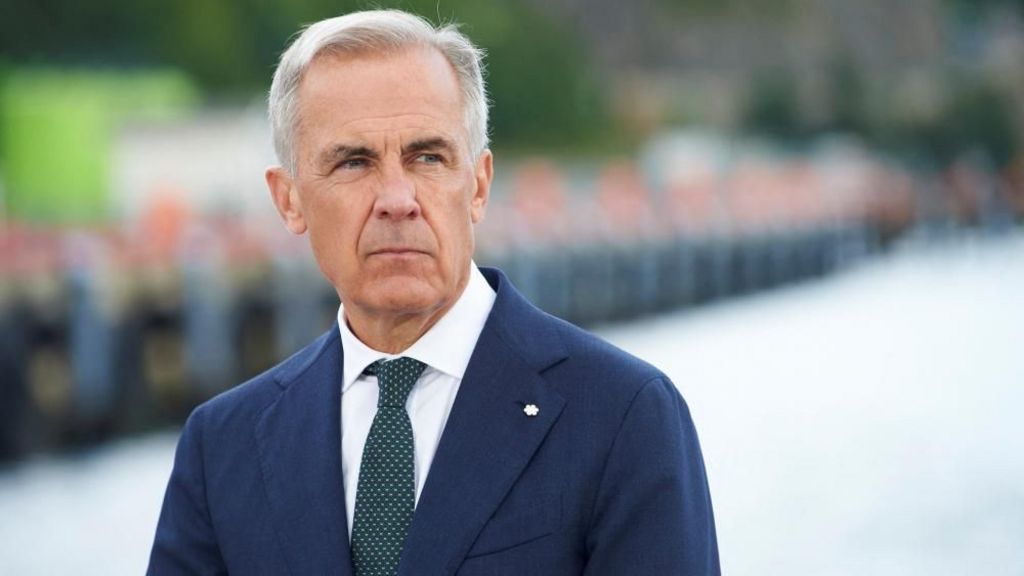
The breakdown of talks marks a sharp reversal from just days earlier, when leaders on both sides signaled cautious optimism that a mutually beneficial deal was within reach. US President Donald Trump had paused the planned tariffs earlier that week, noting negotiators had advanced to a point where an agreement that served both nations looked likely. Canadian Prime Minister Mark Carney acknowledged that “important progress” had been made across many negotiating areas, but said last-minute alterations to US terms made any potential deal unacceptable for Canada.
“Last-minute changes in the US proposed terms were unfair, uneconomic, and called into question the reliability of any deal,” Carney told reporters Friday evening, announcing he had ordered all Canadian negotiators to return to Ottawa and suspended all ongoing talks. In response, Carney confirmed Canada would impose matching reciprocal counter-tariffs on US goods, on a “dollar for dollar” basis. Doug Ford, Premier of Canada’s most populous province Ontario, quickly threw his full support behind Carney’s approach, stating “the prime minister has my full support for a strong response—tariff for tariff, dollar for dollar.”
In an official statement posted to X shortly after Carney’s announcement, US Trade Representative Jamieson Greer flipped blame back to Canada, claiming Canadian negotiators had walked back previously agreed commitments and introduced new demands that undermined the balanced deal negotiators had painstakingly built over weeks of talks. Greer added that the US had offered Canada the most favorable trade terms of any major exporter to the American market, and said Canada’s decision to walk away from the table was unnecessary.
The new tariffs, authorized by Trump under the 1930 Tariff Act, a Depression-era trade law, cover a wide range of Canadian exports including wine, dairy products, cement, apparel, and even hockey equipment. They add to existing US tariffs already in place on Canadian steel, aluminum, automobiles and lumber, which were imposed early last year shortly after Trump returned to office. Trump’s widespread global tariff agenda has upended nearly three decades of integrated free trade between the two North American neighbors, which have the world’s largest bilateral trading relationship.
In the final days of negotiations, the two sides had been closing in on a framework that would cut existing US tariffs on Canadian steel and aluminum from 50% to 25%, and reduce auto tariffs from 25% to 15%. In exchange, the US demanded that Canadian provinces reverse a 2023 retaliatory ban on US alcohol being placed on retail store shelves, open access to Canada’s protected dairy market for American cheese producers, and get Canada to drop its existing retaliatory tariffs on US autos. Canada had been seeking full elimination of US tariffs on its key industrial exports in any final deal.
Business groups and industry stakeholders on both sides of the border have warned that the new round of tariffs will cause widespread economic harm to both nations. The US Chamber of Commerce warned earlier in the week that higher tariffs would raise consumer costs for American households, disrupt cross-border supply chains, and put millions of American jobs that rely on USMCA trade at risk. The 13 million American jobs tied to Canada-US trade depend on stable, open trade relations, the group noted.
Public opinion in Canada remains divided on how to respond to the tariffs, according to recent polling from Canadian research firm Abacus Data. The survey found 36% of Canadians support retaliatory counter-tariffs matching Carney’s proposed approach, while 30% favor continuing negotiations even with the tariffs in place. The Trump administration has already warned it will not accept Canadian counter-tariffs, with Greer saying last week that the US would take further trade action if Canada follows through on reciprocal levies.