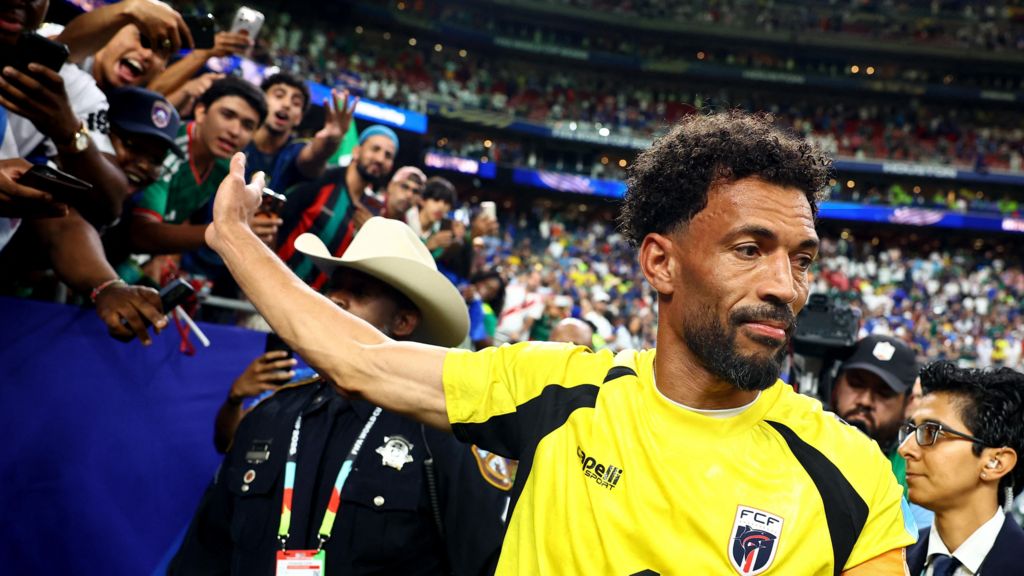
The 2026 World Cup has produced more than just iconic on-pitch moments—it has sparked a new phenomenon where underrated, little-known athletes achieve overnight global fame through viral social media attention, reshaping how modern sports stardom is built. Two standout cases from the group stage illustrate just how dramatically social media can rewrite an athlete’s profile in a matter of days, even when that fame comes from very different origins.
For 40-year-old Cape Verde goalkeeper Vozinha, viral stardom was the product of a once-in-a-lifetime on-pitch performance. His 90-minute masterclass in goal against tournament favorite Spain secured a shock 0-0 draw for his underdog side, turning the previously little-known keeper into a global sensation overnight. In the days following the match, Vozinha’s Instagram follower count skyrocketed from just 50,000 to more than 17.4 million—surpassing the 15.5 million followers of NFL legend Tom Brady, one of the most famous athletes on the planet.
Half a world away, New Zealand defender Tim Payne earned his viral fame through a very different route. Ahead of the tournament, an Argentine influencer with the online handle ‘elscarso’ dubbed Payne the ‘least-known player at the World Cup’ in a viral video, and called on his hundreds of thousands of followers to help boost the defender’s profile. Payne embraced the unexpected moment of attention, leaning into the trend by posting more content and engaging with the influencer who launched his rise. In just a few days, his follower count jumped from roughly 5,000 to nearly 6 million—enough to surpass the entire population of his home country, which sits just above 5.3 million. Unlike Vozinha, Payne’s new fame did not stem from a standout match performance, but from a spontaneous social media trend.
Industry experts say these two cases are part of a larger shift in the sports world that has accelerated over the past decade. Mike Serazio, a Boston College professor who studies the intersection of media and sport, explained that unlike decades past, when athletes needed elite, long-term on-pitch success to land major commercial opportunities, social media has opened the door for any athlete to gain a following and strike lucrative brand deals. ‘You simply don’t need the mass media in the way that you did previously and athletes understand this,’ Serazio said. ‘Athletes have been taking to social media and using it ambitiously to cultivate followings, to strike brand deals, to make money, to leverage their popularity.’
Serazio noted that today, viral moments carry more cultural and financial weight than consistent performance over an entire career or tournament. ‘Your performance across the whole arc of the game doesn’t matter as much as having a signature moment that’ll play well, that’ll reverberate in the viral confines of social media,’ he said. ‘The viral moment has greater currency, it’s the thing that matters more than the game itself.’
While viral fame can open the door to six-figure payouts and brand partnerships—Brooke Duffy, a digital media scholar at Cornell University, confirmed that creators with millions of followers can regularly command payments exceeding $100,000 for sponsored content—experts warn that this fame is often fleeting. Serazio points out that viral stardom rises as quickly as it fades, questioning whether one-hit viral stars will be able to maintain their popularity and commercial opportunities long after the World Cup ends. ‘You have a window there of attention,’ Serazio said. ‘Nobody knew who the Cape Verde goalie was… and I don’t know that they’ll know who he is after the World Cup ends.’
Unlike established global superstars such as Lionel Messi, Cristiano Ronaldo, or Kylian Mbappé, who will retain commercial clout long after they retire, there are far fewer examples of athletes who turned one viral moment into a sustainable long-term career off the pitch. One rare success story is U.S. rugby player Ilona Maher, who saw her popularity explode during the 2024 Paris Olympics and has since leveraged her following into a podcast, multiple brand ambassador roles, a modeling feature in Sports Illustrated, a runner-up finish on *Dancing with the Stars*, and a 2025 ESPY Award for Best Breakthrough Athlete.
Duffy added that while long-term opportunities do exist for viral sports stars, the digital media economy remains unstandardized and unpredictable, with no set rates for sponsored content and few safeguards to guarantee a stable income. ‘These are individuals whose careers so far have been hitched to soccer. So thinking about how they navigate the variability of a kind of shadowy ecosystem of the digital media economy is curious,’ she noted.
Right now, the cultural and financial value of these viral World Cup stars is at its peak. What becomes of their newfound fame, and whether it will translate to long-term professional and financial success, will ultimately depend on their ability to hold the attention of their new millions of followers long after the final whistle of the tournament.