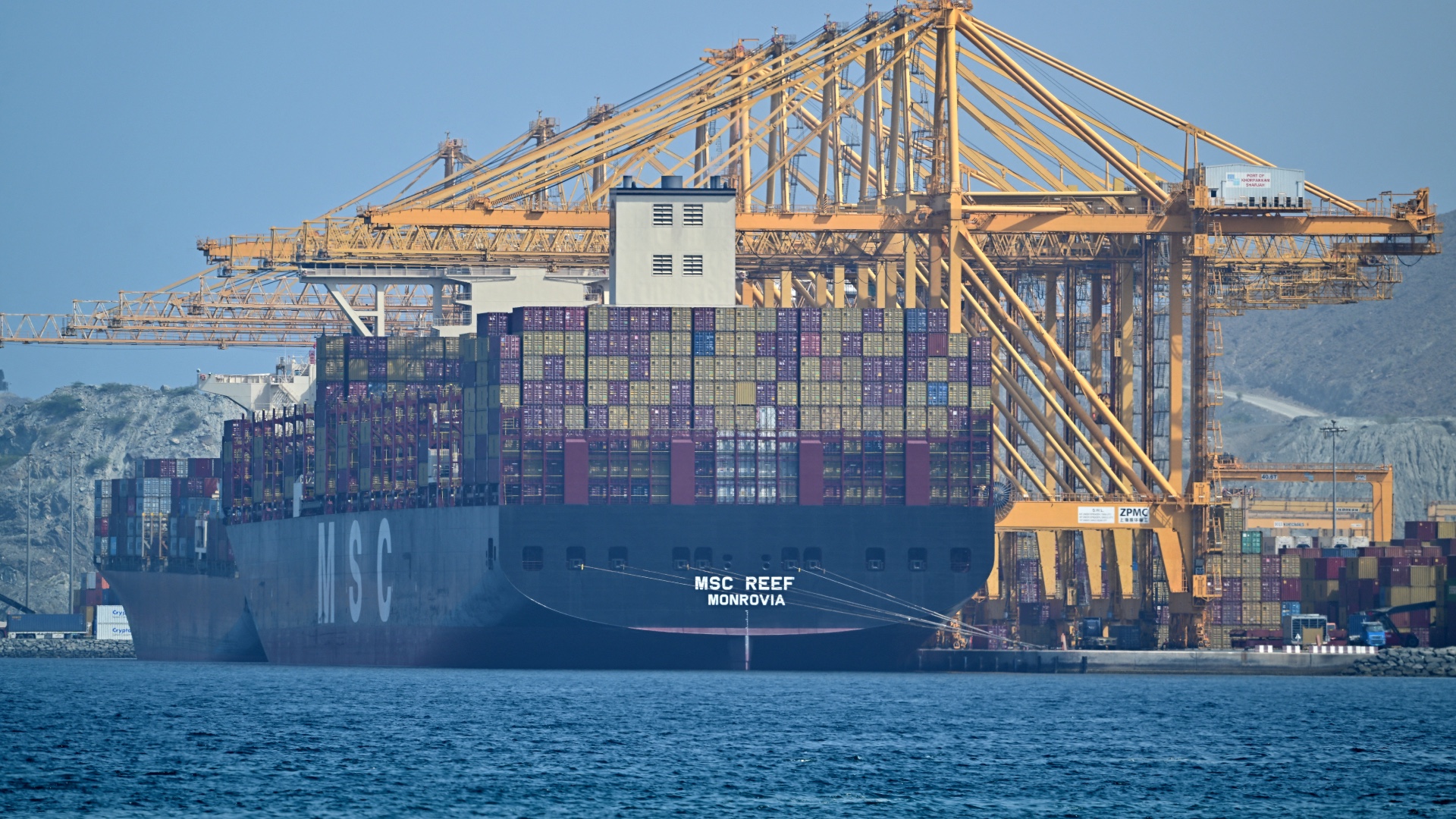
Tensions around the strategically critical Strait of Hormuz have escalated sharply, after multiple sources confirmed that Iran and Oman are advancing a proposal to collect joint service fees for commercial vessels transiting the waterway — a move that directly contradicts the United States’ public opposition and threatens to upend centuries of precedent for free passage through one of the world’s busiest maritime chokepoints. The New York Times first reported the ongoing discussions on Tuesday, citing an anonymous Iranian official and four diplomatic insiders with direct knowledge of the negotiations.
The push for a joint fee framework emerges from a 14-point preliminary agreement between Washington and Tehran reached earlier this month, which enshrines a commitment to free, uncharged commercial passage through the strait for the 60-day window set aside for wider permanent negotiations. As a mandated component of that ceasefire-era deal, Iran and Oman have been tasked with developing a long-term regulatory plan for the waterway, opening the door to a paradigm shift that would end hundreds of years of toll-free transit as part of a post-war regional economic framework.
Inside the bilateral talks, key divides remain between the two Gulf nations over how the fee would operate, according to the unnamed sources who spoke to the NYT. Oman has pushed for a voluntary payment model, where contributions would go toward covering the costs of maintaining navigation safety infrastructure — a structure modeled on the existing system used for the Straits of Malacca and Singapore. Iran, by contrast, has taken a harder line, demanding that the fee be mandatory for all transiting vessels. Last week, Iranian Deputy Foreign Minister made clear Tehran’s position: if no mutually acceptable agreement is reached with Muscat, Iran will unilaterally implement its own transit fees.
The proposal has already triggered extreme pushback from the United States, which has been waging a widespread war against Iran alongside Israel. Last month, former President Donald Trump issued an extraordinary public threat against Oman, a longstanding U.S. Gulf ally, saying Washington would “blow up” the country if it moved forward with the joint toll plan with Iran. In his remarks, Trump asserted the Strait of Hormuz constituted international open waters, claiming no nation had the right to impose controls or charges on passage, and warned Oman that it must align with U.S. demands or face devastating consequences.
Multiple Arab and U.S. officials previously told Middle East Eye that Trump’s unprompted outburst forced U.S. diplomatic teams to launch urgent damage control to preserve bilateral ties with Muscat, while pressing Omani officials to issue a public statement rejecting Iran’s toll proposal — a demand that went unfulfilled. Oman, which has held the role of neutral mediator in multiple regional conflicts over decades, has not issued any public response to Trump’s threat. However, in a closed-door meeting between a senior Omani diplomat and U.S. Treasury Secretary Scott Bessent, Muscat privately gave assurances that it currently held “no plans” to implement tolling for the strait, according to reports.
Oman’s position on the current conflict has long set it apart from other Gulf Cooperation Council states. When the U.S.-Israeli war on Iran launched, most neighboring Gulf states opened their military facilities to U.S. forces and joined the offensive against Tehran, but Oman openly criticized the war and refused to participate, earning a reputation as a regional outlier at the time. That decision has since been validated by the current ceasefire, which is broadly seen across the region as a strategic victory for Iran.
As the oldest U.S. treaty partner in the Gulf, with diplomatic and commercial ties dating back to 1833, Oman’s ongoing negotiations with Iran over the Strait of Hormuz toll plan underscores the deep rift between Washington and its longstanding ally over the future of the post-war Gulf. With the 60-day negotiation window still ongoing, the standoff over transit fees has emerged as one of the first major flashpoints in efforts to solidify a lasting ceasefire and new regional order.