作者: admin

  • Jailed crypto founder Sam Bankman-Fried seeks Trump pardon

    Jailed crypto founder Sam Bankman-Fried seeks Trump pardon

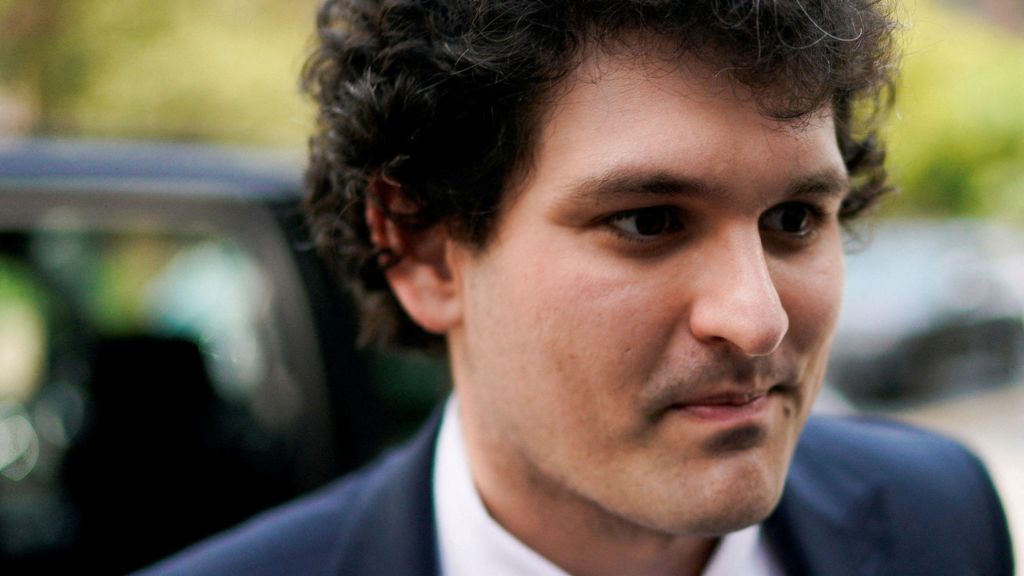
    Disgraced cryptocurrency tycoon Sam Bankman-Fried, who is currently incarcerated following a fraud conviction that upended the global crypto industry, has formally submitted a pardon request to U.S. President Donald Trump, according to newly released federal records.

    Now 34, the former billionaire was handed a 25-year prison term two years ago after a jury found him guilty on a sweeping set of federal charges tied to the collapse of FTX, the major crypto exchange he founded and led, and his affiliated trading firm Alameda Research. Court documents show Bankman-Fried has applied for a post-sentence pardon through the U.S. Department of Justice’s Office of the Pardon Attorney, a mechanism that would legally erase his fraud conviction if granted after he completes his full prison term.

    Notably, the application does not ask for sentence commutation — a separate executive action that would cut short the prison time he is currently serving. Bankman-Fried has continued to assert his innocence throughout the legal process and is actively pursuing an appeal of his conviction and sentence.

    Bankman-Fried rose to global prominence as one of the most recognizable faces of the cryptocurrency sector in the early 2020s, when FTX grew to count millions of users worldwide and became one of the largest digital asset exchanges in the industry. That momentum collapsed abruptly in 2022, when investigators uncovered that Bankman-Fried had improperly siphoned billions of dollars in customer deposits held by FTX to fund personal investments, cover trading losses at Alameda Research, and settle private debts.

    Records from the Pardon Attorney’s office show Bankman-Fried’s request is one of more than 20,000 pending applications for either pardons or commutations currently under review. President Trump has exercised his pardon power extensively during his second term, issuing clemency to a wide range of individuals including hundreds of rioters who participated in the January 6, 2021 attack on the U.S. Capitol, multiple former White House and campaign staff facing criminal charges, the founder of an illegal dark web drug marketplace, and even the former head of Binance, another leading global crypto platform.

    Despite this broad pattern of granting clemency, Trump publicly indicated earlier this year that he would not pardon Bankman-Fried when asked directly about the possibility. Representatives from the White House declined to offer any comment on the new pardon application, and legal counsel for Bankman-Fried did not respond to repeated requests for statement on the filing.

  • Truck carrying fireworks catches fire, sparking spectacular display

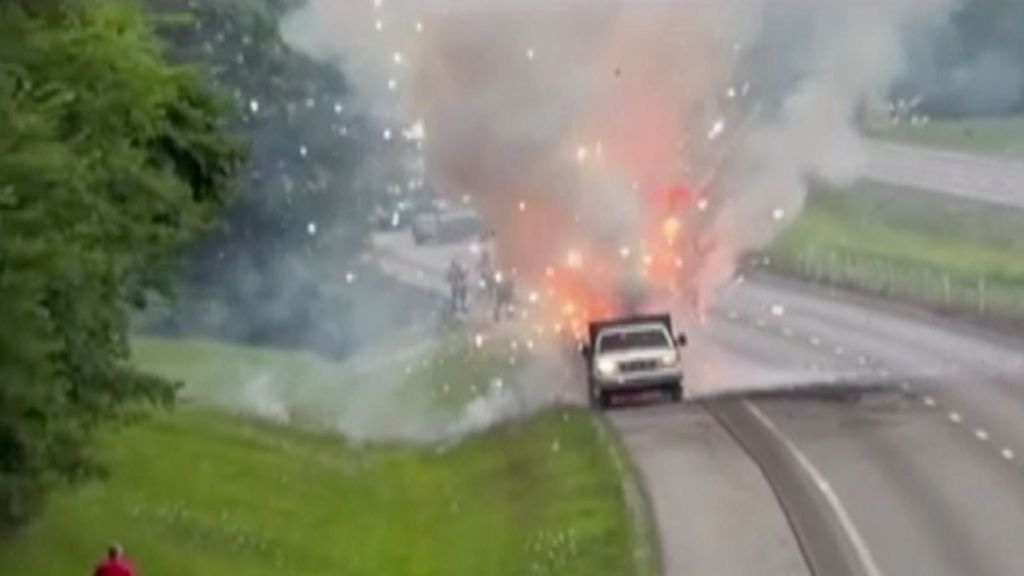
    Truck carrying fireworks catches fire, sparking spectacular display

    An unexpected turn of events turned a routine transport mission into a jaw-dropping holiday preview on the roads, when a truck transporting a full load of fireworks erupted in flames. Instead of triggering panic and a devastating disaster, the burning cargo ignited a chain reaction that lit up the sky with spontaneous bursts of color, delivering an early Fourth of July show that passing motorists never could have planned for. Emergency responders rushed to the scene immediately to contain the blaze and secure the surrounding area, launching rapid assessments to check for any casualties or threats to bystanders. To the immense relief of all involved, official reports confirm that no individuals suffered injuries throughout the entire incident, turning what could have been a catastrophic road accident into a bizarre, memorable holiday spectacle that onlookers will likely talk about for years.

  • Kenya’s ex-chief justice arrested at protest against building on national park

    Kenya’s ex-chief justice arrested at protest against building on national park

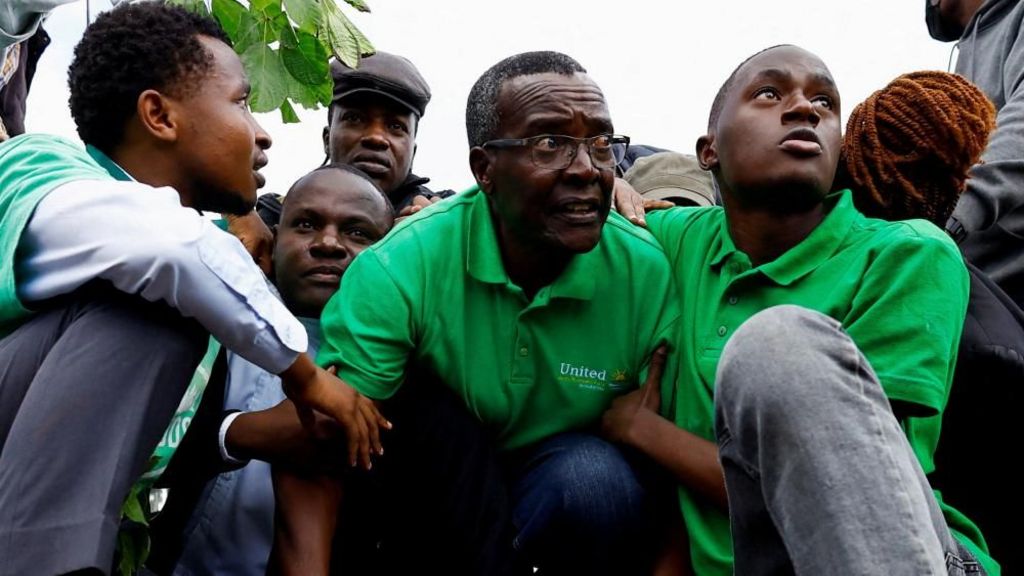
    A high-profile protest against proposed development inside one of Africa’s most iconic urban wildlife reserves has landed Kenya’s former Chief Justice David Maraga in police custody, igniting widespread condemnation from human rights and environmental organizations over the treatment of peaceful activists. On Monday, Maraga — who leads the opposition United Green Movement and is a widely speculated 2027 Kenyan presidential candidate — joined nine fellow demonstrators for a march along a highway bordering Nairobi National Park, a 117-square-kilometer protected conservation area and major tourist attraction located directly within Kenya’s capital. The demonstration was organized to oppose plans that activists claim would turn a portion of the park’s protected land into a 1,300-vehicle public car park, part of a broader development deal tied to a neighboring convention center.

    The Kenya Wildlife Service (KWS), the government agency that manages the park, has publicly pushed back against the activists’ allegations, defending its approved projects within the reserve. While KWS has not directly addressed the car park claims, it confirmed plans to construct a new, expanded animal orphanage on an 89-acre plot — just 0.31% of the park’s total area, according to a KWS official quoted by local outlet *The Star*. KWS argues the relocated orphanage will deliver meaningful benefits: enhanced care for rescued wildlife, improved veterinary training opportunities for local conservationists, and a more accessible, engaging experience for the millions of visitors who visit the park each year. The agency also notes that public consultation was held for the orphanage project prior to approval.

    Footage shared on social media captured the chaotic end to Monday’s demonstration, showing Kenyan police moving in to disperse the crowd of protesters, who had staged a sit-in on the two-lane highway. Video clips show the 72-year-old former top judge, wearing his party’s signature green attire, being assisted into the back of a police transport truck as surrounding demonstrators chanted “Long live the park” in protest. Maraga and the nine other detained activists were taken into police custody following the dispersal. Though Maraga was granted release shortly after his arrest, he refused to exit the police station until all other detained protesters were freed, a demonstration of solidarity with his fellow activists.

    Following his detention, Maraga took to social media platform X to outline the motivations for the protest, writing that he and the other detainees were “fellow patriotic Kenyans” demanding that the country’s “national heritage and environment must be safeguarded from greed and unnecessary destruction without public participation.” So far, Kenyan police have not issued any official public statement regarding the circumstances of the arrests or the reasons for detention.

    The arrests have drawn sharp criticism from a coalition of leading global and local rights and environmental groups. In a joint statement, Amnesty International, Greenpeace Africa, Friends of Nairobi National Park, and The Green Belt Movement strongly condemned what they called a violent dispersal of peaceful demonstrators. The groups emphasized that the use of force against Kenyan citizens exercising their constitutionally protected rights to peaceful assembly, free expression, and public participation in environmental decision-making is completely unacceptable. The incident has reignited national debate in Kenya over the balance between infrastructure development and the protection of critical natural heritage, particularly as political actors gear up for the 2027 general election.

  • Retired Supreme Court justice becomes Canada’s Governor General, the representative of King Charles

    Retired Supreme Court justice becomes Canada’s Governor General, the representative of King Charles

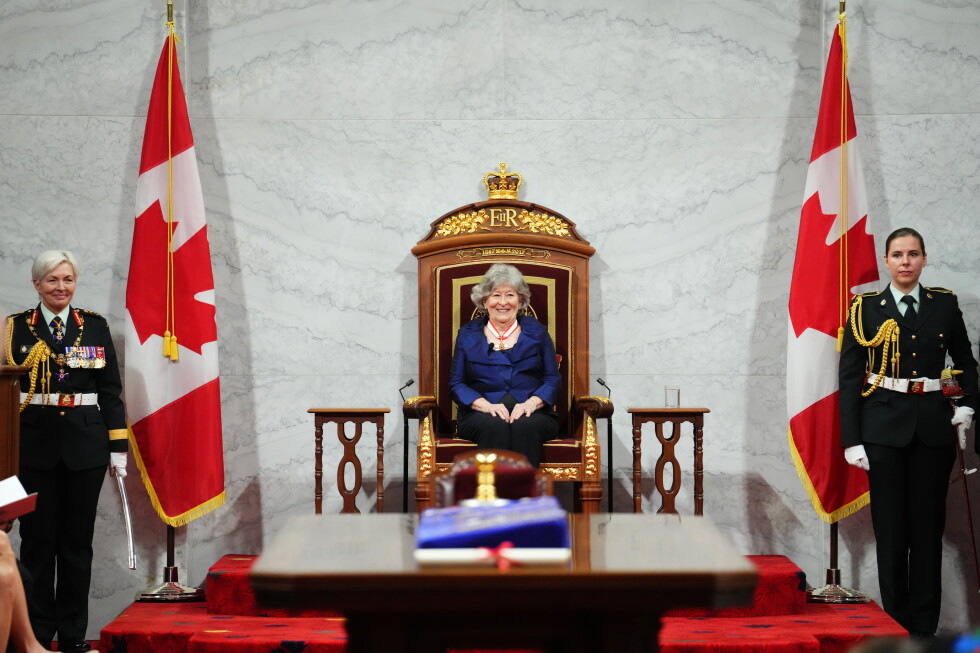
    TORONTO – In a formal ceremonial event held Monday, retired Canadian Supreme Court Justice Louise Arbour officially took office as Canada’s 29th Governor General, the personal representative of King Charles III, Canada’s constitutional head of state. The 79-year-old trailblazing legal figure succeeds Mary Simon, who made history in 2021 as Canada’s first Indigenous Governor General, stepping into a role that carries formal constitutional obligations but functions largely as a symbolic and ceremonial position within the country’s parliamentary system.

    The swearing-in ceremony, hosted on Parliament Hill in Ottawa, featured musical performances by the Central Band of the Canadian Armed Forces, including the traditional rendition of “God Save the King,” alongside the official raising of the Governor General’s flag to mark the transfer of office. Prior to the ceremony, Arbour held a private audience with King Charles III at Buckingham Palace last week to mark her appointment.

    Unlike many holders of the role, Arbour brings a decades-long global career in law, human rights, and international justice to the viceregal post. Her judicial resume spans key positions across Canada’s legal system, including appointments to the Supreme Court of Ontario, the Ontario Court of Appeal, and ultimately the Supreme Court of Canada, where she served as a sitting justice before taking on landmark international roles. In 1996, the United Nations tapped Arbour to serve as Chief Prosecutor for the International Criminal Tribunals for the former Yugoslavia and Rwanda. It was in this role that she led historic prosecutorial efforts that secured two major milestones in international law: the world’s first conviction for genocide after the 1948 United Nations Genocide Convention was adopted, and the first-ever war crimes indictment issued against a sitting head of state. Later in her career, from 2017 to 2018, she also served as the United Nations Special Representative for International Migration.

    In her inaugural address to the nation as the King’s representative, Arbour emphasized that peaceful coexistence across differing perspectives and identities is the cornerstone of a functional, rules-based democratic society. She also turned her attention to one of the most pressing modern technological issues: the rapid expansion of artificial intelligence. Arbour issued a stark caution against growing overreliance on AI tools, noting that widespread instant access to massive volumes of information has created a dangerous temptation to overlook source credibility.

    “The lines between knowledge and belief, between truth and falsehood, between facts and assumptions are increasingly blurred,” Arbour told the assembled audience. “AI could be threatening not only the way we live and work, but also the control we exercise over our own destiny.”

    She also highlighted Canada’s unique global standing, noting that while the nation accounts for less than 0.5% of the world’s total population, it holds nearly 7% of global land area and 20% of the world’s total freshwater reserves. “The world looks at us with justifiable envy,” she said.

    As a former British colony and current member of the Commonwealth of Nations, Canada has retained its constitutional monarchy structure after gaining full sovereignty. Following the United States’ successful war of independence from Britain, Canada remained under British colonial rule until 1867, when it gained self-governance while retaining the British monarch as its formal head of state, a structure that remains in place today.

  • Lockdown in New York as Trump to attend NBA Finals

    Lockdown in New York as Trump to attend NBA Finals

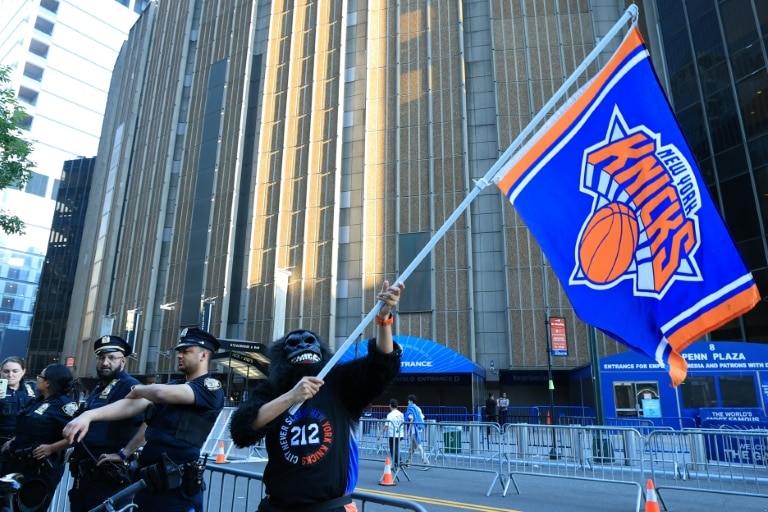
    As the NBA Finals shifts to New York for its third matchup on Monday, Manhattan’s iconic Madison Square Garden is under unprecedented security restrictions, with law enforcement establishing a rigid protective perimeter around the arena ahead of President Donald Trump’s attendance at the game featuring his long-time favorite team, the hometown New York Knicks.

    Security officials have implemented sweeping restrictions that bar non-ticket holding fans from approaching within several city blocks of the venue, and have prohibited public watch parties immediately outside the Garden — a sharp shift from the first two games of the series, which drew large, celebratory crowds of Knicks supporters. Authorities are urging all ticket holders to plan ahead, arriving no less than two hours before the 8:30 p.m. tip-off (0030 GMT Tuesday) to clear rigorous, airport-style security screenings, and have enacted a full ban on all bags inside the arena.

    “The message is simple: celebrate the Knicks, but avoid the MSG area tonight if you do not have tickets for the game,” New York Police Department (NYPD) Commissioner Jessica Tisch stated during a pre-game press briefing.

    The enhanced security measures come on the heels of two recent events that have factored into planning: a late-night stabbing at Penn Station — the transit hub located directly beneath Madison Square Garden — that left six people injured Sunday, and three alleged assassination attempts targeting President Trump over the past 18 months. Law enforcement has emphasized that the stabbing suspect, a male offender described by U.S. media as emotionally disturbed, has no confirmed ties to terrorist organizations, and downplayed broader public safety risks connected to the incident.

    On Monday, an Agence France-Presse (AFP) reporter on the ground observed 10-foot-tall security fencing erected around portions of Madison Square Garden, alongside a heavy deployment of Secret Service personnel tasked with protecting the sitting U.S. president. Counter-drone technology will also be deployed as part of the Secret Service’s protective operation, a security official confirmed.

    For non-ticket holding Knicks faithful like 45-year-old Eric Velez, the restrictions mean adjusting long-held plans to gather near the arena to support the team. Velez told reporters he would instead watch the game at a Manhattan bar, acknowledging he could not get close to MSG due to the security cordon. Even with the change of plans, he remained optimistic about the team’s historic run: “It’s looking good so far. I’m nervous. Hopefully they do it this time,” Velez said ahead of tip-off.

    The Knicks enter Monday’s matchup holding a commanding 2-0 lead in the best-of-seven finals series against the San Antonio Spurs, with the next two games scheduled to take place on New York home turf. The franchise has not claimed an NBA championship since 1973, a 52-year drought that has sparked unprecedented frenzy among fans across the five boroughs of America’s largest city.

    While average ticket prices for Monday’s game far outpace the budget of most New Yorkers, Madison Square Garden — long billed as the “World’s Most Famous Arena” — is set to host a sold-out crowd, with a roster of high-profile celebrity fans expected to fill courtside seats. New York Mayor Zohran Mamdani is also among the attendees; he confirmed to reporters he paid roughly $1,000 for his ticket, and that he will not sit alongside Trump during the game.

    Trump, a self-identified lifelong Knicks fan, last visited Madison Square Garden in November 2024 to watch a UFC fight, shortly after his election victory. He previously held a high-profile campaign rally at the venue ahead of the 2024 vote.

    “We all know what tonight means to New Yorkers who have been waiting a long time for an opportunity like this,” Secret Service Special Agent Matt McCool told reporters ahead of the game. “The Secret Service’s focus is straightforward: to ensure everyone attending the game can enjoy the game and have a safe experience, while we carry out our responsibility to protect the President of the United States.”

    NYPD officials confirmed they would not be increasing the existing security deployment at Penn Station specifically in response to Sunday’s stabbing. NYPD Chief Michael LiPetri noted that hundreds of officers are already permanently assigned to the busy transit hub, and that existing staffing levels “will not change in light of the incident yesterday.”

  • Fujimori and nationalist Sánchez virtually tied as vote count continues in Peru

    Fujimori and nationalist Sánchez virtually tied as vote count continues in Peru

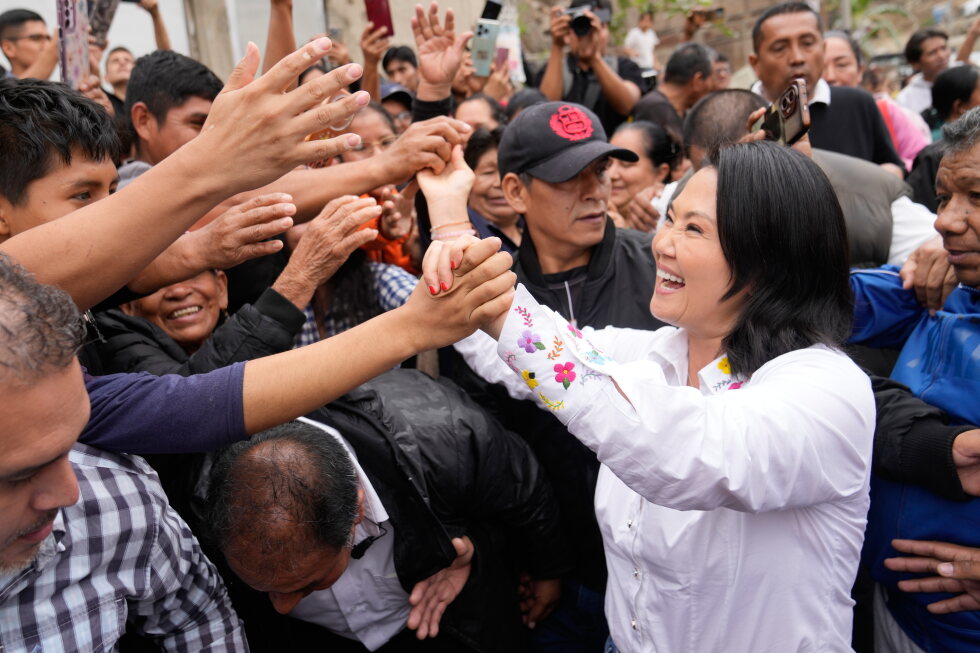
    LIMA, Peru — Peru’s historic presidential runoff election remained locked in a razor-thin deadlock this week, leaving the South American nation without a declared winner just days after voters cast their ballots. With 93% of all ballots fully tallied, conservative contender Keiko Fujimori and nationalist congressional leader Roberto Sánchez are separated by less than 0.2 percentage points, a gap so narrow it has thrown the final outcome into uncertainty. As of the latest count, Fujimori holds 50.095% of valid votes, equal to roughly 8.75 million ballots, while Sánchez trails narrowly at 49.905% with around 8.73 million votes cast in his favor.

    Whoever ultimately claims victory will become Peru’s ninth president in just 10 years, a statistic that underscores the deep political instability the country has grappled with for over a decade. Both candidates advanced to the runoff after emerging from an April first round that featured 35 total candidates, where neither broke the 20% support threshold. It took electoral authorities more than a month to confirm the two finalists for the runoff, a delay that already fueled public frustration with Peru’s political process.

    Peru’s top election official, Roberto Burneo, has issued a public call for voters and political factions to exercise democratic patience and responsibility as the final counting process wraps up, confirming that the official final result will not be announced for up to 30 days. The slow pace of tabulation is not a product of mismanagement, but rather a legal requirement that mandates every individual ballot and polling station tally sheet be physically transported to one of more than 100 regional processing offices. Adding to the timeline, more than 1.2 million ballots from Peruvian voters living abroad across 63 countries — primarily in the United States and Argentina — must also be shipped to the capital for counting, a logistical feat that extends the process significantly.

    Turnout on election day was visibly lower than in previous contests across Lima, even though voting is legally mandatory for all Peruvian citizens between the ages of 18 and 70, with fines of up to $32 for non-compliance. Many polling stations reported no waiting lines at any point during the day, a sign of widespread voter apathy that has defined this election cycle.

    For most Peruvians, runaway violent crime — and specifically the growing extortion crisis across the country — is the top issue shaping this election. A 2025 national survey from Peru’s National Institute of Statistics and Informatics found that 84% of urban residents fear they will fall victim to a crime within the next 12 months. Policy analysts trace the rising power of organized criminal networks in Peru to massive profits from decades of illegal gold mining operations in the Andes Mountains and Amazon rainforest, which have allowed groups to expand their influence across the country.

    Neither candidate has managed to win broad public trust, however, as both are inextricably linked to disgraced former Peruvian presidents mired in corruption and authoritarian controversy. Fujimori, 51, is the daughter of Alberto Fujimori, the late former president whose 1990s administration was marked by authoritarian rule, systemic corruption, and widespread human rights abuses. She stepped into the role of Peru’s first lady in 1994 after her parents separated, and this marks her fourth bid for the presidency. During her campaign, she has centered her platform on aggressive anti-crime policies, including new surveillance technology to track extortion rings, border militarization, increased deployment of police and military forces in high-crime areas, and mandatory prison labor to require incarcerated people to “repay society” for their crimes. In the sole runoff debate, she defended her father’s legacy, claiming he defeated the violent Shining Path extremist group and promising she would replicate that success against modern criminal groups. Speaking to supporters ahead of the final count, she urged calm, noting “So far, there is no winner in this race.”

    On the other side of the race, 57-year-old Sánchez, a former cabinet minister popular with rural and working-class voters, is one of the closest political allies to imprisoned former president Pedro Castillo, who was removed from office amid corruption allegations and widespread chaos during his 16-month term that saw more than 70 cabinet reshuffles. Sánchez often wears a wide-brimmed peasant hat gifted to him by Castillo as a symbol of his alliance. His policy platform focuses on rooting out corruption within the national police force and implementing reforms to allow the military to support civilian security operations. He has also expressed openness to a wide range of pro-growth economic policies and reaffirmed his support for continued Chinese investment in Peru. Speaking to supporters from a hotel balcony in Lima Sunday, he thanked Indigenous communities, farming groups, and working-class backers “who have decided to come and reclaim the government for the people.”

    That widespread distrust in both candidates has led many Peruvian voters to opt for blank or spoiled ballots. Magali Quiquia, a 44-year-old food vendor in Lima, told reporters she submitted a blank ballot because neither contender convinced her she could trust them. “Five years ago, I was disappointed by Castillo with his corruption, and … Roberto Sánchez is the same,” she said, adding that “Fujimori hasn’t done anything either” despite her party holding multiple seats in Congress. A pre-runoff poll conducted by Ipsos one week before voting found roughly 3 in 10 voters remained undecided heading into election day, mirroring the deep public disillusionment with the country’s political class.

    More than 27 million Peruvians are registered to vote in this election. The winner of the runoff is set to be inaugurated for a five-year presidential term on July 28.
  • Iran’s World Cup football team arrives in Mexico amid US visa row

    Iran’s World Cup football team arrives in Mexico amid US visa row

    Iran’s men’s national World Cup football team has completed its arrival in Mexico, touching down in the North American nation against a backdrop of escalating diplomatic tension over United States entry requirements. The dispute has created an extraordinary logistical challenge for the squad, which will be forced to make repeated cross-border trips for its group-stage matches. Because of unresolved visa issues affecting team members, every group-stage fixture that Iran contests will require the entire delegation to fly out of Mexico, enter US territory to compete, then return to their base in Mexico after the match concludes. This unusual arrangement adds an extra layer of stress and disruption to the team’s preparation, at a time when squads around the globe are focused on fine-tuning tactics and building match fitness ahead of the tournament. The visa row comes amid long-standing geopolitical friction between Iran and the United States, which has spilled over into the sporting arena in the lead-up to the international competition. Football officials and fans have raised concerns that the repeated travel will impact the team’s on-pitch performance, draining players’ energy before they even step onto the field.

  • Couple arrested in Spain over gangland murder bid

    Couple arrested in Spain over gangland murder bid

    A joint investigation by Spanish and British law enforcement has resulted in the arrest of a pair of British suspects with ties to Edinburgh, who stand accused of orchestrating a targeted gangland shooting that left a man with permanent life-altering injuries on Spain’s Murcia coast. The attack, which took place in November 2024 outside the victim’s home in the San Javier district of Santiago de la Ribera, saw the male and female suspects shoot the victim four times in the back at close range as he stood on his doorstep, according to official allegations from Spanish authorities.

    After the shooting, the victim was rushed to a local hospital for emergency care, where he underwent months of intensive medical treatment. While he ultimately survived the attack, the injuries he sustained have permanently altered his quality of life, investigators confirmed.

    Spain’s Civil Guard, one of the country’s two national law enforcement agencies, has linked the arrested couple to a powerful organised criminal group involved in drug trafficking and a pattern of violent criminal activity across the region. Witness accounts collected immediately after the attack described the shooter fleeing the scene on foot before escaping in a pre-positioned waiting vehicle.

    Just one hour after the shooting, investigators located the suspected getaway vehicle burned to a shell on a rural road connecting San Javier and Los Narejos. Forensic analysis confirmed the torched car was stolen, fitted with counterfeit license plates, and matched the description provided by eyewitnesses.

    The following day, law enforcement executed a second search in the Mazarrón region, where they seized another high-end British vehicle also registered with false plates. Inside the abandoned vehicle, investigators uncovered critical evidence: a silenced handgun that ballistics tests later confirmed was the weapon used in the attempted murder, along with unused ammunition, a black balaclava, and a pair of disposable gloves used by the suspects to avoid leaving evidence at the crime scene.

    Forensic experts matched DNA samples collected from the seized clothing and accessories to the two suspects, cracking the case and allowing investigators to name the pair months after the attack. Investigators also recovered fired shell casings from the attack scene, which helped confirm the weapon used in the shooting.

    The 12-month cross-border investigation, codenamed Operation Esbroya 24, brought together Spanish law enforcement and UK police agencies to track down the suspects. The first arrest came in April 2025, when officers took the male suspect into custody at Alicante-Elche Miguel Hernández International Airport as he prepared to board a commercial flight bound for Edinburgh. Two weeks later, in May 2025, the female suspect was arrested at the same airport moments after she entered Spain from an international flight.

    Official charges allege the couple travelled specifically to the Murcia region in southeast Spain to locate the victim and carry out the pre-planned killing at his residence. Spanish Civil Guard officials confirmed that the investigation into the attack and broader connections to the organised criminal network remains ongoing, with further arrests possible as detectives continue to uncover new details about the case.

  • Children and fisherman among 13 killed by Israel in Gaza bombing

    Children and fisherman among 13 killed by Israel in Gaza bombing

    A fresh wave of Israeli military operations across the Gaza Strip has left at least 13 Palestinians dead, including children, a teenage fisherman, and police officers, in violence that spans from Sunday to Monday, according to Palestinian official reports and local media. The death toll breaks down to nine fatalities recorded on Sunday, with four additional lives lost on the second day of attacks.

    Among the most recent deadly incidents, an Israeli airstrike launched early Monday hit temporary displacement tents in the al-Mawasi region of southern Gaza, a area that has been repeatedly labeled a “safe zone” for displaced Palestinians by Israeli authorities, claiming the lives of two civilian residents. A separate strike in the densely populated northern town of Jabalia killed two more people, one of whom was a child.

    The rising death toll also includes 14-year-old Hadeel Ayman Jundiya, who succumbed to critical injuries she sustained in earlier Israeli airstrikes on Gaza City on Sunday. In the central Rimal neighborhood of Gaza City, four civilians were killed when Israeli forces targeted a vehicle carrying civilians near Palestine Square.

    Off the central Gaza coast near Deir al-Balah, Israeli naval forces opened fire on Palestinian fishing boats, killing 15-year-old fisherman Muhammad Musa Abu Giab, who had headed out to sea to provide food for his family. In a social media post confirming the teenager’s death, journalist Ramy Abdu highlighted the deadly reality of daily life in Gaza: even searching for basic sustenance has become a death sentence. Zakaria Bakr, coordinator of the Union of Fishermen’s Committees in Gaza, added that Israeli naval forces also detained multiple other fishermen working in the area during the same incident.

    In southern Gaza’s Khan Younis district, an Israeli strike on a Palestinian police checkpoint located west of the city killed five officers.

    Parallel to the ongoing military violence, the Israeli Coordination and Government Activities in the Territories (COGAT), the body that manages Israeli activities in Gaza and the West Bank, announced Sunday that the Karem Abu Salem (Kerem Shalom) crossing—Gaza’s primary entry point for humanitarian aid deliveries—would be closed following renewed cross-border conflict with Iran. The border crossing was reportedly reopened on Monday morning, but persistent concerns remain that escalating regional hostilities could once again cut off critical aid flows into the blockaded enclave.

    This latest disruption to aid access comes months into a humanitarian crisis that has already left Gaza desperately short of nearly all essential supplies. Even after a US-brokered ceasefire agreement was signed in October 2024, which aimed to end two years of large-scale Israeli military operations in Gaza by halting offensive attacks and scaling up humanitarian aid deliveries, Israel has consistently violated the terms of the truce. Under the agreement, Israel was required to allow 600 aid trucks into Gaza daily, but in practice, only an average of 200 trucks have entered each day.

    For months, United Nations agencies, international human rights organizations, and Palestinian residents have sounded the alarm over catastrophic shortages of food, clean drinking water, fuel, medical medication, and other basic necessities. Even during the formal ceasefire period, Israeli forces have continued to carry out targeted airstrikes and ground operations across Gaza, with the Palestinian Ministry of Health recording at least 970 Palestinian deaths since the truce took effect. Violence has intensified steadily in recent weeks, with 119 Palestinians killed in the month of May alone.

    Since the start of large-scale Israeli military operations in Gaza in October 2023, nearly 73,000 Palestinians have been killed by Israeli forces. Thousands more remain unaccounted for, trapped under the rubble of destroyed buildings across the enclave, with little hope of recovery efforts amid ongoing access restrictions and bombing.

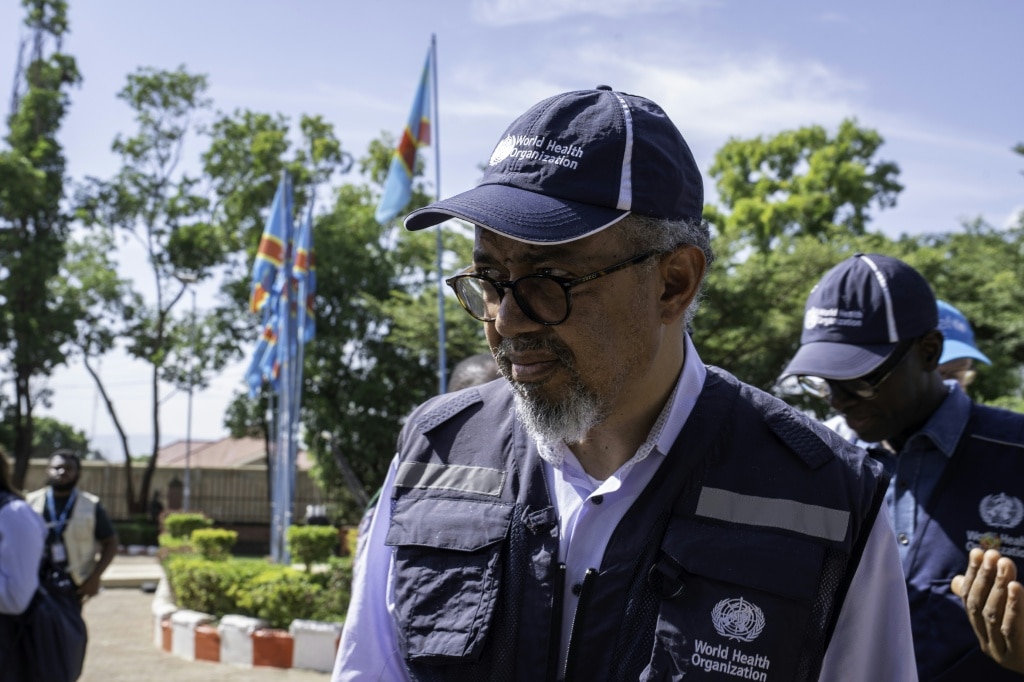
  • WHO chief praises Uganda’s Ebola effort

    WHO chief praises Uganda’s Ebola effort

    During an official visit to Uganda on Monday, World Health Organization Director-General Tedros Adhanom Ghebreyesus commended the East African nation for its aggressive work containing an Ebola outbreak that originated in neighboring Democratic Republic of the Congo (DRC). The outbreak, which the WHO has already classified as a Public Health Emergency of International Concern (PHEIC), emerged in northeastern DRC’s Ituri province on May 15, and has since been linked to 515 confirmed infections and 91 deaths across the border. To date, Uganda has documented 19 cases and two deaths, the vast majority of which involve Congolese nationals who crossed into Ugandan territory after exposure.