作者: admin

  • Artan to referee Uefa Super Cup after losing World Cup spot

    Artan to referee Uefa Super Cup after losing World Cup spot

    In a striking show of solidarity for a Somali official denied entry to the United States for the 2026 FIFA World Cup, European football’s governing body UEFA has named referee Omar Artan as the head official for this summer’s UEFA Super Cup between European giants Paris Saint-Germain and Aston Villa. The annual showpiece match, which pits the previous season’s UEFA Champions League winner against the UEFA Europa League champion, will kick off on August 12 in the Austrian city of Salzburg.

    The appointment comes after collaborative talks between UEFA and the Confederation of African Football (CAF), with both bodies backing the nomination for the highly respected African official. UEFA president Aleksander Ceferin emphasized the value of Artan’s experience and skill in an official statement announcing the decision, noting that Artan has already established a strong track record at the highest levels of CAF competition despite still being a relatively young official.

    “Football is made to connect people, and Uefa wants to show its respect to Omar and his outstanding officiating skills, which had earned him such a prestigious nomination,” Ceferin said, adding that he appreciated enthusiastic support for the initiative from CAF president Patrice Motsepe.

    Artan, who claimed the 2025 CAF Men’s Referee of the Year award and has featured on FIFA’s international referee list since 2018, was set to make history as the first Somali referee to officiate at a men’s World Cup finals when he traveled to the U.S. earlier this month. But his long-held dream of participating in the tournament was derailed when U.S. border officials in Miami turned him away, even though he held a valid diplomatic passport and approved single-entry U.S. visa.

    A U.S. government official confirmed earlier this week that Artan was denied entry over unsubstantiated allegations of “association with suspected members of terror organisations.” The denial falls under a long-standing travel ban first introduced during the Trump administration that includes Somalia among the restricted countries. After consultations with U.S. authorities, FIFA confirmed Artan would be forced to withdraw from the 2026 World Cup tournament.

    In comments shared with The New York Times this week, Artan pushed back against the claims made by border officials, saying he was questioned extensively about alleged links to Somali militant group Al Shabab, and denied any knowledge of or connection to the organization. He added that all his documentation was fully in order for the trip. “I had the right papers and everything. I had the right visa,” Artan said. “I’m just simply a referee who’s trying to live his dream, the biggest dream of my life, to come to the World Cup.”

    The unexpected nomination to the UEFA Super Cup marks a major show of support from European and African football governing bodies, recognizing Artan’s professional accomplishments while highlighting football’s core mission of uniting people across borders and geopolitical barriers.

  • Here’s how to avoid heat-related illnesses and stay cool this summer

    Here’s how to avoid heat-related illnesses and stay cool this summer

    BERLIN – A new warning from the World Health Organization’s European regional office has underscored the deadly human cost of rising global temperatures, announcing Thursday that more than 200,000 people across the continent have died from heat-related causes over the past four years — and the vast majority of these fatalities could have been avoided.

    As communities across the Northern Hemisphere brace for what could be another record-breaking summer of above-average temperatures, public health officials stress that extreme heat is far more than just an uncomfortable nuisance. Unregulated exposure to sustained high temperatures can trigger heat exhaustion, and progress to life-threatening heat stroke that requires immediate medical intervention.

    Dr. Hans Kluge, regional director for WHO Europe, framed the escalating heat crisis as an immediate consequence of human-caused climate change in an official public statement. “The impacts of climate change are a clear and present danger, and its most immediate and lethal manifestation is extreme heat,” Kluge said. “Heatwaves are no longer freak weather anomalies. They are now a recurring crisis inflicting suffering, claiming lives and fracturing our health systems and infrastructure.”

    The agency is pushing national governments and local public health institutions across Europe to roll out comprehensive heat action plans immediately. Recommended interventions range from opening free, accessible public cooling centers for at-risk communities to implementing mandatory heat safety policies for workplaces, including scheduled outdoor work breaks and flexible shift scheduling that keeps employees out of the dangerous midday sun. Kluge emphasized that the long-term public health goal is non-negotiable: “Our goal is clear and our ambition is bold: zero heat-related deaths.”

    The WHO’s warning came on the same day that global meteorologists confirmed the development of a new El Niño event in the eastern Pacific Ocean. Characterized by unusual natural warming of Pacific surface waters, El Niño is already projected to strengthen to potentially historic levels through the Northern Hemisphere summer and fall. Climate scientists explain that this natural climate cycle will amplify the existing long-term warming driven by decades of fossil fuel emissions, creating a high risk of turbocharged extreme weather events across every continent.

    To help people protect themselves from heat-related illness this summer, WHO has published a set of clear, evidence-based public safety guidelines:

    First, limit exposure during the peak heat window. The hottest hours of most summer days typically fall between mid-morning and late afternoon, so officials advise staying indoors or in shaded areas during this window when possible. If outdoor work or travel is unavoidable, avoid strenuous activity and prioritize shaded rest stops. WHO also recommends spending at least two to three hours in a cool environment every day during heatwaves, and reminds the public to regularly check official local heat warning updates to stay informed of changing conditions.

    Second, take proactive steps to cool indoor living spaces. During daytime hours, close all windows and cover exposed glass with blinds, curtains or external shutters to block hot incoming sunlight. Once temperatures drop after dark, open windows to let in cool evening air. For households with air conditioning, WHO recommends setting thermostats to 27 degrees Celsius (81 degrees Fahrenheit) and pairing cooling with a fan to boost comfort while reducing energy use. The agency also noted that low-income urban and rural communities are disproportionately impacted by extreme heat, as substandard housing and lack of access to affordable cooling technology leaves them far more exposed to dangerous indoor overheating.

    Third, maintain hydration and dress appropriately for hot conditions. Public health officials advise drinking one cup of water per hour even if you do not feel thirsty, to avoid gradual dehydration that can lead to serious health complications. Regular cool showers or baths are an effective way to lower core body temperature, and when those are not available, wiping skin with a cool damp cloth or using a mist spray can provide relief. Clothing should be lightweight, loose-fitting and light-colored to reflect sunlight, and the same rule applies to bed linens for overnight cooling. Anyone heading outdoors should also wear a wide-brimmed hat, UV-protective sunglasses and high-SPF sunscreen to avoid additional sun-related health risks.

    Finally, prioritize protection for the most vulnerable population groups. WHO repeatedly stresses that children and pets should never be left inside a parked vehicle, even for a few minutes: internal temperatures can spike to deadly levels in as little as 10 minutes under direct sun. For caregivers pushing baby strollers, covering the carriage with a thin wet cloth provides cooling shade, while dry cloth traps heat and raises internal temperatures to dangerous levels — adding a small portable fan can also improve airflow for infants. Regular check-ins are critical for at-risk groups including adults over 65, people living with disabilities, and those with preexisting heart, lung or kidney conditions, as well as people who live alone who may not have anyone to help them if they become ill from heat. Manual laborers and other outdoor workers are also at especially high risk when work schedules do not allow for heat-related adjustments.

  • Sudanese paramilitary drone strikes kill at least 15 people in central region, officials say

    Sudanese paramilitary drone strikes kill at least 15 people in central region, officials say

    As Sudan’s brutal civil war enters its fourth year, a new wave of overnight drone strikes carried out by the Rapid Support Forces (RSF), Sudan’s main paramilitary group, has left at least 15 people dead and dozens more injured in the central Sudanese city of el-Obeid, health officials confirmed Thursday. The rising reliance on unmanned aerial attacks has become one of the most dangerous and destabilizing features of the ongoing conflict, which has already plunged the nation into one of the world’s worst humanitarian crises.

    The assault began late Wednesday, hitting multiple locations across el-Obeid including an area adjacent to a Sudanese military position, according to two health workers from el-Obeid Hospital, the main facility receiving casualties from the strikes. The officials spoke on condition of anonymity, as they lack official authorization to engage with media outlets. They added that more than 10 people were wounded, with several suffering critical injuries that require urgent advanced care.

    Dr. Mohamed Elsheikh, spokesperson for the Sudan Doctors Network, an organization that monitors casualty figures across the country, told the Associated Press that RSF drones also targeted two additional civilian sites: a funeral gathering at a local cemetery, where four attendees were killed, and a functioning gas station. Dr. Elsheikh noted that he could not immediately confirm whether the casualties included only civilians, only combatants, or a mix of both.

    Aid workers on the ground report that drone strikes have intensified sharply across el-Obeid in recent days, with public gatherings of any kind repeatedly targeted. An anonymous aid worker with the global humanitarian organization Mercy Corps, speaking out of fear of retaliation from armed groups, explained that the escalating violence has forced local schools to suspend all classes, while city markets only operate partially as residents stay home to avoid attack.

    Emergency Lawyers, a Sudan-based aid and conflict monitoring group, released a statement Thursday warning that the final death toll is expected to rise, as drone sorties continued to fly over el-Obeid well into Thursday. The group documented that residential homes near the headquarters of the Sudanese military’s 5th Infantry Division were hit, alongside a truck transporting critical food supplies into the city. The truck’s driver was killed in the strike.

    “This series of attacks indicates a widespread pattern of targeting civilian gatherings, neighborhoods and infrastructure, including during rescue operations and funerals,” the group said, adding that it has grave concerns over the indiscriminate nature of these strikes, which put non-combatant residents at constant lethal risk.

    Sudan’s long-running conflict first erupted in April 2023, when decades of latent tensions between the Sudanese Armed Forces (SAF) and the RSF boiled over into open civil war. To date, the conflict has killed at least 59,000 confirmed people, displaced more than 13 million Sudanese from their homes, and pushed large swathes of the country into catastrophic famine conditions. The United Nations estimates that more than 30 million Sudanese — over two-thirds of the country’s total population — require urgent life-saving humanitarian assistance.

    As the conflict has dragged on, military control has become geographically split: the Sudanese military holds power across northern, eastern, and central Sudan, including strategic Red Sea ports and the country’s critical oil refining and pipeline infrastructure. The RSF and its allied militias control the entire Darfur region and large portions of Kordofan along Sudan’s border with South Sudan, both resource-rich regions holding major oil reserves and gold deposits.

    Security and conflict experts confirm that drone warfare has now overtaken other forms of attack as the deadliest threat to civilian populations in Sudan, with both warring parties receiving shipments of drones and other military equipment from multiple countries across the Middle East and beyond. Humanitarian workers add that the recent surge in drone attacks across Kordofan has severely hampered already fragile aid operations in the region, leaving vulnerable communities cut off from critical food, water, and medical support.

  • Opening of long awaited US-Canada bridge delayed again

    Opening of long awaited US-Canada bridge delayed again

    The much-anticipated cross-border infrastructure project linking Canada and the United States, the Gordie Howe International Bridge, has faced yet another unanticipated delay, pushing back the planned opening and its scheduled ribbon-cutting ceremony indefinitely, according to the Canadian authority managing the construction. The ceremonial opening was originally set to take place this Friday, a milestone that would have capped years of planning and construction for the crossing connecting Windsor, Ontario to Detroit, Michigan.
    Named for legendary Canadian NHL player Gordie Howe, who had a iconic career with the Detroit Red Wings, the bridge has been framed by both proponents as a transformative economic artery for North American trade and cross-border movement. In a formal statement issued this week, Chuck Andary, a representative of the Windsor-Detroit Bridge Authority (WDBA), confirmed that the two national governments had mutually agreed to postpone the opening to work through remaining unresolved issues. “The bridge will stand as a vital economic link for Canada and the United States, and the two sides are taking a collaborative approach to finalize preparations and set a firm new opening date,” Andary said.
    This latest delay does not come as a complete surprise. Earlier this week, Canadian Prime Minister Mark Carney acknowledged that the project might miss its original timeline, but downplayed growing public concern, noting there was “no big drama” surrounding the hold-up. Carney reaffirmed that all relevant teams were “working hard to make sure the bridge is open as soon as possible”, adding that “if it takes a little longer, it’ll take a little longer”. Notably, the WDBA has not released any details on the specific causes of this latest delay, nor given any indication of when a new opening date or rescheduled ribbon-cutting might be announced.
    The $6.4 billion CAD (£3.4 billion) project has been plagued by political and commercial disputes for more than a decade, even before construction kicked off in 2018. Past disruptions include widespread construction delays caused by global Covid-19 pandemic shutdowns, and repeated political interference from former and now returning US President Donald Trump, who has openly opposed the project since his first term in office.
    In February, during his second presidential term, Trump demanded that Canada cede shared authority and ownership of the crossing to the United States. The bridge is currently developed and owned by WDBA, a Canadian federal Crown corporation that operates independently from direct government control. Commercial opposition has also played a major role in delaying the project: the Moroun family, owners of the nearby privately owned Ambassador Bridge, the existing busiest crossing between Detroit and Canada, has spent years lobbying to block the Gordie Howe bridge. The family argues the new crossing would break their long-held exclusive right to collect tolls for cross-border vehicle traffic in this corridor.
    Supporters of the new crossing, including Michigan Democratic Governor Gretchen Whitmer, US Senator Elissa Slotkin, and municipal leaders in Windsor, have long argued that the bridge will generate thousands of new local jobs and unlock billions in annual economic benefits for both countries by cutting severe congestion at the existing Ambassador Bridge and the Detroit-Windsor Tunnel. The project was first negotiated by former Republican Michigan Governor Rick Snyder specifically to address chronic overcrowding on the two existing crossings between the two regions.
    The latest delay comes amid a sharp rise in bilateral tensions between Canada and the United States following Trump’s return to the White House. Over the past year, Trump launched a new trade war against Canada and other US allies by imposing sweeping new tariffs on Canadian goods, and triggered widespread diplomatic anger when he publicly suggested Canada should become the “51st state” of the United States. Just this week, during ongoing trade negotiations between the three North American nations, Trump cast doubt on whether he would renew the US-Mexico-Canada Agreement (USMCA), the landmark trade pact that has integrated the North American economy for decades.
    These escalating trade tensions have already had tangible economic impacts on both sides. Estimates from the US Travel Association show that Canadian travel to the United States dropped by 20% over the past year, costing the US economy more than $4 billion in lost tourism revenue alone.

  • Everything to know about the US men’s team at the 2026 World Cup

    Everything to know about the US men’s team at the 2026 World Cup

    In a packed Chicago stadium packed with 63,000 roaring fans this past Saturday, Antonee Robinson unleashed a blistering strike that found the back of Germany’s net, offering a tantalizing preview of what the United States Men’s National Team (USMNT) could accomplish when co-hosting the 2026 FIFA World Cup on home soil. Though the pre-tournament friendly ended in a narrow 2-1 defeat for the Americans, Robinson’s goal showcased an explosive attacking potency that could produce unforgettable tournament moments, while the raucous crowd made clear that American fans are ready to rally behind their side.

    Led by star forward Christian “Captain America” Pulisic, ranked top of their group, and managed by elite former European club coach Mauricio Pochettino, expectations are running high for this USMNT squad. For insight into the team’s prospects, BBC Sport spoke to John Harkes, a former USMNT player who featured in the 1990 and 1994 World Cups and made history as the first American to compete in England’s Premier League. Harkes argued that the American side has an excellent chance to turn in a strong performance on the global stage this summer.

    “I think they’re very talented,” Harkes noted. “But the critical part of any World Cup is that you have to come together as a team, and you need resilience and fight through adversity. Sometimes games don’t go your way. At the end of the day, you just need a little luck.” He pointed out that the majority of this roster currently competes in top European leagues, a depth of experience that will serve the team well—if key players can stay fit. Injuries have plagued the squad in recent warm-up matches, most notably starting defender Chris Richards, who missed the Germany friendly with an ankle injury, making full fitness the most critical prerequisite for success. Harkes also highlighted the electric atmosphere the Chicago crowd created for the friendly, saying the home support could prove transformative: “If that’s something they can embrace in a friendly scrimmage, then I’m really excited.” While Harkes stopped short of predicting an outright tournament win if the US advances past the group stage, he added that “anything is possible from there.”

    A closer look at the squad’s core players reveals a balanced mix of established skill and rising form. Christian Pulisic, the 27-year-old AC Milan attacking midfielder, already holds the record as the fastest US player to hit 50 goal contributions across 86 international caps. A constant attacking threat with elite ball control, this tournament is widely viewed as a defining moment for Pulisic, who will look to cement his national team legacy—though he enters the World Cup with a recent goal drought that has put him under mild pressure. Up front, 24-year-old AS Monaco striker Folarin Balogun turned in a blistering 2025-26 club season, netting 11 goals in 14 appearances to emerge as one of Europe’s most in-form center forwards. The USMNT will look to him to add the cutting edge in the final third that the team lacked during its 2022 Qatar run. In midfield, 27-year-old Juventus star Weston McKennie brings relentless tenacity and physicality, while 27-year-old AFC Bournemouth midfielder Tyler Adams—who captained the US in Qatar at just 23 years old—anchors the defense, shutting down opposing attacking threats quickly. At 38, veteran defender Tim Ream, captain of this 2026 squad and a mainstay with 82 caps, brings decades of experience from nine seasons in England’s Premier League and currently plays for MLS side Charlotte FC; his calm distribution under pressure makes him a critical locker room and on-pitch leader.

    Home advantage stands as one of the USMNT’s biggest assets heading into the tournament. While the United States has not historically been classified as a top soccer nation, the world’s biggest sporting event is already building momentum among American fans and media, and a strong opening to the tournament could supercharge that support. The roster itself is dynamic and versatile, with incisive wing-backs Antonee Robinson and Sergiño Dest adding width to attacks, and Balogun filling a consistent striker gap the team has faced for years.

    Securing Pochettino as head coach in 2024 was widely considered a major coup for US Soccer. This marks the Argentine manager’s first international posting, and he is eager to rebuild his reputation as an elite coach after a mixed run of results at top European clubs including Paris Saint-Germain and Chelsea. Harkes defended Pochettino’s leadership, saying: “Pochettino is a good manager, even though this is the first time he’s managing a national team. I feel like his expectations and core values of what he wants has finally gotten this team on the right track.” Compared to past USMNT World Cup rosters, Harkes noted that the 2026 squad benefits from better resources and far more consistent high-level experience earned through the grind of European club competition.

    The US enters the tournament ranked 16th in FIFA’s men’s world rankings, and tops a group that includes 22nd-ranked Turkey, 27th-ranked Australia, and 40th-ranked Paraguay. Harkes acknowledged the quality of the group’s opposition: “Paraguay is a great side. Australia as well, and Turkey is a strong, underrated side. They know how to fight and compete.” As co-hosts alongside Canada and Mexico, the US automatically qualified for the 2026 tournament, extending a recent run of consistent qualification: the US has missed just one World Cup since 1990, falling in 2018 to a crushing late qualifying defeat to Trinidad and Tobago. At the 2022 Qatar World Cup, the US advanced to the round of 16, matching the result it achieved the last time it hosted the tournament in 1994. The USMNT’s best ever World Cup performance remains its third-place finish at the inaugural tournament in 1930, while the US women’s national team has claimed four World Cup titles to date.

    Below is the full confirmed 2026 USMNT roster, with each player’s current club listed:
    – **Goalkeepers**: Chris Brady (Chicago Fire), Matt Freese (New York City), Matt Turner (New England Revolution)
    – **Defenders**: Max Arfsten (Columbus Crew), Sergiño Dest (PSV Eindhoven), Alex Freeman (Villarreal), Mark McKenzie (Toulouse), Tim Ream (Charlotte FC), Chris Richards (Crystal Palace), Antonee Robinson (Fulham), Miles Robinson (Cincinnati), Joe Scally (Borussia Monchengladbach), Auston Trusty (Celtic)
    – **Midfielders**: Tyler Adams (AFC Bournemouth), Sebastian Berhalter (Vancouver Whitecaps), Weston McKennie (Juventus), Cristian Roldan (Seattle Sounders), Brenden Aaronson (Leeds United), Christian Pulisic (AC Milan), Gio Reyna (Borussia Monchengladbach), Malik Tillman (Bayer Leverkusen), Tim Weah (Marseille), Alejandro Zendejas (Club America)
    – **Forwards**: Folarin Balogun (AS Monaco), Ricardo Pepi (PSV Eindhoven), Haji Wright (Coventry City)

  • What is El Niño and why could it mean record temperatures?

    What is El Niño and why could it mean record temperatures?

    U.S. climate scientists have officially confirmed the formation of a new El Niño event, a naturally occurring climate pattern capable of triggering extreme weather disruptions across every inhabited continent, with forecasts indicating it could rank among the most intense events recorded since 1950.

    The National Oceanic and Atmospheric Administration (NOAA) announced the onset of the new El Niño phase after detecting consistent sea surface temperature anomalies of more than 0.5°C above long-term averages across the central tropical Pacific, paired with a measurable shift in atmospheric pressure: lower pressure over the central Pacific and higher pressure in the western Pacific. The Japanese Meteorological Agency has independently verified the presence of El Niño conditions, matching NOAA’s findings.

    What makes this event particularly concerning to researchers is the unusually high temperature of sub-surface Pacific waters, which have measured up to 6°C above average in some regions, per data from the United Nations’ World Meteorological Organization (WMO). Historical climate patterns show that deep ocean heat typically rises to the surface over the course of an El Niño event, driving further warming. NOAA’s latest probability calculations put the chance of this El Niño reaching “very strong” or “super” status—defined as a sustained surface warming of 2°C or more across the central tropical Pacific—at 63%, meaning it will almost certainly rank among the most significant events in the modern observational record. The event is projected to persist at least through the early months of 2027.

    First documented by Peruvian fishermen in the 1600s, who named the warm December current El Niño de Navidad (the Christ Child) for its seasonal timing, the climate pattern forms when trade winds that normally blow east to west across the tropical Pacific weaken or reverse direction, allowing warm surface water that usually accumulates near Australia and Southeast Asia to spread eastward toward the coasts of North and South America.

    When combined with decades of anthropogenic global warming, this new El Niño is expected to push 2027 to become the hottest year ever recorded on a global scale. “El Niño conditions will pour fuel on the fire of a warming world. Impacts will hit even harder, travel even farther, and cross borders with devastating speed,” U.N. Secretary-General António Guterres warned, urging nations to begin preparation for widespread disruptions immediately.

    WMO Secretary-General Celeste Saulo added that a strong El Niño will exacerbate already dangerous climate extremes, worsening droughts, extreme rainfall events, and heatwaves on both land and ocean as the Pacific transfers accumulated heat into the atmosphere.

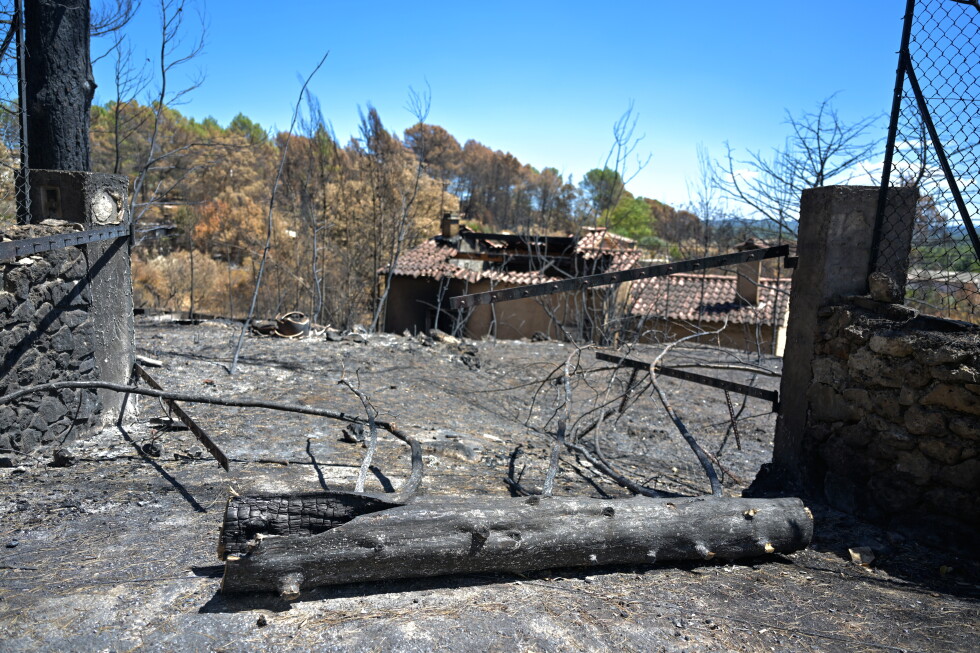
    While no two El Niño events produce identical impacts, consistent historical trends outline broad regional effects. A strong event typically brings prolonged hot, dry conditions to parts of South America, Southeast Asia, and Australia, dramatically increasing the risk of severe droughts and destructive wildfires—conditions that mirror the devastating blazes that swept across Indonesia during the record 2015-16 El Niño event. It also tends to weaken the critical Indian monsoon, reducing rainfall across South Asia. In the southern United States, El Niño amplifies rainfall, raising the probability of life-threatening flooding. For tropical storm activity, the pattern increases cyclone formation in the eastern and central Pacific while suppressing activity in the tropical Atlantic, including off the southeastern U.S. coast. The impact on U.K. weather is less consistent, but the U.K. Met Office notes El Niño often increases the chance of a mild early winter followed by a cold late winter.

    Beyond immediate weather disruptions, the event poses serious risks to global food security. Droughts in major agricultural regions of South America and Southeast Asia could reduce crop yields at a time when global fertilizer distribution is already disrupted by the effective closure of the Strait of Hormuz. A smaller harvest would tighten already strained global food supplies and push prices higher, worsening food insecurity for vulnerable populations. For South American fishing communities, the event reduces the upwelling of cold, nutrient-rich water that sustains popular commercial species such as anchovies, leading to smaller catches and economic hardship.

    Many researchers are drawing parallels to the 2015-16 El Niño, one of the strongest events on record. That event caused widespread water shortages in the Caribbean, a record-breaking tropical storm season in the central Pacific, and prolonged drought in the Horn of Africa. The U.N. Food and Agriculture Organization estimates that the combined climate shocks linked to that event left millions of people across the globe facing food insecurity.

    The Intergovernmental Panel on Climate Change (IPCC) has noted that El Niño events recorded since 1950 have been stronger on average than events between 1850 and 1950, though historical data from tree rings confirms that frequency and intensity have varied naturally since the 1400s. There is currently no clear scientific consensus that anthropogenic climate change has altered the frequency or intensity of El Niño events, though some climate models project that El Niños may become more frequent and more intense as global warming continues. Regardless of its link to climate change, this El Niño’s impacts will be amplified by the long-term warming driven by greenhouse gas emissions, making extreme weather more dangerous than it would have been in a pre-warming world.

    El Niño is the warm phase of the Pacific’s natural ENSO (El Niño-Southern Oscillation) cycle, paired with its cooler counterpart La Niña. During La Niña events, central-eastern Pacific surface temperatures fall below average and atmospheric pressure patterns reverse, bringing wetter conditions to Australia, Indonesia, and equatorial South America and drier conditions to the southern U.S. El Niño and La Niña typically alternate, though repeated back-to-back events of the same phase are not uncommon. On average, the full ENSO cycle produces an El Niño or La Niña every two to seven years.

  • El Niño under way and threatens weather extremes, scientists say

    El Niño under way and threatens weather extremes, scientists say

    After three years of the cooling La Niña pattern that wrapped up earlier in 2026, United States climate scientists have made a formal announcement: El Niño, the naturally occurring Pacific climate cycle that drives global temperature increases, is now officially active.

    The US National Oceanic and Atmospheric Administration (NOAA) confirmed that tropical Pacific sea surface temperatures have surged sharply in recent months, crossing the 0.5 degrees Celsius above-average threshold that the agency uses to mark an official El Niño event. In a statement, NOAA noted that above-average sea surface temperatures spanning the central to eastern equatorial Pacific confirm the pattern’s development over the past month. Beyond ocean warming, the agency has also recorded a shift in equatorial Pacific trade winds, a key indicator that the atmosphere is responding to warmer ocean conditions — confirming the event is not just an isolated ocean warming trend.

    What has caught climate researchers off guard is the high confidence climate models have already shown in forecasting El Niño’s intensity. While a strong El Niño is defined by sea surface temperatures 1.5°C above average and a very strong event crosses the 2°C threshold, NOAA’s June outlook estimates there is a 63% probability this event will reach very strong strength between November 2026 and January 2027. If it hits that mark, it will rank among the most powerful El Niño events recorded since systematic tracking began in 1950. The three most intense events in that historical record are 1982/83, 1997/98, and 2015/16. Some cutting-edge models from both US research teams and Europe’s ECMWF go even further, projecting that tropical Pacific sea surface temperatures could rise more than 3°C above average by the end of 2026. Even so, NOAA has urged caution around extreme projections, noting that even very strong events do not produce uniform expected impacts across the globe, though more intense events do significantly increase the likelihood of classic El Niño-related disruptions.

    The greatest source of concern for climate experts is that this El Niño is developing on a planet that has already warmed dramatically from decades of human-caused climate change. Adam Scaife, head of monthly to decadal prediction at the UK Met Office, explained that this new El Niño is developing on top of existing long-term global warming. This combination means regional temperatures in areas affected by El Niño could reach unprecedented levels, as the natural warming from the climate pattern adds to the warming already driven by greenhouse gas emissions. A strong El Niño typically raises global average air temperatures by roughly 0.2°C, as it releases stored ocean heat into the atmosphere. This extra warming comes at a time when global temperatures are already hitting consecutive record highs: 2024, already boosted by a relatively weak El Niño, remains the warmest year on record, and even with the cooling influence of the recent La Niña, 2025 ranked as the third-warmest year ever recorded — hotter than the 2015/16 super El Niño year. Scaife projects that by late 2026 and through 2027, global temperatures will reach extraordinary levels, with 2027 very likely pushing global average warming above 1.5°C compared to pre-industrial late-19th-century levels for another full year.

    While every El Niño event has unique characteristics, the most severe impacts are concentrated in tropical regions. Classic El Niño patterns bring increased flooding risk to northern Peru, southern Ecuador, parts of East Africa, Central Asia, and the southern United States. Conversely, Australia, Indonesia, and much of northern South America face elevated risk of severe drought and wildfire, threats that directly damage agricultural production and put global food supplies at risk. El Niño also typically suppresses Atlantic hurricane activity, which might sound beneficial, but Liz Stephens, a professor of climate risk and resilience at the University of Reading, points out that this reduction in storm activity comes with a downside: it also brings reduced rainfall and heightened drought risk to Central America. Even regions as far north as the UK see subtle shifts, with El Niño slightly increasing the probability of a mild early winter followed by a cold late winter, though the connection is weak.

    For vulnerable communities around the world, this forecast is not an abstract climate update. Mohamed Adow, director of climate advocacy group Power Shift Africa, emphasized that an official El Niño declaration acts as a dangerous warning for millions of people. It portends failed rainy seasons, crop failures, spiking global food prices, and increased economic hardship for communities already reeling from repeated climate disasters in recent years, particularly in East Africa.

    Japan’s Meteorological Agency has aligned with NOAA’s assessment, confirming El Niño conditions are already present and are nearly certain to persist through the Northern Hemisphere autumn. Not all national climate agencies have formally declared the event underway, however. Australia’s Bureau of Meteorology uses a stricter threshold of 0.8°C above average sea surface temperatures. This week, the bureau noted that the tropical Pacific is approaching El Niño conditions, with central Pacific temperatures already meeting its threshold, but it has declined to make a formal declaration yet, while still projecting that a strong El Niño will develop later in 2026.

    El Niño occurs naturally every two to seven years and typically persists for roughly 12 months. While there is still no definitive scientific consensus that climate change is making El Niño events more frequent or more intense, researchers agree that a long-warmed planet amplifies the harmful impacts of every El Niño that develops.

  • ‘Just tight’: Adam Reynolds downplays hamstring concerns as Michael Maguire declares premiership defence is alive despite horror loss

    ‘Just tight’: Adam Reynolds downplays hamstring concerns as Michael Maguire declares premiership defence is alive despite horror loss

    The 2026 NRL season is turning into a nightmare for defending premiers Brisbane Broncos, who slumped to their sixth consecutive defeat on Thursday night with a lopsided 48-6 hammering at the hands of the South Sydney Rabbitohs. The brutal loss has reignited questions about Brisbane’s ability to defend their title, while the team now faces a growing injury crisis that has sidelined multiple key players ahead of their upcoming bye.

    The biggest talking point after the match surrounded the fitness of Broncos captain and veteran playmaker Adam Reynolds, who was forced from the field with 20 minutes remaining in the contest. The issue began early when Reynolds notched an early interception and was chased down by Rabbitohs forward Lachlan Hubner; immediately after the tackle, the skipper was seen clutching his left hamstring, raising fears of a serious season-ending soft-tissue injury.

    Though Reynolds remained on the field through the first half, he grew increasingly visibly uncomfortable as the match progressed, eventually heading to the locker room with an ice pack wrapped around his injured hamstring. Speaking to reporters post-game, Reynolds downplayed the severity of the issue, insisting he only left the field due to severe cramping rather than a pulled or torn hamstring. “I’m right, just tight,” he said, brushing off further questions about his long-term health. NRL physiotherapy experts have backed this assessment, noting that the club’s use of pickle juice and on-field stretching to treat the issue is consistent with treating cramping, which would see Reynolds avoid a long spell on the sidelines if the diagnosis holds.

    Reynolds’ early exit was not the only injury blow for Brisbane on Thursday. Just minutes after the captain left the field, five-eighth Ezra Mam was also forced off with an AC joint injury. Mam, who has come off the bench in the Broncos’ last two matches, had turned in several promising plays before suffering the injury while making a game-saving try tackle on South Sydney winger Ed Kosi in the corner. He remained on the field for a handful of defensive sets before the pain became too much to continue. Broncos head coach Michael Maguire confirmed post-match that the full extent of Mam’s injury will not be clear until he meets with club medical staff.

    Brisbane already entered Thursday’s match without a host of star players, including lock Patrick Carrigan and utility Gehamat Shibasaki, who have both been sidelined with long-term injuries. Despite the mounting casualty list and the club’s slide into the bottom four of the NRL ladder after six straight losses, Maguire delivered a defiant, unexpected verdict on Brisbane’s premiership defence, insisting the defending champions are still very much in contention to play finals football this season.

    If Brisbane fails to qualify for the finals, they will become the first premiers since the 2005 Wests Tigers to miss the post-season the year after winning the title. But Maguire rejected suggestions that Brisbane’s campaign is already over, pointing to the return of injured stars as a potential turning point for the struggling side.

    “We’re still well and truly alive,” Maguire declared. “People will probably think I’m mad, but one thing I do know is I’ve got a number of guys that are not on the field at this present moment. And as a group, we said we’re not going to use that as any sort of excuse or anything like that. But they’ll all come back and there’s a lot of quality there that I know that can come back into the team. So although we’re probably in a bit of a tough hold at the moment, we will get those boys back at some stage.”

    Maguire added that the current slump could ultimately strengthen the side in the long run, even as the team prepares for a brutal run of upcoming matches after their bye next week. “We all know what the team’s capable of doing, so once they get back (things will improve). We’ve got to get through this little period now, which is tough for all of us. We don’t like going through it, but it can also be the making of us. These guys have had plenty of experience together. They’ve been through some tough times, they’ve been through some good times. I think they just have to come together like we do. I thought our prep this week was spot on, but it didn’t turn out onto the park so we’ve got to dig deep amongst ourselves to find that because I know I’ve got a team here.”

  • El Nino is here and scientists fear it’ll be big, bad and costly with heat, floods, droughts, fires

    El Nino is here and scientists fear it’ll be big, bad and costly with heat, floods, droughts, fires

    On Thursday, leading meteorological officials delivered a stark climate update: a new El Niño event has officially formed in the warming equatorial Pacific Ocean, and projections indicate it could grow to become one of the most powerful such events recorded since modern tracking began in 1950.

    El Niño, a naturally occurring climate cycle defined by elevated sea surface temperatures across the central and eastern equatorial Pacific, is set to amplify the already accelerating planetary warming driven by decades of fossil fuel emissions, climate experts warn. The United States National Oceanic and Atmospheric Administration (NOAA) confirmed the event’s formation in an official announcement, noting there is a 63% probability that the event will intensify to a rank among the four strongest El Niños on record by late fall and early winter. Many forecasters even project it could match or outpace the devastating 1997 El Niño, which caused tens of billions of dollars in global damage via cascading extreme weather events including deadly heatwaves, catastrophic flooding, prolonged droughts, intense tornado outbreaks, and out-of-control wildfires.

    “Warm deep water associated with El Niño reshapes global weather patterns by releasing a massive amount of excess heat into the atmosphere, which acts as a catalyst for extreme weather events across nearly every continent,” explained Abby Frazier, a climate scientist at Clark University. For many vulnerable Pacific communities, she added, conditions can deteriorate into life-threatening scenarios with alarming speed. United Nations Secretary-General António Guterres framed the confirmation of El Niño as an urgent wake-up call for global climate action, noting that the event would “pour fuel on the fire of a warming world.”

    Unlike uniform weather events, El Niño creates divergent impacts across different regions, creating a mix of winners and losers. One notable silver lining is that El Niño typically suppresses (though does not eliminate) hurricane activity in the Atlantic Ocean, which could reduce storm risk for the U.S. East and Gulf Coasts. However, this reduction comes with a tradeoff: Pacific hurricane activity is expected to increase, putting Hawaii and other Pacific island nations at greater risk.

    Other regional impacts follow well-documented patterns. The chronically drought-stricken Middle East could see much-needed precipitation that eases dry conditions, while western South America — the region where El Niño was first identified centuries ago by local fishermen — faces elevated risk of extreme rainfall and devastating flooding alongside a much hotter than average summer. India will likely face longer, more intense heatwaves, while Australia is threatened by worsening drought, more destructive wildfires, and prolonged high temperatures. Northeastern Africa, already reeling from persistent severe drought, could experience extreme whiplash with a sudden shift to dangerously heavy rainfall that causes flash flooding, according to Muhammad Azhar Ehsan, a Columbia University climate scientist and leading El Niño researcher.

    In the United States, the event is projected to bring more intense, rain-heavy storms to the southern states, while the Pacific Northwest will likely see warmer than average temperatures and drier conditions. The northern Rockies and Southwest, currently facing record-breaking snow drought, could receive beneficial heavy summer rainfall. On the agricultural side, El Niño generally brings favorable conditions for U.S. crop production, particularly for soybeans in the country’s 18 major growing regions, though outcomes for dairy and cattle production are more mixed. Despite these agricultural benefits, Stanford climate economist Marshall Burke notes that the overall temperature increase driven by this El Niño will likely dampen U.S. economic growth, as research consistently shows national economic output slows when average temperatures climb above historical norms.

    Most climate scientists project that 2027 will become the hottest year ever recorded globally, due to the lagging climate impacts of this El Niño, which is expected to reach its peak intensity between late 2024 and early 2025.

    Unusually for this time of year, all forecasters are aligned in their projections of a very strong event, thanks to unusually clear early indicators. Typically, El Niño forecasts vary widely in the early stages of formation, but this year, warm water has already pushed steadily toward the Pacific surface, creating unambiguous signals that the event will intensify rapidly. Unlike most El Niños that peak in mid-winter, Ehsan’s research team projects this event will reach its peak one to two months earlier, and Princeton climate scientist Gabriel Vecchi adds that large El Niño events like this one typically persist longer than weaker events.

    Climate researchers have observed that as planetary warming continues to accelerate due to fossil fuel combustion, El Niño events are becoming stronger and more frequent on average, though Frazier notes it is too soon to confirm whether this specific event fits that long-term trend. Even before its official confirmation, the event has earned dramatic nicknames ranging from “Super El Niño” to “Godzilla El Niño” among the climate community. While the event brings significant risk, Ehsan emphasizes that preparation can reduce harm: “Instead of giving in to fear, we can urge communities to prepare early for the changes ahead.”

  • Zelle to expand peer-to-peer payment service to India this year

    Zelle to expand peer-to-peer payment service to India this year

    Nearly a decade after its domestic launch in the United States, popular peer-to-peer bank transfer platform Zelle is set to break into its first overseas market, announcing plans to launch in India by the end of 2025, parent network operator Early Warning Services (EWS) confirmed last week in a press statement from New York.

    EWS leaders framed India as the logical first stepping stone for Zelle’s global rollout, pointing to deep cross-border financial ties between the South Asian nation and the U.S. Data from the Reserve Bank of India shows that nearly one-third of all annual remittances received by Indian households originate from American-based senders, a huge existing market that Zelle aims to serve more efficiently and affordably than existing options. The company also confirmed that the India launch is just the first phase of its broader global growth strategy, with additional international market entries planned for the coming years.

    To support this cross-border expansion, EWS announced a parallel new initiative: the development of ZelleUSD, a U.S. dollar-pegged stablecoin that will act as the foundational financial infrastructure for the platform’s global operations. Stablecoins are cryptocurrencies tied to the value of a fiat currency, in this case the U.S. dollar, that reduce the volatility common to other digital assets and streamline cross-border transaction settlement.

    Since its launch nine years ago, Zelle has rapidly become one of the most widely used domestic money transfer tools in the U.S., allowing consumers and small business owners to send and receive funds directly from linked bank accounts in real time, often with no additional fees. EWS reports that total transaction volume on the platform hit $1.2 trillion in 2025, cementing its position as a major player in the U.S. fintech ecosystem.

    However, Zelle’s growth story has been marred by persistent controversy around weak fraud protections and a rising tide of unauthorized transfers. For years, the platform faced growing regulatory scrutiny over these issues, culminating in a high-profile lawsuit filed by the Consumer Financial Protection Bureau (CFPB) in December 2024. That case was ultimately dismissed with prejudice in March 2025, after a leadership shift at the CFPB following the change in U.S. presidential administration, which saw the new leadership drop a wide range of enforcement actions against financial institutions.

    The regulatory pressure on Zelle has not disappeared entirely. A separate lawsuit with nearly identical fraud and consumer protection allegations, brought by New York Attorney General Letitia James, remains active and is currently proceeding through the New York state court system. The outcome of that case could still have significant implications for the platform’s domestic operations and future expansion plans.

    EWS, the entity that oversees the Zelle network, is a jointly owned venture backed by seven of the largest banking institutions in the United States, including industry giants JPMorgan Chase, Bank of America, and Wells Fargo.