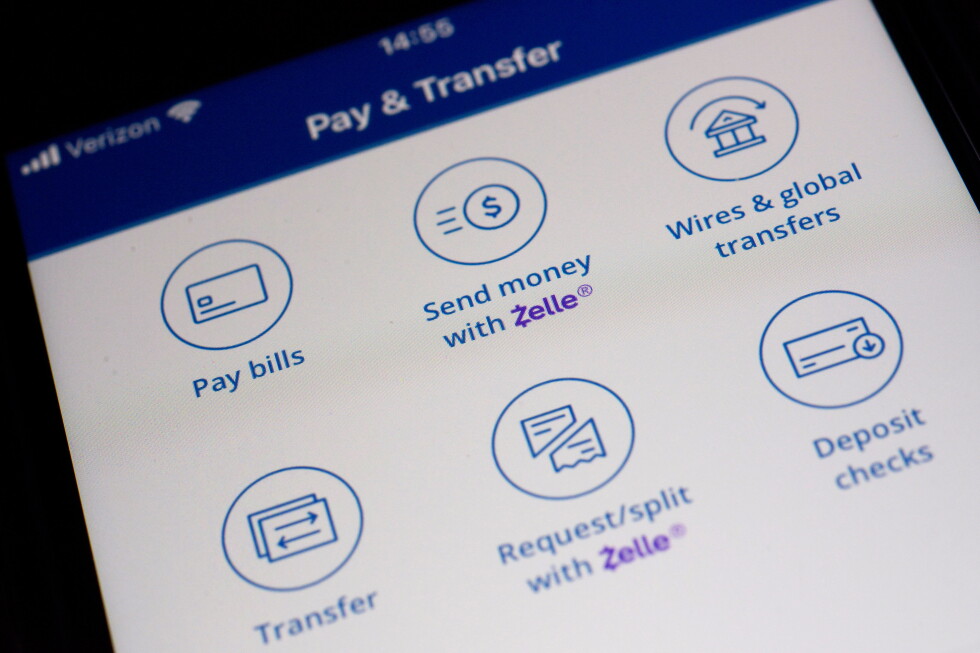
Nearly a decade after its domestic launch in the United States, popular peer-to-peer bank transfer platform Zelle is set to break into its first overseas market, announcing plans to launch in India by the end of 2025, parent network operator Early Warning Services (EWS) confirmed last week in a press statement from New York.
EWS leaders framed India as the logical first stepping stone for Zelle’s global rollout, pointing to deep cross-border financial ties between the South Asian nation and the U.S. Data from the Reserve Bank of India shows that nearly one-third of all annual remittances received by Indian households originate from American-based senders, a huge existing market that Zelle aims to serve more efficiently and affordably than existing options. The company also confirmed that the India launch is just the first phase of its broader global growth strategy, with additional international market entries planned for the coming years.
To support this cross-border expansion, EWS announced a parallel new initiative: the development of ZelleUSD, a U.S. dollar-pegged stablecoin that will act as the foundational financial infrastructure for the platform’s global operations. Stablecoins are cryptocurrencies tied to the value of a fiat currency, in this case the U.S. dollar, that reduce the volatility common to other digital assets and streamline cross-border transaction settlement.
Since its launch nine years ago, Zelle has rapidly become one of the most widely used domestic money transfer tools in the U.S., allowing consumers and small business owners to send and receive funds directly from linked bank accounts in real time, often with no additional fees. EWS reports that total transaction volume on the platform hit $1.2 trillion in 2025, cementing its position as a major player in the U.S. fintech ecosystem.
However, Zelle’s growth story has been marred by persistent controversy around weak fraud protections and a rising tide of unauthorized transfers. For years, the platform faced growing regulatory scrutiny over these issues, culminating in a high-profile lawsuit filed by the Consumer Financial Protection Bureau (CFPB) in December 2024. That case was ultimately dismissed with prejudice in March 2025, after a leadership shift at the CFPB following the change in U.S. presidential administration, which saw the new leadership drop a wide range of enforcement actions against financial institutions.
The regulatory pressure on Zelle has not disappeared entirely. A separate lawsuit with nearly identical fraud and consumer protection allegations, brought by New York Attorney General Letitia James, remains active and is currently proceeding through the New York state court system. The outcome of that case could still have significant implications for the platform’s domestic operations and future expansion plans.
EWS, the entity that oversees the Zelle network, is a jointly owned venture backed by seven of the largest banking institutions in the United States, including industry giants JPMorgan Chase, Bank of America, and Wells Fargo.