作者: admin

  • One of World Cup’s great stories – can Cape Verde become legends?

    One of World Cup’s great stories – can Cape Verde become legends?

    Against all pre-tournament expectations, the tiny Atlantic island nation of Cape Verde is writing one of the most memorable underdog stories in modern World Cup history, sitting just one result away from advancing to the knockout stage on their tournament debut after a thrilling 2-2 draw with two-time world champions Uruguay.

    The Blue Sharks, ranked 63rd in the FIFA world rankings, already sent shockwaves through global football earlier in the group stage when they held 65 places higher-ranked Spain to a stalemate. On Sunday, they replicated and even built on that performance to earn a hard-fought point against a Uruguayan side long established as World Cup stalwarts, cementing their reputation as the most entertaining surprise package of the 2026 expanded tournament.

    With a total population of just under 525,000 spread across 10 Atlantic islands according to World Bank data, Cape Verde has punched far above its weight against two of the most experienced sides in the competition. Unlike the Spain draw, where goalkeeper Vozinha emerged as an unlikely social media sensation (growing from 40,000 pre-tournament Instagram followers to more than 15 million after his heroics), this time the Blue Sharks’ defensive organization limited Uruguay to only two shots on target, and the match-winning contributions came from the attacking end. Notably, Vozinha was able to share the moment with his mother, who could not attend the Spain match due to prohibitive U.S. visa costs but was present in Miami to watch her son’s side hold the South American giants.

    From the opening whistle, Cape Verde adopted a bold, attack-minded game plan, constantly pushing the ball upfield to put Uruguay under sustained pressure, leaving the tournament heavyweights reeling against the debutants’ energetic, free-flowing play. The first history-making moment came in the first half, when Kevin Pina stepped up to take a 30-yard free kick. Uruguay’s defensive wall jumped to block the effort, but split open unexpectedly, allowing Pina’s well-struck shot to arrow through the gap and beat keeper Fernando Muslera for Cape Verde’s first ever World Cup goal. Back in the nation’s capital Praia, the strike sparked wild celebrations among fans who had already dared to dream after the Spain draw.

    Written off by almost all pundits before kickoff – including former Wales defender Ashley Williams and former South Africa striker Benni McCarthy, who both predicted a Uruguay win on BBC One – Cape Verde refused to conform to expectations. After Uruguay fought back to take the lead, Helio Varela capitalized on a defensive mistake to produce a clinical finish, rounding a stranded Muslera with a deft touch before slotting the ball into an empty net to equalize. In the second half, Cape Verde combined the steely defensive resilience that earned them a point against Spain with continued attacking threat, pushing hard for a winning goal that would have delivered an even bigger upset. They ended the match with 12 total shots, four on target – double Uruguay’s tally, with 10 of those chances coming in the second half as they chased victory.

    The stunning back-to-back performances have already won over neutral fans and pundits alike. McCarthy told BBC One after the match that he had “a new lease of respect” for Cape Verde, praising their bravery and sensational play: “They really came out to play. I think they’ve won a lot of people’s hearts after this performance.” Williams called it the “most entertaining” game he had covered at the 2026 World Cup so far, adding: “Even at the end, they wanted the win – and that’s against Uruguay.” Former England forward Sue Smith described the display as “outstanding from Cape Verde yet again”, noting that “the story of this team keeps going.” Former Scotland forward James McFadden highlighted the side’s joy as a key part of their appeal: “The biggest thing for me is how much Cape Verde are enjoying themselves. It’s been a joy to watch.”

    The result leaves Cape Verde third in Group H, level on two points with Uruguay, entering their final group stage match against Saudi Arabia. Under the new expanded World Cup format, the Blue Sharks have a clear path to the knockout stage: three points from Saturday’s fixture will be enough to seal progression, and pundits including McCarthy believe the underdogs are well positioned to pull off the win. Only two teams ranked lower than Cape Verde’s current 63rd place have ever advanced to the World Cup knockout stage before: 74th-ranked Nigeria in 1998 and 70th-ranked Russia in 2018. If Cape Verde can beat Saudi Arabia, they will not only make their own tournament history, but cap off one of the most remarkable underdog runs the World Cup has ever seen. Cape Verde are also the first World Cup debutants to remain unbeaten through their first two group games since Senegal’s iconic run in 2002, putting them in elite underdog company already. As Williams put it: “They’ll be going into the Saudi Arabia game with their tails up thinking ‘we can qualify here.’” Speaking from a U.S. fan park, one Cape Verde fan summed up the mood surrounding the team: “everybody doubted us, everybody thought we weren’t going to make it. We’re here now.”

  • Ardie Savea picked as captain; 4 new caps in Dave Rennie’s 1st All Blacks squad of 2026

    Ardie Savea picked as captain; 4 new caps in Dave Rennie’s 1st All Blacks squad of 2026

    WELLINGTON, New Zealand – In his first major selection as head coach of the All Blacks, Dave Rennie has built a future-focused 34-man squad for July’s Nations Championship test matches against France, Italy and Ireland, appointing Japan-based star Ardie Savea as the team’s new permanent captain.

    Savea steps into the leadership role vacated by lock Scott Barrett, who is sidelined from the upcoming series with a back injury. Even if fit, Barrett would likely have given up the captaincy under Rennie’s new coaching regime, which prioritizes long-term team building. Barrett took over the captaincy in 2024 under former head coach Scott Robertson, leading the side through 11 test matches throughout his tenure. Savea, who currently plies his trade with Japan’s Kobe Steelers, is no stranger to leading the All Blacks: he has already stepped in as stand-in captain for 13 tests in previous fixtures when Barrett was unavailable, earning the respect of teammates and coaching staff for his leadership on and off the pitch.

    Announced publicly on Monday by New Zealand Rugby chairman David Kirk, the squad features four uncapped first-time All Blacks, three of whom hail from this year’s Super Rugby champion Hurricanes franchise. Prop Xavier Numia, wingers Josh Moorby and Fehi Fineanganofo all earn their first call-ups, joined by Germany-born backrower Anton Segner of the Auckland-based Blues.

    Segner’s path to the All Blacks is an unconventional one. After representing Germany at the under-16 level, he earned a six-month scholarship to Nelson College in New Zealand, where he quickly impressed enough to stay. He went on to captain the school’s top first XV side, represented the Christchurch Crusaders at age-group level, and earned a spot with the Tasman Makos in New Zealand’s domestic National Provincial Championship before signing with the Blues in 2021. Along the way, he represented New Zealand at both the secondary school and under-20 international levels, becoming eligible to wear the black jersey at the senior test level.

    The Hurricanes’ dominant Super Rugby run is heavily reflected in Rennie’s selection, with 11 players from the champion franchise earning call-ups. The team’s standout playmaker Ruben Love, who was named Player of the Match in Saturday’s Super Rugby final, will compete for the starting flyhalf (No. 10) position alongside established veterans Damian McKenzie and Beauden Barrett. Four Hurricanes front-row players – Numia, hooker Asafo Aumua, and props Pasilio Tosi and Tyrel Lomax – give the franchise significant influence over the All Blacks’ starting tight five, while veteran hooker Codie Taylor retained his spot in the squad despite a underwhelming Super Rugby season this year.

    At 35, Beauden Barrett was included in the squad despite only holding an outside chance of making the 2027 Rugby World Cup roster, a decision that rewards his veteran experience in the program. At scrumhalf, Cam Roigard and Cortez Ratima made the cut, along with Kyle Preston, who was selected over his Crusaders teammate Noah Hotham. Veteran midfielder Anton Lienert-Brown returns from his club stint in Japan to join Jordie Barrett, Billy Proctor and Quinn Tupaea as available center options. For Fineanganofo, the call-up comes after a record-breaking Super Rugby season that saw him score 17 tries, the most in the competition this year. He is set to join England’s Newcastle Falcons at the end of 2025.

    Rennie, who assembled the squad alongside assistant coach Neil Barnes and former World Cup-winning All Blacks head coach Graeme Henry, emphasized that the selection aligns with the team’s new playing identity for the 2025 campaign. The side will prioritize a combination of high-tempo attacking rugby and uncompromising physicality, he said.

    “This group has the ability to not only rise to the intense demands of international test rugby, but also play with optimism and brutality,” Rennie said in a statement following the announcement. “We look forward to gathering as a group on Wednesday to begin preparations for three massive tests against France, Italy and Ireland.”

    He extended special congratulations to the four uncapped rookies, noting that all earned their spots through standout domestic campaigns. “Special congratulations must go to our four uncapped players. These men have each had an outstanding Super Rugby season and fully deserve their place in the squad,” Rennie said. “It will be a massively proud time for their families, friends and team mates.”

    Of new captain Savea, Rennie added: “Congratulations also to our new All Blacks captain, Ardie Savea, who we know will do an outstanding job of leading this team on and off-field. Ardie is highly respected by his teammates and cares deeply about the black jersey.”

    The All Blacks’ Nations Championship campaign kicks off at Christchurch against France on July 4, before moving to Wellington for a test against Italy on July 11, and wrapping up in Auckland against Ireland on July 18.

  • After Trump inspects Reflecting Pool, he says repair work will begin ‘immediately’

    After Trump inspects Reflecting Pool, he says repair work will begin ‘immediately’

    As the United States prepares to mark its 250th Independence Day celebration, the iconic National Mall Reflecting Pool has become the center of a growing political and public controversy, with President Donald Trump announcing urgent corrective action just weeks ahead of the national holiday.

    In a post to his Truth Social platform Sunday, President Trump confirmed he had personally assessed the condition of the 100-year-old landmark from the air as his helicopter returned to the White House from the Camp David presidential retreat in Maryland. He stated that immediate repair work would get underway to address the damage and ongoing water issues plaguing the site. “I just inspected it, and could only say to myself, and those gathered around me, WOW, who would do such a thing? SICK, DERANGED PEOPLE!” Trump wrote in the post.

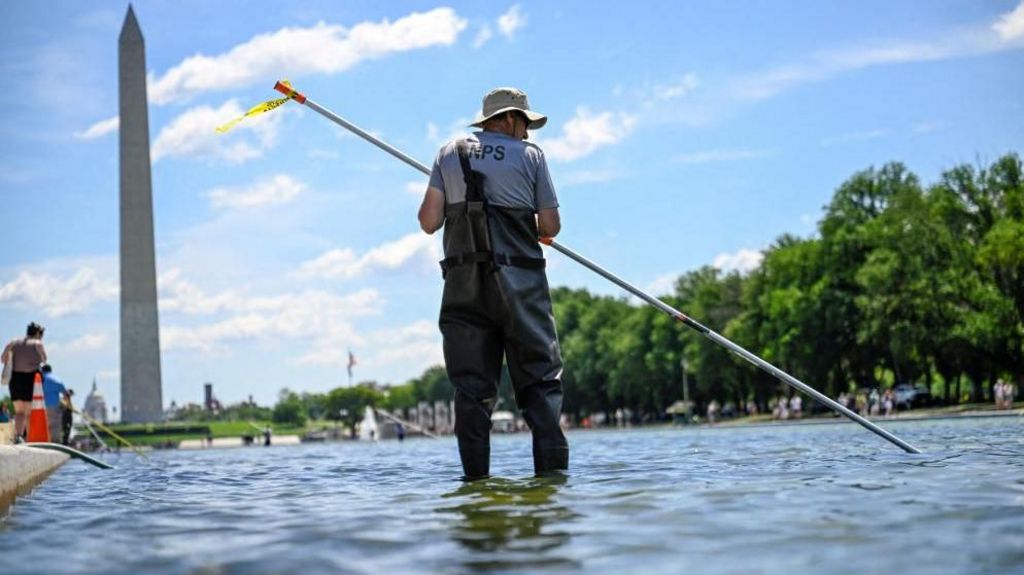
    The Reflecting Pool, completed in 1922 and stretching more than 2,000 feet between the Lincoln Memorial and Washington Monument, recently completed a $13 million full renovation project that included draining the pool and applying a fresh coat of blue epoxy paint to its basin. But just weeks after the project wrapped, the site has faced two overlapping crises: widespread reports of new paint peeling from the pool floor, and a thick algal bloom that has turned the once-clear blue water a vivid, unappealing shade of green. Trump has claimed that vandals deliberately damaged the new paint job ahead of the July 4 national celebration, alleging one perpetrator used a blade to cut a 250-foot gash into the pool’s coated facade.

    Washington DC’s US Attorney Jeanine Pirro has pledged aggressive legal action against anyone linked to the vandalism. “Anyone who is in a position of vandalising or attempting to vandalise will face the criminal justice system in DC,” Pirro told Fox News in an interview Sunday. A senior anonymous Trump administration official confirmed to CBS, the BBC’s US distribution partner, that five suspects were arrested on vandalism charges Saturday night, with five more issued police citations, and a total of 14 separate police reports filed over damage incidents. US Park Police, the federal agency responsible for patrolling National Mall monuments, has not responded to a BBC request to confirm these arrest numbers.

    The case has already drawn public scrutiny after police arrested former Olympic canoeing champion David “Davey” Hearn on vandalism charges Friday. Hearn has denied all wrongdoing in an interview with the BBC, insisting he only touched already peeling paint and did not cause any damage to the pool. “I didn’t destroy, rip, tear, peel, or remove any part of the paint,” Hearn said Saturday. “The condition of any part of the reflecting pool didn’t change. It wasn’t affected. It was the same before I got there as when I walked away.” He called his arrest an “arbitrary, capricious prosecution.”

    For the algal bloom turning the pool green, officials have already deployed chemical treatments including hydrogen peroxide to reduce the growth, and officials are now considering draining and refilling the pool for a second time this month to resolve the issue. The algal problem is not unprecedented: the Reflecting Pool has dealt with chronic leaks, structural aging, pipe failure, excess bird waste and recurring algal growth for decades, even prior to this year’s renovation.

    Over the weekend, a news photographer spotted a dead duckling floating in the pool’s water, though there is no confirmation yet of how the animal died or if its death is linked to chemical treatments or other repair work. Rosalina Stancheva Christova, an aquatic ecology professor at George Mason University who studies algal growth, collected a water sample from the pool June 16 and identified the dominant algae species as Desmodesmus, a common genus that she confirmed is “absolutely harmless” to humans and animals. Still, Christova warned that the site carries ongoing risk: visiting wild birds could introduce other algal species that host harmful bacteria, and the aquatic ecosystem of the man-made pool shifts rapidly. “These ecosystems are very dynamic, and the algal composition is changing really quickly,” she said, noting that the pool requires constant monitoring “to know which organisms are living there.”

  • Largest ever cocaine bust in Australia after police raid underground bunker

    Largest ever cocaine bust in Australia after police raid underground bunker

    In a landmark crackdown on transnational organized drug trafficking, the Australian Federal Police (AFP) have seized 2.7 tonnes of cocaine from a covert underground bunker network in Sydney’s west — marking the largest single cocaine bust in the nation’s history. The massive haul, which has an estimated street value of A$816 million (equivalent to £433 million or €500 million), was discovered on Friday at a rural property in Londonderry. Investigators found the narcotics hidden in custom-built underground bunkers, cleverly concealed under false flooring installed inside three large shipping containers on the site.

    Two men, aged 21 and 25, were taken into custody at the property immediately after the raid. Authorities say the pair attempted to evade arrest by fleeing from law enforcement officers as they moved in to execute the search warrant. Both suspects have been formally charged with possession of a commercial quantity of unlawfully imported border-controlled drugs. They appeared before a local court on Saturday, where they were remanded into custody. If convicted on the charges, the two men face a maximum sentence of life imprisonment.

    According to AFP briefings, the seizure is the result of an ongoing coordinated investigation codenamed Operation Minjiang, which was launched back in May. The operation was triggered after 40kg of cocaine was found adrift in waters near a boat ramp in the small coastal town of Midge Point, North Queensland. Investigative tracking from that initial discovery linked the discarded drugs to the larger smuggling syndicate operating across Queensland and New South Wales.

    Last week, law enforcement announced that six additional people across Queensland and New South Wales had already been arrested and charged in connection with the conspiracy. On an international level, an alleged “mother vessel” believed to have been used to transport the cocaine shipment as part of the smuggling plot has also been detained by authorities in the Solomon Islands.

    AFP Commander Stephen Jay emphasized in a statement that the foiled plot lays bare the sophisticated operation of transnational criminal groups targeting Australia. “This alleged plot demonstrates how highly organised and determined these criminal networks are, and the extreme lengths they are willing to go to in pursuit of profit,” Jay said. He confirmed that inquiries into the exact origin of the cocaine shipment remain active and ongoing. “We will continue to work closely with our international and domestic law enforcement partners to identify all members of the criminal syndicates and any other parties involved in facilitating this alleged attempted drug import,” he added.

  • Russian troop build-up threatens city seen as key to seizing Ukraine’s Donbas

    Russian troop build-up threatens city seen as key to seizing Ukraine’s Donbas

    The battle for Kostyantynivka, a strategically critical hub in eastern Ukraine’s Donbas region, has entered a tense new phase as Russian infiltration advances and Ukrainian officials offer conflicting accounts of control on the ground. This fight carries major stakes for Moscow’s long-stated war goal of fully seizing the entire Donbas, as the city acts as a key gateway to Ukraine’s final major eastern strongholds of Kramatorsk and Sloviansk. If Kostyantynivka falls, Russian forces would open a clear path to push deeper into remaining Ukrainian-held territory in the region.

    Accounts from frontline personnel and official sources paint a starkly different picture of the current situation. Senior Ukrainian commander Brigadier General Oleksandr Bakulin, whose 19th Corps oversees defense of Kostyantynivka and surrounding areas, has publicly insisted that “the situation remains under control” and that Russian forces have not secured any lasting gains. He did, however, acknowledge that roughly 130 Russian troops are currently operating within the city’s boundaries. This official stance contradicts claims from Russia’s defense ministry, which says its troops are rapidly progressing in the city’s southwestern sector, have already encircled key Ukrainian military contingents, and released on-the-ground footage to back up their assertions.

    Anonymous Ukrainian frontline officers who spoke to the BBC have painted a far grimmer picture than Kyiv’s public narrative, confirming that the city now functions largely as a contested “grey zone” where no single side exercises full control. Russian troops have advanced from the south and been spotted as far north as the city’s outskirts, sneaking into rear areas of Ukrainian positions that are extremely hard to dislodge amid dense urban terrain. The summer growing season has added to defensive challenges: thick tree cover provides extra concealment for advancing Russian troops, allowing them to move into areas that would normally be classified as a Ukrainian drone “kill zone” where any open movement is quickly targeted.

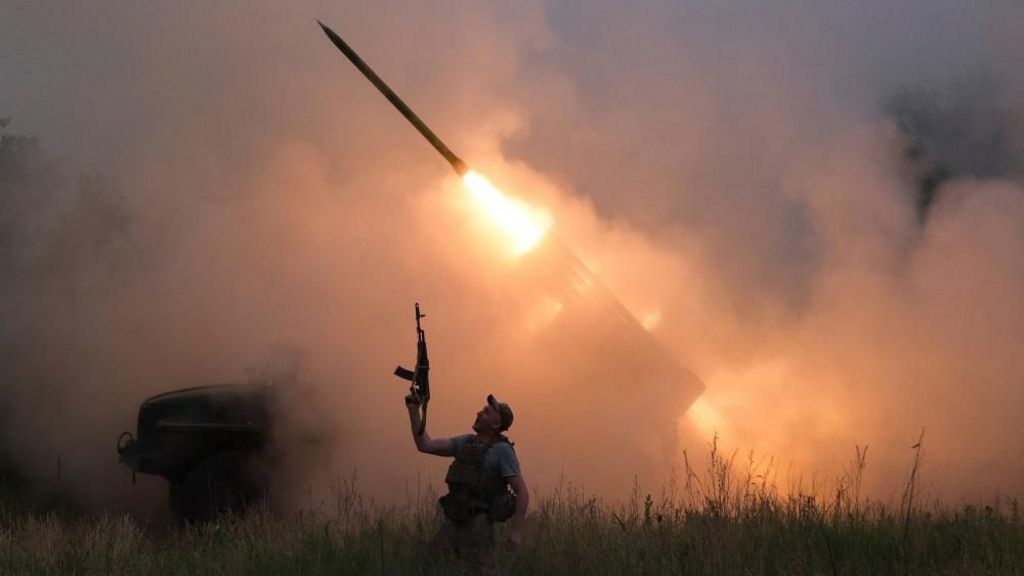
    Russian forces have adapted their tactics to counter Ukraine’s surveillance and strike advantage via drones, putting a new priority on eliminating Ukrainian drone launch sites to clear a path for infantry assaults. Unlike Ukraine, which relies on drones to directly target Russian infantry, Russian forces use heavy artillery, multiple rocket launchers and military aviation to strike Ukrainian positions, leaving drone units to focus on hunting Ukrainian drone operators. Frontline Ukrainian drone pilots report that limited personnel and resource shortages leave them unable to target enemy drone crews at scale. This gap has allowed Russian drone operations to continue unimpeded, forcing Ukrainian units to cede ground incrementally. “Since we devote little time to [searching and targeting] enemy pilots, they can freely operate, detect our positions and we are forced to roll back. This is how the frontline moves,” one anonymous Ukrainian drone pilot explained.

    While Russian progress has been slow, often limited to just 100 meters of advance per day as troops fight building by building, the tactical approach mirrors the strategy that allowed Russia to capture Pokrovsk and other major eastern Ukrainian cities: advancing along the city’s flanks to encircle it and cut off Ukrainian supply routes. In recent days, Russian defense officials have announced the capture of several small villages west of Kostyantynivka, moves that bring Moscow closer to fully cutting off resupply for Ukrainian troops inside the city. Ukrainian frontline monitors DeepState has warned that the city’s fall is “a matter of time,” and its capture will make holding Kramatorsk “extremely dangerous” by complicating Ukrainian logistical operations across the region.

    Supply shortages and a lack of reinforcements have compounded Ukrainian defensive challenges. Delivering ammunition and personnel to frontline units has become extraordinarily difficult, as land routes are constantly targeted and large logistics drones are regularly intercepted by Russian forces. Multiple frontline soldiers report that their units have not received enough reinforcements to replace combat losses, and that senior commanders downplay lost positions to avoid orders to retake ground that is already untenable. “We don’t have enough people to hold on to what we still control, let alone organise assaults,” one soldier told the BBC.

    The fight for Kostyantynivka comes amid a broader stalemate along most of Ukraine’s frontline, with Kyiv claiming it has recaptured more territory this year than it has lost, while its long-range strikes on Russian supply lines and energy infrastructure have created major disruptions deep behind enemy lines. Recently, Russian-installed authorities in occupied Crimea were forced to suspend public fuel sales amid widespread shortages caused by Ukrainian strikes on supply routes. Kyiv’s repeated attacks on oil refineries in Moscow, St. Petersburg and other Russian cities have also sought to bring the reality of the war to Russian civilians far from the front. Observers note that Russia’s push to rapidly capture Kostyantynivka is partly intended to shift domestic and international attention away from these Ukrainian successes and the resulting fuel disruptions.

    Even as Ukrainian forces face mounting pressure, frontline troops say they continue to hold parts of the city. One drone pilot emphasized that defensive outcomes can still change if Ukrainian command adjusts its approach: “But unless we change our approach and start destroying their logistics and targeting their pilots, they will continue advancing.”

  • Cape Verde fan goes wild live on BBC News as his country scores

    Cape Verde fan goes wild live on BBC News as his country scores

    In a moment of unscripted, raw sports joy that has captured global attention, a Cape Verde football fan’s euphoric reaction went viral during a live BBC News interview amid the 2026 FIFA World Cup. The encounter unfolded when BBC reporter Paul Njie was mid-conversation with the supporter, who had traveled to support his underdog national side in their group stage match against Uruguay. Just as the interview was underway, Cape Verde netted their first ever goal in World Cup history – a milestone that had been decades in the making for the small island nation. The fan immediately abandoned any composure, erupting into wild celebration, yelling and jumping in a moment of unfiltered elation that quickly spread across social media platforms. The clip, published six hours ago by the BBC’s World Cup section, has already racked up hundreds of interactions, with fans around the world celebrating the historic moment for Cape Verde alongside the elated supporter. Note that full video access is currently restricted to users located within the United Kingdom.

  • Rory McIlroy’s rough weekend keeps him from contending at the US Open

    Rory McIlroy’s rough weekend keeps him from contending at the US Open

    SOUTHAMPTON, N.Y. — The 2025 U.S. Open at Shinnecock Hills Golf Club delivered a weekend of surprising results, dramatic upsets and historic firsts for the global golf community, as top-ranked stars and rising amateur talents turned in performances that will be remembered for years to come. Six-time major champion Rory McIlroy, the winner of this U.S. Open title 15 years ago, outlasted many of his fellow past major champions this week — but a series of inconsistent rounds kept him far from contention for a second win at the event.

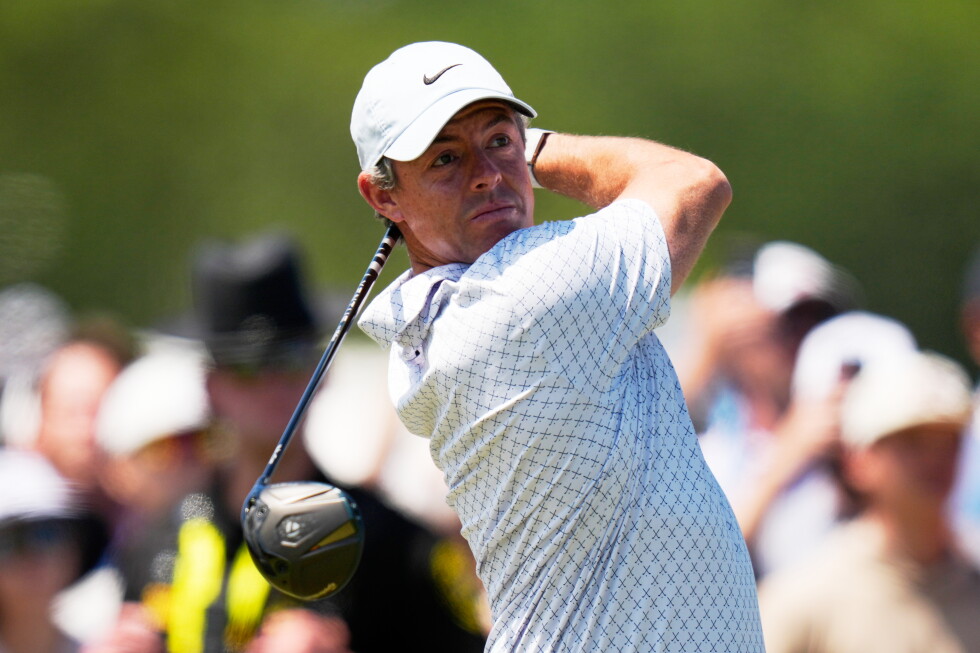
    Bryson DeChambeau, Brooks Koepka, Jon Rahm and J.J. Spaun, all previous U.S. Open champions, failed to make the cut after struggling through the opening two rounds. McIlroy advanced to the weekend, but two consecutive rounds of 73 on Saturday and Sunday left him at 6 over par for the tournament, tying for 32nd place overall. Reflecting on his performance after the final round, McIlroy pointed to a collapse on the back nine of Saturday’s third round as the turning point that ended his title hopes. After climbing to 2 under par early in the round, “The wheels came off,” McIlroy said. “I sort of shot myself out of the tournament then.”

    Looking ahead to the 2025 British Open in July, the 37-year-old Northern Irish star, who won the Claret Jug in 2014 and has finished close to a second victory multiple times in recent years, announced he will skip the PGA Tour’s Travelers Championship scheduled next week in Hartford, Connecticut, to pursue a unique preparation plan. Instead of competing on the Tour’s regular course, McIlroy will head to the United Kingdom to play links golf in his home region ahead of the year’s third major. “It’s my favorite time of the year to go back home and play, play the Open, and I get to spend a bit of time back there,” he said. McIlroy also noted that the firm, fast playing conditions Shinnecock Hills presented over the weekend provided valuable preparation for links-style golf, adding, “This was not too dissimilar to an Open Championship in terms of how the golf course started to play over the weekend.”

    Beyond McIlroy’s underwhelming finish, the tournament featured a breakthrough performance from 22-year-old South Korean star Tom Kim, who matched a historic national achievement at the event. Kim fired a 2-under final round of 70 to finish at 1 under par overall, securing third place. That result ties the best ever finish by a South Korean player at the U.S. Open, a mark previously set by Y.E. Yang, who tied for third at the 2011 U.S. Open at Congressional Country Club in Bethesda, Maryland. As a top-four finisher, Kim automatically locked in his qualification for the 2026 U.S. Open at Pebble Beach and next year’s Masters Tournament, and the young qualifier called the week a transformative experience for his career. “For the first time, I was able to really taste a major championship right in front of my fingertips,” Kim said. “I can go back this whole week and just see how close I actually am.”

    One of the most historic storylines of the weekend came from 21-year-old amateur standout Jackson Koivun, who capped off his amateur career with a record-breaking finish before turning pro. Koivun birdied his 18th hole to card a 2-under 68 on Sunday, making him the first amateur ever to break 70 in the final round of a U.S. Open held at Shinnecock Hills. He finished the tournament at 5 over par, tying Oklahoma amateur Ryder Cowan for low amateur honors — marking the first time the award has been shared at the U.S. Open since 2018.

    Koivun, who led Auburn University to two national collegiate championships in three seasons, has one of the most decorated amateur careers in modern golf. He became the first freshman since Justin Thomas in 2012 to win the Haskins Award, given to the top men’s collegiate golfer in the U.S., and claimed the Southeastern Conference individual title all three of his college seasons, spending months as the world’s top-ranked amateur. Earlier this month, he announced he would skip his senior season, having already earned enough points through the PGA Tour University Accelerated program to secure his PGA Tour membership. He will make his professional debut at the upcoming John Deere Classic. After finishing his final round, Koivun said he was proud to end his amateur run on a high note. “Shinnecock was so much fun this weekend,” he said. “Just happy to walk away with a birdie on the last hole, but the golf course is so good, so much fun. A lot of thinking to do, and can definitely mentally wear you down. But just happy to be able to say I went out there and tried my hardest.”

    Asked if he could now consider himself a professional after signing his final amateur scorecard, Koivun joked, “Not sure, but yeah, that’s a good way to go out. We’re on to the next leagues now.”

    The tournament also delivered a heartwarming family storyline for English golf fans, as brothers Alex and Matt Fitzpatrick teed off within minutes of each other on Sunday. Both brothers carded final rounds of 73, with older brother Matt finishing 22nd at 4 over par, and Alex tying for 23rd at 5 over par alongside eight other competitors.

  • BTS fans desperate to catch comeback tour lose more than $100,000 to scammers

    BTS fans desperate to catch comeback tour lose more than $100,000 to scammers

    After three years of pandemic-induced hiatus, global K-pop supergroup BTS has launched a massive 88-date reunion world tour that has sparked unprecedented fan excitement — and a tidal wave of targeted ticket scams that have left hundreds of devotees across Southeast Asia out of pocket and heartbroken.

    The tour, which launched in April and will run through 2027 across 34 cities, marks the first time the seven-member band has scheduled multiple shows in five Southeast Asian nations: Indonesia, Malaysia, the Philippines, Singapore and Thailand. With 15 of the total tour stops hosted in the region, demand for tickets has hit extraordinary levels: industry insiders confirm that the number of fans seeking entry outstrips available seats by a factor of 15, prompting organizers to add extra dates in high-demand locations including Jakarta and the Philippines’ Bulacan just to keep up.

    For long-time fans — who call themselves the BTS Army — the tour represents a once-in-a-lifetime chance to see the group perform together again after years of planned solo projects and pandemic disruptions. That desperation has opened the door for widespread fraud, with total reported losses across Southeast Asia already topping $100,000, according to regional law enforcement data.

    Take 26-year-old Indonesian fan Vevee, a logistics worker who had waited more than a decade to see her favorite group perform in her home city of Jakarta. When tickets for the first Jakarta stop went on sale in June, she took the day off work, camped in front of her computer for hours waiting in the Ticketmaster queue, only to be told all seats had sold out when her turn finally arrived. After multiple failed attempts on the official platform, she turned to a ticket reseller she found on X, paying $1,200 — the equivalent of two months of her full salary — for four VIP tickets. Within hours of transferring the money, the seller had vanished without a trace.

    “Right after I sent the money, they ghosted me. It’s horrible. I am so sad and heartbroken,” Vevee told reporters. She admitted that panic had gotten the better of her: “I was about to go into a meeting at work and was so terrified that someone else would grab the tickets. I just wanted to transfer the money quickly to lock them in. If I had just taken a moment to calm down, I might have spotted the red flags.”

    Vevee’s story is far from unique across the region. In Singapore, police have recorded at least 62 complaints of BTS ticket fraud since June 1, with total losses exceeding S$68,000 ($51,000). Local e-commerce platform Carousell has even responded by implementing a full ban on ticket reselling that will remain in place through BTS’s final Singapore show in December. Malaysian authorities have received 28 formal fraud reports, with investigators currently working to trace the mule bank accounts used by scammers to launder stolen funds.

    In Thailand, 126 defrauded fans have brought their collective complaint to national lawmakers, after a prominent X account promised to secure premium seats for fans for a fee, then disappeared shortly before the official ticket sale. Juraluk Kunaruk, a 23-year-old fan who lost 25,000 baht ($760) to the scam, told reporters the account appeared entirely legitimate, boasting thousands of followers and positive reviews from other users. “They have many reviews and followers so they looked reliable. The prices were reasonable too,” she explained. Since falling victim, Juraluk has traveled repeatedly from her hometown to Bangkok to lobby parliament for action, and though MPs have promised to push for fund recovery, she has not given up on seeing the tour: “I still want to go because I don’t know when I will get another chance to see them.”

    Scammers have adapted their tactics to exploit fan loyalty, infiltrating private online fan groups to build trust before offering fake exclusive access or below-market prices. Many fraudsters even go so far as to share fake power of attorney forms to convince targets their tickets are legitimate, a ruse that has worked on even seasoned fans. In the Philippines, 30-year-old customer service worker Cookie thought she had vetted her reseller thoroughly: she checked the seller’s Facebook profile, cross-referenced their education and background, and believed she had avoided common scams. Still, within days of paying, she was blocked and left ticketless. “I feel ashamed. I didn’t even tell my family or my closest friends what happened,” she said. “I don’t want to be judged or hear them say ‘you’re dumb’. It was a desperate move since I really wanted to be there.”

    This wave of fraud connected to a massively popular high-demand tour echoes similar issues seen during Taylor Swift’s record-breaking Eras Tour, which also saw widespread ticket scalping and fraud. Fans have called on tour promoter Live Nation and its subsidiary Ticketmaster, which manages ticketing for most BTS tour dates, to implement stronger protections against scams. In response, Ticketmaster says it has ramped up anti-fraud and anti-scalping measures, deploying new AI tools to block bot activity and implementing stricter verification rules. All tickets are now linked directly to the buyer’s email address, and holders of unofficially resold tickets may be turned away at the venue gate. A company spokeswoman urged fans to only purchase tickets through official channels, noting that “the artist’s website will always be able to point fans in the right direction.”

    Despite the risks, many fans are willing to go to extraordinary lengths to secure entry. In Jakarta, some devotees have rented high-speed internet cafe computers for a full week ahead of ticket sales, and even rent premium smartphones just to improve their odds of beating the digital queue. “In Indonesia, we aren’t just fighting the ticket war,” Vevee said. “We fight to secure the best internet cafe and we even fight to rent high-end phones. It’s a war on every front.” For many long-time fans, the stakes go far beyond a single concert: “Some of us aren’t just trying to attend a concert. We’re trying to finally see the seven people we’ve been rooting for for years,” one Filipino fan wrote on social media.

    For Vevee, that fight finally had a happy ending. After her earlier scam, she tried again for tickets to the newly added third Jakarta show, which falls on BTS member V’s birthday — making it an even more sought-after date. After a failed pre-sale, she and her friends split up across the city, each trying from different locations with separate internet connections and accounts to beat the system. This time, it worked: she finally secured the tickets she had spent years waiting for. The K-pop juggernaut and its label Hybe are projected to earn nearly $2 billion from the reunion tour across ticket sales, merchandise, streaming and licensing revenue, analysts estimate, a testament to the unwavering loyalty of the Army that has turned BTS into a global cultural phenomenon.

  • Is Germany looking again at coal-powered electricity?

    Is Germany looking again at coal-powered electricity?

    For decades, Germany has anchored its clean energy transition around a defining national policy: kohleausstieg, the planned phase-out of all coal-fired power generation. As Europe’s largest coal consumer and the fourth biggest globally, trailing only China, India, and the United States, Germany’s progress on this initiative carries global weight for climate action. Initially, Berlin pledged to fully eliminate coal from its power mix by 2038, with an accelerated target of 2030 for lignite — the high-pollution, low-grade soft coal that makes up much of the country’s domestic coal reserves. Today, coal accounts for 20% of Germany’s total electricity output, a share the country planned to shrink dramatically as it scales up wind and solar capacity; as of 2025, renewables already supply 59% of the nation’s power, meeting more than half of annual demand.

    To replace coal as a reliable baseload and backup for intermittent wind and solar output, particularly during high-demand winter months, Germany originally planned to pivot to natural gas, a fossil fuel that produces roughly half the carbon emissions of coal. Natural gas currently makes up 13% of Germany’s electricity generation. But a recent global energy shock, triggered by soaring gas prices in the wake of rising geopolitical tensions between the U.S. and Iran linked to the Israel conflict, has upended these plans. The price surge has pushed a growing number of major economies to reverse course on coal: Japan has relaxed regulatory rules to expand coal-fired plant operations, Italy has pushed back the planned closure of its remaining coal facilities from an earlier target to 2038, and India has delayed scheduled maintenance shutdowns of existing coal plants to keep output high. The question now hangs over Germany: will the country also backtrack on its landmark coal phase-out?

    The debate has been reignited by comments from Chancellor Friedrich Merz, who stated in March that “We must supply this country with electricity. I am not prepared to jeopardise the core of our industry simply because we have adopted phase-out plans that have become unrealistic.” His remarks have sparked speculation that Germany could extend coal operations, driven by two core challenges: energy supply reliability and cost. Germany holds the largest lignite reserves in Europe and the third largest in the world, giving it full energy independence for this fuel at a far lower cost than imported natural gas. By contrast, Germany relies on imports for 95% of its natural gas needs, leaving it extremely vulnerable to global price volatility. Adding another layer of complexity, Germany closed its final nuclear power plants in 2023, eliminating nuclear as an alternative low-carbon baseload option. For energy producers, the appeal of reversing course on coal is clear: LEAG, Germany’s second-largest lignite miner, has openly welcomed discussions of a reprieve for coal power, noting that it already expanded lignite output in 2022 to offset lost Russian gas imports following Moscow’s full-scale invasion of Ukraine. “We already demonstrated our ability to quickly draw on reserves to return to the market when the situation demands it,” the company said in a statement, adding that it supports the government’s renewed focus on long-term supply security.

    But environmental researchers and climate advocates argue that doubling down on coal would derail Germany’s energy transition. “More coal is not the answer,” insisted Hauke Hermann, a senior researcher at independent environmental think tank Öko Institute. Instead, Hermann argues that Germany should accelerate the expansion of renewable energy capacity to resolve supply gaps. Major industrial groups, meanwhile, are calling for clear, long-term policy certainty to support business investment. “Our industry needs reliable energy,” said Wolfgang Große Entrup, director general of the German Chemical Industry Association (VCI). “Renewable energy alone cannot yet guarantee this… Companies will only invest billions if they can trust that energy will remain reliably available at competitive prices in the future.”

    Notably, almost no mainstream political faction outside the far-right Alternative for Germany (AfD) is calling for scrapping the coal phase-out entirely. The debate instead centers on a modest compromise: extending operations for a small group of existing facilities. The proposal in question covers six coal-fired plants running on imported hard coal, a fuel with lower emissions than domestic lignite. These plants are currently only activated as backup capacity during periods of high demand, such as prolonged cold winters. Owner Steag Iqony Group has urged policymakers to allow the plants to run full-time, arguing that temporary full operation could power millions of households while strengthening supply security and lowering energy costs. A parliamentary committee established in March is currently reviewing the proposal.

    The biggest barrier to a final decision lies in Germany’s ruling grand coalition, which splits power between the center-right CDU/CSU bloc and the center-left SPD. The two parties hold starkly opposing views on extending coal operations: CDU/CSU leans toward extending capacity to protect industrial competitiveness and keep costs low, while SPD opposes any rollback of climate commitments. SPD energy spokeswoman Nina Scheer warned that loosening coal rules would be “counterproductive for the energy transition and mean new fossil lock-in effects.” On the other side, CDU deputy leader and Saxony Minister-President Michael Kretschmer argued that “Germany, as a major industrial nation, must do everything in its power to ensure that energy remains affordable. The energy transition must be completely recalculated. It should not be a matter of [original arbitrary] deadlines, but rather a matter of realistically considering security of supply and affordability.”

    The German federal government is set to make a final decision this year on whether to uphold the 2030 lignite phase-out deadline, or allow limited coal capacity to be retained as a strategic reserve for a temporary period. A statutory review of the coal phase-out, originally launched to assess whether the transition could be accelerated, is scheduled for publication in August. The review will evaluate the policy’s impact on energy supply, security, and consumer costs — and many observers now expect it to recommend slowing, rather than speeding up, Germany’s exit from coal.

  • A big moment for a tiny island nation: Cape Verde gets 1st World Cup goal

    A big moment for a tiny island nation: Cape Verde gets 1st World Cup goal

    MIAMI GARDENS, Florida — The fairy-tale debut of Cape Verde at the men’s FIFA World Cup has continued to turn heads across the global soccer community, adding another unforgettable chapter to the tiny island nation’s underdog story just one week after shocking title contender Spain.

    Fresh off a widely praised scoreless draw against one of the tournament’s most fancied sides in their opening group stage match, Cape Verde notched an early 1-0 lead over two-time World Cup champion Uruguay on Wednesday, courtesy of a blistering free-kick finish from midfielder Kevin Pina. The 21st-minute strike marked the first competitive World Cup goal in Cape Verde’s entire 70-year-plus soccer history, a watershed moment for the small Atlantic archipelago that is competing in its first-ever World Cup finals.

    The opportunity opened up after Uruguay’s midfield anchor Rodrigo Bentancur was booked with a yellow card for a foul just outside the Uruguay penalty area. Stepping up to take the set piece, Pina hit a powerful, low drive that eluded Uruguay’s diving veteran goalkeeper Fernando Muslera and found the back of the net. The goal triggered chaotic celebrations among Cape Verde’s players, who swarmed Pina in a jubilant huddle, while thousands of Cape Verde supporters in the stands broke out into deafening chants and flag-waving celebrations.

    This latest upset bid comes on the heels of Cape Verde’s stunning opening performance against Spain, where goalkeeper Vozinha put on a masterclass in shot-stopping to shut out the Spanish attacking lineup of global superstars, cementing himself as one of the breakout stars of the first round of group stage matches. Ahead of the Uruguay clash, Vozinha got an emotional personal surprise: after celebrating his team’s historic debut against Spain without his mother in the stands, she was able to attend the Sunday matchup to watch his historic performance in person.

    As one of the smallest nations ever to qualify for the World Cup finals, Cape Verde’s run of impressive results has already cemented their place as the most beloved underdog story of this year’s tournament, capturing the imagination of soccer fans around the world who are rooting for the tiny island side to continue their unlikely run.