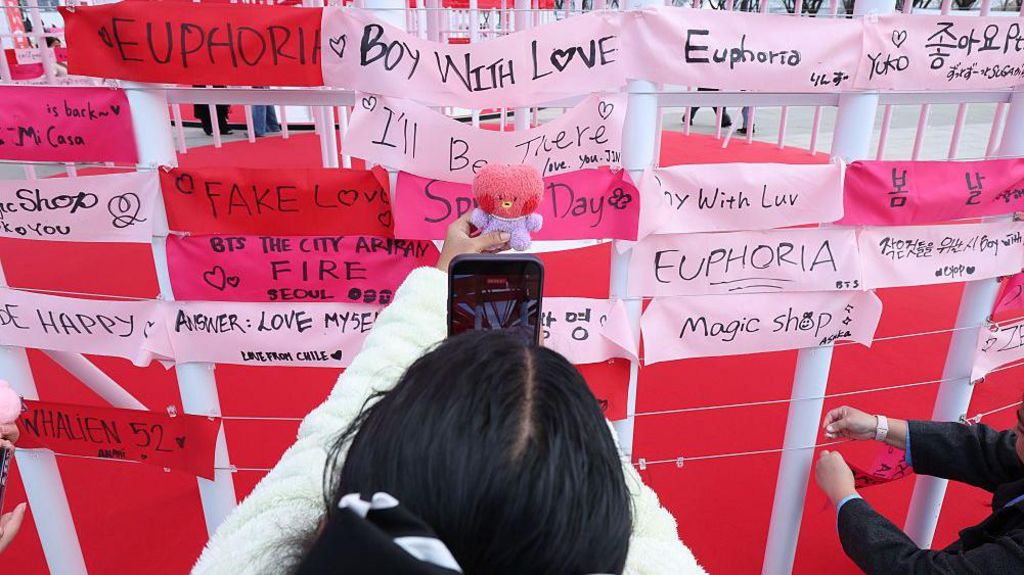
After three years of pandemic-induced hiatus, global K-pop supergroup BTS has launched a massive 88-date reunion world tour that has sparked unprecedented fan excitement — and a tidal wave of targeted ticket scams that have left hundreds of devotees across Southeast Asia out of pocket and heartbroken.
The tour, which launched in April and will run through 2027 across 34 cities, marks the first time the seven-member band has scheduled multiple shows in five Southeast Asian nations: Indonesia, Malaysia, the Philippines, Singapore and Thailand. With 15 of the total tour stops hosted in the region, demand for tickets has hit extraordinary levels: industry insiders confirm that the number of fans seeking entry outstrips available seats by a factor of 15, prompting organizers to add extra dates in high-demand locations including Jakarta and the Philippines’ Bulacan just to keep up.
For long-time fans — who call themselves the BTS Army — the tour represents a once-in-a-lifetime chance to see the group perform together again after years of planned solo projects and pandemic disruptions. That desperation has opened the door for widespread fraud, with total reported losses across Southeast Asia already topping $100,000, according to regional law enforcement data.
Take 26-year-old Indonesian fan Vevee, a logistics worker who had waited more than a decade to see her favorite group perform in her home city of Jakarta. When tickets for the first Jakarta stop went on sale in June, she took the day off work, camped in front of her computer for hours waiting in the Ticketmaster queue, only to be told all seats had sold out when her turn finally arrived. After multiple failed attempts on the official platform, she turned to a ticket reseller she found on X, paying $1,200 — the equivalent of two months of her full salary — for four VIP tickets. Within hours of transferring the money, the seller had vanished without a trace.
“Right after I sent the money, they ghosted me. It’s horrible. I am so sad and heartbroken,” Vevee told reporters. She admitted that panic had gotten the better of her: “I was about to go into a meeting at work and was so terrified that someone else would grab the tickets. I just wanted to transfer the money quickly to lock them in. If I had just taken a moment to calm down, I might have spotted the red flags.”
Vevee’s story is far from unique across the region. In Singapore, police have recorded at least 62 complaints of BTS ticket fraud since June 1, with total losses exceeding S$68,000 ($51,000). Local e-commerce platform Carousell has even responded by implementing a full ban on ticket reselling that will remain in place through BTS’s final Singapore show in December. Malaysian authorities have received 28 formal fraud reports, with investigators currently working to trace the mule bank accounts used by scammers to launder stolen funds.
In Thailand, 126 defrauded fans have brought their collective complaint to national lawmakers, after a prominent X account promised to secure premium seats for fans for a fee, then disappeared shortly before the official ticket sale. Juraluk Kunaruk, a 23-year-old fan who lost 25,000 baht ($760) to the scam, told reporters the account appeared entirely legitimate, boasting thousands of followers and positive reviews from other users. “They have many reviews and followers so they looked reliable. The prices were reasonable too,” she explained. Since falling victim, Juraluk has traveled repeatedly from her hometown to Bangkok to lobby parliament for action, and though MPs have promised to push for fund recovery, she has not given up on seeing the tour: “I still want to go because I don’t know when I will get another chance to see them.”
Scammers have adapted their tactics to exploit fan loyalty, infiltrating private online fan groups to build trust before offering fake exclusive access or below-market prices. Many fraudsters even go so far as to share fake power of attorney forms to convince targets their tickets are legitimate, a ruse that has worked on even seasoned fans. In the Philippines, 30-year-old customer service worker Cookie thought she had vetted her reseller thoroughly: she checked the seller’s Facebook profile, cross-referenced their education and background, and believed she had avoided common scams. Still, within days of paying, she was blocked and left ticketless. “I feel ashamed. I didn’t even tell my family or my closest friends what happened,” she said. “I don’t want to be judged or hear them say ‘you’re dumb’. It was a desperate move since I really wanted to be there.”
This wave of fraud connected to a massively popular high-demand tour echoes similar issues seen during Taylor Swift’s record-breaking Eras Tour, which also saw widespread ticket scalping and fraud. Fans have called on tour promoter Live Nation and its subsidiary Ticketmaster, which manages ticketing for most BTS tour dates, to implement stronger protections against scams. In response, Ticketmaster says it has ramped up anti-fraud and anti-scalping measures, deploying new AI tools to block bot activity and implementing stricter verification rules. All tickets are now linked directly to the buyer’s email address, and holders of unofficially resold tickets may be turned away at the venue gate. A company spokeswoman urged fans to only purchase tickets through official channels, noting that “the artist’s website will always be able to point fans in the right direction.”
Despite the risks, many fans are willing to go to extraordinary lengths to secure entry. In Jakarta, some devotees have rented high-speed internet cafe computers for a full week ahead of ticket sales, and even rent premium smartphones just to improve their odds of beating the digital queue. “In Indonesia, we aren’t just fighting the ticket war,” Vevee said. “We fight to secure the best internet cafe and we even fight to rent high-end phones. It’s a war on every front.” For many long-time fans, the stakes go far beyond a single concert: “Some of us aren’t just trying to attend a concert. We’re trying to finally see the seven people we’ve been rooting for for years,” one Filipino fan wrote on social media.
For Vevee, that fight finally had a happy ending. After her earlier scam, she tried again for tickets to the newly added third Jakarta show, which falls on BTS member V’s birthday — making it an even more sought-after date. After a failed pre-sale, she and her friends split up across the city, each trying from different locations with separate internet connections and accounts to beat the system. This time, it worked: she finally secured the tickets she had spent years waiting for. The K-pop juggernaut and its label Hybe are projected to earn nearly $2 billion from the reunion tour across ticket sales, merchandise, streaming and licensing revenue, analysts estimate, a testament to the unwavering loyalty of the Army that has turned BTS into a global cultural phenomenon.