作者: admin

  • Latin American, Caribbean countries launch trade platform for China

    Latin American, Caribbean countries launch trade platform for China

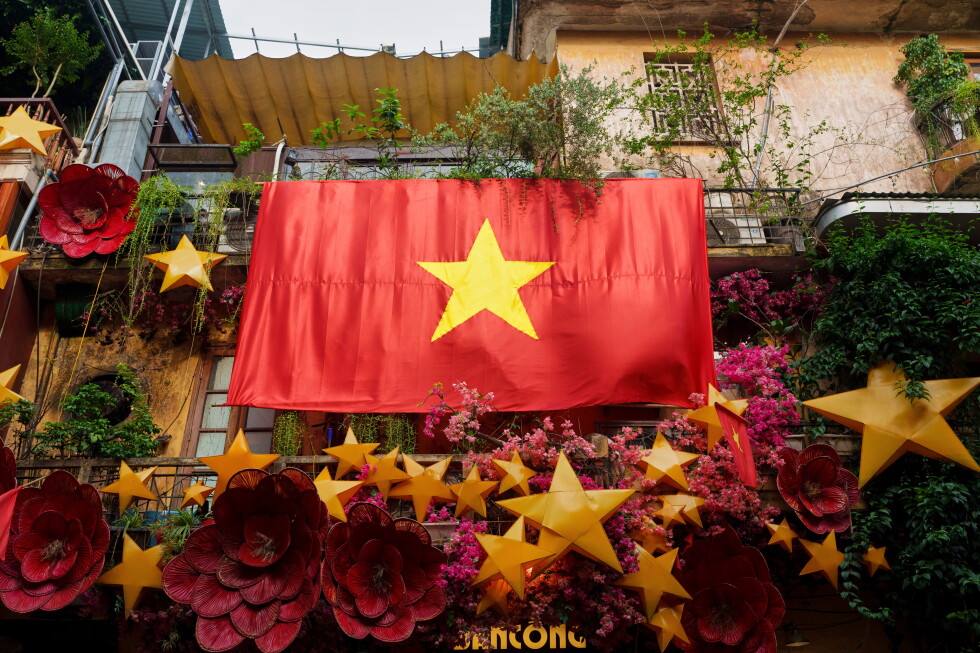
    On Friday, diplomats, business leaders, and cultural stakeholders from over 40 Latin American and Caribbean (LAC) nations gathered in Beijing to mark the official launch of the groundbreaking Latin America and Caribbean Countries Trade and Cultural Expo. Slated to run September 19 to 20, 2026 in Beijing, the event — branded LAC Day 2026 — marks the first comprehensive cross-sector platform for LAC nations hosted on Chinese soil, and is organized collectively by LAC countries’ diplomatic missions based in China.

    Regional diplomatic officials frame the new initiative as a pivotal turning point for China-LAC relations, shifting bilateral and multilateral engagement from ad-hoc exchanges to a structured, institutionalized long-term partnership. Hallam Henry, Barbados’ ambassador to China, emphasized that the expo serves far more than a commercial purpose: it acts as a transcontinental bridge connecting individuals, enterprises, and sovereign nations to nurture deeper mutual understanding and collaborative action. “This expo is not just a showcase of products and services,” Henry noted. “It is a testament to the enduring friendship and partnership between Latin America, the Caribbean and China.”

    Martin Charles, ambassador of the Dominican Republic to China and dean of the LAC diplomatic corps in China, called the initiative a historic milestone for the region’s collective engagement with Chinese markets and society. As the first event of its kind planned and executed entirely by the LAC diplomatic community in China, Charles explained that the platform embodies the region’s shared commitment to expanding connections beyond traditional trade ties, encompassing culture, tourism, and technological innovation.

    Charles outlined the complementary strengths that both sides bring to the partnership: the LAC region holds abundant natural resources, fast-growing emerging consumer markets, and a rapidly expanding community of entrepreneurial talent, while China offers unmatched access to cutting-edge advanced technologies and one of the world’s largest global trade networks. “Our goal is to build lasting partnerships and open new channels of cooperation,” Charles added.

    The upcoming expo will feature a diverse multi-track program that blends cultural exchange and commercial opportunity, including traditional cultural performances, regional food exhibitions, contemporary fashion shows, targeted business matchmaking sessions, and national branding promotion events for participating LAC nations. Organizers designed the agenda intentionally to weave cultural exchange into commercial engagement, reflecting a growing global trend of integrating soft power and trade development to build deeper, more people-centered partnerships.

    Liu Kang, president of the event’s managing organization, added that the initiative seeks to establish a larger-scale, more immersive, and more influential permanent platform for LAC countries to build visibility and connection within China. “This is not only a cultural showcase, but also a bridge of friendship, a link for cooperation and a shared vision for the future,” Liu said.

  • Tianjin event highlights China’s emphasis on career planning

    Tianjin event highlights China’s emphasis on career planning

    Against the backdrop of a projected all-time high of 12.7 million college graduates entering China’s job market this year, policymakers and educational institutions are ramping up focus on proactive career planning and better alignment between academic curricula and evolving industry needs to boost graduate employment outcomes, according to education experts and industry insiders.

    This national push for more targeted career preparation took center stage at the 3rd National College Students Career Planning Competition held recently in Tianjin, a landmark event that drew unprecedented participation: 20.55 million students from 2,833 universities across the country, a cohort that makes up nearly half of China’s total undergraduate and vocational college student population. Unlike traditional academic competitions, this event integrated structured career planning presentations with on-site job fairs and structured networking sessions connecting campus participants with corporate recruiters, giving students direct, firsthand access to potential employers and real-world insights into industry talent demands.

    Yang Ming, director of the Student Ideological Education and Management Office at the Tianjin Municipal Education Commission, emphasized that early preparation is non-negotiable for today’s job seekers. “Students need to begin exploring different industries, building hands-on practical experience, and refining their professional skill sets long before graduation to maintain a competitive edge in a tight job market,” he noted.

    Educators across the country echoed that the competition serves a dual purpose: it not only benefits students but also helps close the longstanding gap between classroom learning and workplace requirements. Qi Jiachao, an administrator from Zhejiang Textile Institute, explained that the event creates valuable feedback loops for academic institutions. “It lets educators gain a clearer, up-to-date understanding of what industries actually need from new graduates, allowing us to adjust our course content to prioritize practical, job-ready skills that align with market demand,” Qi said.

    For many participants, the competition has already had a transformative impact on their professional trajectories, helping them narrow down and solidify their long-term career goals. Zhou Meicen, a visually impaired vocational student from Guangxi Vocational Technical College, used the competition to refine her focus on developing AI-generated content tailored for children with special needs. “Through this process, I gained a far deeper understanding of current AIGC industry trends and the specific skills employers in this niche field are looking for,” Zhou said. “It has made me much more determined to build my expertise and contribute to supporting children with special needs.”

    Another participant, Zou Juan from Tongling Vocational Technical College, is combining traditional Chinese pastry-making techniques with traditional cultural elements and nutrient-dense, healthier ingredients to meet evolving modern consumer preferences, a niche business concept she refined through her competition participation.

    The growing focus on intentional career planning comes as the job market faces new pressures: alongside the record graduate cohort, rapid advancements in artificial intelligence and other cutting-edge emerging technologies have reshaped labor demand, tightening overall employment capacity in many sectors. Li Xi, a lecturer in innovation and entrepreneurship at Guangxi Vocational Technical College, stressed that structured support for career development is more critical than ever. “Higher education institutions need to expand practical training programs to help students build solid professional foundations, while platforms like this national competition give students the space to clarify their career goals and systematically prepare for the demands of the job market,” Li said. “Effective, early career guidance is not just an added support—it is a critical factor in shaping young people’s future success.”

  • Trump issues ‘shoot and kill’ order against Iranian boats

    Trump issues ‘shoot and kill’ order against Iranian boats

    Tensions between the United States and Iran have spiked dramatically in the strategic Strait of Hormuz after US President Donald Trump issued an extraordinary order directing American naval forces to “shoot and kill” any Iranian vessels accused of laying mines in the key waterway, throwing already fragile ceasefire negotiations into further jeopardy. The hardline directive comes as hopes for a diplomatic breakthrough to end the ongoing regional conflict have all but collapsed.

    In a public post shared on social media, Trump made his order explicit, stating: “I have ordered the United States Navy to shoot and kill any boat, small boats though they may be … that is putting mines in the waters of the Strait of Hormuz.” He added that naval forces were instructed to act without hesitation, and announced that ongoing US mine-clearing operations in the strait would be ramped up to three times their original intensity. Alongside the order, Trump reposted a video that openly called for the assassination of Iranian leaders who refuse to accept a US-brokered deal, a move that drew swift and fierce condemnation from Iranian officials.

    Iranian Foreign Ministry spokesman Esmail Baghaei blasted Trump’s decision to amplify the violent call for killing Iranian leadership, condemning the US as a promoter of state-sanctioned violence. “The President of the United States has reposted a statement from an individual openly calling for ‘killing the ones who don’t want a deal’,” Baghaei said in a post on X Thursday evening. “The United States, which once presented itself as a cradle of democracy, freedom, and human values, now appears to become a promoter of terrorism, murder, and mass violence. What should one call this, if not a profound moral failure?”

    Top Iranian officials, including President Masoud Pezeshkian and Foreign Minister Abbas Araghchi, pushed back against US claims of internal division within the country, releasing coordinated messages affirming national unity in the face of American aggression. “In Iran, there are no radicals or moderates; we are all ‘Iranian’ and ‘revolutionary’, and with the iron unity of the nation and government, with complete obedience to the Supreme Leader of the Revolution, we will make the aggressor criminal regret his actions,” the officials wrote on their X accounts. They added: “One God, one nation, one leader, and one path; that path being the path to the victory of our dear Iran, more precious than life.”

    The escalation around the Strait of Hormuz, one of the world’s most critical global oil and commercial shipping chokepoints, follows the collapse of planned ceasefire talks this week in Islamabad, Pakistan. Earlier this week, Trump announced he would extend an unofficial US ceasefire deadline indefinitely, repeating that he is in no rush to end the conflict.

    Regional analysts warn that Trump’s new aggressive order is a deliberate tactic of coercive diplomacy designed to force Iran into making concessions at the negotiating table. Nagapushpa Devendra, a West Asia analyst and research scholar at the University of Erfurt in Germany, told China Daily that Trump’s approach relies on applying military pressure to gain leverage while he claims to face no time pressure for a resolution. However, she noted that Iran has signaled it is prepared to withstand the pressure and turn the strategically vital strait into its own bargaining tool against the US.

    Devendra predicts that the escalation will not lead to a quick negotiated settlement, but rather a prolonged, high-stakes standoff between the two powers. “The likely consequence is not a quick settlement but a longer standoff, with more ship seizures, the risk of more clashes in the Hormuz Strait, and higher pressure on oil and shipping markets,” she explained. Diplomatically, she added, the escalation could erode what little allied support the US has for its aggressive policy in the region, while also pulling Israel deeper into an expanding regional crisis that risks spiraling into full-scale war.

    The ongoing conflict, which was instigated by the US and Israel in late February, has already inflicted catastrophic humanitarian damage across the broader Middle East, according to United Nations officials. Alexander De Croo, administrator of the United Nations Development Programme, warned that the war will push more than 30 million people across the region back into extreme poverty, with widespread food insecurity expected to worsen in the coming months. “Even if the war would stop tomorrow, those effects, you already have them, and they will be pushing back more than 30 million people into poverty,” De Croo told Reuters. He also highlighted other far-reaching consequences of the conflict, including widespread energy shortages and a sharp decline in remittances that many regional households depend on for survival.

    In a further sign of growing US military buildup in the region, Xinhua News Agency reported Thursday that a third American aircraft carrier strike group — the Nimitz-class USS George H.W. Bush and its accompanying fleet of warships — has arrived in the US Central Command area of responsibility, which covers all US military operations across the Middle East.

    The escalation has already been matched by Iranian action: Reuters reported Thursday that Iran has seized two foreign container ships near the Strait of Hormuz, detaining roughly 40 crew members and moving the vessels toward Iran’s southern port of Bandar Abbas. A relative of one of the detained seafarers told the news agency that “Some 20 Iranians armed to the teeth stormed the​ ship,” adding that “Sailors are under Iranians’ control, their movements on the ship are limited, but the Iranians are treating them well.”

    As both sides ramp up military posturing and diplomatic efforts remain stalled, the international community faces growing risks of a major military confrontation in the Strait of Hormuz that could send shockwaves through global energy markets and destabilize the entire Middle East.

  • China car giant BYD says it can thrive without US

    China car giant BYD says it can thrive without US

    A global spike in fuel prices driven by the ongoing conflict in Iran has created unprecedented momentum for the electric vehicle (EV) market worldwide, and Chinese automakers have moved quickly to capitalize on this shifting demand landscape. As the world’s largest producer of electric vehicles, China’s auto industry has carved out growing market share across emerging and established markets beyond the United States, where steep regulatory barriers have largely blocked access for most domestic manufacturers. Rising consumer interest and surging order volumes across Asian, European, and Latin American dealerships have turned this moment into a breakout opportunity for Chinese EV brands.

    At the forefront of this global expansion push is BYD, the Shenzhen-based automaker that officially dubs itself “Build Your Dreams”. The firm overtook Tesla to claim the title of the world’s top-selling EV manufacturer last year, and has since ramped up its aggressive overseas expansion strategy. In an interview with the BBC at this year’s Beijing Auto Show — now the world’s largest gathering of the global auto industry — BYD Executive Vice President Stella Li made clear the company’s current positioning: “We survive and are successful without the US market today.”

    Rather than expending resources on breaking into the closed US market, BYD is currently grappling with a far more positive challenge: meeting unanticipated high demand across priority markets including Brazil, the United Kingdom, and the broader European continent. Li notes that volatile, rising oil prices have created immediate, tangible incentives for consumers to make the switch to electric. “Consumers feel the daily savings when oil prices increase. EVs help them save money every day,” she explained. The demand has been so strong that the company is currently strained by production limits: “Actually, we are now suffering insufficient capacity. Our demand is much higher than what we can supply.”

    To extend its competitive edge and address one of the most common consumer concerns around EV adoption — slow charging times — BYD is rolling out its proprietary new flash charging technology, which Li calls an industry “game-changer”. The innovation allows drivers to add hundreds of kilometers of driving range in just minutes, a upgrade that Li says will win over skeptical consumers who have long held out on switching from gas-powered vehicles and open up new market opportunities for the brand.

    This year’s Beijing Auto Show, which brought more than 1,400 vehicles from hundreds of global and domestic automakers to display, put Chinese EV innovation front and center for the global industry. Beyond BYD’s breakthroughs, other Chinese manufacturers showcased the breadth of the country’s EV ecosystem innovation. Xpeng, another leading domestic EV brand, unveiled a new six-seater electric SUV at the event, and CEO He Xiaopeng announced the company would launch its own line of humanoid robots before the end of the year, with plans to begin commercial production of flying cars by 2027.

    BYD’s global growth push plays out against a complex geopolitical backdrop, with Chinese EV manufacturers facing steep tariffs and heightened regulatory scrutiny in multiple major markets, most notably the United States. Washington has repeatedly raised objections to Chinese government support for domestic automakers, alongside unsubstantiated concerns over data security and national security risks. But Li says BYD has already built strong brand recognition and consumer trust in other key markets, including the UK. Unlike the early perception of Chinese automakers as low-cost competitors that undercut rivals on price, today’s leading Chinese brands increasingly compete on cutting-edge technology, particularly in battery development, fast-charging infrastructure, and in-vehicle software integration. Li emphasizes that BYD is far more than a traditional automaker: “We produce one-third of global smartphone components, we are a leading player in battery storage, solar panels, buses, and trucks. So BYD is an ecosystem.”

    For foreign automakers that once dominated China’s massive domestic auto market, the rapid rise of Chinese EV innovation has forced a strategic reckoning. Many legacy brands including Volkswagen, Toyota, and Ford have struggled to keep pace with the fast product cycles and technological advancements of domestic competitors, leading a growing number to pursue partnership agreements with local Chinese firms. BMW has teamed up with leading Chinese battery manufacturer CATL, Audi integrates Huawei’s advanced driver assistance systems into its new models, and Volkswagen is currently co-developing new EV platforms with Xpeng.

    Even as Chinese automakers expand rapidly overseas, the domestic market remains intensely competitive, with dozens of manufacturers locked in aggressive price wars that have squeezed profit margins across the industry. For market leaders like BYD, domestic headwinds are already visible: the company has recorded seven straight months of declining domestic sales, even as international growth surges — BYD’s European sales jumped 156% in the first three months of this year alone. Li says the intense competitive pressure will inevitably lead to industry consolidation, pointing to historical precedent from the rise of Japanese automakers in the 1990s and South Korean brands in subsequent decades. “History suggests not all will survive,” she noted.

  • Benjamin Netanyahu reveals he was treated for early-stage cancer

    Benjamin Netanyahu reveals he was treated for early-stage cancer

    Israeli Prime Minister Benjamin Netanyahu has announced that he successfully completed treatment for early-stage prostate cancer, and says his health is now fully stable and in excellent condition. The 76-year-old leader shared the update in a post on the social platform X, explaining why he kept the diagnosis private for months. In his statement, Netanyahu said he chose to delay the public announcement to prevent the Iranian government from exploiting his health situation for political propaganda against Israel.

    Netanyahu walked through the timeline of his medical journey in the post, noting that 18 months prior, he underwent a successful surgical procedure to treat an enlarged benign prostate, and had since attended regular scheduled medical check-ups as a precaution. During one of these routine monitoring appointments, clinicians detected a small lesion measuring less than one centimeter in his prostate. Further pathology testing confirmed the growth was a malignant tumor, but caught at a very early stage with no indication of spread or metastasis to other parts of the body.

    “I have overcome this illness,” Netanyahu emphasized, adding that his approach to health threats has always been to address any confirmed danger immediately once he is aware of it. The disclosure comes amid months of persistent public speculation about Netanyahu’s health, which ignited after the outbreak of cross-border military conflict between Israel, backed by the U.S., and Iran that began on February 28. Almost immediately after hostilities started, unsubstantiated rumors spread across social media claiming the Israeli prime minister had passed away. Even when official videos were released online to counter the false claims, speculation did not fully die down. It was not until Netanyahu made a public in-person appearance before reporters on March 19 that the persistent death rumors were definitively put to rest.

  • UK PM vows legislation to ban Iran Guards: report

    UK PM vows legislation to ban Iran Guards: report

    British Prime Minister Keir Starmer has announced plans to table new legislation within coming weeks to formally proscribe Iran’s Islamic Revolutionary Guard Corps (IRGC), according to a recent report from Agence France-Presse. The commitment was delivered during an interview with the Jewish Chronicle, carried out during Starmer’s visit to a London synagogue that survived an attempted arson attack just seven days prior to his trip.

    This policy pledge follows a similar move by the European Union, which voted in January to officially label the IRGC a terrorist organization in response to the group’s brutal crackdown on large-scale anti-government protests inside Iran. When questioned about the timeline for the proscription, Starmer confirmed that targeted legislative action is required to crack down on hostile foreign actors operating within UK borders, and his government intends to move forward with the bill as rapidly as possible.

    “We go into a new session (of parliament) in a few weeks’ time and we’ll bring that legislation forward,” Starmer added.

    Tensions have been running high across Jewish communities in northwest London in recent weeks, with local residents remaining on high alert after a string of arson attacks targeting synagogues and Jewish community infrastructure. The wave of incidents began shortly after U.S.-Israeli military strikes on Iranian targets launched on February 28. Starmer has publicly stated he is growing increasingly concerned about foreign states conducting malicious activities through proxies on British soil.

    First established after Iran’s 1979 Islamic Revolution, the IRGC functions as the ideological wing of Iran’s military, tasked with protecting the country’s clerical ruling system. Beyond its security and military mandate, the organization also holds direct or controlling ownership of businesses across nearly every major strategic sector of the Iranian economy, giving it extensive influence over the nation’s domestic and international affairs.

  • Israeli PM says he was treated for early-stage prostate cancer

    Israeli PM says he was treated for early-stage prostate cancer

    JERUSALEM — In a surprise public announcement made on Friday, Israeli Prime Minister Benjamin Netanyahu confirmed that he received complete treatment for early-stage prostate cancer detected after a routine surgical procedure in late 2024, and that no trace of the malignancy remains in his body today.

    Details of the prime minister’s health status were outlined in an annual medical report published by his official office. The report explains that Netanyahu underwent a scheduled operation in December 2024 to address a benign prostate condition. During post-operative follow-up examinations, medical teams identified a small malignant lesion, measuring less than one centimeter in size. The cancer was confirmed to be at an early stage, with no evidence of it spreading to other parts of the body.

    Netanyahu emphasized in his announcement that the malignant spot has been successfully treated and has since disappeared entirely. Taking to the social media platform X, the prime minister wrote, “I am healthy,” adding that he remains in “excellent physical condition” to carry out his official duties.

    According to Netanyahu, when the lesion was discovered, his medical team presented two possible paths forward: ongoing regular monitoring or immediate active intervention. He said he made the decision to move forward with treatment without delay to eliminate the health risk.

    The Israeli leader also explained the two-month delay in making the diagnosis and treatment public. He stated that he held off on releasing the information to prevent the Iranian government from exploiting the news for what he described as “false propaganda” amid the ongoing active conflict between Israel and Iran.

  • Beijing Tongren Hospital sells ophthalmic dataset to pharma firms

    Beijing Tongren Hospital sells ophthalmic dataset to pharma firms

    In a landmark development for medical data collaboration and pharmaceutical innovation, Beijing Tongren Hospital, a leading Chinese medical institution specializing in ophthalmology, has announced the completion of the world’s first legally compliant transaction of a full-dimensional ophthalmic follow-up dataset, with agreements signed with two major drugmakers: China’s Hengrui Pharmaceuticals and German multinational Bayer.

    Hospital president Yuan Jin detailed that the sold dataset is drawn from the facility’s comprehensive multi-dimensional, fully structured quantitative ophthalmic database, which has been constructed around anonymized health records from a 100,000-strong patient population. The dataset covers full-cycle clinical follow-up information for all common high-prevalence eye diseases, including keratopathy, dry eye syndrome, myopia, glaucoma, cataracts, and diabetic retinopathy.

    Unlike fragmented medical data collections, this integrated dataset combines multiple layers of clinically valuable information: patient demographic characteristics, confirmed clinical diagnoses, adopted treatment plans, long-term post-treatment follow-up records, and standardized ophthalmic imaging results. This rich, multi-faceted real-world data is expected to fill critical gaps in ophthalmic drug development, supporting not only early-stage new drug research but also post-marketing efficacy evaluations, medical insurance access assessments, and the training of clinical artificial intelligence tools focused on eye health.

    To address growing global concerns around medical data privacy and regulatory compliance, the transaction was conducted through two established, authoritative Chinese platforms: the National AI Application Pilot Base for the Medical Sector and the Beijing International Big Data Exchange. Prior to the transaction, all sensitive personal identifiable information was fully removed and anonymized, aligning with China’s strict personal health information protection regulations and eliminating privacy risks for former patients.

    Beijing Tongren Hospital emphasized that the core goal of this pioneering transaction is to advance ophthalmic medical research and ultimately improve treatment outcomes for patients living with eye diseases around the world. This milestone is widely expected to set a regulatory and operational precedent for future compliant medical data transactions that balance innovation, public health benefit, and patient privacy protection.

  • Sustainable development is new growth driver: SCO book

    Sustainable development is new growth driver: SCO book

    On Thursday, a landmark new blue book focused on the Shanghai Cooperation Organization (SCO) was officially unveiled in Beijing, framing sustainable development as a powerful new engine for inclusive growth across the member bloc. The publication, *Sustainable Development of the Shanghai Cooperation Organization: Building a Better Homeland Together*, was jointly released by the China Institute of International Studies (CIIS) and the China Shanghai Cooperation Organization Research Center.

    This release marks two notable milestones for the research institutions: it is the first entry in CIIS’ new country and regional studies series, and it stands as the seventh blue book produced by the China SCO Research Center since the series launched.

    Aligned with the United Nations Sustainable Development Goals, the blue book documents that the SCO has delivered measurable, tangible progress across a wide range of sustainable development priority areas. These include poverty reduction, expanded access to education, green growth initiatives, digital economy expansion, cross-border infrastructure connectivity, vocational skills training, cross-border e-commerce development, and multilateral energy cooperation. According to the report, these collective achievements have injected robust, sustained momentum into economic and social development across the entire SCO region.

    One of the most distinctive features of this year’s blue book is its inclusive authorial structure: it features contributions from leading scholars from across SCO and partner states, including Russia, Belarus, Kazakhstan, and Azerbaijan. These diverse input offer nuanced, varied perspectives on the unique priorities and expectations of different member states when it comes to advancing cross-bloc sustainable development cooperation. As a result, the publication serves as a critical, multi-vantage window into how the broader international community assesses the SCO’s evolving role in global and regional affairs going forward.

    In opening remarks at the launch event, Li Ziguo, secretary-general of the China SCO Research Center and director of CIIS’ Department for Eurasian Studies, outlined the complex geopolitical context shaping the SCO’s current agenda. Li noted that the bloc operates today amid a turbulent external landscape, characterized by rising global instability and persistent, recurring regional tensions. At the same time, he emphasized that shifting global dynamics—including the growing influence of emerging economies and the rapid acceleration of digital transformation and artificial innovation—are reshaping the global order and creating new opportunities for cooperative progress.

  • Colombia’s leader visits Venezuela for key talks with acting President Delcy Rodríguez

    Colombia’s leader visits Venezuela for key talks with acting President Delcy Rodríguez

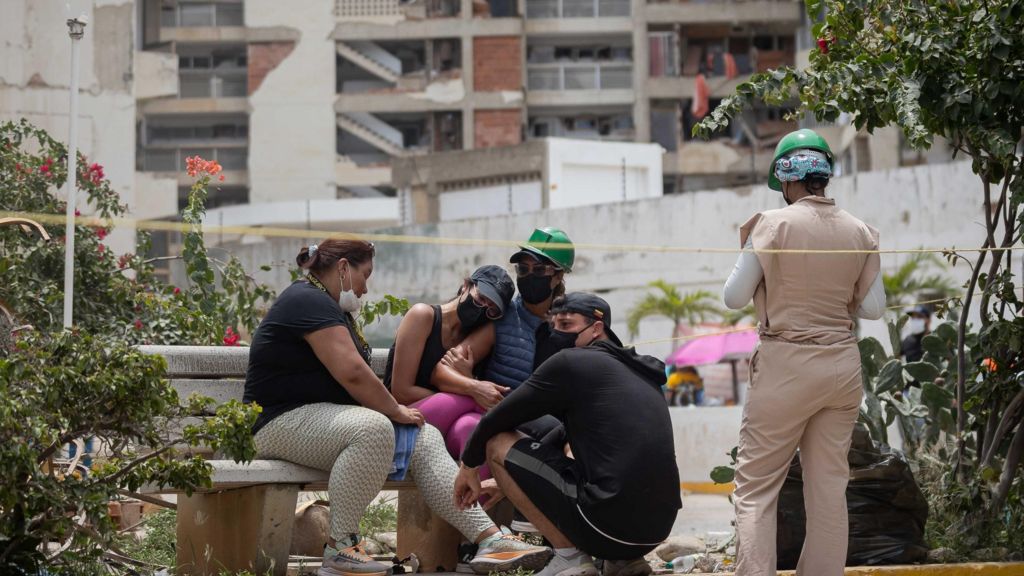
    CARACAS, VENEZUELA – In a high-stakes diplomatic step that marks a new chapter in strained bilateral relations, Venezuelan acting president Delcy Rodríguez hosted Colombian head of state Gustavo Petro at the Miraflores presidential palace in Caracas on Friday. This long-awaited encounter marks the first in-person meeting between the two leaders since U.S. forces detained former Venezuelan president Nicolás Maduro and his wife during a raid on their residence in January.

    The summit was scheduled to cover a sweeping range of bilateral priorities, including cross-border migration management, joint defense cooperation, frontier security, industrial partnership and expanded bilateral trade. The meeting was originally supposed to take place last month at the two countries’ shared border, but both administrations suddenly called off the gathering with only a vague reference to “force majeure”, offering no further details and saying the talks would be rescheduled for a later date.

    Leading up to Friday’s palace meeting, Petro confirmed his delegation includes senior military and law enforcement commanders, who will join negotiations on coordinated border security initiatives with their Venezuelan counterparts. Discussions will center heavily on the strategically and socially vulnerable Catatumbo region, a contested border zone where competing armed factions have clashed for years to control territory and illicit smuggling routes. Petro emphasized that close intelligence sharing between the two nations is non-negotiable, warning that a lack of coordinated information risks deadly mistakes: “bombs land in the wrong places … and end up killing civilians.”

    Relations between Bogotá and Caracas have been fractured for years, following the disputed 2024 Venezuelan presidential election that triggered widespread anti-government protests and a brutal government crackdown. Following the contested vote, Petro refused to recognize Maduro as the legitimate president of Venezuela, though he opted to keep formal diplomatic channels open with the Caracas administration.

    The Colombian government has framed Friday’s meeting between Petro and Rodríguez as an effort to “contribute to a resolution of Venezuela’s political crisis”. Still, analysts say it remains unclear what tangible progress the talks can deliver. Ronal Rodríguez Durán, a researcher with the Venezuela Observatory at Colombia’s Universidad del Rosario, noted that Petro’s ability to exert influence as a mediator is sharply constrained by the fact that his presidential term is set to end in August 2026. The future trajectory of Colombia-Venezuela relations will also depend heavily on which candidate wins the upcoming Colombian presidential election and shapes the country’s foreign policy moving forward.