作者: admin

  • Remembering Raghu Rai: The photographer who showed India to itself

    Remembering Raghu Rai: The photographer who showed India to itself

    The global photography community and audiences across India are continuing to pay heartfelt tribute to Raghu Rai, the nation’s most iconic and influential photojournalist, who passed away at 83. Over a more than 50-year career, Rai built an unmatched body of work that did not merely capture moments in Indian history — it reshaped how the nation understood its own defining events, and cemented his status as the father of modern Indian photojournalism.

    Rai launched his professional journey in 1966 at Kolkata-based daily *The Statesman*, before moving on to hold key roles as photo editor at leading Indian publications *India Today* and *Sunday* magazine. A major milestone of his career came in 1977, when he was accepted into the prestigious international photography cooperative Magnum Photos, an achievement widely considered one of the highest honors in the field. His acceptance was supported by legendary French photographer Henri Cartier-Bresson, whose candid, human-centered approach to street photography left a permanent mark on Rai’s own artistic philosophy.

    Throughout his career, Rai’s lens turned to every corner of Indian public and private life, ranging from corridors of political power to quiet moments of ordinary daily life, always rendered with a striking, intimate clarity. His most enduring works include an extensive catalog of photographs of former Indian Prime Minister Indira Gandhi, shot across decades: from raucous, high-stakes election campaigns to confidential closed-door Congress Party meetings, and even her diplomatic visits to meet world leaders like UK Prime Minister Margaret Thatcher. These images remain the definitive visual record of one of modern India’s most consequential political figures.

    Beyond politics, Rai created unforgettable portraits of many of India’s most celebrated cultural icons, from legendary filmmaker Satyajit Ray and iconic playback singer Lata Mangeshkar to celebrated painter MF Hussain and global Bollywood star Amitabh Bachchan. Each portrait captured the quiet, unspoken connection between creator and their craft, revealing layers of personality rarely visible to the public.

    Two of Rai’s most impactful bodies of work documented some of the darkest and most consequential chapters of late 20th century India: the devastating 1984 Bhopal Gas Tragedy, one of the world’s worst industrial disasters, and the violent period of Sikh militancy in Punjab that claimed thousands of lives in the 1980s. His tense, unflinching portrait of Sikh separatist leader Jarnail Singh Bhindranwale remains one of the most striking visual artifacts of that turbulent era. Rather than distancing himself from the suffering and upheaval he documented, Rai embedded himself in these moments, creating work that forced the nation to confront its own truths.

    For Rai, photography was never just a technical craft or a journalistic task — it was a deeply spiritual practice. In one of his final interviews, he framed the art as a form of connection to the divine, explaining, “I meet my god through my camera. Once I pick up my camera, I am driven by the ever-changing energy of life and nature. When you have invested mentally, physically, and spiritually in situations and take pictures constantly, it is like investing in a bank of life in which the returns keep getting bigger and the energy keeps you going.”

    He emphasized that powerful photography required consistent, disciplined practice rather than fleeting, trendy experimental techniques. When asked about his favorite portrait subject, he named the Dalai Lama, citing the leader’s unique “intensity and spiritual energy” that translated so powerfully on camera. Even when photographing subjects he admired deeply, Rai argued that a great portrait must prioritize raw authenticity over flattery, capturing “the moment, the experience of the person, the energy of the person” exactly as it existed in front of the lens.

    Peers across the industry have long described Rai’s work as a seamless bridge between hard-nosed news reportage and fine art, balancing the urgent immediacy of breaking news with intentional, thoughtful composition that elevates every image. Today, his massive archive stands not just as a collection of photographs, but as a decades-long act of intentional witnessing: a deeply human portrait of a nation, its people, and its many contradictions, that will continue to influence and inspire generations of photographers for decades to come.

  • Iran FM blames US for failure of talks after landing in Russia

    Iran FM blames US for failure of talks after landing in Russia

    A fragile ceasefire across multiple fronts of the broader Middle East conflict remains tenuously in place this week, even as high-stakes negotiations between Iran and the United States have hit a deadlock, with Tehran pinning the blame directly on Washington as its top diplomat launches a frantic regional diplomatic tour. Iranian Foreign Minister Abbas Araghchi landed in Saint Petersburg on Monday, where he is scheduled to hold high-level talks with Russian President Vladimir Putin, capping a packed four-day schedule that already included stops in Oman and Pakistan – the latter serving as the host of the only completed round of direct talks between the two adversarial nations. That initial round of negotiations ultimately ended without an agreement, and hopes for a breakthrough follow-up round this weekend were dashed last week when former US President Donald Trump canceled a planned trip by his top envoys, Steve Witkoff and Jared Kushner, to the region. Speaking to reporters in the Russian city Monday, Araghchi attributed the collapse of the earlier talks to inflexible positioning from the US side, saying “The US approaches caused the previous round of negotiations, despite progress, to fail to reach its goals because of the excessive demands.” Following the cancellation of his representatives’ trip, Trump told Fox News that Tehran would need to reach out to Washington directly if it wanted to restart discussions, though he emphasized that the cancellation does not mean a return to open hostilities between the two countries. Despite the public impasse, backchannel diplomatic efforts have continued behind the scenes. Iran’s semi-official Fars News Agency confirmed that Tehran has conveyed formal written messages to US officials through Pakistan, outlining Tehran’s non-negotiable red lines on core issues including its nuclear program and sovereignty over the Strait of Hormuz. The outlet clarified that these messages do not constitute formal full-scale negotiations. Separately, US news outlet Axios reported Sunday, citing an anonymous US official and two other sources familiar with the correspondence, that Iran has submitted a new proposal to end the direct conflict centered on reopening the Strait of Hormuz and lifting the US naval blockade on the waterway, with negotiations over the country’s nuclear program deferred to a later date. Iran’s official state news agency IRNA republished the Axios report without issuing a formal denial, lending quiet credence to the outline of the proposal. Beyond the bilateral diplomatic stalemate, the ongoing conflict continues to send shockwaves through the global economy, rooted in the dispute over the critical Strait of Hormuz – the chokepoint through which nearly 20% of global oil supplies transit daily. After Iran implemented an initial blockade of the strait in response to the outbreak of war, global prices for oil, natural gas, and agricultural fertilizer spiked dramatically, amplifying already pressing fears of widespread food insecurity in low-income developing nations. The US responded to Iran’s blockade with its own naval and economic blockade of Iranian ports across the Persian Gulf and beyond. Domestically, Trump faces growing political pressure as elevated fuel prices hit American consumers ahead of November’s midterm elections, with public opinion polls consistently showing the broader conflict is unpopular with a majority of US voters. During Araghchi’s earlier stop in Oman this week, a neighboring Gulf state that shares the Strait of Hormuz coastline with Iran, the question of reopening the waterway to safe commercial transit was a key topic of discussion. “The safe passage through the Strait of Hormuz is an important global issue. Naturally, as the two coastal countries of this strait, we must speak with each other so that our common interests are secured,” Araghchi said from Saint Petersburg. While both Russian and Iranian officials have confirmed the upcoming meeting between Araghchi and Putin, hardline factions within Iran have already ruled out backing down on the Hormuz blockade. Iran’s Islamic Revolutionary Guard Corps, the country’s elite military force, reaffirmed Monday that control of the strait and maintaining its deterrent effect against the US remains Tehran’s definitive, unchanging strategy. Global oil markets reacted to the stalled talks on Monday, with prices edging upward as investors priced in continued supply uncertainty, though the slow climb was tempered by lingering hopes that a diplomatic breakthrough could still be reached in coming weeks. Away from the Gulf diplomatic standoff, violence has flared once again on the conflict’s Lebanese front, despite a recently extended ceasefire between Israel and Iran-backed Hezbollah. Both sides traded accusations of ceasefire violations on Sunday, with Israeli Prime Minister Benjamin Netanyahu confirming that the Israeli Defense Forces continue to target Hezbollah positions vigorously, after both sides carried out new attacks over the weekend. Hezbollah first drew Lebanon into the broader Middle East conflict on March 2, launching a massive rocket barrage on Israel to avenge the assassination of Iran’s supreme leader Ali Khamenei. Israel responded with large-scale airstrikes and launched a ground invasion of southern Lebanon. At Sunday’s weekly cabinet meeting, Netanyahu argued that Hezbollah’s repeated attacks were effectively dismantling the existing truce, while the Iranian-aligned group vowed to continue responding to Israeli violations and what it calls Israel’s continued occupation of disputed Lebanese territory. Lebanon’s Ministry of Health reported that Israeli airstrikes across southern Lebanon on Sunday killed 14 people, marking the deadliest single day of violence since the current ceasefire went into effect. Agence France-Presse correspondents on the ground reported massive traffic jams of civilian vehicles heading north as thousands of residents fled the intensified raids following new Israeli warning orders for populated border areas. On the Israeli side, the IDF confirmed one soldier was killed in combat in southern Lebanon over the weekend. Netanyahu insisted that Israel’s actions are fully permitted under the terms of the existing ceasefire agreement, saying it grants Israeli forces freedom of action not only to respond to ongoing attacks but also to preempt imminent and emerging threats to Israeli territory.

  • Archbishop of Canterbury Sarah Mullally meets with pope and prays at the Vatican

    Archbishop of Canterbury Sarah Mullally meets with pope and prays at the Vatican

    VATICAN CITY – In a landmark moment for Christian ecumenism, Sarah Mullally, the newly installed first female Archbishop of Canterbury and spiritual leader of 100 million Anglicans worldwide, touched down in Vatican City on Monday for a historic audience with Pope Leo XIV. This meeting marks Mullally’s first international trip since she took up the highest office in the Church of England, and comes as the global Anglican Communion grapples with deep internal divisions over her appointment.

    Mullally arrived ahead of schedule for a closed-door meeting with Pope Leo in the pontiff’s private library, before the pair moved to the Urban VIII Chapel inside the Apostolic Palace for a scheduled moment of prayer, per Vatican announcements. The archbishop’s four-day Roman pilgrimage has already included stops at the Vatican’s major pontifical basilicas, where she prayed at the tombs of Saints Peter and Paul and held preliminary meetings with senior Vatican leadership.

    Lambeth Palace, the official London residence of the Archbishop of Canterbury, outlined the core goals of the visit: “to strengthen Anglican–Roman Catholic relations through prayer, personal encounter, and formal theological dialogue. It aims to deepen bonds of communion, affirm a shared witness, and encourage ongoing collaboration at both global and local levels.”

    The historical divide between the two church bodies stretches back to 1534, when King Henry VIII split the Church of England from Roman Catholic authority after his request for a marriage annulment was denied. While formal bilateral theological dialogue launched in the 1960s, major theological divides persist – most notably the Church of England’s gradual move to ordain women to all levels of clergy, a practice the Roman Catholic Church rejects, as it restricts the priesthood exclusively to men.

    Mullally’s appointment caps a decades-long shift for the Church of England: the first female Anglican priests were ordained in 1994, the first female bishop took office in 2015, and Mullally’s installation last month broke the final stained-glass ceiling as the first woman to hold the post of Archbishop of Canterbury. Her rise to leadership has split the already fractured 100-million-member Anglican Communion, which counts believers in 165 countries. Liberals and progressive Anglicans, mostly based in Western nations including the United Kingdom, have celebrated Mullally’s appointment as a long-overdue milestone for gender equality in faith leadership. But conservative factions across the communion have pushed back fiercely. The Global Anglican Future Conference (Gafcon), a conservative bloc that counts the communion’s largest and fastest-growing African churches among its members, has openly condemned the appointment and threatened a permanent schism. In North America, the conservative Anglican Church in North America – which split from the more liberal U.S. Episcopal Church and the Anglican Church of Canada over LGBTQ+ and gender issues – has joined Gafcon’s opposition to Mullally.

    In a message exchanged ahead of the visit, Pope Leo congratulated Mullally on her recent installation, while openly acknowledging she assumes office at a uniquely challenging moment, and that core differences still separate the two global church bodies. “We also know that the ecumenical journey has not always been smooth,” Leo wrote. “Despite much progress, our immediate predecessors, Pope Francis and Archbishop Justin Welby, acknowledged frankly that new circumstances have presented new disagreements among us.” Even so, the pontiff reaffirmed the Catholic Church’s commitment to continuing the dialogue.

    The meeting comes just two months after Pope Leo welcomed King Charles III, the titular head of the Church of England, and Queen Camilla to the Vatican, where the two royal visitors prayed in the Sistine Chapel. That October 25 gathering marked the first time since the 16th-century Reformation that the heads of the two churches have prayed together publicly. This year also marks the 60th anniversary of the first formal ecumenical statement signed by Anglican and Roman Catholic leadership, a 1966 agreement signed at the Basilica of St. Paul Outside the Walls by then-Archbishop Michael Ramsey and Pope Paul VI.

    Beyond ecumenical relations, Mullally has already expressed public solidarity with Pope Leo’s recent calls for peace in Iran, which came under fierce attack from former U.S. President Donald Trump after the American-born pontiff made the appeal.

    This coverage of religious affairs comes via the Associated Press, with support for AP religion reporting through a collaboration with The Conversation US, funded by Lilly Endowment Inc. The AP holds sole responsibility for this content.

  • Learners and P-platers face tough new rules with major driving licence overhaul

    Learners and P-platers face tough new rules with major driving licence overhaul

    Western Australia is implementing sweeping, life-saving changes to its graduated driver licensing system, introducing far stricter regulations for both learner drivers and provisional (P-plate) drivers in a bid to cut road fatalities and serious injuries. The reforms, which come after over a year of public engagement and advocacy following a high-profile teen road death, represent one of the most significant overhauls of the state’s road safety rules in recent decades.

  • ‘Lie-down napping’ helps pupils get forty winks

    ‘Lie-down napping’ helps pupils get forty winks

    Across China, a quiet but transformative shift is underway in K-12 education: replacing the long-standing tradition of hunching over classroom desks for midday naps with comfortable, lie-down rest, enabled by a newly implemented national standard for student furniture.

    The national technical standard for purpose-built napping desks and chairs, issued by the State Administration for Market Regulation and the National Standardization Administration in September 2025, officially went into effect this February. Developed with children’s physical growth and developmental needs at its core, the regulation sets clear, unified requirements for critical product specifications including seat height, recline angle, under-desk clearance, and material durability, addressing a gap that previously left the growing market for napping furniture with inconsistent quality and safety standards.

    Well before the new standard was introduced, national policymakers had already prioritized improving student sleep health. Back in 2021, the Ministry of Education released a guidance on strengthening student sleep management, which outlined age-appropriate recommended sleep durations and encouraged schools with sufficient resources to secure adequate midday break time for rest. In 2023, the State Council followed with a policy supporting schools to expand classroom and recreational spaces to create usable napping conditions. That same year, Zhang Qiongli, a national legislator and high school teacher from Hubei province, tabled a proposal to upgrade K-12 students’ lunch break arrangements, which quickly garnered broad public and official support. Today, nearly 40,000 primary and secondary students in Enshi Tujia and Miao Autonomous Prefecture, Zhang’s home region, already have access to lie-down napping during lunch breaks. “I also hope that in the future, all primary and secondary school students across the country can achieve lying lunch breaks,” Zhang shared in an interview.

    Since the national standard took effect, rollout has accelerated across multiple regions. In Wuhu, Anhui province, 468 sets of the new lie-down napping furniture have been included in the city government’s 2026 key livelihood projects, with many local schools already rolling out the equipment to help students say goodbye to the discomfort of hunched-over desk napping.
    The innovative furniture is designed for dual use: during regular class hours, it functions as a standard student desk and chair. When lunch break rolls around, a few simple adjustments extend the seat and tilt the backrest, transforming it into a comfortable mini recliner that eliminates the neck and shoulder strain that comes from napping while bent forward.

    In northwest China’s Urumqi, Xinjiang Uygur Autonomous Region, roughly 2,000 sets of the new napping-friendly desks and chairs entered service at local K-12 schools this spring. In the southern technology hub of Shenzhen, Guangdong province, more than 400 primary and secondary schools have already completed midday napping program upgrades, with the city planning to roll out the national standard-compliant furniture to an additional 200 schools in the 2026 spring semester.

    For parents, the change is widely welcomed. Lu Xiao, a primary school parent based in Dalian, Liaoning province, noted that a quality midday nap helps students recharge their energy and boost afternoon learning efficiency. “I hope students in my son’s school can use the adjustable backrests and extendable seats as soon as possible,” she said.
    Most Chinese K-12 schools already schedule approximately two hours for lunch and midday break daily, creating a natural window for structured rest.
    Despite this progress and widespread policy and public support, full nationwide promotion of universal lie-down napping still faces notable practical barriers. As of early 2026, only a relatively small share of schools across the country have rolled out the upgraded furniture, with challenges including limited classroom space, tight education budgets, and complex daily management of the adjusted napping routines remaining to be addressed.

  • Daydream believers lift ‘lunch-break economy’

    Daydream believers lift ‘lunch-break economy’

    Across China’s major urban centers, a growing cohort of overworked white-collar professionals is redefining the traditional midday break, fueling the rapid expansion of a new consumer segment dubbed the “lunch-break economy.” Stretched thin between packed work schedules and family responsibilities, these workers are turning their one-hour midday window into a precious, paid-for period of personal control and self-care that did not exist on this scale just a few years ago.

    For Lin Yihan, a 43-year-old in-house legal counsel based in Dalian, Liaoning province, this new routine has become non-negotiable. Twice a week, she walks 10 minutes from her office to a local massage studio, pays 100 yuan ($14.7) for a 60-minute full-body relaxation session, and escapes the constant demands of her open-plan office. “Usually, my day is occupied by heavy work and taking care of my family,” Lin explained. “It’s the only time when no one is asking me for anything. No emails, no WeChat messages, no urgent requests. Just 60 minutes of being taken care of.”

    Lin is far from an outlier. A wide range of service and product providers are reporting soaring demand for lunch-break-focused offerings, as young and mid-career professionals prioritize mental and physical recharge over casual post-meal chats with colleagues or quick office naps. What once was reserved for a quick bite and a casual stroll is now being repackaged as a discrete, consumable self-care experience, with options ranging from 30-minute power nap sessions, express facials and head spas to high-intensity interval training (HIIT) workouts, group meditation and even oxygen therapy.

    Platform data highlights the rapid growth of this fragmented new market. On domestic local services platform Meituan, one massage studio similar to the one Lin visits sold more than 19,000 60-minute lunch-break relaxation packages over the past 12 months. Across 19 additional lunch-break-focused service offerings at the same establishment, total sales hit 45,000 orders, with prices ranging between 100 yuan and 250 yuan. While lunch-time orders make up less than 25% of the studio’s total business, the volume is already substantial enough to reshape its operating schedule.

    Even physical goods tailored to office lunch breaks have seen explosive sales. On e-commerce giant JD.com, sales of office napping pillows, foldable camp beds for workplaces and portable sleeping chairs have all exceeded 1 million units each in recent months.

    To meet this surging demand, service providers across multiple sectors are adjusting their business models to fit the tight 60-minute midday window. In Shanghai’s bustling Jing’an Temple central business district, lunch-time head spa slots have become such a hot commodity that customers must book by 10 a.m. to secure a spot, with the most popular venues requiring reservations a full day in advance. “I walked in at lunchtime wanting a quick head wash to relax, and they told me there were no slots left,” one regular customer told local Chinese media, describing the high demand.

    Fitness facilities are also tapping into the trend. At a 24-hour gym in downtown Dalian that counts more than 400 annual members paying 4,000 yuan per person for membership, nearly one-fifth of all visits during weekdays fall during the lunch break. “Many white-collar workers who work nearby have signed up for our yoga class during the busiest time at noon,” said Zhang, the gym’s manager.

    One regular lunch-time gym goer, Luo, shared that his routine now revolves around maximizing the midday hour: he eats a 15-minute bento at his desk, then spends 45 minutes on a HIIT workout before returning to work. “I used to drink two espressos to get through the afternoon,” he said. “Now I just move my body for 45 minutes. It’s more effective than any amount of caffeine.”

    Public health events have also helped raise broader awareness of the importance of rest and stress management, with niche activities popping up to meet growing interest. Earlier this year in Huzhou, Zhejiang province, a public sleep competition invited 1,000 participants to set aside their smartphones, wear masks and earplugs, and focus on intentional rest, with the goal of raising public awareness of sleep health among overworked urban professionals.

    Unlike mature, well-documented sectors such as e-commerce or ride-hailing, the lunch-break economy remains a fragmented phenomenon spanning wellness, beauty, fitness, hospitality, food service and furniture retail. But as urban work pressure continues to rise and professionals increasingly prioritize personal well-being alongside career advancement, industry observers expect the segment to continue its rapid expansion in coming years.

  • Energy shock ripples through kitchens, forests and conservation in Africa and South Asia

    Energy shock ripples through kitchens, forests and conservation in Africa and South Asia

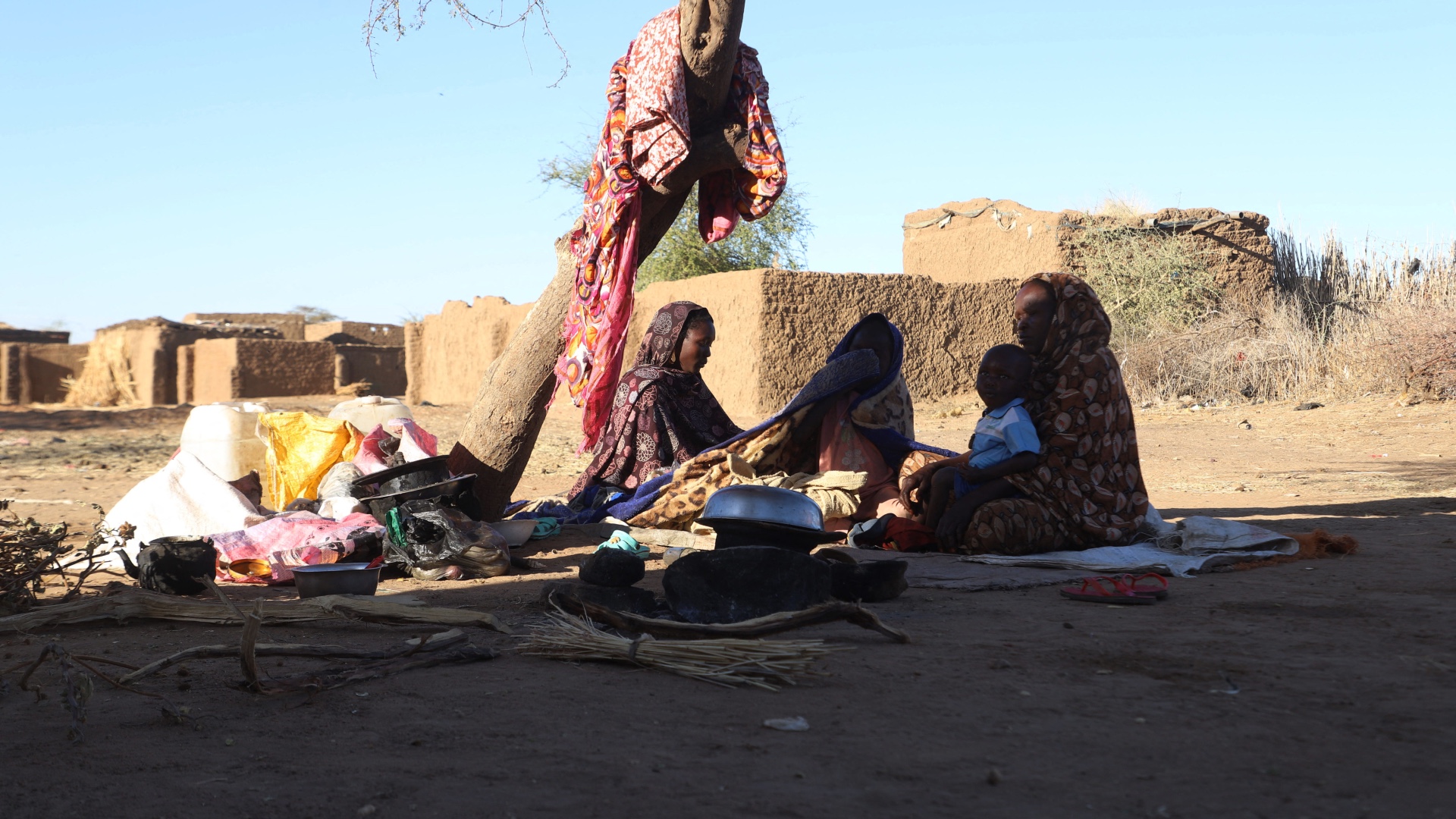
    In the dense, informal corridors of Nairobi’s Kibera settlement, one of East Africa’s largest unplanned urban communities, Brenda Obare’s daily routine has shifted backward in recent months. Where a quick twist of her stove knob once ignited a steady blue flame of liquefied petroleum gas (LPG) to cook dinner for her family before sunset, her stove now sits cold most nights. Instead, she crouches over a smoky open charcoal burner outside her tin-roofed home, fanning the flame to bring water to a boil. For Obare and millions of other low-income households across the Global South, LPG has slipped out of reach: skyrocketing prices driven by global energy disruptions tied to the Iran war have made the cleaner fuel unaffordable and often impossible to source. Charcoal, the dirty household fuel that public health and conservation campaigners spent decades working to replace, is once again the only accessible option.

    “We don’t have many options,” Obare explained. “You use what you can afford.”

    Her story is far from unique. For nearly a generation, governments and environmental organizations across Africa and South Asia have pushed a coordinated transition away from biomass fuels — firewood and charcoal — to LPG, a far cleaner alternative that delivers major public health and conservation benefits. The push was rooted in stark public health data: the World Health Organization estimates that toxic indoor air pollution from burning solid fuels killed 2.9 million people globally in 2021 alone. Beyond public health, the transition was designed to ease relentless pressure on global forests and critical wildlife habitats: unregulated harvesting of trees for charcoal and firewood outpaces regrowth in most regions, driving accelerating deforestation that destroys ecosystems and displaces native species.

    Now, the energy crisis sparked by the Iran war has erased years of hard-won progress in just a few months. As households across low-income communities abandon LPG for cheaper, locally available solid fuels, conservation leaders and public health experts are warning of cascading risks that extend far beyond residential kitchens, threatening forests, wildlife, global conservation funding, and even human-wildlife disease prevention.

    When communities shift back to harvesting wood from wild areas, people are forced to travel deeper into previously undisturbed forests to meet their fuel needs, bringing them into closer contact with wild animal populations. This increased interaction, paired with economic strain that pushes more people toward poaching and illegal bushmeat hunting, raises the risk of zoonotic disease spillover from animals to humans. The crisis has also weakened core conservation infrastructure: falling international tourism, driven by skyrocketing fuel prices that raise air travel costs and disrupt Middle Eastern aviation hubs, has cut off a critical source of funding for protected area management in wildlife-dependent economies across Africa. For countries like Kenya and Tanzania, where tourism contributes roughly 14% of national GDP and funds anti-poaching patrols, park maintenance, and community conservation programs, even a small drop in visitor numbers creates massive gaps in conservation resourcing. Less funding means fewer rangers on the ground, creating openings for opportunistic poaching that targets already vulnerable wildlife populations.

    “The longer this debacle runs, the harder it is going to hit conservation,” noted Mayukh Chatterjee, co-chair of the International Union for Conservation of Nature’s conflict and co-existence specialist group.

    Paula Kahumbu, a leading Kenyan wildlife conservationist and CEO of Nairobi-based nonprofit WildlifeDirect, emphasized that the risk to conservation from global energy shocks is not an abstract, distant threat — it starts in household kitchens. “The first conservation risk from an energy shock in Africa is not abstract. It is household fuel switching,” she explained. Rising demand for charcoal and firewood does not only erode forests: it also degrades critical watersheds and fragments wildlife habitats, pushing already endangered species closer to extinction. Beyond conservation, experts warn that linked shocks — rising diesel costs for farm equipment and skyrocketing fertilizer prices — will also cut agricultural productivity, worsening regional food insecurity that pushes more vulnerable communities toward unsustainable natural resource exploitation.

    In Nairobi’s low-income settlements, charcoal sellers already report surging demand for their product. “Demand is climbing every week,” said Munyao Kitheka, a long-time charcoal vendor in the city. Charcoal, produced by slow-burning wood in rudimentary kilns, is already the most widely used cooking fuel across sub-Saharan Africa, and one of the single largest drivers of deforestation on the continent.

    The same reversal of progress is playing out thousands of kilometers away in India, the world’s second-largest importer of liquefied natural gas, with roughly 60% of its supply originating from Gulf region producers impacted by the Iran war. In Bhalswa, a low-income neighborhood on the outskirts of New Delhi, social worker Rama — who goes by a single name — spent years working with local waste-picking families to help them switch to LPG cooking under government clean energy schemes. Today, most of those families live on less than $3 per day, and can no longer afford inflated LPG cylinder prices. Many have reverted to burning firewood for cooking, while others have moved back to rural villages where free wood is easier to source.

    “Things are very, very bad,” Rama said.

    The shift back to biomass fuel also deepens gender inequality across low-income communities, experts note. Women and girls are typically responsible for collecting fuel for household use, and the shift back to firewood means they now spend several extra hours each day searching for wood, time that could otherwise be spent on paid work or attending school. “Years of work went into making LPG aspirational. But a global issue like this can reverse some of those gains,” said Neha Saigal, a consultant with New Delhi-based environmental and social justice startup Asar Social Impact Advisors.

    Chatterjee, who also works with the UK’s Chester Zoo, pointed to successful conservation projects that are now at risk of unravelling. In India’s northeastern Assam state, a community-led elephant conservation program helped local eateries cut their reliance on wild-harvested wood by switching to LPG, reducing human-elephant conflict as fewer people entered elephant habitats to collect fuel. If households and businesses shift back to solid fuel, Chatterjee warned, that entire project will be set back to its starting point. “That all risks going back to square one,” he said.

    Beyond cutting tourism funding, higher fuel prices also disrupt day-to-day conservation field work. Remote conservation projects, anti-poaching patrols, and rapid response teams that intervene to defuse human-wildlife conflict all rely on fuel for vehicles. When fuel prices surge and supplies become unreliable, response times slow. In cases where wild elephants or other large animals wander into populated areas, rapid deployment of trained teams is critical to safely move the animal without injury or death to either humans or the animal. Delays caused by fuel shortages dramatically raise the risk of bad outcomes for both sides.

    African and Asian governments have the policy tools to cushion the blow of the energy crisis for low-income households and protect decades of conservation progress, conservation leaders say, but policy action has lagged far behind need. Kahumbu called for targeted, pro-poor subsidies to keep LPG affordable for low-income households, investments in stronger local clean energy supply chains, and expanded support for locally appropriate renewable energy sources such as household biogas, solar-powered cooking, and geothermal energy.

    “Treat conservation as essential infrastructure during economic shocks,” she urged.

    This reporting was part of a global climate and environmental coverage effort by The Associated Press, which receives philanthropic funding for this work from private foundations, with full editorial control remaining with AP.

  • US shooting bares security vulnerabilities

    US shooting bares security vulnerabilities

    On a Saturday night in Washington D.C., a brazen shooting attack at the annual White House Correspondents’ Association dinner has sent shockwaves across the nation’s capital, reopening long-simmering debates about gaps in U.S. security protocols amid a documented surge in political violence. The incident left one Secret Service agent injured, and remarkably, former and current U.S. President Donald Trump escaped without harm, though the attack has underscored just how vulnerable even the most heavily protected senior political figures remain.\n\nThe attack unfolded when an armed suspect stormed the lobby of the Washington Hilton, the venue hosting the high-profile gathering, before opening fire. Armed with a shotgun, a handgun, and multiple knives, the suspect managed to advance to a floor directly above the basement ballroom where Trump and dozens of the nation’s most senior government leaders were dining. This was Trump’s first appearance at the annual dinner since returning to the presidency, and hundreds of law enforcement officers from multiple federal and local agencies had been assigned to secure the event.\n\nIn addition to the president, Vice President JD Vance, Secretary of State Marco Rubio, Defense Secretary Pete Hegseth, Treasury Secretary Scott Bessent, and a roster of top congressional leaders, cabinet officials, and A-list celebrities were all in attendance at the event, which draws roughly 2,600 attendees annually.\n\nAuthorities have since identified the suspect as 31-year-old Cole Allen, a resident of Torrance, California. Washington’s police chief confirmed Allen was a registered guest at the Hilton hotel where the dinner was held, a venue with a fraught history: it was the site of the 1981 assassination attempt on former President Ronald Reagan, just a 10-minute drive from the White House.\n\nShortly after the incident, Trump shared an image of the subdued suspect, bound and lying on the ground, on his Truth Social platform. During a late-night White House press briefing, Trump confirmed law enforcement had raided Allen’s California apartment, and said preliminary investigations indicate the attacker acted as a lone wolf. When pressed on whether the attack could be tied to ongoing tensions related to the U.S.’s war with Iran, Trump noted, “I don’t think so. But you never know.”\n\nThe security breakdown that allowed an armed suspect to reach the upper floors of the venue has already raised urgent questions about protocol failures. While all dinner attendees were required to pass through metal detectors to access the basement ballroom, the hotel itself remained open to the general public, with anyone holding an event ticket allowed entry without additional screening. On the night of the attack, large crowds of protesters gathered outside the venue’s entrance demonstrating against the Trump administration’s Iran war, contributing to rushed entry screenings for guests, sources confirmed.\n\nFootage from inside the ballroom captured chaos as gunshots were reported, with attendees scrambling under tables and taking cover as security agents rushed Trump and other senior officials to secure evacuation routes. In a joint press conference following the attack, Washington D.C. Mayor Muriel Bowser confirmed all attendees had been accounted for and were unharmed beyond the injured Secret Service agent. U.S. Attorney for the District of Columbia Jeanine Pirro announced the suspect faces multiple felony charges, including use of a firearm during a violent crime and assault on a federal officer with a dangerous weapon. Trump later confirmed Allen is in official custody.\n\nInternational leaders have already spoken out to condemn the act of political violence. Canadian Prime Minister Mark Carney wrote on X, “Political violence has no place in any democracy and my thoughts are with all those who have been shaken by this disturbing event.”\n\nThis incident comes less than two years after two separate assassination attempts targeting Trump during the 2024 presidential campaign, the most high-profile of which was the July 2024 attack in Butler, Pennsylvania, where Trump narrowly escaped injury. Political violence has become increasingly frequent across the United States in recent years, and Saturday’s attack has confirmed what many security analysts have warned for months: even the nation’s most robust, well-funded protective detail for the president and senior leadership is not immune to critical vulnerabilities. Reuters notes it remains too early to draw definitive conclusions about whether law enforcement failures or communication gaps contributed to the security lapse, but the incident has already spurred renewed calls for sweeping reviews of security protocols for high-level political events.

  • China retains stable supply of fertilizers

    China retains stable supply of fertilizers

    Escalating geopolitical tensions across the Middle East have sparked widespread concerns over potential ripple effects on global commodity and energy markets, with risks of cascading cost increases hitting agricultural sectors worldwide. But for China, the world’s largest grain producer, domestic fertilizer markets have remained largely resilient, backed by robust domestic output, strategic government reserves, and targeted regulatory measures that have offset external volatility, agricultural officials and industry analysts confirm.

    Li Guoxiang, a senior researcher at the Chinese Academy of Social Sciences’ Rural Development Institute, explained that the conflict’s economic impact is primarily projected to travel through three key channels: disrupted fertilizer manufacturing, interrupted energy transit routes, and shaken global commodity trading systems. The Gulf region accounts for roughly 20% of global fertilizer output and nearly 46% of the world’s total urea supply, placing global markets at risk of major shortages if shipping through the critical Strait of Hormuz is interrupted. Combined with the sharp upward pressure on global oil prices triggered by regional unrest, energy-reliant fertilizer production facilities around the world could be forced to scale back operations or cease production entirely, Li noted.

    A reduced global fertilizer supply would almost certainly push global prices upward, raising input costs for farmers and potentially leading to reduced fertilizer application that could cut global crop yields and drive up global food prices. In the immediate aftermath of the latest tensions escalation, China saw minor short-term market reactions: domestic grain prices posted a brief, modest rebound, while fertilizer and diesel prices ticked up slightly.

    However, experts and industry leaders emphasize that China’s well-established domestic fertilizer infrastructure has effectively absorbed these external shocks. The country maintains a high rate of fertilizer self-sufficiency, supported by proactive government supply management and a national strategic reserve system. “Overall, both grain and fertilizer markets have gradually returned to steady levels, which lays a solid foundation for another promising grain harvest this year,” Li said.

    Recent industry data confirms that China’s overall fertilizer supply remains abundant, especially for two of the most widely used varieties: urea and compound fertilizers. Nearly 80% of China’s domestic urea production capacity relies on coal-based manufacturing, creating a largely self-reliant supply network that is less vulnerable to global energy market disruptions than production systems dependent on imported natural gas.

    Fu Chunhua, deputy director of the China Agricultural Means of Production Association, noted that since the start of the 2026 spring planting season, domestic urea producers have operated at nearly 90% capacity, a higher utilization rate than recorded in the same period in 2025. At a large-scale production facility in Linyi, Shandong Province – one of China’s key agricultural and fertilizer manufacturing hubs – the plant churns out 3,000 to 4,000 metric tons of high-nitrogen fertilizer daily, with daily sales matching that output, according to the facility’s general manager.

    Across Shandong, spring fertilization for the new planting season is nearly complete, with consistent supply and largely stable pricing. Nitrogen fertilizer prices have held steady throughout the planting rush, while compound fertilizer prices have seen a moderate 10% to 15% increase compared to pre-Chinese New Year levels. National aggregate data reflects this modest growth: in early April, the average ex-factory price of domestic urea rose just 0.12% month-on-month and 1.69% year-on-year, while compound fertilizer prices increased 1.78% month-on-month and 14.17% year-on-year.

    China’s national fertilizer reserve system has also played a central role in stabilizing markets. The policy builds up stockpiles of key fertilizers during off-peak demand seasons, then releases stored supplies during peak planting periods to curb excessive price volatility. In Shandong alone, local supply and marketing cooperatives hold 170,000 tons of reserved fertilizer, which was distributed to markets ahead of the spring planting rush to ease upward price pressure.

    Distribution efficiency has also improved significantly in recent years, with many regional networks integrating digital tools to streamline access for farmers. In multiple major agricultural regions across China, digital platforms now allow farmers to input field-specific data to receive customized fertilizer recommendations, with orders fulfilled directly through local supply outlets, cutting delivery times and reducing logistical costs. Many large-scale commercial farming operations have also adopted proactive risk management strategies, securing their fertilizer supplies months in advance – often immediately after the autumn harvest – to insulate their operations from seasonal and geopolitical price swings.

    Despite the current stability of domestic fertilizer markets, analysts note that rising global energy prices remain a lingering concern. China’s highly mechanized agricultural sector relies heavily on diesel for farm machinery and transportation, so sustained higher fuel costs could push up both production and logistics expenses, potentially creating upward pressure on grain prices later in 2026.

    Li emphasized that the duration and intensity of the Middle East conflict remain unpredictable, underscoring the need for strengthened market monitoring and early warning systems. Chinese authorities should enhance market oversight, guide public expectations to prevent unnecessary panic, and guard against the spread of misinformation about global food shortages, he said. If agricultural input costs rise sharply in the coming months, policymakers could introduce temporary targeted subsidies for farmers, covering fertilizer and fuel expenses to preserve planting incentives and protect national food production capacity.

  • Series of visits shows Beijing’s anchoring role

    Series of visits shows Beijing’s anchoring role

    Over a two-week period in mid-April 2026, the Chinese capital played host to an extraordinary flurry of high-level diplomatic visits, drawing leaders and senior officials from Europe, the Middle East, Southeast Asia, Africa and Eurasia. This unusually intensive schedule of diplomatic engagement comes at a moment of profound global uncertainty: ongoing Middle East conflicts have upended energy security, and the world economy continues to grapple with persistent sluggish growth. Among the visiting dignitaries were Spanish Prime Minister Pedro Sanchez, Abu Dhabi Crown Prince Sheikh Khaled bin Mohamed bin Zayed Al Nahyan, Vietnamese Party General Secretary and President To Lam, Mozambican President Daniel Francisco Chapo, Russian Foreign Minister Sergey Lavrov, and Lao Standing Deputy Prime Minister Saleumxay Kommasith.

    Global observers widely view this wave of visits as a clear reflection of shifting global power dynamics, underscoring the broad international appeal of China’s diplomatic approach and its growing recognition as a key anchor of stability in an increasingly turbulent world. “This intensive diplomatic schedule is no random coincidence. It reflects a growing circle of nations that trust China both as a reliable partner for practical cooperation and a source of stability in an increasingly fragile global landscape,” noted Ding Duo, a research fellow at the National Institute for South China Sea Studies. Ding emphasized that as global instability and uncertainty multiply by the day, China has emerged as a consistent source of stability and predictability for the international community. “This standing is not the product of short-term policy shifts. It is rooted in China’s consistent long-term diplomatic strategy, its long-held traditional Eastern principle of ‘do not do to others what you would not have them do to you,’ and the steady demeanor of a responsible major power,” Ding added.

    During meetings with visiting leaders, Chinese President Xi Jinping reaffirmed China’s commitment to its role as a champion of world peace, a core contributor to global development, and a steadfast defender of the established international order. He also emphasized China’s ongoing readiness to share its development opportunities with all countries through mutually beneficial win-win cooperation. Speaking with Spanish Prime Minister Sanchez, President Xi noted that China maintains firm resolve in advancing its process of Chinese modernization, and holds a broad commitment to sharing development opportunities with the world through high-standard opening-up. Through its own steady development, Xi stated, China will continue to inject much-needed confidence and new momentum into global economic growth.

    The timing of this wave of high-level visits coincided with the 2026 Spring and Annual Meetings of the International Monetary Fund and World Bank Group held in Washington, D.C. During the event, IMF Managing Director Kristalina Georgieva warned that ongoing conflict in the region will leave long-lasting “scarring effects” on the global economy, with an estimated 3% output drop in conflict-affected areas that will persist for years. Against a broader backdrop of slowing growth across major world economies, persistently tight global financial conditions, and growing Middle East tensions that have injected new uncertainty into energy markets and global supply chains, the search for reliable stability has become a top priority for policymakers and market actors around the world.

    Against this fragile global context, China’s economic trajectory has drawn increasing international attention. New data released by China’s General Administration of Customs on April 14 showed that the country’s total foreign trade volume reached 11.84 trillion yuan (approximately $1.72 trillion) in the first quarter of 2026, marking a robust 15% year-on-year increase. Exports grew 11.9% to hit 6.85 trillion yuan, while imports rose 19.6% to reach 4.99 trillion yuan, signaling strong trade momentum both inbound and outbound.

    International media framed Spain’s decision to send Prime Minister Sanchez on the visit as a clear signal that the country is pursuing a pragmatic, independent path to expand economic cooperation with China while upholding its existing transatlantic partnerships. Spanish broadcaster Onda Cero noted in an opinion piece that Spanish leaders have recognized the profound shift taking place in the global order, and that China is the most consequential actor capable of reshaping the global landscape moving forward.

    During his four-day state visit, Vietnamese leader To Lam worked to deepen the longstanding traditional friendship and strategic alignment between Hanoi and Beijing, with more than 30 new bilateral cooperation agreements signed across sectors including economic development, industrial and supply chain coordination, customs facilitation, and science and technology innovation.

    Mozambican President Chapo’s April 16-22 visit went far beyond routine diplomatic protocol. From high-level bilateral talks with President Xi in Beijing to visits to manufacturing facilities in Changsha, Hunan, and discussions on anti-poverty cooperation in Qinghai province, the trip laid out a practical new blueprint for the next stage of China-Africa cooperation, a partnership increasingly defined by tangible on-the-ground progress rather than empty promises, centered on shared pursuit of modernization.

    Russia’s Foreign Minister Lavrov centered his visit on deepening bilateral and multilateral cooperation between Moscow and Beijing to strengthen the resilience of both countries’ development paths, while coordinating policy positions on key pressing global issues. Saleumxay, visiting in his capacity as special envoy to Lao Party General Secretary and President Thongloun Sisoulith, used the trip to advance bilateral cooperation and push forward the development of the China-Laos community with a shared future, targeting progress around high standards, high quality and high levels of integration.

    Matteo Giovannini, a finance professional at the Industrial and Commercial Bank of China and nonresident associate fellow at the Center for China and Globalization, noted that China’s steady economic performance, paired with its forward-looking structural transformation and ongoing commitment to opening-up, has positioned the country as a critical anchor for the turbulent global economy. “A stable Chinese economy helps anchor global supply chains, supports sustained demand for commodities and manufactured goods from around the world, and offers a critical degree of predictability for international investors,” Giovannini explained. “In an era of heightened global uncertainty, this kind of stability is an increasingly valuable global public good.”

    During his meeting with the Abu Dhabi Crown Prince, President Xi put forward a four-point proposal for advancing lasting peace and stability in the Middle East, calling on all parties to remain committed to the core principles of peaceful coexistence, respect for national sovereignty, adherence to international rule of law, and a balanced approach to development and security. Beyond regional diplomatic coordination, the visit yielded multiple new bilateral cooperation agreements between China and the UAE across sectors including agriculture and science and technology.

    Ahmed Saeed Al-Alawi, editor-in-chief of UAE-based Al-Ain News, noted that the crown prince’s visit came at a moment of heightened sensitivity in regional and international affairs, giving the trip deeper strategic significance. Al-Alawi added that the UAE no longer views China solely as an important economic partner, but now recognizes it as a key strategic pillar in the broader international political landscape.