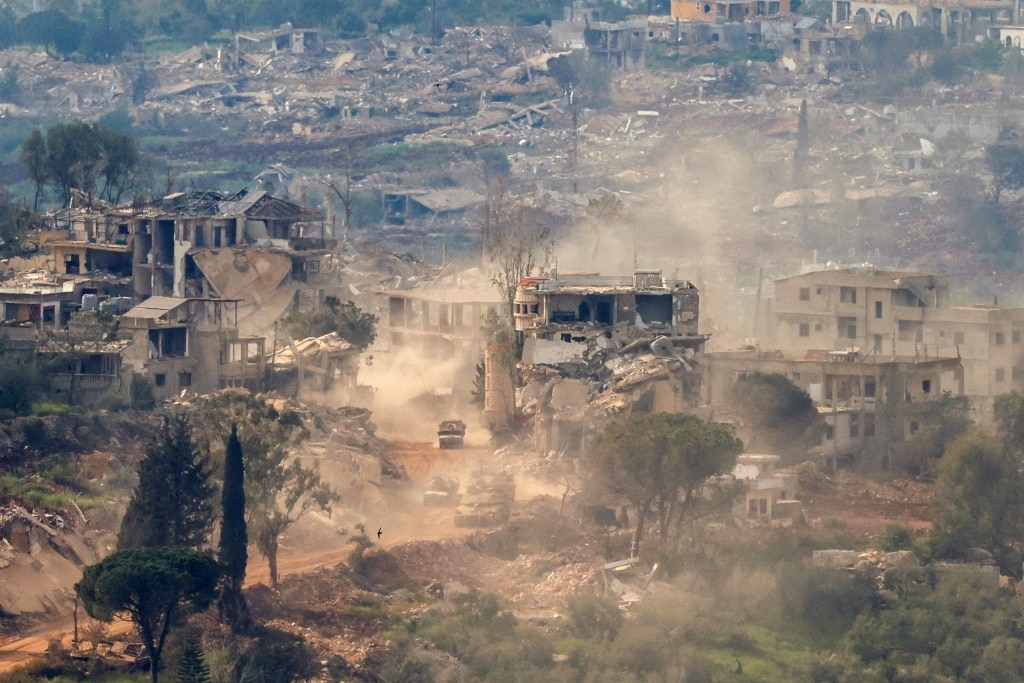
A fragile ceasefire across multiple fronts of the broader Middle East conflict remains tenuously in place this week, even as high-stakes negotiations between Iran and the United States have hit a deadlock, with Tehran pinning the blame directly on Washington as its top diplomat launches a frantic regional diplomatic tour. Iranian Foreign Minister Abbas Araghchi landed in Saint Petersburg on Monday, where he is scheduled to hold high-level talks with Russian President Vladimir Putin, capping a packed four-day schedule that already included stops in Oman and Pakistan – the latter serving as the host of the only completed round of direct talks between the two adversarial nations. That initial round of negotiations ultimately ended without an agreement, and hopes for a breakthrough follow-up round this weekend were dashed last week when former US President Donald Trump canceled a planned trip by his top envoys, Steve Witkoff and Jared Kushner, to the region. Speaking to reporters in the Russian city Monday, Araghchi attributed the collapse of the earlier talks to inflexible positioning from the US side, saying “The US approaches caused the previous round of negotiations, despite progress, to fail to reach its goals because of the excessive demands.” Following the cancellation of his representatives’ trip, Trump told Fox News that Tehran would need to reach out to Washington directly if it wanted to restart discussions, though he emphasized that the cancellation does not mean a return to open hostilities between the two countries. Despite the public impasse, backchannel diplomatic efforts have continued behind the scenes. Iran’s semi-official Fars News Agency confirmed that Tehran has conveyed formal written messages to US officials through Pakistan, outlining Tehran’s non-negotiable red lines on core issues including its nuclear program and sovereignty over the Strait of Hormuz. The outlet clarified that these messages do not constitute formal full-scale negotiations. Separately, US news outlet Axios reported Sunday, citing an anonymous US official and two other sources familiar with the correspondence, that Iran has submitted a new proposal to end the direct conflict centered on reopening the Strait of Hormuz and lifting the US naval blockade on the waterway, with negotiations over the country’s nuclear program deferred to a later date. Iran’s official state news agency IRNA republished the Axios report without issuing a formal denial, lending quiet credence to the outline of the proposal. Beyond the bilateral diplomatic stalemate, the ongoing conflict continues to send shockwaves through the global economy, rooted in the dispute over the critical Strait of Hormuz – the chokepoint through which nearly 20% of global oil supplies transit daily. After Iran implemented an initial blockade of the strait in response to the outbreak of war, global prices for oil, natural gas, and agricultural fertilizer spiked dramatically, amplifying already pressing fears of widespread food insecurity in low-income developing nations. The US responded to Iran’s blockade with its own naval and economic blockade of Iranian ports across the Persian Gulf and beyond. Domestically, Trump faces growing political pressure as elevated fuel prices hit American consumers ahead of November’s midterm elections, with public opinion polls consistently showing the broader conflict is unpopular with a majority of US voters. During Araghchi’s earlier stop in Oman this week, a neighboring Gulf state that shares the Strait of Hormuz coastline with Iran, the question of reopening the waterway to safe commercial transit was a key topic of discussion. “The safe passage through the Strait of Hormuz is an important global issue. Naturally, as the two coastal countries of this strait, we must speak with each other so that our common interests are secured,” Araghchi said from Saint Petersburg. While both Russian and Iranian officials have confirmed the upcoming meeting between Araghchi and Putin, hardline factions within Iran have already ruled out backing down on the Hormuz blockade. Iran’s Islamic Revolutionary Guard Corps, the country’s elite military force, reaffirmed Monday that control of the strait and maintaining its deterrent effect against the US remains Tehran’s definitive, unchanging strategy. Global oil markets reacted to the stalled talks on Monday, with prices edging upward as investors priced in continued supply uncertainty, though the slow climb was tempered by lingering hopes that a diplomatic breakthrough could still be reached in coming weeks. Away from the Gulf diplomatic standoff, violence has flared once again on the conflict’s Lebanese front, despite a recently extended ceasefire between Israel and Iran-backed Hezbollah. Both sides traded accusations of ceasefire violations on Sunday, with Israeli Prime Minister Benjamin Netanyahu confirming that the Israeli Defense Forces continue to target Hezbollah positions vigorously, after both sides carried out new attacks over the weekend. Hezbollah first drew Lebanon into the broader Middle East conflict on March 2, launching a massive rocket barrage on Israel to avenge the assassination of Iran’s supreme leader Ali Khamenei. Israel responded with large-scale airstrikes and launched a ground invasion of southern Lebanon. At Sunday’s weekly cabinet meeting, Netanyahu argued that Hezbollah’s repeated attacks were effectively dismantling the existing truce, while the Iranian-aligned group vowed to continue responding to Israeli violations and what it calls Israel’s continued occupation of disputed Lebanese territory. Lebanon’s Ministry of Health reported that Israeli airstrikes across southern Lebanon on Sunday killed 14 people, marking the deadliest single day of violence since the current ceasefire went into effect. Agence France-Presse correspondents on the ground reported massive traffic jams of civilian vehicles heading north as thousands of residents fled the intensified raids following new Israeli warning orders for populated border areas. On the Israeli side, the IDF confirmed one soldier was killed in combat in southern Lebanon over the weekend. Netanyahu insisted that Israel’s actions are fully permitted under the terms of the existing ceasefire agreement, saying it grants Israeli forces freedom of action not only to respond to ongoing attacks but also to preempt imminent and emerging threats to Israeli territory.