作者: admin

  • Digital passenger cards to be rolled out at all Australian international airports

    Digital passenger cards to be rolled out at all Australian international airports

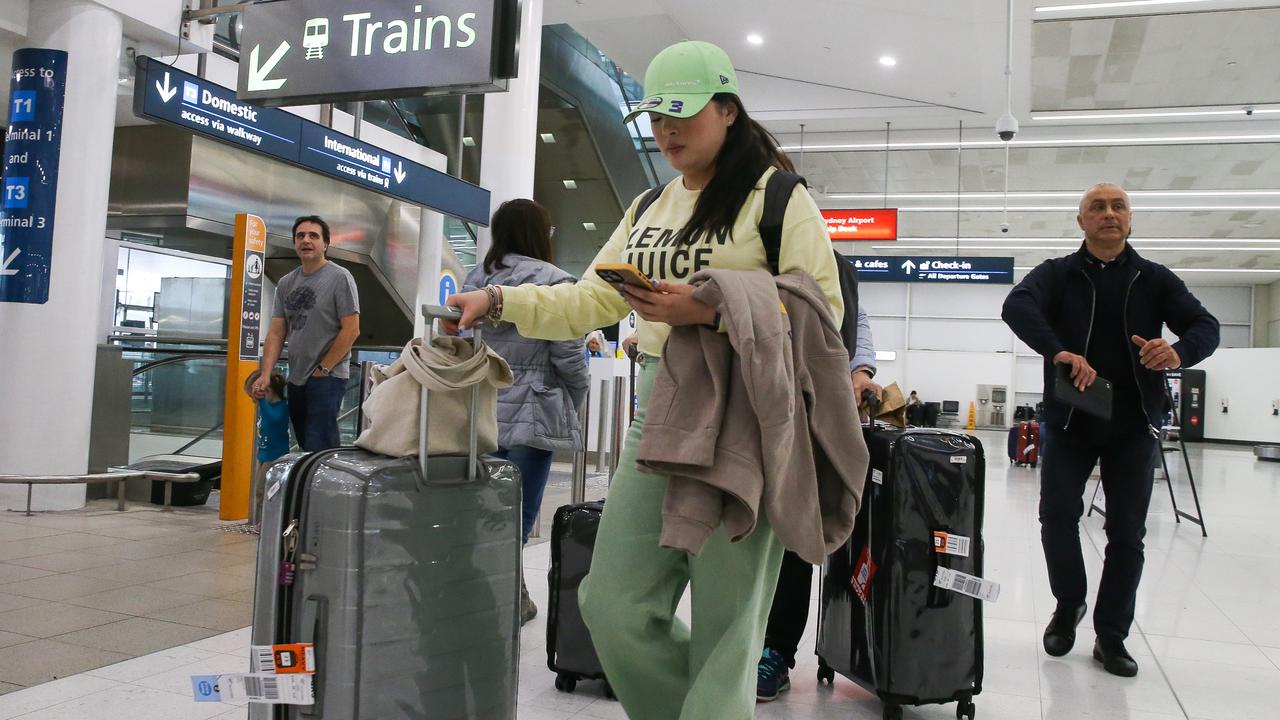
    Australia is set to revolutionize its international arrival process, phasing out long-used paper passenger declaration cards in favor of a fully digital system designed to modernize processing at the country’s busiest ports of entry. The shift will require all incoming passengers – both returning Australian citizens and international tourists – to complete a single digital form that combines mandatory customs declarations, contact details, and travel history before arriving at Australian borders.

    The transition has already been in a testing phase since October 2024, with more than 450,000 passengers on Qantas international flights arriving at Sydney, Melbourne, and Brisbane airports participating in the trial. Government officials describe early results as “significantly successful” based on feedback from participants and airport staff. The rollout will proceed in stages: by the end of 2026, the digital system will expand to Qantas flights arriving at Perth and Adelaide airports, followed by full deployment across all Australian international airports and seaports within 12 to 18 months after that. Initially, the digital form will be hosted on a dedicated public webpage, with future in-app functionality planned through co-design with travel and border industry partners.

    The four-year rollout of the scheme is backed by a $56.1 million federal government investment, which will also fund upgrades to airport and cruise ship departure processes in preparation for the projected surge in international travelers ahead of the 2032 Brisbane Olympic and Paralympic Games.

    Tourism Minister Don Farrell framed the shift as a major win for Australia’s $100 billion tourism sector. “Making arrivals simpler and quicker means visitors can spend less time filling out forms and more time enjoying everything Australia has to offer,” Farrell said. “This is a win for tourists and a win for our tourism operators, helping make Australia an even easier and more welcoming place to visit.”

    Beyond convenience, federal ministers from multiple portfolios highlighted the broader public good and security benefits of the digital overhaul. Home Affairs Minister Tony Burke called the border modernization “essential to Australia’s prosperity and national security.” He noted that the new system will integrate seamlessly into modern digital life, giving all travelers a more seamless arrival experience.

    Agriculture Minister Julie Collins added that the digital system will strengthen Australia’s world-leading biosecurity framework, a top government priority for protecting domestic industries and natural ecosystems. The system will allow border officials to collect complete passenger and travel information before any vessel or plane reaches Australian shores, enabling faster, more targeted risk assessments. “Australia’s strong biosecurity system protects our farmers, environment, food security and economy, and modernizing our border is an important part of maintaining that protection,” Collins said, noting the government has already invested more than $2 billion in additional biosecurity resources since 2022.

    Officials also outlined broader functional advantages of the digital system: it will cut down on time-consuming manual processing for border staff, improve the accuracy of collected data for risk assessments, allow for rapid updates to entry requirements in response to global public health or security events, and enable pre-arrival processing that reduces wait times after passengers land. The shift marks the biggest change to Australia’s international arrival process in decades, aligning the country’s border infrastructure with digital systems already adopted by many other developed nations.
  • Tough new anti-racism measure for unis, Education Minister warns more to come

    Tough new anti-racism measure for unis, Education Minister warns more to come

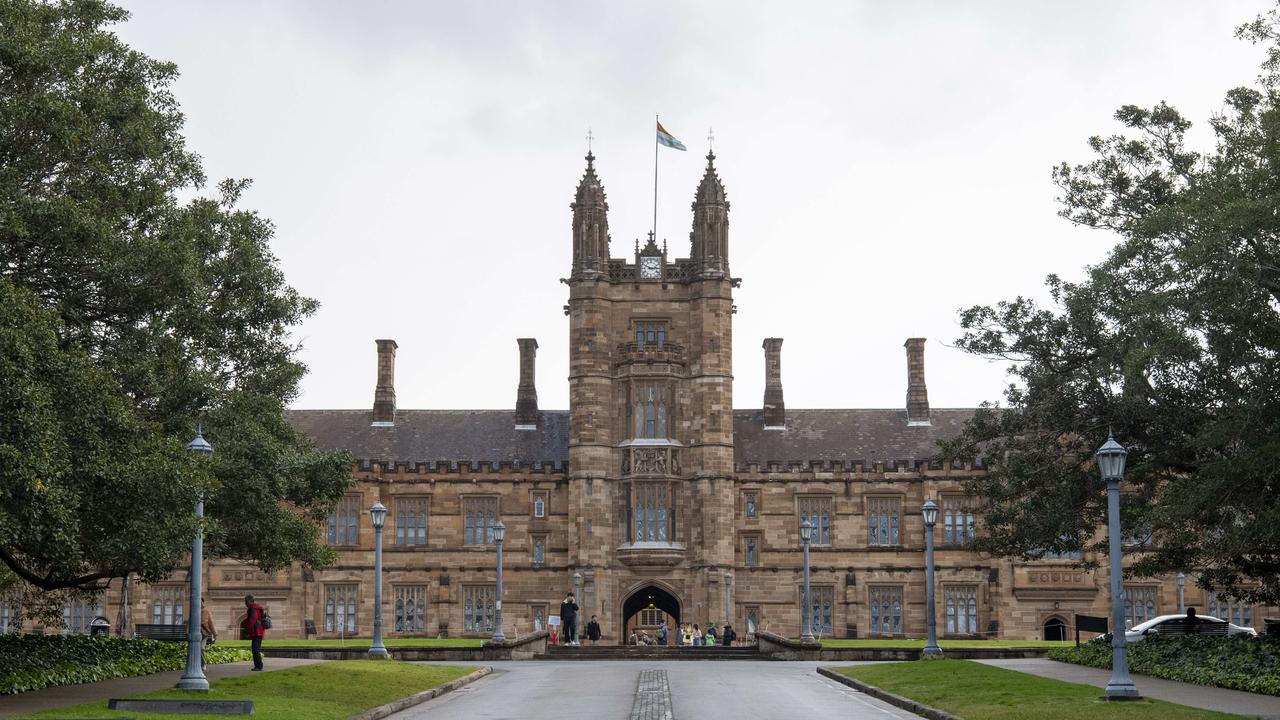
    Australia’s higher education sector is facing sweeping new anti-racism regulations that come into force Monday, the same day a landmark royal commission into antisemitism and social cohesion resumes public hearings in Melbourne, with damning testimony of widespread harassment of Jewish students on campus expected. The changes, announced by Education Minister Jason Clare, require every registered higher education provider across the country to formally adopt official definitions of both antisemitism and Islamophobia, overhaul their student and staff complaint handling processes, and proactively maintain safe, inclusive learning and working environments for all communities.

    Clare told reporters on Sunday that the commission will be presented with what he described as “horrific” evidence from Jewish students who have endured persistent abuse, intimidation, and harassment on Australian university campuses. While the minister acknowledged that some institutions have implemented incremental improvements to their anti-racism frameworks in recent years, he stressed that progress has been far too slow. “There’s a lot more to do,” Clare said, adding that the new rules are just the first phase of broader reform to crack down on inaction by university leadership.

    Alongside new anti-racism requirements, the changes also introduce mandatory University Governance Principles, modeled on the corporate governance standards that apply to publicly listed Australian companies. These new principles, which cover eight core areas including accountability, transparency, inclusivity, diversity of perspective, and sustainability, will become a formal part of national university standards starting Monday. Public universities will now be required to publish detailed public disclosures, including outcomes of governing body meetings, all consultancy spending and its objectives, external professional roles held by vice-chancellors and senior executives, and annual reports detailing executive remuneration. The principles were developed by the Expert Council on University Governance following a 2025 parliamentary inquiry into higher education governance reform, and all institutions will be required to report on their compliance to the Tertiary Education Quality and Standards Agency (TEQSA), Australia’s higher education regulator.

    The fourth round of royal commission hearings will feature testimony from senior leaders at some of Australia’s most prestigious tertiary institutions, including the Australian National University, the University of New South Wales, the University of Melbourne, and the University of Sydney. The renewed focus on campus racism comes after pro-Palestine protests sparked by the October 7, 2023 Hamas attacks and Israel’s subsequent military campaign in Gaza put Australian universities’ response to antisemitism under intense national scrutiny. A 2024 parliamentary inquiry into the issue already documented an “alarming and abhorrent rise in antisemitism amongst students and staff at Australian universities”, finding that widespread reluctance among university administrations to impose meaningful penalties for hateful misconduct allowed toxic campus environments to escalate.

    Clare also outlined plans for further regulatory reform in the coming months, announcing that he will introduce new legislation to strengthen TEQSA’s enforcement powers. Currently, the regulator must launch court proceedings to issue fines against universities that fail to meet national standards. Clare said this cumbersome process is ineffective, and the proposed changes will give TEQSA direct power to impose penalties on non-compliant institutions, giving the watchdog “more teeth” to hold universities accountable for failing to address racism on campus.

  • Evacuees allowed to return home after deadly wildfire in Spain stabilises

    Evacuees allowed to return home after deadly wildfire in Spain stabilises

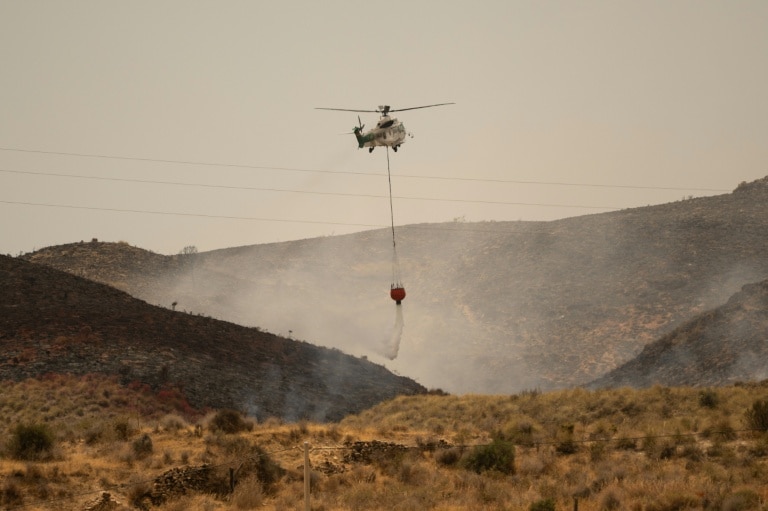
    One of the deadliest wildfires in recent Spanish history, which claimed at least 12 lives as residents and visitors fled its rapid advance in southern Spain’s Andalusia region, has been fully contained, officials announced Sunday. The containment order clears the way for roughly 1,500 displaced people to return to their properties over a phased timeline.

    Juan Manuel Moreno, president of the regional Andalusian government, confirmed to reporters that the blaze has been locked within its burned perimeter with no remaining risk of spread. “This marks, in a sense, the beginning of the end of a terrifying wildfire that set records for the speed of its advance,” Moreno said.

    The first wave of returning residents, made up of around 600 people evacuated from Almeria province’s high-risk fire zone, were allowed to go back to their homes Saturday evening. The remaining 1,000 evacuees will follow in staged groups to ensure safety, Moreno added.

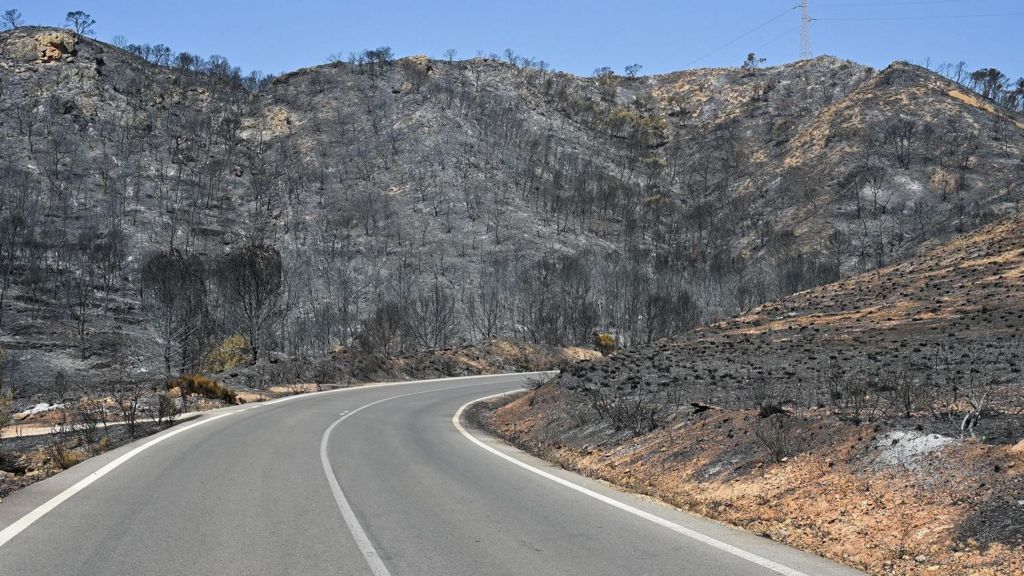
    Scorched, abandoned vehicles still sit along rural roads where many victims became trapped as the fire raced through the landscape at speeds of up to 100 meters per minute. All 12 confirmed fatalities were people who became trapped in their vehicles or while attempting to escape on foot, according to official accounts.

    Jerome Navarro, a French tourist who arrived at his Spanish holiday home just as the fire advanced, described the chaotic speed of the blaze to French media Saturday. “I said to my wife ‘Get out quick, leave everything. Get out.’ And the time it took to say that I was engulfed in a ball of fire,” a tearful Navarro recalled. Navarro survived by throwing himself into a ditch and crawling to safety, but his wife remains missing.

    Officials have kept the official death toll at 12, noting that the full number of missing people cannot be confirmed until autopsies and DNA identification of recovered remains are complete. Many of the victims are believed to be foreign nationals, a detail that has slowed identification work as officials wait for DNA samples from relatives traveling from overseas.

    Spain’s Civil Guard is conducting a final, comprehensive search of the fire-ravaged area Sunday to account for all missing residents and visitors. Civil Protection Secretary-General Virginia Barcones told Spain’s public broadcaster that officers have already cleared more than 250 homes to confirm no one was trapped inside, and the final sweep will confirm no unaccounted victims remain. “I sincerely hope they don’t find anyone else, but we need to carry out one final thorough search to make sure that’s the case,” Barcones said.

    A shift to calmer winds and higher atmospheric humidity allowed firefighters to launch direct assaults on the blaze for the first time Saturday, bringing the fast-moving fire under control after days of difficult conditions. Around 500 firefighters, supported by water-dropping helicopters and aircraft, have worked around the clock to contain the blaze that broke out Thursday in the Gallardos area, a region popular with foreign retirees and holiday homeowners.

    Authorities suspect the fire started when a power line snapped amid an prolonged extreme heatwave that has pushed regional temperatures above 40°C for weeks. Unusually wet winter and spring conditions spurred dense vegetation growth across the region, which then fully dried out in successive heatwaves, creating ample fuel for a catastrophic blaze. So far, the fire has destroyed roughly 7,000 hectares of land.

    Manoli Ramos, a 72-year-old city councilor in the small village of Bedar where multiple victims were found, described the scene as apocalyptic. “We were absolutely terrified. We could see the flames. It was horrific, it was like hell,” Ramos told AFP.

    Spanish Prime Minister Pedro Sanchez is scheduled to visit the fire-stricken area Monday to meet with first responders and displaced residents. Scientists have widely documented that human-caused climate change from fossil fuel emissions is increasing the frequency and intensity of extreme heat events that drive major wildfires across Southern Europe. Last year, wildfires burned nearly 400,000 hectares of land across Spain — the highest annual total recorded by the European Forest Fire Information System in the country’s history.

  • ‘Animals’, Hand of God and Beckham – Argentina and England’s World Cup rivalry

    ‘Animals’, Hand of God and Beckham – Argentina and England’s World Cup rivalry

    For more than six decades, the World Cup rivalry between England and Argentina has stood as one of the most storied, contentious, and culturally significant matchups in global football. Woven through with iconic individual moments, fiery on-pitch confrontations, and deep-seated geopolitical tension, the fixture has produced memories that still define generations of football fans on both sides of the Atlantic. This Wednesday in Atlanta, the two nations will meet for the sixth time at a World Cup, with defending champion Argentina facing off against England for a spot in the 2026 World Cup final – a matchup that marks Lionel Messi’s first ever career appearance against the Three Lions.

    The origins of this bitter rivalry trace back to the 1962 World Cup group stage, where goals from Ron Flowers, Bobby Charlton, and Jimmy Greaves secured England a 3-1 win. While both nations finished the group with one win and one loss, England advanced to the knockout round at Argentina’s expense thanks to a superior goal difference. This early result laid the groundwork for what would become one of the most infamous matches in football history four years later, on home soil for England at the 1966 World Cup.

    In that 1966 quarter-final, controversy erupted just 33 minutes in when Argentine captain Antonio Rattin was sent off for a trip on Bobby Charlton and repeated dissent toward referee Rudolf Kreitlein. Rattin refused to leave the pitch for nearly eight minutes, delaying the match and inflaming tensions that boiled over off the pitch too. England manager Alf Ramsey famously labeled the Argentine side “animals” and refused to let his players swap shirts after they held on to a 1-0 win secured by Geoff Hurst’s controversial winner, which Argentina still claims was an offside. The match was so chaotic that it directly prompted the introduction of the red and yellow card system, which debuted at the 1970 World Cup to replace referees’ informal verbal warnings. Rattin, who led Argentina through the 1962 and 1966 tournaments, passed away at the age of 89 just days before this 2026 semi-final clash.

    The rivalry reached a new peak of intensity at the 1986 World Cup in Mexico, played just four years after the two nations fought the Falklands War. Political tensions spilled onto the pitch, with Argentine media and fans framing the quarter-final clash as a chance to avenge the military defeat, while British outlets leaned into nationalistic rhetoric to stoke animosity. That match produced two of the most iconic moments in World Cup history: Diego Maradona’s “Hand of God” – an illegal hand punch that beat England goalkeeper Peter Shifton to open the scoring, unseen by officials – and just four minutes later, a 60-yard solo goal that saw Maradona dribble past half the England team to double Argentina’s lead. Gary Lineker pulled a late goal back for England, but Argentina held on to advance, eventually going on to win the tournament. Maradona would not apologize for the Hand of God until 2005, an apology Shilton never accepted.

    The 1998 World Cup in France delivered another chapter of drama, this time centered on a young David Beckham. After Gabriel Batistuta and Alan Shearer traded early penalties, 18-year-old Michael Owen scored one of the greatest goals in England’s World Cup history – a blistering solo run past the entire Argentine defense to put England up 2-1. Javier Zanetti equalized before half-time, but the match turned when Beckham, provoked by Argentine midfielder Diego Simeone, lashed out with a kick and was sent off. A late Sol Campbell header that would have won the match was ruled out for a foul, forcing the game to penalties. Argentina advanced after misses from Paul Ince and David Batty, and a year later Simeone admitted he had intentionally gone down to trick the referee into issuing a red card when only a yellow was deserved.

    The most recent World Cup meeting between the two sides came in 2002 in Korea-Japan, and it marked redemption for Beckham. Now England’s captain, Beckham scored the only goal of the game from the penalty spot shortly before half-time, after Michael Owen was fouled by Argentine defender Mauricio Pochettino – now a top club manager. The 1-0 win saw England advance to the knockout round, while Argentina were eliminated in the group stage for the first time since 1962. That result remains the last England win over Argentina at a World Cup, and with the last meeting 24 years in the rearview mirror, much of the younger generation of fans on both sides have no first-hand memory of the historic rivalry.

    Heading into Wednesday’s 2026 semi-final, the stakes could not be higher. Argentina is defending its 2022 World Cup title, aiming to book a second consecutive trip to the final, while England is looking to end a 60-year drought since its 1966 world title, led by manager Thomas Tuchel. For Messi, the game will be a historic first: the 39-year-old Argentine great has never faced England in his storied career, adding an extra layer of narrative to a clash that already carries six decades of drama, tension, and history.

    In the lead-up to the match, Three Lions manager Tuchel has publicly expressed frustration with his side’s recent performances, calling them lucky and sloppy, leaving fans to question whether England’s legendary big-match mentality will be enough to overcome the defending champions.

  • Badly-burned British couple rescued from ravine during Spain wildfires

    Badly-burned British couple rescued from ravine during Spain wildfires

    A destructive wildfire sweeping through Spain’s southern Almeria province has become one of the deadliest wildfire events in the nation’s modern history, leaving at least 12 people dead — including four British citizens — and destroying more than 6,600 hectares of land. The rapid spread of the blaze, which was amplified by a record-breaking regional heatwave that pushed temperatures to 40 degrees Celsius, trapped a pair of British hikers who were exploring local trails last Thursday. What followed was a dramatic, overnight search and rescue that pulled the critically injured pair from a remote ravine, offering a small glimmer of hope amid widespread devastation.

    Civil Guard search teams combing the area near Bedar, the village hardest hit by the fire, discovered the couple in the early hours of Friday morning. The pair, who had been missing for more than a day, were found semi-conscious, with severe burns covering 40 percent of their bodies. Rescuers said the pair’s faint calls for help cut through the smoky air, leading searchers to their remote location off hiking trails. “As you gain more experience, something inside you tells you, ‘Look again, try one more time,’” Sergeant Pedro Barre, one of the first rescuers on scene, told Spanish public broadcaster TVE. After following the sound down a steep hillside, the team reached the injured hikers. Rafael Zea, another officer involved in the operation, noted that even calling out for help required extraordinary effort given the couple’s condition. “We’ll never forget that look of surprise and emotion on their faces,” Barre added.

    Following the rescue, the pair was evacuated to a local hospital, where they remain in intensive care in critical condition. As of Saturday, firefighting teams reported major progress in containing the spread of the blaze, with calmer winds and increased humidity creating favorable conditions for containment operations. Roughly 600 of the 1,500 evacuated residents from high-risk areas have been allowed to return to their homes, according to regional emergency director Antonio Sanz. Many residents of the Los Gallardos district, which has a large population of foreign expats, described the scale of destruction as unprecedented. Local mayor Francisco Miguel Reyes told Cadena SER radio that the landscape “feels like a bomb has fallen” on the area, adding “this is the first time we’ve faced a fire as devastating as this.”

    Identification efforts for the 12 deceased victims are still ongoing, with forensic teams in Madrid relying on DNA cross-referencing with samples provided by the families of missing people. The process has been slowed by the need to collect samples from relatives traveling from other countries, and no official identities have been released to the public as of Saturday. With 12 confirmed fatalities, the Almeria wildfire already ranks among the deadliest in Spanish history. It falls just behind two major 20th century fire events: a 1979 blaze near Lloret de Mar that killed 21 people, including nine children, and an 1984 fire on the Canary Island of La Gomera that claimed 20 lives.

    The Almeria fire is not an isolated event this summer. A sustained heatwave across Southern Europe has triggered dozens of large wildfires across France, Portugal, and Spain, forcing mass evacuations and straining emergency response resources. In France, more than 10,000 people were evacuated from areas near the Pyrenees foothills earlier this week, and French authorities announced Saturday that 32 people have been arrested on suspicion of starting blazes across the country.

    Climate scientists warn these extreme events are directly linked to human-caused climate change. Data from the Copernicus Climate Change Service confirms that Europe is warming twice as fast as the global average, creating conditions that amplify summer heatwaves, strain regional water supplies, and increase the frequency and intensity of destructive wildfires across the continent.

  • Lindsey Graham draws tributes for his support of Ukraine, trans-Atlantic ties and Israel

    Lindsey Graham draws tributes for his support of Ukraine, trans-Atlantic ties and Israel

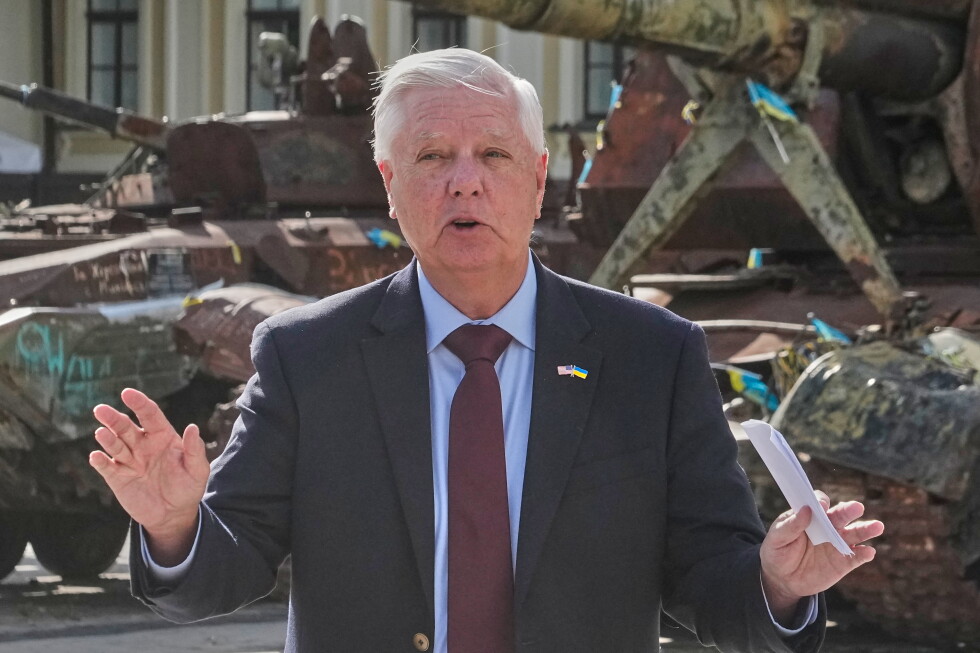
    Following the sudden passing of longtime Republican U.S. Senator Lindsey Graham after a brief, unexpected illness, leaders from across the globe — including NATO allies, Ukrainian officials, and Israeli leadership — have united to honor his decades of unwavering advocacy for transatlantic cooperation, support for freedom, and commitment to collective global security.

    Graham, who cut a prominent figure in U.S. foreign policy for years across administrations, remained an active voice in international affairs right up until his death. Just one week before his passing, he completed his 10th visit to Ukraine since Russia launched its full-scale invasion in 2022, and on the Friday before his death, he announced a finalized agreement with the Trump administration to advance a new round of sanctions targeting Moscow. Ukrainian President Volodymyr Zelenskyy, who met with Graham twice during that final visit, emphasized that the senator showed up for the Ukrainian people at their most vulnerable moment. “Lindsey was a true defender of freedom and the values that make our world safer,” Zelenskyy noted, praising his consistent commitment to Ukraine’s sovereignty.

    Graham’s staunch support for NATO’s eastern flank, where nations have remained deeply alarmed by Russian expansionist aims, earned him enduring respect across the Baltic region. Estonian Foreign Minister Margus Tsahkna remembered Graham as a “steadfast friend” and unyielding backer of both NATO’s eastern border and Ukraine’s fight against aggression. His Latvian counterpart Baiba Braže echoed that sentiment, calling Graham one of the strongest advocates for transatlantic alliance unity and military assistance for Kyiv. Lithuanian Foreign Minister Kęstutis Budrys added that Graham’s lifelong dedication to democratic values, collective security, and international partnership earned him admiration across the European continent. “His voice will be missed, but his legacy will endure,” Budrys said. Finnish President Alexander Stubb also honored Graham, describing him as a personal friend, committed transatlanticist, and unwavering supporter of both NATO and Ukraine.

    Beyond Europe, Graham earned deep respect from Israeli leadership for his consistent support of the U.S.-Israel alliance and his hardline stance on Iran. A former critic of former President Donald Trump who eventually became one of his closest foreign policy allies, Graham advised the Trump administration on issues ranging from Russia to Iran, and long backed policies to isolate Tehran, curb its nuclear and missile programs, and supported U.S. strikes on Iranian nuclear sites last year. Israeli Prime Minister Benjamin Netanyahu called Graham a great friend of both Israel and his own personal friend, noting that the senator understood the interconnected security of the U.S. and Israel and dedicated his career to defending democratic values across the globe. “Israel has lost one of its greatest friends. America has lost a great patriot. I have lost a beloved friend,” Netanyahu said.

    Not all reactions to Graham’s passing were positive, however. Iranian state television announced his death in openly hostile terms during a live broadcast. “I congratulate the great nation of Iran on Lindsey Graham, the warmongering and anti-Iranian U.S. senator, having gone to hell,” the anchor stated, reflecting the long-running animosity between Graham and the Iranian regime.

    Back in Washington, Senate Majority Leader John Thune reflected on Graham’s decades of public service, which included time in the U.S. Air Force followed by years in Congress that took him to every corner of the globe. “He was a strong advocate for the United States and a strong ally to freedom-loving countries across the globe,” Thune said. “He believed in the might of America to achieve good in the world and dedicated his life to advancing that cause.”

  • US-Iran strikes: latest developments

    US-Iran strikes: latest developments

    Fresh rounds of reciprocal strikes between the United States and Iran have sent shockwaves across the Middle East, pushing already fragile regional security to the breaking point and dealing a severe blow to international efforts to de-escalate long-running tensions. On Sunday, Iran’s Islamic Revolutionary Guard Corps announced the indefinite closure of the strategically critical Strait of Hormuz, a move that has already sent global energy markets into turmoil following days of mounting violence. The closure came in response to widespread US airstrikes targeting Iranian military infrastructure, launched after Tehran targeted commercial shipping in the key waterway over the weekend.

    The cycle of violence began Saturday, when US Central Command (CENTCOM) confirmed it had launched retaliatory strikes against roughly 140 targets across Iranian territory. The airstrikes targeted a range of key military assets, including missile and drone production and launch sites, Iranian naval capabilities, ammunition storage depots, communications infrastructure, and coastal surveillance outposts, according to CENTCOM statements. The operation came after Iran attacked multiple commercial vessels operating near the Strait of Hormuz, the narrow passage through which roughly 20% of the world’s global oil supplies transits daily.

    Iran moved quickly to retaliate, launching a wave of drone and missile strikes across US-aligned Gulf states and targeting additional commercial shipping in the strait. The Revolutionary Guard confirmed it had fired on a second vessel in the strait, after an initial incident where it said it fired warning shots to force a ship that ignored designated shipping routes to stop. CENTCOM reported the first vessel was left dead in the water after damage to its engine room from the Iranian strike. In the attack on a vessel off the coast of Oman, which the US has blamed on Iran, Indian officials confirmed 10 Indian crew members had been rescued, while one remains unaccounted for. The UK Maritime Trade Operations (UKMTO) had earlier reported the entire crew abandoned ship and evacuated to a lifeboat after the strike.

    The Iranian retaliatory strikes spread across six Gulf nations, targeting both military infrastructure and US facilities in the region. Jordan’s military confirmed three Iranian missiles landed across multiple locations inside the kingdom, though no casualties were reported. Kuwait’s military activated air defense systems to intercept an ongoing drone and missile attack on its territory, while both Bahrain and the United Arab Emirates activated air raid sirens and engaged incoming threats with air defense systems. Qatar also reported intercepting incoming missile attacks, confirming three civilians had been injured in the strikes. Iran also confirmed it had targeted a US military base inside Qatar, alongside striking US logistical support facilities at Oman’s Port of Duqm, which houses refueling infrastructure for US aircraft carriers and naval vessels. The strike on Oman came just hours after Omani officials hosted Iran’s foreign minister for talks focused on de-escalating tensions around the Strait of Hormuz, prompting a formal condemnation from the Omani government Sunday.

    In the wake of the strikes, US Defense Secretary Pete Hegseth reiterated Washington’s hardline stance, saying “Iran made a poor choice. Now they pay.” For Iran, the strikes come as new Supreme Leader Mojtaba Khamenei formally committed to avenging the killing of his father and predecessor Ali Khamenei, who was killed February 28 on the first day of the current open conflict between the US-Israeli alliance and Iran. “Vengeance is the will of our nation and must inevitably be carried out,” Mojtaba Khamenei said in a written statement released Saturday, his first public comment since his father’s funeral.

    Regional powers have already begun calling for urgent de-escalation. Pakistan’s top diplomat spoke by phone with his Iranian counterpart Sunday, issuing a formal call for all sides to exercise maximum restraint to prevent the conflict from spreading beyond the current flashpoints. The closure of the Strait of Hormuz has renewed immediate pressure on global energy markets, with prices already soaring amid fears of prolonged disruption to one of the world’s most critical energy chokepoints, raising the stakes for international actors scrambling to prevent a full-scale regional war.

  • People flee as Russian strike hits near Ukraine coffee shop

    People flee as Russian strike hits near Ukraine coffee shop

    In northeastern Ukraine, a sudden Russian strike near a local coffee shop sent civilians scrambling for safety on Wednesday, with three separate surveillance cameras capturing the chaotic sequence of events that unfolded in the city of Sumy. The footage, which has been verified by local emergency officials, shows members of the public going about their daily routines near the commercial establishment before a loud blast triggered immediate panic. In a matter of seconds, civilians can be seen ducking for cover to shield themselves from flying shrapnel and debris, then sprinting toward nearby buildings and underground shelters to escape potential follow-on attacks.

    Sumy, a city that sits just 50 kilometers from the Ukrainian-Russian border, has faced repeated artillery and missile strikes since Russia launched its full-scale invasion of Ukraine in February 2022. Local authorities confirmed that the strike hit an open area approximately 200 meters from the coffee shop, which was located in a densely populated residential neighborhood that was busy with civilians at the time of the attack. No immediate fatalities were reported, though emergency services noted that two civilians suffered minor injuries from flying glass and were treated on site by paramedics.

    The recorded incident offers another stark example of the constant threat facing civilian populations in border regions of Ukraine, even as fighting remains concentrated in the eastern and southern parts of the country. Ukrainian officials have repeatedly warned that Russian forces continue to target infrastructure and civilian areas in northern and northeastern Ukraine to keep residents off-balance and divert military resources from frontline operations. Local authorities in Sumy have urged residents to remain vigilant and heed all air raid alerts, noting that strikes can occur with little to no warning in the area.

  • Ukrainian prime minister to step down as Zelenskyy announces government reshuffle

    Ukrainian prime minister to step down as Zelenskyy announces government reshuffle

    On Sunday, Ukraine saw two interconnected developments reshaping the ongoing Russia-Ukraine conflict: a high-profile government leadership change and a new wave of cross-border drone attacks targeting Russian energy infrastructure, sending regional tensions soaring.

    In a social media statement confirming her departure, outgoing Prime Minister Yulia Svyrydenko confirmed she had stepped down as part of a broader government overhaul announced by President Volodymyr Zelenskyy. The 39-year-old, who previously served as Ukraine’s economy minister, was only appointed to the prime minister post in July 2025, after she led high-stakes negotiations that secured a landmark minerals deal between Kyiv and Washington — an agreement widely viewed as a critical step to anchor long-term U.S. economic and security interests in Ukraine amid the ongoing war.

    Reflecting on her tenure, Svyrydenko noted she was proud to have led the country’s executive branch through one of the most challenging chapters in modern Ukrainian history. While she confirmed discussions about her next role with Zelenskyy, she offered no additional details on the specifics of the reshuffle. She emphasized her continued commitment to public service, stating she stands ready to take on any task that strengthens Ukraine’s global position, defends its national sovereignty, and accelerates the arrival of a just and lasting peace. The president confirmed he has offered Svyrydenko a new senior role leading a high-priority initiative focused on relations with a key international partner, as part of Kyiv’s broader shift in political strategy.

    Zelenskyy framed the upcoming reshuffle as a targeted restructuring to align leadership with Ukraine’s current war-time priorities. Under the new structure, every core area of foreign policy will be assigned to a dedicated leader with proven, substantial experience, who can deliver on agreements reached at the head-of-state level and meet the expectations of the Ukrainian public. The president also added that changes are planned for top leadership within Ukraine’s law enforcement agencies, alongside the cabinet-level reshuffle.

    Parallel to the political shakeup in Kyiv, Ukrainian forces continued their campaign of long-range strikes targeting Russian energy infrastructure on Sunday. In Russia’s Samara Oblast, located roughly 500 miles east of the Ukraine-Russia border, a Ukrainian strike left one person dead and three injured — including one child — according to regional governor Vyacheslav Fedorishchev. Fedorishchev confirmed the strike damaged multiple residential properties and an industrial site, and independent Russian media reports identified the Syzran Oil Refinery, a facility owned by Russian energy giant Rosneft, as the primary target. Images circulating on social media showed thick plumes of black smoke billowing from the refinery complex, which has been repeatedly targeted by Ukrainian forces in recent months.

    In a separate attack, Russian regional officials confirmed a drone strike damaged an empty oil tanker transiting the Azov-Black Sea maritime canal in Rostov Oblast. Local governor Yuri Slyusar noted there is no immediate risk of an oil spill from the damaged vessel.

    These latest strikes follow a steady string of Ukrainian attacks on Russian oil infrastructure that have already triggered widespread fuel shortages across multiple Russian regions, with authorities implementing gasoline rationing and motorists facing hours-long waits to refuel. In response, Moscow has ramped up its own missile bombardment of Ukrainian population centers and critical infrastructure, underscoring Ukraine’s ongoing vulnerability to large-scale ballistic missile attacks.

    Zelenskyy has publicly characterized Ukraine’s strikes on Russian energy sites as a campaign of “long-range sanctions”, a deliberate response to Russia’s ongoing full-scale invasion, which entered its fourth year in 2025. On Sunday, Russia’s Ministry of Defense announced it had carried out its own strikes on the southern Ukrainian port cities of Odesa and Chornomorsk, located in Odesa Oblast. As of Sunday evening, Ukrainian officials had not yet issued a public response to Russia’s claims of the strikes.

  • Volkswagen CEO looks to avoid plant closures as automaker moves to cut costs

    Volkswagen CEO looks to avoid plant closures as automaker moves to cut costs

    BERLIN – As one of the world’s largest automakers works to reverse slipping operational and financial performance, Volkswagen Group CEO Oliver Blume has firmly signaled that plant shutdowns are not on the table as part of the company’s ongoing restructuring efforts. In comments published Sunday by German newspaper Bild am Sonntag, Blume emphasized that more strategic alternatives exist compared to shuttering domestic facilities, amid growing market pressure and internal cost-reduction targets. Headquartered in Wolfsburg, Germany, Volkswagen currently navigates two major headwinds: mounting internal pressure to slash operational costs at its home base in Germany, and rapidly intensifying competition from local and global rivals in the high-value Chinese electric and internal combustion vehicle market. Just last week, the automaker announced that its three-year long “fundamental realignment” initiative has entered its next critical phase, revealing plans to cut its global model lineup by as much as 50 percent to streamline production and reduce overhead. The company did not release detailed breakdowns of which models would be cut, or what additional cost-cutting measures would be implemented, leaving industry analysts and stakeholders guessing about the future of several of Volkswagen’s German production facilities. “There are more intelligent solutions than closing plants,” Blume told the outlet. The CEO added that ongoing cost-reduction programs at Volkswagen’s German factories have already started delivering tangible results, noting that “we were able to improve our factory costs in Germany by an average 20% last year alone.” Blume characterized that 20 percent reduction as “strong progress” for the company’s restructuring goals. Blume also acknowledged that while consumer demand for Volkswagen’s broad portfolio of vehicles remains robust, the company’s profit margins on those products are far lower than leadership targets. “Volkswagen’s products are very popular, but we just earn too little money with them,” he explained. “So we must continue to reduce our costs. In all kinds of costs.” The comments come as global automakers across the industry face shifting consumer demand, rising raw material costs, and steep investment requirements for the transition to electric vehicles, forcing many legacy manufacturers to implement broad restructuring efforts to remain competitive.