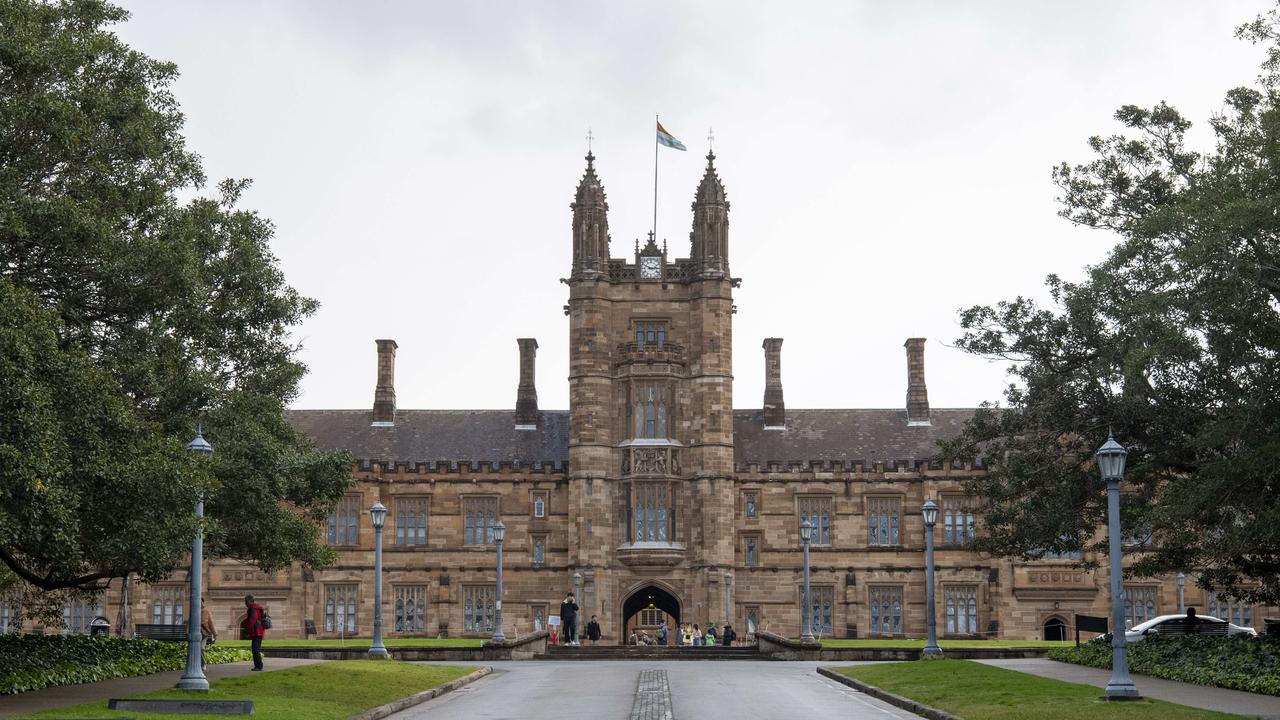
Australia’s higher education sector is facing sweeping new anti-racism regulations that come into force Monday, the same day a landmark royal commission into antisemitism and social cohesion resumes public hearings in Melbourne, with damning testimony of widespread harassment of Jewish students on campus expected. The changes, announced by Education Minister Jason Clare, require every registered higher education provider across the country to formally adopt official definitions of both antisemitism and Islamophobia, overhaul their student and staff complaint handling processes, and proactively maintain safe, inclusive learning and working environments for all communities.
Clare told reporters on Sunday that the commission will be presented with what he described as “horrific” evidence from Jewish students who have endured persistent abuse, intimidation, and harassment on Australian university campuses. While the minister acknowledged that some institutions have implemented incremental improvements to their anti-racism frameworks in recent years, he stressed that progress has been far too slow. “There’s a lot more to do,” Clare said, adding that the new rules are just the first phase of broader reform to crack down on inaction by university leadership.
Alongside new anti-racism requirements, the changes also introduce mandatory University Governance Principles, modeled on the corporate governance standards that apply to publicly listed Australian companies. These new principles, which cover eight core areas including accountability, transparency, inclusivity, diversity of perspective, and sustainability, will become a formal part of national university standards starting Monday. Public universities will now be required to publish detailed public disclosures, including outcomes of governing body meetings, all consultancy spending and its objectives, external professional roles held by vice-chancellors and senior executives, and annual reports detailing executive remuneration. The principles were developed by the Expert Council on University Governance following a 2025 parliamentary inquiry into higher education governance reform, and all institutions will be required to report on their compliance to the Tertiary Education Quality and Standards Agency (TEQSA), Australia’s higher education regulator.
The fourth round of royal commission hearings will feature testimony from senior leaders at some of Australia’s most prestigious tertiary institutions, including the Australian National University, the University of New South Wales, the University of Melbourne, and the University of Sydney. The renewed focus on campus racism comes after pro-Palestine protests sparked by the October 7, 2023 Hamas attacks and Israel’s subsequent military campaign in Gaza put Australian universities’ response to antisemitism under intense national scrutiny. A 2024 parliamentary inquiry into the issue already documented an “alarming and abhorrent rise in antisemitism amongst students and staff at Australian universities”, finding that widespread reluctance among university administrations to impose meaningful penalties for hateful misconduct allowed toxic campus environments to escalate.
Clare also outlined plans for further regulatory reform in the coming months, announcing that he will introduce new legislation to strengthen TEQSA’s enforcement powers. Currently, the regulator must launch court proceedings to issue fines against universities that fail to meet national standards. Clare said this cumbersome process is ineffective, and the proposed changes will give TEQSA direct power to impose penalties on non-compliant institutions, giving the watchdog “more teeth” to hold universities accountable for failing to address racism on campus.