作者: admin

  • Police investigate the death of South Africa World Cup soccer player Jayden Adams

    Police investigate the death of South Africa World Cup soccer player Jayden Adams

    Less than a fortnight after helping lead South Africa to its first-ever knockout stage appearance at a global men’s World Cup, 25-year-old national team midfielder Jayden Adams has died unexpectedly. His body was found Saturday at a residential property in Cape Town’s Schotsche Kloof neighborhood, and local law enforcement has launched a formal inquest into the circumstances of his death, authorities confirmed Monday.

    As of Monday, official investigators have not released any confirmed cause of death, and have urged the public and media to avoid spreading unsubstantiated speculation while the probe moves forward. In a formal statement shared with the Associated Press, Cape Town Central Police said: “Cape Town central police registered an inquest for investigation following the discovery of the body of a 25-year-old male on Saturday. Circumstances surrounding this incident are under investigation.” Police declined to share additional details beyond confirming the location and approximate time of the discovery, which was logged at around 11 a.m. local time Saturday.

    Adams’ family confirmed their grief in statements to local media, noting they are still waiting for official autopsy results to confirm the cause of death and have not yet finalized funeral arrangements. “As you all know, it was an untimely death. The family is struggling to process it,” Juanito Adams, the player’s father, told South African outlet eNCA Sunday. “It won’t be easy to carry on. People say it will become easier, but it won’t. You just learn to live with it.”

    Adams was a key contributor to South Africa’s historic run at this year’s World Cup, starting in all three of the team’s group stage matches that propelled the nation past the group stage for the first time in its modern World Cup history. He did not appear in the team’s round of 32 knockout match against Canada on June 28, which ended in a 1-0 defeat that eliminated South Africa from the tournament.

    South African Sports Minister Gayton McKenzie later highlighted Adams’ extraordinary dedication to his team, revealing that the young player competed in South Africa’s critical group stage match against the Czech Republic just hours after learning his own grandmother had passed away. In a statement following Adams’ death, McKenzie called on the public and press to “exercise restraint and compassion” amid the ongoing investigation, and refrain from spreading unconfirmed rumors about how the player died.

    The global soccer community has already begun to honor Adams’ legacy ahead of the conclusion of the ongoing World Cup. Tributes and moments of silence were held during both quarterfinal matches on Saturday — the contest between England and Norway, and the match between Argentina and Switzerland — to recognize the young player’s life and career.

  • Middle East rocked by heaviest attacks since Iran-US ceasefire

    Middle East rocked by heaviest attacks since Iran-US ceasefire

    The Middle East has been plunged back into widespread conflict this week, with the largest exchange of military strikes between the United States and Iran taking place since a bilateral ceasefire was agreed in April. The resumption of active hostilities centered around the strategically critical Strait of Hormuz, a chokepoint for nearly a fifth of the world’s daily oil trade, has thrown years of diplomatic efforts to lock in a permanent end to conflict into serious jeopardy.

    After a second consecutive day of U.S. airstrikes against Iranian targets on Monday, Iranian officials issued a stark warning: Tehran will formally withdraw from its compliance with the June ceasefire framework agreement if Washington continues to fail to uphold its own commitments under the deal. Foreign Ministry spokesperson Esmaeil Baqaei confirmed the breakdown in the agreement, noting that Iran has repeatedly matched U.S. non-compliance with reciprocal action, and will continue to do so. “There is no doubt that this document is in crisis,” Baqaei stated. “Each time that the other party has failed to meet its obligations, we did not uphold ours. We will continue to act in this manner.” Despite the escalating tensions, Baqaei added that Tehran remains engaged in diplomatic talks with mediators from Qatar, Pakistan and Oman to prevent further regional escalation.

    Shortly after Iran’s threat, the Islamic Revolutionary Guard Corps (IRGC), Iran’s most powerful military force, announced retaliatory strikes targeting four U.S.-aligned Gulf nations: Bahrain, Jordan, Kuwait and Oman. The strikes triggered air raid warnings across Bahrain, while military forces in Jordan intercepted four Iranian missiles and Kuwaiti troops intercepted multiple “hostile aerial targets.” Bahrain’s military condemned the action as “heinous attacks with missiles and drones that target civilians,” confirming it had shot down a number of Iranian projectiles by Monday morning. Iranian state media reported two civilian casualties from the latest wave of U.S. strikes, including one fatality and four injuries at a water pumping station in the southwestern city of Mahshahr. Fresh unexplained blasts were also reported near the coastal city of Bandar Abbas in southern Iran at midday Monday, according to Iran’s Mehr News Agency.

    U.S. Central Command (CENTCOM) confirmed it had completed a new round of overnight airstrikes targeting dozens of Iranian positions across multiple locations. The U.S. military said the strikes used precision munitions launched from aircraft, naval vessels and drones, with the explicit goal of degrading Iran’s capability to attack commercial shipping transiting the Strait of Hormuz. The new round of fighting began early Sunday, when Iran launched an attack on a commercial cargo vessel in the strait that forced the entire crew to abandon ship after the vessel caught fire. Following that attack, the IRGC announced via Iran’s official IRNA news agency that “the Strait of Hormuz will be closed until further notice and until the end of American interventions in this region.” CENTCOM pushed back against that claim in a post on X, asserting that the waterway remained “open to all vessels seeking to lawfully transit.”

    The competing claims over access to the strait have roiled global energy markets, as fears of disrupted supply pushed oil prices up by as much as 4.5% in trading on Monday. U.S. West Texas Intermediate crude climbed to nearly $74 per barrel, reversing the sharp drop in prices that followed the announcement of the June framework agreement.

    Diplomatic efforts to de-escalate gained momentum after President Donald Trump declared the April ceasefire over earlier this week, but mediators have struggled to reverse the breakdown in talks. Pakistan, one of the key intermediaries in the negotiations, issued a statement expressing “deep concern at escalation in regional tensions.” Iran’s foreign ministry said the U.S. strikes had “caused the return of insecurity in the Strait of Hormuz” and “rendered futile all efforts” at establishing lasting regional peace.

    Independent analysts largely view the current escalation as a temporary phase in long-running negotiations, rather than a precursor to full-scale permanent war. Bader Al-Saif, an associate fellow at the London-based Chatham House think tank, noted that both Washington and Tehran want to reach a negotiated settlement that favors their own strategic priorities, and have turned back to large-scale attacks to gain leverage ahead of final talks. “Both sides want to end the impasse on their own terms, and they are increasingly finding it difficult to do so. Hence the return to and increase in the scale of attacks,” Al-Saif explained. “That only prolongs what will eventually happen: a negotiated settlement.”

  • Men disguised as police kill Ecuadorean drug lord’s brother

    Men disguised as police kill Ecuadorean drug lord’s brother

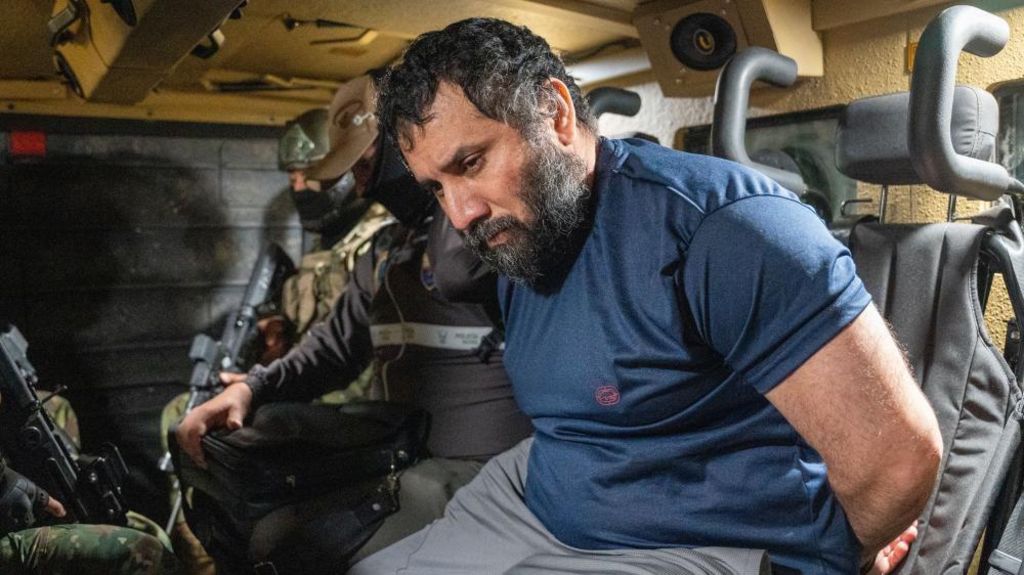
    On a Sunday morning in early local hours, a brazen targeted attack rocked an upscale residential neighborhood in the Pacific coastal Ecuadorian town of Olón, leaving a top regional leader of the country’s most dangerous criminal syndicate dead. David Macías, 35-year-old brother of infamous Los Choneros drug gang head Adolfo Macías—widely known by his alias “Fito”—was gunned down by assailants who had carefully disguised themselves as uniformed police officers to gain access to his rented home, according to local law enforcement.

    Officials confirmed David Macías held a senior regional command position within Los Choneros, the powerful criminal network that was led by his brother Fito until his extradition to the United States one year ago. Fito currently remains in U.S. custody, awaiting trial on a raft of drug trafficking and organized crime charges. The U.S. government has formally designated Los Choneros as a Foreign Terrorist Organization, linking the gang directly to the massive surge in homicide rates that has destabilized Ecuador in recent years.

    Witnesses to the attack report the fake police officers gained entry to David Macías’ residence before opening fire, then fled the scene immediately. As of the latest updates, no suspects have been apprehended, and investigators have not yet released formal information on a confirmed motive. Criminal violence analysts note targeted killings of mid-to-senior gang leaders are far from uncommon in Ecuador’s underworld: such attacks are frequently carried out by members of rival drug trafficking organizations, or sometimes by factions within a gang engaged in internal power struggles. This pattern played out just one month prior, when a local gang leader was assassinated by two teenage gunmen outside Guayaquil’s international airport. In that brazen incident, the attackers hid their weapons inside stuffed toys and a floral arrangement to avoid detection by security.

    David Macías had a long documented history with Los Choneros: he pleaded guilty to criminal conspiracy charges back in 2018. During his time incarcerated, law enforcement records indicate he actively recruited new gang members from the prison population, and ultimately brought the entire correctional facility where he was held under the full control of Los Choneros. The killing of David Macías marks the third major blow to the gang’s upper leadership in less than 12 months. Following Fito’s extradition last year, a second brother, Javier Macías, was captured by authorities just one month ago in neighboring Colombia.

    The attack underscores the ongoing wave of organized crime violence that continues to challenge Ecuador’s government and security forces, as criminal syndicates battle for control of key drug trafficking routes connecting South American cocaine producers to consumer markets in North America and Europe.

  • EU chief weighs age restrictions for children using social media

    EU chief weighs age restrictions for children using social media

    BRUSSELS – On Monday, a leading European Union executive has thrown its weight behind strict age-based limitations on children’s access to social media, backing a landmark expert panel recommendation that would bar users under 13 from platforms until tech firms can conclusively prove their services do not harm young users. The push from Brussels comes as part of a growing global crackdown on unregulated youth social media use, with countries across five continents already rolling out tighter rules to protect developing minds from documented harms.

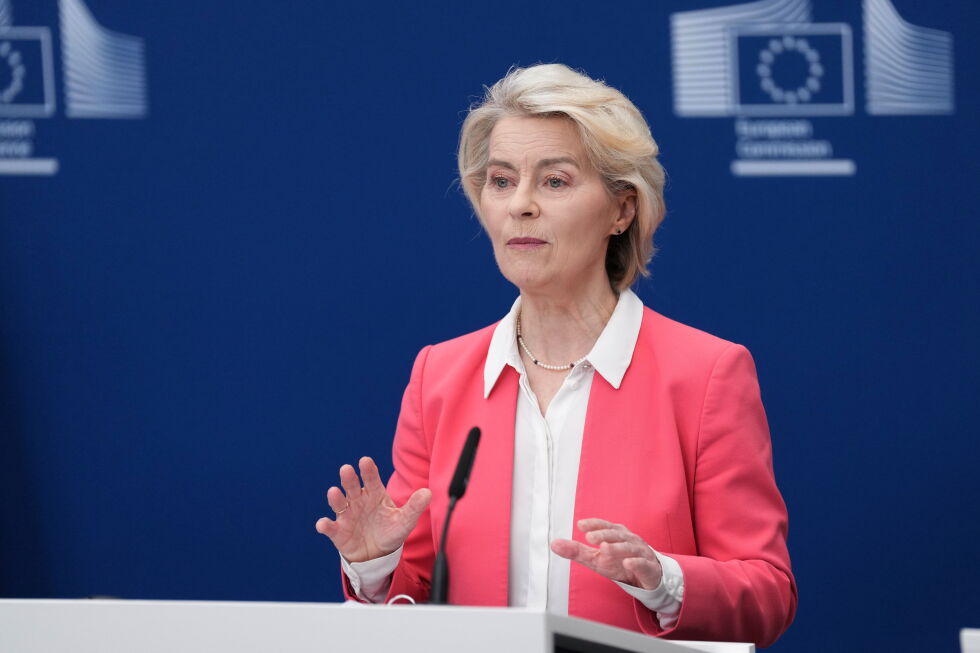
    European Commission President Ursula von der Leyen, who trained as a medical doctor, laid out a sweeping set of concerns about the impact of digital platforms on childhood development during a press briefing Monday, shortly after receiving the final report from the EU’s special independent panel on online child safety. She argued for the urgent need for tiered access rules tied to age, stressing that early childhood development is irreversible once damaged.

    “Childhood won’t wait and once it’s gone, we can never give it back,” von der Leyen told reporters. She drew a parallel to long-standing public safety regulations that most societies take for granted: “Just as we don’t give our children keys to the car before they have their license, or we do not let them buy alcohol until they are legally allowed. We need to set the age at which children can legally access social media.”

    Among the most pressing harmful design features von der Leyen highlighted is infinite scrolling, a common platform function intentionally engineered to keep users engaged for as long as possible, which she labeled an addictive trait that tech companies must be forced to modify. For very young children, she put forward an even stricter baseline, calling for zero screen exposure for children under 3 years old.

    While von der Leyen stopped short of announcing a fully drafted regulatory proposal on Monday, she confirmed that the European Commission – the EU’s 27-nation executive body with the exclusive right to propose new bloc-wide laws – will unveil formal legislation for member states to consider in the near future. As the head of the commission, von der Leyen’s policy priorities heavily shape the final text of proposals that go on to be negotiated by EU member states and the European Parliament.

    The 13-page recommendation from the special expert panel, delivered to von der Leyen earlier Monday, shifts the responsibility of proving platform safety from regulators and families to the tech companies themselves. The report argues that current frameworks unfairly place the burden of mitigating harm on parents and watchdogs, rather than the firms that design and profit from the platforms.

    “Until they demonstrate that their services are safe by design, social media and other digital services providers should have restricted access to children under the age of 13 in the EU,” the panel’s report stated. The recommendation is widely expected to shape the commission’s upcoming legislative draft, as von der Leyen has cited the panel’s work as a key input for her policy. The panel also went a step further, urging individual EU member states to consider additional precautionary age restrictions for teens between 13 and the legal age of majority.

    The EU’s move aligns with a growing global trend of tightening youth social media regulations. In recent years, Australia, the United Kingdom, Turkey, Indonesia and dozens of other nations have passed legislation banning or restricting users under the ages of 15 or 16 from accessing major platforms including TikTok, YouTube and Instagram, as mounting research links excessive unregulated social media use to higher rates of anxiety, depression, poor academic outcomes and developmental delays in children and adolescents.

  • Kenya’s goons: a world of political violence and desperation

    Kenya’s goons: a world of political violence and desperation

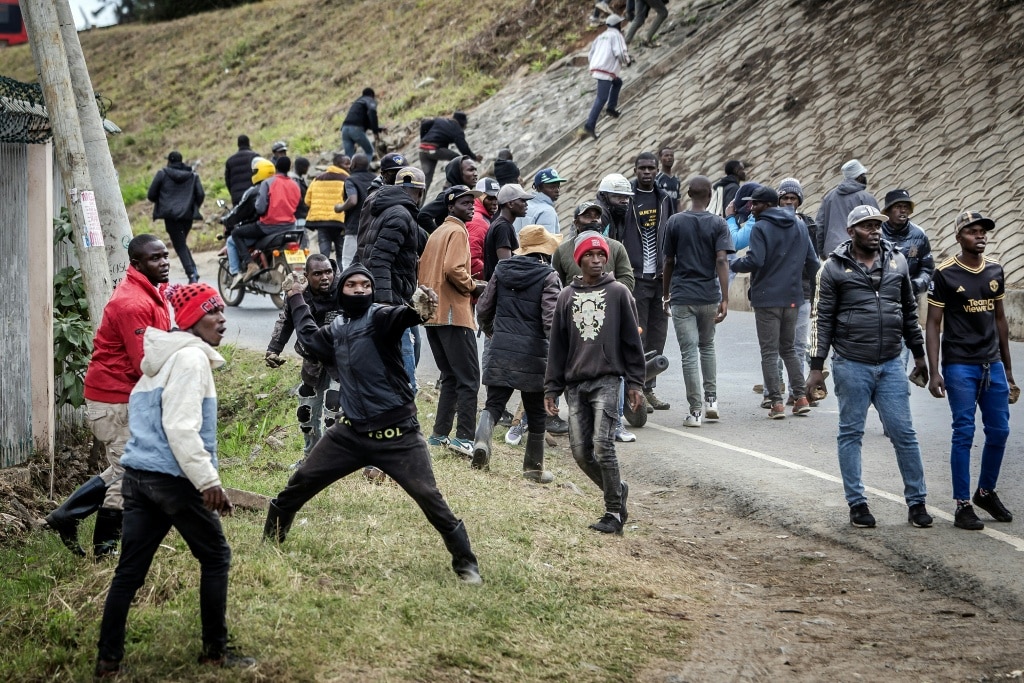
    As Kenya approaches its 2027 general election, a disturbing trend has taken root in the country’s political landscape: widespread hiring of low-paid armed thugs — locally referred to as “goons” — by political operatives to disrupt opposition rallies, attack anti-government demonstrators, and intimidate civil rights activists. Fueled by crippling systemic poverty and cutthroat political competition, this entrenched culture of violence is raising urgent alarm that the upcoming poll could descend into uncontrolled chaos.

    A recent investigation by Nairobi-based independent research firm Odipo Dev has documented a clear “rate card” for these hired enforcers: local councilors pay as little as 500 Kenyan shillings (approximately $4) per day for their services, while members of parliament pay up to 1,000 shillings ($8) daily. For thousands of unemployed and underprivileged young Kenyans, this meager pay is often the only accessible source of income in an economy starved of formal work opportunities.

    AFP spoke with five current goons on condition of anonymity, and their accounts lay bare the cycle of desperation that traps young people in this violent trade. Twenty-seven-year-old Marius, who has worked as a goon since he was 17, grew up in Korogocho, one of Nairobi’s most impoverished informal settlements, raised by a single mother who could not afford secondary school fees. His childhood dream of becoming a surgeon was quickly quashed, leaving him functionally illiterate with few other options to support himself. “You end up being a goon to at least earn something,” he explained. Though he initially projected confidence in his work, he later admitted he hides his dangerous trade from his young son, saying “I don’t want to expose him to the bad things I do. I don’t want him to follow in my shoes.” Marius already lost five teeth in a political brawl, when he was paid to disrupt the opening of a hospital by a rival politician.

    Widespread official collusion enables this goon culture, even as both politicians and police publicly claim to be working to eradicate it. During large-scale anti-government protests in 2023, AFP correspondents witnessed hundreds of goons operating directly alongside uniformed police to attack demonstrators, before the goons looted and vandalized businesses in central Nairobi. Just last month, CCTV footage obtained by AFP shows uniformed officers marching alongside an armed gang that stormed Nairobi’s iconic All Saints Church to violently break up a planned civil society meeting. Earlier this month, an opposition rally in southwest Kenya was overrun by armed men, leaving one attendee dead and several others wounded — video footage from the scene shows police standing by passively, making no attempt to intervene.

    National Police Service spokesperson Michael Muchiri dismissed allegations of institutional collaboration with goons as “preposterous,” telling AFP that any complicit officers are rogue actors currently under investigation. “The National Police Service is determined to ensure the ‘goon culture’ does not gain a foothold in this country,” Muchiri said. But analysts note that politicians from every major political faction rely on goons, filling a perceived gap in state security that leaves politicians unable to count on police protection for their events and operations. “There is a policing gap… and politicians feel the need to have this machinery either to defend themselves or to intimidate their opponents,” explained Odipo Dev researcher Darius Okolla.

    Goonism in Kenya is not a new phenomenon; it has deep, poisonous roots that stretch back decades to the authoritarian rule of former president Daniel arap Moi. In the 1992 election cycle, Moi’s ruling party Kanu formed the group Youth for Kanu ’92 (YK’92), a youth movement organized to rally support for the incumbent regime, and it was widely accused of vote-buying and orchestrating political violence against opposition groups. A key organizer of YK’92 was current Kenyan President William Ruto, who was later charged with crimes against humanity by the International Criminal Court for his alleged role in the widespread 2007-2008 post-election violence that killed more than 1,000 people. The case ultimately collapsed after witnesses reported widespread intimidation.

    Interviewees told AFP that since Ruto took office in 2022, following a divisive general election, the use of goons has reached a new peak. The Ruto administration has faced massive youth-led protests sparked by skyrocketing living costs, widespread economic hardship, and public anger over systemic corruption, and goons have been systematically deployed to crush these demonstrations. “The goons were used to put them down,” Marius said. “The goon rate has increased highly because (Ruto) likes operations like that.” The Ruto administration did not respond to multiple requests for comment from AFP for this report.

    Rights advocates warn that if the current trend of escalating political violence through hired goons continues, Kenya has little chance of holding free, fair, and peaceful elections in August 2027. “If this trend continues, it is evident that Kenya will not have free, fair, and peaceful elections” said Hussein Khalid of Kenyan human rights organization Vocal Africa.

    At its core, the rise of goon culture is driven by systemic economic desperation. World Bank data shows that roughly 800,000 young Kenyans enter the labor market every year, but the formal sector only creates around 100,000 new jobs annually, leaving seven out of eight new jobseekers locked out of formal work. Even educated young people struggle to find stable work: 28-year-old Daniel, a former altar boy who grew up in one of Nairobi’s slums as one of seven children, saw his parents scrape together enough money to put him through university where he studied criminology. But in Kenya, landing a formal job often requires political connections and cash to “buy” the position — resources his family did not have.

    “They say education is the key, but honestly speaking we never find the padlock open,” Daniel told AFP. He has now worked as a goon for seven years, and he speaks openly of the deep regret he feels for the violence he has committed. “You find that you have even hit a woman… that woman is like my mother. But you had no option,” he said. Political handlers typically supply goons with alcohol and drugs to numb the self-loathing that comes with the job. “In a sober mind, it’s not easy,” he added.

    Daniel alternates between shame and grim pragmatism about his role. He knows politicians use him “like tissue paper” to do their dirty work and will discard him once he is no longer useful, but he still welcomes the cash the work provides. He and other goons are already looking forward to the 2027 election campaign, when they expect a surge in demand for their services. “We are counting ourselves rich in the coming months because the election campaigns will be open,” he said. “At least we can benefit: we can get phones, come back with cash we are promised by these leaders.” Goons also gain a form of gang-like social status in their low-income neighborhoods, where many young people see them as local heroes. “We are heroes to these kids,” Daniel said.

    The trade is deliberately structured to avoid leaving a digital trail: goons are hired through offline neighborhood networks, with no text messages or digital payments that could be traced. Recruits are instructed to gather at a prearranged location, dress all in black, and bring face coverings to hide their identities. All payments are made in cash, often in new, unmarked banknotes, according to interviewees.

    Goons operate in cells of 20 to 50 people, led by a senior local handler. The most violent and ruthless enforcers — referred to as “person in the top gear” — have a small chance to climb the ranks, eventually becoming middlemen who connect politicians to low-level goons, and even potentially gaining access to mainstream political society. Multiple interviewees pointed to Calvince “Gaucho” Okoth, a controversial youth organizer who has been repeatedly linked to violent political mobilization despite denying he is a goon. Last month, Nairobi Governor Jonathan Sakaja appointed Okoth to the board of a local public hospital. “Someone like Gaucho was once a big fish. Now he’s a shark,” Daniel said.

    Most goons care little for the political causes they are paid to advance, and many openly oppose the politicians they work for. “In Kibera, what you usually say: your money is not you,” explained 23-year-old David. The policy concerns of rights groups and middle-class anti-government protesters also feel distant and abstract to most goons, who face immediate survival pressures. “If we side with them, we will not be employed,” Marius explained. Having watched politicians profit from corruption and violence, many young goons see joining the system as the only way to get a share of the country’s wealth. “Each and every youth is interested in that activity because if you can’t beat them, then join them,” Daniel said.


  • Zelenskyy will discuss Ukraine support and air defenses with European leaders in Paris

    Zelenskyy will discuss Ukraine support and air defenses with European leaders in Paris

    As Russia’s full-scale invasion of Ukraine enters its third year, Ukrainian President Volodymyr Zelenskyy touched down in Paris on Monday for high-stakes talks with two dozen European leaders from the pro-Ukraine Coalition of the Willing, a gathering that signals unified Western resolve to back Kyiv’s fight against Russian aggression. The summit comes amid a sharp intensification of cross-border drone attacks, shifting battlefield momentum, and urgent negotiations to ramp up Ukraine’s defensive capabilities against relentless Russian aerial assaults.

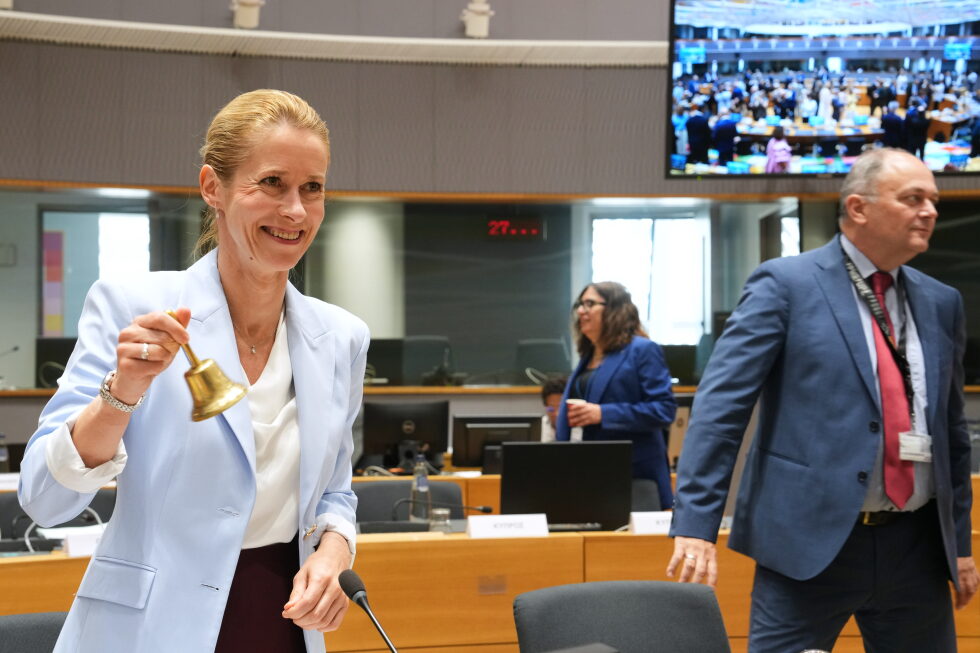
    Parallel to the Paris talks, European Union foreign ministers gathered separately in Brussels to deliberate on Ukraine’s pressing military and humanitarian needs, as well as the growing threat Russia poses to European continental security. Both Kyiv and its European backers are moving to capitalize on Ukraine’s recent battlefield gains to push Russian President Vladimir Putin toward meaningful peace negotiations—though Moscow has refused any compromise, even after a year of peace efforts led by the U.S. Trump administration.

    Military analysts and Western officials attribute Ukraine’s recent advances to major breakthroughs in domestic drone development, which has given Kyiv a critical edge on the battlefield. Targeted strikes on Russian supply routes behind front lines have drained the Russian military’s operational momentum, forcing Moscow to slow its advances and accept extremely high personnel and equipment losses. Most notably, Ukraine’s sustained campaign targeting Russian supply lines into Russian-annexed Crimea has triggered the worst fuel shortage on the Black Sea peninsula since 2014, dealing a major blow to the Kremlin’s official narrative that it is winning the war.

    A top priority for Zelenskyy at the Paris summit is accelerating plans for joint European-Ukrainian development of anti-ballistic air defense systems, a critical capability to block Russia’s devastating attacks on Ukraine’s civilian energy infrastructure. In remarks posted to social media Monday following another round of overnight Russian airstrikes across Ukraine, Zelenskyy emphasized, “Everyone in the world sees that Ukraine needs more air defense, more protection of life.” A recent pledge from U.S. President Donald Trump to grant Ukraine a license to domestically produce Patriot air defense systems has been hailed as a potential breakthrough, though experts and Ukrainian officials caution it will likely take years for this policy to translate into operational weapons in Ukraine’s arsenal.

    The Paris Coalition of the Willing gathering, which officially includes more than 30 pro-Ukraine nations, brought roughly 25 heads of state and government to the French capital. The high turnout is widely interpreted as a public demonstration of long-term European commitment to Ukraine, and a unified warning to Moscow amid ongoing Russian efforts to test European resilience against escalation. In a separate development Monday, French Foreign Minister Jean-Noël Barrot announced that France would summon the Russian ambassador to Paris and impose new sanctions on Russian hackers, in response to what Barrot described as “a vast cyber campaign aimed at sabotage and espionage, carried out by Russia in about 10 European countries.”

    The spillover impact of the war is already being felt by Ukraine’s neighboring countries. On Monday, Moldova’s Ministry of Foreign Affairs confirmed that a drone launched during Russian overnight attacks on Ukraine’s Odesa region crashed and detonated on Moldovan territory, calling the incident “serious and unacceptable.”

    Zelenskyy’s trip to Paris also comes against a backdrop of major domestic and political shifts in Kyiv and Washington. The visit follows the recent passing of U.S. Senator Lindsey Graham, one of Kyiv’s most steadfast supporters in Washington, whose death has raised Ukrainian concerns over future U.S. support. It also comes amid an ongoing major government reshuffle in Kyiv, which saw Prime Minister Yulia Svyrydenko step down from her post on Sunday.

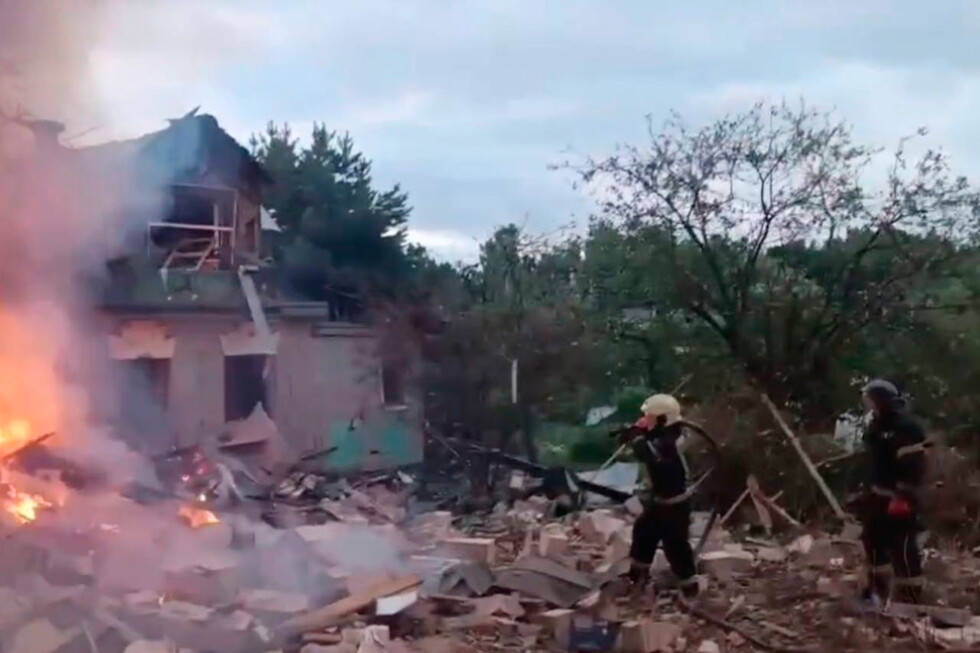
    Over the past 48 hours, drone activity between the two warring sides has reached new levels of intensity. Ukraine launched a massive wave of domestically developed long-range drones and missiles targeting deep inside Russian territory, matching and even exceeding the scale of relentless Russian aerial assaults on Ukraine. Moscow Mayor Sergei Sobyanin announced that Russian air defenses shot down 350 Ukrainian drones headed toward the capital since late Sunday, including 50 in the immediate Moscow area. Andrei Vorobyov, governor of the Moscow region, reported that 81 drones were downed overnight, with three civilian deaths and three injuries recorded in a strike on the Pionersky settlement outside Istra, where five private homes were destroyed by fire.

    In a parallel wave of Russian attacks on Ukraine, the Ukrainian Air Force reported that Russia launched 134 long-range strike drones and three guided aviation missiles across Ukrainian territory. Ukrainian air defenses shot down or jammed all three missiles and 123 of the drones, though six remaining drones caused damage at five locations across the country. In the southern Ukrainian city of Zaporizhzhia, regional military administration head Ivan Fedorov reported that over 70 residents have been hospitalized after recent Russian strikes damaged 11 residential apartment blocks.

    Russian security officials also announced Monday that they had thwarted a large-scale Ukrainian drone plot targeting two key Russian air bases: the Ukrainka air base in the far eastern Amur region, and the Shagol air base in the southern Ural region of Chelyabinsk. According to Russia’s Federal Security Service, the domestic intelligence agency, small drones were smuggled into Russia’s western Bryansk region via air balloons and larger transport drones, then transported by car to the vicinity of the targets by Ukrainian agents. The FSB said it had arrested the Ukrainian agents and their accomplices, and seized 24 drones, calling the alleged plot “unprecedented in its scale and the level of threat” to Russian military infrastructure. The foiled plot comes just over a year after Ukraine’s Operation Spiderweb, a covert strike that destroyed or damaged nearly a third of Russia’s strategic bomber fleet after drones were smuggled into Russian territory, per Ukrainian official accounts.

  • UK seeking extradition of triple murder suspect

    UK seeking extradition of triple murder suspect

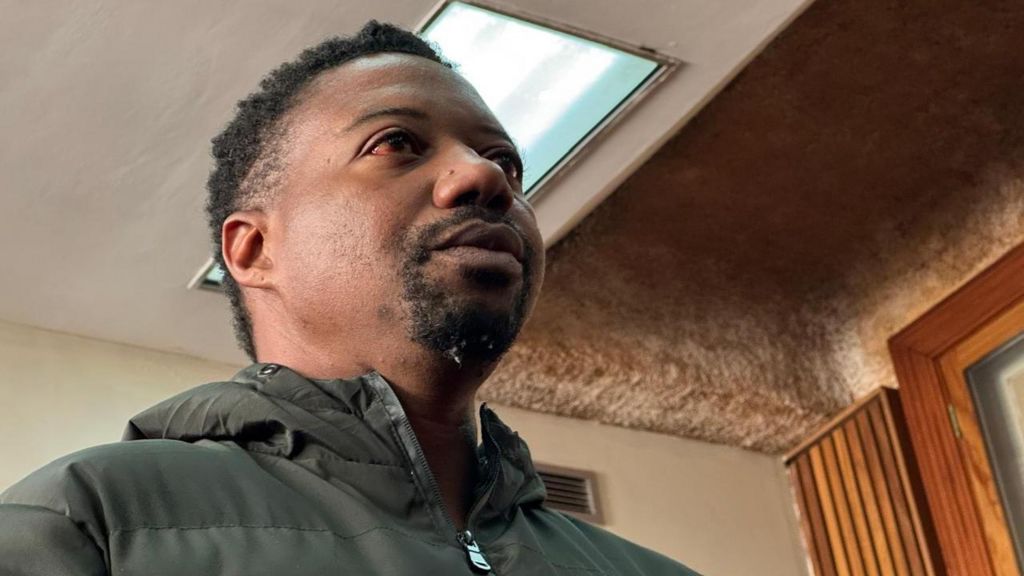
    A shocking case of domestic triple homicide that shook the United Kingdom has entered a new phase, with the primary suspect making his first court appearance in South Africa just days after law enforcement apprehended him in Johannesburg. Ndodana Mkhanyisi Tshuma, a British citizen of Zimbabwean descent, was taken into custody by South African authorities on Friday night, nearly a week after the bodies of his wife and two daughters were discovered inside their family home in Great Denham, a quiet community in Bedfordshire, England.

    On July 6, local police officers responded to a welfare check at the property on Carnoustie Drive and found 42-year-old Nothabo Zandile Tshuma, along with her two daughters—15-year-old Natalie and 5-year-old Nala—dead at the scene. The UK’s Crown Prosecution Service has since approved three counts of murder against Tshuma, formalizing the legal charges in the case.

    Following the suspect’s cross-border flight and subsequent arrest, the case now hinges on an upcoming extradition process. South African police spokesperson Athlenda Mathe confirmed that the country has already received a provisional extradition request submitted through Interpol channels: the request originated from Interpol Manchester and was transmitted to Interpol Pretoria for processing. Currently, South African authorities hold an active arrest warrant issued by UK law enforcement, and they are now waiting for the complete formal extradition request, which must be submitted within a 40-day window. This full documentation will include the official case docket and all supporting evidence related to the triple homicide charges.

    Beyond the extradition matter, Tshuma also faces a separate local charge in South Africa for the illegal possession of firearms, which formed part of the initial court hearing held this week. For the family of the victims, the tragedy has left an irreparable void. In a public statement mourning their loss, relatives shared that ‘words cannot begin to express the depth of our emptiness and sorrow in the face of this tragic and senseless loss of life.’

    As the extradition process moves forward, authorities on both sides are coordinating through international law enforcement frameworks to bring the suspect back to the UK to face trial for the murders.

  • EU targets Russian intelligence officers accused of running a yearslong cyber spying campaign

    EU targets Russian intelligence officers accused of running a yearslong cyber spying campaign

    BRUSSELS – In a significant escalation of tensions between Brussels and Moscow, the European Union rolled out punitive sanctions Monday against Russian military intelligence officials, cyber hackers and private entities, formally condemning what bloc leaders describe as a years-long pattern of state-aligned cyber espionage designed to destabilize the 27-nation union.

    The sanctions regime targets a total of nine individuals and four organizations that the EU links to a sophisticated cross-border online spying network. According to official documents, this network has carried out targeted attacks against government institutions and conducted sabotage operations against European critical infrastructure – including heating facilities and power stations – dating back to 2010. In a public statement, the European Council emphasized that all sanctioned parties directly “contribute to Russia’s efforts to destabilize the EU, its member states and international partners.” Evidence confirms these malicious cyber activities have been executed in at least nine EU member states, with France, Germany, Poland, Cyprus, the Netherlands, Austria, Slovakia, Romania and Finland explicitly named as targeted nations.

    Notably, the European Council’s public announcement did not release the full identities of the sanctioned individuals and entities, a departure from standard public sanctions documentation in many previous cases.

    France, one of the nations most impacted by the alleged cyber activities, has announced additional diplomatic action in response. French Foreign Minister Jean-Noël Barrot told BFM Television that Paris will summon Russia’s ambassador to France in the coming days to address the incidents. Barrot outlined the dual harmful goals of the Russian campaign: exfiltrating sensitive confidential information, and carrying out disruptive sabotage of key public infrastructure. He referenced a prior attack on Polish railway networks as a clear example of the sabotage campaign’s real-world impact.

    At the center of the EU’s punitive measures is the 16th Center of Russia’s Federal Security Service (FSB), Russia’s main domestic intelligence and security agency. The EU’s official designation confirms the unit has maintained direct control over a range of cyber threat groups operating across Europe, and has overseen a steady expansion in the scope and severity of malicious cyber operations against the bloc.

    This latest action builds on growing international alarm over Russian state-aligned cyber activity across Europe. Multiple nations have previously publicly accused Russia of leveraging cyberattacks and disinformation campaigns to interfere in sovereign democratic election processes. Most recently, in April, Swedish officials confirmed that a pro-Russian hacking group with ties to Russian intelligence services was responsible for a cyberattack on a Swedish heating facility in 2023. That announcement followed repeated public warnings from security officials in Poland, Norway, Denmark and Latvia, who have all documented increasing Russian cyber incursions against critical national infrastructure across the continent.

  • Heartland Wines in voluntary administration after more than two decades producing premium reds

    Heartland Wines in voluntary administration after more than two decades producing premium reds

    After building a 20-year legacy crafting award-winning South Australian red wines, Heartland Wines has entered voluntary administration, leaving the future of the well-known regional wine label uncertain.

    Founded in the early 2000s by a collective of industry leaders including celebrated winemaker Ben Glaetzer, Scott Collett, Grant Tilbrook, Geoff Hardy and Vicky Arnold, Heartland Wines built its reputation on producing premium yet approachable red vintages sourced from two iconic South Australian wine growing regions: Langhorne Creek and the Limestone Coast. Over its two decades in operation, the label launched popular products including Director’s Cut Shiraz and Heartland One, focusing on iconic varieties such as Shiraz and Cabernet Sauvignon, and built distribution across domestic and international markets.

    On June 15, the company officially appointed Daniel Lopresti and Anna Agostino from insolvency firm Clifton Hall as voluntary administrators, in a move initiated by Heartland Wines’ own leadership under Section 436A of Australia’s Corporations Act, according to official notices filed with the Australian Securities and Investments Commission.

    The next steps for the winery will now be determined by its creditors, who will vote on three potential outcomes: allowing the business to continue operating via a structured deed of company arrangement, returning control of the company back to its board of directors, or winding up the business entirely. For consumers and industry observers, the administration of the well-regarded regional label highlights ongoing economic pressures facing small and medium-sized wine producers in Australia’s competitive global wine market.

  • Fire at a music bar in Bangkok kills at least 27 people

    Fire at a music bar in Bangkok kills at least 27 people

    BANGKOK – A catastrophic overnight blaze that ranks as Thailand’s capital’s deadliest fire in nearly two decades has ripped through a single-story music venue in northern Bangkok, leaving at least 27 people dead and 25 others in critical condition as of Monday morning.

    The fire erupted at the Rong Beer Na Ladprao bar shortly before midnight on Sunday, with dramatic eyewitness and aftermath photos capturing patrons fleeing the building as bright orange flames burst through the roof and thick, acrid black smoke billowed into the night sky. Scattered abandoned shoes left by rushing evacuees litter the ground outside the venue, a haunting marker of the chaos that unfolded during the escape.

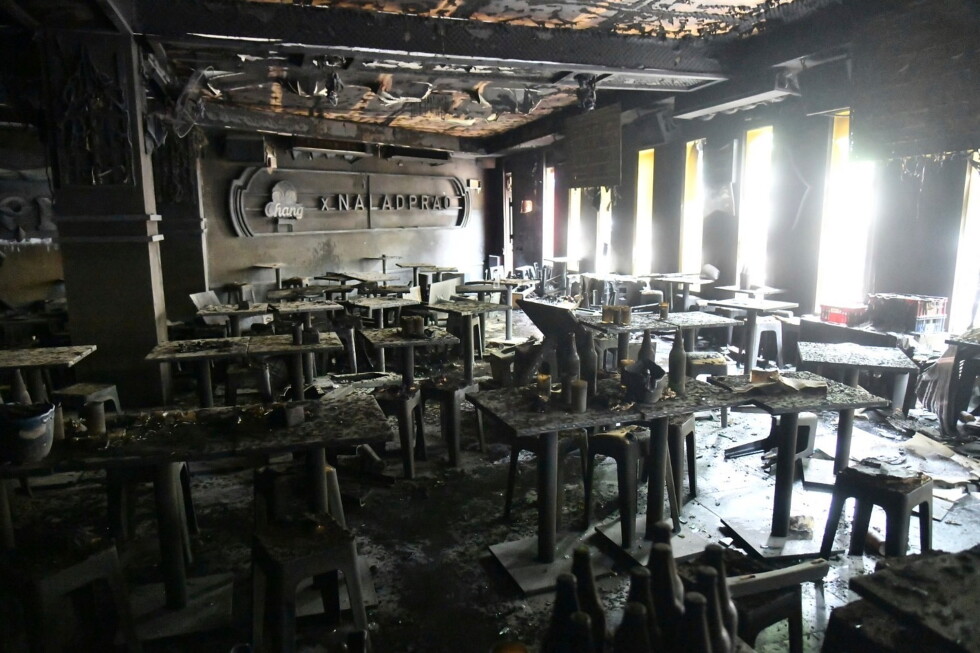
    Firefighters took roughly 30 minutes to bring the blaze under control, and by dawn on Monday, the entire site had been cordoned off to allow dozens of forensic investigators to sift through charred rubble for evidence to pinpoint the fire’s origin. The building’s street-facing windows were blown completely out by the force of the blaze, and debris including burned-out speakers, televisions, and a warped electric guitar covered the surrounding sidewalk. Through the shattered glass, onlookers could see gutted interiors, where blackened tables still held intact empty beer bottles amid the destruction.

    Thailand’s national police chief Kittharath Punpetch, who toured the disaster site on Monday morning, told reporters that most victims were found trapped in windowless bathrooms near one of the venue’s rear exits. It appears many people fled to these small spaces to escape flames spreading through the main hall, but were never able to exit the building. Multiple obstacles likely blocked access to usable escape routes, he explained: a temporary candy sales table set up in the main hall blocked one corridor, total darkness after the fire cut power left many unable to navigate, and shelving units and employee lockers narrowed access to a second exit near the bar’s kitchen. Kittharath added that investigators have found preliminary indications some exit doors may have been locked at the time of the fire.

    Investigators are currently focusing their examination on the ceiling structure above the venue’s performance stage, where decorative materials were installed. Authorities will conduct testing to determine if those decorations were made from flammable materials, and will also inspect the condition and installation of electrical wiring running through the ceiling. Thai Prime Minister Anutin Charnvirakul told reporters that a musician who was performing at the bar when the fire started reported seeing smoke emanate from a circuit breaker near the stage moments before the power cut out. Shortly after the outage, an explosion was heard, and thick toxic smoke rapidly filled the entire venue.

    Official data from Bangkok’s Erawan emergency services center puts the total number of injured at 73, 25 of whom remain in critical care. Bangkok Governor Chadchart Sittipunt noted that nearly all fatalities were caused by smoke inhalation, rather than direct burns. Authorities are currently working to identify all victims, as many were not carrying official identification when the fire broke out.

    On Monday morning, a group of Buddhist monks traveled to the site to lead prayers for the victims, while local medical workers distributed face masks to nearby residents and onlookers to protect against toxic residual fumes from the burned building. A temporary registration point has been set up outside the cordon to collect information from family members arriving to search for missing loved ones.

    Local singer Sukanya Wongwongwai told reporters she had been performing at a separate venue nearby when she heard news of the fire, and rushed to the scene after learning several of her bandmates were playing a set at Rong Beer Na Ladprao. One of her bandmates has been confirmed dead, three are hospitalized, and one remains unaccounted for as of Monday afternoon. “From what I heard from people who were inside, when the fire started everything went dark. The power was out and there was smoke everywhere, so they couldn’t locate other people,” she said.

    The tragedy marks the deadliest fire in Bangkok since a 2009 New Year’s Eve blaze at the capital’s Santika nightclub that killed 66 people and injured more than 200, which was traced to an indoor fireworks display. In 2022, another fire at a music bar in eastern Thailand killed 14 people, reigniting public calls for stricter safety inspections of entertainment venues across the country.