BRUSSELS – On Monday, a leading European Union executive has thrown its weight behind strict age-based limitations on children’s access to social media, backing a landmark expert panel recommendation that would bar users under 13 from platforms until tech firms can conclusively prove their services do not harm young users. The push from Brussels comes as part of a growing global crackdown on unregulated youth social media use, with countries across five continents already rolling out tighter rules to protect developing minds from documented harms.
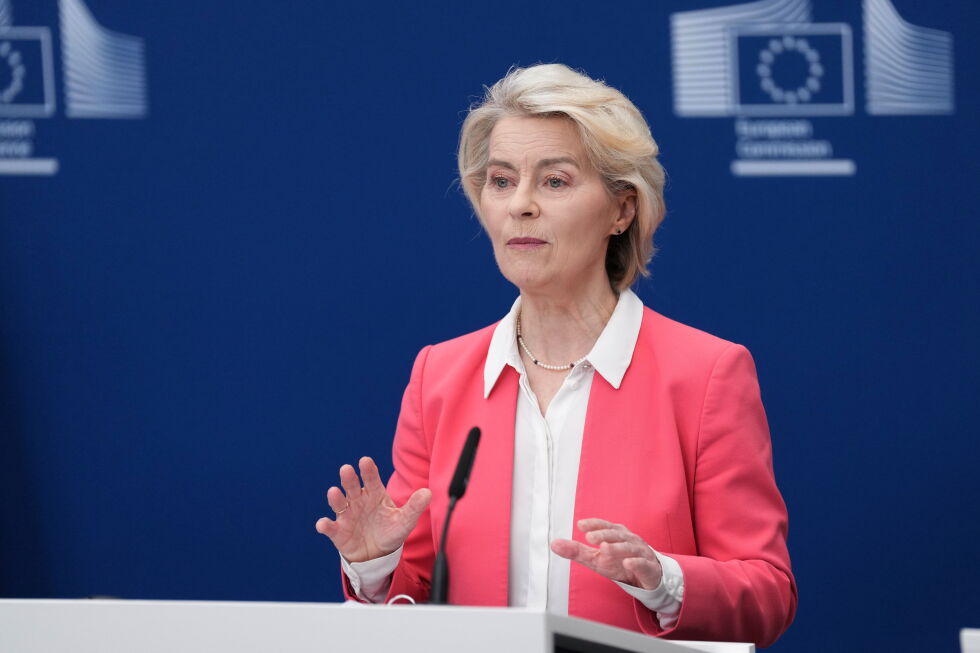
European Commission President Ursula von der Leyen, who trained as a medical doctor, laid out a sweeping set of concerns about the impact of digital platforms on childhood development during a press briefing Monday, shortly after receiving the final report from the EU’s special independent panel on online child safety. She argued for the urgent need for tiered access rules tied to age, stressing that early childhood development is irreversible once damaged.
“Childhood won’t wait and once it’s gone, we can never give it back,” von der Leyen told reporters. She drew a parallel to long-standing public safety regulations that most societies take for granted: “Just as we don’t give our children keys to the car before they have their license, or we do not let them buy alcohol until they are legally allowed. We need to set the age at which children can legally access social media.”
Among the most pressing harmful design features von der Leyen highlighted is infinite scrolling, a common platform function intentionally engineered to keep users engaged for as long as possible, which she labeled an addictive trait that tech companies must be forced to modify. For very young children, she put forward an even stricter baseline, calling for zero screen exposure for children under 3 years old.
While von der Leyen stopped short of announcing a fully drafted regulatory proposal on Monday, she confirmed that the European Commission – the EU’s 27-nation executive body with the exclusive right to propose new bloc-wide laws – will unveil formal legislation for member states to consider in the near future. As the head of the commission, von der Leyen’s policy priorities heavily shape the final text of proposals that go on to be negotiated by EU member states and the European Parliament.
The 13-page recommendation from the special expert panel, delivered to von der Leyen earlier Monday, shifts the responsibility of proving platform safety from regulators and families to the tech companies themselves. The report argues that current frameworks unfairly place the burden of mitigating harm on parents and watchdogs, rather than the firms that design and profit from the platforms.
“Until they demonstrate that their services are safe by design, social media and other digital services providers should have restricted access to children under the age of 13 in the EU,” the panel’s report stated. The recommendation is widely expected to shape the commission’s upcoming legislative draft, as von der Leyen has cited the panel’s work as a key input for her policy. The panel also went a step further, urging individual EU member states to consider additional precautionary age restrictions for teens between 13 and the legal age of majority.
The EU’s move aligns with a growing global trend of tightening youth social media regulations. In recent years, Australia, the United Kingdom, Turkey, Indonesia and dozens of other nations have passed legislation banning or restricting users under the ages of 15 or 16 from accessing major platforms including TikTok, YouTube and Instagram, as mounting research links excessive unregulated social media use to higher rates of anxiety, depression, poor academic outcomes and developmental delays in children and adolescents.