What is already the fastest-expanding Ebola outbreak in recorded history is pushing response teams to their breaking point in eastern Democratic Republic of the Congo, where overlapping security, logistical and social crises have collided just as researchers launch the first clinical trial for life-saving treatments targeting this rare, untreatable strain of the virus.
The outbreak, driven by the little-studied Bundibugyo Ebola virus, a subtype with no licensed vaccines or proven treatments, has already reached a grim milestone: the DRC Ministry of Health has confirmed nearly 2,000 cases and 702 deaths to date. Worse, suspected cases have now been detected in two additional provinces, including Kisangani, one of the country’s largest urban centers, leaving responders scrambling to map the full scope of the outbreak. Experts now confirm the initial spread went undetected for weeks, as health teams initially tested for more common Ebola subtypes, and the outbreak’s zoonotic origin remains a mystery.
Unlike better-documented Ebola strains, Bundibugyo is a rare variant that spreads through direct contact with infected bodily fluids—including blood, vomit, and semen—or contact with contaminated materials such as bedding and clothing. Like other Ebola variants, it causes severe, often fatal symptoms ranging from high fever, muscle pain, vomiting and diarrhea to internal and external bleeding. Outbreaks of this strain have historically been limited to remote Central African villages near tropical rainforests, and public health guidance has restricted traditional local funeral practices that involve close contact with deceased loved ones—a measure that has sparked significant anger among local communities.
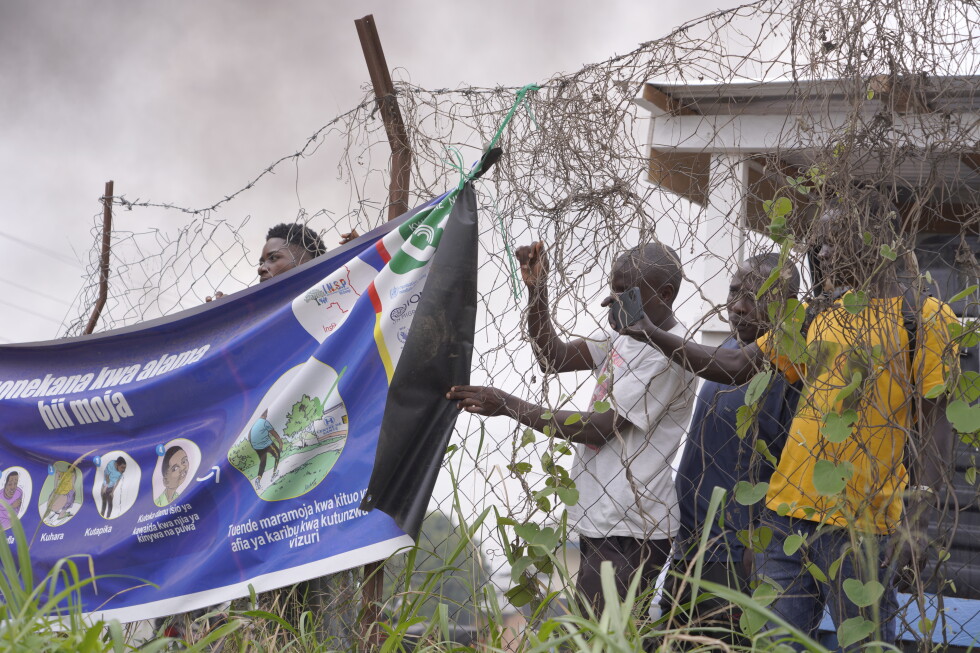
Compounding every challenge of this outbreak is the volatile, conflict-ravaged landscape where it is unfolding. Decades of violence by armed rebel groups have left local populations traumatized and deeply distrustful of outside authorities, leading to widespread misinformation that claims the Ebola outbreak is a hoax. Community outreach workers have faced threats and abuse while trying to spread prevention information, and attacks on health facilities have repeatedly disrupted response work. A portion of the outbreak is centered in Goma, a major humanitarian hub and key city that was seized by Rwanda-backed rebel forces more than a year ago, creating further barriers to coordinated relief efforts.
The latest and most urgent threat to containment efforts came this week, when unpaid frontline workers at the outbreak’s epicenter Ituri province walked off the job. The strike shuttered a core treatment center, with workers blocking access to the facility and burning tires to protest weeks of unfulfilled pay from the Congolese government, after weeks of high-risk work. Striking staff include epidemiologists, contact tracers, drivers, and gravediggers—all critical roles in stopping transmission. Congolese health officials have confirmed they are currently negotiating with workers to resolve the dispute, but public health experts warn that if the strike spreads to other overstretched, underfunded facilities across the region, it could deliver a catastrophic blow to already strained containment efforts. Infrastructure across the affected area is already extremely limited, leaving even fully staffed facilities struggling to operate.
This unrest has erupted at an exceptionally vulnerable moment for the response. Just weeks before the strike, researchers officially launched the first clinical trial for two promising experimental treatments targeting Bundibugyo Ebola, and have already begun enrolling the first participants.
The two candidate therapies are remdesivir, a broad-spectrum antiviral developed by Gilead Sciences that is already approved for COVID-19 treatment and has shown preliminary antiviral activity against Bundibugyo in laboratory testing, and MBP134, an experimental monoclonal antibody therapy developed by Mapp Biopharmaceutical that is specifically engineered to target multiple Ebola strains, including Bundibugyo.
Under the trial protocol overseen by the World Health Organization, patients will be randomly assigned to receive either the current standard of care alone, standard care plus remdesivir, standard care plus MBP134, or standard care plus both investigational treatments. The WHO has cautioned that it could take months of data collection and up to 1,000 trial participants before researchers can confirm whether either treatment is effective. Currently, the trial is only being run at one Ituri province treatment center—an unaffected facility separate from the strike site—and officials plan to expand the trial to additional sites only once security and staffing conditions allow.