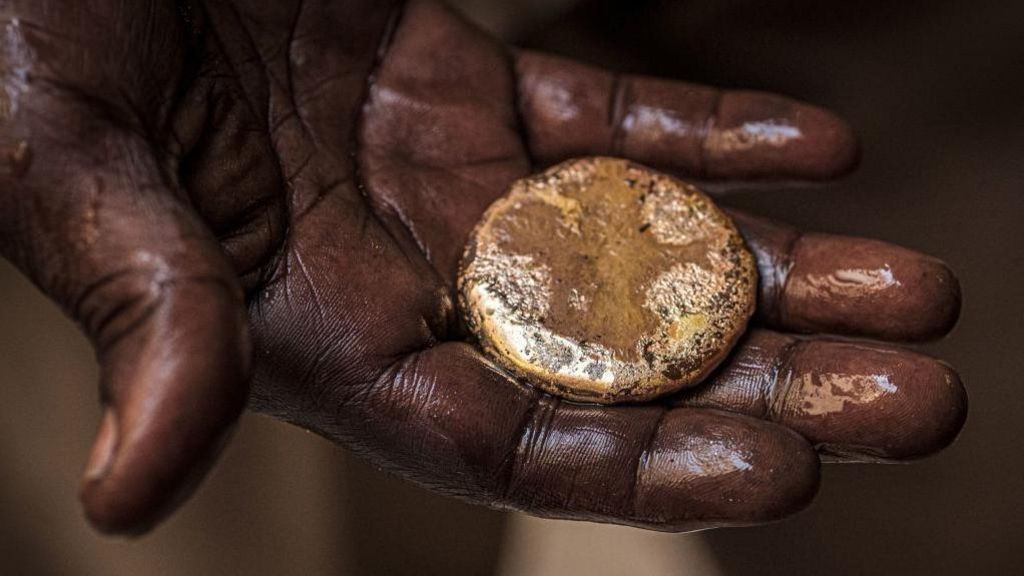
More than two years after Sudan’s devastating civil war erupted between the country’s regular military and the paramilitary Rapid Support Forces (RSF) in April 2023, the European Union has enacted sweeping new restrictive measures targeting the gold trade that has emerged as a core revenue stream for both warring factions. The new rules, formally approved by EU foreign ministers, ban all EU-based individuals and companies from purchasing, importing, or transferring any gold originating in Sudan, alongside an export prohibition on two chemicals critical to artisanal and industrial gold processing: mercury and cyanide. Exemptions are in place for mercury and cyanide intended strictly for humanitarian and public health uses, the bloc clarified.
As one of Africa’s top gold producing nations, Sudan’s extensive untapped gold reserves have become a lifeline for financing military operations on both sides of the conflict, according to global human rights and monitoring groups. Territorial control of the country’s gold resources is split along front lines: the RSF holds sway over most major goldfields in the western Darfur region and central Kordofan, while the Sudanese Armed Forces manages production in northern and eastern parts of the country. UN analysts and independent experts estimate that between 50% and 70% of Sudan’s annual gold output is smuggled out of the country illegally, with most trafficked through neighboring states including Egypt, Chad and Libya before reaching the United Arab Emirates’ Dubai, one of the world’s largest centers for gold refining and global trade.
In an official statement following the approval of the sanctions, the EU Council emphasized that gold has become a foundational source of funding that allows the conflict to continue. “The measures are designed to curb sources of financing for the conflict and further increase pressure on those fuelling the war,” the council said, noting that the new restrictions expand an existing EU sanctions regime that already targets dozens of individuals and entities accused of prolonging violence across Sudan.
The war in Sudan has already spawned one of the worst global humanitarian catastrophes of the 21st century. To date, the conflict has forced more than 14 million Sudanese people to flee their homes, and aid organizations estimate that more than 28 million people across the country now face acute food insecurity. International pressure has been mounting on external backers of both warring parties to cut support for the conflict, but independent sanctions experts warn that the EU’s new measures alone will not be enough to halt the illicit gold trade. For the ban to have a meaningful impact, major global gold trading hubs and regional transit countries must also strengthen enforcement efforts to block entry for smuggled Sudanese gold, experts say.