作者: admin

  • Kylian Mbappé denied a 3rd straight World Cup final and stays even with Messi in Golden Boot race

    Kylian Mbappé denied a 3rd straight World Cup final and stays even with Messi in Golden Boot race

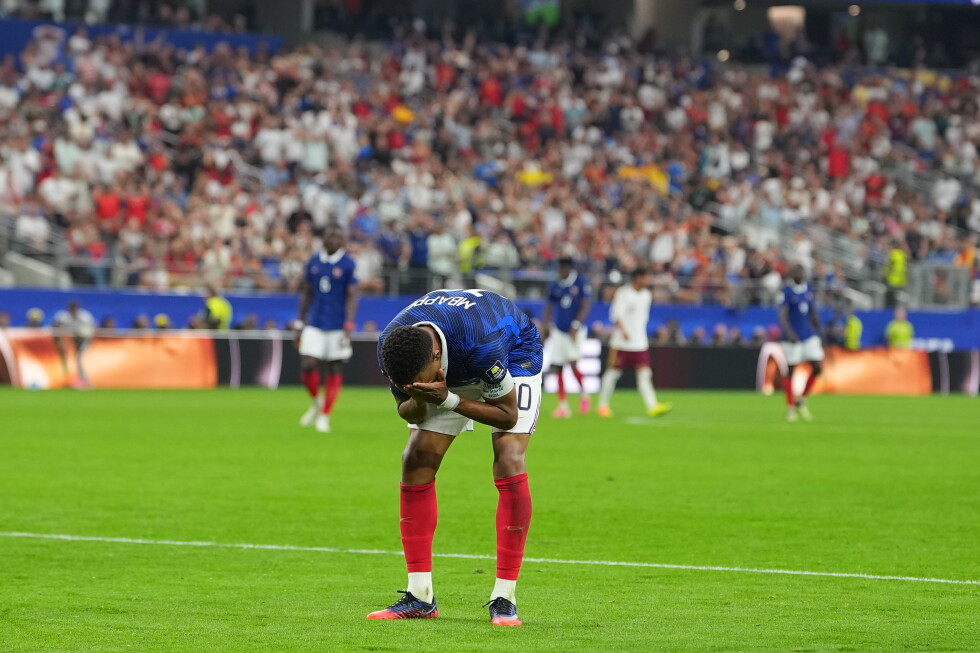
    ARLINGTON, Texas — One of men’s soccer’s brightest global superstars will miss a shot at a third straight FIFA World Cup final appearance, even as he remains level at the top of the tournament’s Golden Boot race alongside Argentine icon Lionel Messi, four years after Mbappé claimed the top scorer honor in Qatar.

    France’s star forward Kylian Mbappé was largely neutralized by Spain’s defensive structure throughout Tuesday’s semifinal clash, failing to convert clear chances as his side fell 2-0 to La Roja at AT&T Stadium. The defeat ends France’s 2024 World Cup title defense and eliminates any chance of Mbappé lifting the trophy for a second time in his career, after his 2018 win in Russia.

    Heading into the match, Mbappé had already notched eight goals at the tournament, matching the total he scored during France’s run to the 2022 final in Qatar. That mark now leaves him tied with Messi, who will take the field Wednesday for Argentina’s second semifinal against England. The winner of that semifinal will face Spain in Sunday’s tournament final, to be held in East Rutherford, New Jersey, while France will play the loser of the Argentina-England clash in the third-place match this Saturday in Miami Gardens, Florida.

    Statistically, Mbappé had one of the quietest opening halves of his World Cup campaign, registering only 15 touches — fewer than any other starting forward on the pitch. His most visible contribution in the first half came off the scoreboard, when he argued aggressively with referee Ivan Barton over the penalty call that gave Spain their opening goal.

    The 27-year-old’s clearest scoring opportunity arrived in the 67th minute, when his shot deflected off Spanish defender Marc Cucurella and drifted just wide of the goal. By that point in the match, France was already down 2-0, leaving little time for a comeback. Mbappé picked up a yellow card in the 86th minute after charging as Spain goalkeeper Unai Simón bent to collect the ball, resulting in a hard collision that left Simón on the turf.

    Mbappé’s path to this semifinal included a quarterfinal exit from the match against Morocco in the 77th minute, shortly after he scored his eighth goal of the tournament in France’s 2-0 win. Coincidentally, the eight goals he has so far in 2024 exactly matches the tally he recorded at the 2022 Qatar World Cup, where France fell to Messi-led Argentina in a dramatic penalty shootout in the final. Mbappé’s first World Cup title came in 2018, when France defeated Croatia to claim the crown in Russia.

    As the tournament enters its final stretch, all eyes will remain on the Golden Boot race: only Messi, who is already a World Cup champion, stands between Mbappé and a second top scorer award.

  • Watch: Moment Darline Graham is sworn in to senate seat

    Watch: Moment Darline Graham is sworn in to senate seat

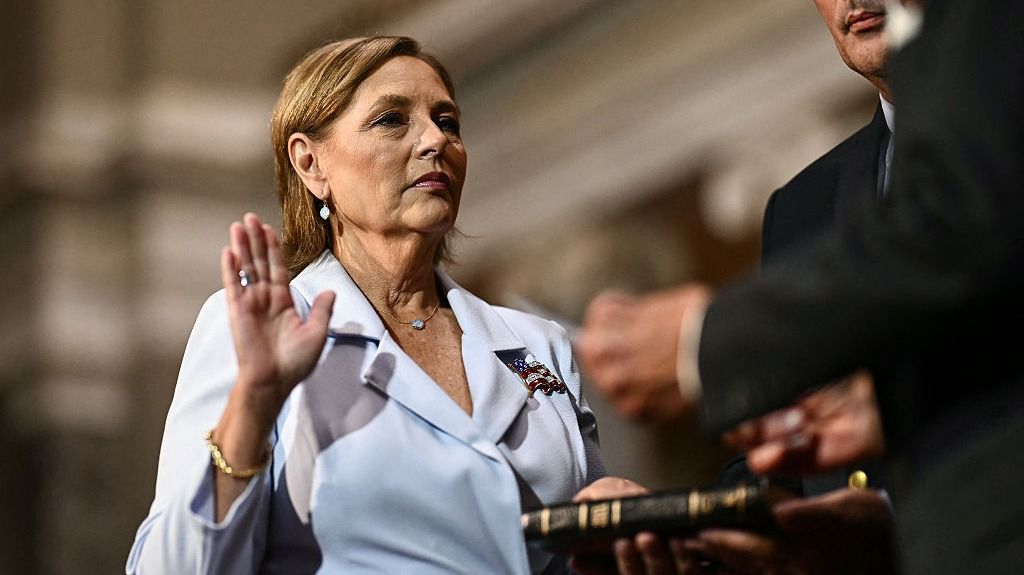
    A historic moment in South Carolina state politics has come to pass, as Darline Graham, sister of the late sitting US Senator Lindsey Graham, has been formally sworn in to fill her brother’s unexpired senate term on an interim basis. The appointment follows the sudden passing of the veteran South Carolina lawmaker earlier this month, who died after suffering an aortic tear, a life-threatening medical emergency that claimed his life unexpectedly.

    The swearing-in ceremony, which was captured on camera by multiple local and national media outlets, marks a rare transition of legislative power within a family line in modern US congressional history. South Carolina state law stipulates that when a US Senate seat becomes vacant mid-term, the sitting governor has the authority to appoint a temporary replacement to serve until a special election can be held to select a permanent successor. Political insiders note that the appointment of Graham’s sister was widely expected in the days following the lawmaker’s death, as state leaders sought a transitional figure that would honor Graham’s legacy while maintaining stable representation for South Carolina’s voters ahead of the upcoming special vote.

    In brief comments following the ceremony, Darline Graham has indicated she does not plan to run for the permanent seat in the upcoming special election, focusing instead on upholding her brother’s policy priorities during her short time in office. Political analysts expect that candidates from both major US political parties will formally launch their campaigns for the full term in the coming weeks, setting the stage for a competitive contest that will shape the balance of power in the US Senate for the remainder of the original term.

  • Majestic Spain stun France to reach World Cup final

    Majestic Spain stun France to reach World Cup final

    In a stunning upset that has shaken the men’s World Cup, European champions Spain delivered a near-perfect tactical performance to defeat pre-tournament favorites France 2-0 on Tuesday, ending Les Bleus’ quest for a third World Cup title and booking their place in the final. The match, played at Arlington, Texas’ AT&T Stadium, saw Spain take a first-half lead from a Mikel Oyarzabal penalty before Pedro Porro’s clinical second-half strike sealed the win, cementing one of the most memorable semi-final results of this year’s tournament.

    Spain, the 2010 World Cup champions, will now face the winner of the other semi-final between Argentina and England in Sunday’s title decider at New Jersey’s MetLife Stadium. France entered the semi-final as the overwhelming bookmakers’ pick to lift the trophy, having put together a run of dazzling, high-scoring performances to advance through the knockout stages. Their much-vaunted attacking quartet, led by captain Kylian Mbappé and 2023 Ballon d’Or winner Ousmane Dembélé alongside Bradley Barcola and Michael Olise, was expected to tear through Spain’s defense. But the Spanish side combined controlled possession with physical intensity to completely neutralize France’s biggest attacking threat.

    Spain had beaten France in their two previous competitive meetings, and head coach Luis de la Fuente’s side made good on their pre-match promise to take the game to Les Bleus from the opening whistle. The Spanish midfield, anchored by Manchester City star Rodri and supported by Fabian Ruiz and Dani Olmo, dominated from kickoff, outnumbering France’s central midfield duo of Adrien Rabiot and Aurélien Tchouaméni and controlling the tempo of the game through crisp, quick passing that left France chasing shadows.

    French frustration began to bubble as early as the ninth minute, when Rabiot was yellow-carded for stepping on Olmo’s foot just outside the France penalty area. Despite Spain’s early territorial dominance, France carved out the first clear goalscoring chance in the 16th minute, when Mbappé broke clear into the box. Only a last-ditch block from teenage defender Pau Cubarsí stopped the French captain from equalizing.

    Spain’s persistent pressure finally paid off in the 20th minute. Barcelona winger Lamine Yamal was fouled in the box after Aston Villa defender Lucas Digne, attempting to clear a Marc Cucurella cross, accidentally caught Yamal with a stray boot as he tried to clear the ball. Referee Ivan Barton, from El Salvador, immediately pointed to the spot, and Oyarzabal coolly converted the penalty, sending French goalkeeper Mike Maignan the wrong way to put Spain ahead.

    France’s problems worsened just 11 minutes later, when star center-back William Saliba was forced to withdraw from the game with a muscle injury, replaced by Maxence Lacroix. Spain nearly doubled their lead eight minutes before halftime, when a sequence of sublime one-touch passing carved open France’s reorganized defense, only for Dayot Upamecano to block Fabian Ruiz’s goalbound effort on the line. France finished the first half with their best spell of possession, but Unai Simón, Spain’s goalkeeper, read Rabiot’s clever through ball to Mbappé perfectly and snuffed out the chance before the French captain could get a shot away.

    Spain reclaimed full control of the match within minutes of the second half kickoff, as Didier Deschamps’ failure to adjust France’s tactical setup left the Spanish midfield unchallenged in the center of the park. In the 58th minute, Spain landed the decisive blow: Porro and Olmo combined for a sensational one-two on the edge of the penalty area that put the Tottenham Hotspur defender clean through on goal. Porro clipped a calm, precise finish past Maignan to double Spain’s lead, putting the match out of France’s reach.

    Three minutes later, Spain thought they had a third, but Lamine Yamal’s finish was ruled out by a marginal offside call that spared France further embarrassment. Deschamps responded with a flurry of attacking substitutions in a bid to salvage the match, but Spain’s organized defense refused to let France break through. Mbappé, who was kept quiet for almost the entire 90 minutes, saw his best late chance blocked at the near post by Simón. In the closing minutes, Mbappé was booked for a late follow-through challenge on Simón, a moment that summed up France’s day of frustration.

    For Spain, the result extends an incredible undefeated streak against France in competitive matches, and sets up a chance for the nation to win their first World Cup title since their 2010 triumph in South Africa.

  • Saudi Arabia grants amnesty to almost 2,000 detained Ethiopians

    Saudi Arabia grants amnesty to almost 2,000 detained Ethiopians

    In a development that comes after widespread public reporting on the dire conditions of Ethiopian prisoners in the kingdom, Saudi Arabian authorities have issued royal amnesties for 1,971 Ethiopian nationals held in detention, Ethiopia’s Ministry of Foreign Affairs announced in an official statement released Monday. In the wake of the amnesty grant, Ethiopian officials have already launched logistical and diplomatic efforts to facilitate the safe repatriation of these released citizens back to their home country.

    The announcement follows an investigative series published by Middle East Eye (MEE) in early July that shed light on the crisis facing hundreds of Ethiopian detainees, many of whom are currently awaiting execution on death row in Saudi facilities. Most of the detained Ethiopians were arrested on low-level drug charges linked to khat, a mild stimulant widely consumed across East Africa that is classified as an illegal controlled substance under Saudi law.

    Ethiopia’s foreign ministry attributed the amnesty grant to years of sustained diplomatic and consular engagement between the two nations. Officials confirmed that the government remains in close, active coordination with Saudi authorities on all issues impacting Ethiopian residents in the kingdom, including those still involved in ongoing legal and judicial proceedings. The statement added that diplomatic discussions are taking place at the highest levels of government, underscoring the priority Addis Ababa places on protecting its citizens abroad. MEE has requested comment from the Ethiopian foreign ministry to confirm the exact date the royal amnesties were issued, and has not yet received a response.

    Currently, hundreds of Ethiopian death row prisoners are held in Saudi Arabia’s Khamis Mushait detention center alone. Data from a recent Amnesty International report shows that Saudi authorities have executed nearly 100 people since the start of 2024, with at least 61 of those executions carried out for drug-related offenses. Executions in Saudi Arabia are most commonly performed by beheading with a sword.

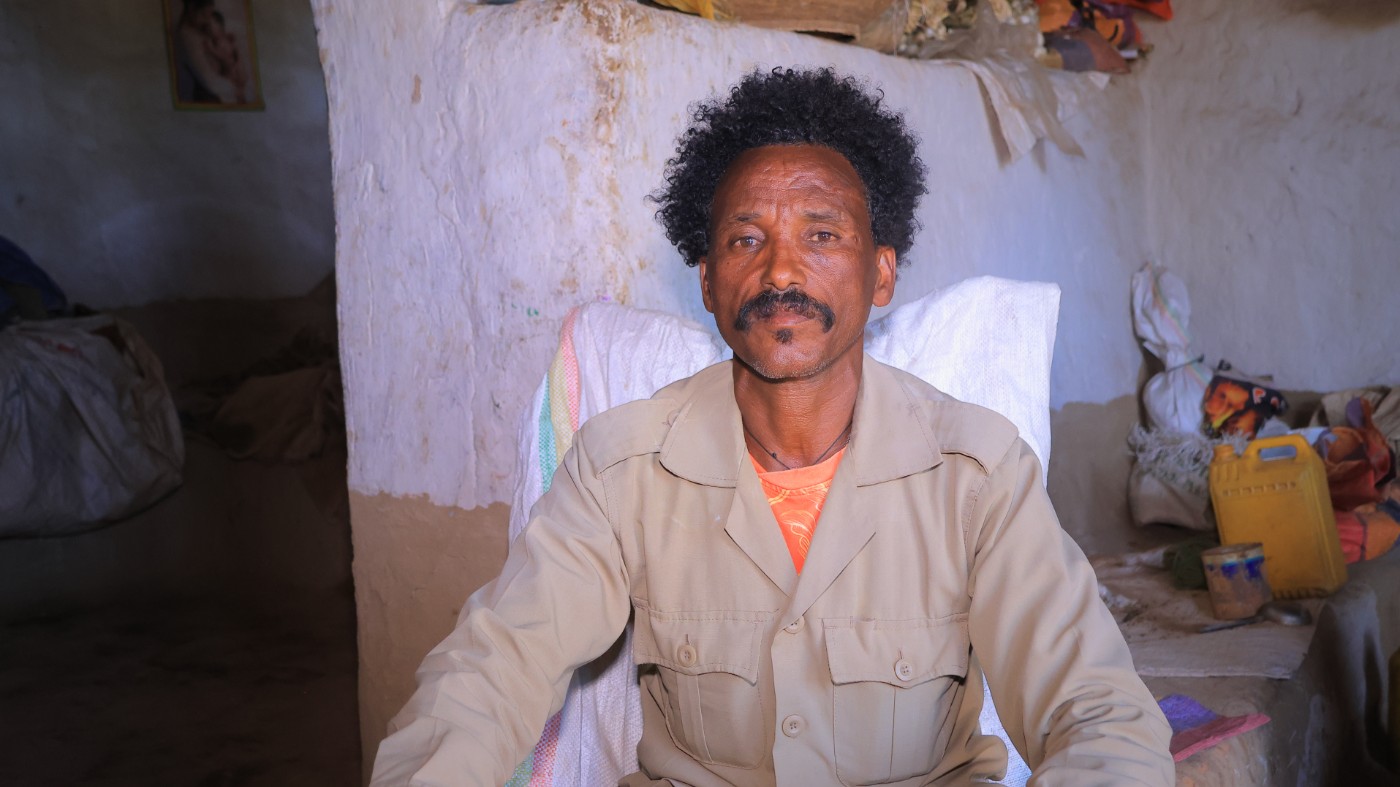
    Multiple detained Ethiopians have shared accounts of abusive treatment at the hands of Saudi security forces. Hailay Berhane, an Ethiopian migrant from the conflict-affected Tigray region currently held in Khamis Mushait, told MEE via the Imo messaging app that he and other detainees were forced to sign Arabic-language legal documents they could not read, and that many have faced physical violence during interrogations. “They handed me 41kg of drugs and forced me to say it was mine, then made me sign papers I couldn’t understand a word of,” Berhane recalled of his arrest by Saudi security officers three years ago.

    The broader crisis of Ethiopian migration to Saudi Arabia is rooted in deep-seated instability at home. Sky-high youth unemployment, a war-ravaged national economy, and years of recurring armed conflict have pushed tens of thousands of young Ethiopians—disproportionately from the Tigray region—to undertake the dangerous irregular journey to Saudi Arabia, where they seek viable employment opportunities to support their families.

    “Political instability, armed conflict and economic collapse are the core drivers pushing Ethiopian youth into these dangerous paths,” explained Yared Hailemariam, a leading Ethiopian human rights researcher. “To make matters worse, many young people are forcibly conscripted into military forces to fight in both internal conflicts and cross-border wars, leaving flight as one of the only options to escape violence.”

    Once in Saudi Arabia, many migrants find themselves trapped by the kingdom’s strict legal system: they run afoul of harsh drug laws, are wrongfully framed for offenses they did not commit, or are coerced into signing false confessions that carry the death penalty. For families back in Ethiopia, the grief of losing a loved one to execution is devastating. Gebremariam Gebrezgiabher, whose son Kibrom was executed in Saudi Arabia, described the lasting toll of his son’s death in an interview with MEE. “It is unimaginable how hard it was to hear the news of my son’s death, especially the way he was killed,” he said. “A part of me died with him that day.”

  • Wife describes moment husband nearly sucked out of Ryanair plane

    Wife describes moment husband nearly sucked out of Ryanair plane

    A routine commercial flight on a Ryanair aircraft turned into a harrowing near-disaster when a male passenger came inches from being pulled head-first out of a broken cabin window at altitude, according to a firsthand account from his wife. The shocking incident, which unfolded mid-air, has sent ripples through the global aviation community, raising new questions about in-flight safety protocols on low-cost carriers.

    In her emotional retelling of the event, the passenger’s wife described the split-second chaos that followed the sudden failure of the window structure. Within moments of the unexpected breach, rapid decompression created a powerful suction force that pulled her husband toward the opening, with his upper body already pushed partially outside the aircraft before fellow passengers and crew could intervene to pull him back to safety.

    Aviation safety officials have confirmed that they have launched an official investigation into the incident to determine what caused the window to fail mid-flight. Ryanair, Europe’s largest low-cost airline, has also stated that it is cooperating fully with investigators, while declining to share additional details pending the outcome of the probe. The injured passenger was reportedly given medical attention after the plane made an emergency landing at the nearest available airport, though updates on his current condition have not yet been released to the public.

    This near-tragedy comes as aviation regulators worldwide continue to review maintenance standards for older commercial aircraft fleets, with safety advocates noting that even rare in-flight structural failures highlight the need for consistent, rigorous inspection schedules to protect passengers and crew.

  • Exclusive: MPs demand investigation into British Museum’s ‘erasure’ of Palestine

    Exclusive: MPs demand investigation into British Museum’s ‘erasure’ of Palestine

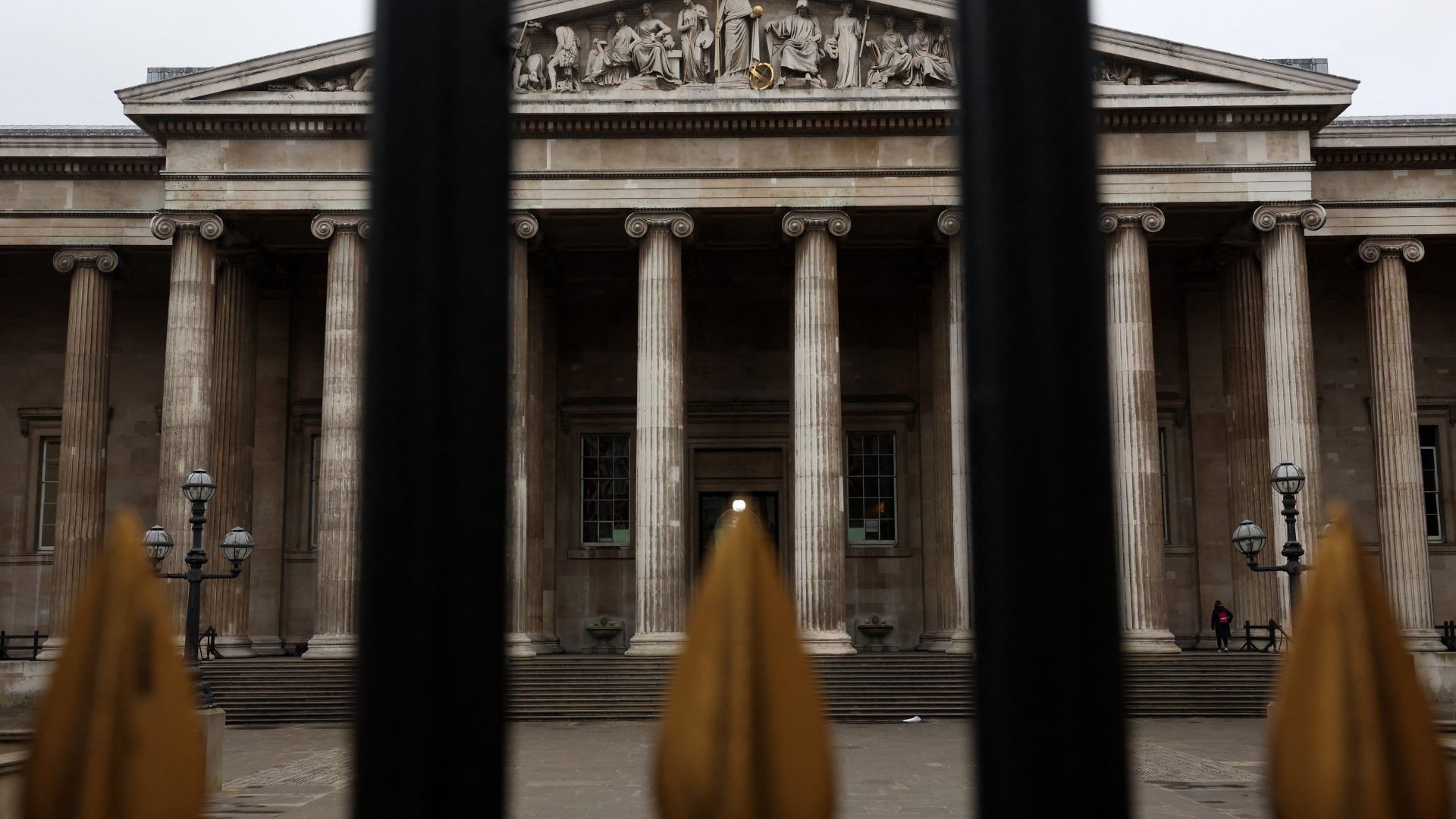
    A growing political scandal has erupted in the United Kingdom after an investigative journalism exposé uncovered that London’s British Museum removed references to “Palestine”, “Palestinian” and “Israelite occupation” from its public exhibits in direct response to coordinated lobbying from pro-Israel advocacy groups and public figures. In response to the revelations, cross-party members of UK Parliament have united to call for an immediate independent probe into the incident, citing evidence of political interference that undermines the credibility of the country’s leading national cultural institution.

    The investigation, carried out by independent outlet Middle East Eye (MEE), found the controversial edits to museum displays were made between October and December 2024, prompted by a wave of complaints from pro-Israel activists and organizations. Multiple MPs from across the political spectrum — including the Green Party, Labour Party, and Your Party — have signed onto the demand for a full independent inquiry.

    Green Party MP Sian Berry, representing Brighton Pavilion, called MEE’s findings “deeply troubling”, warning that if the museum did indeed cave to external political pressure, it would severely damage the institution’s standing and erode public trust in its scholarly work. “An independent investigation should urgently be launched to determine if political interference has occurred,” Berry said.

    Richard Burgon, Labour MP for Leeds East, echoed the call for transparency, emphasizing that national cultural bodies have a responsibility to preserve rather than erase marginalized histories. “The British Museum must urgently answer serious questions about its unacceptable removal of references to Palestine,” Burgon said. “Our national institutions must not take part in the erasure of Palestinian history. There must now be an independent investigation into who authorised these changes, why they were made, and whether the Museum misled the public.”

    Your Party MP Jeremy Corbyn, representing Islington North, went further, labeling the erasures as a clear case of anti-Palestinian racism. “This assault on academic freedom represents an attempt to wipe Palestinians from history… which can only embolden Israel’s ongoing illegal occupation,” Corbyn said. “We should call this politically motivated attack out for what it is: anti-Palestinian racism. We need an urgent investigation into political interference at the British Museum, and whether that led to the disgraceful Palestinian erasure.”

    The British Museum has so far refused to confirm whether it will launch an independent inquiry, and did not respond to multiple requests for comment from MEE on the specific claims of political interference. Back in February, the institution defended the changes, claiming the edits were the result of audience testing that found the term Palestine “is in some circumstances no longer meaningful.” But freedom of information responses obtained by MEE contradict that claim: despite the museum holding an extensive archive of audience testing reports, it has no official records of any such testing related to the Palestinian terminology edits.

    MEE’s analysis of heavily redacted internal British Museum emails further exposes the true context of the decision: senior museum staff openly raised concerns about private complaints from individual pro-Israel activists and the Board of Deputies of British Jews, a prominent pro-Israel Jewish community organization, as well as critical social media posts from pro-Israel public figures.

    In one notable case, a complaint argued that referencing “Israelite occupation” in a display text about the ancient Phoenicians, a civilization that existed more than 2,000 years ago, would fuel contemporary hatred and “justify attacks against Jews” in the present day. While the full text of the Board of Deputies’ official complaint has not been disclosed, an internal museum note indicates the organization argued that the term “occupied” had become overly “politically charged in the context of contemporary politics.” The Board of Deputies has not responded to MEE’s request for comment on the matter.

    Internal records also show the museum moved with extraordinary speed to address the pro-Israel complaints: most were resolved within days, and one high-profile complaint from the Board of Deputies was approved for action just hours after it was circulated internally. One staff memo even advised colleagues to be “uber-conscious” of the upcoming first anniversary of the 7 October attacks when processing the complaints. By contrast, MEE found no evidence of museum leadership showing similar consideration for the situation of Palestinians, who are facing what the United Nations has described as a ongoing genocide and systematic cultural erasure in Gaza.

    When contacted for comment following the publication of MEE’s initial investigation earlier this month, the British Museum declined to address any of the substantive questions raised, instead reissuing a vague February press statement. A museum spokesperson claimed that “it has been reported that the British Museum has removed the term Palestine from displays. It is simply not true. We continue to use Palestine across a series of galleries, both contemporary and historic.”

    Husam Zomlot, the Palestinian ambassador to the United Kingdom, warned that the erasure of Palestinian history from one of the world’s most prestigious cultural institutions carries severe existential implications for the Palestinian people, coming amid ongoing violence in Gaza. “This is absolutely existential for us in light of the ongoing genocide,” Zomlot said.

    Israel’s 2023–2024 military assault on Gaza has already caused widespread destruction of Palestinian cultural and historical heritage sites. UNESCO, the UN’s cultural and heritage agency, has verified damage to at least 164 distinct heritage sites in Gaza since October 2023. In September 2024, Israeli forces bombed Gaza City’s primary ancient artifact storage depot, destroying 30 years of accumulated Palestinian archaeological work in a single attack.

    Accusations that Israel pursues a deliberate policy of erasing Palestinian cultural heritage long predate the 2023 outbreak of the current Gaza war. Back in 2022, Palestinian human rights organization Al-Haq published a report accusing Israel of enacting a formal policy of “cultural apartheid” that targets Palestinian historic sites for destruction “in an attempt to erase them from memory.”

    Berry emphasized that the timing of the British Museum’s actions makes the incident even more unacceptable. “When the Israeli government is committing genocidal acts in Gaza and the Palestinian people are being systematically destroyed, it could not be more wrong for the UK’s most prestigious museum to erase the history of Palestine and the ongoing occupation,” Berry said.
  • What we know about latest fatal ICE shooting

    What we know about latest fatal ICE shooting

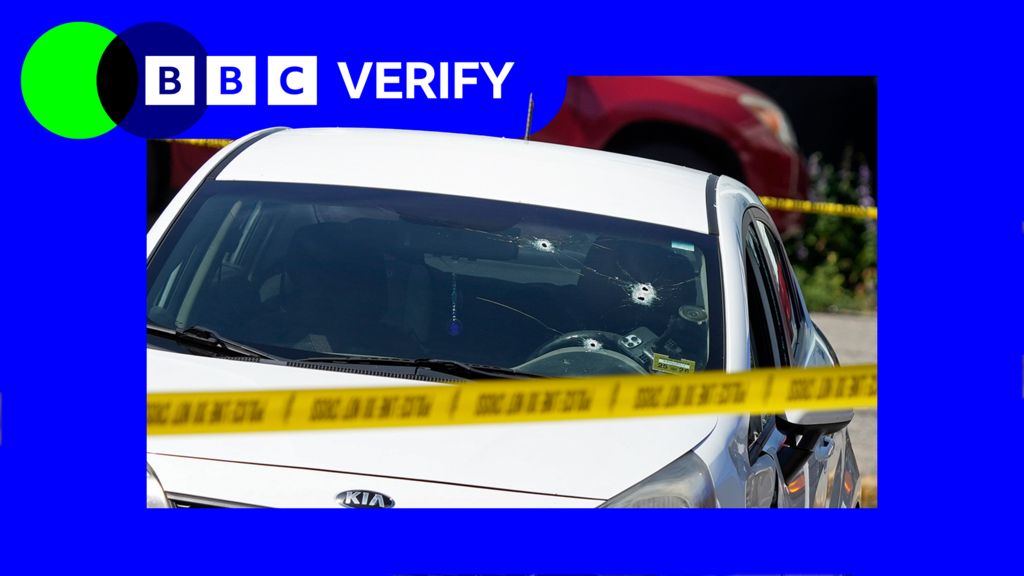
    A deadly shooting carried out by an Immigration and Customs Enforcement (ICE) officer has left one man dead in the northeastern U.S. state of Maine, prompting an independent review of the incident by BBC Verify’s fact-checking and investigative team. The verification unit, which specializes in cross-checking visual evidence and public claims to reconstruct chaotic events, is currently conducting a frame-by-frame analysis of amateur and surveillance video captured at the scene of the killing. The examination aims to answer lingering public questions about the sequence of events that led to the officer opening fire, including potential factors like the man’s actions, the context of the ICE operation, and the positioning of all parties involved when the fatal shot was fired. As of this update, no full findings from the review have been released to the public, with the team still working to corroborate details from the footage with witness accounts and official statements from ICE officials. The incident has drawn local attention to the conduct of federal immigration enforcement actions in the state, as communities and observers await clarity on the circumstances of the killing.

  • Watch: ‘It smells like a dumpster’ – Stinky corpse flowers make rare bloom

    Watch: ‘It smells like a dumpster’ – Stinky corpse flowers make rare bloom

    One of nature’s most unusual botanical events is making a rare appearance: the blooming of the infamous corpse flower, a species renowned for its overwhelmingly foul scent. Unlike common garden blooms that attract pollinators with sweet fragrances, this extraordinary plant evolved to emit an aroma that is far from pleasant, with comparisons ranging from rotting flesh and moldy stinky cheese to overcooked boiled cabbage. Many visitors who have approached the blooming flowers have described the stench as being similar to that of an overflowing dumpster, a sensory experience that has become as much of a draw as the flower’s rare bloom itself. What makes this event even more notable is how short-lived the display is. Once the corpse flower opens its large petals, it remains in bloom for only 24 to 48 hours, making each opening a highly anticipated occurrence for botanical gardens and plant enthusiasts around the world. The short blooming window means that only a small number of people get the chance to witness (and smell) the phenomenon in person each time it occurs, adding to its reputation as one of the most unique events in the plant world. Botanists note that corpse flowers typically take years to store enough energy to bloom, so these rare openings are the culmination of a long growth period, making the short, pungent display all the more remarkable for the scientific community and casual observers alike.

  • Relationship and cooperation with China highly valued, Soloman Islands FM says

    Relationship and cooperation with China highly valued, Soloman Islands FM says

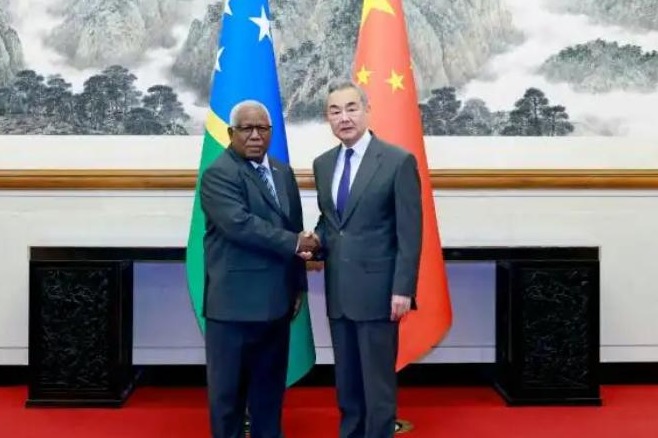
    In a high-level diplomatic meeting held in Beijing on Tuesday, top Chinese diplomat Wang Yi and Solomon Islands Foreign Minister and External Trade Minister Rick Houenipwela convened to discuss deepening bilateral cooperation, reaffirm shared political commitments, and push back against outside interference in the Pacific island nation’s sovereign foreign policy choices.

    During the talks, Wang Yi emphasized that China pursues no hidden geopolitical agendas in its engagement with Pacific island nations, nor does it seek to carve out any sphere of influence in the region. He stressed that Beijing’s partnership with Pacific island states is rooted in the principles of South-South cooperation, centered on driving inclusive mutual development rather than advancing unilateral interests.

    Noting that all Pacific island countries are fully sovereign independent states that do not belong to any major power’s “backyard”, Wang underscored that these nations hold the unconditional right to independently select their own development partners, and that China-Solomon Islands relations should remain free of interference from third-party actors.

    China’s collaboration with the Solomon Islands adheres to three core principles: it comes with no attached political conditions, is never forced upon the Pacific nation, and is backed by tangible action rather than empty pledges, Wang added. Looking ahead, he said China stands ready to align national development strategies with the Solomon Islands, advance high-quality cooperation under the Belt and Road Initiative, expand practical collaboration in priority sectors including green energy, and deepen people-to-people ties across education, public health, and youth exchanges.

    Bilateral diplomatic relations between China and the Solomon Islands were established in 2019, after the country cut its unofficial diplomatic ties with the Taiwan region of China. Wang expressed China’s appreciation for the new Solomon Islands government’s repeated reaffirmation of its unwavering commitment to the one-China principle, noting that this shared commitment solidifies the political foundation of bilateral ties and creates a stable enabling environment for expanding cooperation.

    For his part, Houenipwela echoed the importance of the bilateral relationship, expressing profound gratitude for China’s long-running support for the Solomon Islands’ social and economic development. He pointed out that China is currently the Solomon Islands’ largest trading partner, and the two countries have signed dozens of memorandums of understanding covering a wide range of cooperation areas. The Solomon Islands is eager to grow bilateral trade and investment ties and deepen on-the-ground practical cooperation with China, he added, noting that the country also intends to take an active role in advancing broader cooperation between China and the wider Pacific island region.

  • Church of England votes to hear Palestinian Christians on Israeli genocide in Gaza

    Church of England votes to hear Palestinian Christians on Israeli genocide in Gaza

    In a landmark decision that breaks with longstanding norms in Western religious discourse, the Church of England’s legislative body, the General Synod, has voted to advance a motion calling on English congregations and church institutions to listen directly to the experiences of Palestinian Christians, overriding fierce opposition from pro-Israel groups that sought to block consideration of the community’s claims about Israeli “settler colonialism” and an “apartheid system”.

    The approved motion, amended during Monday’s deliberations, centers on engagement with testimonies compiled by Kairos Palestine, a Palestinian Christian grassroots movement. The revised text swapped the original word “receive” for “hear”, explicitly clarifying that the church does not require its members or institutions to endorse every claim laid out in the group’s latest document, Kairos II. The motion frames the text as a sincere reflection of the lived trauma of Palestinian Christians under occupation, and calls on the global Anglican community to stand in solidarity with Palestinians engaged in nonviolent resistance to Israeli occupation. It also explicitly condemns antisemitism, anti-Muslim bigotry, and all other forms of religious and ethnic prejudice.

    Formally titled *A Moment of Truth: Faith in a Time of Genocide*, Kairos II was published in November by Palestinian Christian clergy and lay leaders, drafted in direct response to Israel’s military campaign in Gaza, escalating settler violence and forced displacement across the occupied West Bank. The document labels Israel a colonial project waging a genocidal war on Gaza, and calls for global grassroots action including boycott, divestment and sanctions (BDS) campaigns to pressure the Israeli government. It also rejects Christian Zionism as a theological framework rooted in racism, colonialism, and ethnic supremacy, stating that any just resolution requires dismantling the settler colonial structure and apartheid system enshrined in Israel’s Nation-State Law, which enshrines Jewish supremacy.

    The framing used in Kairos II aligns with findings from multiple prominent independent and international bodies: a United Nations commission of inquiry, global human rights group Amnesty International, and leading Israeli human rights organization B’Tselem have all concluded that Israel is committing genocide in Gaza and carrying out ethnic cleansing in the occupied West Bank.

    The Archbishop of Canterbury, Sarah Mullally, who publicly backed the motion following a fact-finding visit to the region in June, addressed the Synod to emphasize the urgency of listening to Palestinian voices. “The fear was palpable among everyone we met, Palestinian and Israeli. From Gaza to the north of Israel, from southern Lebanon to the West Bank, people across the region are traumatized by ongoing conflicts,” she said. Noting that the Kairos II document directly mirrors the pain and suffering of the Palestinian people, Mullally argued that the church has a moral obligation to hold difficult conversations and cross deep divides to engage with lived experience. “I am a pastor, not a politician. When I say the Palestinian people deserve their freedom, that is not a political statement, but a moral and spiritual one,” she added. “Put simply, Palestine, which the British government recognised last year, is disappearing.”

    For Palestinian Christian leaders, the vote marks a historic break from decades of Western religious institutions sidelining Palestinian Christian voices in conversations about the Middle East conflict. Munther Isaac, a prominent Palestinian Christian pastor based in the occupied West Bank, called the decision “a very positive sign and an important step forward” in an interview with Middle East Eye. “Kairos Palestine does speak of genocide, but it is hardly alone in doing so. We should not forget the many credible, extensive, and detailed reports that have reached the same conclusion or raised the gravest concerns about genocide in Gaza,” he said. “In this regard, the Church is simply being true to its calling: to engage seriously with what is happening in the world, with what its own members are wrestling with and speaking about, and with what its Palestinian Christian siblings are calling for.”

    The Synod’s vote drew immediate and fierce pushback from pro-Israel groups and leaders across the United Kingdom. Phil Rosenberg, president of the Board of Deputies of British Jews, called the motion “highly problematic”, claiming Kairos II contains “falsehoods and distortions”. Chief Rabbi Ephraim Mirvis described the decision as “shameful” and “a sad day for Jewish-Christian relations”. Isaac noted that the backlash was predictable, but criticized opponents for focusing on the language of the document rather than the atrocities that prompted its creation. “But it is shameful that they seem more concerned about the Church receiving and engaging with a document from Palestinian Christians than they are about the crimes and genocide itself. It is also very telling how easily they dismiss the entire question of genocide, despite the overwhelming body of credible reports and evidence,” he said.

    The pushback comes amid a documented rise in attacks on Christian communities and property across Israel and occupied Palestinian territories. The Rossing Centre for Education and Dialogue recorded 155 separate anti-Christian incidents in 2025 alone, including 61 physical assaults, 52 attacks on church infrastructure, 28 cases of harassment, and 14 incidents of vandalism. The centre warns that the recorded figures represent only the “tip of the iceberg”, with many incidents going unreported. Violence targeting Christian sites has also extended beyond Palestinian territories: Israeli forces in southern Lebanon have damaged church buildings, bulldozed part of a Catholic convent, and released footage of soldiers desecrating religious statues of Jesus and the Virgin Mary.

    Isaac called on global church leaders to follow the Church of England’s lead, and to amplify the growing number of Jewish voices that oppose the war in Gaza and criticize Israeli policies. “It is long overdue for church leaders around the world to listen more carefully to the growing number of Jewish voices who oppose the genocide and speak critically of Zionism and the State of Israel. These are important voices for genuine dialogue today,” he said. Addressing the common claim that criticism of Israel amounts to antisemitism, Isaac added: “Criticism of Israel must not be confused with antisemitism. Yet this remains a repeated tactic among some of those who opposed the vote, and I believe people are increasingly fed up with attempts to equate criticism of Israel with antisemitism. Such accusations should not be used to silence legitimate moral, theological and political criticism.”