In a development that comes after widespread public reporting on the dire conditions of Ethiopian prisoners in the kingdom, Saudi Arabian authorities have issued royal amnesties for 1,971 Ethiopian nationals held in detention, Ethiopia’s Ministry of Foreign Affairs announced in an official statement released Monday. In the wake of the amnesty grant, Ethiopian officials have already launched logistical and diplomatic efforts to facilitate the safe repatriation of these released citizens back to their home country.
The announcement follows an investigative series published by Middle East Eye (MEE) in early July that shed light on the crisis facing hundreds of Ethiopian detainees, many of whom are currently awaiting execution on death row in Saudi facilities. Most of the detained Ethiopians were arrested on low-level drug charges linked to khat, a mild stimulant widely consumed across East Africa that is classified as an illegal controlled substance under Saudi law.
Ethiopia’s foreign ministry attributed the amnesty grant to years of sustained diplomatic and consular engagement between the two nations. Officials confirmed that the government remains in close, active coordination with Saudi authorities on all issues impacting Ethiopian residents in the kingdom, including those still involved in ongoing legal and judicial proceedings. The statement added that diplomatic discussions are taking place at the highest levels of government, underscoring the priority Addis Ababa places on protecting its citizens abroad. MEE has requested comment from the Ethiopian foreign ministry to confirm the exact date the royal amnesties were issued, and has not yet received a response.
Currently, hundreds of Ethiopian death row prisoners are held in Saudi Arabia’s Khamis Mushait detention center alone. Data from a recent Amnesty International report shows that Saudi authorities have executed nearly 100 people since the start of 2024, with at least 61 of those executions carried out for drug-related offenses. Executions in Saudi Arabia are most commonly performed by beheading with a sword.
Multiple detained Ethiopians have shared accounts of abusive treatment at the hands of Saudi security forces. Hailay Berhane, an Ethiopian migrant from the conflict-affected Tigray region currently held in Khamis Mushait, told MEE via the Imo messaging app that he and other detainees were forced to sign Arabic-language legal documents they could not read, and that many have faced physical violence during interrogations. “They handed me 41kg of drugs and forced me to say it was mine, then made me sign papers I couldn’t understand a word of,” Berhane recalled of his arrest by Saudi security officers three years ago.
The broader crisis of Ethiopian migration to Saudi Arabia is rooted in deep-seated instability at home. Sky-high youth unemployment, a war-ravaged national economy, and years of recurring armed conflict have pushed tens of thousands of young Ethiopians—disproportionately from the Tigray region—to undertake the dangerous irregular journey to Saudi Arabia, where they seek viable employment opportunities to support their families.
“Political instability, armed conflict and economic collapse are the core drivers pushing Ethiopian youth into these dangerous paths,” explained Yared Hailemariam, a leading Ethiopian human rights researcher. “To make matters worse, many young people are forcibly conscripted into military forces to fight in both internal conflicts and cross-border wars, leaving flight as one of the only options to escape violence.”
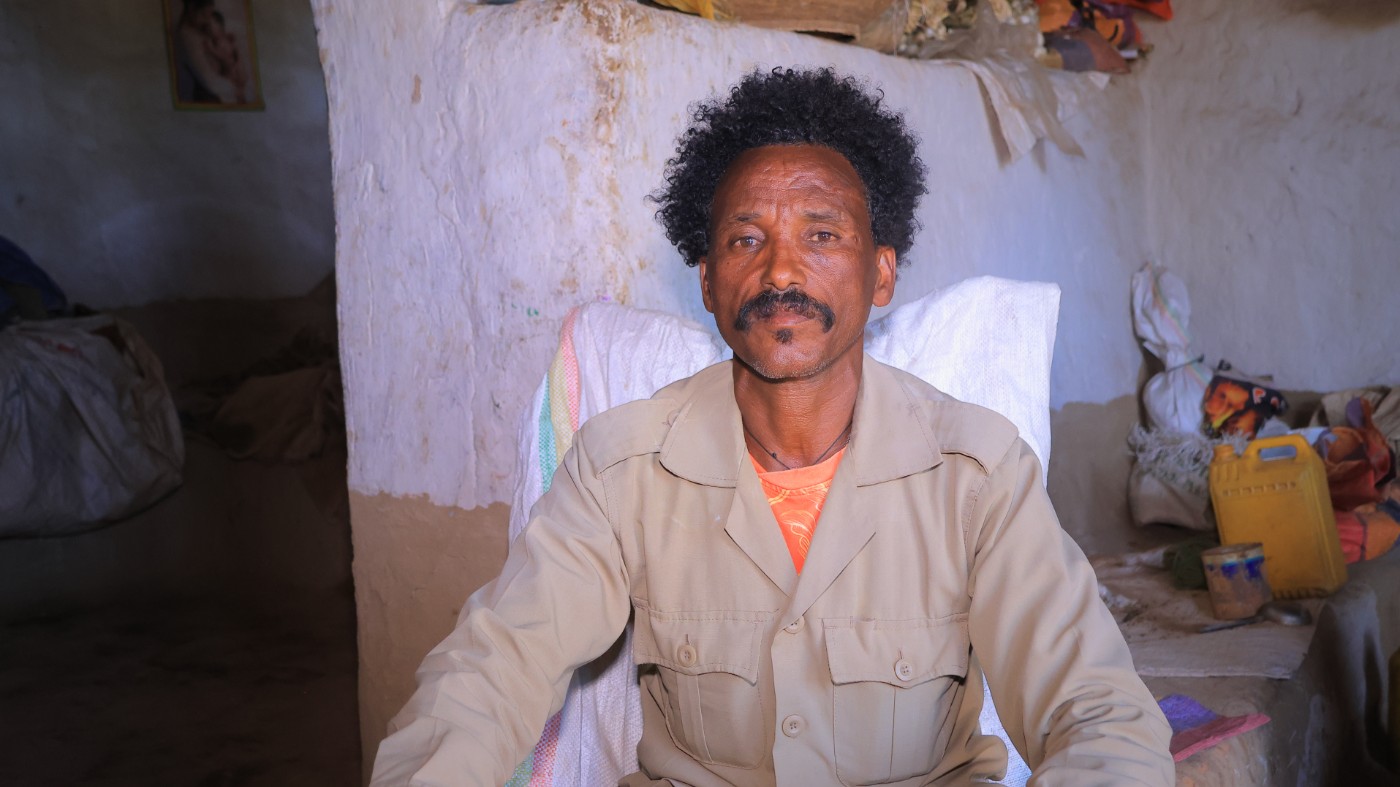
Once in Saudi Arabia, many migrants find themselves trapped by the kingdom’s strict legal system: they run afoul of harsh drug laws, are wrongfully framed for offenses they did not commit, or are coerced into signing false confessions that carry the death penalty. For families back in Ethiopia, the grief of losing a loved one to execution is devastating. Gebremariam Gebrezgiabher, whose son Kibrom was executed in Saudi Arabia, described the lasting toll of his son’s death in an interview with MEE. “It is unimaginable how hard it was to hear the news of my son’s death, especially the way he was killed,” he said. “A part of me died with him that day.”