作者: admin

  • Tai chi practitioners seek balance and well-being in fast-paced Beijing

    Tai chi practitioners seek balance and well-being in fast-paced Beijing

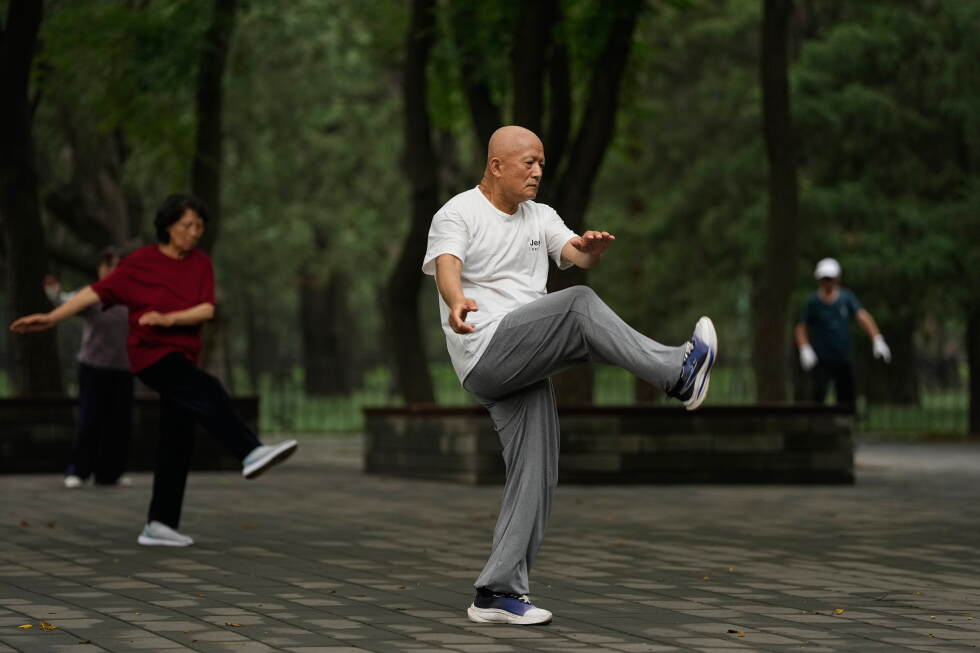
    On crisp Beijing mornings, beneath the sprawling ancient pines that fill the grounds of the Temple of Heaven, hundreds of people move in synchronized, gentle harmony. One arm arcs slowly upward while the other lowers to the side — the iconic posture “White Crane Spreads Its Wings” — a core movement of tai chi, a 300-year-old mind-body practice that remains deeply woven into modern Chinese daily life.

    For 64-year-old Ye Guirong, who now leads a 30-member local tai chi group named Cypress Grove on the temple’s grounds, this open-air space provides an unmatched setting for daily practice. “The environment is great and the air is good too,” she says. “You can see we’re surrounded by trees.” A retiree who discovered the group while exploring the city on post-retirement walks in 2010, Ye recalls being drawn to the practice immediately. “I thought it looked good, so I started practicing,” she says. Today, she carries forward the tradition of passing down tai chi movements from instructor to student: when newcomers join, she teaches foundational forms, then reviews and corrects progress over time until practitioners master each level before advancing.

    Most of the regulars gathering at the Temple of Heaven are retirees in their 60s and older, split between small groups practicing to soft, relaxing background music from portable speakers and solo practitioners moving in quiet solitude. Ye’s group has continued to draw new participants: 59-year-old Zu Hong, the group’s newest member, mastered a 24-movement routine in just one month and is already preparing to begin her second sequence. “I thought tai chi looked very beautiful,” Zu says. “I wanted to exercise, so I came here to the Temple of Heaven.”

    The practice holds deep roots at the Temple of Heaven, a 15th-century architectural complex commissioned by a Ming Dynasty emperor. Designed to serve as a ceremonial site where emperors acted as intermediaries between humanity and heaven, offering sacrifices and prayers for abundant harvests, its iconic Hall of Prayer for Good Harvests remains one of China’s most recognizable cultural landmarks. Today, while the complex draws millions of tourists annually, its surrounding public gardens remain open space for local residents to carry on daily traditions like tai chi.

    Beyond its gentle physical movements, tai chi is rooted in ancient Chinese philosophy, holding dual meaning as both a martial art (formally called Taijiquan) and a school of thought rooted in traditional understandings of the body and wellness. A core concept tying tai chi to Chinese philosophy is qi, the vital life energy believed to flow through all living things and the natural world. In traditional Chinese medicine, long-term health depends on the unobstructed flow of qi through a network of pathways called meridians that connect the body’s organs and limbs. Traditional treatments from acupuncture to movement practices like tai chi aim to regulate and strengthen this flow.

    “Practices like tai chi and qigong are all about activating, regulating or improving the flow of qi in the body,” explains James Miller, a professor of Humanities at Duke Kunshan University in Jiangsu province. “That’s something very key to Daoism, but it’s also part of the broader Chinese conception of the body and of the world.” Beyond the human body, qi is also believed to animate natural landscapes — which, Miller notes, is one reason traditional Chinese culture favors building temples in mountain settings: they are valued not only for their natural beauty, but for their close connection to the qi of the natural world, a benefit practitioners say amplifies the benefits of outdoor tai chi practice.

    Today, multiple distinct styles of tai chi are practiced across China and around the world, each with its own specific forms and techniques. Ye’s group gathers promptly at 7:40 every morning to practice the widely popular Yang-style tai chi for an hour and a half, rotating through sequences ranging from 24 to 48 movements, and occasionally incorporating traditional props like swords or folding fans. For the group’s regulars, the benefits speak for themselves: “Through exercising, everyone’s health has improved,” Ye says. “Our spirits are especially good.”

    The oldest widely recognized form of the practice is Chen-style tai chi, developed in the 17th century by Chen Wangting, a former military commander who turned to spiritual cultivation later in life. “He practiced Daoist methods of self-cultivation including meditation,” explains Chen Haitao, a fifth-generation Chen-style tai chi master. “Then one day he experienced a sudden awakening: the meridians throughout his body all opened, his mind became enlightened, and wisdom suddenly emerged.” Transformed by this experience, Chen Wangting developed structured movement forms to share this state of balanced wellness with others, binding together the practice’s physical and philosophical roots.

    For modern practitioners, that dual focus remains intact: the movements provide a accessible path to practice, while the underlying philosophy gives that practice purpose. “One of the great benefits of Taijiquan is that it is suitable for everyone,” Chen Haitao says. “As long as you learn the basic principles correctly and maintain proper alignment, whoever practices it will benefit from it.”

    This report was compiled with contributions from AP video journalist Wu Jia. The Associated Press’ religion coverage receives support through collaboration with The Conversation US, with funding from Lilly Endowment Inc. The AP retains sole responsibility for this content.


  • Tasmania government to explore buying James Boag brewery, Premier Jeremy Rockliff says

    Tasmania government to explore buying James Boag brewery, Premier Jeremy Rockliff says

    One of Australia’s most historically significant breweries, the 143-year-old James Boag Brewing facility in northern Tasmania, may avoid permanent closure after its Japanese parent company gave preliminary backing to a Tasmanian state government acquisition proposal.

    The site, which first opened its doors in Launceston — Tasmania’s second-largest city — in 1881, has stood alongside Hobart’s Cascade Brewery as one of the nation’s oldest operating commercial breweries. Last month, its parent firm Lion, a beverage distribution giant wholly owned by Japan’s Kirin Holdings, announced plans to permanently shut down production at the Launceston facility this coming November, a decision that immediately sparked widespread community outcry and put 42 local jobs at risk.

    Tasmanian Premier Jeremy Rockliff confirmed this week that Kirin has now granted in-principle support for the state government to advance a full acquisition of the brewery site. Speaking after a high-level meeting with Kirin leadership in Japan, Rockliff emphasized the site’s irreplaceable place in Tasmania’s industrial and cultural identity. “The Boag’s site is woven into the fabric of our state’s heritage, so any transition must be handled responsibly, with an unwavering focus on unlocking long-term economic opportunity for Launceston and the entire north,” he said. “Any future planning for the precinct must balance three core goals: protecting the site’s unique heritage character, attracting new private investment that creates and preserves local jobs, and building a space that can adapt to meet the needs of coming generations.”

    As of Wednesday, no details have been released on the potential purchase price the government is considering, nor has a formal plan been announced for the site’s future use. Rockliff confirmed that both Kirin and Lion have committed to collaborating closely with the state government and Launceston City Council to explore all viable future options. The two sides have also agreed to move forward with required enabling legislation to streamline future redevelopment of the site, a process made necessary by the site’s complex land and infrastructure status.

    Rockliff acknowledged that the original announcement of the brewery’s closure came as a devastating shock to the 42 employees working at the facility and their families. “Following advocacy that directly reflected community and worker concerns during our meeting in Japan, Kirin has agreed to seriously review additional requests for enhanced worker support packages,” the Premier said. Next week, he will meet directly with Lion CEO Anubha Sahasrabuddhe to advance negotiations around workforce transition support ahead of the planned November shutdown. “Workers have been our top priority from the day this announcement was made, and we will keep fighting to secure the best possible outcome for them,” Rockliff added. He also noted that Kirin has reaffirmed its commitment to exploring small-batch collaborative brewing opportunities with independent craft brewers across Tasmania.

    In its original July 1 statement announcing the closure, Sahasrabuddhe framed the decision as a response to long-term structural shifts in Australia’s beer market. “The James Boag brewery has been operating below capacity for a long time, reflecting a long-term decline in the segment of the national beer market it serves,” she said. “After reviewing all feedback gathered during public consultation, we concluded the structural challenges facing the brewery cannot be overcome, so we made the difficult decision to move forward with closure. It remains not our intention to sell the James Boag’s brand — we remain fully committed to both Tasmania and growing the James Boag’s brand moving forward.”

    The deal puts a spotlight on the concentration of Australia’s beer market: data shows Japanese brewing giants Kirin and Asahi together control roughly 92% of the national beer market. Asahi, alongside its own product lines, also owns Carlton and United Breweries. The remaining 8% of the market is split almost entirely between small independent craft brewers, many of which are based in Tasmania, including well-known operations like Hobart’s Moo Brewery, owned by Museum of Old and New Art founder David Walsh.

    Rockliff said the state government will keep all stakeholders — including Kirin, brewery employees, industry unions, local council leaders, and the broader Tasmanian community — updated as negotiations progress in the coming weeks.

  • Adelaide Crows star Josh Worrell to face court over crash with pedestrian

    Adelaide Crows star Josh Worrell to face court over crash with pedestrian

    A prominent Adelaide Crows AFL defender is scheduled to appear in court following a collision with a pedestrian that occurred on his commute to team training earlier this month.

    25-year-old Josh Worrell was traveling along Port Road in Woodville, on the outer boundary of Adelaide, when his vehicle struck a 29-year-old male pedestrian early Friday morning, leaving the pedestrian with physical injuries from the crash.

    In the immediate aftermath of the incident, Worrell offered to transport the injured man to a local hospital for treatment. While both parties later attended a police station to file an official report of the collision that same afternoon, their report fell outside the mandatory reporting window required by South Australian law, leaving Worrell facing formal criminal charges.

    In an official statement released following the completion of initial investigations, South Australia Police confirmed that the AFL player has been cited for two offenses: aggravated driving without due care, and failure to present to a police station within the legally required 90-minute window after a collision that resulted in injury. Authorities added that Worrell will receive a summons ordering him to appear at a local court for arraignment at a future date.

    In a surprising turn of events just one day after the crash, Worrell suited up for the Adelaide Crows and played the full 90-minute match against the Gold Coast Suns at Adelaide Oval, where the Crows secured a dominant 128-49 victory.

    Speaking to reporters on Tuesday, Crows head coach Matthew Nicks confirmed that the club is prioritizing support for the young defender as he navigates the legal aftermath of the incident. “It’s been a pretty challenging few days for Josh, he’s working through after his accident,” Nicks told journalists. “But we’re just doing whatever we can to support him through that.”

    Media outlets have approached Adelaide Football Club for additional comment on the incident and the club’s internal review process, with further updates expected as the legal case progresses.

  • Coles’ major shot at supermarket rival as reward point schemes heat up

    Coles’ major shot at supermarket rival as reward point schemes heat up

    Australia’s major grocery chain Coles has launched a direct competitive challenge to its long-time market rival Woolworths, unveiling a sweeping overhaul of its popular Flybuys loyalty program that unlocks far greater instant savings for regular shoppers. From Wednesday, the national rollout of the new “pay with points” feature will go into effect, giving customers a faster, far more flexible pathway to put accumulated Flybuys points toward immediate discounts on in-store grocery purchases.

    Under the updated reward framework, members can redeem their points in tiered increments that were not available previously. For every 2000 points held, customers can opt to claim $10 off, with options for $20, $30, $50, $70 and $100 discounts, adjusted to match a member’s total points balance and their total checkout spend. The program caps redemptions at 20,000 points per transaction, translating to a maximum potential saving of $100 on a single shop of weekly household essentials. For context, the previous iteration of Flybuys only allowed a maximum $10 discount per transaction at Coles supermarkets.

    The update positions Coles to directly compete with Woolworths’ established Everyday Rewards program, the main rival loyalty offering on the Australian grocery market. Currently, Woolworths’ base scheme allows members to redeem 2000 points for $10 off per shop, or hold points through the year to redeem all at once at Christmas. For an extra monthly fee of $7, or $70 annually, Woolworths also offers members 10% off one shop per month.

    Beyond changes to supermarket redemptions, Coles will expand the new pay-with-points function to participating Liquorland locations starting August 19.

    Michael Courtney, Coles’ chief customer experience officer, emphasized that the program update responds directly to shifting consumer demand amid ongoing cost-of-living pressures. “Our customers are looking for practical ways to save, and pay with points makes it easier to use the points they have already earned for money off their in-store shop instantly at the checkout,” he said. “For customers with points sitting in their Flybuys account, this is a simple way to unlock more value, and those points can now help pay for more of the weekly shop.”

    Program data shows the update responds to proven consumer behavior: more than half of all Flybuys members who shopped at Coles over the past 12 months have redeemed the $10 discount at least once. Anna Lee, chief executive officer of Flybuys, added that the revamp gives members greater autonomy over how they leverage their earned rewards. “Millions of members who shop in store at Coles already have enough points to redeem,” she said. “Pay with points gives members more choice in how they redeem their points across our great range of partners.”

  • A special team beats brilliant individuals – how silky Spain flattened France

    A special team beats brilliant individuals – how silky Spain flattened France

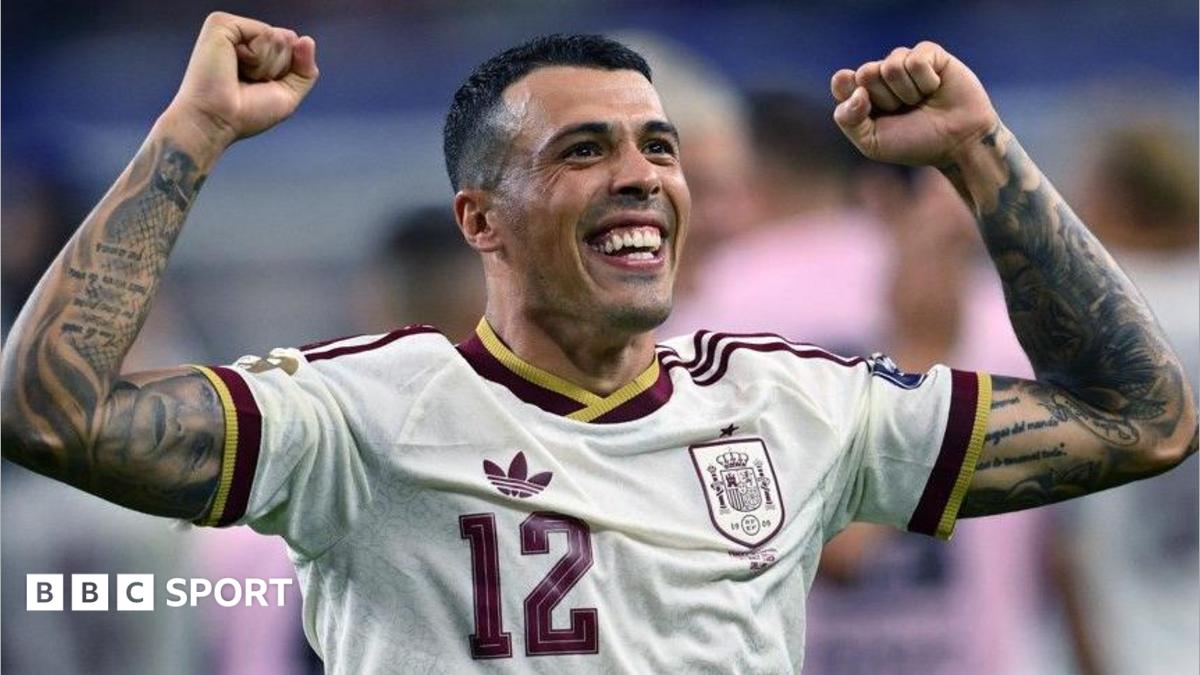
    In one of the most stunning semi-final performances in recent World Cup history, Spain delivered a near-perfect display of controlled collective football to crush pre-tournament favorites France 2-0 at Dallas Stadium, securing their place in the 2026 World Cup final and leaving football pundits and fans alike in awe of their dominance.

    Les Bleus entered Tuesday’s highly anticipated matchup as overwhelming favorites to advance. Boasting a star-studded attacking line led by Kylian Mbappe, Ousmane Dembele and Michael Olise, Didier Deschamps’ side had cruised through the knockout stages, with many analysts questioning whether any side could stop their momentum toward a second consecutive World Cup title.

    But Spain, the reigning European champions who entered the match level with Italy on a joint-record 37-game unbeaten streak, silenced all doubters with a disciplined performance that shut down France’s vaunted attack completely. The win marks just the second time Spain has reached a men’s World Cup final, and they will now face either Argentina or England in Sunday’s title decider, entering the match as clear favorites after their dominant semi-final showing.

    Spain’s road to the final has been one of slow-burn momentum rather than early fireworks. They began their campaign with an underwhelming 0-0 draw against first-time World Cup qualifiers Cape Verde, required late 91st and 88th-minute winners to see off Portugal in the Round of 16 and Belgium in the quarter-finals respectively, and teenage star Lamine Yamal entered the semi-final with only one tournament goal to his name. But Luis de la Fuente’s side have peaked at the exactly the right moment, and their clean sheet against France marked their sixth shutout in seven matches – a feat never before achieved in a single World Cup edition. For France, the result means a consolation third-place play-off, after managing only three attempts on target all game.

    Pundits who witnessed the match were quick to praise Spain’s all-round performance. “Spain scalped France – they flattened France,” former Premier League champion Chris Sutton told BBC Radio 5 Live from the stadium. “We heaped so much praise on France throughout this tournament, but they were swatted aside by silky Spain. Spain outfought and outplayed this French team from start to finish.”

    Another former Premier League winner, Roy Keane, highlighted France’s lack of coordination on ITV: “France were not playing as a unit. You have brilliant individuals, but they never functioned as a team. Spain have been absolutely brilliant – an absolute joy to watch.”

    Much of the credit for Spain’s historic run has gone to manager Luis de la Fuente, whose appointment in December 2022 was met with widespread skepticism. A low-profile youth team coach who had led Spain’s U-19, U-21 and U-23 sides, de la Fuente was even dubbed “Luis de la Who?” by some critics after taking over from high-profile predecessor Luis Enrique. But the 65-year-old has defied all expectations, leading Spain to a 2023 Nations League title, 2024 European Championship glory, and now a World Cup final in less than three years in charge.

    That skepticism now seems completely unfounded, with analysts pointing to de la Fuente’s decade-long work building Spain’s current core through the national youth setup as the foundation of their success. Mikel Merino, captain Rodri and goalkeeper Unai Simon all won the 2015 European U-19 Championship under de la Fuente, while core starters Mikel Oyarzabal and Dani Olmo also came through his youth programs.

    “De La Fuente started this journey 10 years ago with Oyarzabal, Dani Olmo, Rodri and Simon,” Spanish football expert Guillem Balague told BBC 5 Live. “They won the under-19 and under-21 Euros together, got to know each other, formed a family, and that feeling of being better together than individually is in their DNA.”

    De la Fuente embraced that team-first spirit in his post-match comments, confirming he had received a congratulatory phone call from King Felipe VI after the final whistle. “Our players deserve to be here because of effort, talent, sacrifice, and the constant work to be a better version of ourselves,” he said. “We’ve recaptured the spirit of 2010, when we won the World Cup. The character of this team is evident in the fact that those who didn’t play stayed behind to train after the match. This is a process, and it was all planned for us to reach this moment in as great shape as possible.”

    Against France, that process translated into a tactical masterclass that exposed the favorites’ weaknesses. Spain’s iconic possession-based, short-passing football dominated the game from kickoff, with the midfield trio of Fabian Ruiz, Rodri and roaming playmaker Dani Olmo completely overran France’s two-man central midfield. Olmo’s ability to drop deep created a persistent three-versus-two numerical advantage that France could never solve, while Spain targeted France’s passive zonal 4-4-1-1 block by pushing their full-backs forward to create overloads on the flanks.

    The two goals that sealed the win came from those exact tactical strengths. Oyarzabal opened the scoring from the penalty spot, before Pedro Porro found an unmarked space in the box after a clever overlapping run to slot home Spain’s second just before the hour mark. Remarkably, the two goals came from Spain’s only two attempts on target all game, while France recorded an expected goals (xG) total of just 0.3 – the lowest for any team in a World Cup semi-final since Brazil faced Sweden in 1994.

    The result prompted a wave of celebration across Spain, with thousands of fans taking to the streets of major cities immediately after the final whistle. As they prepare for Sunday’s final, de la Fuente said he has no preference between facing England or Argentina, who will play their semi-final on Wednesday. But Balague said Spain’s performance on Tuesday has already marked them as the team to beat.

    “I think the winner of the World Cup played today,” he said. “Having raised the bar, Spain are finishing games, they are creating chances. They have so many layers that they can adapt to any opponent. If it’s Argentina, who are defensively suspect, Spain can break them on the counter. If it’s England, Spain’s core is settled and their game plan is clear – they’ve been building to this moment for a decade.”

    For France, who have been knocked out in the semi-finals, the focus now turns to an unwanted third-place play-off, with manager Didier Deschamps set to take charge of his final game in charge.

  • ‘The Middle East is coming together’: Trump hosts handpicked Iraqi leader in Washington

    ‘The Middle East is coming together’: Trump hosts handpicked Iraqi leader in Washington

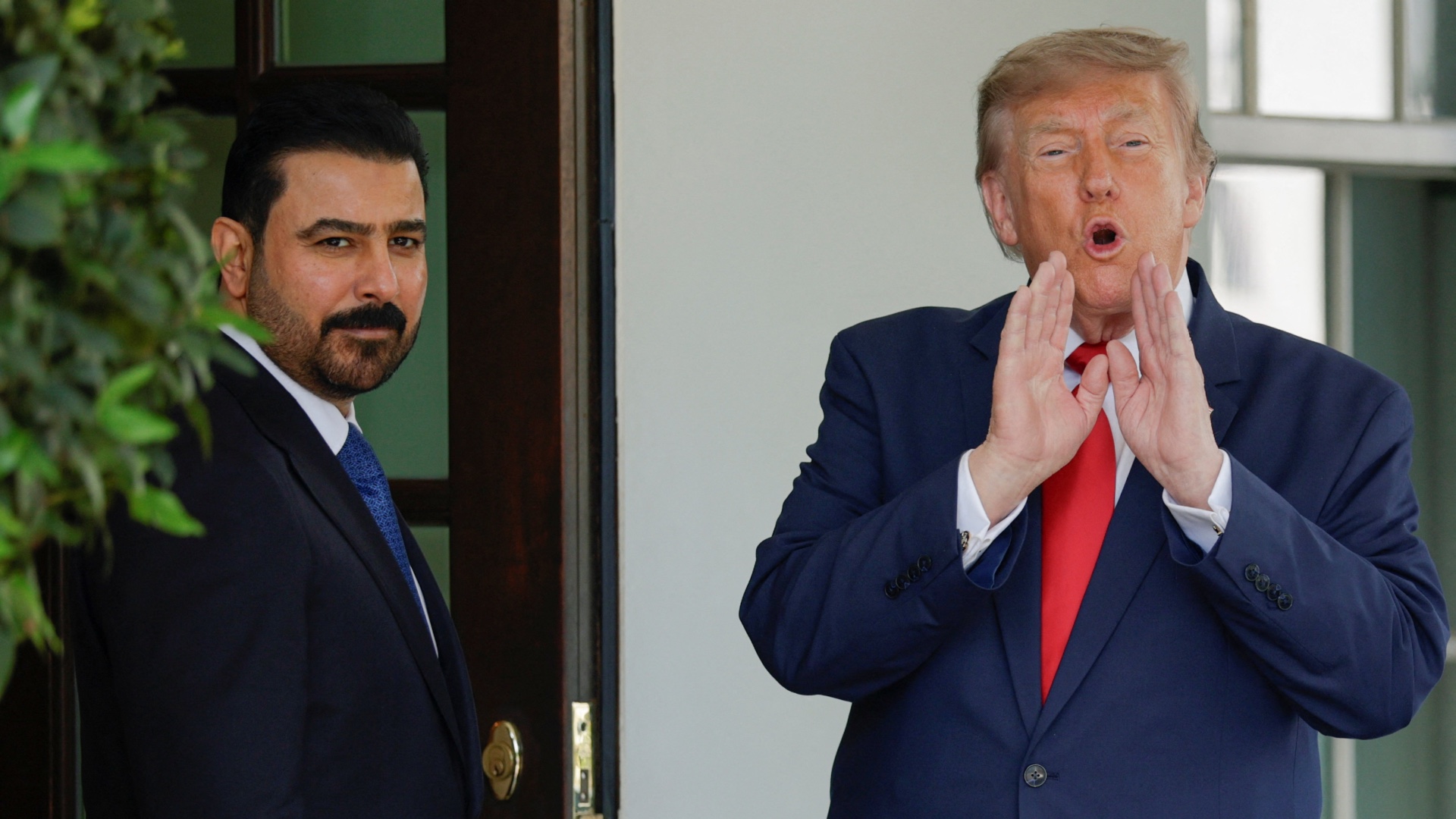
    Exactly two months after his surprise appointment as Iraq’s prime minister, political outsider and former banker Ali al-Zaidi stood in the White House Oval Office on Tuesday, receiving public praise from the U.S. president who backed his rise to power.

    Speaking to reporters in the room, former U.S. President Donald Trump made clear his active role in Zaidi’s ascent, noting he had thrown his full support behind the Iraqi leader after saying he was dissatisfied with the election’s expected frontrunner. “I think he’s going to end up being a great leader,” Trump told assembled media, adding that Zaidi has long been a friend to the United States. The president closed his introductory remarks with a lighthearted jab: “He’s young and he’s handsome, which I don’t like,” drawing laughter from Zaidi in attendance.

    Beyond the ceremonial pleasantries, the meeting served as a platform for the Trump administration to lay out its core agenda for Iraq: moving Baghdad fully out from under Tehran’s sphere of influence, with the top priority being the full disarmament of Iran-aligned militias that operate under the umbrella of the Popular Mobilisation Forces (PMF) within Iraq’s state structure.

    For his part, Zaidi reaffirmed his commitment to disarmament, telling reporters that his September 30 deadline for all unauthorized armed factions to surrender their weapons remains non-negotiable. “Whoever surrenders his weapons… We will cooperate with them,” he said via a translator, adding, “Factions are a need, not a profession” — a comment signaling his view that armed groups should integrate into formal state institutions rather than operate independently.

    U.S. opposition to Iranian influence in Iraq is not a new policy, but current tensions have pushed Washington to ramp up pressure dramatically in recent months. In April, amid escalating tit-for-tat hostilities between the Trump administration and Tehran in the Strait of Hormuz, the U.S. froze dollar shipments to Iraq and suspended security cooperation to pressure the Iraqi government ahead of Zaidi’s appointment. Within days of Zaidi’s confirmation as prime minister, the funds were immediately unfrozen, a clear signal of U.S. backing for the new leader.

    The structure of Iraq’s economy gives Washington significant leverage over Iraqi politics: since the 2003 U.S.-led invasion, nearly 90% of Iraq’s state revenue — almost all drawn from oil exports — is held in the Federal Reserve Bank of New York, and the Iraqi government requires explicit U.S. approval for cash reserves to be airlifted back to Baghdad for domestic use.

    Unlike many previous Iraqi political leaders, Zaidi built his career in finance rather than partisan factional politics, and his core agenda centers on rebranding Iraq as a stable, economically attractive destination for foreign direct investment. Analysts note he is also positioning himself as a committed anti-corruption reformer to win over international investors. “He wants to portray himself as someone who’s leading a campaign against corruption within his country, and I think his approach is to kind of convince, in this case, U.S. investors that Iraq will be a country where the rule of law is honoured,” explained Gordon Gray, a former senior adviser to the U.S. ambassador in Iraq from 2008 to 2009, in an interview with Middle East Eye.

    To his credit, Zaidi has already launched an unprecedented anti-corruption crackdown that has resulted in the arrest of two former Iraqi oil ministers alongside dozens of other high-profile figures, with authorities seizing millions of dollars in untraceable cash and gold bars from the suspects.

    Still, critical questions linger over Iraq’s ability to exercise full sovereignty over its own affairs. How can a country be fully self-determining when it cannot access its own oil revenue for domestic development without U.S. approval? And how can it act independently when Tehran continues to interfere in key policy projects, from energy development to security? Former U.S. ambassador to Iraq Stuart Jones argued that Iraq’s vast natural resources should make it one of the wealthiest countries in the Middle East. “They should be richer than Saudi Arabia. They should be richer than Qatar,” Jones told Middle East Eye. “But they have not created the platform for themselves that allows them to enjoy that wealth, and that’s going to require investment in infrastructure, and it means making independent decisions from Iran.”

    Many regional analysts point out that the Trump administration’s own maximum pressure campaign against Iran has itself been a major source of economic and political instability for Iraq. Giorgio Cafiero, CEO of Gulf State Analytics, noted that the closure of the Strait of Hormuz amid escalating U.S.-Iran tensions plunged Iraq’s already fragile economy into a deep crisis, costing the country tens of billions of dollars in lost revenue. Early in the standoff, media reports also emerged that the CIA was working to arm Iraqi Kurdish groups to destabilize Tehran, a move that Kurdish officials publicly distanced themselves from, warning that involvement in U.S.-Iran hostilities would plunge their autonomous region into chaos. Cafiero summed up the country’s precarious position: “Iraq seems to be a victim of chaos in the region.”

    Trump offered a far more optimistic framing during the meeting. When asked about relations between Baghdad and Iraq’s semi-autonomous Kurdistan Region, Trump claimed the Middle East was moving toward unprecedented unity. “We are getting rid of the bully of the Middle East. Iran was the bully of the Middle East. They bullied Iraq. They bullied every country,” he said. “There’s no fear anymore because their military capability has been knocked to hell.” Tehran has repeatedly rejected claims that its military capabilities have been severely degraded, and has little incentive to agree to the disarmament of its allied militias in Iraq, which give it critical strategic leverage in the region.

    Cafiero says he remains skeptical that the Iraqi state will be able to establish a full monopoly on the use of force by disarming Iran-aligned groups. “I am quite sceptical about this idea that the Iraqi state will be able to assert its monopoly” on Iranian-backed factions, he said. “I have a rather tough time imagining that.”

    If there is a path to tangible progress under Zaidi, analysts say it likely stems from the personal rapport he has built with Trump, a leader who has openly prioritized personal relationships over institutional diplomatic norms. Both men are political outsiders with backgrounds in business, a shared identity that makes them open to cutting high-stakes deals.

    Zaidi’s first official visit to the U.S. includes more than just the White House meeting. After leaving Washington, his next stop is Houston, where he will meet with senior executives from major U.S. energy companies to discuss investment opportunities. A key item on the agenda is a proposed deal with Chevron to build a new oil pipeline, a project that would give Iraq an alternative export route and reduce its vulnerability to disruptions in the Strait of Hormuz. The visit will conclude back in Washington on Friday, where Zaidi will address the Iraqi American Chamber of Commerce to pitch Iraq as a viable investment destination to U.S. business leaders.

  • AFL 2026: Hawthorn star Jack Ginnivan takes aim at rule he believes is ‘worst’ in the game

    AFL 2026: Hawthorn star Jack Ginnivan takes aim at rule he believes is ‘worst’ in the game

    A growing wave of criticism against the Australian Football League’s polarizing stand rule has gained a high-profile new critic, with Hawthorn Hawks star playmaker Jack Ginnivan becoming the latest prominent voice to call out the regulation, arguing it undermines the quality of play and creates unnecessary confusion for athletes and officials alike.

    Introduced back in 2021, the stand rule was designed with a clear on-field goal: to prevent players positioned on the mark from moving laterally before a set shot, in turn opening up attacking space and creating more dynamic play across the ground. But from its launch, the regulation has split opinions across the league, drawing consistent pushback from players, coaches, and fans who argue it creates more problems than it solves.

    Ginnivan, who knows the rule’s inconsistent impacts firsthand after benefiting from a controversial 50-meter penalty under the regulation during Hawthorn’s rain-soaked clash against Carlton at the Melbourne Cricket Ground last Saturday, doubled down on those criticisms in a recent appearance on the Ball Magnets podcast. The forward, known for his straightforward, unfiltered comments to media, did not mince words when assessing the rule.

    “I think it’s the worst rule the AFL has, like easily,” Ginnivan said. “It’s just so confusing for players and umpires to adjudicate. It just doesn’t need to exist, it creates unnecessary 50-meter penalties that can directly lead to a goal out of nowhere, and it sort of just ruins the game.”

    The controversial incident from Saturday’s match perfectly illustrates the confusion Ginnivan highlighted. As the Hawks prepared for a difficult set shot in heavy, slippery rain, Carlton’s Adam Cerra stepped off the mark just as the umpire appeared to call play-on. Despite the call, officials awarded Ginnivan a 50-meter penalty, moving his shot from a tough angle to an unmissable position directly in front of goal. Ginnivan went on to convert the kick, but he stressed that the chaos of the moment was not the fault of the officiating team—it was the fault of a poorly written rule.

    Ginnivan sympathized with veteran umpire Matt Stevic, who was forced to make the split-second call in the chaotic moment. “It’s just so hard for Matt Stevic to umpire it because the rule is so bad,” he explained.

    Offering his own perspective on how set shots should work, Ginnivan argued the old system allowed for more flexibility and strategic play without unnecessary confusion. “I felt like if I was to run straight, if Dimma (Blake Hardwick) was there, I could feign the handball if I wanted to. But if I wanted to run straight, I am OK. I don’t think I stepped off my line, I am pretty sure I was still running straight. But then the confusion of, ‘Oh (he) called play-on’, it’s just so hard for everyone involved.”

    Ginnivan’s public criticism adds to a growing body of discontent with the stand rule, reigniting calls for the AFL to revisit the regulation and consider adjustments ahead of the next season to restore clarity and consistency to on-field officiating.

  • Seven Britons among those killed in Spain wildfires

    Seven Britons among those killed in Spain wildfires

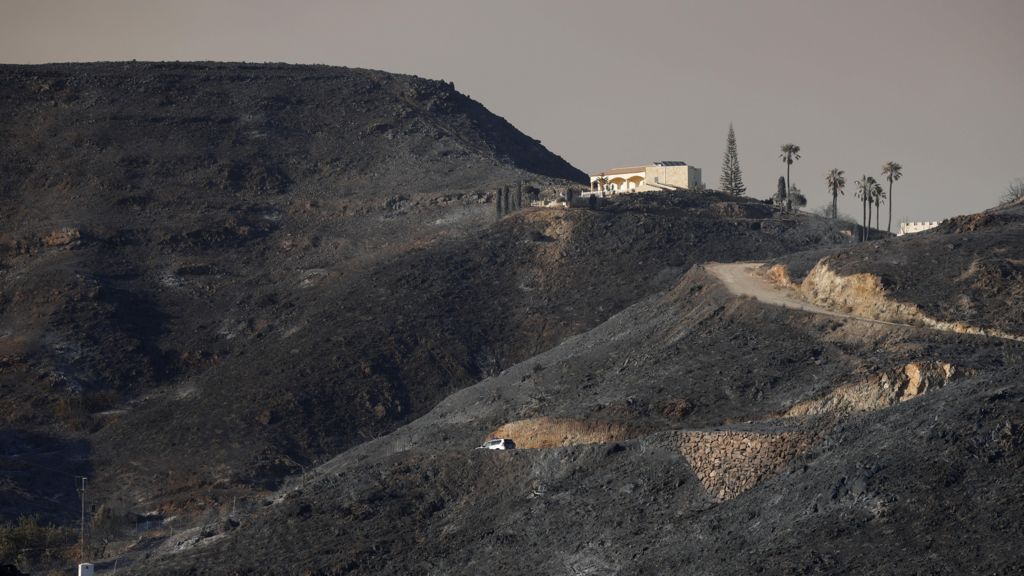
    A devastating wildfire that swept through southern Spain’s Almería province last week has become one of the nation’s deadliest on record, with authorities confirming that 12 of the 13 people killed were foreign nationals. Following the completion of full post-mortem examinations on all victims on Tuesday, Spanish officials released the full breakdown of nationalities: seven of the deceased were from the United Kingdom, three were Belgian citizens, one was French, one was American, and the 13th victim was a local Spanish citizen. All 13 victims were adults, consisting of eight women and five men.

    Among the British victims were Pete and Fran Gillam, a retired couple who resided in Bédar, the small village at the epicenter of the fire that bore the worst of its destruction. Their daughter Danielle Gillam-Kirton, based in Sheffield, confirmed the couple’s deaths in a heartbreaking Facebook post, writing that her family was “heartbroken to share that we have received confirmation from the police that Mum and Dad did not survive the fire.”

    The blaze, which ignited last Thursday, has now been fully contained after scorching approximately 7,000 hectares — equal to 17,300 acres — of land across the province. Residents and first responders described the affected landscape as completely unrecognizable, with vegetation and property left entirely charred by the fast-moving fire.

    The UK’s Foreign, Commonwealth & Development Office has confirmed it is providing consular support to the affected British families and remains in close coordination with Spanish law enforcement and emergency authorities to assist with next steps.

    This deadly wildfire comes as Spain continues to face a growing pattern of extreme heat and catastrophic wildfire activity, driven by long-term climate shifts. In recent years, the country has been hit by increasingly frequent and severe heatwaves, with summer temperatures regularly climbing above 40 degrees Celsius, creating dry conditions that heighten wildfire risk across much of the Iberian Peninsula.

  • Trump retreat over Hormuz tolls suggests he is struggling to end Iran war

    Trump retreat over Hormuz tolls suggests he is struggling to end Iran war

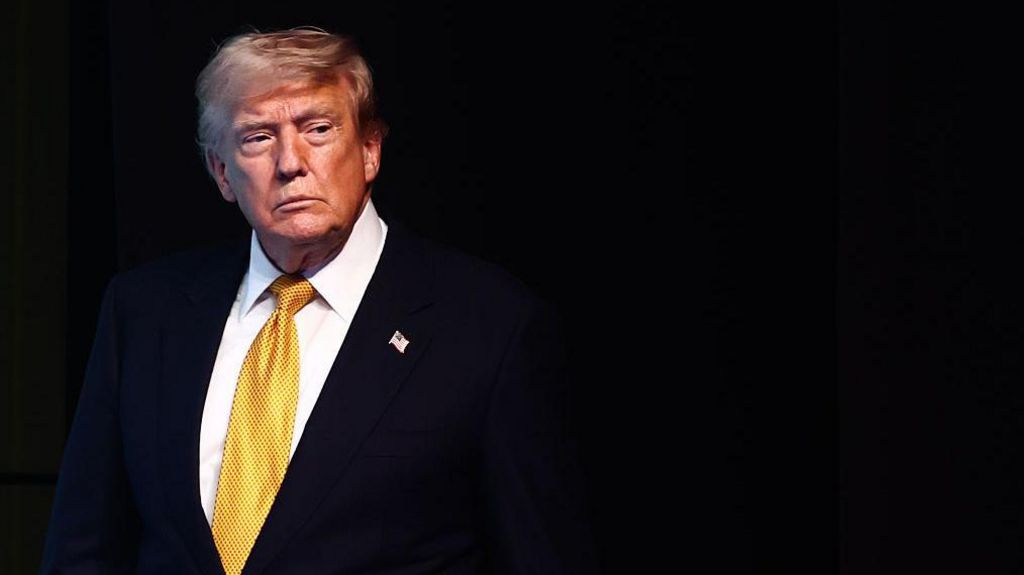
    The four-month-long standoff between the United States and Iran took another chaotic turn last week when former President Donald Trump first announced a controversial 20% transit fee for all vessels passing through the Strait of Hormuz, then scrapped the plan entirely less than 24 hours later. The abrupt policy reversal has laid bare the deep strategic impasse at the heart of the ongoing conflict, leaving the Trump administration stuck between unpalatable options: escalation that risks economic and political fallout, or a negotiated settlement that falls short of the president’s promises.

    The drama unfolded on a Monday morning, when Trump took to his social platform Truth Social to announce the resumption of a full American naval blockade on Iranian shipping. As part of the new policy, he mandated that every commercial vessel transiting the strategic Strait of Hormuz — including those flagged by U.S. allies — would be required to pay a 20% fee to the U.S. The proceeds, he claimed, would cover the costs of American military operations that provide security to the volatile waterway, through which roughly 20% of the world’s daily oil supplies pass.

    By the following day, the proposal was dead. Trump walked it back completely, replacing the fee plan with a new framework that would see the U.S. strike targeted trade and investment deals with Gulf Arab allies, offering guaranteed safe passage in exchange for cooperation. This sudden U-turn came amid renewed American military strikes across Iranian territory, marking the formal collapse of a month-old temporary ceasefire and bilateral memorandum of understanding (MOU) that had been hailed by both sides as a step toward lasting peace just weeks earlier.

    That MOU, which went into effect after weeks of on-again, off-again negotiations, was intentionally vague from its inception, leaving core contentious issues to future talks. The agreement included provisions that recognized a limited role for Iran in overseeing Hormuz shipping, with the explicit commitment that Iran would facilitate safe passage for commercial vessels without charge. It also promised billions in planned international investment in Iran and a full rollback of crippling economic sanctions in exchange for Iranian cooperation.

    U.S. officials had gambled that these concessions, paired with threats of consequences for noncompliance, would convince Iran to abandon its long-held goal of asserting more direct control over the waterway that sits on its doorstep. That gamble failed. Iran responded to Trump’s announcement of the renewed blockade by ramping up attacks on U.S. allies and commercial shipping in the region, bringing traffic through the Strait of Hormuz to a near standstill. The MOU, once seen as a path out of conflict, is now effectively dead, according to regional experts.

    The 20% fee proposal itself was not an entirely new idea: Trump had floated similar arrangements multiple times over the course of the war. What makes the pivot striking, however, is its direct contradiction of public statements just one month prior from U.S. Secretary of State Marco Rubio. Rubio had harshly condemned an Iranian plan to charge transit fees for Hormuz shipping, arguing that “no country is allowed to charge tolls or fees on an international waterway” under existing international law.

    Today, both the U.S. and Iran find themselves trapped in a familiar, intractable predicament. Militarily, the U.S. has achieved its measurable objectives: it has destroyed significant amounts of Iranian naval and air assets, degraded Iranian defense capabilities, and reimposed a full blockade that has cut off Iran’s vital oil export revenue, a lifeline for the Iranian government. Even so, militarily weakened as it is, Iran retains the ability to disrupt traffic through the Strait of Hormuz, and the U.S. cannot force it to stop without committing to a dramatic, full-scale escalation of the war.

    For Trump, that escalation carries steep costs. The conflict has remained deeply unpopular with the American public, and a major expansion of hostilities would almost certainly send global oil prices soaring, reversing recent positive trends in U.S. inflation. Just one day after Trump’s initial announcement of the fee and blockade, global oil prices jumped nearly 10% — the largest single-day increase in six years. While the administration received good news this week when official data showed consumer prices dropping, an escalation would likely erase that progress, leaving Trump’s Republican party vulnerable in the upcoming November midterm congressional elections.

    At the same time, Trump has little political appetite to accept a negotiated settlement that does not deliver a deal explicitly better than the 2015 Joint Comprehensive Plan of Action struck by the Obama administration, a deal he has repeatedly criticized. This leaves the conflict stuck in a holding pattern of prolonged attrition, many analysts argue.

    “The most likely ending is a non-ending,” explained Rosemary Kelanid, Director of the Middle East program at Defense Priorities. “This has turned into a war of attrition, and wars of attrition tend to go on for a long, long period of time. He has already tried the things he can easily do, can credibly do. He can attack military targets, regime targets. He’s done that before, and it didn’t cause Iran to surrender.”

    Elliot Abrams, senior fellow for Middle Eastern studies at the Council on Foreign Relations, echoed that assessment, noting that the conflict has boiled down to a test of patience. “We’re back to where we were initially, where the question was: who’s got more patience? The Iranians, who will not be able to export oil, or the US and other countries that use Persian gulf oil?” he said. Abrams added that while there may still be room to negotiate a narrow agreement focused solely on Strait of Hormuz security, a return to the original MOU is no longer on the table.

    Even if the two sides return to talks and hammer out another ceasefire, the core intractable disagreements that sparked the conflict — control over Hormuz, the future of Iran’s nuclear program, and Iran’s regional influence — remain unresolved. Trump has recently hinted at potential airstrikes on Pickaxe Mountain, a heavily fortified Iranian nuclear research site south of Tehran, but experts question whether American strikes can inflict meaningful damage on the deep underground tunnel complex protected by solid granite.

    As the war approaches its fifth month, Trump has drawn a parallel to other long-running U.S. conflicts, such as the Vietnam War. But that decades-long quagmire ultimately destroyed the presidency of Lyndon B. Johnson and damaged U.S. global standing for a generation, a fate Trump is eager to avoid. It also contradicts a core campaign promise Trump has made for years: that he would end the era of endless “forever wars” in the Middle East that have drained American resources and political capital.

    Now, with the MOU in tatters, the temporary ceasefire collapsed, and the fee proposal dead after just one day, the end of the US-Iran conflict appears no closer than it was in the first weeks after hostilities began.

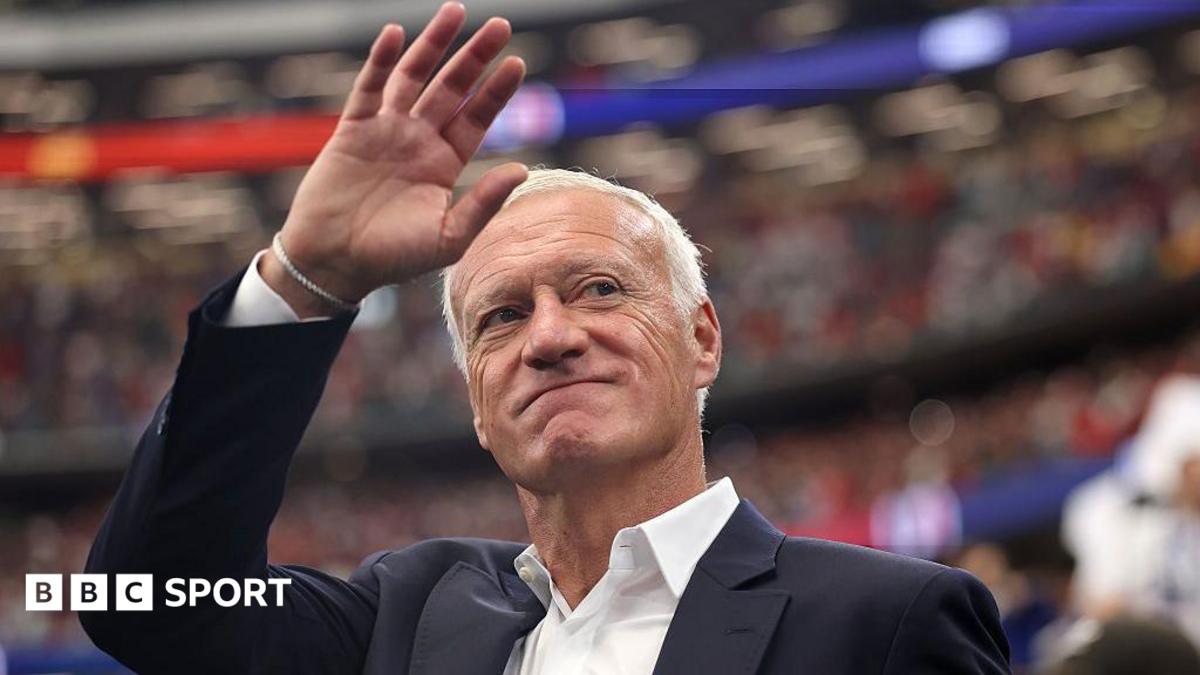
  • ‘Extremely happy’ Deschamps gets the farewell game no-one wants

    ‘Extremely happy’ Deschamps gets the farewell game no-one wants

    In a lopsided 2026 FIFA World Cup semi-final clash held in Dallas, Spain secured a dominant 2-0 victory over France, punching their ticket to the tournament’s final and bringing an unanticipated early end to Didier Deschamps’ 14-year tenure as France’s head coach.

    Deschamps, who had already announced his plan to step down following this 2026 tournament, will now wrap up his legendary career with France in Saturday’s third-place play-off in Miami, where his side will face the loser of the other semi-final between England and Argentina. A unique figure in World Cup history, Deschamps is one of just three people to win the tournament both as a player (1998) and a manager (2018), alongside Brazil’s Mario Zagallo and West Germany’s Franz Beckenbauer. Even in defeat, the 57-year-old set a new record in Dallas: he now holds the mark for the most World Cup matches managed at 26, breaking a previous tie with legendary West German boss Helmut Schön that stood at 25.

    Heading into Tuesday’s semi-final, France were tipped as overwhelming favourites, having advanced through the tournament with a string of dynamic attacking displays led by joint-top tournament scorer Kylian Mbappé, Ballon d’Or winner Ousmane Dembélé and Bayern Munich rising star Michael Olise. But against a well-drilled Spanish side, the French attacking unit failed to register any meaningful threat all match: they mustered only 10 total shots, their lowest tally at this 2026 World Cup, and recorded an expected goals value of just 0.3.

    Post-match, criticism of France’s flat performance and flawed tactics came quickly from both inside and outside the squad. Mbappé, who had been expected to lead his side to victory, called out the team’s strategic misalignment, noting that France’s 3-v-2 midfield setup played directly into Spain’s strengths. “When you don’t do what you have to do in a World Cup semi-final, you don’t win,” Mbappé said. “Spain respected their gameplan… They are better than us at controlling a game. We didn’t manage to do it. We were too sloppy technically. We could not hurt them when we could have.” Former France midfielder Patrick Vieira echoed that sentiment in his ITV commentary, saying “They haven’t shown up. I was expecting more. There was big expectation for France to win the World Cup. All our top players went missing. Collectively we were really bad.”

    Despite the disappointing end to his World Cup run, Deschamps remained reflective rather than bitter in his post-match press conference, brushing off questions about his legacy and upcoming departure. “It’s not time to talk about the future,” he said. “It is not important on a personal level whether I leave a competition in a semi-final or final. I am extremely happy. I am very proud of everything we’ve done to reach this stage and to win a World Cup – to take the French team to the highest level. I have been lucky as a player. I have enjoyed happy moments. Today is not such a moment. We must accept it without forgetting everything we experienced.”

    Across French football, figures from past and present have rushed to honour Deschamps’ transformative impact on the national side, which extends far beyond this final result. When Deschamps took over the French job in 2012, the program was in chaos: France had crashed out of the group stage at both Euro 2008 and the 2010 World Cup, the latter marred by a public player mutiny against then-manager Raymond Domenech. Under Deschamps’ leadership, France rebuilt their culture, maximized the nation’s depth of elite talent, and climbed back to the top of international football, reaching the 2016 Euro final on home soil, winning the 2018 World Cup, and falling just short of retaining the title in a penalty shootout loss to Argentina in the 2022 final. Over his 14 years in charge, Deschamps won 20 of his 26 World Cup matches, losing only three.

    Former France striker Olivier Giroud, who won the 2018 World Cup under Deschamps, called the outgoing manager a foundational figure for a generation of French players. “There was extra motivation for all the players at this World Cup to give Didier the ending he wanted, and deserved,” Giroud said. “He deserved to exit by the big door. He did not quite manage that but he is still a great, for what he has already done in his 14 years. His record does the talking for him. He gave me so much of his confidence, and I tried to repay him on the pitch. This makes us very close, and because we won that World Cup, we are linked forever. The biggest thing he taught us was his desire, and his drive and ambition to be the absolute best and to win every single game.”

    Gael Clichy, a former France defender who played in Deschamps’ first year in charge and now manages third-tier French side Caen, echoed that praise, saying Deschamps’ legacy is already secure regardless of the semi-final result. “His legacy was that he took a team that was below par and he managed to bring that team back up to the top,” Clichy told BBC Radio 5 Live. “This legacy of his really means we don’t have to talk about what he should or could have done. What he has done for French football as a player and a coach is fantastic. It is phenomenal.”

    All signs point to Deschamps being succeeded by his 1998 World Cup winning teammate Zinedine Zidane, with ESPN reporting in March that a verbal agreement is already in place for Zidane to take over the French national side this summer. Zidane, who has not managed since leaving Real Madrid in 2021, won three Champions League titles during his tenure at the Spanish club. Clichy noted that whoever follows Deschamps will face a difficult challenge filling his shoes.

    For Spain, the victory sets up a historic shot at their first World Cup title since 2010, as they prepare to face the winner of Wednesday’s England-Argentina semi-final in the 2026 World Cup final.