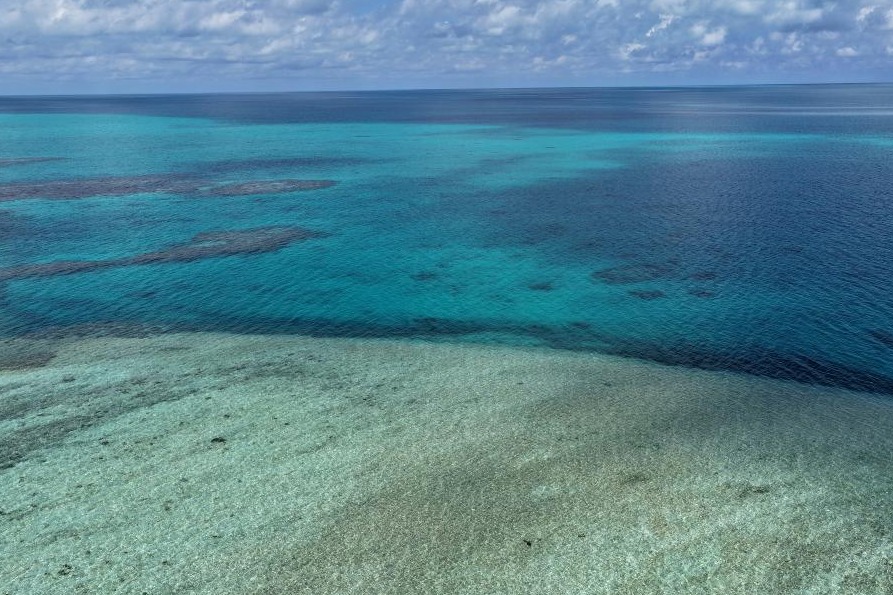
China has accused the United States of being the primary source of instability in the South China Sea, following Washington’s condemnation of Beijing’s alleged use of water cannons against Philippine vessels. The statement was made by Foreign Ministry spokesman Lin Jian during a regular press briefing on Wednesday. Lin emphasized that any threats or provocations in the region would fail, asserting China’s commitment to safeguarding its territorial sovereignty and maritime rights. The US Department of State had earlier criticized China’s actions as ‘coercive and unlawful,’ claiming they undermine regional peace and violate commitments to peaceful dispute resolution. The US also reaffirmed that the US-Philippines Mutual Defense Treaty applies to any attacks on Philippine forces in the South China Sea. Lin countered by stating that the Philippines was the initial provocateur, violating China’s sovereignty and creating risks at sea. He criticized the US for ignoring these facts and attempting to threaten China by invoking the Mutual Defense Treaty. Lin concluded that the US actions reveal its intention to provoke confrontation and create chaos in the region, making it the biggest source of risk to regional stability.
作者: admin
-
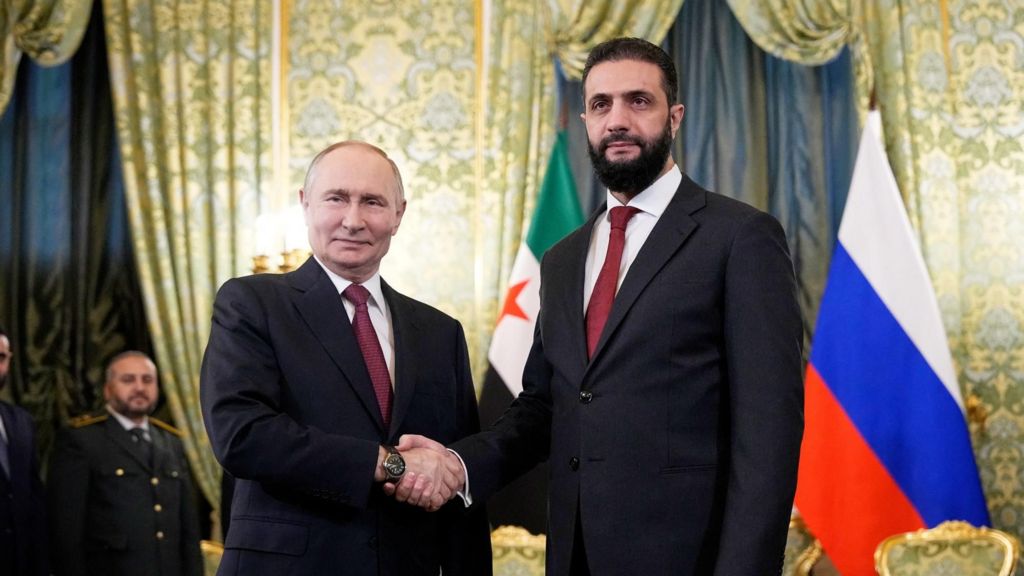
Syria’s Sharaa meets Putin in Moscow for first time since fall of Assad
In a significant diplomatic development, Syria’s interim President, Ahmed al-Sharaa, met with Russian President Vladimir Putin in Moscow for their first talks since Sharaa’s forces ousted Russia’s long-time ally, Bashar al-Assad, ten months ago. The meeting marked a pragmatic shift in relations between the two nations, which had previously been on opposing sides of Syria’s protracted civil war.
During the discussions, Putin emphasized the ‘special relationship’ between Russia and Syria, expressing readiness to collaborate on ‘interesting and useful undertakings.’ Sharaa, in turn, signaled his willingness to maintain Russia’s access to key military installations in Syria, including the Tartous naval port and Hmeimim airbase, while seeking to redefine bilateral ties to ensure Syria’s sovereignty and territorial integrity.
Sharaa also indicated his intent to request the extradition of Assad, who fled to Moscow and was granted asylum after being forced from power. However, Russian officials have previously stated that Assad and his family faced ‘the risk of physical elimination,’ making extradition unlikely.
The talks underscored a mutual desire for cooperation, with Russia pledging to provide humanitarian aid, including food and medical supplies, and assist in rebuilding Syria’s damaged infrastructure. Sharaa, meanwhile, seeks Russian support to consolidate his authority, secure Syria’s borders, and revive its struggling economy through energy and investment partnerships.
Despite the cordial atmosphere, underlying tensions persist, particularly regarding Assad’s fate. The meeting highlights the complex dynamics of post-conflict diplomacy, as both leaders prioritize pragmatism over past hostilities.
-
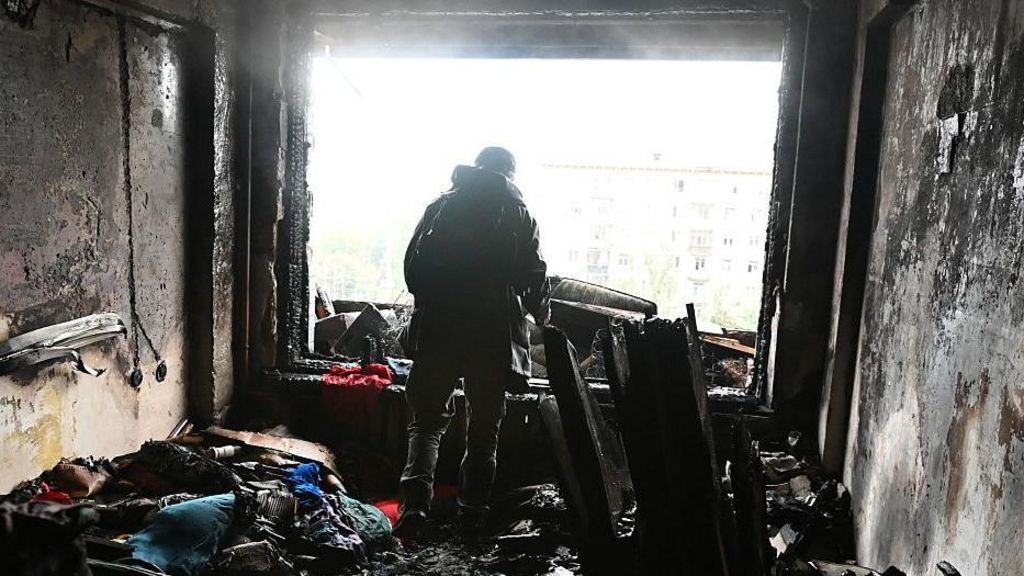
Ukraine imposes blackouts in most regions after Russian power grid attacks
Ukraine is grappling with widespread power outages following a relentless barrage of Russian missile and drone attacks targeting its energy infrastructure. This marks the fourth consecutive winter of blackouts since Russia’s full-scale invasion began in February 2022. The Ukrainian Energy Ministry reported that nearly all regions, except for the war-torn Donetsk and the already struggling Chernihiv, are affected. Emergency measures have been implemented to manage the crisis, with grid operator Ukrenergo urging citizens to conserve electricity. Temperatures are expected to drop to 3°C, exacerbating the humanitarian impact.
In addition to energy infrastructure, Russia has intensified strikes on Ukraine’s railways, while Ukraine has retaliated with drone attacks on Russian oil refineries and depots. A significant fire at the Marine Oil Terminal in Feodosia, Crimea, has been burning for three days after a Ukrainian drone strike, disrupting fuel supplies crucial for Russian military operations. These attacks have reduced Russian fuel exports to their lowest levels since the war began, according to the International Energy Agency.
Ukrainian President Volodymyr Zelensky accused Moscow of aiming to ‘create chaos and apply psychological pressure’ through these strikes. Kyiv has sought long-range weapons from Western allies to target military installations deeper within Russia, though concerns over escalation have tempered support. Meanwhile, NATO countries have pledged additional military aid, with Germany committing $500 million and other nations collectively promising $1 billion.
Despite these efforts, military aid to Ukraine has declined by 43% compared to the first half of the year, according to the Kiel Institute. As the war drags on, the humanitarian and economic toll continues to mount, with civilians bearing the brunt of the crisis.
-

Major Myanmar fraud cases enter prosecution
The prosecution of two prominent family-based criminal groups operating in northern Myanmar, targeting Chinese nationals, has commenced, with the Ministry of Public Security revealing that the funds involved exceed 24.6 billion yuan ($3.45 billion). This development marks a significant step in dismantling the notorious ‘Four Families’ criminal syndicates in Kokang, northern Myanmar. These groups have allegedly established numerous telecom fraud centers, engaging in a wide array of illegal activities, including fraud, illegal detention, extortion, casino operations, prostitution, and drug trafficking. Suspects from the Ming family have already been sentenced in a first-instance trial, while the Bai family’s case is now in its initial proceedings. The Wei family, implicated in crimes dating back to 2009, faces multiple charges, including fraud, intentional homicide, and drug trafficking. Similarly, the Liu family has been accused of fraud, extortion, and other serious offenses. Since July 2023, a special operation led by the Ministry of Public Security has resulted in the arrest of over 57,000 Chinese nationals suspected of fraud-related crimes. Joint law enforcement actions between China and Myanmar have been pivotal in these arrests, with Chinese authorities capturing key suspects at the Yunnan border. Investigations revealed that Chinese workers were often exploited, with ransoms demanded for their release. The criminal groups maintained control through armed personnel and harsh punishments for those who failed to meet quotas or attempted to escape. Despite ongoing regional conflicts, Chinese officers have conducted multiple investigations in Kokang, uncovering critical evidence, including victims’ remains and tools used in the crimes. Zhang Hanyi, deputy director of the Quanzhou Public Security Bureau, noted that while significant progress has been made, complete investigations remain challenging due to conditions abroad.
-
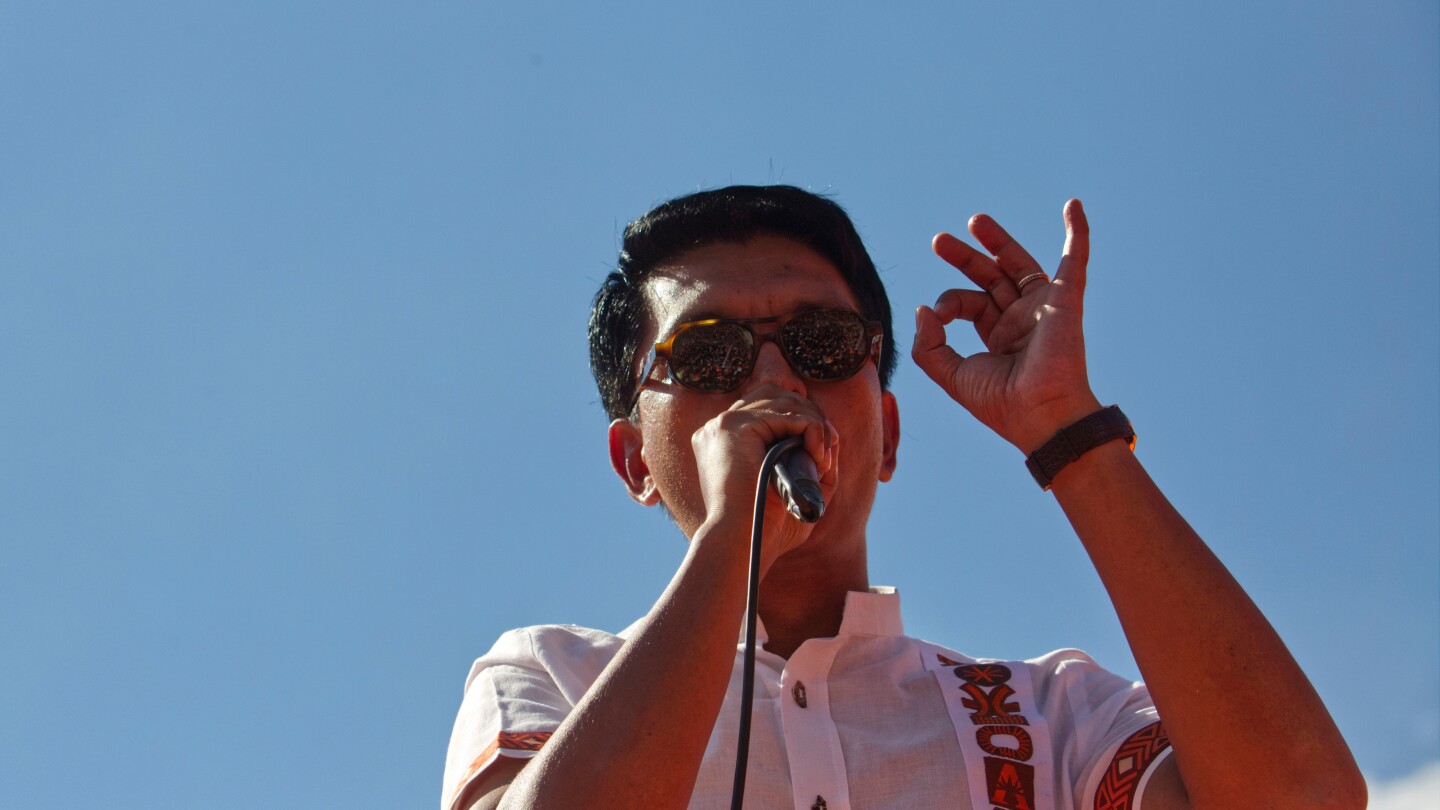
Madagascar’s president rose to power off youth discontent and was taken down by it
Andry Rajoelina, once a youthful and charismatic mayor, rose to prominence in Madagascar 16 years ago by leading popular protests against the government. These demonstrations culminated in a military-backed coup, propelling him to the role of transitional president at just 34 years old. After stepping down in 2014, Rajoelina returned to power in 2019 through democratic elections. However, on Tuesday, the same military unit that once supported his ascent declared it was ousting him following weeks of youth-led protests against his administration. This marks a dramatic turn in Rajoelina’s political journey, underscoring the pivotal role of both the military and the youth in his rise and fall. Rajoelina’s early career began as a radio DJ and entrepreneur, where he leveraged his media influence to form the Determined Malagasy Youth party. His anti-establishment message resonated with Madagascar’s disenfranchised youth, leading to his election as mayor of Antananarivo in 2007. By 2009, he led protests against then-president Marc Ravalomanana, accusing the government of corruption and authoritarianism. Backed by the military, these protests forced Ravalomanana into exile, and Rajoelina assumed the presidency. His tenure, however, was marked by international isolation and sanctions. After a brief hiatus, Rajoelina returned to power in 2019 but faced mounting criticism for failing to improve living standards. His controversial promotion of an unproven COVID-19 remedy further eroded public trust. Recent protests, fueled by issues like water and power shortages, corruption, and nepotism, saw widespread participation from civil society groups, unions, and government workers. The military’s support for the protesters ultimately sealed Rajoelina’s fate, highlighting the cyclical nature of political power in Madagascar.
-
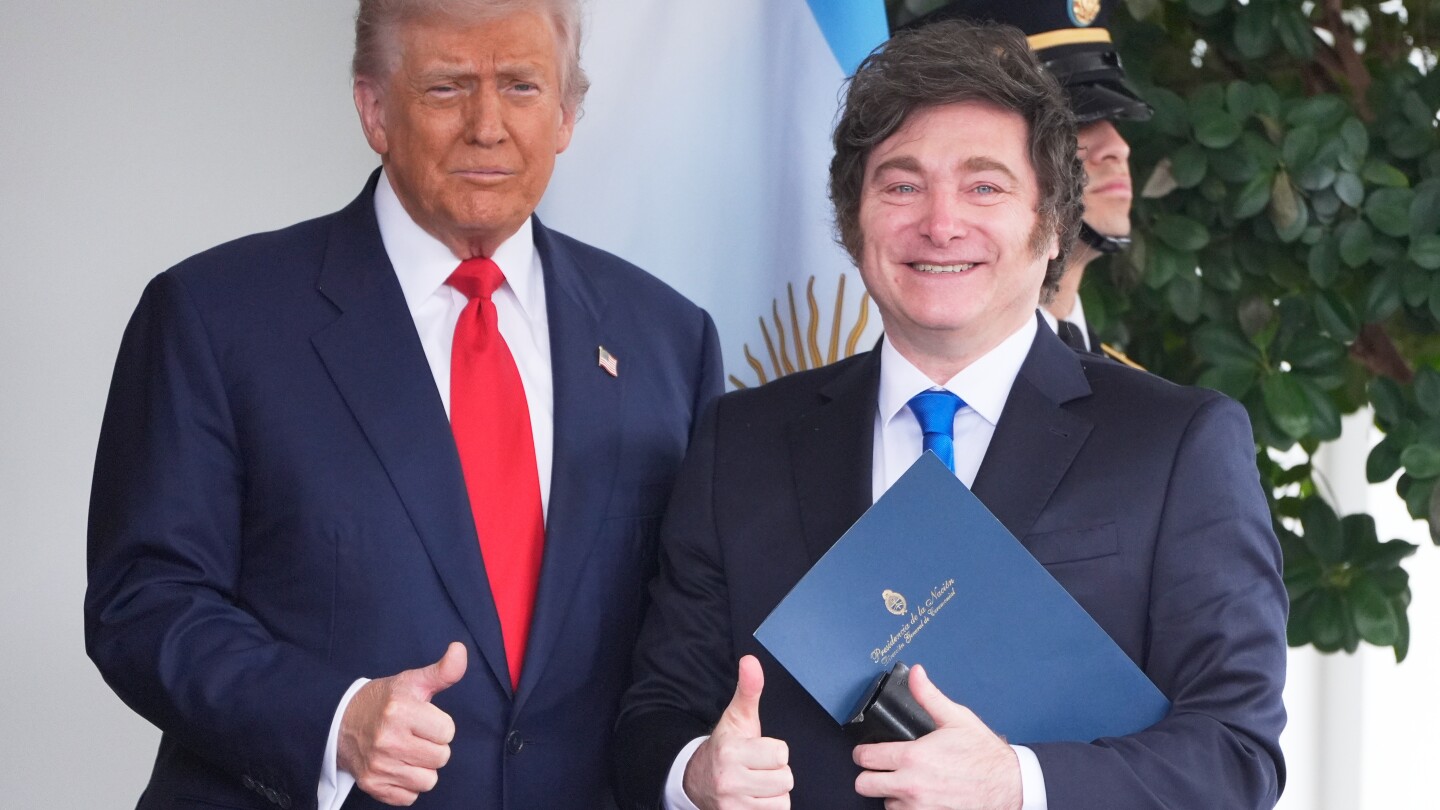
US is working on doubling aid to Argentina to $40 billion by tapping private funding sources
The Trump administration is advancing plans to provide Argentina with an additional $20 billion in financial support, supplementing the $20 billion credit swap line pledged earlier this month. This new package, designed to stabilize Argentina’s faltering currency, would involve a combination of private sector banks and sovereign funds. Treasury Secretary Scott Bessent described the initiative as a ‘private-sector solution,’ emphasizing the interest from multiple banks and sovereign funds. The move aims to bolster Argentina’s debt market and economic recovery. However, President Donald Trump has linked the aid to the political fortunes of Argentine President Javier Milei, warning that U.S. support could be withdrawn if Milei’s party loses the upcoming midterm elections on October 26. ‘If he loses, we are not going to be generous with Argentina,’ Trump stated during a White House meeting with Milei. The Argentine peso experienced a slight depreciation following Trump’s remarks, while shares of major Argentine companies saw a modest recovery after initial declines. Opposition leaders in Argentina criticized Trump’s comments, labeling them as political interference and extortion. Former President Cristina Fernández urged Argentines to consider the implications of U.S. involvement, while other opposition figures accused Trump of prioritizing Milei’s political survival over Argentina’s welfare.
-

UAE: Over 800,000 samples collected under Emirati Genome Programme; focus on longevity
The Department of Health in Abu Dhabi has achieved a significant milestone in its Emirati Genome Programme, collecting over 800,000 samples to date. This initiative, which focuses on advancing personalized, predictive, and preventive healthcare, aims to enhance wellness and extend longevity for future generations. Faisal Khalil Hassan Abdulla Haji, a leading figure in healthcare strategy at the Department of Health, emphasized the transformative impact of genomics and biotechnology on global healthcare during his address at Gitex Global 2025 in Dubai. He highlighted Abu Dhabi’s commitment to moving beyond traditional healthcare models by integrating genomics into everyday medical practices. Key initiatives include premarital genetic screening, newborn genetic screening, precision medicine for oncology and cardiovascular diseases, and pharmacogenetic programmes. These efforts leverage artificial intelligence and genetic data to improve diagnostic accuracy, treatment precision, and overall patient outcomes. Shahrukh Hashmi, Director of Research, noted that 85% of the local population has consented to participate in the programme, with over 100,000 expatriates also contributing. The Emirati Genome Programme positions Abu Dhabi as a global leader in life sciences and health innovation, offering insights that benefit patients worldwide.
-

‘No shame’: UK invites private firms to compete for Gaza reconstruction contracts
The United Kingdom is positioning itself as a central figure in the post-war reconstruction of Gaza, with Middle East Minister Hamish Falconer spearheading a high-profile conference in London this week. The event aims to mobilize private finance for Gaza’s rebuilding efforts, drawing both support and sharp criticism from various quarters. The conference, held at the Foreign Office’s Wilton Park center, brought together representatives from businesses, civil society, and governments to coordinate reconstruction plans. However, the UK’s involvement has sparked outrage among opposition MPs, who accuse the government of enabling Israel’s actions in Gaza while now seeking to profit from its reconstruction. Critics, including former Labour leader Jeremy Corbyn, have condemned the initiative as morally reprehensible, arguing that it prioritizes corporate interests over Palestinian self-determination. Falconer, meanwhile, emphasized the UK’s commitment to a Palestinian-led recovery, highlighting Gaza’s economic potential and the need for a two-state solution. The conference also revealed tensions between the UK’s approach and the Trump-backed plan, which proposes a technocratic transitional authority for Gaza, potentially involving former British Prime Minister Tony Blair. Many MPs and analysts have called for Palestinian agency to be at the forefront of reconstruction efforts, urging the UK to prioritize justice and accountability over financial gain.
-
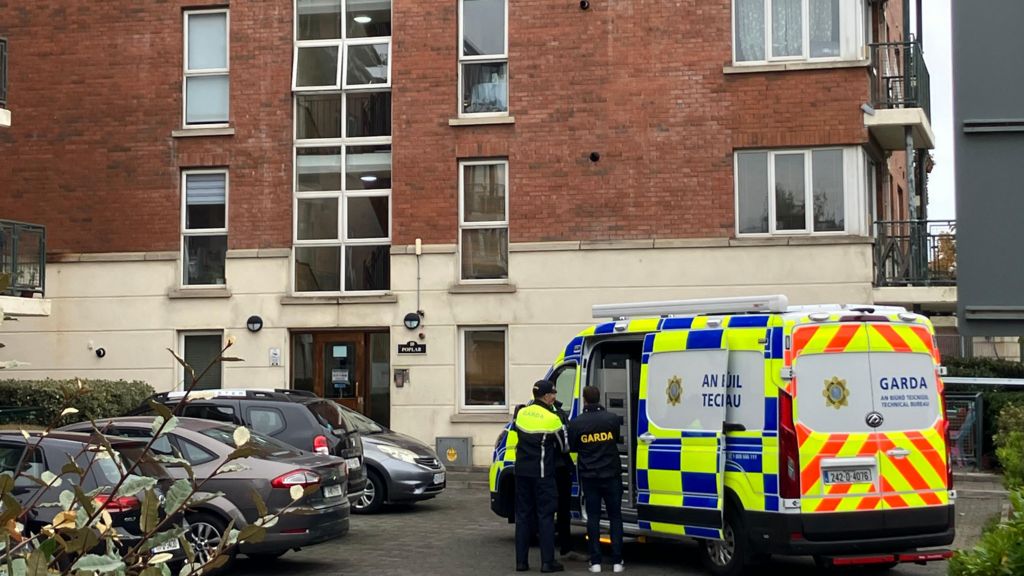
Teenage boy dies following incident at Dublin apartment
A tragic event unfolded at the Grattan Wood apartment complex in Donaghmede, north Dublin, resulting in the death of a teenage boy and injuries to another. The incident occurred at an emergency residential unit managed by Tusla, Ireland’s child welfare and protection agency. A woman also received medical attention for non-life-threatening injuries at the scene. Irish police, Gardaí, confirmed that the situation is no longer active and poses no ongoing threat to the community. They are following a definite line of inquiry and are not seeking any other individuals in relation to the incident. Tusla expressed deep sorrow over the event, stating that it involved two young people, one of whom sustained fatal injuries. The agency is cooperating fully with the Gardaí’s investigation and is prioritizing the safety and well-being of the other young people and staff at the unit. Additional supports are being provided to those directly affected, and efforts are being made to contact the families of the young people residing there. Emergency services responded to a call for assistance shortly after 11:00 BST, discovering a seriously injured teenage boy who was later pronounced dead at the scene. The scene remains preserved for examination by the Garda Technical Bureau and Forensic Science Ireland. The body has been taken to Dublin City Mortuary for a post-mortem examination, the results of which will aid the investigation. Irish Prime Minister Micheál Martin and Deputy Prime Minister Simon Harris expressed their shock and sadness over the loss of life, emphasizing the importance of the well-being of the young people and staff at the facility. Sinn Féin TD Denise Mitchell commended the Gardaí and emergency services for their swift response.
-
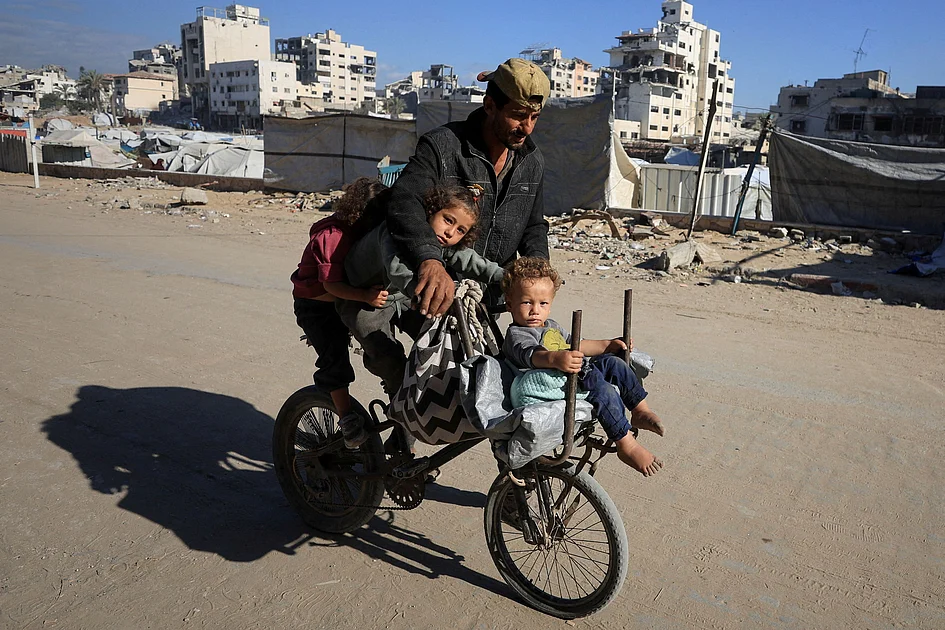
Aid trucks roll into Gaza as dispute over hostage bodies is paused
In a significant development amid the fragile ceasefire in Gaza, aid trucks began rolling into the war-torn enclave on Wednesday, while Israel resumed preparations to open the Rafah border crossing. The move followed a temporary resolution to the dispute over the return of bodies of dead hostages, which had threatened to derail the truce agreement with Hamas. Israel had previously threatened to keep the Rafah crossing closed and reduce aid supplies, citing Hamas’ slow return of hostage bodies. However, the militant group returned additional bodies overnight, easing tensions temporarily. The ceasefire, which ended two years of devastating conflict, has already secured the release of all living hostages held by Hamas. Despite this progress, the dispute over the return of bodies and other unresolved issues, such as Hamas’ refusal to disarm and cede power, continue to pose risks to the truce. The militant group has also intensified its security crackdown in Gaza, conducting public executions and clashing with local clans. Meanwhile, humanitarian aid, including food, medical supplies, fuel, and infrastructure repair equipment, is being delivered to Gaza through multiple crossings. The Rafah crossing is expected to open soon for Gazan citizens, though medical evacuees have yet to receive travel notifications. The ceasefire also envisions longer-term solutions, including governance in Gaza, the deployment of an international force, and steps toward Palestinian statehood. However, the path forward remains fraught with challenges, as evidenced by the ongoing violence and political opposition within Israel.