作者: admin

  • Texas will investigate ICE’s fatal shooting of man in Houston, governor says

    Texas will investigate ICE’s fatal shooting of man in Houston, governor says

    A fatal shooting of a 52-year-old Mexican man by U.S. federal immigration agents in Texas has sparked widespread public demands for transparency, prompting state officials to launch an independent investigation into the incident that has reignited national debates over immigration enforcement tactics.

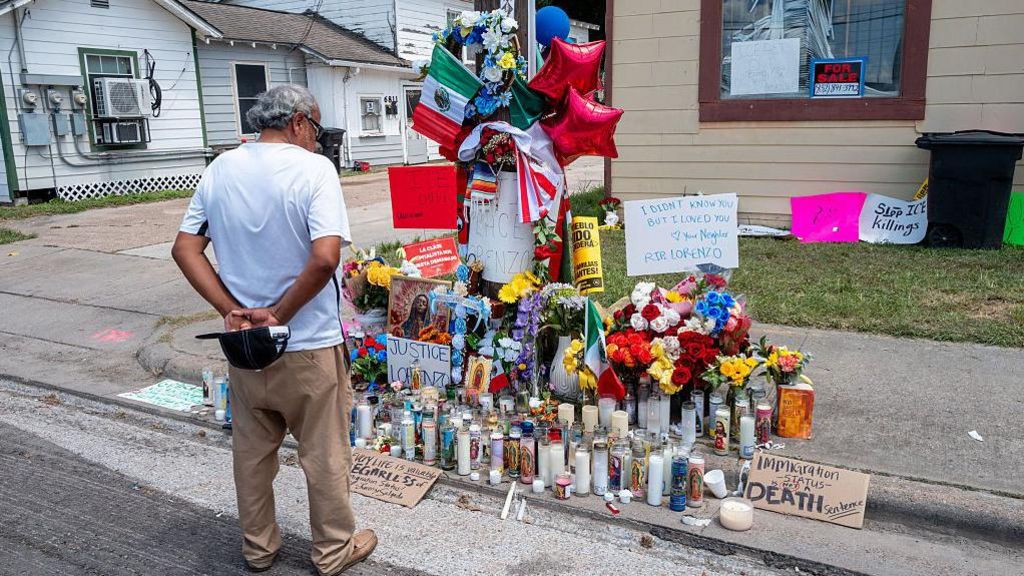
    Governor Greg Abbott announced Wednesday that the Texas Rangers, the state’s elite law enforcement unit, will partner with federal investigators to uncover the full circumstances surrounding the July 7 shooting death of Lorenzo Salgado Araujo, a resident of nearly 35 years who was en route to his job when agents pulled him over. Speaking to reporters, Abbott emphasized that effective border control and immigration enforcement do not require the use of lethal force.

    “It is fully possible to enforce immigration laws and stem the flow of unauthorized crossing at our southern border without resorting to shooting people,” Abbott stated.

    Initial details released by U.S. Immigration and Customs Enforcement (ICE) have already shifted and drawn sharp pushback from Salgado Araujo’s family and local elected officials. ICE first claimed agents opened fire in self-defense after Salgado Araujo “weaponized his vehicle” against officers. The Department of Homeland Security later corrected the account, confirming Salgado Araujo was never the intended target of the operation – agents stopped his white van simply because he matched the general description of the planned suspect.

    Critical gaps in official documentation have further fueled calls for an outside probe. Representative Silvia Garcia, the Democratic congresswoman representing the Houston-area district where the shooting occurred, confirmed that none of the ICE agents involved were wearing body cameras during the stop, and no publicly available video footage of the shooting has emerged to date.

    For the Salgado Araujo family, the official narrative does not align with what they know of the father of three, who had been in the process of securing legal permanent residency before his death. Ronaldo Salgado, one of his sons, told reporters he first learned of the shooting from graphic social media footage of the aftermath, identifying his father by his desperate cries for help as he lay wounded on the street, rather than by his physical appearance. He received confirmation of his father’s death from subsequent news reports. Three companions who were traveling with Salgado Araujo, including his uncle, were taken into immigration custody immediately following the shooting, the family confirmed.

    This incident is not the first time ICE’s use of force accounts have been called into question amid former President Donald Trump’s hardline crackdown on unauthorized immigration. Earlier this year, the fatal shootings of Renee Good and Alex Pretti in Minneapolis by ICE agents saw official agency claims contradicted by eyewitness testimony and existing video evidence.

    Federal authorities have already launched internal probes: the Department of Homeland Security’s Office of Inspector General, the agency’s internal watchdog, is leading an internal review, while the FBI’s Houston division is investigating potential assault claims against the involved officers. But local leaders have rejected internal federal investigations as insufficiently impartial. Houston Mayor John Whitmire joined growing calls for an independent probe, directing the Houston Police Department to formally request the Texas Rangers lead the state-level investigation.

    The Texas shooting came on the heels of a second fatal ICE shooting that has added fuel to public outrage. Just days after Salgado Araujo’s death, ICE agents fatally shot 26-year-old Colombian national Joan Sebastián Durán Guerrero in Maine, prompting mass protests across the northeastern state.

    These back-to-back lethal incidents have reignited a long-simmering national debate over ICE’s widespread use of traffic stops as a core enforcement tactic – a strategy that has drawn criticism for targeting immigrant communities and leading to unnecessary civilian deaths. After the shootings, White House border czar Tom Homan suggested the agency would temporarily suspend the practice, but Trump confirmed Tuesday that traffic stops would remain a central tool of his administration’s immigration enforcement agenda.

    Salgado Araujo’s killing has become a flashpoint for critics who argue that current ICE use-of-force policies lack accountability, especially when investigations are limited to internal federal review. With the launch of the Texas Rangers probe, state officials have moved to meet growing public demands for a full and impartial accounting of the shooting.

  • How bad are Canadian and US wildfires, and what is the air quality risk?

    How bad are Canadian and US wildfires, and what is the air quality risk?

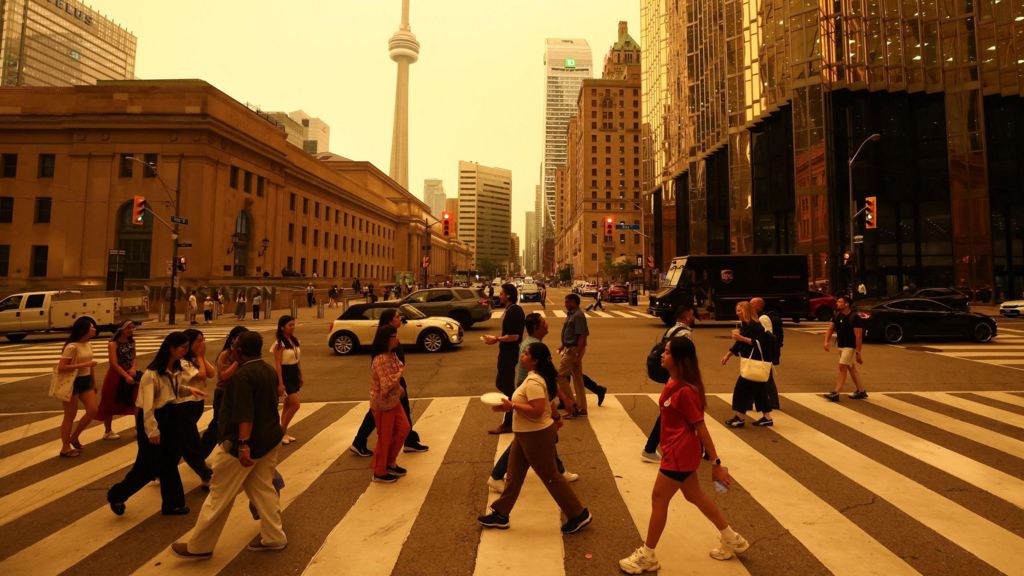
    A sprawling wave of hazardous wildfire smoke originating from hundreds of active blazes across northern Canada and the upper U.S. Midwest is set to degrade air quality across major Northeast North American cities for the entirety of this week, forcing public health warnings, community evacuations and emergency response mobilization. As of the latest update from the Canadian Interagency Forest Fire Centre, 850+ wildfires are burning actively across Canada, with nearly 200 of these concentrated in the province of Ontario. In neighboring northern Minnesota, 17 uncontained blazes have prompted a state emergency declaration to speed up fire suppression resources.

    Most of Ontario’s wildfires are burning in remote, forested regions north of Lake Superior, overlapping with protected national park lands and Indigenous First Nation territories. Six Ontario communities are currently under mandatory evacuation orders, with confirmed property damage reported. Grand Council Chief Linda Debassige confirmed in a Wednesday statement that the remote Namaygoosisagagun First Nation has been left devastated by a fast-moving, unanticipated wildfire that destroyed multiple residential homes and key community infrastructure.

    While seasonal wildfires are a regular occurrence in Canada’s boreal forest ecosystems, the sharp spike in active outbreaks over recent weeks is being driven by extreme weather conditions linked to a stationary heat dome over the region. Climate experts from the U.S. National Interagency Fire Centre and Natural Resources Canada confirm that sustained record-breaking heat in late June, paired with rainfall well below the 30-year average, created tinder-dry conditions primed for rapid fire spread. The heat dome, a stagnant mass of high pressure that traps warm air and smoke close to the ground, pulls excess moisture from soil and vegetation, turning plant matter into ready fuel for blazes. Periodic instability within the heat dome also triggers thunderstorms that generate strong gusty winds, which fan fire expansion and push smoke plumes across vast distances.

    Satellite imagery from the past three days shows prevailing wind patterns carrying smoke primarily southeast from Ontario’s fire zones, blanketing Toronto, upstate New York, and reaching as far east as Boston. Global air quality tracker IQAir has currently ranked Detroit, Toronto, and Minneapolis among the three cities with the worst air pollution levels on Earth. Wildfire smoke carries a toxic mix of fine particulate matter (PM2.5), nitrogen dioxide and other pollutants that pose severe risks to human health. New York State Department of Health Commissioner Jim McDonald explained in a public social media briefing that these microscopic particles penetrate deep into the lungs’ smallest airways, triggering harmful systemic inflammation. The World Health Organization notes that smoke exposure worsens pre-existing respiratory conditions, heart disease, kidney disorders and eye irritation. Emergency workers, children, people with chronic illnesses and elderly residents are the most vulnerable to adverse health impacts, as children face additional risk from smoke that settles closer to ground level.

    Local governments across the affected region have issued orange air quality alerts, advising residents to avoid strenuous outdoor activity, stay indoors with closed windows, and wear properly fitted, government-certified N95 or KN95 masks when going outside. These masks can filter up to 95% of fine particulate matter, though health officials warn the public to avoid uncertified counterfeit masks widely sold online. Many municipalities have activated full air quality emergency protocols and set up free mask distribution sites at local community centers.

    Forecasters project that shifting wind currents will push the smoke plume further south into Virginia and portions of North Carolina, with air quality worsening in those regions by Friday. A second, separate smoke plume is forecast to reach New York City and Boston by late Thursday. New York State Department of Environmental Conservation Commissioner Amanda Lefton warned that visible smoke will cover most of the state, with impacts likely lasting for multiple days and potentially bringing even worse air quality than current levels. There is growing concern that smoke may still linger in the New Jersey region by Sunday, when the FIFA World Cup final is scheduled to take place at open-air MetLife Stadium.

    By Monday, a forecast shift in wind direction is expected to bring partial relief to most affected U.S. cities. However, long-term seasonal outlooks warn that elevated wildfire risk will persist through July and August across Ontario, Quebec and Canada’s Northwest Territories.

    Wildfire experts note that while blazes are a natural part of boreal forest ecology, their frequency and severity have grown dramatically in recent years, a trend tied directly to human-caused climate change. The 2023 Canadian wildfire season burned 15 million hectares — an area larger than the entire country of England — while the 2025 season scorched 8.3 million hectares, making it one of the worst on record. Approximately half of all Canadian wildfires are ignited by lightning, with the remainder caused by human activity, but drier conditions driven by rising global temperatures amplify fire risk. Milder winter temperatures linked to climate change also reduce snow cover, which normally reflects solar radiation to cool the landscape; less snow leads to warmer spring temperatures, earlier plant growth, and more dry fuel available for wildfires once summer begins.

    Residents can check the latest local air quality alerts through official government portals for Canada and the United States.

  • Starmer given Order of Freedom medal in final Ukraine trip as PM

    Starmer given Order of Freedom medal in final Ukraine trip as PM

    In a symbolic closing to his final official visit to Ukraine as British Prime Minister, Sir Keir Starmer has been honored with one of the country’s highest civilian distinctions, the Order of Freedom, by Ukrainian President Volodymyr Zelensky. The award presentation, which took place during the working trip to Kyiv, underscores the deepening diplomatic and strategic partnership between the United Kingdom and Ukraine amid the ongoing regional conflict. The Order of Freedom is typically bestowed upon foreign leaders and prominent figures who have made extraordinary contributions to Ukraine’s sovereignty, territorial integrity, and global advocacy for the nation’s cause. This recognition comes as Starmer wraps up his term in office, marking a tangible milestone in his administration’s commitment to supporting Ukraine against external aggression. Neither Downing Street nor the Ukrainian presidency has released additional details on the full agenda of the visit or further comments on the conferral as of press time, but the ceremony itself stands as a clear reflection of the mutual respect and shared priorities between the two governments.

  • Crowd surge at Hindu festival in India leaves 1 dead and many hospitalized

    Crowd surge at Hindu festival in India leaves 1 dead and many hospitalized

    A deadly crowd crush at one of the world’s biggest annual religious gatherings has turned a celebration into tragedy in eastern India, officials have confirmed. The incident unfolded Thursday at the iconic Rath Yatra chariot festival held in the coastal town of Puri, Odisha, where tens of thousands of Hindu devotees had gathered for the centuries-old tradition. The Press Trust of India reported that at least one attendee was killed in the sudden surge, and dozens more were transported to local hospitals for urgent medical care.

    The Rath Yatra festival, recognized as one of the oldest and largest religious processions on Earth, centers on a centuries-old ritual: sacred idols of Hindu deities are carried from Puri’s Jagannath Temple through city streets on massive, vibrantly decorated wooden chariots, drawing pilgrims from across the country annually. Graphic footage from the site following the incident shows strewn personal belongings—abandoned shoes, backpacks and personal items—scattered across the event grounds, as emergency workers carried injured devotees to waiting ambulances.

    Local law enforcement confirmed the response effort in an official social media statement, noting that quick-acting rescue teams administered first aid and emergency oxygen to 33 affected people before they were moved to nearby medical facilities for further treatment.

    Thursday’s tragedy is not an isolated event, and it underscores a long-running safety crisis at large religious gatherings across India. Last year, the same Rath Yatra festival saw an almost identical incident that killed three people and hospitalized more than a dozen attendees. Deadlier crushes have made headlines across the country in recent years: In January 2023, 36 people lost their lives in a crowd surge during the Maha Kumbh Mela, the world’s largest religious gathering that draws millions of pilgrims to bathe in a sacred river. A decade earlier, in 2013, a false panic over a potential bridge collapse at a Hindu festival in central India’s Madhya Pradesh left at least 115 pilgrims dead from crushing or drowning in the river below.

    Safety experts have long warned that the frequency of such fatal incidents stems from systemic gaps: massive crowds, sometimes numbering in the millions, are often concentrated in confined, restricted spaces with minimal crowd control infrastructure, insufficient safety protocols and limited emergency response planning.

  • UK intelligence watchdog raps MI5 for lying to courts about a neo-Nazi informer

    UK intelligence watchdog raps MI5 for lying to courts about a neo-Nazi informer

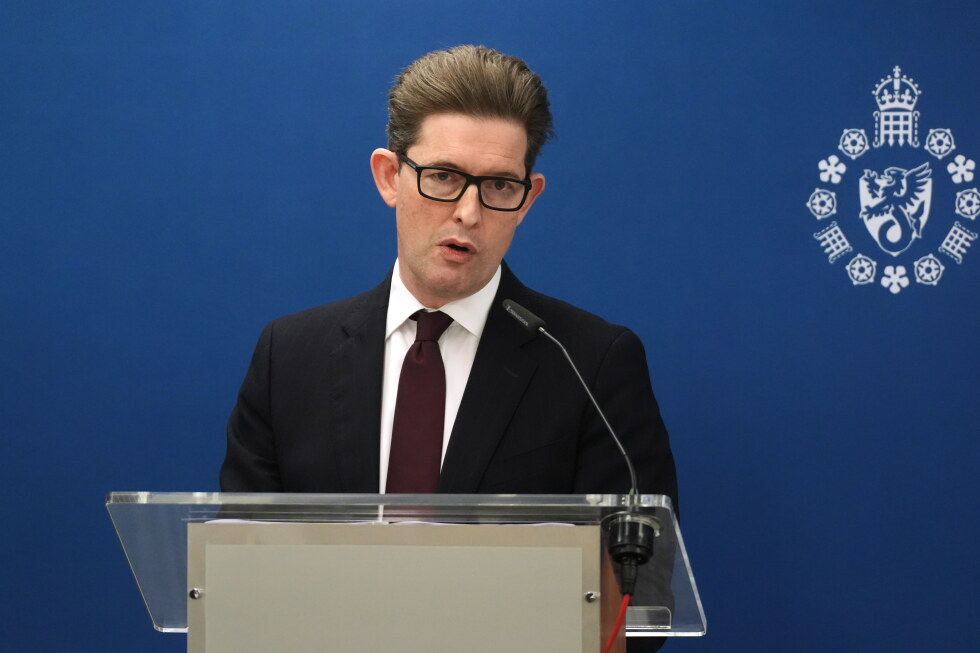
    LONDON — In the wake of damning findings of widespread institutional and individual failures by the United Kingdom’s domestic security service MI5, the British government announced Thursday it will implement stricter oversight measures for the country’s intelligence agencies. The ruling from the Investigatory Powers Tribunal, the independent body that hears complaints against UK intelligence services, confirmed MI5 repeatedly provided misleading false accounts to multiple courts regarding its relationship with a neo-Nazi informer who faced accusations of violence against his former partner.

    Home Secretary Shabana Mahmood confirmed she is launching urgent action to reinforce accountability and oversight frameworks for MI5, after the tribunal’s conclusion that a false narrative about the case was allowed to stand uncorrected for an extended period due to deep-rooted systemic gaps. The case stems from a legal claim brought by a woman who was abused by her ex-partner, a man identified in court proceedings only as Agent X who served as an informer for MI5.

    Earlier in 2025, MI5 already issued a formal apology and reached a compensation settlement to resolve the woman’s legal claim. In sworn court testimony, MI5 officials claimed the agency had never officially confirmed or denied Agent X’s status as an informer. But records later confirmed an MI5 officer had directly disclosed Agent X’s informer status to a BBC journalist who was conducting an independent investigation into the man.

    The tribunal’s final report found that MI5’s false account persisted across three separate court cases, and multiple opportunities to correct the misrepresentation were missed entirely due to systemic organizational failures. “The findings of this report are stark. It details serious failings by individual MI5 officers, resulting in false evidence being provided to the courts, and criticism of MI5 as an organization,” Mahmood told reporters in a statement Thursday.

    Mahmood acknowledged the critical national security role that MI5 plays in protecting the UK from threats, noting that agency personnel have already taken targeted steps over the past year to address the gaps exposed by the investigation. “MI5 plays a critical role in keeping our country safe and we owe a debt of thanks to its staff. They have made significant progress over the last year in learning from these failures, but there is more to do to ensure the highest standards of integrity and accountability are upheld,” she added.

    Ken McCallum, the Director-General of MI5, accepted full responsibility for the agency’s shortcomings in a public statement following the tribunal’s ruling. McCallum said the service “recognizes without hesitation the seriousness of our failings” and has already begun implementing systemic changes “to ensure we never find ourselves in this position again.”

    This is not the first high-profile scandal to expose deep oversight failures in MI5’s handling of informants. Last year, a separate public report found that MI5 knowingly protected a top informant embedded within the Irish Republican Army even after confirming the man was wanted by police for murder. The agency continued to suppress full details of the agent’s activities for decades after the conclusion of the decades-long violent conflict in Northern Ireland.

  • Watch: What we know about newly discovered monkey species

    Watch: What we know about newly discovered monkey species

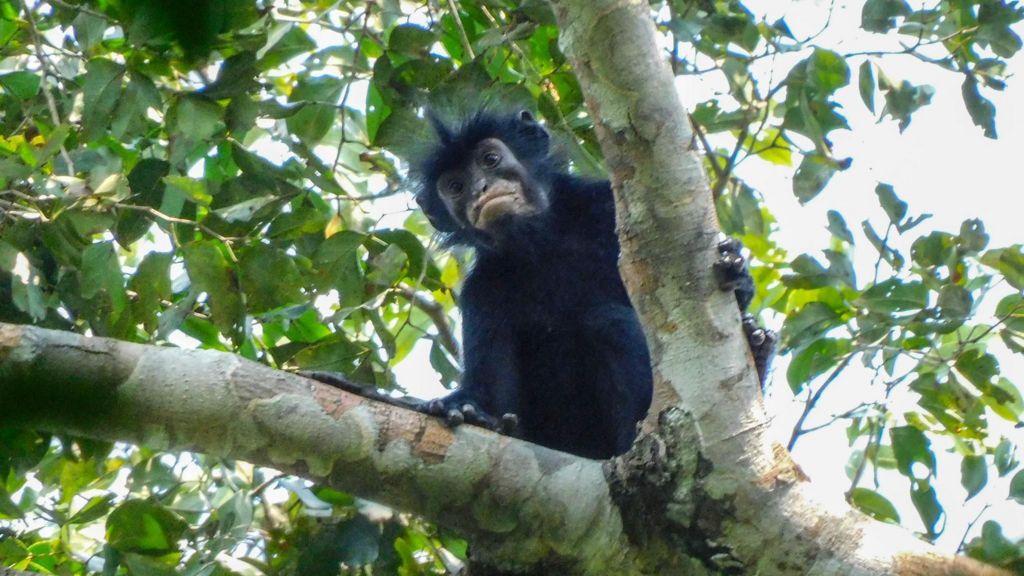
    A groundbreaking new finding in primatology has rocked the global conservation and scientific communities: researchers have formally identified a previously unknown species of monkey, a discovery conservation leaders are already calling extraordinary. While full details of the research, including the species’ specific geographic range, physical characteristics, and genetic sequencing data, are still being prepared for formal peer-reviewed publication, early confirmations have confirmed the discovery is legitimate.

    Conservation biologists and field researchers have spent years surveying understudied forest habitats in search of unrecorded primate species, as many remote ecosystems remain underexplored by modern science. This new monkey, which was first documented through camera trap footage and later verified through genetic sampling of hair and fecal samples, fills a key gap in scientific understanding of primate biodiversity in the region where it was found.

    Leading conservationist who was involved in the research project described the find as an “amazing discovery”, noting that new large mammal species are exceptionally rare to identify in the 21st century. Most new vertebrate species discovered in recent decades are smaller amphibians, reptiles, or rodents, making the identification of a new monkey species a particularly notable event for the scientific community.

    The discovery also carries important implications for conservation efforts: the newly identified species is believed to occupy a limited habitat range, which means conservationists will immediately begin work to assess its population status and protect its ecosystem from threats like deforestation and illegal logging. Scientists are currently planning additional field surveys to learn more about the species’ behavior, social structure, diet, and overall population numbers to inform future protection plans.

  • Putin leading Russia to ‘chaos’, anti-war politician says

    Putin leading Russia to ‘chaos’, anti-war politician says

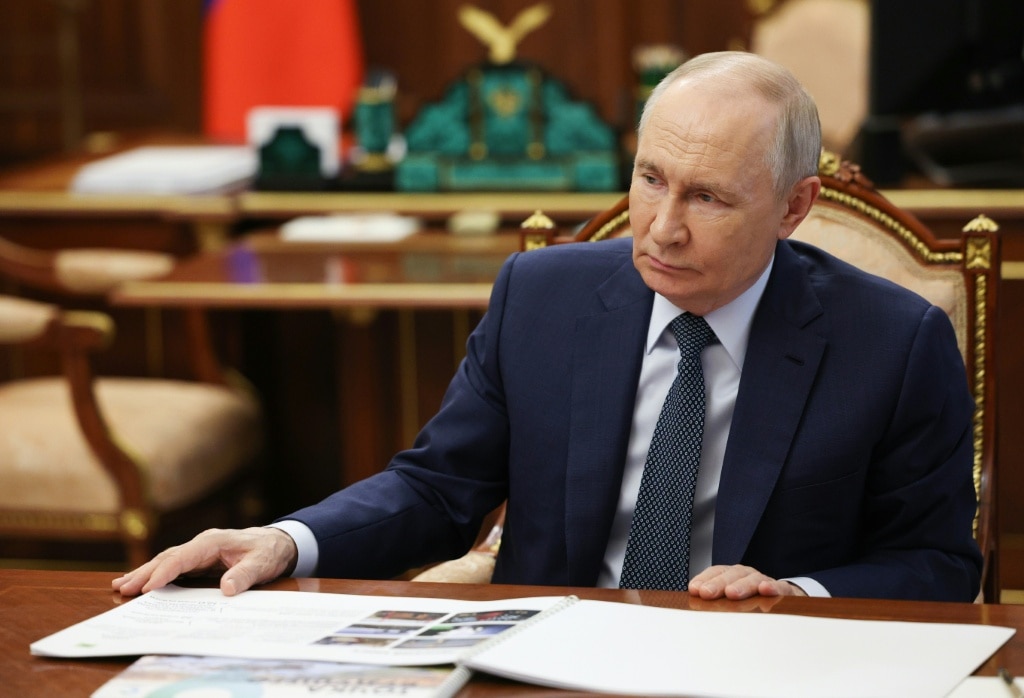
    Two years after his high-profile bid to challenge Vladimir Putin in Russia’s 2024 presidential election, prominent anti-war Russian politician Boris Nadezhdin finds himself trapped in a escalating standoff with Kremlin authorities, barred from exiting the country and facing criminal charges that could keep him behind bars for months or longer.

    Nadezhdin, 61, first rose to public prominence when he launched an independent campaign against Putin, a leader who has systematically eliminated organized political opposition in Russia. His platform centered on ending Russia’s more than four-year-long military campaign in Ukraine, a war that has been accompanied by sweeping domestic censorship and harsh repression of anti-war sentiment. Now, he is set to appear in court Friday on charges of extremism, following his arrest earlier this week.

    Weeks before September’s tightly controlled parliamentary elections, Nadezhdin had been preparing to run as an independent anti-war candidate in the race. He told Agence France-Presse in an interview outside his home in Dolgoprudny, a commuter town just outside Moscow, that Putin’s leadership is pushing the nation toward catastrophe. “We must tell people the truth: the course Putin is steering the country on is a path towards chaos — and perhaps, God forbid, even toward disaster,” Nadezhdin said.

    The politician, who broke with the Kremlin in 2020 after holding government posts in the 1990s, told AFP he never expected to remain free for this long following his 2024 presidential challenge. Back then, he rallied thousands of Russians to gather signatures to secure a spot on the ballot, a show of grassroots support that caught the attention of authorities. “Honestly, for two years, I was waiting for them to make me a foreign agent or force me to leave, but it never happened,” he said.

    That changed earlier this month, when armed police arrested Nadezhdin on Monday. He says he believes he was intended to be imprisoned immediately after the arrest, but a last-minute change of plans at the highest levels of government let him remain at home pending his court date. Already, authorities have labeled him a “foreign agent,” a designation that opens individuals up to continuous legal scrutiny and public marginalization. The new extremism charge stems from a 2023 social media video Nadezhdin shared, which briefly included an image of late opposition leader Alexei Navalny, who died in a Russian prison last year. Nadezhdin dismissed the charge as baseless “nonsense,” arguing authorities acted out of fear that his anti-war platform would gain traction in the parliamentary vote.

    “Right now, every single deputy is for Putin, for the war and so on. And there was going to be someone different. I think that was the reason,” he explained. The charge carries a maximum 15-day short-term jail sentence, but like many other Kremlin critics, Nadezhdin faces the risk of being caught in the so-called “prison carousel,” a system where authorities repeatedly re-arrest defendants on new short-term charges to keep them in custody indefinitely. A conviction would also bar him permanently from running for public office, eliminating his ability to participate in the September vote.

    After his brief initial detention, Nadezhdin’s family, shaken by the arrest, urged him to flee Russia to avoid imprisonment. But Nadezhdin, who has lived in Dolgoprudny his entire life, said that leaving his home at 61 years old is not a simple choice, and he opted to wait for Friday’s court ruling to decide his next steps. His window for exile closed on Thursday, when he received official notification that authorities had banned him from leaving the country, effectively making the choice for him.

    In the lead-up to his arrest, Nadezhdin’s campaign had made quiet progress: volunteers distributed thousands of “for peace” election leaflets across his district for weeks, and even managed to open an official campaign headquarters before the crackdown. Nadezhdin has argued that the consequences of the war are now visible to all Russians, pointing to worsening fuel shortages caused by intensifying Ukrainian strikes across Russian territory. Though he has not outlined specific terms for ending the war, nor called for Russia to withdraw from the territories it seized, Nadezhdin has repeatedly called on voters to reject Putin’s ruling United Russia party.

    As the September election approaches, coming more than four and a half years after the full-scale invasion of Ukraine, Putin’s domestic approval ratings have softened, and the Kremlin has tightened its grip on the electoral process to prevent any unexpected opposition gains. Even amid sweeping restrictions on political activity, Nadezhdin says he remains committed to pushing for change through legal, electoral means. He argues that efforts to elect anti-war candidates are the first step toward his ultimate goal: a peaceful transfer of power in Russia. “I always act strictly within the law — until the end,” he said. “These efforts must be aimed at bringing about a peaceful change of power in Russia.”

  • Watch: Pittsburgh bridge demolished in dramatic explosion

    Watch: Pittsburgh bridge demolished in dramatic explosion

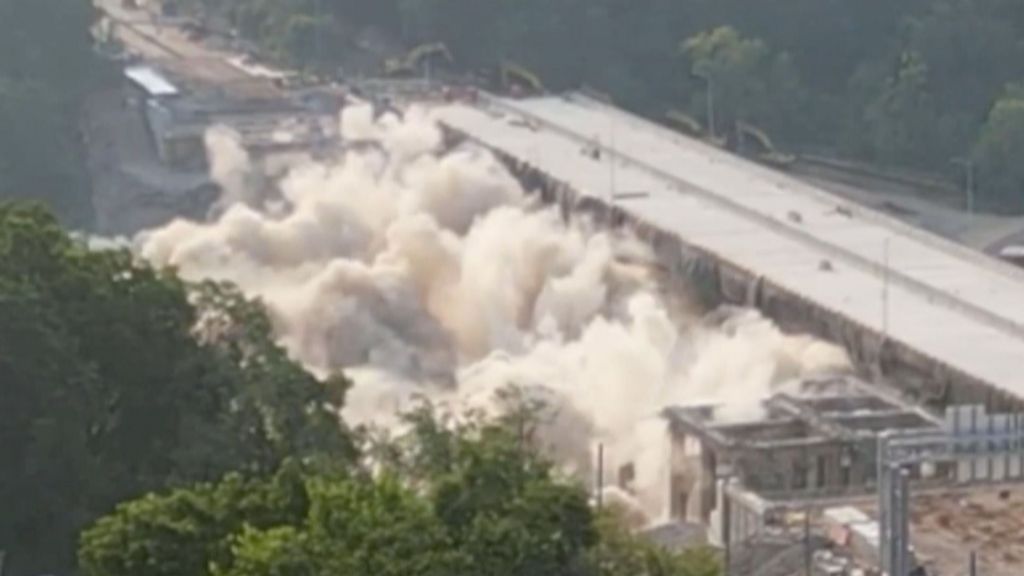
    Onlookers gathered and cameras rolled as a decades-old bridge in Pittsburgh fell to the ground in a carefully orchestrated controlled explosion this week, marking a major milestone in a transformative infrastructure improvement project for the region.

    The dramatic implosion, which was planned for months to minimize disruption to surrounding communities, brought the aging span down safely in a matter of seconds. Local transportation authorities have confirmed that the existing structure was reaching the end of its service life, with escalating maintenance costs and growing safety concerns justifying its full replacement rather than incremental repairs.

    What makes this replacement project particularly notable is the innovative construction method that crews will deploy next. Rather than engaging in a years-long on-site build that would keep the corridor closed to traffic for an extended period, project managers have already constructed an entirely new span off-site. This prefabricated structure will be slid into the place of the old bridge in what officials are calling the largest lateral bridge slide project ever undertaken in the state of Pennsylvania.

    The lateral slide technique is designed to drastically cut down on construction-related delays for commuters and local businesses. Unlike traditional bridge replacements that can close key transportation routes for months, this method will see the entire new span moved into position over a matter of days, allowing the corridor to reopen to traffic much faster than conventional approaches. Transportation department representatives note that the project is designed to improve connectivity, boost safety for the thousands of vehicles that use the crossing daily, and support long-term economic activity in the Pittsburgh area.

    Local residents who gathered to watch the demolition expressed a mix of nostalgia for the old bridge and excitement about the improved infrastructure that will soon serve their community, with many documenting the explosive event on personal devices to share with friends and family online.

  • Watch: Hegseth announces testosterone deficiency screening for troops

    Watch: Hegseth announces testosterone deficiency screening for troops

    In a sweeping policy shift aimed at addressing long-overlooked health concerns among active-duty service members, U.S. Secretary of Defense Pete Hegseth has formally announced a new mandatory screening program that will require all active-duty and reserve troops to undergo routine testing for testosterone deficiency. The rollout of the new initiative comes alongside a reaffirmation of the U.S. military’s longstanding ban on non-medical testosterone use, a rule that has been enforced for decades to maintain fair competition, preserve force readiness, and mitigate the serious long-term health risks associated with unsupervised hormone supplementation. Military health officials have noted that undiagnosed low testosterone has been linked to a range of performance and health issues that can directly impact troop readiness, including persistent fatigue, reduced muscle mass, impaired cognitive function, and poorer mental health outcomes. By introducing routine population-level screening, defense leaders hope to identify at-risk service members early, provide evidence-based medical treatment to those with clinically confirmed deficiency, and preserve the overall fighting capacity of the U.S. armed forces. The policy clarifies that only service members who receive a formal diagnosis from a military medical provider will be cleared to receive testosterone therapy, with strict monitoring protocols in place to ensure compliance with medical guidelines. Any service member found to be using testosterone without a valid medical authorization will face disciplinary action under the Uniform Code of Military Justice, consistent with existing regulations governing performance-enhancing drug use. Defense analysts say the new screening program represents a growing recognition of the impact of hormonal health on force readiness, marking a key update to the U.S. military’s preventive health framework.

  • Orphanage fire in Algeria kills 11 children, injures 19 others

    Orphanage fire in Algeria kills 11 children, injures 19 others

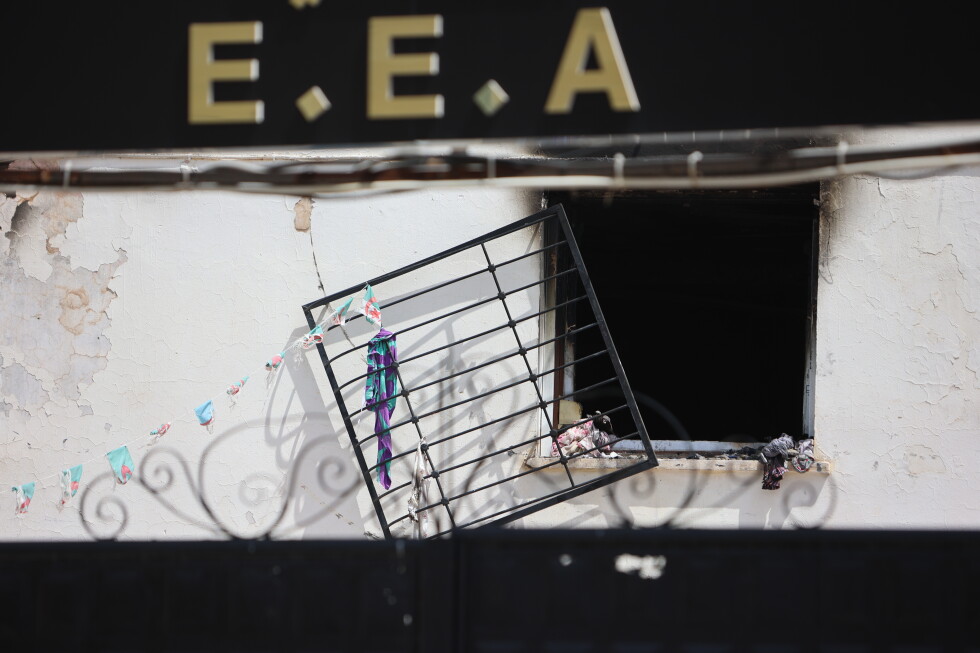
    On Thursday, a devastating blaze ripped through a two-story orphanage in Mohammedia, an eastern suburb of the Algerian capital Algiers, leaving 11 children dead and 19 others injured, local authorities confirmed.

    According to Algeria’s official Civil Protection agency, the fire ignited at approximately 3:30 a.m. local time while children and staff were resting at the childcare facility. As of the latest update, officials have not released the ages of the deceased victims, and have reported no fatalities or harm to adult workers at the site. The root cause of the blaze remains under official investigation, with no preliminary findings released to the public.

    Lt. Col. Nassim Bernaoui, communications director for the Civil Protection department, outlined the details of the emergency response: five children with reduced mobility were successfully pulled from the burning structure by rescue teams, while multiple injured children were rushed to a specialized burn treatment hospital for urgent care.

    The tragedy occurred on a day of national celebration: Algeria’s National Children’s Day. In a statement released from Berlin, where he is currently conducting an official state visit, Algerian President Abdelmadjid Tebboune extended his deepest condolences to the families and communities affected by the disaster. “It is with a heart resigned to the will of Allah that I learned of the death of children and the injuries suffered by other children of Algeria following the fire that broke out in a childcare institution,” the president said.

    The fatal orphanage fire comes as Algeria grapples with a widespread heatwave that has fueled nearly 1,000 blazes across the country in recent days, Civil Protection data shows. The extreme heat has created high fire risk conditions across the North African nation, straining emergency response resources as teams work to contain multiple simultaneous blazes.