作者: admin

  • Iranian press review: Political figures expect continued but limited confrontation with US

    Iranian press review: Political figures expect continued but limited confrontation with US

    Against a tense backdrop of post-June 2025 military exchanges between Iran, the United States and Israel, a broad cross-section of current and former Iranian political leaders have converged on one key assessment: a full-blown, prolonged military conflict between Tehran and Washington is highly unlikely, though low-intensity confrontation and pressure will persist. This consensus emerged from a Tuesday interview conducted by Khabar Online with five political figures spanning Iran’s ideological spectrum, who found common ground despite divergent views on the long-term trajectory of bilateral relations.

    Ali Motahari, a former moderate Iranian lawmaker, framed the current escalation as unlikely to spiral into broader war, noting that neither side has a strategic interest in open, large-scale conflict. “I don’t think the current exchanges will lead to a full-scale war because neither side wants one,” Motahari stated. His assessment was echoed by Mohsen Kouhkan, a conservative Iranian politician, who argued that Washington has no preparedness for a drawn-out military engagement. Kouhkan emphasized that recent U.S. threats are primarily a tool to ramp up political and economic pressure, not a precursor to launching a wider war.

    Even as political leaders rule out all-out conflict, Tehran’s municipal government is moving forward with sweeping civil defense preparations to protect the capital’s population amid ongoing tensions. The Tehran City Council is drafting a new mandate that would require mandatory bomb shelters in all new construction projects, and retroactively repurpose existing public infrastructure — including metro stations and public underground parking garages — as emergency shelters for civilian populations during attacks. The policy shift comes after widespread criticism from residents, civil society activists and urban planning experts, who highlighted the critical lack of civilian protection infrastructure following two consecutive military campaigns launched by the U.S. and Israel against Iran starting in June 2025.

    According to reporting from Shargh Daily, the proposal would task Tehran Municipality with both constructing new dedicated public shelters and retrofitting existing underground public spaces to serve emergency functions. For all new development projects, the mandate would require developers to include military-attack-rated shelter space in their blueprints; completion permits for new buildings will be denied to projects that fail to meet this safety requirement.

    Amid internal debate over how to respond to ongoing tensions, Masih Mohajeri — a cleric and reformist-aligned politician — has publicly called out Iranian pro-war factions, urging decision-makers to reject pressure to escalate conflict. In an op-ed published in Abrar Daily, Mohajeri criticized hard-line groups that refuse to de-escalate military confrontation with the U.S., instead demanding immediate revenge for the killing of former Iranian supreme leader Ayatollah Ali Khamenei. Mohajeri argued that extending open conflict would actually undermine the goal of holding those responsible for Khamenei’s killing accountable, noting that prolonged war plays directly into the strategic aims of Washington and Jerusalem.

    Mohajeri described the U.S. and Israeli governments as “fascist and racist,” arguing that limited military action alone cannot address the long-term threat they pose. “To save contemporary humanity from the crimes of these two criminal regimes, we must think strategically. If we speak of revenge, it must be revenge against the structure [of their ideology] so that the roots of the conspiracies and crimes are eradicated,” he wrote. “Continuing the war is what Israel and hard-line groups in the United States want and said it would ultimately harm Iran. Decision-makers must act wisely and make careful decisions, not allowing the country to fall into the trap of war. Iran must, with patience and perseverance over the long term, build itself in such a way that it can burn out the roots of these two criminal regimes.”

    The reporting also sheds light on internal Iranian power dynamics, following extensive international coverage of recent comments by Mohsen Rezaei, an adviser to Iran’s current supreme leader and former commander of the Islamic Revolutionary Guard Corps (IRGC). Rezaei’s remarks describing the Strait of Hormuz as “more important than dozens of atomic bombs” garnered prominent headlines outside Iran, but received almost no coverage within the country. A prominent Iranian domestic political analyst, Ahmad Zeidabadi — a former political prisoner who has been jailed multiple times for his public commentary — pushed back on the international framing of Rezaei’s comments, arguing that the former IRGC commander holds little to no actual sway over Iran’s national and regional policy decisions.

    Writing on his Telegram channel, Zeidabadi questioned why the Times of Israel, which first picked up the comments from Iran’s ISNA news agency, elevated Rezaei’s remarks to front-page news. “Is Mr Rezaei’s role in the Islamic Republic’s decision-making system important enough for his comments to become the front-page story of a major Israeli newspaper? It is not,” he wrote, adding that “The Israeli press is making major stories out of events in Iran that are not really major.” While Rezaei holds the official title of adviser to the supreme leader, Zeidabadi’s analysis aligns with the structure of Iranian politics: many advisory positions for former senior officials are largely ceremonial, designed to preserve the standing of past leaders while all core decision-making authority remains concentrated in the country’s central leadership.

    This report is compiled as part of an Iranian press review, and has not been independently verified for accuracy by Middle East Eye.
  • Rising Texas river threatens same region where campers died in flooding

    Rising Texas river threatens same region where campers died in flooding

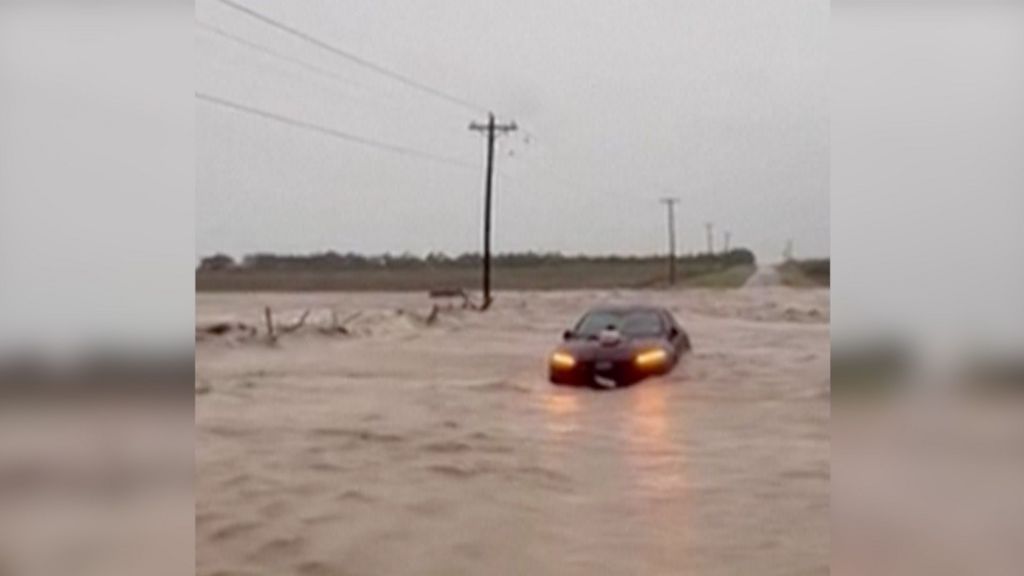
    One year after a catastrophic flash flood event along the Guadalupe River in South Texas killed more than 130 people, the same region is once again grappling with life-threatening surging floodwaters triggered by days of unrelenting torrential rainfall.

    The National Weather Service (NWS) office in San Antonio issued an urgent warning Thursday, alerting residents that large, destructive flood waves were advancing down the Guadalupe River — the same waterway that spawned last summer’s deadly disaster. By early Thursday, local emergency management officials had already begun urging at-risk residents across multiple Hill Country counties to evacuate their homes immediately to avoid rising waters.

    In an urgent social media post on X published at 9:39 a.m. EST, the NWS San Antonio emphasized the severity of the situation: “CATASTROPHIC flooding is occurring. Move to higher ground now! Guadalupe River is rapidly rising and will continue!”

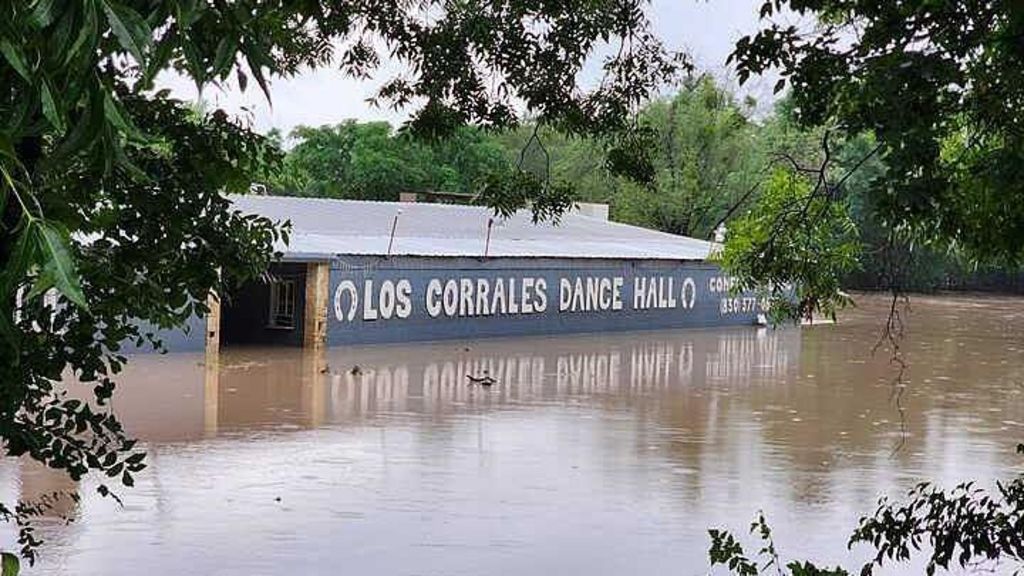
    According to local reporting from the Texas Tribune, the Guadalupe River swelled an extraordinary 32 feet (9.75 meters) in just four hours as runoff from the heavy rainstorms poured into the basin. The flooding has impacted a broad swath of South Texas, spanning multiple counties including Uvalde, Kerr, and Kendall. Dramatic imagery from Comfort, Texas, shows floodwaters completely submerging the popular local venue Rodeo Los Corrales Dance Hall as waters continue to climb.

    By Thursday morning, first responders had already launched multiple rescue operations, pulling dozens of residents stranded by rising floodwaters to safety, per reporting from the Associated Press.

    The disaster comes as a devastating echo of last year’s Fourth of July holiday flood, which claimed 131 lives across the Hill Country. Among the victims were 25 young campers and two adult counselors at Camp Mystic, an all-girls Christian summer camp located along the Guadalupe River near Kerrville. During the 2025 disaster, the river rose 26 feet (8 meters) in just 45 minutes, catching the camp off guard and sweeping many campers away in powerful, fast-moving currents.

    In the wake of that devastating tragedy, Camp Mystic announced it would not reopen for the 2026 summer season and filed for bankruptcy protection earlier this year. Local leaders and emergency management teams are now working around the clock to prevent a repeat of last year’s mass casualty event, urging all residents in flood zones to comply with evacuation orders immediately as the flood crisis continues to unfold.

  • Iran strikes US base in Jordan as American bombardment continues

    Iran strikes US base in Jordan as American bombardment continues

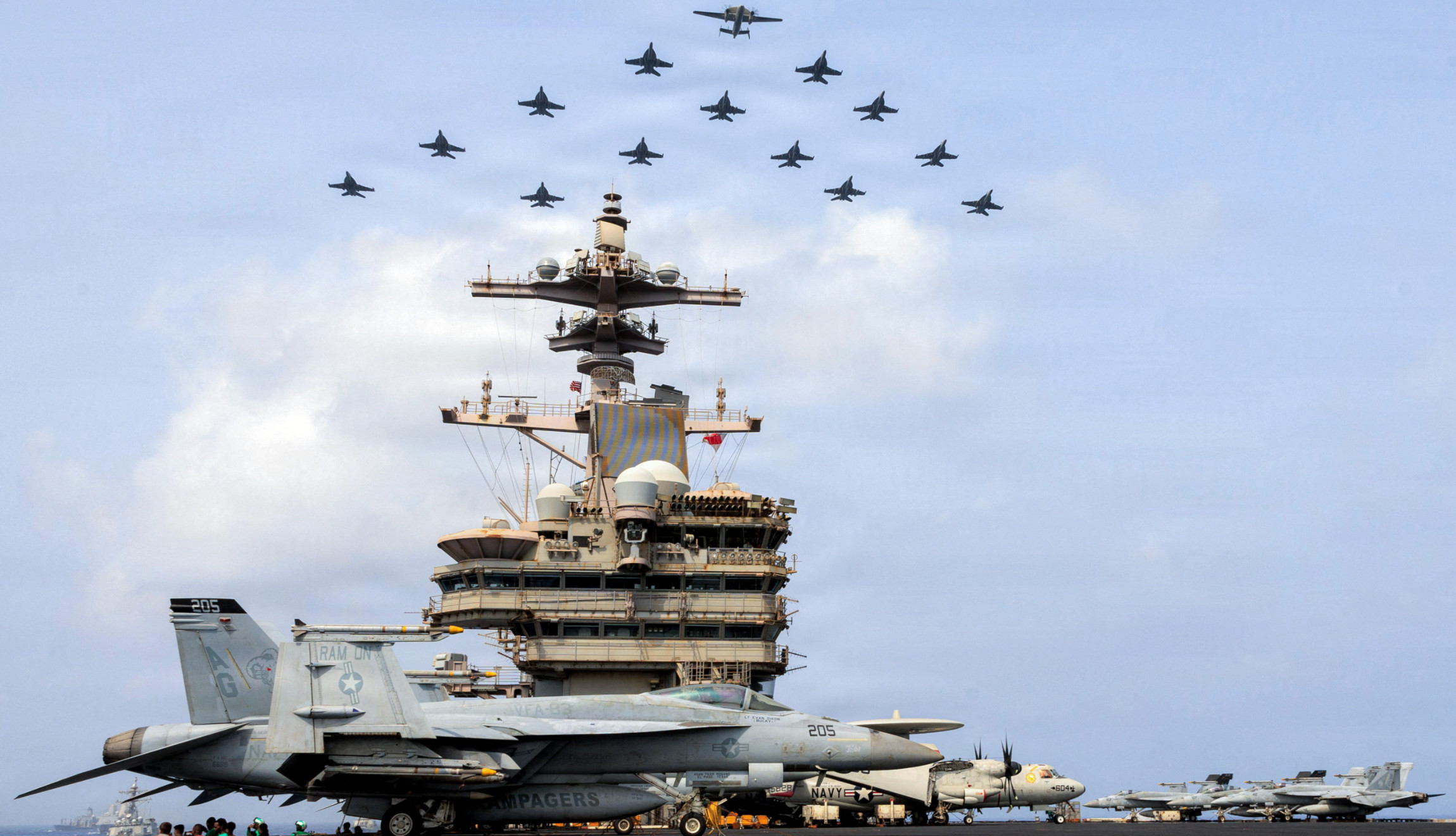
    A sharp escalation of cross-border strikes between the United States and Iran has sent shockwaves through the Middle East, raising urgent fears of a wider regional conflict after weeks of intermittent clashes that derailed fragile peace talks. Iran’s Islamic Revolutionary Guard Corps (IRGC) launched coordinated drone and missile attacks targeting multiple US military facilities across Jordan, Kuwait, and Bahrain this week, framing the action as direct retaliation for a previous US strike that landed near a children’s cancer hospital in Iran.

    According to Iran’s state broadcaster IRIB, the IRGC strikes specifically hit communication infrastructure and fuel storage depots at US bases in Jordan, alongside radar systems, Patriot air defense installations, and fuel storage at Kuwait’s Ali Al Salem Air Base, and US military sites at Bahrain’s Sheikh Isa Air Base. Bahrain’s military command quickly confirmed it intercepted and destroyed multiple incoming aerial vehicles, issuing a sharp condemnation of what it called Iran’s “systematic hostile approach.” In an official statement, Bahraini officials emphasized that the deliberate targeting of sites that put civilian lives and private property at risk represents a clear violation of international humanitarian law.

    The Iranian retaliation came in response to a sweeping series of US raids carried out over seven hours on Wednesday, which struck dozens of locations across Iran. The Iranian army confirmed that seven of its military personnel were killed in a precision missile strike on a barracks near the southeastern city of Iranshahr. Senior Iranian military officials have issued a stark warning in the aftermath of the raids: if the US moves to strike Iran’s core strategic facilities, Tehran will respond by destroying critical regional infrastructure controlled by American and allied forces.

    This latest escalation follows the complete collapse of US-Iran peace talks that aimed to end the intermittent conflict that has roiled the region since February. The breakdown of negotiations came amid explosive claims from US Vice President JD Vance, who told podcast host Joe Rogan in a recent interview that hardline elements within Israel’s government are actively manipulating American public opinion to derail any peace deal and prolong the conflict with Iran indefinitely.

    In a move that further ratcheted up tensions, US President Donald Trump announced on Tuesday that he would reimpose a recently lifted shipping blockade on Iranian vessels transiting the Gulf. Trump asserted that the Strait of Hormuz, one of the world’s most critical chokepoints for global energy supplies, would remain open “with or without Iran,” and added that the US would impose a 20 percent transit fee on all ships passing through the waterway to cover what he called “security and safety costs” for commercial vessels. Last week, Trump formally notified Congress that the US had resumed offensive military operations against Iran, granting the Pentagon 60 additional days of military action in the region without requiring explicit congressional approval. The president has also issued an extraordinary threat to destroy Pickaxe Mountain, a deeply buried site near Iran’s Natanz nuclear complex where Western intelligence agencies allege Tehran is constructing an undeclared underground uranium enrichment facility.

    On Tuesday, Iranian state media reported five loud explosions west of the key port city of Bandar Abbas, which lies on the northern edge of the Strait of Hormuz, though no further details on the cause or casualties have been released. Hours before the explosions, Ebrahim Azizi, head of the Iranian parliament’s National Security Committee, announced that a new bill titled the “Strategic Action for the Security and Sustainable Progress of the Strait of Hormuz and the Persian Gulf” had been formally introduced to the legislature, timed to coincide with the downing of multiple US drones over Iranian territory. Azizi reaffirmed that Tehran remains unwavering in its commitment to defending its core sovereign red lines, particularly regarding management and control of the strategic waterway.

    Regional powers have already begun moving to de-escalate the crisis. Pakistan, which mediated a preliminary memorandum of understanding (MoU) between Washington and Tehran last month, announced on Wednesday that it would continue working to encourage both sides to end hostilities and return to the negotiating table. Pakistani foreign office spokesman Tahir Andrabi told reporters in Islamabad that while implementation of the original MoU has faced significant obstacles, Pakistan remains committed to facilitating technical-level talks that align with the original framework of the agreement.

    The rapidly unfolding events have left the region on edge, with little immediate prospect of a return to diplomacy as both sides dig in their positions and expand military operations.

  • Watch: Flood waters surge in Texas after huge rainstorms

    Watch: Flood waters surge in Texas after huge rainstorms

    A devastating new round of intense rainstorms has swept through parts of Texas, unleashing catastrophic floodwaters that have forced emergency responders to launch large-scale evacuation operations and dozens of urgent water rescues across the affected region.

    The disaster is unfolding in the same geographic area that bore witness to one of Texas’s deadliest flood tragedies in recent memory: the 2025 Camp Mystic flood that claimed the lives of 25 children and two camp counselors. The rapid rise of floodwaters caught many local residents off guard this time around, with first responders working around the clock to reach people trapped in submerged homes, vehicles, and low-lying communities.

    Local emergency management officials have issued repeated urgent warnings, urging residents in high-risk zones to heed evacuation orders immediately as swollen rivers and creeks continue to rise amid lingering unstable weather conditions. Many residents in the area still carry lasting trauma from the 2025 disaster, and the sudden return of life-threatening flooding has compounded anxiety across the impacted region.

  • Brazil calls Trump’s 25% tariff unjustifiable, vows to impose reciprocal tariffs

    Brazil calls Trump’s 25% tariff unjustifiable, vows to impose reciprocal tariffs

    RIO DE JANEIRO — A fresh escalation in transatlantic trade tensions has erupted after the United States announced a 25% tariff on select Brazilian imports, drawing swift condemnation from Brazil’s federal government and promises of proportional countermeasures tied to ongoing political friction between the two nations. The new trade measure, first floated publicly last month, is set to enter into force on July 22, with carveouts for specific goods that the U.S. does not produce domestically or that Washington officials warned would disrupt critical global supply chains. Exempted products include key Brazilian export staples such as coffee, beef, oranges, orange juice, and commercial aircraft components.

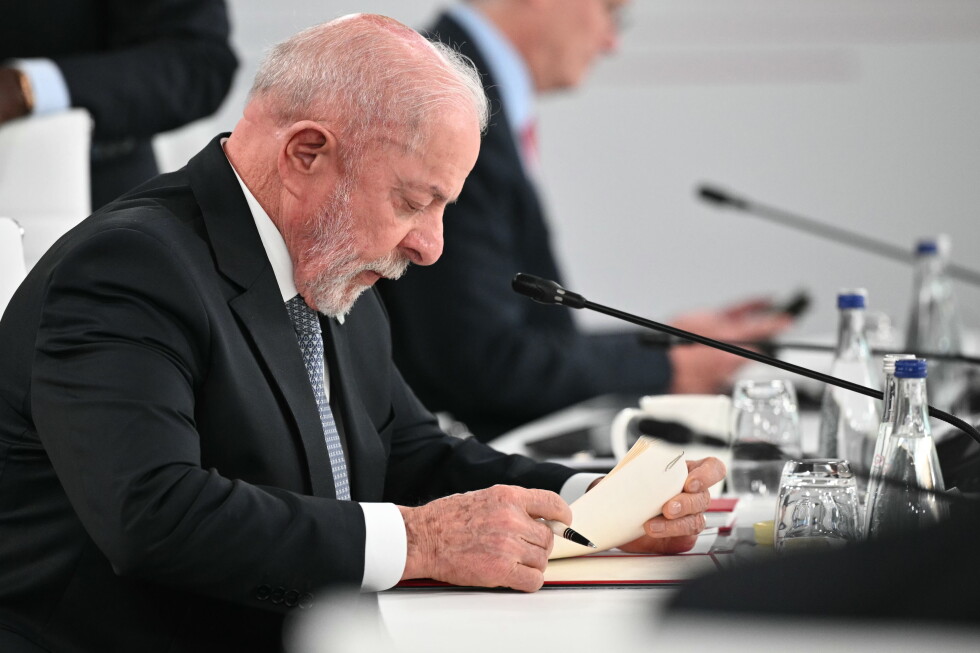
    U.S. officials justified the new tariffs by repeating unsubstantiated claims that Brazil engages in unfair trade practices, a longstanding talking point for the current Trump administration that has leaned heavily on unilateral tariff action to address perceived global trade imbalances. But Brazilian authorities have pushed back forcefully against these allegations, releasing data that undermines Washington’s narrative. According to an official statement released Wednesday evening from President Luiz Inácio Lula da Silva’s office, 76% of U.S. goods entered Brazil duty-free in 2025, with the average effective tariff applied to American imports sitting at just 3.1%.

    A striking, little-noted detail of this trade dispute is that the U.S. already holds a substantial trade surplus with Brazil, a sharp departure from the Trump administration’s standard focus on reducing overall trade deficits. In the last full year of recorded trade data, U.S. exports to Brazil outpaced Brazilian imports to the U.S. by nearly $42 billion, marking the third-largest U.S. trade surplus globally, behind only surpluses with the Netherlands and the United Kingdom.

    Brazil is moving forward with two parallel retaliatory pathways, per the presidential statement. Officials will immediately launch formal procedures to activate countermeasures under Brazil’s own domestic reciprocity law, while also bringing the dispute to the World Trade Organization’s (WTO) dispute settlement system, the global body’s formal process for resolving cross-border trade conflicts. Lula’s administration has also rejected the U.S.’s unilateral investigation framework, noting that Brazil does not recognize the legitimacy of trade probes that do not align with established multilateral trade rules. In a pointed remark tying the new tariffs to previous political tensions, Lula blamed the latest round of trade measures on the family of former Brazilian President Jair Bolsonaro, a close political ally of Trump.

    This is not the first time the Trump administration has targeted Brazilian imports with steep tariffs. Last July, the administration imposed a 25% tariff on a range of Brazilian goods, justifying that move at the time by claiming a political “witch hunt” was underway against Bolsonaro, who was on trial for his role in the 2022 coup attempt following his election loss to Lula. Bolsonaro was ultimately convicted on charges related to the insurrection, and some of those earlier tariffs were later rolled back. That original tariff action followed a Section 301 investigation under the 1974 U.S. Trade Act, launched at Trump’s direction, which concluded in June with claims that Brazil failed to enforce adequate anti-corruption regulations and maintained unfair tariff levels.

    U.S. Secretary of State Marco Rubio defended the new tariffs in a post on the social platform X, claiming the measures came about because Lula prioritized “his own ego ahead of making a deal” and failed to negotiate in good faith. Brazil’s government swiftly rejected that accusation, affirming it “never left the negotiating table” to resolve the dispute through diplomatic channels.

    Beyond trade, the new tariffs are already rippling into Brazil’s domestic political landscape, as the country prepares for October presidential elections where Lula will face a leading challenge from Sen. Flávio Bolsonaro, son of the former president. Flávio Bolsonaro reposted Rubio’s announcement of the tariffs to his own social media, adding a sharply critical attack on Lula, claiming the incumbent “is no longer fit to be the president of Brazil. We are on a plane without a pilot.” He labeled Lula “the Brazilian Biden,” calling the incumbent “grumpy, reckless, and a danger to our nation.” Both leading candidates have already made public criticisms and jabs over their respective approaches to the unpopular U.S. tariffs, with both campaigns viewing voter perceptions of their handling of the trade dispute as a key electoral issue ahead of the vote.

    Brazil’s leading industrial business group, the National Confederation of Industry, released a statement Thursday warning that the new tariffs will create added strain on Brazilian export sectors and deepen economic uncertainty for businesses on both sides of the trade relationship.

    Paul Wiseman contributed reporting to this article from Washington D.C.

  • Argentine golfer at British Open makes ear-cup gesture to mimic Enzo’s World Cup goal celebration

    Argentine golfer at British Open makes ear-cup gesture to mimic Enzo’s World Cup goal celebration

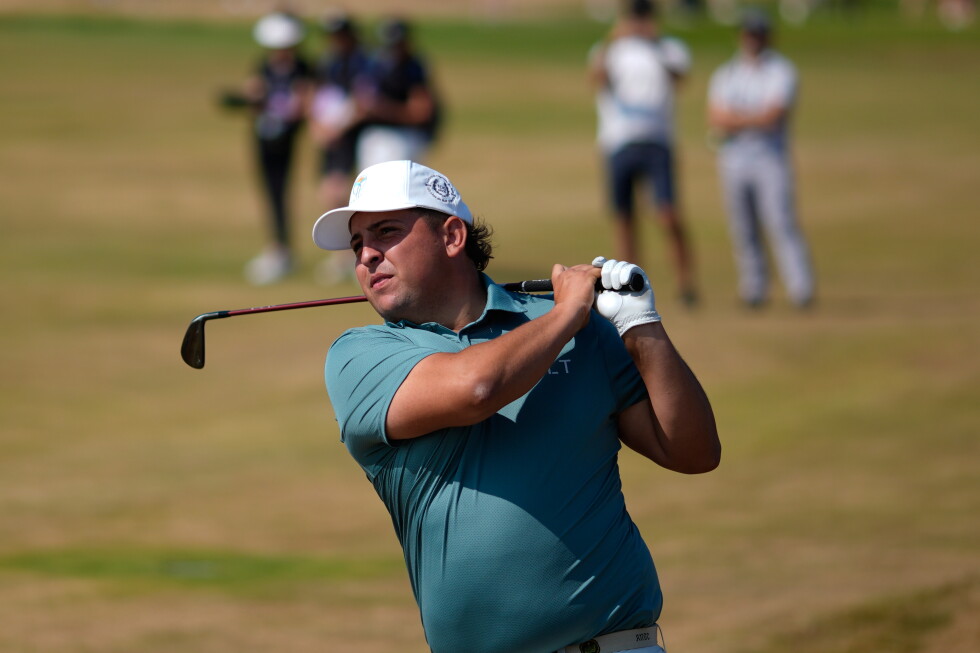
    SOUTHPORT, England — Ahead of the first round of the British Open at Royal Birkdale, 25-year-old amateur Mateo Pulcini walked up to the first tee to a playful warm-up few could have predicted: lighthearted jeers from a small group of British spectators, a playful jab coming just 12 hours after Argentina’s men’s national soccer team pulled off a dramatic 2-1 comeback semifinal victory over England at the World Cup. As the only Argentine competitor in the entire British Open field, Pulcini leaned into the playful tension, and hours later he delivered a lighthearted, viral response that has captured golf fans’ attention across the globe.

    After sinking a 40-foot putt for a birdie on the 18th green to close out his opening round, Pulcini pulled off a gesture instantly recognizable to soccer fans around the world: he cupped both hands behind his ears, replicating the iconic celebration that Argentine midfielder Enzo Fernandez used after scoring the 85th-minute equalizing goal that turned Wednesday’s match around. The gesture was an explicit nod to his countrymen’s historic win, and Pulcini later confirmed the spontaneous celebration was a split-second decision driven by excitement.

    “I was pretty excited and that came to my mind, and I did it,” the 25-year-old told reporters after his round. Pulcini was quick to clarify that the early boos he received were all in good fun, emphasizing that the gallery at Royal Birkdale had been overwhelmingly welcoming throughout his opening round. “There were only a few boos [on the first tee] and that was just a bit of fun,” he said. “People are being great. Fans are being spectacular. They were cheering for me as well.”

    When asked to compare the thrill of his long birdie putt to the rush of watching Fernandez’s game-changing goal, Pulcini did not hesitate to pick the soccer moment. “Enzo’s goal, for sure,” he said.

    The 2023 British Open marks Pulcini’s major championship debut. He earned his spot in the field by winning the Latin American Amateur Championship in a playoff held in Peru earlier this year. He closed out his first opening round at the iconic links course with a 5-over par 75.

  • Inside Khamenei’s funeral: Revealing moments from a week of mourning

    Inside Khamenei’s funeral: Revealing moments from a week of mourning

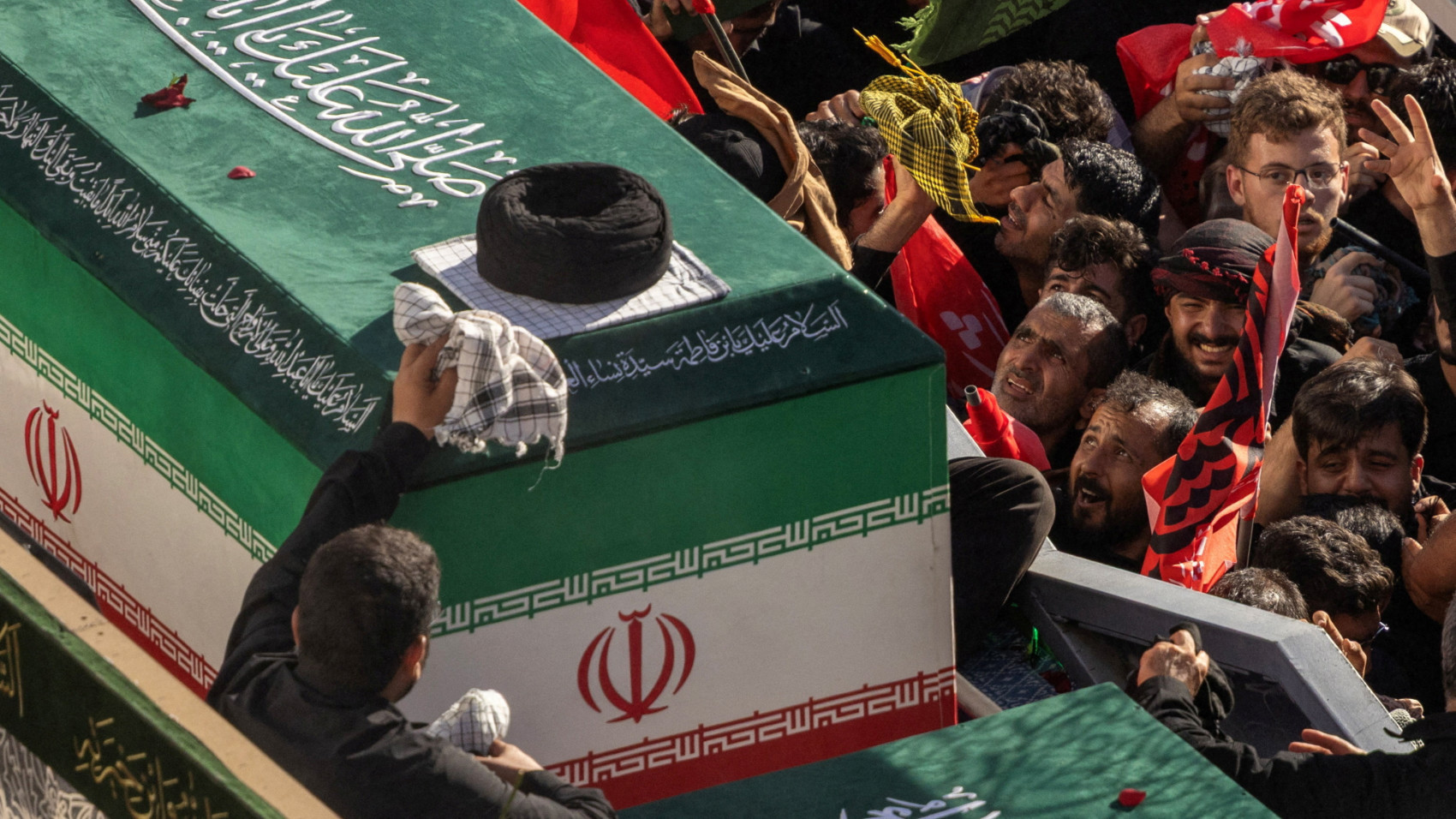
    Five months after Iran’s long-serving supreme leader Ayatollah Ali Khamenei was killed in a US-Israeli airstrike in February, the 86-year-old leader who steered Iran’s politics for more than three decades was laid to rest on July 9, following a week of multi-city funeral processions that stretched across Iran and southern Iraq. His son, 56-year-old Mojtaba Khamenei, has since taken over the role of supreme leader. State media reports estimate millions of Iranians turned out for official mourning events, but beyond the public displays of grief, the week-long ceremonies laid bare underreported tensions, internal power negotiations and carefully coded political messaging that observers have since dissected to understand Iran’s shifting post-Khamenei political landscape. Middle East Eye’s on-the-ground analysis highlights the most telling of these underreported moments.

    On the opening day of the procession, as foreign diplomatic delegations filed past Khamenei’s open casket, Quranic verses were recited at each stage of the ceremony — but the verse selected for the Saudi Arabian delegation sparked immediate debate among political observers. Organizers chose Verse 13 of Surah Al Imran, a passage that references the Battle of Badr, the first major military clash between the Prophet Muhammad’s outnumbered followers and the Meccan Quraysh, in which Muslim forces secured an unlikely victory against overwhelming odds. The verse reads: “Indeed, there was a sign for you in the two groups that met in battle: one group fighting in the cause of Allah and the other disbelieving. They saw them with their own eyes as twice their number. And Allah supports with His victory whom He wills. Surely in this is a lesson for those who have insight.”

    A senior anonymous political source told Middle East Eye that sitting Iranian government officials criticized what they called the “deliberate, unapproved selection” of the verse, noting the choice was orchestrated by the hard-line Islamic Ideology Dissemination Organisation. The incident also drew backlash on Iranian domestic social media, with one reformist politician telling MEE that directing a thinly veiled political warning at invited foreign diplomatic guests was inappropriate, and that hospitality and respect should have taken priority over implicit political messaging.

    Another notable incident unfolded involving Hassan Khomeini, grandson of Ayatollah Ruhollah Khomeini, founder of the Islamic Republic of Iran, who had long been named as a potential candidate for the supreme leadership before Mojtaba Khamenei’s appointment. Khomeini joined other members of his family for the opening funeral service to pay tribute to the late leader, but left the ceremony early just as Verse 95 of Surah An-Nisa was recited. The passage contrasts believers who avoid fighting for religious causes without just cause with those who strive in Allah’s name, granting the latter higher spiritual status and greater reward. An anonymous source close to Khomeini confirmed he was deeply uncomfortable with the targeted recitation, which was widely interpreted as a rebuke of his rumoured leadership ambitions, though Khomeini and his brothers later joined the funeral ceremonies in the holy cities of Mashhad and Qom.

    Since Mojtaba Khamenei’s appointment to the supreme leadership in early March, persistent rumours have circulated that he was seriously wounded in the same February airstrike that killed his father, fueling questions about his fitness to rule. To counter these claims, Khamenei’s three other sons — Mostafa, Masoud and Meysam — made high-profile public appearances at nearly all major funeral events, all appearing in full health with no visible injuries or scars. The intentional display was widely read as a calculated signal to both the Iranian public and the international community that Mojtaba was alive, healthy and fit to govern. A senior Iranian source confirmed to MEE that while Mojtaba did sustain minor injuries to his feet and minor facial scarring in the strike, his injuries are healing well and the reports of his poor condition have been wildly exaggerated.

    Mostafa Khamenei, the eldest son of the late leader, took on an unusually high public profile during the ceremonies, even leading the funeral prayer ahead of Ayatollah Ali Khamenei’s burial at the shrine of Imam Reza in Mashhad and joining events in Iraq. During the Iraqi processions, he held a high-profile meeting with the sons of Grand Ayatollah Ali al-Sistani, Iraq’s most senior Shia cleric, a moment that has fueled new speculation that Mostafa may take on a greater political role in the coming years. A senior Iranian cleric told MEE that Mostafa is a highly trained scholar who studied for decades at Qom’s prestigious seminaries, but chose to stay out of public politics during his father’s lifetime, as he held little personal interest in holding public office.

    Grand Ayatollah Abdollah Javadi Amoli, one of Iran’s most senior and respected clerical figures, also drew widespread attention for his unusual remarks during the Qom funeral prayer. Rather than sticking to the customary, restrained language reserved for deceased supreme leaders, Javadi Amoli used far more elevated spiritual language to describe Khamenei. A cleric familiar with the remarks told MEE that the framing was intentional: Javadi Amoli was not only stating he had only seen good in Khamenei’s leadership, but was publicly declaring the late leader a martyr who had attained a higher spiritual status in the eyes of God after dying in the strike.

    The public appearance of Ali Asghar Hejazi, widely considered the second-most powerful figure in the late supreme leader’s office, also drew significant attention, after prior reports claimed he had been killed or seriously wounded in the same February airstrike. Hejazi appeared in full good health, a choice that observers say was designed to counter rampant speculation of deep internal divisions following the leadership succession. After Mojtaba’s appointment, rumours circulated that Hejazi had backed other candidates for supreme leader and did not have a close working relationship with the new leader. Mohammad Reza Bahonar, a member of Iran’s Expediency Council, told local media that shortly after the late leader’s death, Hejazi addressed the Assembly of Experts to clarify Khamenei’s stance on succession, stating: “The late Imam never held any negative view toward Mr Mojtaba, but he emphasized that, according to both law and Islamic jurisprudence, the supreme leader does not choose his own successor. This is the religious and legal responsibility of the Assembly of Experts.” A source told MEE that while Mojtaba has offered Hejazi a new senior role in his administration, Hejazi has declined the position, saying he plans to step back after decades of public service.

    Finally, the funeral events exposed open hostility toward Iran’s moderate political leadership from hard-line principlist supporters. Parliament Speaker Mohammad Bagher Ghalibaf, Foreign Minister Abbas Araghchi and President Masoud Pezeshkian were all confronted by angry crowds who chanted slogans condemning the officials for their past negotiations with the United States. In one widely reported incident, Araghchi was shouted down, called a “scumbag” and had stones thrown at him by protestors during the procession.

    Middle East Eye is an independent media outlet providing original, unfiltered coverage of the Middle East, North Africa and surrounding regions.

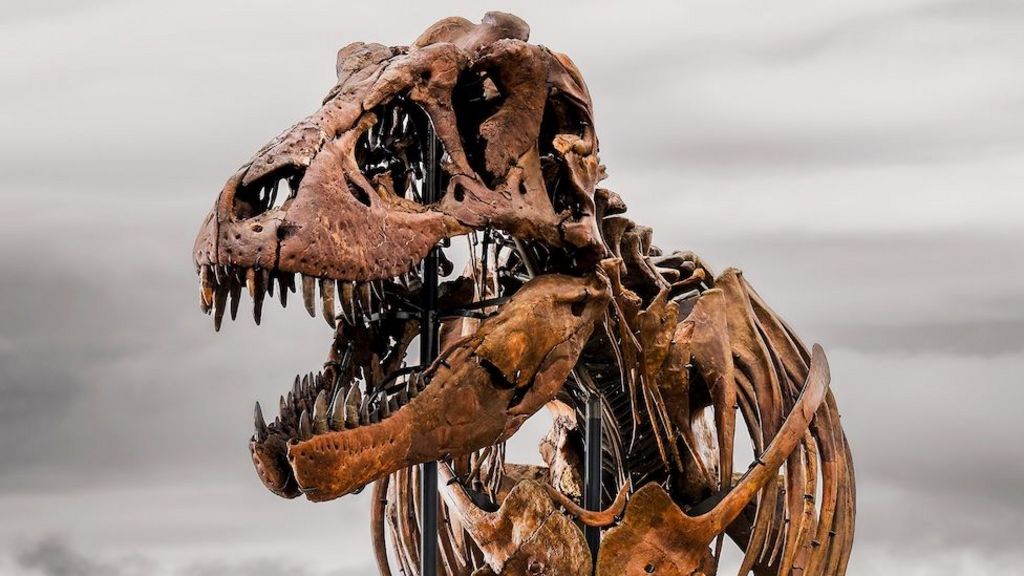
  • Weekly quiz: What name did scientists give this $50m dinosaur?

    Weekly quiz: What name did scientists give this $50m dinosaur?

    As the week drew to a close, three major storylines dominated mainstream news cycles, while a curated current events quiz invited readers to test how closely they had followed global developments over the previous seven days.

    First, in UK domestic politics, Sir Keir Starmer participated in his final session of Prime Minister’s Questions this week, marking a historic transition of power as he prepares to take up residence at 10 Downing Street, the official residence and workplace of Britain’s head of government.

    Across the Atlantic and in the Middle East, escalating tensions between the United States and Iran continued to roil international security: the two nations exchanged sharp verbal attacks in addition to targeted military strikes, leaving global observers watching closely for further escalation.

    In the world of arts and culture, the newly released film *The Odyssey* has earned overwhelming critical acclaim, with reviewers across the industry praising the project and generating substantial buzz among moviegoers.

    Beyond these three major headlines, the quiz compiled by journalist Ben Fell challenges readers to recall what other major and minor stories unfolded across the globe in the last seven days. For readers eager to test their knowledge further, additional quizzes are available, including the previous week’s challenge and a range of older quizzes archived on the platform. This week’s quiz includes categories covering dinosaurs, fossils, and the United States, offering a diverse range of topics to test readers’ news literacy.

  • Merlier wins crash-marred 12th stage of the Tour de France, Pogacar retains overall lead

    Merlier wins crash-marred 12th stage of the Tour de France, Pogacar retains overall lead

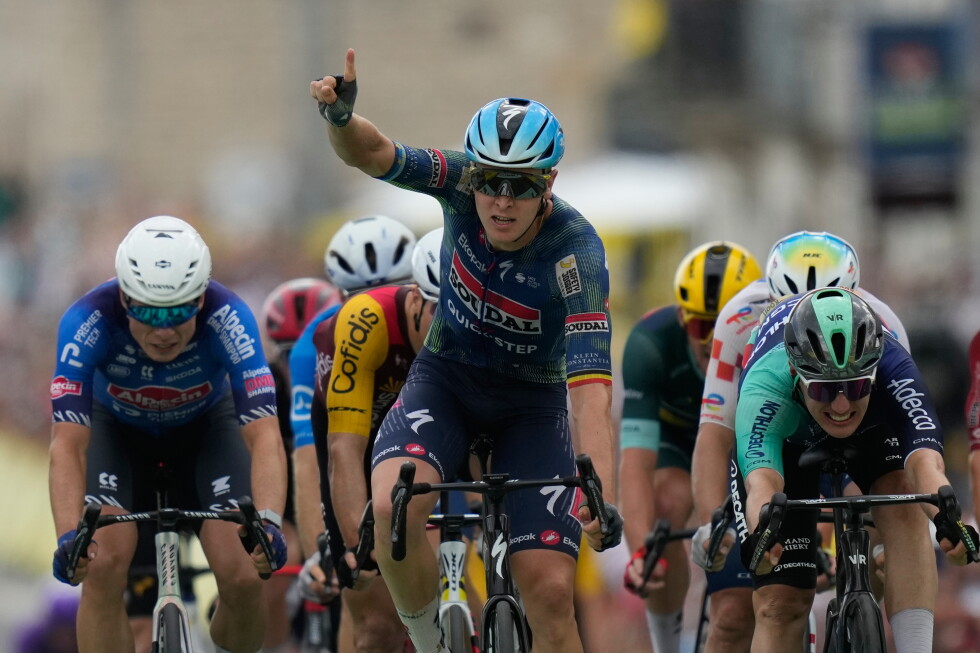
    CHALON-SUR-SAÔNE, France – On a tense Thursday of the 2024 Tour de France, Belgian sprinter Tim Merlier secured his third stage victory of this year’s race, capping off a dramatic final sprint that was marred by a multi-rider crash just meters from the finish line. Reigning overall champion Tadej Pogacar emerged from the incident unscathed, retaining his comfortable general classification lead heading into the race’s second weekend.

    The 12th stage of the Tour covered a mostly flat 111-mile route that began at the Magny-Cours motor racing circuit – a former host of Formula 1 Grand Prix – and wound through eastern France to the finish in Chalon-sur-Saône. Early in the stage, French rider Baptiste Veistroffer launched a solo breakaway that held off the peloton for much of the day. He was eventually reeled in by a 14-rider counter-attack group inside the final 30 kilometers, and that small group was itself caught by the charging main peloton shortly before riders reached the third and final minor climb of the day.

    As teams jockeyed to position their top sprinters for the final push to the line, tension ran high on the home straight. The crash unfolded when Colombian sprinter Fernando Gaviria clipped another rider’s rear wheel and tumbled to his left, pulling Wednesday’s stage winner Soeren Waerenskjold of Norway down with him. Trailing riders had no time to avoid the fallen pair, and four additional cyclists went over their handlebars in the pileup. Race medics reported that none of the involved riders suffered serious injuries. After several minutes of assessment and recovery, Gaviria – who sported a heavily bloodied left knee and appeared to have injured his left arm – walked across the finish line with assistance from a teammate.

    When the dust settled, Merlier crossed the line first to claim his sixth career Tour de France stage victory. Young Dutch sprinter Olav Kooij took second place, while Belgian Jasper Philipsen finished third. The result extended Merlier’s impressive run of form at this year’s race, and the rider credited extra motivation from having his family trackside for the stage. “Winning for them is special,” Merlier told reporters after the finish. “I managed to find the opening, I had to stay calm and wait. It was a finale and a finish that suited me very well.” For Philipsen, the day brought another near-miss: his Alpecin-Premier Tech team placed three riders at the front of the peloton to lead out his sprint, but the team’s early attack mirrored mistakes from previous stages, leaving the three-time stage winner still searching for his first victory of the 2024 Tour.

    In the overall general classification standings, Pogacar – a four-time Tour champion – maintained his large lead over his closest rival, two-time champion Jonas Vingegaard of Denmark. After 12 stages, Pogacar holds a 3-minute 36-second advantage over Vingegaard in second place, while Belgian Remco Evenepoel sits in third, 4 minutes 6 seconds off the overall lead. Pogacar extended his lead earlier this week with a signature attacking performance in the 10th stage, one that has put him in a commanding position with less than two weeks of racing remaining.

    The Tour’s next challenge will be the 13th stage on Friday, the longest route of this year’s race at 206 kilometers. The stage is set to test general classification contenders with a steep Category 1 climb – the Tour’s second-hardest ranking – coming late in the route. The 2024 Tour de France will conclude with its iconic traditional finish on the Champs-Élysées in Paris on July 26.

  • Texas will investigate ICE’s fatal shooting of man in Houston, governor says

    Texas will investigate ICE’s fatal shooting of man in Houston, governor says

    A fatal shooting of a 52-year-old Mexican man by U.S. federal immigration agents in Texas has sparked widespread public demands for transparency, prompting state officials to launch an independent investigation into the incident that has reignited national debates over immigration enforcement tactics.

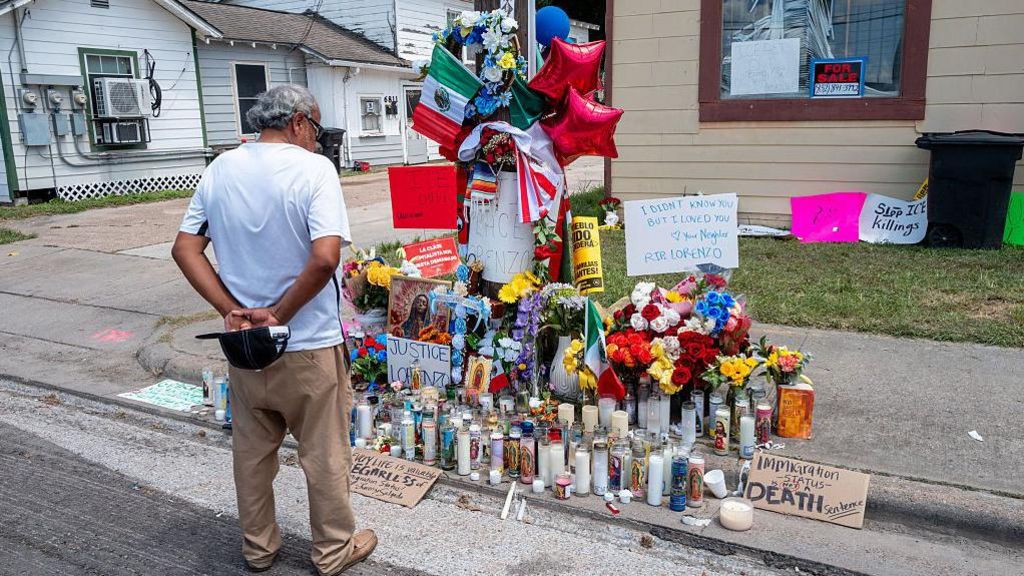
    Governor Greg Abbott announced Wednesday that the Texas Rangers, the state’s elite law enforcement unit, will partner with federal investigators to uncover the full circumstances surrounding the July 7 shooting death of Lorenzo Salgado Araujo, a resident of nearly 35 years who was en route to his job when agents pulled him over. Speaking to reporters, Abbott emphasized that effective border control and immigration enforcement do not require the use of lethal force.

    “It is fully possible to enforce immigration laws and stem the flow of unauthorized crossing at our southern border without resorting to shooting people,” Abbott stated.

    Initial details released by U.S. Immigration and Customs Enforcement (ICE) have already shifted and drawn sharp pushback from Salgado Araujo’s family and local elected officials. ICE first claimed agents opened fire in self-defense after Salgado Araujo “weaponized his vehicle” against officers. The Department of Homeland Security later corrected the account, confirming Salgado Araujo was never the intended target of the operation – agents stopped his white van simply because he matched the general description of the planned suspect.

    Critical gaps in official documentation have further fueled calls for an outside probe. Representative Silvia Garcia, the Democratic congresswoman representing the Houston-area district where the shooting occurred, confirmed that none of the ICE agents involved were wearing body cameras during the stop, and no publicly available video footage of the shooting has emerged to date.

    For the Salgado Araujo family, the official narrative does not align with what they know of the father of three, who had been in the process of securing legal permanent residency before his death. Ronaldo Salgado, one of his sons, told reporters he first learned of the shooting from graphic social media footage of the aftermath, identifying his father by his desperate cries for help as he lay wounded on the street, rather than by his physical appearance. He received confirmation of his father’s death from subsequent news reports. Three companions who were traveling with Salgado Araujo, including his uncle, were taken into immigration custody immediately following the shooting, the family confirmed.

    This incident is not the first time ICE’s use of force accounts have been called into question amid former President Donald Trump’s hardline crackdown on unauthorized immigration. Earlier this year, the fatal shootings of Renee Good and Alex Pretti in Minneapolis by ICE agents saw official agency claims contradicted by eyewitness testimony and existing video evidence.

    Federal authorities have already launched internal probes: the Department of Homeland Security’s Office of Inspector General, the agency’s internal watchdog, is leading an internal review, while the FBI’s Houston division is investigating potential assault claims against the involved officers. But local leaders have rejected internal federal investigations as insufficiently impartial. Houston Mayor John Whitmire joined growing calls for an independent probe, directing the Houston Police Department to formally request the Texas Rangers lead the state-level investigation.

    The Texas shooting came on the heels of a second fatal ICE shooting that has added fuel to public outrage. Just days after Salgado Araujo’s death, ICE agents fatally shot 26-year-old Colombian national Joan Sebastián Durán Guerrero in Maine, prompting mass protests across the northeastern state.

    These back-to-back lethal incidents have reignited a long-simmering national debate over ICE’s widespread use of traffic stops as a core enforcement tactic – a strategy that has drawn criticism for targeting immigrant communities and leading to unnecessary civilian deaths. After the shootings, White House border czar Tom Homan suggested the agency would temporarily suspend the practice, but Trump confirmed Tuesday that traffic stops would remain a central tool of his administration’s immigration enforcement agenda.

    Salgado Araujo’s killing has become a flashpoint for critics who argue that current ICE use-of-force policies lack accountability, especially when investigations are limited to internal federal review. With the launch of the Texas Rangers probe, state officials have moved to meet growing public demands for a full and impartial accounting of the shooting.