作者: admin

  • R. James Woolsey, CIA director during the Clinton administration, dies at 84

    R. James Woolsey, CIA director during the Clinton administration, dies at 84

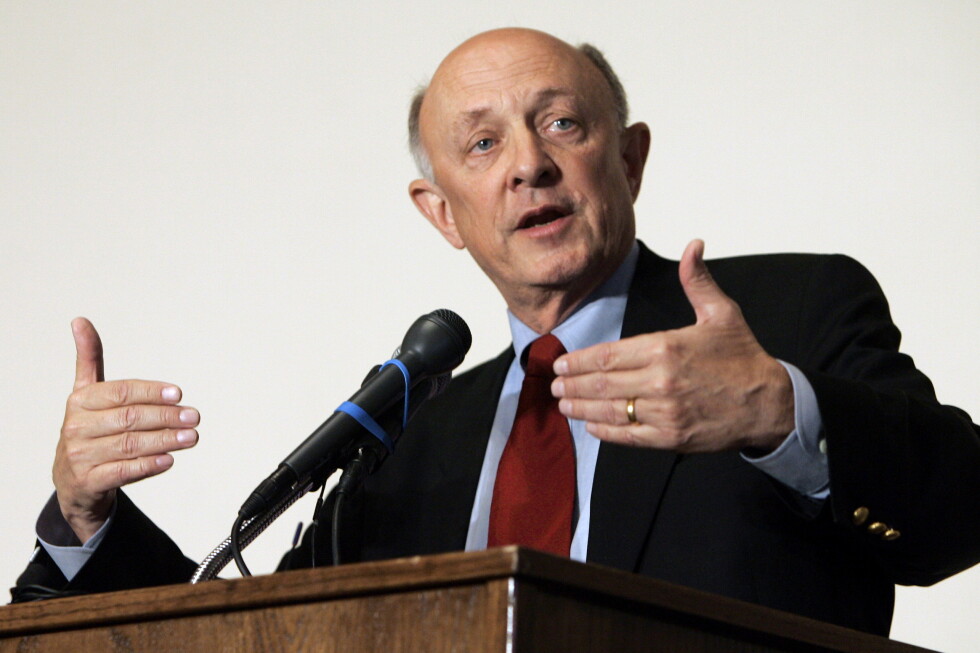
    Veteran American national security strategist R. James Woolsey, who steered the Central Intelligence Agency through two years of profound upheaval after his appointment by President Bill Clinton, has passed away at the age of 84.

    Multiple U.S. news outlets confirmed that Woolsey, who assumed the role of CIA director in the opening months of 1993, died Tuesday at his Washington, D.C., residence. His wife, Conchita Sarnoff Woolsey, confirmed the cause of death was a stroke, and told *The Washington Post* that his health had steadily deteriorated over recent years due to complications from Havana syndrome, the still-unexplained medical condition that has impacted dozens of U.S. diplomatic and government personnel stationed overseas.
    First documented among U.S. officials posted in Havana, Cuba, in 2016, Havana syndrome is characterized by a range of persistent neurological symptoms including chronic headaches, impaired balance, cognitive difficulties, and chronic sleep disruption, which gave the condition its widely recognized name.

    Woolsey’s two-year tenure at the head of the CIA ended in early 1995, a period marked by significant controversy following the exposure of longtime CIA officer Aldrich Ames, who confessed to spying for the Soviet Union and later Russia for nearly a decade. Ames, a career agency operative, admitted to accepting $2.5 million from Moscow in exchange for leaking classified U.S. intelligence that exposed scores of Western intelligence assets between 1985 and his 1994 arrest. Critics of Woolsey argued that agency leadership, including Woolsey himself, failed to impose sufficient accountability on senior supervisors who missed repeated red flags surrounding Ames’ espionage activity.

    In response to the backlash, Woolsey acknowledged that no intelligence agency could ever guarantee full immunity from moles like Ames, and urged policymakers and agency leadership to avoid excessive overreaction to the security gaps Ames’ case exposed. He warned that rushed, overly harsh crackdowns on internal agency procedures carried its own risks, cautioning that overly restrictive security protocols could foster a culture of paranoia and unsubstantiated accusations that would further erode workforce morale at the agency.
    Beyond the Ames scandal, Woolsey also navigated intense post-Cold War budget pressure from congressional leaders pushing for deep cuts to the CIA’s overall budget as the United States reoriented its national security priorities after the collapse of the Soviet Union.

    Woolsey’s decades-long career in public service spanned multiple presidential administrations from both major U.S. political parties. Before taking the helm of the CIA, he served as Undersecretary of the Navy during Jimmy Carter’s presidency, and advised both Republican and Democratic White Houses on complex arms control negotiations. In 1989, President George H.W. Bush appointed Woolsey as a special negotiator for the stagnant conventional arms reduction talks between the NATO alliance and the Soviet-led Warsaw Pact. Just one year later, Bush and Soviet leader Mikhail Gorbachev signed the landmark Conventional Armed Forces in Europe Treaty, a landmark agreement that dramatically reduced conventional military deployments across the European continent.

    Born in Tulsa, Oklahoma, on September 21, 1941, Woolsey built an impressive academic foundation for his public service career: he earned his undergraduate degree from Stanford University, went on to study as a Rhodes Scholar, and completed his legal education at Yale Law School. He launched his federal government career in 1970 as a staff member on the National Security Council, before moving to Capitol Hill to serve as general counsel for the Senate Armed Services Committee. Outside of his public service appointments, Woolsey worked as a private practice attorney at a Washington-based law firm between government stints.

  • A year after deadly jet crash at Bangladesh school, families demand answers

    A year after deadly jet crash at Bangladesh school, families demand answers

    On a seemingly ordinary school day in July 2025, catastrophe struck the busy Dhaka neighborhood of Uttara, when a Bangladesh Air Force training jet crashed straight into Milestone School and College — a private educational facility teeming with hundreds of active, unsuspecting students. The impact and subsequent raging fire turned a hub of learning into a scene of unthinkable chaos, leaving 34 dead and 160 more injured. Most of the casualties were children, making this the deadliest aviation disaster Bangladesh has witnessed in more than half a century.

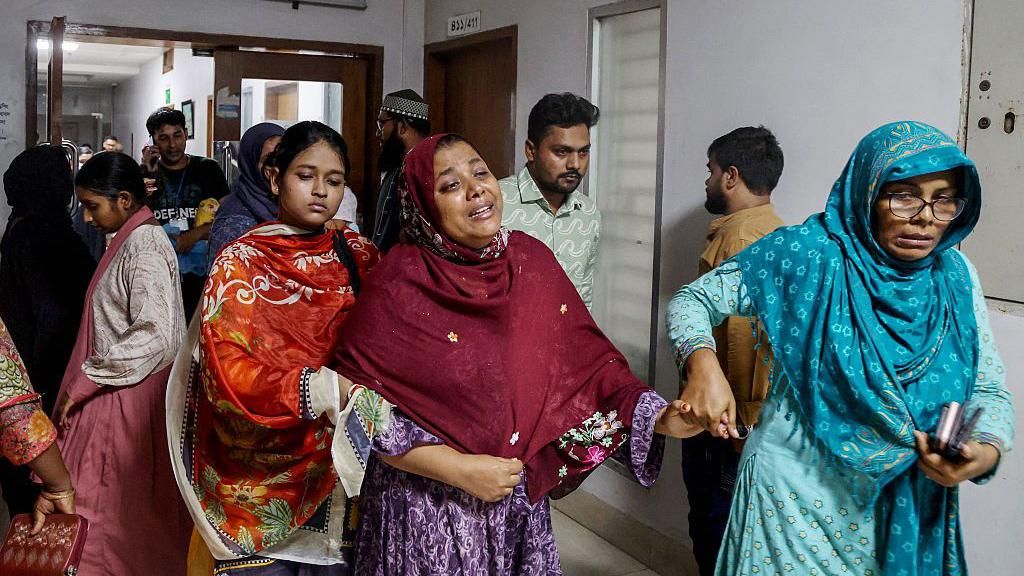
    Now, one year after the tragedy, survivors and grieving family members gathered in Dhaka this week to honor the lives lost — and to reiterate their desperate demand for long-overdue accountability and transparency. For many of the young survivors, the physical and psychological scars of that day remain a daily prison. Sixth-grader Nure Jannat Yusha, who suffered burn injuries in the crash, describes constant fear and trauma that has shattered her once-normal life. “Even now, if I go to school and see a plane, I feel afraid. I can’t sleep at night. In my dreams, someone is throwing me into the fire,” she told BBC Bengali. Once a student who dreamed of becoming a professional dancer, Yusha has abandoned that aspiration; she no longer has any interest in attending classes, gripped by constant paranoia that another plane will fall from the sky. Her story is far from unique.

    Fifth-grader Mehreen, another injured student, can no longer attend school at all. Her injuries leave her in severe pain when exposed to even small amounts of sunlight, and the trauma has erased her once-sharp ability to learn and retain information. “Earlier, if I read something, I would memorise it in two minutes. Now I can’t memorise a line in two hours,” she explained. Like Yusha, she struggles with nightly insomnia and recurring nightmares, unable to outrun the memory of the crash.

    In the immediate aftermath of the disaster, Bangladesh’s government established an investigative commission to unpack the causes of the crash. The committee submitted its final findings to state officials last November, but the full report has never been released to the public. A leaked copy obtained by BBC Bengali has revealed damning conclusions that contradict early official claims. Contrary to the Bangladesh Armed Forces’ initial statement that the crash was caused by an aircraft mechanical fault, the investigation found the jet itself had no technical failures. Instead, the report attributes the disaster to multiple systemic failures: the pilot lacked sufficient training, there was inadequate ground supervision for the training flight, Milestone School violated critical building safety codes (including only having a single exit for nearly 900 students), and hundreds of other buildings — including multiple schools and hospitals — located near Dhaka’s international airport have illegally violated height restriction rules, putting thousands of lives at risk daily.

    Grieving family members say these unaddressed safety lapses mean the same disaster could happen again. Mansur Helal, whose wife Mahreen Chowdhury — a schoolteacher at Milestone who died saving trapped students from the burning building — told the memorial gathering that the status quo is unacceptable. “No one can give a guarantee that another plane will not fall onto this school in the future,” Helal said, noting that between 2,500 and 3,000 students still attend the campus daily. “This is truly a horrific situation.”

    Helal and other attendees are demanding three core actions: the immediate public release of the full investigative report, full implementation of the compensation and support measures already recommended by the commission, and sweeping policy changes to restrict hazardous training flights over densely populated residential and educational areas and enforce building safety codes around the airport. While the commission already called for financial compensation and expanded care for survivors, none of these measures have been put into practice one year on.

    At Tuesday’s memorial, Health Minister Sardar Sakhawat Hossain stated the government would provide support to survivors requiring ongoing medical care, and Zubaida Rahman, wife of Prime Minister Tarique Rahman, praised survivors for their courage, calling it “a source of inspiration for the nation.” But those words have done little to address the unmet needs of families still waiting for answers, and survivors still struggling to rebuild their lives shattered by a disaster that could have been prevented.

  • Blocked by censors, China’s animal lovers take fight against abuse offline and overseas

    Blocked by censors, China’s animal lovers take fight against abuse offline and overseas

    In late June, graphic footage of a horrific animal abuse incident in southern China’s Guangdong province ignited widespread public fury that has spilled across national borders, becoming a global rallying cry for long-overdue animal cruelty laws in China. The video, which shows four boys under the age of 14 beating three newborn stray puppies to death with sticks before burning their mother, a stray dog named Wang Wang, to death while the children laughed, quickly spread across Chinese social media platforms, triggering an immediate wave of shock and grief.

    Chinese authorities responded to the outcry by moving to scrub most posts and mentions of the incident from domestic internet platforms, citing the need to protect the privacy and welfare of the underage perpetrators. In an official statement, local officials urged the public to stop sharing the disturbing footage, avoid so-called cyberbullying of the minors, and maintain a supportive environment for youth rehabilitation. Following the incident, Jieyang city authorities announced that the four boys would not face any criminal charges, and would instead be transferred to a specialized youth education facility; no further details on the placement or the facility’s programming have been released to the public.

    This official response has not quieted public anger, and instead amplified calls for systemic change: China currently has no standalone national legislation that criminalizes animal cruelty, leaving abuse cases without consistent legal consequences. While Chinese censors have restricted broad circulation of the full video and removed high-profile posts from public figures that called for animal protection reform – including posts from Chinese actor Du Jiang and Taiwanese actress Joe Chen – discussion of the incident and the broader demand for animal cruelty laws persists. Trending keywords related to Wang Wang and animal protection remain accessible on major Chinese platforms, and many domestic users have found creative ways to keep the conversation alive, despite repeated content removal restrictions.

    The censorship push has also driven animal rights advocates to organize action outside mainland China to amplify their cause, turning a local incident into an international movement. In New York City’s iconic Times Square, a large digital billboard now cycles images of Wang Wang every 35 minutes, bearing the moving caption: “She was loved. She wanted to live. She should still be here.” Near the Taipei 101 skyscraper in Taiwan, a second billboard displays Wang Wang nursing her puppies with the message: “This planet is their home too. Justice for Wang Wang.”

    CK, a Taiwanese activist who contributed NT$30,000 (approximately $930) to fund the Taipei billboard, told reporters she was left unable to eat or sleep normally for days after seeing the killing footage. She explained that the cross-border campaign was organized to create collective momentum for change, saying, “It makes everyone feel like we’re speaking out together on this issue, rather than airing our individual opinions online. The world needs to know about the cruelty these dogs have been subject to.” CK has also set up public accounts on global social platforms including Reddit and X to share the incident with international audiences, while another Taiwanese activist named Elara used artificial intelligence to translate a full summary of the incident into more than 10 languages, including Japanese, Portuguese, and Russian, to widen global outreach. Activists in Hong Kong and Macau have also raised funds to place awareness posters on public buses and trains across both regions.

    Within mainland China, grassroots action continues to gain traction across public and commercial spaces. During a recent professional football match in the northeastern city of Dalian, a large stadium screen displayed a cartoon tribute to Wang Wang and her puppies before kickoff, with the message: “Every life deserves respect and kindness.” Domestic Chinese brands including beauty label Amortals and streetwear brand Wah Yan Ching Nin have funded public awareness ads outside major shopping malls across the country, calling for an immediate end to animal abuse and passage of national anti-cruelty legislation. Even on e-commerce giant Taobao, sellers are offering stickers and car decals featuring Wang Wang and her puppies to raise awareness, while Weibo users continue to post calls for sustained action, urging supporters not to let public discussion fade.

    International animal welfare organizations have also been drawn into the campaign. The Italy-based International Organisation for Animal Protection announced it has received more than 100 public reports from people across the globe calling for the group to intervene, and has formally requested additional information on the incident and broader animal protection policy from Chinese authorities.

    The incident has sparked broader debate over competing ethical priorities: China’s decision to restrict identification of the underage perpetrators aligns with global standards that typically protect the identities of juvenile offenders to avoid long-term psychological harm from public exposure. Even so, many activists argue that the lack of national animal cruelty legislation is the core systemic failure that allowed this incident to occur without legal consequences, and that public outcry is necessary to force long-term reform. The Wang Wang killing is the latest in a string of high-profile animal abuse cases that have galvanized Chinese public opinion in recent years, with the graphic, visceral footage of the killing striking a particularly deep emotional chord with animal lovers across the country. One anonymous animal welfare advocate from eastern China told reporters, “We can’t make our voices heard, so many people outside China are actively helping us to share this message.”

  • Tunisia: Fears grow for Rached Ghannouchi after reported collapse in prison

    Tunisia: Fears grow for Rached Ghannouchi after reported collapse in prison

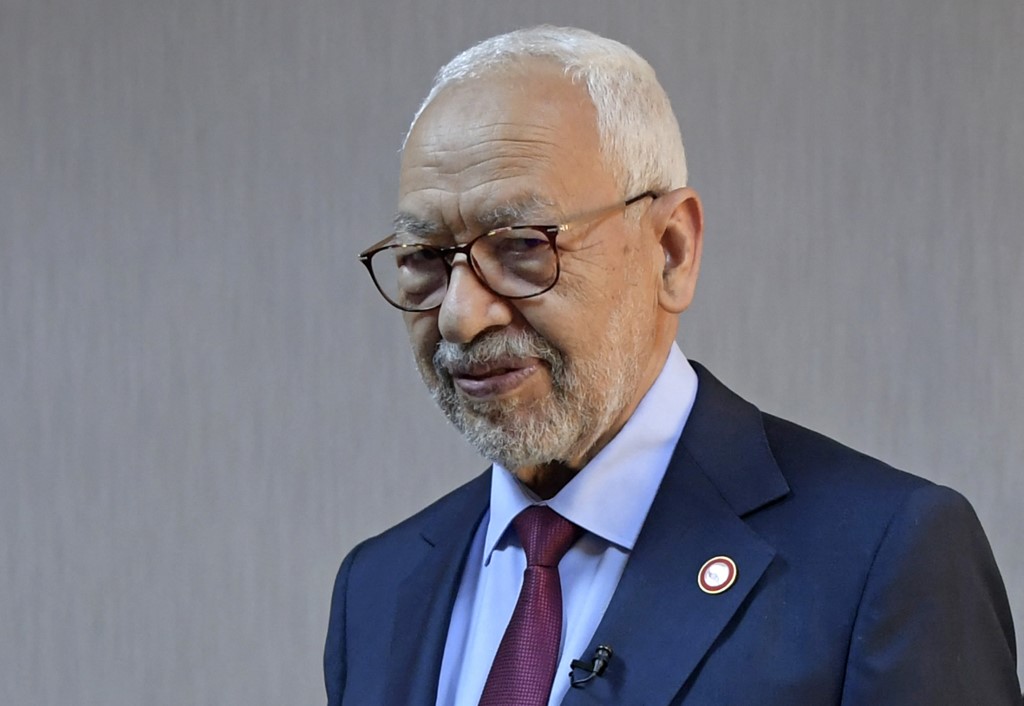
    New urgent fears have been raised over the declining health of 84-year-old imprisoned Tunisian opposition leader Rached Ghannouchi, following an eyewitness account of the politician fainting inside a sweltering Mornaguia prison during an intense national heatwave.

    Haifa Chebbi, daughter of jailed Tunisian opposition politician and lawyer Ahmed Chebbi, shared the account in a public Facebook video posted Tuesday. Chebbi explained she observed the incident while visiting her father at the facility, noting that Ghannouchi eventually regained consciousness—but that the episode remains deeply alarming given his advanced age and pre-existing poor health.

    Speaking to the stark inequity of her experience versus that of incarcerated people, Chebbi said, “I can’t describe what it feels like to leave prison. I couldn’t breathe.” She placed direct responsibility for Ghannouchi’s failing condition on Tunisian national authorities, adding, “We are all responsible. We are all complicit.”

    The alarming incident comes as Tunisia battles an extreme heat event that has pushed temperatures above 45 degrees Celsius in multiple regions. The unrelenting heat has sent demand for air conditioning spiking across the country, straining the national electricity grid and triggering widespread rolling power outages in populated areas. Human rights defenders have long warned that these extreme conditions create a life-threatening hazard for elderly inmates and those with chronic health conditions, especially in Tunisia’s overcrowded prisons, which often suffer from poor ventilation and almost no access to cooling systems.

    Ghannouchi, a former speaker of Tunisia’s parliament and leader of the Ennahda Movement, has remained in custody since April 2023. His arrest was part of a sweeping crackdown on political opponents launched by President Kais Saied, who first consolidated unilateral power in July 2021 when he suspended parliament, dismissed the sitting government, and began ruling by executive decree—actions opposition leaders and international observers labeled a coup against Tunisia’s post-2011 democratic transition.

    Since Saied’s power grab, dozens of opposition politicians, lawyers, judges, journalists, and civil society activists have been arrested or prosecuted. International human rights organizations have described this campaign as an unprecedented attack on political pluralism and civil liberties in Tunisia. Saied has repeatedly pushed back against these criticisms, claiming Tunisia’s judiciary operates independently and that all detainees face charges for standard criminal violations, not their political beliefs. Critics of the president, however, frame the prosecutions as a deliberate effort to dismantle the independent opposition that emerged after Tunisia’s 2011 democratic revolution.

    Ghannouchi has been targeted with a cascade of overlapping prosecutions and convictions that his legal team and supporters uniformly condemn as politically motivated. Since his arrest last year, Tunisian courts have handed down multiple prison sentences in cases ranging from incitement and alleged illegal foreign financing to conspiracy against state security and terrorism-related charges. The Ennahda Movement has consistently rejected all accusations against Ghannouchi as fabricated, arguing the charges are simply a tool to criminalize peaceful political opposition to Saied’s autocratic rule.

    Maher Medhioub, a former Tunisian parliamentarian and senior aide to Ghannouchi, sounded an urgent alarm in a public Facebook post following news of the fainting incident. “Time is running out. The risk to his life is becoming increasingly serious,” Medhioub wrote. He added a broad appeal to global leaders, elected lawmakers, legal professionals, journalists, and all human rights advocates: “We call upon world leaders, parliamentarians, legal professionals, journalists, and all defenders of human dignity to give urgent attention to this humanitarian situation and to uphold the principles of justice, human dignity, and the rule of law.”

    International human rights bodies have already repeatedly called for Ghannouchi’s release. The UN Working Group on Arbitrary Detention concluded in a 2023 report that Ghannouchi’s imprisonment is arbitrary and demanded his immediate release. Leading global rights groups including Human Rights Watch and Amnesty International have also joined the criticism, accusing Saied’s government of weaponizing the national judiciary to silence political dissent. Middle East Eye, the original outlet of this reporting, confirmed it contacted Tunisia’s Ministry of Justice for comment on the incident and Ghannouchi’s condition, but received no response prior to publication.

  • US announces civilian nuclear deal with Saudi Arabia

    US announces civilian nuclear deal with Saudi Arabia

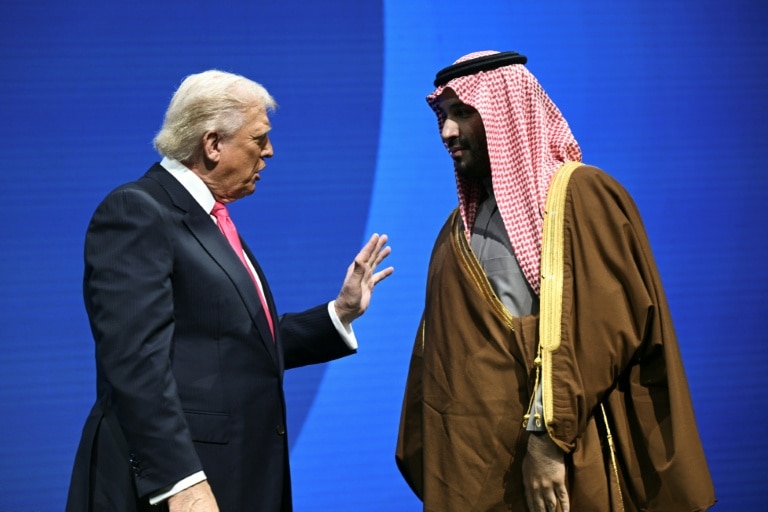
    In a high-stakes announcement Wednesday that reverberates across Middle Eastern geopolitics, the United States formally unveiled a landmark civilian nuclear cooperation deal with Saudi Arabia, a pact that Washington says includes robust non-proliferation safeguards even as critics raise urgent alarms over regional nuclear risk.

    The agreement arrives at a deeply consequential moment for U.S. foreign policy: President Donald Trump’s administration remains locked in an ongoing standoff with Iran, a conflict rooted heavily in longstanding international concerns over Tehran’s nuclear ambitions, a dispute that has stalled ongoing diplomatic peace talks. The new bilateral framework consists of two separate pacts: one focused on peaceful nuclear cooperation, and a second establishing bilateral non-proliferation safeguards. Both documents were signed by U.S. Energy Secretary Chris Wright and Saudi Arabia’s energy minister Prince Abdulaziz bin Salman, according to an official statement from the U.S. Department of Energy. The full text of the agreements has not been released to the public as of Wednesday.

    Department officials framed the pacts as a foundational step for a long-term, high-value partnership that aligns with Washington’s core economic and strategic priorities. “Together, these two agreements lay the legal foundation for a decades-long, multi-billion-dollar partnership that advances several priority economic and strategic objectives, including nuclear nonproliferation,” the department said in its official statement. Early reporting from *The Wall Street Journal* has suggested the deal includes a provision that could allow U.S. firms to construct a uranium enrichment facility on Saudi territory, a detail not mentioned in the Energy Department’s public statement, and department officials declined to confirm or deny the report when queried by AFP.

    Before the deal can take effect, it will undergo a mandatory review by the U.S. Congress. Political observers broadly expect the agreement to move forward, as the Republican-led legislature is highly unlikely to block the Biden (note: corrected to Trump per original context) Trump administration’s foreign policy priority. The pact has faced opposition from across the U.S. political aisle, as well as from Israeli officials, who have warned for years that a civilian nuclear program in Saudi Arabia could open a pathway for the kingdom to develop nuclear weapons down the line.

    Like Iran, Saudi Arabia has repeatedly and publicly defended its sovereign right to develop a civilian nuclear program for energy and research purposes. Last year, the kingdom signed a mutual defense agreement with Pakistan, a country that has possessed nuclear weapons for decades. For years, Washington has tied potential nuclear cooperation with Riyadh to a broader regional diplomatic push: a plan that would see Saudi Arabia normalize formal diplomatic relations with Israel, paired with a separate bilateral U.S.-Saudi defense pact.

    Proliferation concerns are not new to Gulf nuclear cooperation. The U.S. signed a similar civilian nuclear agreement with neighboring United Arab Emirates in 2009, a deal that notably prohibits the UAE from enriching its own uranium. The Arab world’s only operational nuclear power plant, located at the UAE’s Barakah facility, was hit by a drone strike on a nearby generator in May, causing a small fire that drew global attention to regional security risks for nuclear infrastructure. Longstanding U.S. strategic assessments have warned that if Iran successfully develops a nuclear weapon, it would trigger a cascade of nuclear proliferation across the Gulf region, as neighboring states rush to develop their own nuclear deterrents.

    Energy Secretary Wright pushed back against proliferation fears in his official remarks, emphasizing that the deal serves clear U.S. interests and upholds strict international standards. “Rest assured, these agreements uphold the highest standards of nuclear safety and nonproliferation, while relying on the world’s best nuclear technology and scientists, designed right here in the United States,” he said. The agreement was negotiated under Section 123 of the U.S. Atomic Energy Act, the legal framework that governs all U.S. civilian nuclear cooperation agreements with foreign nations. Washington currently holds such agreements with more than 50 countries around the world, though the scope of cooperation varies widely between individual pacts.

    Regional and nuclear policy experts have noted that this agreement has been years in the making, but the deal has divided analysts over its strategic costs and benefits. Ahead of the formal announcement, Matthew Kroenig of the Atlantic Council warned that permitting Saudi Arabia to develop domestic enrichment capability would be a dangerous misstep. “It would be a mistake to allow Saudi Arabia the capability for enrichment,” Kroenig said. “Washington is right to strengthen its relationship with Riyadh, but it should not do so at the expense of its effective nuclear weapons nonproliferation standards.”

    Other experts framed the deal as a major strategic win for the U.S. in its growing geopolitical competition with Russia and China for influence in the Middle East. Jennifer T. Gordon, director of the Atlantic Council’s Nuclear Energy Policy Initiative, called the agreement a clear victory for Washington. “Saudi Arabia has made it clear that it will purchase nuclear energy technologies and begin a civil nuclear program; the only question has been whether the kingdom would choose to work with the US and its allies, or whether it would turn to Russia or China,” Gordon explained.

  • Wildfires ravage parts of southern France, Italy and Spain

    Wildfires ravage parts of southern France, Italy and Spain

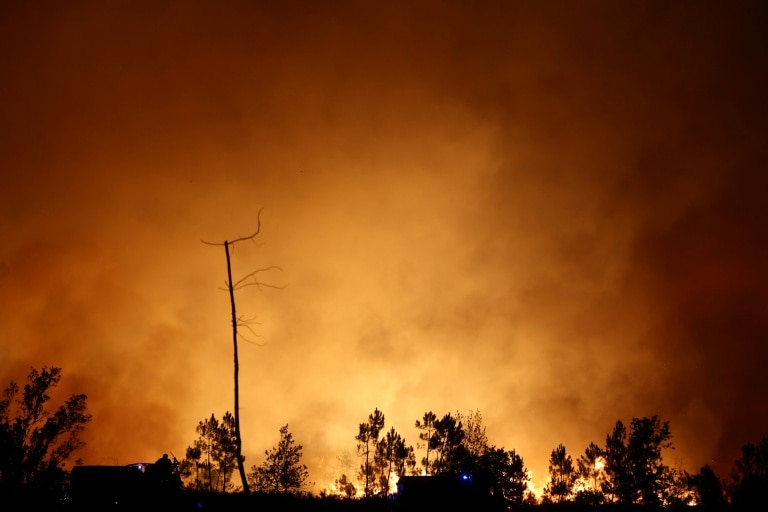
    A wave of intense, fast-spreading wildfires is tearing through Mediterranean regions of Southern Europe this week, leaving one first responder dead, forcing mass evacuations across France, Italy, and Spain, and destroying thousands of hectares of forested land as record-high temperatures and dry conditions amplify fire risk.

    In Italy, the island of Sicily has been burning for several consecutive days, with temperatures soaring past 40°C and gusty hot winds pushing flames deeper into populated and wooded areas. On Wednesday, regional president Renato Schifani confirmed that roughly 6,000 first responders, forestry workers, and civil protection personnel had been deployed to contain the blazes, supported by water-bombing aircraft. Even with the massive response, 50 active fires were still burning across the island as of Wednesday. The situation has been labeled “serious” by Italian Civil Protection Agency spokespeople, who note that extremely high temperatures and parched, dry soil are creating ideal conditions for fire spread. Tragically, Interior Minister Matteo Piantedosi confirmed one firefighter died after falling ill while working to contain the blazes.

    Just north of Sicily, the neighboring Calabria region has recorded more than 160 active fires, and local civil protection leaders say most are the result of deliberate arson by malicious actors. In a shocking detail, officials report some arsonists have tied flammable liquid-soaked rags to the tails of stray cats, turning the animals into unwitting fire starters to spread blazes across large areas.

    Across the Mediterranean in France, two major blazes near the popular Arcachon Basin, just outside Bordeaux, have forced thousands of residents and visitors to evacuate. One fire alone has already scorched more than 1,000 hectares (nearly 2,500 acres) of dense pine forest. Captain Wilfried Schneider, a French firefighter, described the blaze as having “rare” intensity, fueled by the tightly packed, extremely dry pine stands that cover much of the region. Bernard Roche, a 75-year-old resident who has lived in the affected Le Porge area for 35 years, told reporters he fled his cabin despite decades of living in the region, saying the heat and intensity of the fire was too dangerous to stay. Le Porge mayor Martial Zaninetti said early investigations suggest the fire may have been sparked by heavy machinery used to clear forest tracks, though no official confirmation has been released.

    Further east along France’s Mediterranean coast, a separate blaze that broke out Tuesday in the Var region between Marseille and Nice spread at an unexpectedly rapid rate, burning 2,550 hectares — an area twice the size of London’s Heathrow Airport — and forcing 400 people to evacuate. Nearly 1,000 firefighters and water-carrying aircraft managed to partially contain the blaze by Wednesday morning.

    In central Spain, a new wildfire burning outside the historic city of Toledo, roughly 75 kilometers south of Madrid, prompted authorities to order the evacuation of three villages on Wednesday, while residents of a fourth were told to shelter in place with doors and windows sealed. The Civil Guard issued emergency mobile alerts to at-risk residents and closed several major arterial roads cut off by the advancing blaze. This new fire comes as hundreds of firefighters continue to battle a far larger blaze 100 kilometers north of Madrid that has already destroyed 32,000 hectares of land. Data from the European Forest Fire Information System shows that Spain has already seen more than 393,000 hectares of land consumed by wildfires in 2025, making it the worst wildfire season for the country in recorded modern history.

    Climate scientists have long confirmed that human-caused fossil fuel emissions are driving rising global temperatures, which in turn make extreme weather events including heatwaves and wildfires far more frequent and more severe than historical norms.

  • Israeli press review: US-Saudi nuclear deal slammed as Netanyahu’s ‘failure’

    Israeli press review: US-Saudi nuclear deal slammed as Netanyahu’s ‘failure’

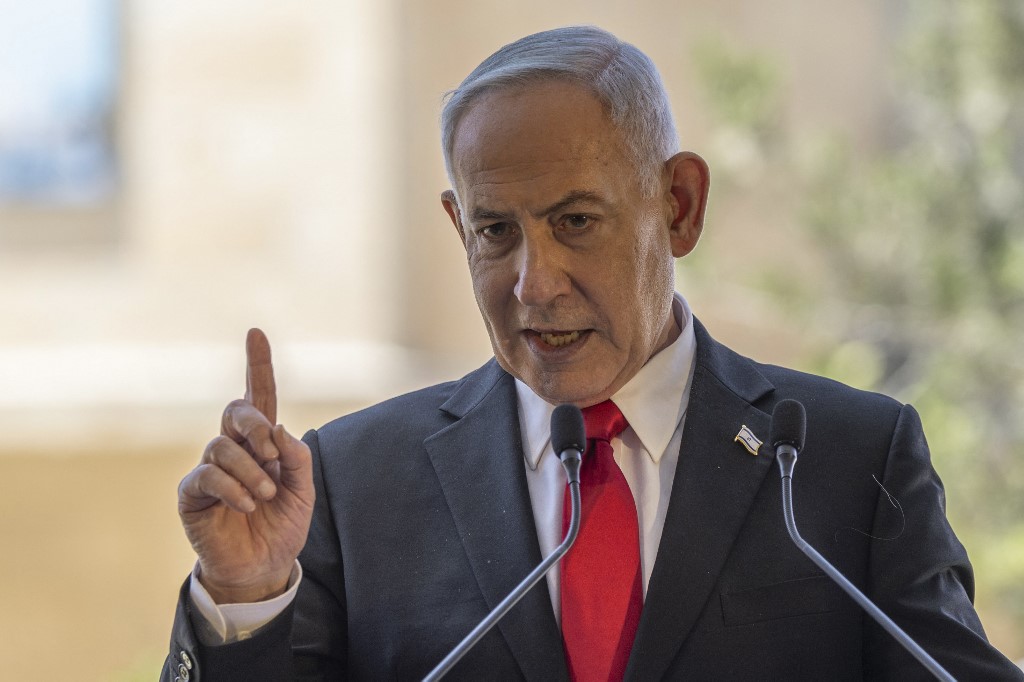
    A wave of public anger and security anxiety swept across Israel on Wednesday, triggered by early reports that the U.S. administration under former President Donald Trump had approved a landmark 30-year civilian nuclear cooperation agreement with Saudi Arabia that would permit uranium enrichment on Saudi soil. The revelation immediately united political opponents across Israel’s ideological spectrum in criticism, with many targeting long-serving Prime Minister Benjamin Netanyahu over what they frame as a catastrophic failure of Israeli foreign and security policy.

    Avigdor Liberman, leader of the right-wing opposition party Yisrael Beytenu, warned that the civilian nuclear framework would inevitably pave the way for Riyadh to develop nuclear weapons, sparking a devastating nuclear arms race across the entire Middle East. He called on Israeli leaders to take an uncompromising public stance against the deal and urged immediate lobbying efforts in the U.S. Congress to block its finalization.

    Yair Golan, head of the left-wing opposition party The Democrats, issued a direct rebuke of Netanyahu, arguing that the prime minister had simultaneously failed to achieve the long-sought goal of diplomatic normalization with Saudi Arabia and cleared a path for the kingdom to build an unsupervised nuclear program. For decades, normalizing ties with Saudi Arabia has ranked among Israel’s top foreign policy priorities, a strategic push intended to reduce regional isolation and sideline negotiations with the Palestinians. Saudi Arabia has repeatedly rejected normalization progress, however, insisting it will not move forward without a lasting Israeli-Palestinian peace agreement. Golan added that Netanyahu has weakened Israel both militarily and politically, leaving the country sidelined as global powers make decisions that will shape Israeli security for generations.

    Even Benny Gantz, leader of the centrist-right Blue and White party, joined the chorus of criticism, echoing that the emerging U.S.-Saudi deal poses a direct threat to Israeli national security. He blamed Netanyahu’s far-right governing coalition for repeatedly squandering opportunities to reshape the Middle East in Israel’s favor.

    Against the backdrop of this growing nuclear security debate, Israeli President Isaac Herzog issued a rare urgent warning on Tuesday evening about threats to the integrity of the country’s upcoming 27 October national elections. Though Herzog’s role is largely ceremonial, he told the public that Israel’s internal security service Shin Bet and the Central Elections Committee had alerted him to multiple serious threats to the electoral process from both domestic and foreign actors.

    Herzog also called for an end to the vitriolic infighting that has dominated the pre-election campaign, framing the vote as a critical test of both Israeli democracy and social cohesion. Speaking ahead of Tisha B’Av, the Jewish fast day that commemorates the destruction of the First and Second Ancient Temples, Herzog drew a direct parallel between modern internal division and the historical cycles of infighting that led to the collapse of earlier Jewish self-rule. “Twice in the history of our people, we merited to establish independent rule in our land. Twice we failed,” Herzog said, urging all parties and candidates to avoid crossing rhetorical red lines and treat political rivals as opponents, not enemies. “Elections are not a civil war,” he repeated twice in his address, emphasizing the historic responsibility of all Israelis to protect the integrity of the democratic process.

    In a third development Wednesday, Israeli newspaper Haaretz reported that the country’s State Attorney’s Office will pursue criminal charges against a former senior National Security Ministry official over the illegal approval of thousands of gun licenses, following an exposé published by the outlet last year. The official, Dror Israel Avishar, who previously led the ministry’s Firearms Department, is suspected of fraud and breach of public trust. All charges are pending a pre-trial hearing.

    Avishar stepped down from his post in December 2023, shortly after Haaretz revealed that the ministry, led by far-right National Security Minister Itamar Ben Gvir, had distributed thousands of gun licenses in violation of existing national regulations. According to the State Attorney’s Office, after the 7 October 2023 attacks, unapproved personnel issued roughly 23,000 conditional gun permits and 15,000 final licenses as part of Ben Gvir’s push to expedite the application process. The minister appointed 82 “temporary licensing officials” drawn almost exclusively from his own political circle, and these appointees routinely ignored mandatory regulations requiring proof of completed firearms safety and shooting training before approving licenses.

    Attorneys for Avishar have stated that their client resigned not over misconduct, but because of a bitter public dispute with Ben Gvir over the minister’s push to massively expand gun access across Israel. Since the 7 October attacks, expanding gun ownership for Israeli citizens has been one of Ben Gvir’s signature policy priorities. Between October 2023 and September 2025, Haaretz reports the ministry issued roughly 200,000 new gun licenses. Before the 2023 attacks, roughly 170,000 Israelis held active gun licenses; per Ben Gvir’s own public comments, his so-called “gun reform” has pushed the total number of licensed gun owners in the country to more than 410,000. “My policy is clear: a weapon in the right hand saves lives,” Ben Gvir said in March during an announcement expanding gun license eligibility to Jewish neighborhoods in Jerusalem.

  • Why Turkey’s new opposition party is both good and bad news for Erdogan

    Why Turkey’s new opposition party is both good and bad news for Erdogan

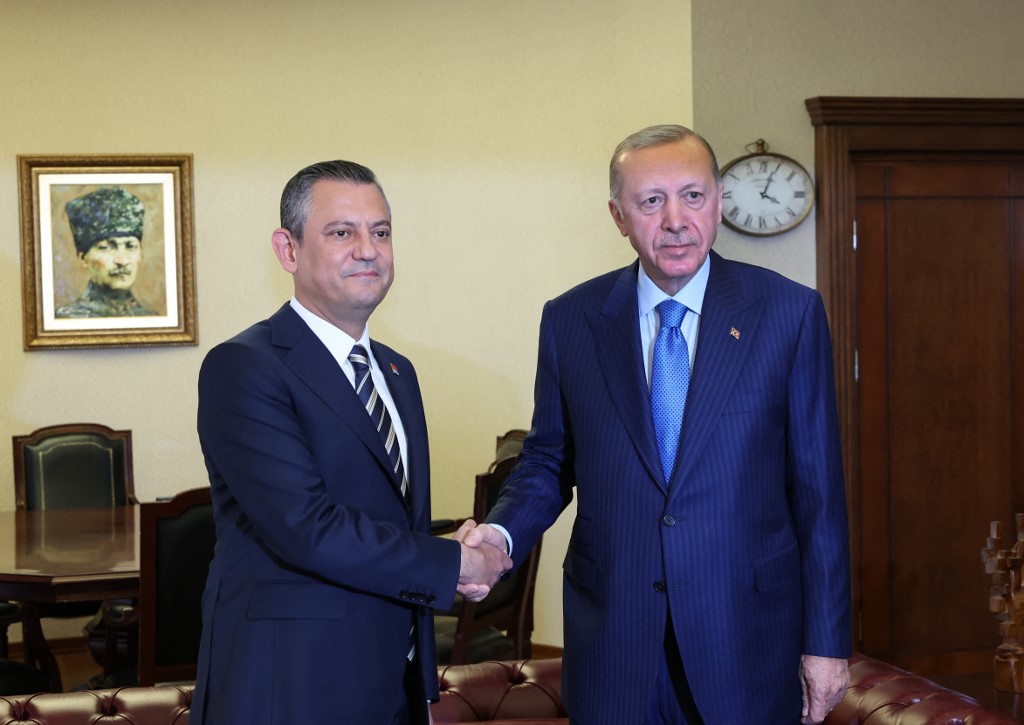
    Turkey’s fractured main opposition bloc entered a new phase of upheaval this week, when former Republican People’s Party (CHP) chairman Ozgur Ozel announced plans to formally launch a new political force — named Yeni Parti, or New Party — on Monday, capping months of escalating internal and judicial conflict that has gutted the decades-old CHP.

    The schism traces back to the CHP’s historic victory in the 2024 Turkish local elections, where the party swept most of the country’s major urban centers and claimed the largest share of the national vote, positioning it as the most credible threat to President Recep Tayyip Erdogan’s long-running rule ahead of the 2028 presidential and parliamentary polls. Within months, a wave of judicial investigations targeted CHP leadership and elected officials, leading to the arrest of 26 CHP mayors on corruption charges — including Ekrem Imamoglu, the widely popular mayor of Istanbul.

    A separate legal case accused Ozel of securing the CHP chairmanship through bribery and improper lobbying. In May, a Turkish court annulled the party congress that elected Ozel, removed him from office, and reinstated former CHP leader Kemal Kilicdaroglu as interim pending the outcome of Ozel’s appeal. Since his return, Kilicdaroglu has rejected repeated calls from party members to hold an extraordinary congress to resolve the leadership dispute, instead purging senior party officials aligned with Ozel and Imamoglu. Many Ankara-based political analysts suspect Kilicdaroglu’s reinstatement was quietly supported by Erdogan’s ruling Justice and Development Party (AKP) as part of a deliberate strategy to split the opposition. To date, the judicial pressure and internal chaos have already pushed several sitting CHP mayors to defect to the AKP.

    As the party’s power struggle intensified, Ozel opted to break away entirely, building a new movement that is expected to draw the vast majority of the CHP’s sitting lawmakers and provincial leadership. Reports indicate that 94 of the CHP’s 135 members of parliament and 74 of its 81 provincial chairs will join Ozel’s new party. A small group of Ozel-aligned officials will remain in the original CHP, however, to block Kilicdaroglu from consolidating full control over the remaining rump party.

    The split has created a complex new political calculus for Erdogan, carrying both clear short-term advantages and long-term risks for his bid to retain power in 2028. In the immediate term, the divided opposition plays directly into the AKP’s strategic goals. The opposition already lost significant momentum after months of legal pressure on the CHP, and a split into rival factions leaves no unified challenger to Erdogan. If the fractured opposition fields multiple presidential candidates, political strategists widely expect that split to enable Erdogan to win outright in the first round of voting.

    This advantage has been compounded by Erdogan’s ongoing 2024 peace process with the Kurdistan Workers’ Party (PKK), which has pulled the pro-Kurdish Dem Party away from the broader opposition alliance, giving the government unobstructed political space to advance its corruption cases against CHP leaders. Polling also suggests that Kilicdaroglu retains very little support among the CHP’s original voter base: only 5 to 10 percent of CHP voters say they will remain with the party under his leadership. Multiple surveys indicate Ozel’s new party could capture more than 30 percent of the national vote, surpassing the AKP’s current support share — the CHP won 37 percent of the vote in the 2024 local elections.

    Still, even with this strong initial showing, the split could benefit Erdogan in parliamentary elections, where tightly contested constituencies often swing to the candidate or party with even a narrow lead. A pollster affiliated with the AKP told Middle East Eye that the new party’s initial momentum is likely to fade over time, and the AKP’s internal leadership sees Ozel as a preferable opponent to other potential challengers. Despite Ozel’s growing popularity, AKP strategists believe he would struggle to win a nationwide head-to-head contest against Erdogan. With Kilicdaroglu also expected to field his own presidential candidate, the opposition vote will be further fragmented, easing Erdogan’s path to victory.

    One major wild card in the current political equation is Mansur Yavas, the popular incumbent mayor of Ankara. Multiple independent polls consistently show Yavas leading Erdogan by 15 to 20 percentage points, making him the opposition’s strongest potential presidential candidate. Yavas has thus far signaled he intends to remain in the CHP, but Ozel-aligned officials privately warn that Yavas could face his own corruption investigations if he solidifies his position as the leading opposition challenger. Erdogan’s current approval rating sits between 35 and 40 percent, but polling analysts note he could push that figure close to 50 percent through a well-executed populist campaign ahead of 2028.

    Despite these short-term gains for the ruling party, the emergence of Ozel’s new party carries significant long-term risks for Erdogan and the AKP. For decades, Erdogan built successful election campaigns by framing the CHP as an elitist, bureaucratic, statist movement disconnected from ordinary Turkish voters, tying it to unpopular historical policies such as the university headscarf ban. That messaging has resonated deeply with conservative and Islamist constituencies for decades. Ozel’s new party carries none of the CHP’s historical baggage, leaving it free to build a cross-spectrum coalition.

    If Ozel succeeds in building a broad center-left movement that unites voters across Turkey’s political divide, while rolling out a credible policy platform focused on restoring independent institutions and repairing Turkey’s struggling economy, the new party could emerge as a formidable long-term challenger to AKP rule. A recent joint poll conducted by the IstanPol think tank and Rawest Research, which surveyed 1,985 respondents across 20 Turkish cities between July 3 and 10, found that 55.9 percent of all respondents believe the new party can succeed. Support for the project is particularly high among opposition voters: 81 percent of CHP supporters, 72 percent of Dem Party voters, and 61 percent of nationalist IYI Party voters expressed confidence in the new party. Notably, even 67 percent of voters from the AKP’s coalition partner, the Nationalist Movement Party (MHP), and 45 percent of AKP voters said they believe the new party can achieve full or partial success.

    Political analysts argue the new movement has an opportunity to avoid the organizational weaknesses that have long hampered the CHP, including an overcentralized structure that relies on tightly controlled local branches with little engagement with broader civil society. Kemal Buyukyuksel, an analyst at George Mason University, wrote for independent outlet Progresif that the new party should not model itself on traditional, centralized political organizations. Instead, he argued, it can function as a broad political space that incorporates elements of civil society and grassroots social movements. “Instead of being a machine that plans everything from the central office, the party can become a platform that opens up space for social initiatives emerging in different places, connects them, and gives them a common political direction,” Buyukyuksel explained.

  • EU clears $110bn Paramount and Warner Bros merger, but it remains on hold in US

    EU clears $110bn Paramount and Warner Bros merger, but it remains on hold in US

    One of the largest media mergers in recent history has passed a critical European regulatory hurdle, but the $110 billion combination of Paramount Skydance and Warner Bros Discovery remains entangled in legal and political pushback in the United States, putting the entire deal at risk of costly delays. The European Commission, the European Union’s top competition watchdog, announced last week that it had approved the transaction after Paramount agreed to sweeping concessions to address anti-competition concerns. To satisfy regulators, Paramount committed to terminating its long-standing film distribution partnership with rival studio Universal Pictures across the European Economic Area within 13 months, and is barred from entering any similar joint distribution arrangement for a 10-year period. Regulators had raised alarms that the existing partnership, combined with the scale of the merged media giant, would create an unrivaled hold over European cinema release scheduling and distribution, reducing competition and limiting options for audiences and theater operators. While the EU green light marks a major milestone for the deal, it only resolves one of multiple global regulatory and legal challenges. In the United States, the merger is currently on ice after a coalition of 12 state attorneys general filed a lawsuit last week to block the transaction entirely. Though the U.S. Department of Justice signaled its support for the merger back in June, the states’ lawsuit argues that the combined company would wield excessive market power that would inflict widespread damage on independent movie theaters, domestic basic cable providers, and ultimately consumers across the country. Just days after the lawsuit was filed, U.S. District Judge Araceli Martínez-Olguín granted a temporary restraining order to pause the takeover, allowing time for the court to review the states’ legal claims. Alon Kapen, a corporate transaction attorney at New York-based law firm Farrell Fritz, noted that the temporary pause is not a final ruling on the case, but it indicates the court takes the states’ arguments about harm to the theatrical exhibition market seriously. Beyond the immediate legal standoff, delays come with steep financial consequences for Paramount. The merger agreement includes a provision that requires Paramount to pay a so-called “ticking fee” of approximately $7 million per day to Warner Bros Discovery shareholders if the transaction is not finalized by the September 30 deadline. This penalty structure means even a two-week delay would add $98 million to Paramount’s acquisition costs, while a multi-month delay could run into hundreds of millions of dollars in additional expenses. The merger also faces fierce opposition from organized labor in Hollywood: the Writers Guild of America (WGA), the union representing film and television writers in the U.S., has come out strongly against the deal, warning it will lead to widespread job cuts and suppress writer wages. In an official statement released after the states filed their lawsuit, WGA president Tom Fontana argued that the merged company would hold unprecedented bargaining power over creative talent, allowing it to push down compensation and cut back opportunities for new and emerging writers. On top of the U.S. legal challenge, regulators in the United Kingdom are still conducting their own independent review of the merger. UK watchdogs have raised specific concerns about the impact on domestic news programming, children’s content, and competition in the global streaming market, and have not ruled out launching their own intervention to block or modify the deal. For its part, Paramount has defended the merger consistently, arguing that the combination of the two studios will ultimately deliver greater value to audiences. The company has pledged that the merged entity will release at least 30 new feature films to cinemas globally every year, double the number of theatrical releases Paramount currently produces annually, a commitment it says will boost the global film exhibition industry and give audiences more high-quality theatrical content.

  • Fire kills 10 members of same family in Peru, police say

    Fire kills 10 members of same family in Peru, police say

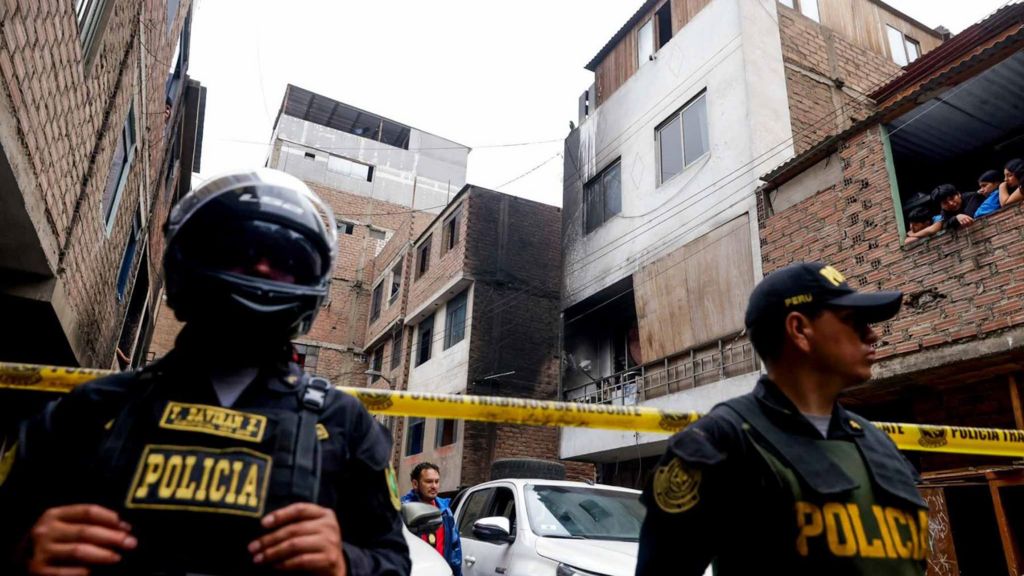
    A devastating early-morning fire has claimed the lives of 10 people from a single extended family, five of them children, in a residential neighborhood of Peru’s capital city Lima, national law enforcement officials have confirmed. General Oscar Arriola, a senior leader with the Peruvian National Police, confirmed that the inferno tore through the family’s property in Lima’s southern La Victoria District in the early hours of Wednesday local time.

    The toll of the disaster breaks down to five children between the ages of 3 and 15, four adult family members aged 29 to 72, and a 10th victim whose age has not yet been publicly released. Two additional people were hurt in the blaze, and authorities have detailed the severe destruction caused by the fire: all 10 victims’ bodies were burned beyond recognition, requiring additional forensic work to formally identify them.

    When the fire broke out at approximately 3:00 a.m. local time (8:00 a.m. GMT), 17 members of the family were inside the multi-use property. Seven of those inside were able to escape the spreading flames without fatal injury, according to reporting from Infobae news outlet.

    Investigators are now working to unpack credible leads that the fire was intentionally set, amid growing reports that the family was targeted in an extortion plot. Local reporting confirms the family operated a local mattress manufacturing business from the property and also owned a fleet of electric motorcycles. Neighbors told Peru’s official Andina News Agency that unknown attackers first set fire to the motorcycles parked outside the building. The flames quickly spread to the building itself, fueled by the large stock of flammable mattress-making materials stored on site.

    Prior to the attack, family members had reportedly received repeated threats demanding they pay illegal extortion payments to criminal groups. In the wake of the tragedy, Peruvian National Police announced it would deploy a sustained, significant security presence around the burned property to prevent further criminal activity at the site. The force also released an official statement acknowledging the national impact of the mass killing, writing, “Today, all of Peru falls silent in the face of a tragedy that plunges our nation into mourning.”