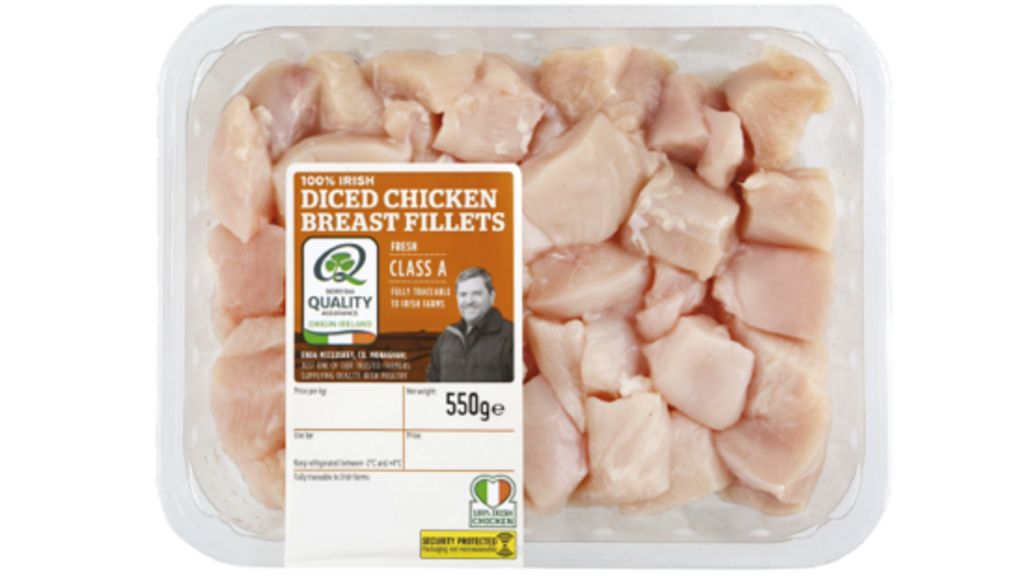
The Food Safety Authority of Ireland (FSAI) has issued a public recall notice for two batches of private-label Irish chicken breast products sold at Lidl Ireland over confirmed detection of salmonella, a pathogenic bacteria that causes foodborne illness. Even though the affected products carry an April 12 use-by date, the regulator stressed that the batches were marketed as suitable for home freezing, meaning many consumers may still store the unconsumed chicken in their freezers long after the printed expiration date. The two impacted items are Lidl Ireland’s 291-gram Free Range 100% Irish Chicken Breast Fillets, and 550-gram packs of 100% Irish Diced Chicken Breast Fillets, both with the April 12 use-by date. FSAI has issued a direct warning to shoppers across the Republic of Ireland: check frozen food storage immediately, and do not consume any of the recalled chicken if it is found. The authority outlined key details about salmonella infection for public awareness: most people develop symptom onset between 12 and 36 hours after exposure to the bacteria, but the incubation window can range from 6 hours to 3 full days. As of the announcement, officials have reached out to the Food Standards Agency and Lidl Northern Ireland to investigate whether any contaminated batches have been distributed to stores in Northern Ireland, with results still pending. To help the public understand salmonella risks, FSAI also shared general public health guidance: the bacteria is a common foodborne pathogen that targets the intestinal tract, and infection often leads to food poisoning with hallmark symptoms including fever, stomach cramping, diarrhea, and vomiting. It is frequently linked to a range of common food sources such as raw or undercooked poultry and meat, raw eggs, unwashed fresh produce, and unpasteurized dairy products. This recall highlights the ongoing importance of checking recalled food stocks even after use-by dates pass, especially for products intended for long-term freezing.