作者: admin

  • Why Turkey’s new opposition party is both good and bad news for Erdogan

    Why Turkey’s new opposition party is both good and bad news for Erdogan

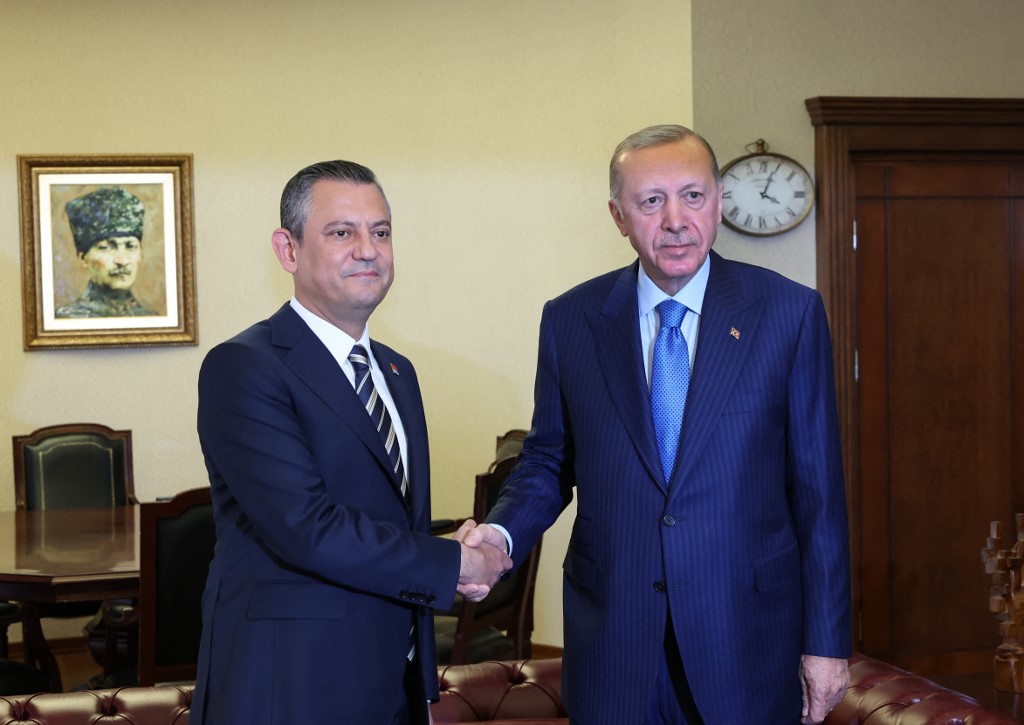
    Turkey’s fractured main opposition bloc entered a new phase of upheaval this week, when former Republican People’s Party (CHP) chairman Ozgur Ozel announced plans to formally launch a new political force — named Yeni Parti, or New Party — on Monday, capping months of escalating internal and judicial conflict that has gutted the decades-old CHP.

    The schism traces back to the CHP’s historic victory in the 2024 Turkish local elections, where the party swept most of the country’s major urban centers and claimed the largest share of the national vote, positioning it as the most credible threat to President Recep Tayyip Erdogan’s long-running rule ahead of the 2028 presidential and parliamentary polls. Within months, a wave of judicial investigations targeted CHP leadership and elected officials, leading to the arrest of 26 CHP mayors on corruption charges — including Ekrem Imamoglu, the widely popular mayor of Istanbul.

    A separate legal case accused Ozel of securing the CHP chairmanship through bribery and improper lobbying. In May, a Turkish court annulled the party congress that elected Ozel, removed him from office, and reinstated former CHP leader Kemal Kilicdaroglu as interim pending the outcome of Ozel’s appeal. Since his return, Kilicdaroglu has rejected repeated calls from party members to hold an extraordinary congress to resolve the leadership dispute, instead purging senior party officials aligned with Ozel and Imamoglu. Many Ankara-based political analysts suspect Kilicdaroglu’s reinstatement was quietly supported by Erdogan’s ruling Justice and Development Party (AKP) as part of a deliberate strategy to split the opposition. To date, the judicial pressure and internal chaos have already pushed several sitting CHP mayors to defect to the AKP.

    As the party’s power struggle intensified, Ozel opted to break away entirely, building a new movement that is expected to draw the vast majority of the CHP’s sitting lawmakers and provincial leadership. Reports indicate that 94 of the CHP’s 135 members of parliament and 74 of its 81 provincial chairs will join Ozel’s new party. A small group of Ozel-aligned officials will remain in the original CHP, however, to block Kilicdaroglu from consolidating full control over the remaining rump party.

    The split has created a complex new political calculus for Erdogan, carrying both clear short-term advantages and long-term risks for his bid to retain power in 2028. In the immediate term, the divided opposition plays directly into the AKP’s strategic goals. The opposition already lost significant momentum after months of legal pressure on the CHP, and a split into rival factions leaves no unified challenger to Erdogan. If the fractured opposition fields multiple presidential candidates, political strategists widely expect that split to enable Erdogan to win outright in the first round of voting.

    This advantage has been compounded by Erdogan’s ongoing 2024 peace process with the Kurdistan Workers’ Party (PKK), which has pulled the pro-Kurdish Dem Party away from the broader opposition alliance, giving the government unobstructed political space to advance its corruption cases against CHP leaders. Polling also suggests that Kilicdaroglu retains very little support among the CHP’s original voter base: only 5 to 10 percent of CHP voters say they will remain with the party under his leadership. Multiple surveys indicate Ozel’s new party could capture more than 30 percent of the national vote, surpassing the AKP’s current support share — the CHP won 37 percent of the vote in the 2024 local elections.

    Still, even with this strong initial showing, the split could benefit Erdogan in parliamentary elections, where tightly contested constituencies often swing to the candidate or party with even a narrow lead. A pollster affiliated with the AKP told Middle East Eye that the new party’s initial momentum is likely to fade over time, and the AKP’s internal leadership sees Ozel as a preferable opponent to other potential challengers. Despite Ozel’s growing popularity, AKP strategists believe he would struggle to win a nationwide head-to-head contest against Erdogan. With Kilicdaroglu also expected to field his own presidential candidate, the opposition vote will be further fragmented, easing Erdogan’s path to victory.

    One major wild card in the current political equation is Mansur Yavas, the popular incumbent mayor of Ankara. Multiple independent polls consistently show Yavas leading Erdogan by 15 to 20 percentage points, making him the opposition’s strongest potential presidential candidate. Yavas has thus far signaled he intends to remain in the CHP, but Ozel-aligned officials privately warn that Yavas could face his own corruption investigations if he solidifies his position as the leading opposition challenger. Erdogan’s current approval rating sits between 35 and 40 percent, but polling analysts note he could push that figure close to 50 percent through a well-executed populist campaign ahead of 2028.

    Despite these short-term gains for the ruling party, the emergence of Ozel’s new party carries significant long-term risks for Erdogan and the AKP. For decades, Erdogan built successful election campaigns by framing the CHP as an elitist, bureaucratic, statist movement disconnected from ordinary Turkish voters, tying it to unpopular historical policies such as the university headscarf ban. That messaging has resonated deeply with conservative and Islamist constituencies for decades. Ozel’s new party carries none of the CHP’s historical baggage, leaving it free to build a cross-spectrum coalition.

    If Ozel succeeds in building a broad center-left movement that unites voters across Turkey’s political divide, while rolling out a credible policy platform focused on restoring independent institutions and repairing Turkey’s struggling economy, the new party could emerge as a formidable long-term challenger to AKP rule. A recent joint poll conducted by the IstanPol think tank and Rawest Research, which surveyed 1,985 respondents across 20 Turkish cities between July 3 and 10, found that 55.9 percent of all respondents believe the new party can succeed. Support for the project is particularly high among opposition voters: 81 percent of CHP supporters, 72 percent of Dem Party voters, and 61 percent of nationalist IYI Party voters expressed confidence in the new party. Notably, even 67 percent of voters from the AKP’s coalition partner, the Nationalist Movement Party (MHP), and 45 percent of AKP voters said they believe the new party can achieve full or partial success.

    Political analysts argue the new movement has an opportunity to avoid the organizational weaknesses that have long hampered the CHP, including an overcentralized structure that relies on tightly controlled local branches with little engagement with broader civil society. Kemal Buyukyuksel, an analyst at George Mason University, wrote for independent outlet Progresif that the new party should not model itself on traditional, centralized political organizations. Instead, he argued, it can function as a broad political space that incorporates elements of civil society and grassroots social movements. “Instead of being a machine that plans everything from the central office, the party can become a platform that opens up space for social initiatives emerging in different places, connects them, and gives them a common political direction,” Buyukyuksel explained.


  • EU clears $110bn Paramount and Warner Bros merger, but it remains on hold in US

    EU clears $110bn Paramount and Warner Bros merger, but it remains on hold in US

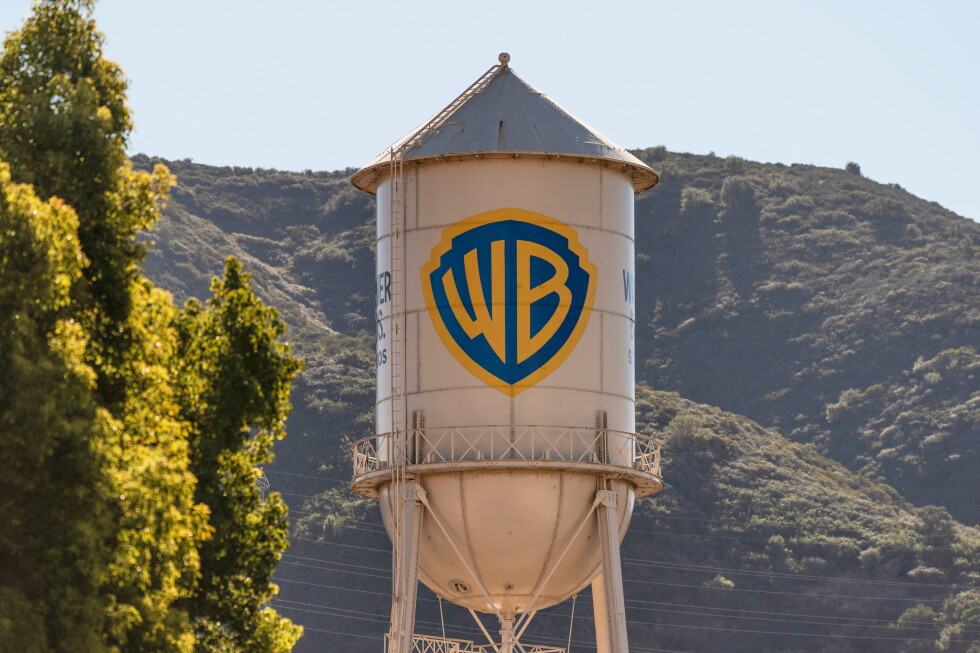
    One of the largest media mergers in recent history has passed a critical European regulatory hurdle, but the $110 billion combination of Paramount Skydance and Warner Bros Discovery remains entangled in legal and political pushback in the United States, putting the entire deal at risk of costly delays. The European Commission, the European Union’s top competition watchdog, announced last week that it had approved the transaction after Paramount agreed to sweeping concessions to address anti-competition concerns. To satisfy regulators, Paramount committed to terminating its long-standing film distribution partnership with rival studio Universal Pictures across the European Economic Area within 13 months, and is barred from entering any similar joint distribution arrangement for a 10-year period. Regulators had raised alarms that the existing partnership, combined with the scale of the merged media giant, would create an unrivaled hold over European cinema release scheduling and distribution, reducing competition and limiting options for audiences and theater operators. While the EU green light marks a major milestone for the deal, it only resolves one of multiple global regulatory and legal challenges. In the United States, the merger is currently on ice after a coalition of 12 state attorneys general filed a lawsuit last week to block the transaction entirely. Though the U.S. Department of Justice signaled its support for the merger back in June, the states’ lawsuit argues that the combined company would wield excessive market power that would inflict widespread damage on independent movie theaters, domestic basic cable providers, and ultimately consumers across the country. Just days after the lawsuit was filed, U.S. District Judge Araceli Martínez-Olguín granted a temporary restraining order to pause the takeover, allowing time for the court to review the states’ legal claims. Alon Kapen, a corporate transaction attorney at New York-based law firm Farrell Fritz, noted that the temporary pause is not a final ruling on the case, but it indicates the court takes the states’ arguments about harm to the theatrical exhibition market seriously. Beyond the immediate legal standoff, delays come with steep financial consequences for Paramount. The merger agreement includes a provision that requires Paramount to pay a so-called “ticking fee” of approximately $7 million per day to Warner Bros Discovery shareholders if the transaction is not finalized by the September 30 deadline. This penalty structure means even a two-week delay would add $98 million to Paramount’s acquisition costs, while a multi-month delay could run into hundreds of millions of dollars in additional expenses. The merger also faces fierce opposition from organized labor in Hollywood: the Writers Guild of America (WGA), the union representing film and television writers in the U.S., has come out strongly against the deal, warning it will lead to widespread job cuts and suppress writer wages. In an official statement released after the states filed their lawsuit, WGA president Tom Fontana argued that the merged company would hold unprecedented bargaining power over creative talent, allowing it to push down compensation and cut back opportunities for new and emerging writers. On top of the U.S. legal challenge, regulators in the United Kingdom are still conducting their own independent review of the merger. UK watchdogs have raised specific concerns about the impact on domestic news programming, children’s content, and competition in the global streaming market, and have not ruled out launching their own intervention to block or modify the deal. For its part, Paramount has defended the merger consistently, arguing that the combination of the two studios will ultimately deliver greater value to audiences. The company has pledged that the merged entity will release at least 30 new feature films to cinemas globally every year, double the number of theatrical releases Paramount currently produces annually, a commitment it says will boost the global film exhibition industry and give audiences more high-quality theatrical content.

  • Fire kills 10 members of same family in Peru, police say

    Fire kills 10 members of same family in Peru, police say

    A devastating early-morning fire has claimed the lives of 10 people from a single extended family, five of them children, in a residential neighborhood of Peru’s capital city Lima, national law enforcement officials have confirmed. General Oscar Arriola, a senior leader with the Peruvian National Police, confirmed that the inferno tore through the family’s property in Lima’s southern La Victoria District in the early hours of Wednesday local time.

    The toll of the disaster breaks down to five children between the ages of 3 and 15, four adult family members aged 29 to 72, and a 10th victim whose age has not yet been publicly released. Two additional people were hurt in the blaze, and authorities have detailed the severe destruction caused by the fire: all 10 victims’ bodies were burned beyond recognition, requiring additional forensic work to formally identify them.

    When the fire broke out at approximately 3:00 a.m. local time (8:00 a.m. GMT), 17 members of the family were inside the multi-use property. Seven of those inside were able to escape the spreading flames without fatal injury, according to reporting from Infobae news outlet.

    Investigators are now working to unpack credible leads that the fire was intentionally set, amid growing reports that the family was targeted in an extortion plot. Local reporting confirms the family operated a local mattress manufacturing business from the property and also owned a fleet of electric motorcycles. Neighbors told Peru’s official Andina News Agency that unknown attackers first set fire to the motorcycles parked outside the building. The flames quickly spread to the building itself, fueled by the large stock of flammable mattress-making materials stored on site.

    Prior to the attack, family members had reportedly received repeated threats demanding they pay illegal extortion payments to criminal groups. In the wake of the tragedy, Peruvian National Police announced it would deploy a sustained, significant security presence around the burned property to prevent further criminal activity at the site. The force also released an official statement acknowledging the national impact of the mass killing, writing, “Today, all of Peru falls silent in the face of a tragedy that plunges our nation into mourning.”

  • Miami mistakenly post James ‘introductory’ video

    Miami mistakenly post James ‘introductory’ video

    One of the greatest basketball players in NBA history, 41-year-old LeBron James, is currently weighing his options for the 2026-2027 season, his 24th campaign in the league, after officially stepping away from the Los Angeles Lakers last month. But an unexpected administrative error from the Miami Heat has thrown fuel onto rampant speculation that James could be returning to the franchise he once led to two NBA championships.

    Last Tuesday, the Miami Heat’s official YouTube channel accidentally published a scheduled link for a live-streamed “introductory press conference” announcing James, with the event dated for July 27. The link was quickly removed after drawing attention from fans and media outlets. A spokesperson for the Heat confirmed to Reuters that the premature post was a mistake made by front-office staff who were prepping contingency materials for the potential scenario that James ultimately signs with the franchise. BBC Sport has also reached out to the Heat for additional comment on the incident, as of press time.

    James first departed the Cleveland Cavaliers in 2010 to join the Miami Heat, where he played four seasons and claimed two NBA titles before returning to his home-state Cavaliers in 2014. After eight seasons with the Los Angeles Lakers that included a 2020 NBA championship — the fourth of James’ career — the forward announced his exit from the Lakers in June 2026. A 22-time NBA All-Star, James holds the league’s all-time records for both total points scored (43,440) and regular-season games played (1,622), and he posted solid averages of 20.9 points, 7.2 assists, and 6.1 rebounds per game during the 2025-2026 season.

    A James homecoming would immediately make the Heat serious title contenders for the upcoming season. Miami already pulled off a blockbuster trade this offseason to acquire two-time MVP Giannis Antetokounmpo from the Milwaukee Bucks, pairing him with star center Bam Adebayo. Adding a future Hall of Famer like James would create one of the most dominant starting lineups in the league, building on the Heat’s aggressive offseason rebuild, which saw the franchise trade away multiple key rotation players to land Antetokounmpo, with the clear goal of competing for a championship as quickly as possible.

    Despite widespread speculation, James has declined to rush a decision on his next team, according to his agent Rich Paul. Speaking earlier this week on the *Game Over with Max Kellerman and Rich Paul* podcast, Paul emphasized that the four-time champion is taking his time to weigh all options. “He is not going to be rushed into making a decision,” Paul said. “It’s his choice to make, and when he makes the choice, he’ll make it.”

  • Earnings at Musk’s car company fall as research spending cuts into profit from selling cars

    Earnings at Musk’s car company fall as research spending cuts into profit from selling cars

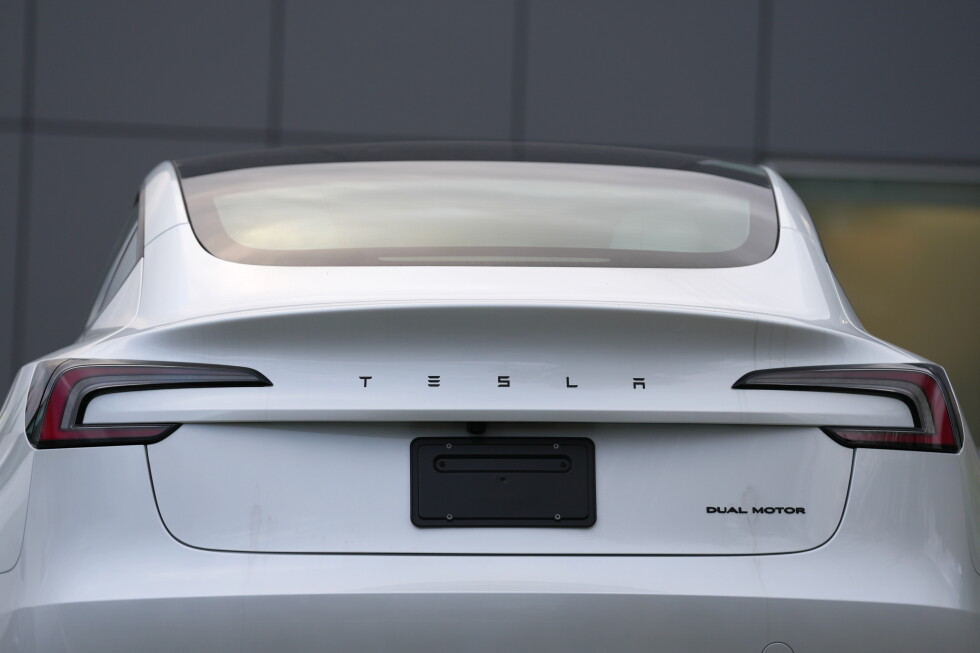
    Electric vehicle giant Tesla revealed Wednesday that second-quarter net income declined year-over-year, driven by a sharp 49% jump in research and development spending that offset revenue gains from stronger-than-expected vehicle sales. The Austin, Texas-based automaker posted $1.11 billion in net profit, or 32 cents per share, for the April-to-June period. Adjusted for one-time items, earnings hit 33 cents per share, falling far short of the 53 cent per share consensus forecast compiled by financial data provider FactSet. Despite the profit miss, total revenue climbed 26% year-over-year to $28.24 billion, outpacing analyst predictions of $26.42 billion.

    While Tesla’s core automotive segment delivered a solid performance, the company is diverting billions in capital toward long-term growth initiatives that CEO Elon Musk has framed as the future of the business: building out infrastructure and artificial intelligence software for its upcoming robotaxi fleet and Optimus humanoid robotics program. R&D spending rose to $2.37 billion in the quarter, marking the highest level the company has recorded in at least the past four quarters.

    “We’re investing a lot in growing the core business and really preparing for the future,” Musk told analysts during a post-earnings conference call, adding that the current wave of spending will ultimately deliver “incredible returns” down the line.

    CFO Vaibhav Taneja confirmed that capital expenditures will continue climbing through the second half of 2025, pushing full-year spending above $25 billion. He projected that capital spending will keep growing for the next two to three years, as the company scales AI computing capacity, expands production capacity for Optimus, and rolls out the network required to support commercial robotaxi operations.

    In the hours after the earnings release, Tesla shares dropped 4.1% in after-hours trading. The stock already closed 1.3% lower during regular trading, leaving it down just under 17% for the year to date.

    The stronger-than-expected revenue follows Tesla’s better-than-forecast vehicle delivery numbers released earlier this month: the automaker moved 480,216 units in the second quarter, a 25% year-over-year increase that marked the second consecutive quarterly gain. This sales rebound marks a notable turnaround from 2024, when the company faced a consumer boycott in Europe tied to Musk’s public endorsement of far-right political candidates, which dragged down sales. Earlier this year, Tesla lost its long-held title as the world’s top-selling electric vehicle maker to China-based BYD after two straight years of declining annual sales.

    Most of Tesla’s Q2 deliveries were its volume Model 3 sedan and Model Y crossover SUV, which saw higher demand after the company cut prices and introduced lower-cost variants last year, paired with reduced leasing and loan costs for European consumers. Overall EV sales in Europe also received a broad boost from rising gasoline and diesel prices spurred by the ongoing Iran conflict, which lifted demand for Tesla’s vehicles alongside other EV brands.

    Beyond its core vehicle sales, Tesla also recorded growth in two supplementary business lines. Its energy generation and battery storage division notched $3.14 billion in revenue, a 13% year-over-year gain. Subscriptions for its premium Full Self-Driving (Supervised) driver assistance system also continued growing, with the global subscriber base now reaching nearly 1.5 million, most located in the United States.

    Tesla offered a handful of updates on its upcoming products Wednesday: the company has already launched its limited robotaxi trial in seven major U.S. metropolitan areas, and it expects to begin mass production of the Optimus humanoid robot before the end of the year. Production of the Cybercab autonomous vehicle has already started at the company’s Texas factory, while the Tesla Semi electric heavy-duty truck is on track to enter production this year at Tesla’s Nevada facility.

    Executives declined to share specific timelines for mass deployment of robotaxis and Cybercabs on public roads, with Musk emphasizing that the company plans to prioritize safety over rapid expansion. “We’re working on what we believe is the most ambitious buildout of advanced infrastructure manufacturing capacity ever in history,” Musk said. “Our goals are very ambitious for robotaxi, but we do need to be cautious about causing any accidents or causing any harm to anyone.”

  • European Union gives its greenlight to Paramount and Warner’s mega merger with some conditions

    European Union gives its greenlight to Paramount and Warner’s mega merger with some conditions

    The European Union has given regulatory approval to Paramount Group’s $81 billion acquisition of Warner Bros. Discovery this week, marking a key breakthrough for the mega-merger that stands to reshape the global entertainment and media industry. But the greenlight from Brussels does not come without significant strings attached.

    As the EU’s top antitrust regulatory body, the European Commission concluded after its review that a combined Paramount-Warner entity would still leave sufficient competitive space across most key markets in the bloc’s 27 member states, including feature film production and subscription streaming. However, regulators flagged a critical risk of excessive market concentration in theatrical film distribution, which they warned could lead to less favorable rental and distribution terms for local cinema operators — a shift that would ultimately harm European consumers.

    To resolve these competition concerns, the Commission announced that Skydance-owned Paramount has committed to divesting its full stake in United International Pictures (UIP) across the European Economic Area. UIP is a long-standing joint distribution venture between Paramount and Universal Pictures, which Paramount has relied on for decades to distribute its theatrical releases across markets outside North America. Under the terms of the approval, Paramount must fully exit the partnership within 13 months of closing the Warner Bros. Discovery acquisition, and is barred from entering any new similar distribution agreements with Universal for a 10-year period. An additional requirement mandates that all existing Warner Bros. theatrical distribution arrangements in the region be transitioned to Paramount’s existing European distribution pipeline. The Commission noted that its approval remains conditional on full compliance with these pledges, and that it will actively monitor implementation, though it declined to share additional details on enforcement mechanisms.

    Paramount has framed the EU’s approval as a major milestone on the path to completing the transformative deal. In an official statement released Wednesday, the company argued that the regulatory clearance confirms its position that the combined entity will expand consumer choice and build a scaled media powerhouse capable of competing with the large tech firms that now dominate the global streaming and entertainment sector. Universal Pictures has not yet issued any public response to requests for comment on the new distribution commitments as of Wednesday.

    If completed, the merger will bring together some of the entertainment industry’s most iconic intellectual properties and major platforms under one corporate roof: Warner Bros. Discovery’s HBO Max streaming service, the *Harry Potter* franchise and global news outlet CNN will be merged with Paramount’s existing assets, including the CBS broadcast network, the *Top Gun* franchise, and the Paramount+ streaming service. Beyond film and streaming, the combined company will also hold a portfolio of established European media assets, including Warner’s TVN Group in Poland and Paramount’s localized regional channels for flagship brands like MTV and Nickelodeon.

    While the EU clearance moves the merger one step closer to closing, significant obstacles remain, most notably a major legal challenge in the United States. Earlier this week, a U.S. federal judge issued a temporary restraining order ordering a minimum two-week pause on all transaction activities, in response to a lawsuit filed by California and 11 other U.S. states that is seeking to block the merger entirely. The states argue that the combination would eliminate critical competition in Hollywood, leading to fewer content choices for American consumers, especially for moviegoers and cable television subscribers.

    Paramount has repeatedly dismissed the states’ claims as without legal merit, and reiterated that position Wednesday, pointing out that the EU’s competition findings directly contradict core arguments underpinning the state attorneys general’s complaint, particularly around the competitive capacity of smaller and newer independent film studios. The transaction will remain on hold until at least the preliminary injunction hearing, scheduled to take place on August 3. In granting the temporary pause earlier this week, U.S. District Judge Araceli Martínez-Olguín ruled that the states had presented a compelling argument that the merged entity would likely substantially reduce competition in relevant U.S. markets, and that allowing the merger to proceed without a pause would make it extremely difficult, if not impossible, to unwind the transaction if the court ultimately sided with the states.

    In a notable split with state regulators, the U.S. Justice Department — led by the current Trump administration — has declined to block the deal, and even released an extensive formal statement supporting the merger. The Justice Department argued that the combination of Paramount and Warner Bros. Discovery will deliver tangible benefits for both American consumers and workers. To date, Paramount has already secured regulatory approvals from multiple major jurisdictions including Australia, China and Canada. Regulatory reviews are still ongoing in other markets, with the United Kingdom already signaling that it may launch a formal intervention to review the deal.

    The merger carries growing financial pressure for Paramount, which has agreed to pay Warner Bros. Discovery shareholders a daily “ticking fee” of roughly $7 million if the deal is not finalized by the September 30 deadline. When including Warner Bros. Discovery’s outstanding debt, the total transaction value is nearly $111 billion based on current share counts.

    Separately, European regulators also signed off on the billions of dollars in financial backing Paramount has secured from three Gulf sovereign funds, based in Saudi Arabia, Qatar and the United Arab Emirates. In regulatory filings, Paramount has stressed that the funds will hold no voting rights in the combined company, but critics have raised persistent concerns over the potential for undisclosed behind-the-scenes influence from the foreign state backers.

  • Moment research team gets first look at Pan Am plane wreckage after 74 years

    Moment research team gets first look at Pan Am plane wreckage after 74 years

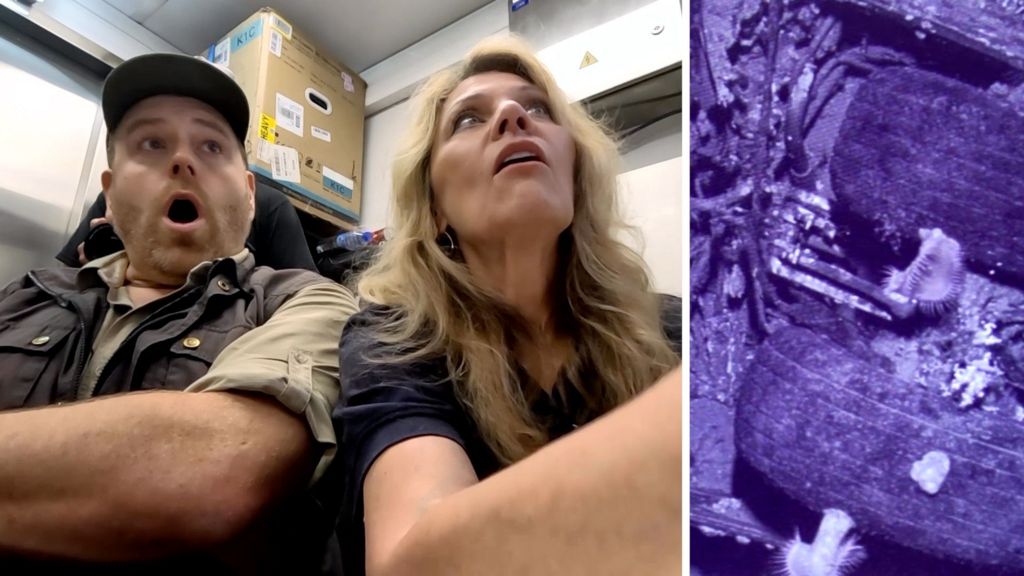
    Seventy-four years after a catastrophic mid-flight disaster sent a historic Pan American World Airways seaplane to the bottom of the Caribbean Sea, a research team has finally succeeded in capturing the first clear views of the aircraft’s resting place. The plane, officially named the Clipper Endeavor, met its tragic end off the northern coast of Puerto Rico on April 11, 1952, when a catastrophic multi-engine failure left the aircraft unable to maintain altitude. In the decades following the crash, the exact location and condition of the wreckage remained a mystery to historians, aviation experts, and descendants of those involved in the incident. Recent advances in deep-sea mapping and underwater exploration technology allowed the research team to pinpoint the debris field and document the aircraft’s remains for the first time since it sank. The discovery offers long-awaited new insights into one of Pan Am’s lesser-known early commercial aviation accidents, opening new opportunities for historical research and preservation of the site. For communities connected to the crash, the first glimpse of the wreckage after three-quarters of a century closes a long chapter of uncertainty around the disaster.

  • UK hosting ‘discreet’ Sudan event featuring RSF and UAE representatives

    UK hosting ‘discreet’ Sudan event featuring RSF and UAE representatives

    A closed-door Sudan-focused gathering organized by the UK Foreign, Commonwealth and Development Office at the Wilton Park conference facility has sparked sharp international criticism after independent outlet Middle East Eye exposed that a senior leader from the political wing of Sudan’s Rapid Support Forces (RSF) will attend the event – while the country’s internationally recognized army-backed transitional government has been excluded from the agenda.

    Multiple verified British and Sudanese sources confirm that Nasredeen Abdulbari, a top figure in the RSF-aligned Tasis political coalition, will participate in the three-day conference, which kicked off Wednesday, alongside an official delegation from the United Arab Emirates. Sources familiar with the event’s planning describe the gathering as intentionally kept “discreet,” with no public listing on Wilton Park’s official event schedule, a departure from the facility’s standard transparency practices for most of its dialogues.

    The controversial invitation to the RSF representative and UAE delegates follows damning recent testimony to a UK parliamentary committee from Nathaniel Raymond, executive director of Yale University’s Humanitarian Research Lab. Raymond publicly accused the UK government of prioritizing its close strategic and economic ties with the UAE over taking meaningful action to halt widespread atrocities in Sudan’s ongoing civil conflict.

    Sudan has been locked in a brutal civil war since April 2023, pitting the RSF paramilitary group against the country’s formal Sudanese Armed Forces (SAF). The RSF, which the United Nations, United States and multiple independent human rights bodies have formally accused of perpetrating genocide in Sudan’s Darfur region, has long been documented receiving military and political backing from the UAE – a claim the UAE has repeatedly denied despite growing open source evidence. The SAF, by contrast, receives external support from Egypt and Turkey.

    In a striking contradiction of the UK’s public posture on the Sudan conflict, British officials joined a joint statement with other European nations in June 2024 that openly condemned RSF atrocities, specifically referencing the group’s October 2023 seizure of el-Fasher, the capital of North Darfur. The statement noted that UN assessments found the violence carried out during that assault carried “the hallmarks of genocide,” with witness accounts collected by Middle East Eye confirming systemic rape, summary executions, and extortion of civilian populations by RSF fighters.

    Beyond Abdulbari and the UAE delegation, Wilton Park officials have confirmed that representatives from several other Gulf states will also take part in the closed conference. Founded in the aftermath of World War II to foster open democratic dialogue between global stakeholders, Wilton Park brands itself as the UK’s “foremost multilateral facilitator” and acts as an official expert body for the UK government to convene sensitive international policy discussions.

    When reached by Middle East Eye for clarification on attendee lists and the purpose of the confidential gathering, the UK Foreign, Commonwealth and Development Office declined to issue any comment. A senior foreign office source, speaking on condition of anonymity, only confirmed that the event was proceeding as planned, and a Wilton Park staff member also verified that the conference was scheduled and underway at the facility’s Wiston House estate in West Sussex.

    The exclusion of Sudan’s official Transitional Sovereignty Council has drawn fierce condemnation from the Sudanese government. Amgad Fareid Eltayeb, a senior adviser to the council, slammed the UK’s decision as inconsistent with its public rhetoric around human rights and accountability in Sudan.

    “We saw a lot of statements from the US and UK governments showing concern about what the RSF would do if they took el-Fasher. It’s the same rhetoric we still hear, the same talk… But while the British government is echoing concern about possible crimes committed by the RSF, a possible genocide committed by the RSF, they have invited RSF affiliates to England to discuss the future of Sudan,” Eltayeb told Middle East Eye.

    “Anything that needs to be discreet is hiding something that makes it necessary for it to be discreet. The UAE’s support for the RSF has been documented even by their own parliament, and so we have very little confidence or trust in what the British government is trying to do discreetly,” he added.

    Critics have also pointed to deep economic ties between the UK and UAE that may inform the UK’s approach to the Sudan conflict. Official trade data shows the UK has exported £422 million ($565 million) worth of arms to the UAE over the past three years, and independent open source investigations have already confirmed British-made military equipment originating from the UAE has been recovered from RSF fighters on Sudan battlefields.

    For Eltayeb, this creates an unmistakable pattern of contradictory behavior: “We can see a pattern of complicity here. They issue statements of concern about the RSF possibly committing genocide, then invite their leadership to discuss the future of Sudan.”

    A veteran British policy expert with decades of experience working on Sudanese peace negotiations, who spoke on condition of anonymity to avoid professional repercussions, called the exclusion of key Sudanese stakeholders from the conference “fairly outrageous.” The expert noted that many longstanding Sudanese peace advocates and experienced negotiators were not only uninvited but completely unaware the conference was being organized.

    The controversial gathering comes just 48 hours after former Labour Party leader Ed Miliband was appointed as the UK’s new foreign secretary in Prime Minister Keir Starmer’s new cabinet. Notably, Miliband did not mention Sudan or its ongoing civil war in his opening public address after taking office, as the new UK government has prioritized other pressing foreign policy issues including the war in Ukraine, rising tensions with Iran, and the ongoing conflict in Gaza. Miliband’s brother, David Miliband, currently serves as CEO of the International Rescue Committee, a major humanitarian organization operating in Sudan.

    Diplomatic sources, however, tell Middle East Eye that some Sudanese and international stakeholders hold tentative hope that Miliband will take a harder stance against the UAE’s role in fueling the Sudan conflict, which the UN has classified as the world’s worst current humanitarian crisis. More than a year into the war, official estimates place the death toll at hundreds of thousands, and over 14 million Sudanese have been displaced from their homes.

  • Iran war: What is Pickaxe Mountain and why does Trump want to attack it?

    Iran war: What is Pickaxe Mountain and why does Trump want to attack it?

    Escalating tensions in the Middle East have taken a sharp turn as former U.S. President Donald Trump has publicly threatened a forthcoming military strike on Pickaxe Mountain, a heavily fortified underground nuclear facility that lies at the heart of fresh Israeli claims about Iran’s contested nuclear program. Speaking on Tuesday, amid ongoing U.S. military operations targeting Iranian assets, Trump stated bluntly: “We’ll be hitting that area very probably pretty soon. And there’s not a thing they can do about it.”

    In response to the threat, Tehran has issued a stern warning that any attack on its sovereign nuclear facilities will trigger a broadening of the ongoing regional conflict, raising fears of a wider war that could engulf the entire Middle East. The core of the current dispute centers on Israeli allegations that Iran relocated enriched uranium stocks and advanced centrifuges to the Pickaxe Mountain facility after earlier joint U.S.-Israeli strikes damaged other key Iranian nuclear sites. Notably, Israel has yet to release any verifiable evidence to support these claims, and Trump himself has openly acknowledged that U.S. intelligence agencies cannot confirm Jerusalem’s assertion.

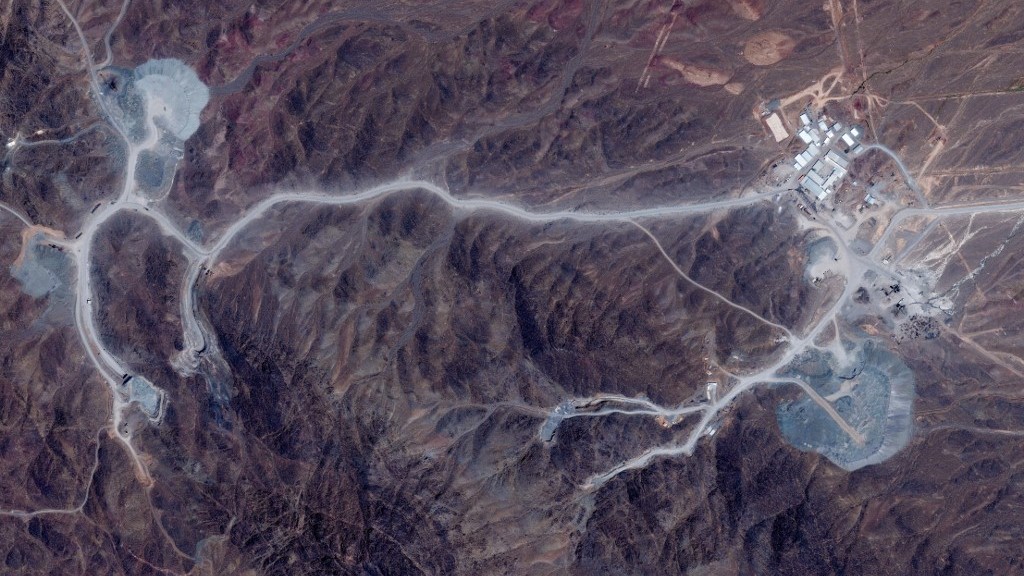
    Located just 1.6 kilometers south of the Natanz uranium enrichment complex in central Iran – a site that was heavily bombed by U.S. and Israeli forces in June 2025 – Pickaxe Mountain is purpose-built to withstand military attack. Carved at least 100 meters beneath the surface of Kuh-e Kolang Gaz La, a mountain named for the Persian word for “pickaxe”, the facility is nearly impervious to conventional air strikes and would pose enormous challenges to any ground incursion. Construction of the site first began in 2020, following a damaging explosion at a centrifuge assembly workshop within the original Natanz complex. Iran formally notified the International Atomic Energy Agency (IAEA) that the facility was intended to manufacture centrifuges for uranium enrichment operations.

    Analysis of satellite imagery conducted by the Institute for Science and International Security reveals an extensive network of tunnels, a broad heavily guarded security perimeter, and blast-resistant concrete-reinforced entrances designed to survive heavy air bombardment. As of current reporting, construction work remains ongoing, and no public evidence has emerged to confirm that the complex has begun full operations. Satellite imagery captured by Vantor on June 21, 2026, shows visible vehicle activity at the western entrance of the tunnel complex, confirming that work at the site has accelerated dramatically in the year following the June 2025 U.S.-Israeli attacks on Natanz and other Iranian nuclear sites.

    The Center for Strategic and International Studies has outlined two leading explanations for the increased activity at Pickaxe Mountain: Iran may be accelerating completion of the declared centrifuge assembly plant it initially announced, or it has simply moved critical nuclear operations to the secured underground site after other facilities were damaged in the earlier bombings.

    A key unresolved question hangs over the fact that the U.S. and Israel chose not to target Pickaxe Mountain during their 12-day offensive against Iranian nuclear infrastructure in 2025, raising doubts about the site’s purported strategic importance to Iran’s program at that time. During that earlier campaign, Israel first struck Iran’s core nuclear sites at Natanz, Isfahan and Fordow, killing multiple civilian Iranian nuclear scientists, before the U.S. joined the conflict, launching heavier bombing raids on the same three targets. Trump initially claimed the attacks had completely “obliterated” Iran’s nuclear capabilities, but subsequent assessments from U.S. and United Nations experts found that while the strikes caused extensive damage, significant portions of Iran’s nuclear program survived.

    Since the 2025 offensive, Washington and Jerusalem have focused intense pressure on Iran over its existing stockpile of nearly 450 kilograms of highly enriched uranium, demanding that Tehran either surrender the material or permanently dispose of it. When pressed by reporters on whether Iran had indeed moved advanced centrifuges to Pickaxe Mountain, Trump contradicted Israel’s unsubstantiated claims, admitting: “We don’t have it on record.”

    Iran has repeatedly denied conducting any undeclared nuclear activities at the Pickaxe Mountain site. The Iranian government maintains that its entire nuclear program is oriented toward peaceful civilian energy goals, and says it plans to expand its nuclear power fleet to meet growing domestic electricity demand, freeing up more of its oil reserves for export to global markets. The latest threat of a new strike has sent shockwaves through the international community, with experts warning that further escalation could have catastrophic consequences for global energy security and regional stability.

  • Houthis ‘Gate of Tears’ threat deepens global inflation grief

    Houthis ‘Gate of Tears’ threat deepens global inflation grief

    On July 20, Iran-aligned Houthi rebels based in Yemen delivered a provocative announcement that has sharpened tensions in the broader Middle East standoff: the group intends to enforce a full maritime embargo against Saudi Arabia, targeting all Saudi-flagged commercial vessels passing through the strategic Bab el-Mandeb Strait. Known colloquially as the “Gate of Tears” from its Arabic translation, this narrow waterway sits between northeastern Yemen and southwestern Djibouti and Eritrea, forming a critical chokepoint that links the Red Sea to the Gulf of Aden. Combined with the Red Sea and the Suez Canal, it creates one of the world’s most essential maritime trade arteries, connecting manufacturing and consumer markets across Europe, Asia, and the Pacific. Annually, 10 to 12 percent of all global maritime trade transits this route, making any disruption to traffic here a matter of international economic concern.

    This latest escalation comes at a uniquely vulnerable moment for Saudi Arabia’s energy exports. For months, ongoing security disruptions in the Strait of Hormuz—another major global chokepoint that traditionally carries roughly one-fifth of the world’s total oil and gas shipments—have pushed Riyadh to shift the bulk of its crude exports to the Red Sea corridor as a strategic alternative. Earlier this year, the kingdom completed maintenance work to restore full operating capacity to its east-west oil pipeline, which connects the major Abqaiq oil processing hub in eastern Saudi Arabia to the Red Sea port of Yanbu. Current data indicates that more than 70 percent of Saudi Arabia’s total crude oil exports now move through Yanbu, making the kingdom heavily reliant on safe passage through the Bab el-Mandeb Strait.

    In an official response issued shortly after the Houthi announcement, Saudi Arabia’s foreign ministry issued its strongest possible condemnation of the threats, confirming that the kingdom would deploy all necessary defensive and security measures to protect its commercial shipping traffic. However, analysts note that it remains unclear whether these measures will be sufficient to prevent disruptions. Historical precedent in the region shows that even unfulfilled threats of attack can significantly disrupt shipping activity, drive up operational costs, and delay cargo deliveries.

    At present, the Houthi embargo is limited exclusively to Saudi-registered vessels, rather than a full closure of the strait to all international traffic. But should the conflict escalate and the blockade be expanded to include ships from other nations, the impact would reverberate across global supply chains for everything from consumer electronics and manufactured goods to retail products and industrial machinery. For carriers that choose to avoid the Red Sea entirely, the only alternative route is a lengthy detour around South Africa’s Cape of Good Hope—a path that adds thousands of nautical miles to voyages, sharply increasing fuel costs and transit times.

    Beyond trade delays, the announcement has already triggered a sharp rise in marine insurance premiums for vessels transiting the Red Sea. Already, insurance costs for the Strait of Hormuz have surged to between 3 and 10 percent of a vessel’s hull value since regional tensions began escalating, adding millions of dollars in extra costs for single voyages. Industry reports confirm that Red Sea insurance rates have begun climbing in the wake of the Houthi announcement. These increased operational costs are almost always passed downstream to end consumers, adding new inflationary pressure to already strained global economies that are still recovering from multiple recent supply chain shocks.

    As of yet, there is no clarity on how effective the Houthi blockade will prove to be, nor whether the situation will escalate further in the coming weeks. For governments and businesses worldwide, the new threat has dashed early hopes that regional conflict-related economic disruptions would ease in the near term. Sanjoy Paul, associate professor of operations and supply chain management at the University of Technology Sydney’s Business School, notes that both public and private stakeholders need to continue strengthening supply chain resilience, evaluate long-term alternative shipping routes and sourcing options for critical commodities including crude oil. In the long term, Paul argues, the incident also underscores the urgent need to reduce global reliance on fossil fuels and accelerate the transition to renewable energy for transportation, logistics, and manufacturing sectors.