作者: admin

  • Sri Lanka targets up to 100,000 UAE tourists in the coming years

    Sri Lanka targets up to 100,000 UAE tourists in the coming years

    Sri Lankan diplomatic officials have unveiled an ambitious strategy to significantly increase tourist arrivals from the United Arab Emirates, targeting up to 100,000 visitors annually within the coming years. This initiative, spearheaded by Consul General Alexi Gunasekera in Dubai, represents a substantial escalation from the current baseline of approximately 20,000 UAE visitors recorded in recent periods.

    The comprehensive tourism development framework extends beyond conventional visitor attraction programs, emphasizing what officials term ‘developmental tourism’ – an approach designed to generate inclusive economic growth and sustainable infrastructure advancement. The strategy actively courts UAE investment across multiple sectors including tourism infrastructure, construction, logistics, and agricultural development.

    Sri Lanka’s proposition to potential investors includes enhanced governance structures, tax incentive packages, and streamlined service delivery mechanisms. The nation is concurrently implementing recovery measures following the devastating impact of Cyclone Ditwah, which caused billions in damages to tourism infrastructure and related sectors last year.

    Speaking at the recent ‘Invest Sri Lanka Investor Forum’ in Dubai, Gunasekera emphasized the nation’s reopening for both tourism and economic cooperation. Geographic advantages position Sri Lanka favorably, with approximately four hours flight time from the UAE and a diverse expatriate population representing substantial potential market segments.

    The economic rationale behind this tourism push is substantial. With a national GDP of $85 billion, Sri Lanka anticipates tourism to contribute approximately $5 billion annually, complementing the $7 billion in remittances from overseas workers. The tourism sector functions as an economic catalyst, generating both direct and indirect employment opportunities while supporting livelihoods across the island nation.

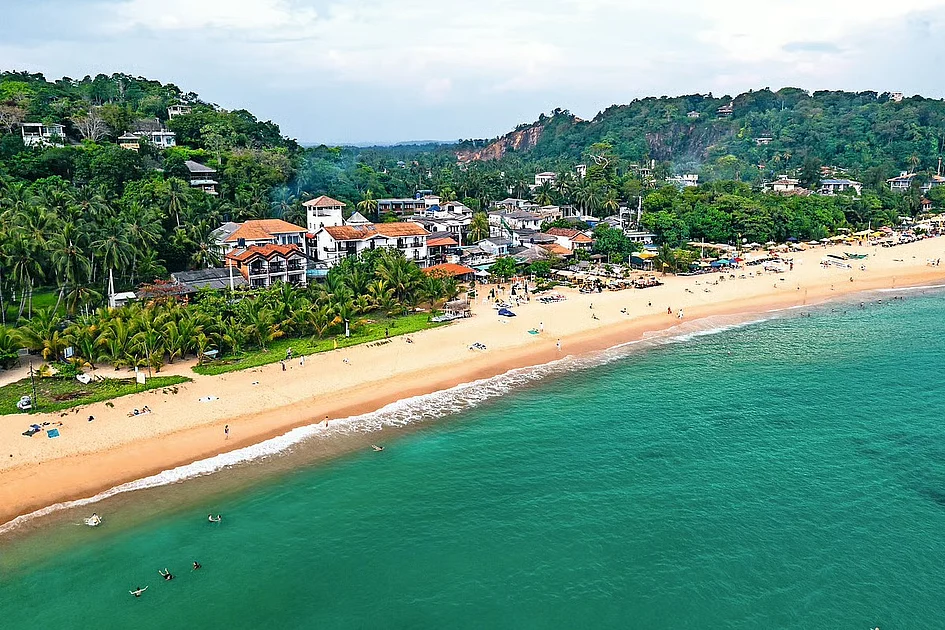
    Industry experts including Naveen Gunawardane of Lynear Wealth Management identify significant investment opportunities in resort development, particularly outside Colombo in coastal regions and cultural hotspots. Sri Lanka’s diverse attractions encompass ancient cultural sites, high-altitude tea plantations, wildlife experiences, and natural beaches, all within a compact island nation boasting over 2,500 years of recorded history.

  • Skipping doctor visits to save money? UAE experts say it can cost you more later

    Skipping doctor visits to save money? UAE experts say it can cost you more later

    Healthcare professionals in the United Arab Emirates are issuing urgent warnings about the dangerous trend of residents postponing medical care to reduce immediate expenses. As insurance premiums and out-of-pocket costs continue to rise, many individuals are opting to skip routine doctor visits, diagnostic tests, and preventive screenings—a strategy that experts confirm ultimately results in more severe health complications and substantially higher medical bills.

    Insurance specialists have observed concerning behavioral shifts among policyholders facing increased financial pressures. Anas Mistareehi, General Manager at E-sanad Insurance Brokers, noted that outpatient services typically become the first casualty of cost-cutting measures. ‘Patients frequently defer routine consultations or essential testing because each visit represents an immediate financial burden,’ Mistareehi explained. ‘This short-term approach often culminates in the development of more serious medical conditions requiring extensive treatment.’

    The most frequently neglected healthcare services include preventive screenings, blood tests, physiotherapy sessions, and mental health support—precisely the interventions that could identify and address health issues before they escalate. Mahdi Attya, Insurance and Commercial Strategy Leader at MSS Advisors, emphasized that chronic conditions such as diabetes, hypertension, and elevated cholesterol levels deteriorate without proper management. ‘Ignoring these conditions doesn’t make them disappear; it transforms them into acute problems demanding hospitalization and expensive long-term medication,’ Attya stated.

    Experts identify the selection of inadequate insurance plans as a critical error made by cost-conscious residents. Choosing cheaper policies frequently leads to restricted hospital networks, elevated co-payment requirements, and insufficient outpatient coverage—all of which can generate unexpected expenses reaching thousands of dirhams. Families with children and senior citizens face particular vulnerability due to their increased healthcare utilization patterns.

    Healthcare professionals stress that emergency care, chronic disease management, essential medications, and inpatient coverage should never be compromised regardless of financial considerations. Attya advises residents approaching insurance renewal periods to thoroughly evaluate their coverage options and seek professional guidance if necessary. ‘The fundamental principle remains unchanged: timely medical intervention proves both safer and more economical than deferred treatment that allows conditions to worsen,’ he concluded.

  • Chinese e-mobility company eyes US market for expansion

    Chinese e-mobility company eyes US market for expansion

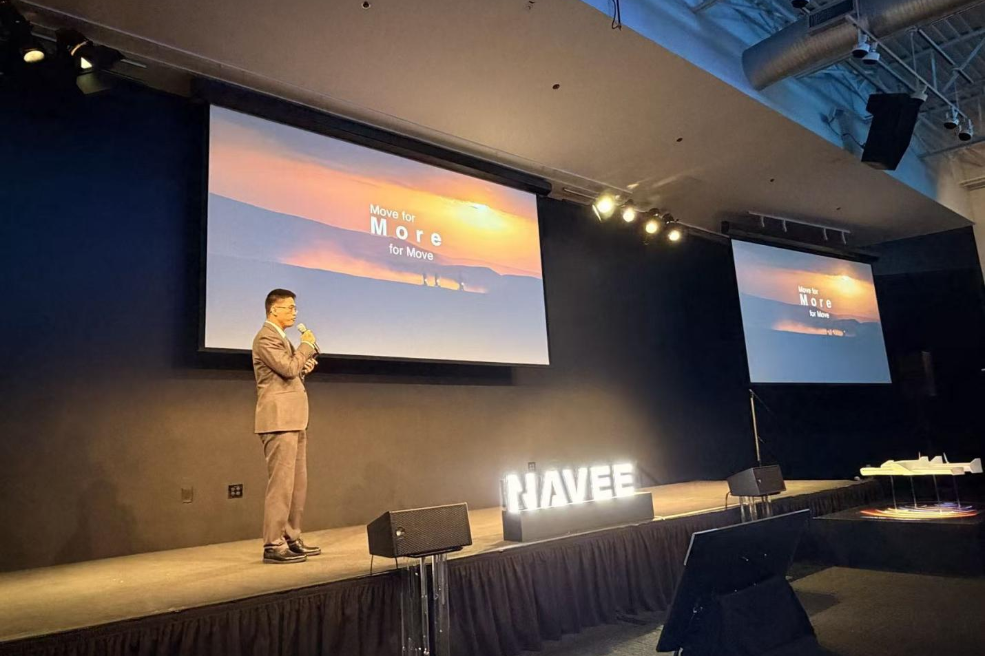
    Chinese electric mobility innovator NAVEE is strategically advancing into the United States market, introducing a suite of artificial intelligence-integrated transportation solutions during its recent product showcase in Mountain View, California. The 2021-established manufacturer, known for its electric scooters and golf carts internationally, unveiled groundbreaking prototypes including autonomous energy storage robots, exoskeleton systems, and futuristic aerial mobility devices.

    During Friday’s demonstration event, NAVEE USA Vice President Polo Huang presented the company’s vision for next-generation transportation infrastructure. The showcase featured multiple AI-driven innovations: a space-expanding trailer system, personal eVTOL (electric vertical take-off and landing) aircraft, and the flagship energy storage robot designed as a ‘mobile energy companion’ rather than conventional battery technology.

    According to NAVEE’s US Sales Manager Mauricio Magallon, the energy storage robot and exoskeleton technology are scheduled for American market deployment in the upcoming quarter, while other demonstrated concepts remain in extended development phases. The robotic energy system addresses three critical mobility challenges: autonomous movement, charging efficiency optimization, and intelligent gear management. Its solar-tracking capability enables dynamic power collection by following sunlight patterns throughout the day.

    The company’s strategic expansion represents China’s growing influence in global smart transportation markets, combining electric propulsion with artificial intelligence to create integrated mobility ecosystems. NAVEE’s approach emphasizes seamless energy management through robotic solutions that automatically follow users while providing on-demand power distribution.

  • WHO chief says US reasons for withdrawal ‘untrue’

    WHO chief says US reasons for withdrawal ‘untrue’

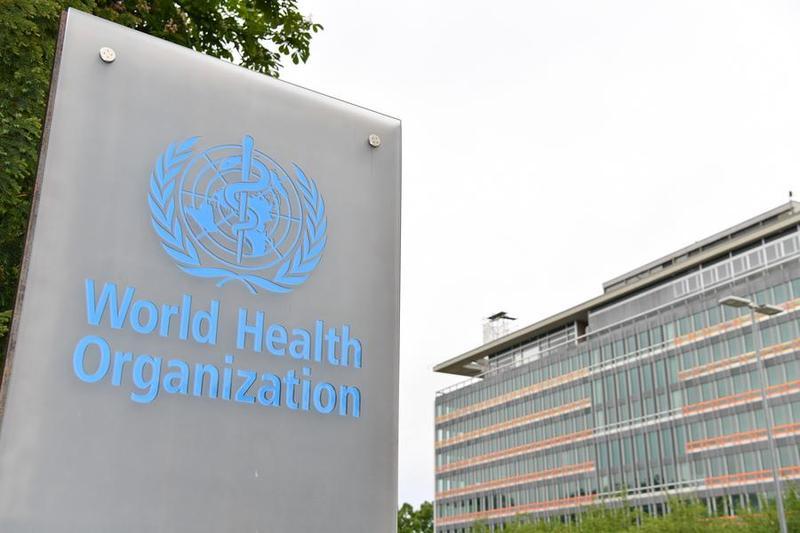
    In a striking rebuttal, World Health Organization Director-General Tedros Adhanom Ghebreyesus has publicly declared the United States’ rationale for withdrawing from the UN health agency to be fundamentally inaccurate. The WHO leader issued this condemnation through his official social media channel on Saturday, emphasizing that America’s departure would compromise both national and global security.

    The controversial withdrawal process, initiated by former President Donald Trump through an executive order signed on January 20, 2025, is now approaching its procedural conclusion. According to WHO regulations, the separation becomes official one year after formal notification is received by the United Nations, which occurred just two days following Trump’s executive action.

    Compounding the diplomatic rift, WHO press officials confirmed this week that the United States has failed to settle its outstanding financial obligations to the organization. The unpaid dues for the 2024-2025 biennium amount to approximately $278 million, as reported by U.S. media outlet National Public Radio.

    The formalization of America’s exit is scheduled for discussion during the WHO’s imminent Executive Board meeting. Organization representatives indicated that the Secretariat will proceed according to the guidance provided by its governing bodies regarding this unprecedented withdrawal by the agency’s traditional largest funder.

  • Climber Alex Honnold summits 101-floor skyscraper without safety gear

    Climber Alex Honnold summits 101-floor skyscraper without safety gear

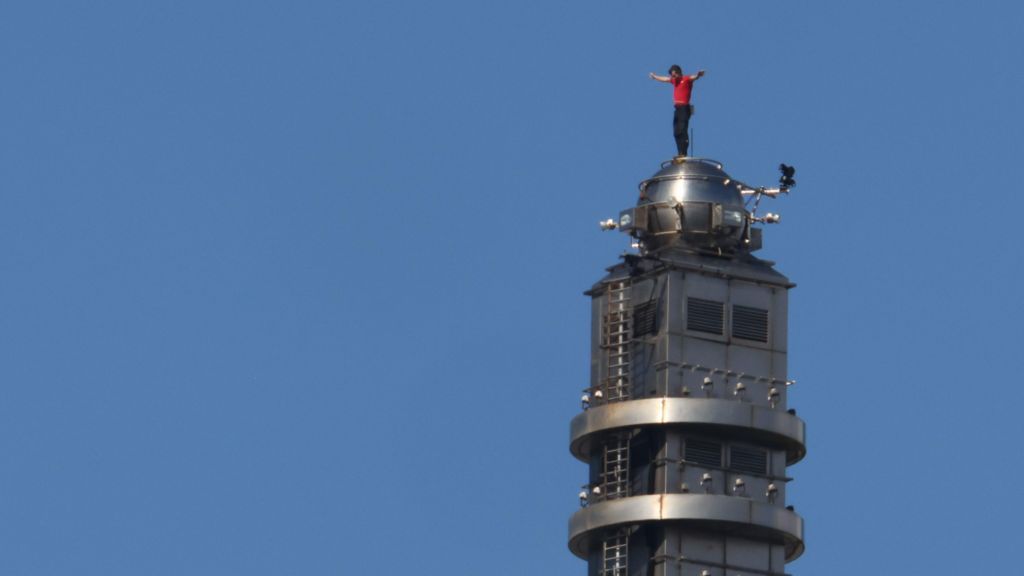
    In a breathtaking display of human endurance and concentration, American free solo climber Alex Honnold has conquered Taipei 101, one of the world’s tallest skyscrapers, employing no ropes, harnesses, or safety equipment. The daring ascent of the 508-meter (1,667-foot) tower in Taiwan’s capital was completed in a record-breaking one hour and thirty-one minutes.

    The climb, initially postponed from Saturday due to adverse weather conditions, was broadcast live with a strategic delay by Netflix. Honnold’s methodical progression up the bamboo-inspired glass and steel facade captivated a global audience. Upon reaching the summit, the climber succinctly celebrated his vertigo-inducing achievement with the exclamation, ‘Sick.’

    This remarkable feat more than halved the previous record set by French climber Alain Robert—nicknamed ‘Spiderman’—who scaled the then-world’s tallest building using safety ropes and a harness in four hours in 2004.

    The climb was not without its distractions. As Honnold approached the 89th floor, enthusiastic fans waved and cheered from behind the windows, creating an unexpected challenge. Undeterred, he continued his climb, a moment captured on video and shared widely on social media.

    Taiwan’s Vice President Hsiao Bi-khim publicly congratulated Honnold on X, humorously admitting the climb made her ‘feel sick, too, barely able to watch.’ Honnold was greeted at the top by his wife, who had expressed concerns about the challenging wind and heat conditions during his ascent.

    Honnold, who gained global fame as the first person to free solo El Capitan in Yosemite National Park—a feat documented in the Academy Award-winning film ‘Free Solo’—has once again redefined the limits of his extreme sport.

  • 2026 Australian of the Year Awards held in Canberra as winners announced

    2026 Australian of the Year Awards held in Canberra as winners announced

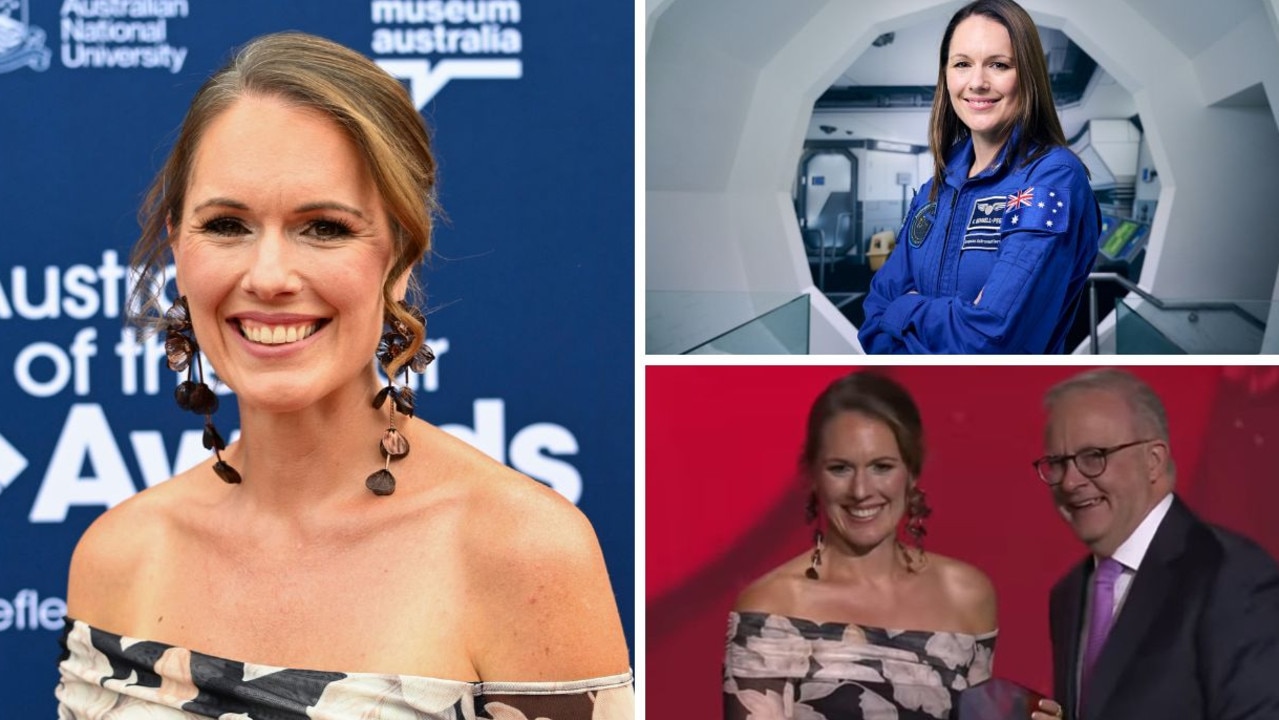
    In a landmark celebration of national excellence, Katherine Bennell-Pegg—Australia’s inaugural officially qualified astronaut—has been distinguished as the 2026 Australian of the Year. The prestigious accolade, announced at a formal ceremony in Canberra, recognizes her pioneering contributions to the nation’s burgeoning space sector and her role as an inspirational figure for future generations.

    Ms. Bennell-Pegg earned her place in history by graduating from the European Astronaut Centre in Germany in 2024, outperforming 22,500 international candidates to secure one of six coveted positions. She is the first individual to qualify as an astronaut under the Australian flag, a moment she described as profoundly emotional. “It signified something far greater than myself,” she reflected during her acceptance address. “It represented Australia’s rightful place at the forefront of human exploration and kindled hope for more Australians to venture into space.”

    Her journey began in childhood, gazing at the stars from her backyard. However, with no national space agency at the time, she pursued her ambitions overseas, accumulating expertise on international space missions before returning to catalyze Australia’s space industry. As a prominent advocate for STEM diversity, she emphasized the importance of inclusion: “For years, I was often the only woman in the room. We must encourage young women to contribute their unique perspectives to scientific fields.”

    The awards ceremony also honored other exceptional Australians: Professor Henry Brodaty, named Senior Australian of the Year for his transformative research in dementia prevention; ultra-marathon runner Nedd Brockmann, recognized as Young Australian of the Year for raising over $8 million to combat homelessness; and Indigenous entrepreneur Frank Mitchell, awarded Local Hero for creating vocational opportunities for Aboriginal communities.

    Prime Minister Anthony Albanese presided over the event, announcing a government partnership with FightMND, the foundation led by 2025 Australian of the Year Neale Daniher, to establish a dedicated clinical network for motor neurone disease research. The national honors underscore a collective commitment to innovation, compassion, and social progress.

  • Rescuers recover more bodies from landslide in Indonesia, with 72 still missing

    Rescuers recover more bodies from landslide in Indonesia, with 72 still missing

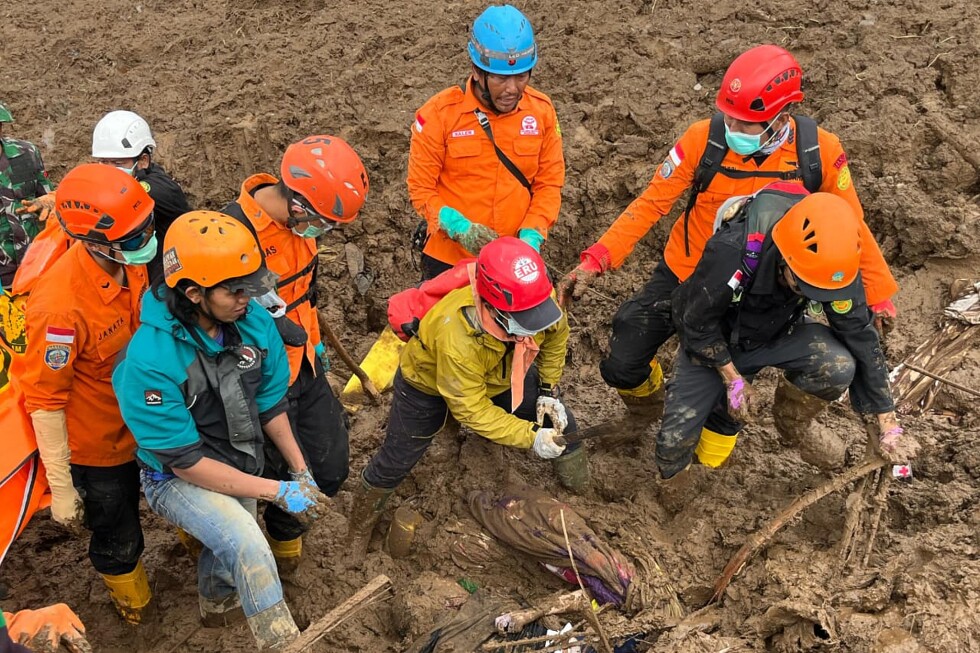
    BANDUNG, Indonesia — Rescue operations intensified in West Java’s Pasir Langu village Sunday as improved weather conditions allowed emergency teams to continue searching for dozens missing following a devastating landslide. The disaster, which struck Mount Burangrang’s slopes before dawn Saturday, completely buried approximately 34 homes under massive mudflows, rocks, and uprooted trees.

    Search and rescue coordinator Ade Dian Permana reported recovery efforts had yielded 25 confirmed fatalities by Sunday, with remains being carefully extracted using basic farm tools and manual labor due to unstable terrain preventing heavy equipment deployment. The 250-strong rescue team worked meticulously through mud mounds reaching 5 meters (16 feet) in height, with drones and K-9 units deployed to scan the extensive 2-kilometer (1.2-mile) landslide path.

    The incident has displaced approximately 230 residents now sheltering in government facilities, while 72 individuals remain unaccounted for. At temporary relief centers, anxious families monitored updated missing persons lists as forensic teams worked to identify recovered remains for release to relatives.

    Indonesian Vice President Gibran Rakabuming Raka visited the disaster zone Sunday, pledging governmental action to prevent future tragedies. He specifically urged West Bandung district officials to address problematic land conversion practices in high-risk areas.

    Environmental organizations have characterized the catastrophe as fundamentally human-exacerbated. Wahyudin Iwang of Walhi West Java emphasized that Saturday’s landslide resulted from prolonged environmental degradation in the North Bandung Area conservation zone, where development projects have consistently violated spatial-planning regulations. This protected highland region serves as a critical water-catchment zone for the densely populated Bandung Basin, making ecological preservation imperative.

    The disaster occurs during Indonesia’s annual rainy season (October-April), when the archipelago nation frequently experiences flooding and landslides. Millions reside in vulnerable mountainous regions and fertile floodplains across the 17,000-island chain.

  • Trump’s Greenland ambitions strain MAGA ties with Europe’s far-right

    Trump’s Greenland ambitions strain MAGA ties with Europe’s far-right

    A significant diplomatic schism has emerged between former U.S. President Donald Trump’s political movement and its traditional European far-right allies, triggered by growing concerns over American interventionism. The fracture became particularly evident through widespread condemnation of Trump’s proposed acquisition of Greenland, which multiple European nationalist leaders characterized as a hostile act threatening national sovereignty.

    Despite previous ideological alignment demonstrated during the ‘Make Europe Great Again’ gathering in Madrid less than a year ago, prominent figures including France’s National Rally president Jordan Bardella, Italy’s Prime Minister Giorgia Meloni, and Reform UK’s Nigel Farage have publicly criticized Trump’s approaches to Greenland, Venezuela, and Iran. Bardella specifically denounced what he termed ‘commercial blackmail’ regarding Greenland, while Meloni directly informed Trump that his tariff threats represented ‘a mistake.’

    The divergence highlights a fundamental tension within the trans-Atlantic nationalist alliance, where shared ideological convictions on immigration and sovereignty appear insufficient to overcome concerns about American overreach. This development occurs amidst substantial gains by far-right parties across the European Union, which now hold approximately 26% of seats in the European Parliament according to security analyses.

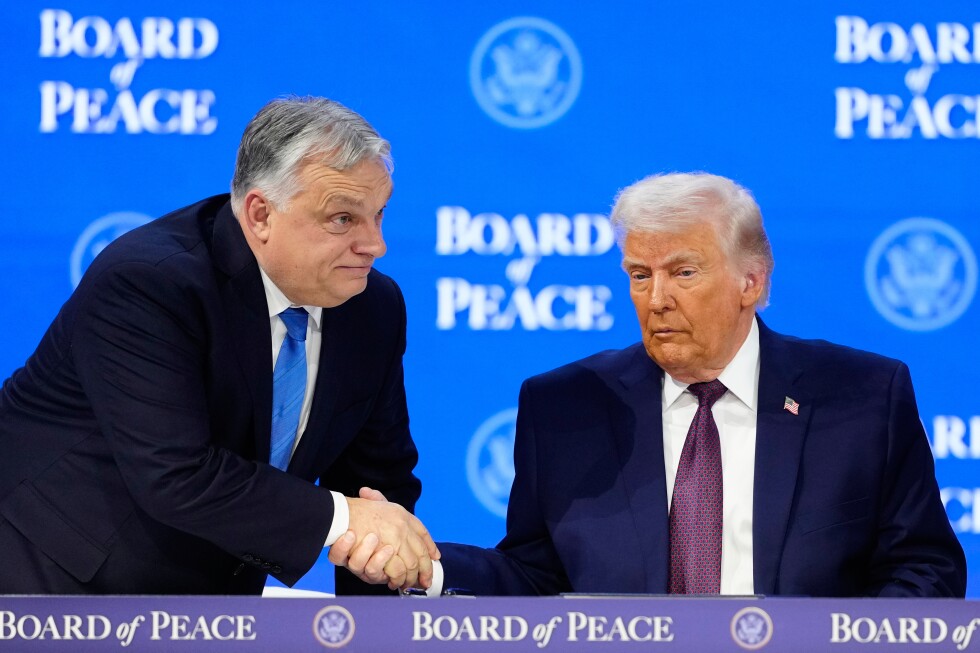
    Not all European nationalist leaders have joined the criticism, however. Hungarian Prime Minister Viktor Orbán, facing his most challenging election in sixteen years, has carefully avoided criticizing Trump, instead positioning the former president as Europe’s best hope for peace in Ukraine and a guarantor of national sovereignty. Similar restraint has been observed among Eastern European allies including Poland’s President Karol Nawrocki and Czech Prime Minister Andrej Babiš, who cautioned against allowing the Greenland issue to escalate into broader EU-U.S. conflict.

    Analysts suggest this division within the trans-Atlantic nationalist movement may force a recalibration of political alliances, with cooperation potentially continuing on shared grievances such as opposition to EU migration policies and trade agreements, while sovereignty concerns create enduring fractures regarding American foreign policy approaches.

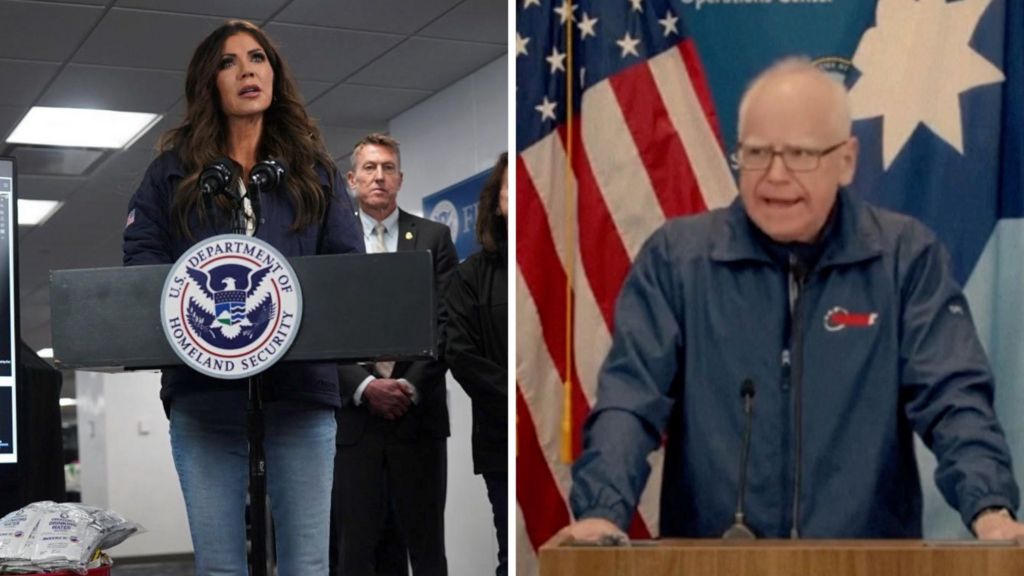
  • Watch: Federal and state officials give conflicting accounts of Alex Pretti’s death

    Watch: Federal and state officials give conflicting accounts of Alex Pretti’s death

    A cloud of official contradiction hangs over the investigation into the death of Alex Pretti, as federal and state authorities have provided starkly divergent accounts of the circumstances surrounding the incident. The case has drawn intensified public scrutiny as it marks the second controversial law enforcement-related death in the city within a three-week period.

    The developing story follows the fatal shooting of Renee Good by an immigration enforcement officer less than twenty-one days prior, creating a pattern that has raised serious concerns among community advocates and civil rights organizations. While details remain heavily contested between agencies, the absence of a unified official narrative has compounded public distrust in law enforcement institutions.

    This latest incident has sparked renewed debate about transparency in officer-involved fatalities and interagency coordination during critical investigations. Community leaders are demanding a comprehensive, independent review of both cases to address what they describe as systemic issues in accountability procedures. The conflicting reports have further complicated the grieving process for affected families while highlighting potential jurisdictional tensions between state and federal law enforcement operations.

  • Watch: BBC at protests near scene where Alex Pretti was shot dead

    Watch: BBC at protests near scene where Alex Pretti was shot dead

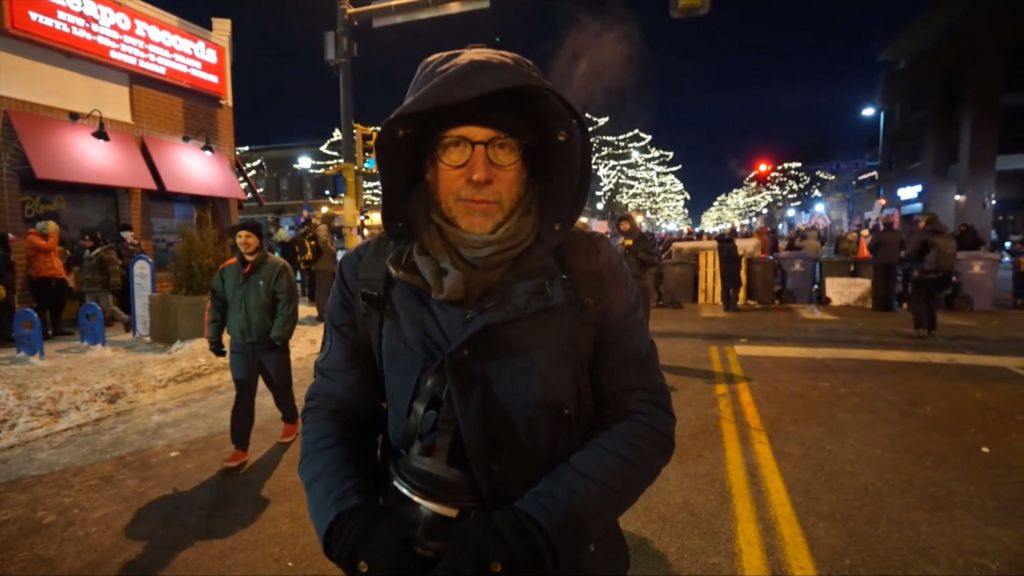
    Minneapolis streets filled with demonstrators chanting the name of Alex Pretti, who became the second individual fatally shot by federal agents in the city this month. The protests erupted near the location where the shooting occurred, with participants demanding justice and transparency in law enforcement operations.

    The incident has reignited tensions in a community still grappling with police accountability issues, marking a concerning pattern of deadly force encounters. BBC journalists documented the unfolding demonstrations, capturing raw emotional responses from community members who expressed frustration over recurring violent incidents involving federal authorities.

    This shooting follows another fatal encounter earlier in the month, creating a pattern that has alarmed civil rights advocates and community leaders. The protests remained largely peaceful but emotionally charged, with participants holding signs and chanting slogans calling for systemic reform in policing practices and greater accountability for federal agents operating in urban communities.

    Local organizations have begun mobilizing to demand a thorough investigation into both shooting incidents, while community leaders urge calm amid growing tensions. The federal agency involved has stated it will conduct an internal review of the shooting protocol while cooperating with local investigations.