作者: admin

  • Ramadan Festival to kick off across Abu Dhabi with performances, food and night markets

    Ramadan Festival to kick off across Abu Dhabi with performances, food and night markets

    Abu Dhabi is set to inaugurate its first unified Ramadan Festival across three major regions, launching a month-long celebration of cultural heritage, community spirit, and family entertainment. Organized by Experience Abu Dhabi, the festival will run from February 20 through March 8, 2026, with staggered dates across Abu Dhabi City, Al Ain, and Al Dhafra.

    The festival represents a significant expansion of the emirate’s Ramadan programming, marking the first time the destination brand has created a coordinated multi-location celebration. The initiative aims to activate public spaces during the holy month while creating inclusive experiences for both residents and visitors.

    Operating daily from 8:00 PM to 2:00 AM to align with post-iftar social hours, the festival will feature purpose-built ‘Ramadan neighbourhoods’ at each venue. These specially designed spaces will recreate the traditional communal atmosphere associated with Ramadan through lantern-lit walkways, cultural performances, and curated market experiences.

    Cultural programming forms the core of the festival, with scheduled performances including traditional Emirati folk dances such as Al Ayala and Al Harbiyah, poetry evenings, Arabic calligraphy demonstrations, and storytelling sessions for children. The event will also feature musical performances and theatrical shows across all three locations.

    A dedicated Ramadan souq will showcase local handicrafts, handmade goods, and Ramadan-themed gifts, with organizers emphasizing support for small retailers and distinctive products rather than large-scale commercial vendors. Food offerings will include a curated selection of food and beverage trucks serving traditional Ramadan drinks, suhoor options, and casual bites.

    Family-oriented programming includes interactive workshops, puppet shows, creative activities, and games designed to cater to children and families. The festival schedule is strategically staggered to ensure accessibility across the emirate: Al Ain and Al Dhafra will host the event from February 20 to March 1, while Abu Dhabi Corniche will welcome visitors from February 27 to March 8.

    Entry will require tickets available through Platinumlist, though pricing details have not yet been announced. The festival complements Abu Dhabi’s broader strategy to position Ramadan as both a period of religious significance and an opportunity for community gathering, arts programming, and domestic tourism.
  • Canadian mining firm says its abducted workers found dead in Mexico

    Canadian mining firm says its abducted workers found dead in Mexico

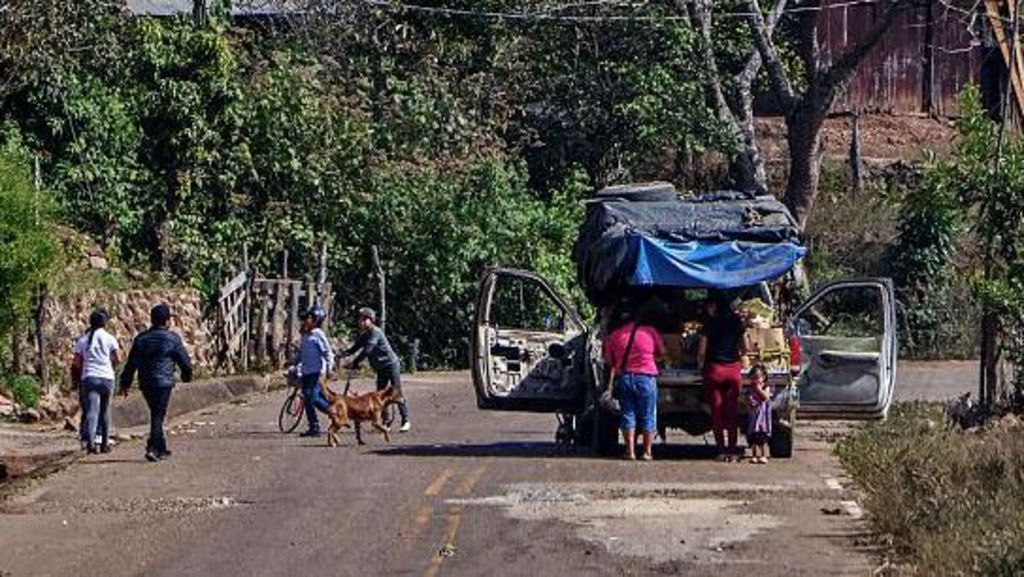
    Vizsla Silver Corp, a Vancouver-based mining company, has confirmed the tragic deaths of several employees abducted from its Mexican operations site in late January. The incident occurred near Concordia, Sinaloa, where ten mining personnel were forcibly taken from project facilities on January 23rd.

    Company executives disclosed they received notification through family channels regarding the deceased status of multiple kidnapped workers, though official confirmation from Mexican authorities remains pending. The corporation has emphasized its commitment to cooperating with investigative bodies while prioritizing the safe return of any remaining missing personnel.

    President and CEO Michael Konnert expressed profound grief in an official statement: “We are devastated by this outcome and the tragic loss of life.” He extended heartfelt condolences to affected families while reaffirming the company’s dedication to resolving the situation.

    Personal testimony from bereaved relatives has emerged through Canadian media outlets. Jaime Castañeda identified the body of his 43-year-old brother, José Manuel Castañeda Hernández, a professional geologist employed by Vizsla. “In truth, this has been very painful to be here, in a place where we don’t want to be,” Castañeda told CBC News, subsequently condemning the injustice of the situation.

    The kidnapping highlights persistent security challenges in Mexico’s resource extraction regions, particularly affecting foreign-operated industrial projects. Vizsla Silver Corp maintains significant silver mining operations in the Panuco district, an area increasingly important to North American mineral production networks.

  • Australian police crack down on protests during Israeli president’s visit

    Australian police crack down on protests during Israeli president’s visit

    Sydney became the epicenter of intense political demonstrations and confrontations as Australian police arrested dozens of pro-Palestinian protesters during Israeli President Isaac Herzog’s official visit. The unrest unfolded as thousands gathered at Sydney Town Hall, where authorities established restricted security zones around the president’s movements.

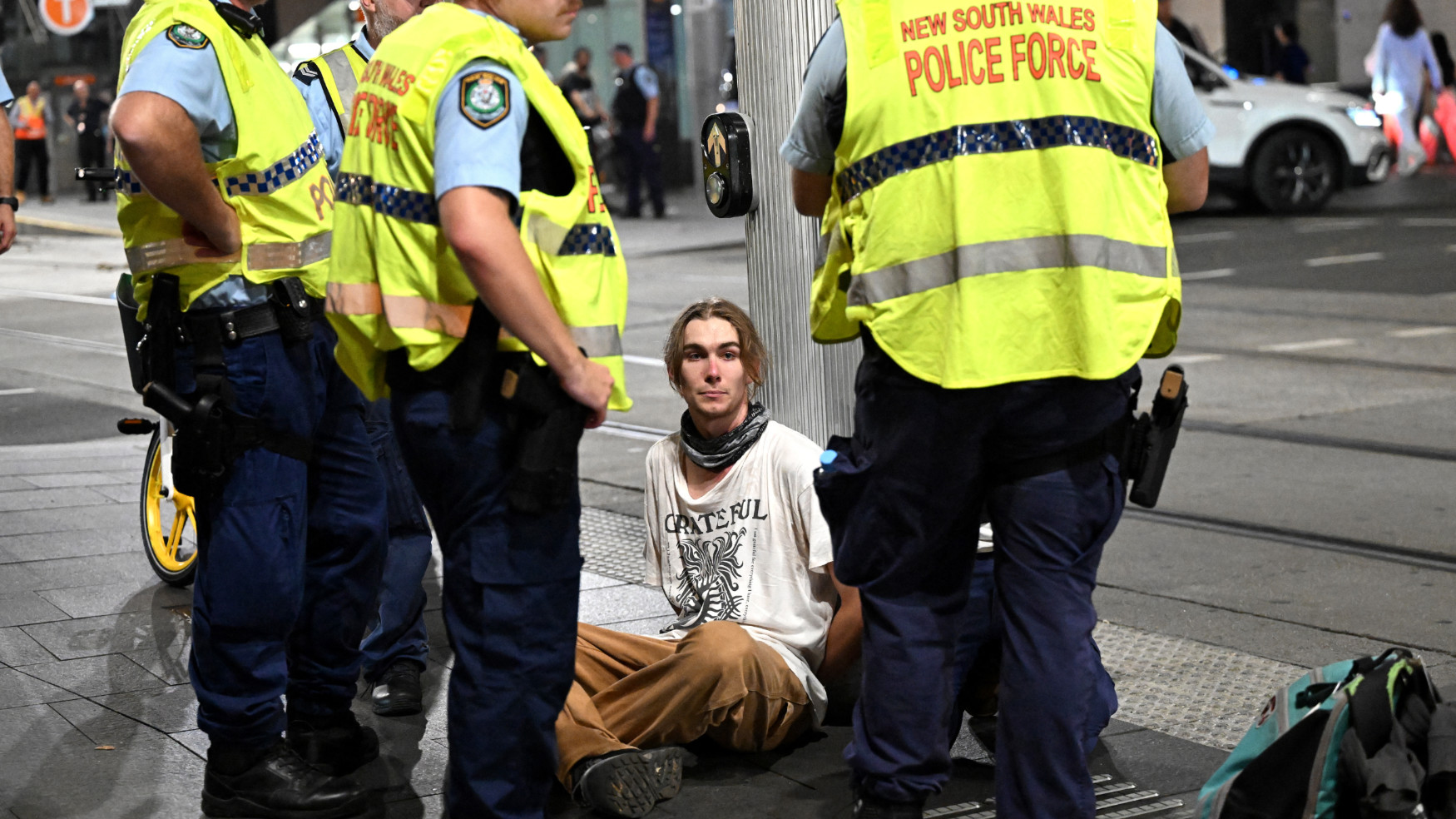
    Police employed pepper spray and physical force against demonstrators who attempted to breach security barricades near the New South Wales Parliament. At least 27 individuals were taken into custody as tensions escalated, with protesters chanting demands to march and beating drums in defiance of police orders to disperse.

    The controversy surrounding Herzog’s visit stems from his October 2023 statement regarding the Palestinian population in Gaza, which the United Nations Independent International Commission of Inquiry later condemned as constituting incitement to genocide. Herzog had asserted that ‘it’s an entire nation out there that is responsible’ following Hamas attacks on southern Israel.

    Anthony D’Adam, a Labor member of parliament who witnessed the confrontations, described police actions as ‘totally over-the-top,’ reporting instances of officers punching demonstrators, throwing one person to the ground, and pushing a bicycle into a woman causing injury.

    The protests occurred despite legal challenges to the security restrictions. A Sydney court rejected an attempt by the Palestine Action Group to overturn protest limitations, while authorities invoked the Major Events Act to arrest a protester who shouted ‘shame’ as Herzog departed Bondi Pavilion.

    The Israeli president’s itinerary included a wreath-laying ceremony at a memorial for the December attack that killed 15 people during a Hanukkah celebration at Bondi Beach. His visit continues to Melbourne and Canberra amid heightened security measures involving thousands of police officers.

    The demonstrations reflect deepening global divisions over the ongoing conflict in Gaza, where Israeli military operations have resulted in significant Palestinian casualties since October 2023. The visit has also drawn criticism from within Australia’s Jewish community, with over 1,000 academics and community leaders signing an open letter urging Prime Minister Anthony Albanese to withdraw Herzog’s invitation, arguing it undermines Australia’s commitment to international law and human rights.

  • Norway police investigate diplomat over Epstein links

    Norway police investigate diplomat over Epstein links

    Norwegian authorities have launched a formal investigation into high-profile diplomat Mona Juul and her husband Terje Rød-Larsen regarding their connections to the deceased financier and convicted sex offender Jeffrey Epstein. The probe, initiated by Norway’s economic crime unit Økokrim, centers on potential aggravated corruption and whether Juul received improper benefits connected to her official position.

    Juul resigned abruptly as Norway’s ambassador to Jordan and Iraq on Sunday, following her suspension after Norwegian media revelations. Reports indicate Epstein’s will, signed days before his death, designated $5 million (£3.6 million) to each of Juul’s children. Additionally, recently unsealed court documents show Rød-Larsen, Juul’s husband, attended a dinner with Epstein in Paris in June 2019—mere weeks before Epstein’s arrest on sex trafficking charges in the United States.

    The investigation has already involved law enforcement searching a property in Oslo. While Juul’s legal representative states she ‘does not recognise the accusations,’ and Rød-Larsen’s lawyer expresses confidence that the inquiry will establish no criminal liability, Norway’s foreign ministry has condemned the contact as demonstrating a ‘serious lapse in judgement.’

    This case represents another chapter in the sprawling Epstein scandal, particularly within Norway’s elite circles. Juul and Rød-Larsen, both celebrated for their roles in negotiating the historic 1993-1995 Oslo Accords between Israel and the Palestinians, now join other prominent Norwegians implicated through the released Epstein files. These include Crown Princess Mette-Marit—who publicly apologized for her friendship with Epstein—former Prime Minister Thorbjørn Jagland (currently under separate investigation), and Borge Brende, CEO of the World Economic Forum, who is facing an independent review concerning his interactions with the financier.

    The documents released by the U.S. Department of Justice last month comprise millions of emails, images, and FBI reports, continuing to trigger international repercussions and investigations into the associates of Jeffrey Epstein, who died in prison in 2019 while awaiting trial.

  • ‘Outright lies’: China denies US allegations of secret nuclear tests

    ‘Outright lies’: China denies US allegations of secret nuclear tests

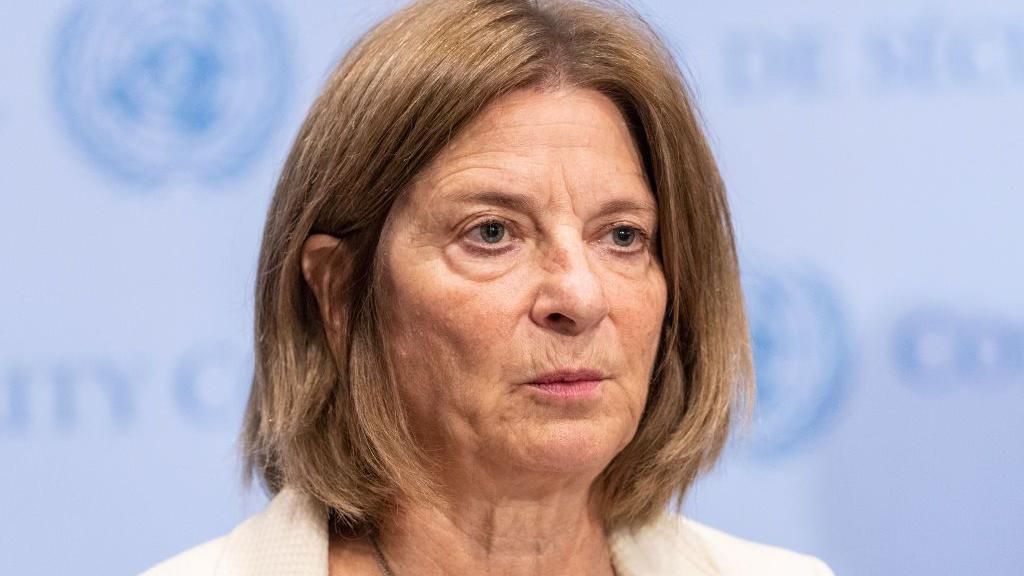
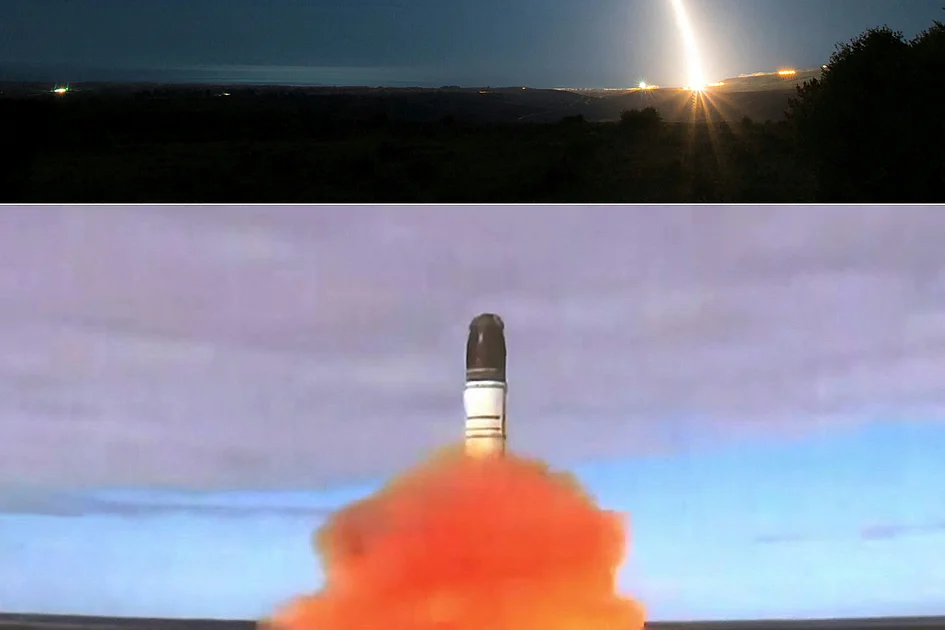
    China has issued a forceful rebuttal against United States accusations regarding clandestine nuclear weapons testing, dismissing the claims as baseless falsehoods. The diplomatic confrontation unfolded during proceedings at the United Nations Conference on Disarmament in Geneva, where Thomas DiNanno, US Under Secretary of State for Arms Control, presented allegations on February 6th that China had conducted secret nuclear explosive tests, including one specific incident dated June 22, 2020, while preparing for additional high-yield experiments.

    In an official statement released through its Ministry of Foreign Affairs on February 9th, China characterized the US position as completely unfounded and accused Washington of manufacturing pretexts to justify its own potential resumption of nuclear testing. The Chinese government emphasized its firm opposition to these allegations while urging American leadership to cease what it described as irresponsible behavior that undermines global non-proliferation efforts.

    The exchange occurs against the backdrop of expiring nuclear arms control agreements. DiNanno’s presentation coincided with the US proposal for trilateral negotiations involving Russia and China to establish new limitations on nuclear arsenals. This initiative follows the termination of the New START treaty—the last remaining nuclear arms control pact between the United States and Russia, which formally lapsed on February 5th.

    China has maintained a consistent position regarding multilateral disarmament talks, having previously declined participation in such negotiations at this juncture. The current tensions reflect broader geopolitical strains, particularly following October statements by President Donald Trump indicating Washington’s intention to resume nuclear testing “on an equal basis” with Moscow and Beijing, though without providing specific details regarding the nature or scope of such potential tests.

  • India’s migratory beekeepers and their hives follow the flowers to make the honey flow

    India’s migratory beekeepers and their hives follow the flowers to make the honey flow

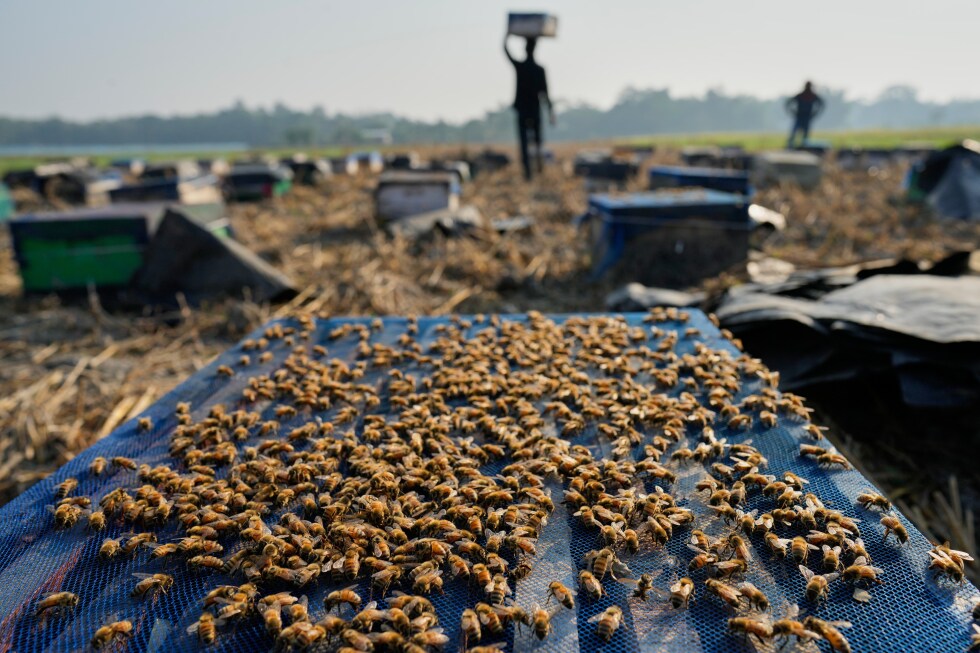
    In the vibrant mustard fields of Assam, migratory beekeepers from distant regions begin their days before sunrise, embarking on a demanding seasonal occupation that sustains their families. These apiarists transport their wooden bee boxes across India, following floral blooms to support agricultural pollination while harvesting golden honeycombs destined for international markets.

    The practice represents a growing economic opportunity in northeastern India, where both local and migratory beekeepers are responding to increasing global honey demand. However, their livelihood faces mounting pressures from climate disruptions—intensifying monsoons, extreme heatwaves, and unpredictable rainfall patterns that directly impact bee behavior and nectar availability.

    Scientific research from Assam Agricultural University reveals concerning trends: the region now experiences over 20 additional heat-wave days annually compared to a decade ago, with average temperatures rising approximately 2°C. These changes have significantly reduced honey production, forcing bees to remain sheltered during excessive heat or rainfall.

    The ecological challenges extend beyond weather patterns. Native bee species face habitat destruction from infrastructure development, while the introduction of Western honeybees by migratory keepers creates potential competition with indigenous species. Despite these pressures, conservation programs promote sustainable beekeeping practices, particularly among small-scale farmers below the poverty line.

    Organizations like Under the Mango Tree Society provide training in climate-resilient beekeeping techniques, helping farmers diversify income through honey production while enhancing crop pollination. Government subsidies for beekeeping equipment further support the industry’s adaptation to changing environmental conditions.

    Experts cautiously optimistic about the future of beekeeping in Assam acknowledge the challenges but emphasize the sector’s resilience. As one researcher noted, while production may fluctuate, the symbiotic relationship between beekeepers, their colonies, and agricultural systems will likely endure despite climate uncertainties.

  • Egypt’s El-Sisi visits UAE, tours Mohamed bin Zayed University of Artificial Intelligence

    Egypt’s El-Sisi visits UAE, tours Mohamed bin Zayed University of Artificial Intelligence

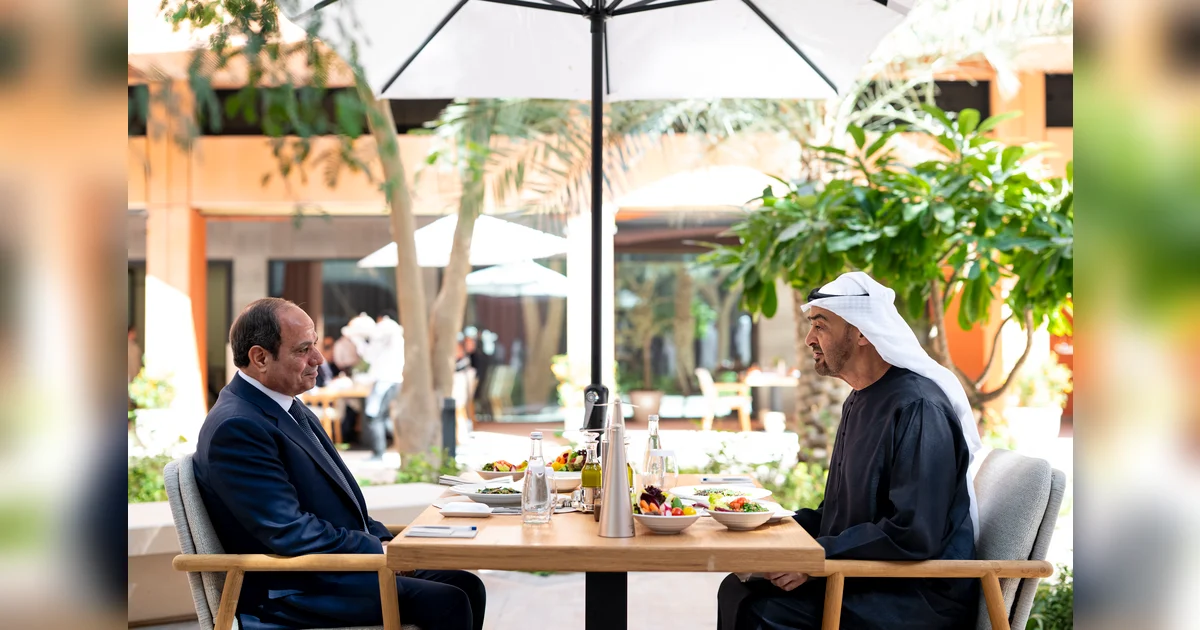
    In a significant diplomatic engagement, UAE President Sheikh Mohamed bin Zayed Al Nahyan hosted Egyptian President Abdel Fattah El-Sisi for high-level talks in Abu Dhabi on February 9, 2026. The meeting underscored the deepening fraternal relations between the two Arab nations and their shared commitment to regional stability.

    The leaders conducted comprehensive discussions covering bilateral cooperation across multiple sectors, with particular emphasis on development initiatives aligning with both nations’ strategic ambitions. The dialogue extended to critical regional concerns, especially the ongoing situation in the Middle East.

    Both leaders emphasized the urgent implementation of ceasefire agreements in Gaza and stressed the necessity of ensuring unimpeded humanitarian aid delivery to alleviate civilian suffering. They reiterated their firm support for a two-state solution as the foundation for achieving comprehensive and just peace in the region.

    A highlight of President El-Sisi’s visit included an extensive tour of the Mohamed bin Zayed University of Artificial Intelligence, where he received detailed briefings on the institution’s cutting-edge facilities and academic programs. The Egyptian leader examined how the university’s advancements in AI and advanced technology contribute to the UAE’s long-term development vision.

    The summit concluded with mutual reaffirmations of continued consultation and close coordination between the two nations to promote regional peace, stability, and prosperity. President El-Sisi departed from Abu Dhabi’s Presidential Airport following ceremonial farewell proceedings hosted by the UAE leadership.

  • US held secret meeting between Algeria, Morocco and Mauritania over Western Sahara

    US held secret meeting between Algeria, Morocco and Mauritania over Western Sahara

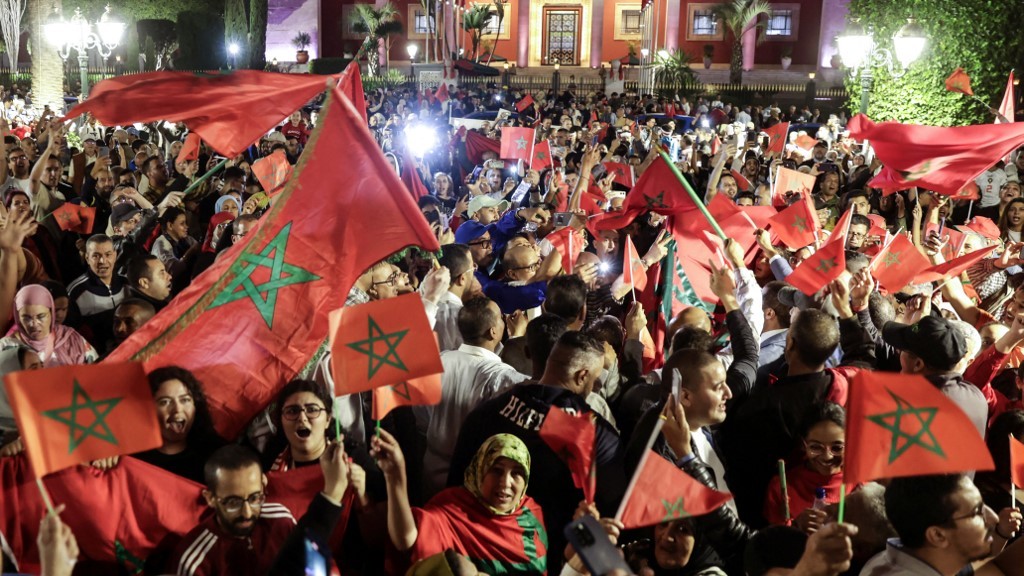
    In a significant diplomatic development, the United States convened clandestine negotiations between key stakeholders in the long-standing Western Sahara conflict at its embassy in Madrid. High-level delegations from Morocco, Mauritania, Algeria, and the Polisario Front gathered under American supervision on Sunday, marking a notable escalation of U.S. involvement in the regional dispute.

    The discussions, facilitated by Donald Trump’s African affairs adviser Massad Boulos and UN Ambassador Michael Waltz, focused on Morocco’s autonomy proposal for Western Sahara – a plan previously endorsed by the UN Security Council but rejected by the Sahrawi independence movement. The Polisario Front maintains its demand for a self-determination referendum as outlined in historical UN resolutions, while the U.S. administration has explicitly ruled out independence options.

    This meeting represents the second phase of negotiations initiated in Washington during late January, with proceedings intended to remain confidential until revealed by investigative journalist Ignacio Cembrero. According to reports, American diplomats requested substantial revisions to Morocco’s initial autonomy proposal, resulting in an expanded 40-page document forming the basis for current discussions.

    The geopolitical context surrounding these talks reveals complex international dynamics. Morocco stands as Africa’s primary purchaser of American military equipment with $8.5 billion in contracts anticipated for 2025, while the U.S. previously recognized Moroccan sovereignty over Western Sahara in exchange for Morocco establishing formal diplomatic relations with Israel. European powers including Spain and France have subsequently endorsed Morocco’s autonomy plan, further isolating the Polisario position.

    Human rights concerns persist in the background, with reports of repression against Sahrawi activists in Moroccan-controlled territories and challenging living conditions for refugees in Algerian camps. The territory remains listed by the UN as Non-Self-Governing, often described as Africa’s last colony due to its unresolved status since the 1975 invasion following Spain’s withdrawal.

    Algeria’s participation in these U.S.-brokered talks signals potential diplomatic shifts, as the nation has historically supported the Polisario Front. This development, combined with increased American engagement described as an ‘absolute priority’ by U.S. officials, suggests potential movement toward resolving one of Africa’s most protracted territorial disputes.

  • UAE strongly condemns targeting of World Food Programme convoy in Sudan

    UAE strongly condemns targeting of World Food Programme convoy in Sudan

    The United Arab Emirates has issued a forceful condemnation of the deadly assault on a World Food Programme humanitarian convoy in North Kordofan, Sudan, labeling the incident a grave breach of international humanitarian law. The attack resulted in multiple casualties among aid workers and local populations.

    In an official statement released by the Ministry of Foreign Affairs (MoFA), the Emirates government emphasized the critical necessity of safeguarding humanitarian and relief personnel operating in conflict zones. The ministry articulated a firm position against the weaponization of humanitarian assistance, stressing that such aid must remain free from political manipulation.

    The UAE reiterated its call for an immediate cessation of hostilities in Sudan, advocating for unimpeded humanitarian access to affected regions. Furthermore, the statement outlined support for a civilian-led transition process that operates independently from both warring factions and extremist elements.

    Demonstrating its commitment to practical support, the UAE highlighted its recent pledge of $500 million in humanitarian assistance aimed at addressing urgent needs within Sudan. This financial commitment complements the nation’s diplomatic efforts to foster stability and security for the Sudanese people.

    The Ministry reaffirmed the UAE’s consistent engagement in peace-building initiatives and its dedication to collaborative international action to alleviate the severe humanitarian crisis unfolding in Sudan.

  • Pen-sized electric syringe could mean less pain, faster recovery for cancer patients in UAE

    Pen-sized electric syringe could mean less pain, faster recovery for cancer patients in UAE

    A groundbreaking medical device resembling a writing instrument is poised to transform therapeutic experiences for cancer patients and individuals with diabetic retinopathy across the United Arab Emirates. The innovative ‘aDose Core’ system, developed through advanced engineering research, represents a paradigm shift in targeted drug delivery methodologies.

    This next-generation electro-osmotic pump technology utilizes electrical current to administer ultra-micro doses of medication with unprecedented precision, bypassing traditional bloodstream flooding approaches. The core mechanism operates through a patented ceramic component invented by Japanese scientist Dr. Mamoru Hirafuji, where electrical polarity controls bidirectional fluid movement at nanoliter levels.

    According to Abhishek Choudhary, India Business Manager at atDose Co., Ltd, the technology’s revolutionary nature stems from its departure from mechanical pressure systems. “Unlike conventional syringes that depend on manual force and needle dimensions,” Choudhary explained to Khaleej Times, “this system enables pure voltage-controlled dosage administration, achieving up to 0.05 microliters of drug delivery.”

    The clinical implications are particularly significant for oncology treatments, where direct tumor-site medication administration could dramatically reduce chemotherapy side effects and patient discomfort. Similarly, ophthalmology stands to benefit enormously, with the device capable of delivering therapeutics directly to retinal tissues using ultra-fine needles—a previously unattainable medical achievement.

    The UAE’s substantial investments in oncology and specialized eye care infrastructure position the nation as an ideal adoption market for this technology. Current prototyping focuses on breast cancer applications, with future iterations anticipated to incorporate advanced chips, enhanced reservoir systems, and potential battery-powered functionality.

    Notably, the system maintains compatibility with existing needle designs while featuring a detachable architecture that permits partial sterilization. This thoughtful design approach underscores the technology’s practical orientation toward addressing genuine unmet medical needs rather than simply replacing conventional syringes.