作者: admin

  • Gonorrhoea and syphilis hit record levels in Europe

    Gonorrhoea and syphilis hit record levels in Europe

    Newly released surveillance data from the European Centre for Disease Prevention and Control (ECDC) has revealed an alarming public health crisis across the continent: rates of two major bacterial sexually transmitted infections (STIs), gonorrhoea and syphilis, have reached their highest levels in more than a decade in 2024. The official figures paint a stark picture of accelerating transmission, with confirmed gonorrhoea cases climbing to 106,331 — a staggering 303% jump from 2015 levels. Over the same nine-year period, syphilis diagnoses more than doubled to hit 45,557 in 2024.

    ECDC officials have identified growing gaps in routine STI testing and prevention services as a key contributing factor to this explosive surge, and are calling for immediate coordinated action from public health bodies across the region to reverse the trend. Bruno Ciancio, head of ECDC’s Directly Transmitted and Vaccine-Preventable Diseases unit, emphasized the serious long-term health risks associated with undiagnosed STIs. “These infections can cause severe complications, such as chronic pain and infertility, and in the case of syphilis, permanent damage to the heart or nervous system,” Ciancio explained. He added that even more concerning, cases of congenital syphilis — which occurs when an infected mother passes the infection to her newborn during childbirth, often leading to lifelong health complications — have nearly doubled between 2023 and 2024.

    Despite the rising caseload, Ciancio noted that basic protective measures remain effective at reducing transmission risk: “Protecting your sexual health remains straightforward. Use condoms with new or multiple partners, and get tested if you have symptoms.”

    Among the 31 European countries participating in the ECDC surveillance program, Spain reported the highest absolute number of confirmed cases for both infections in 2024, recording 37,169 gonorrhoea cases and 11,556 syphilis cases. The data also highlights stark disparities in infection rates across population groups: men who have sex with men remain the most disproportionately affected demographic, accounting for the sharpest long-term increases in both gonorrhoea and syphilis transmission. Public health experts also flagged a notable surge in syphilis cases among heterosexual women of reproductive age, a trend that directly ties to the rise in congenital syphilis diagnoses.

    While gonorrhoea and syphilis continue to spread at unprecedented rates, the data offers one small point of relief: chlamydia, the most commonly reported bacterial STI across Europe, has seen a 6% drop in confirmed cases since 2015, falling to 213,443 total diagnoses in 2024.

    The United Kingdom withdrew from the ECDC surveillance program following Brexit, but the UK government publishes independent annual data for England. Figures released by the UK Health Security Agency in December 2024 show the same upward STI trend playing out across the country: England recorded 71,802 gonorrhoea cases and 9,535 syphilis cases in 2024, alongside 168,889 chlamydia diagnoses. In response to a record 85,000 gonorrhoea cases reported in 2023, the UK rolled out a national gonorrhoea vaccination program in 2025 to curb transmission.

    Public health officials stress that many STIs can progress without obvious symptoms, making routine testing critical for early intervention. For gonorrhoea, common symptomatic presentations include pelvic or urinary pain, abnormal genital discharge, and genital inflammation, though a large share of infections are asymptomatic. The UK’s National Health Service (NHS) notes that infection can be prevented through consistent, correct condom use and vaccination for eligible groups. Syphilis symptoms, which often go unnoticed in early stages, include painless sores on the genitals or mouth, a non-itchy rash on the palms of the hands or soles of the feet, patchy hair loss, and flu-like systemic symptoms; symptoms often fade temporarily even as the infection remains active in the body. Like gonorrhoea, syphilis is preventable through condom use and fully treatable with common antibiotic regimens when caught early. Without prompt treatment, however, both infections can cause irreversible chronic health damage.

  • Midfielder Hložek returns from injury in Czech Republic’s preliminary World Cup squad

    Midfielder Hložek returns from injury in Czech Republic’s preliminary World Cup squad

    PRAGUE — In a major boost for Czech Republic ahead of the 2026 FIFA World Cup co-hosted by the United States, Mexico and Canada, attacking midfielder Adam Hložek has bounced back from a persistent long-term injury to earn a spot on head coach Miroslav Koubek’s 29-man preliminary roster, announced Thursday.

    The 23-year-old Hoffenheim playmaker missed the vast majority of his club season this year after suffering a series of calf and foot injuries that sidelined him for months. But speaking to reporters following the squad announcement, Koubek confirmed Hložek has now regained full match fitness and will get the opportunity to prove his sharpness in pre-tournament warm-up fixtures. Hložek has not featured for the Czech national side since June 2024, during the final round of World Cup qualifying, and boasts 41 caps and four international goals to his name across his senior career.

    Koubek’s preliminary squad includes three fresh-faced first-time call-ups, an exciting addition for a Czech side that is set to make its first World Cup appearance since the 2006 tournament. The newcomers are 17-year-old Sparta Prague midfielder Hugo Sochůrek, Viktoria Plzeň midfielder Alexandr Sojka, and Mladá Boleslav forward Christophe Kabongo. All three will get minutes on the pitch in the Czech Republic’s opening warm-up clash against Kosovo, scheduled for May 31 in Prague, Koubek confirmed.

    Immediately after the Kosovo friendly, Koubek will trim his 29-man group down to the final 26-player tournament squad allowed by FIFA. The side will then travel to the United States for a final preparation match against Guatemala, set to take place in New Jersey on June 4.

    Notably, two Slavia Prague players — forward Tomáš Chorý and defender David Douděra — were included in the preliminary squad despite being suspended by their club for the remainder of the domestic season and placed on the transfer list over disciplinary breaches earlier this year. The squad also retains all of the Czech Republic’s key regular starters, including West Ham United’s Tomáš Souček, Bayer Leverkusen striker Patrik Schick, and Lyon midfielder Pavel Šulc. Three additional players who featured in the side’s qualifying playoff run against Ireland and Denmark, including FC Cincinnati midfielder Pavel Bucha, were also named to the preliminary group despite having yet to earn senior international caps.

    Once the final squad is confirmed, the Czech team will set up their tournament base camp in Mansfield, Texas, just outside Dallas. They kick off their Group A campaign against South Korea on June 12 in Guadalajara, Mexico, before facing South Africa in Atlanta on June 18 and wrapping up group stage play against tournament co-host Mexico in Mexico City on June 25.

    For Czech football, this marks a historic milestone: the nation’s first qualification for the World Cup finals in 20 years.

  • Late queen pushed for son Andrew to be UK trade envoy: official papers

    Late queen pushed for son Andrew to be UK trade envoy: official papers

    Newly declassified British government documents have pulled back the curtain on a decades-old royal appointment, revealing that the late Queen Elizabeth II personally lobbied for her son Prince Andrew (full name Andrew Mountbatten-Windsor) to be given a prominent role as the UK’s international trade envoy at the turn of the 21st century. The release of the 11 files, which date back to 2000 and detail the negotiations around Andrew’s appointment to the role with British Trade International (BTI) – the public body tasked with promoting UK commerce overseas – comes amid ongoing fallout from the Jeffrey Epstein scandal that has continued to engulf the disgraced former royal. Andrew’s connection to the late American convicted sex offender has already cost him all of his official royal patronages and titles, which were stripped from him in 2022 following the public release of court documents tied to Epstein. Most recently, in February of this year, he was taken into police custody for questioning over allegations of misconduct in public office, with prosecutors claiming he shared sensitive state information with Epstein during his 10-year tenure as trade envoy from 2001 to 2011. After hours of interviews with law enforcement, Andrew was released without charge, and he has repeatedly denied all wrongdoing related to the allegations. The declassified files lay bare the direct role the late monarch played in securing the post for her son. In a February 25, 2000 letter sent by BTI chief David Wright to the then UK foreign secretary, Wright wrote that after a “wide-ranging conversation” with the Queen’s private secretary, it was made clear that appointing Andrew to the role was the Queen’s explicit “wish”. The letter further emphasized that “The Queen is very keen that the Duke of York should take on a prominent role in the promotion of national interests.” Even in the earliest internal discussions ahead of the appointment, protocol officials flagged unusual preferences from Andrew. A month before Wright’s letter, in an internal memo with the subject line “Duke of York’s travel”, protocol head Kathryn Colvin advised that the royal “should not be offered golfing functions abroad” during official trips, while also noting that the duke favored visits to “more sophisticated countries” and “liked travelling, especially when on royal business.” While the post itself was an unpaid position, Andrew’s decade in the role earned him the unflattering nickname “Air Miles Andy” due to his constant global travel, with all travel costs and luxury accommodation expenses covered by British taxpayers. In a written statement to the UK Parliament released alongside the declassified documents, current Trade Minister Chris Bryant confirmed that a thorough review of the files found “no evidence that a formal due diligence or vetting process was undertaken” ahead of Andrew’s appointment. Bryant added that the lack of formal vetting was “understandable”, given that the appointment was framed as a continuation of longstanding royal family participation in UK trade and investment promotion work. The document release also casts new light on another figure tied to the Epstein scandal: former cabinet minister Peter Mandelson, who was forced to resign as UK ambassador to the US last year over his undisclosed connections to the convicted sex offender. Mandelson is already under investigation over allegations of misconduct in public office dating back to his time as a government minister in the 2000s, and the Liberal Democrat Party – which pushed the current UK government to release the Andrew files – is now calling for the public release of all correspondence between Mandelson and the former prince. Andrew has been mired in controversy for years over his long personal friendship with Epstein. In one of the most high-profile accusations, Virginia Giuffre, an Epstein accuser who died by suicide in 2024, claimed that she was trafficked to have sex with Andrew three times starting in 2001, including two encounters when she was just 17 years old. Andrew agreed to settle a 2022 civil lawsuit brought by Giuffre out of court, without ever admitting legal liability for the allegations.

  • Germany urges the EU to offer Ukraine ‘associate membership’ and boost talks with Russia

    Germany urges the EU to offer Ukraine ‘associate membership’ and boost talks with Russia

    BRUSSELS – In a new proposal shared with top European Union leadership, German Chancellor Friedrich Merz has called on the 27-nation bloc to explore granting associate membership status to Ukraine, a move he argues will unlock progress toward a negotiated end to the more than four-year-long war with Russia, documents obtained by the Associated Press confirm. Merz’s proposal lands at a pivotal moment for the EU, as leaders weigh whether to launch an independent European negotiating channel with Russian President Vladimir Putin after U.S.-mediated peace efforts stalled, with Washington’s strategic focus shifted to escalating conflict in Iran.

    Under the terms laid out by Merz, Ukraine would gain full access to participate in EU-level meetings and secure non-voting observer seats in both the European Commission, the bloc’s powerful executive arm, and the European Parliament. The German chancellor stressed that this framework is not a watered-down alternative to full membership, emphasizing it would go far beyond the existing Association Agreement that currently structures relations between Kyiv and Brussels. To guard against democratic erosion, Merz also proposed a snap-back mechanism that would reverse associate status if Ukraine fails to uphold required democratic governance standards. Crucially, Merz reaffirmed his support for the longstanding EU commitment to launch full official membership negotiations with Ukraine without delay, a position already restated by European Council President Antonio Costa and European Commission President Ursula von der Leyen last month.

    Ukrainian President Volodymyr Zelenskyy has already signaled cautious optimism about the progress of accession talks, telling the public in a recent address that the development is “very important for us” and noting that Kyiv has completed all required reforms to move the process forward. The accession process requires candidate states to align their national legislation with EU standards across 35 distinct policy chapters, covering everything from judicial independence and rule of law to agricultural and fisheries regulation. Every chapter requires unanimous approval from all 27 EU member states to open, and again to close after alignment is complete. For months, Hungary served as the primary blocker to opening negotiations, but the recent swearing-in of a new Budapest administration has sparked widespread speculation that Budapest’s long-held opposition may soften.

    Despite the momentum for expanding EU-Ukraine ties, Merz’s proposal faces resistance from many Brussels-based officials, who argue that full EU membership must remain a strictly merit-based process that only concludes once all reform benchmarks are fully met. Merz has also proposed extending the associate membership framework to other candidate states in the Western Balkans, a region that will be the focus of a major EU leaders’ summit scheduled for next month.

    On the conflict itself, Merz argued that closer EU integration through associate membership will create the necessary political foundation to advance a negotiated peace agreement, writing that “this is essential not only for Ukraine’s but for the entire continent’s security.” For Ukraine, integration into Western institutional structures is viewed as a core long-term security guarantee. While full NATO membership remains Kyiv’s ultimate goal, the current U.S. administration has repeatedly ruled out NATO accession for Ukraine in the near term, and many other Western capitals remain wary of extending membership while active conflict continues.

    With U.S.-led mediation efforts stalled, EU capitals have increasingly debated the need for a parallel European-led negotiating track, and begun floating potential candidates to serve as EU mediators in the event Putin agrees to direct talks. Earlier this month, Costa confirmed the bloc’s growing interest in an independent European role, saying “we need, in the right moment, to have talks with Russia to address our common issues on security,” adding that this channel would not interfere with ongoing U.S.-led efforts but is necessary to advance Europe’s own core security priorities.

    European media has been rife with speculation over potential mediators, with names including former German Chancellor Angela Merkel – a fluent Russian speaker with long-standing personal ties to Putin – and former European Central Bank President Mario Draghi emerging as leading contenders. Putin himself has suggested he would be open to talks with former German Chancellor Gerhard Schröder, but the proposal has been widely rejected even in Berlin. Schröder’s close personal and business ties to Russian state energy firms, and his longstanding friendly relationship with Putin, have destroyed his domestic political credibility since Russia’s 2022 full-scale invasion of Ukraine. EU High Representative for Foreign Affairs Kaja Kallas recently noted that allowing Putin to handpick the European negotiator “would not be very wise,” particularly given Schröder’s role as a “high-level lobbyist for Russian state-owned companies.”

    For his part, Zelenskyy has welcomed European involvement in the peace process, saying over the weekend that “Europe must be involved in the negotiations. It is important for Europe to have a strong voice and presence in this process, and it is worth determining who will represent Europe specifically.”

    Reporting for this article was contributed by Moulson in Berlin and Susie Blann in Kyiv.

  • Malaysia orders TikTok to explain ‘grossly offensive’ fake content targeting king

    Malaysia orders TikTok to explain ‘grossly offensive’ fake content targeting king

    Malaysian regulators have taken formal action against global short-video platform TikTok, demanding the company explain and fix its repeated failure to rapidly remove harmful content that targets the country’s royal establishment. The Communications and Multimedia Commission announced the legal order Thursday in Kuala Lumpur, confirming the move comes after widespread circulation of severely inappropriate material targeting the monarchy, including AI-manipulated videos and altered images spread from an account that falsely claimed affiliation with King Sultan Ibrahim Iskandar.

    In its official statement, the regulator emphasized that content touching on Malaysia’s core sensitive domains of race, religion, and royalty carries unique gravity. Unauthorized and insulting material in these areas does not merely violate online community standards, it also poses a direct threat to public order, national unity, and public respect for the country’s constitutional institutions, the commission noted.

    The agency added that Malaysian authorities had already notified TikTok of the problematic content and held prior discussions with the platform to secure content removal. Despite these previous engagements, TikTok’s content moderation response fell far short of expectations, particularly when it came to speedily taking down harmful posts and blocking their further spread across the platform.

    TikTok, which has not issued any public statement on the regulatory action to date, also declined to comment on the matter when contacted by The Associated Press. The legal notice delivered to the company requires two core actions: first, a full explanation of why its moderation systems failed to catch and remove the content in a timely manner; second, immediate remedial steps to strengthen its content moderation infrastructure and step up enforcement against any content that violates Malaysian national law or domestic community standards.

    The commission stressed that all social media platforms operating within Malaysian borders bear a fundamental responsibility to proactively prevent unlawful and damaging activity on their services. It also issued a clear warning that regulators will continue to implement firm, proportionate enforcement measures going forward to ensure all digital platforms uphold their obligations to maintain a safe, respectful online ecosystem for Malaysian users.

    This latest action against TikTok aligns with Malaysia’s broader ongoing effort to tighten regulatory oversight of large digital platforms operating within its jurisdiction. Over the past several years, Malaysian authorities have ramped up enforcement against social media companies over a range of issues, from harmful content and public order threats to scams and unregulated online gambling.

  • China says US should stop ‘threats’ against Cuba after ex-leader charged

    China says US should stop ‘threats’ against Cuba after ex-leader charged

    A decades-old Cold War-era incident between the U.S. and Cuba has reignited a high-stakes diplomatic standoff, after a U.S. court unsealed murder and conspiracy charges against 94-year-old former Cuban President Raúl Castro. The charges stem from the 1996 downing of two small aircraft operated by Brothers to the Rescue, a Cuban-American dissident group based in Florida. Four people, including three U.S. citizens, were killed in the incident, which has remained a flashpoint of tension between Washington and Havana for nearly 30 years.

    At the time of the incident, Castro, who stepped down as Cuba’s head of state in 2018, led the country’s armed forces. He was indicted alongside five other co-defendants earlier this week, with the charges carrying extreme penalties including life imprisonment or the death penalty. Cuban President Miguel Díaz-Canel has rejected the accusations outright, labeling them a baseless political maneuver with no legitimate legal standing.

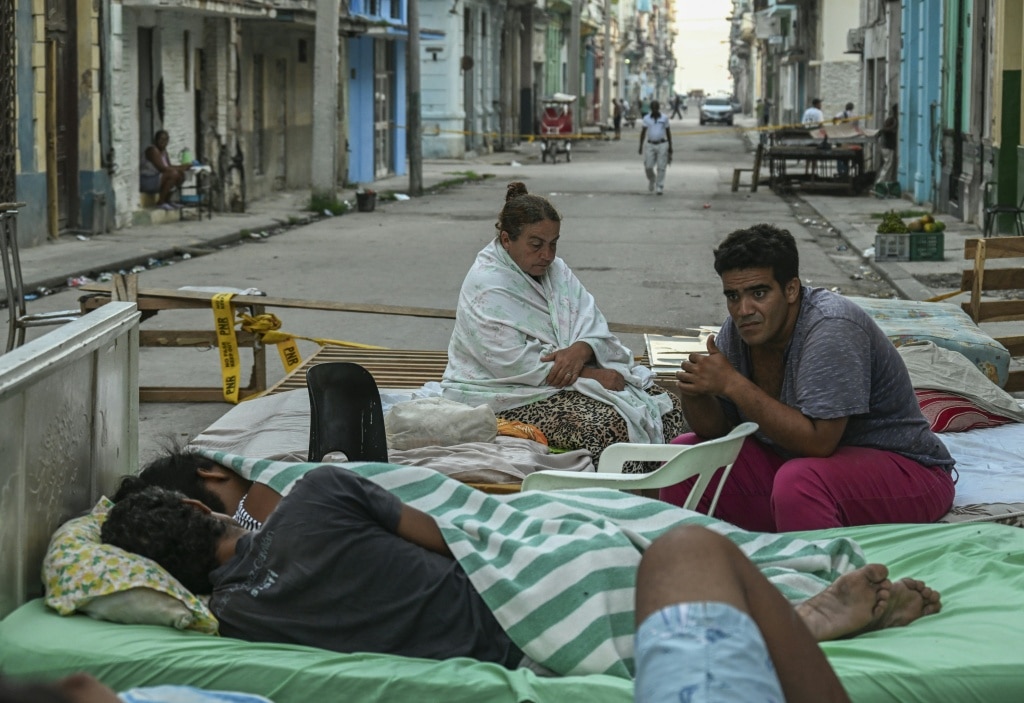
    The indictment comes as part of a broad, escalating campaign of pressure on Cuba by the Trump administration, which has openly targeted the country’s communist government for regime change. In recent weeks, the White House has ramped up sanctions: earlier this month, President Trump issued an executive order blacklisting officials across Cuba’s energy, defense, financial and security sectors, targeting individuals the U.S. accuses of human rights violations and public asset misappropriation. The U.S. has also tightened its long-standing trade embargo to block oil shipments to Cuba, a move that has exacerbated the country’s ongoing economic woes, triggering widespread power blackouts and acute food shortages.

    The Trump administration’s aggressive posture toward Cuba follows the January capture and extradition of former Venezuelan President Nicolás Maduro to the U.S. to face narco-terrorism and drug trafficking charges. In public remarks after the capture, Trump openly stated he believed Cuba was “ready to fall,” signaling further escalation against the island nation.

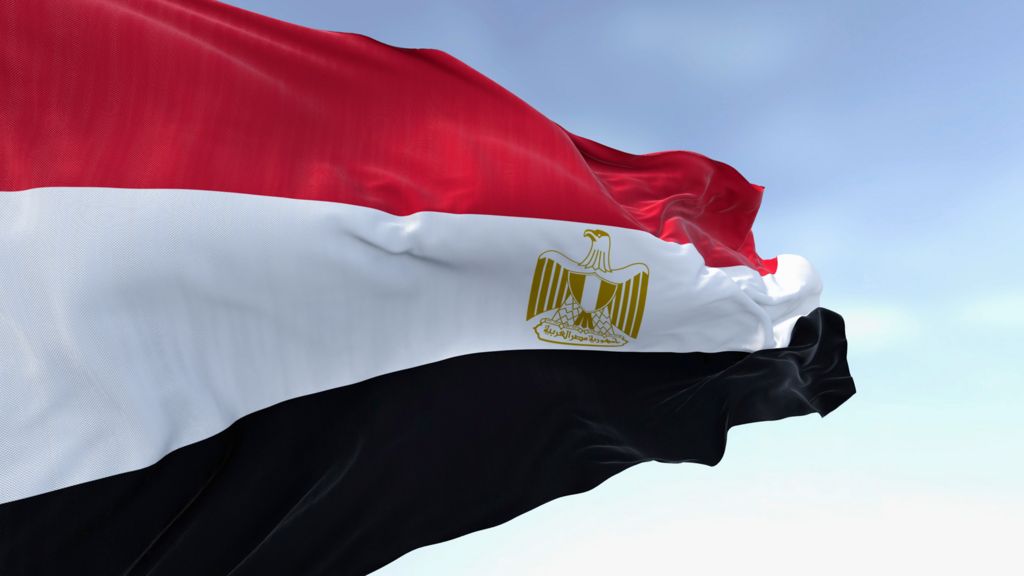
    In response to the latest indictment, Beijing has reaffirmed its long-standing diplomatic and economic support for Havana, a close ally. Chinese Foreign Ministry spokesperson Guo Jiakun issued a formal statement Thursday condemning the U.S. action, calling on Washington to end its use of “coercion” and “constant threats of force” against Cuba. Guo emphasized that China firmly opposes any attempt by outside powers to pressure Cuba under any pretense, and urged the U.S. to stop misusing sanctions and judicial mechanisms as tools of political coercion. “China resolutely supports Cuba in safeguarding its national sovereignty and dignity, and opposes external interference in Cuba’s internal affairs,” Guo said.

    China has deepened its economic and diplomatic ties with Cuba over the past decade, following President Xi Jinping’s 2014 official visit to the island. In 2018, formally joined China’s transcontinental Belt and Road Initiative, a massive infrastructure investment framework that has already funded multiple key strategic development projects across Cuba.

  • Deadly DR Congo Ebola outbreak spreads to M23-held South Kivu

    Deadly DR Congo Ebola outbreak spreads to M23-held South Kivu

    A catastrophic development in the ongoing Ebola crisis in the Democratic Republic of the Congo has seen the deadly virus cross into a new contested region, dealing a major blow to already strained international response efforts. On Thursday, a spokesman for the Rwanda-backed M23 militia confirmed that the first confirmed Ebola case has been recorded in South Kivu, an eastern province largely under the armed group’s control.

    The current outbreak, which the World Health Organization (WHO) has already designated as a Public Health Emergency of International Concern, has been consistently undermined by decades of persistent conflict in the DRC’s mineral-rich eastern region, where ongoing military clashes between the Congolese national army and M23 have carved the territory into fragmented, hard-to-access zones. Backed by Rwandan military support, M23 has seized large swathes of eastern DRC since early 2025, establishing a parallel governing administration separate from the national government in Kinshasa — but the group has never before been forced to coordinate a response to a large-scale, high-mortality epidemic like Ebola.

    Since the 1970s, Ebola has claimed more than 15,000 lives across the African continent. According to M23’s spokesperson, the confirmed case in South Kivu involves a 28-year-old man who traveled to Bukavu, the province’s capital that fell to M23 control in February 2025, from Kisangani, the major urban hub of neighboring Tshopo province. No cases linked to the current outbreak had previously been recorded in either South Kivu or Tshopo. Tragically, the patient died before official diagnostic testing could be completed, the spokesman added. As of publication, Congolese national health authorities have not released any official comment on the new case.

    The WHO reports that this outbreak is the 17th recorded Ebola event in the DRC, a central African nation of more than 100 million people. To date, the outbreak has been linked to nearly 600 probable cases, with more than 139 suspected deaths recorded. The epidemic’s epicenter remains in northeastern Ituri province, where most cases have emerged in remote areas plagued by a tangled network of competing armed groups that restrict aid access. Prior to this confirmation, cases had only been recorded in Ituri, North Kivu, and neighboring Uganda.

    Widespread access barriers have complicated the public health response: because most affected areas are cut off by conflict, few patient samples can be transported to certified laboratories for testing, meaning most official counts rely on suspected rather than laboratory-confirmed cases. Both North and South Kivu are now split by active front lines between Congolese government forces and M23 and its Rwandan backers. The critical international airport in Goma, North Kivu’s capital, which previously served as the main hub for airlifting emergency medical aid into eastern DRC, has been closed since M23 seized the city in January 2025.

    Complicating the crisis further, no licensed vaccines or specific clinical treatments exist for the Bundibugyo strain of Ebola that is driving the current outbreak. While the WHO assesses the outbreak risk as very high for the DRC and the broader central African region, it classifies the risk of a global pandemic as low. The response effort is also being stretched by deep funding cuts to major humanitarian organizations, driven in large part by sweeping U.S. foreign aid reductions implemented after U.S. President Donald Trump returned to office. One of Trump’s first actions upon resuming the presidency was to withdraw the United States from the WHO, an agency he repeatedly criticized for its handling of the COVID-19 pandemic.

  • Dozens of vehicles burnt as Mali jihadists enforce blockade

    Dozens of vehicles burnt as Mali jihadists enforce blockade

    An escalating insurgent blockade targeting Mali’s capital Bamako has entered a more dangerous phase, with jihadist fighters aligned with al-Qaeda burning dozens of civilian and commercial vehicles on key arteries leading into the city, multiple verified sources confirm.

    The destruction, which took place on a major roadway roughly 45 kilometers west of the capital, was captured on video by witnesses traveling through the area. Independent analysis by BBC Verify confirmed the footage was authentic: analysts cross-referenced two distinct roadside structures with recent satellite imagery to confirm the location, and ruled out artificial manipulation of the video. Complementary verification came from NASA’s Fire Information for Resource Management System (FIRMS), a satellite platform designed to detect surface heat sources, which recorded a significant heat signature matching the attack site on Tuesday.

    Footage of the incident shows the charred, smoldering wreckage of more than a dozen vehicles, including commercial fuel tankers, passenger minibuses, and cargo trucks. Crucially, there have been no reports of civilian casualties in this latest attack: witnesses report militants ordered all drivers and passengers to exit their vehicles before setting them alight.

    This attack is part of a broader, year-long campaign by Jama’at Nusrat al-Islam wal-Muslimin (JNIM), the al-Qaeda-affiliated jihadist group that has waged a fuel blockade on Bamako to cripple the West African nation’s ruling military junta. The group dramatically tightened the blockade last month, following coordinated large-scale attacks across multiple Malian cities that killed the country’s defense minister, Sadio Camara, in a suicide truck bombing targeting his residence near the capital.

    As a landlocked nation, Mali relies entirely on overland fuel shipments from neighboring coastal states including Senegal and Ivory Coast to keep its economy running and civilian services operational. Since the blockade began last year, JNIM militants have kidnapped transport workers and destroyed more than 100 fuel trucks on major national highways. While military escorts have allowed a limited number of fuel convoys to reach the capital, persistent attacks have created a sustained national fuel crisis. Just before this latest incident, government officials had signaled the crisis was beginning to ease, raising hopes for a return to normalcy.

    The current Malian government is led by General Assimi Goïta, who first seized power in a 2020 coup. Goïta rose to power on a promise to stamp out the country’s years-long Islamist insurgency and restore security across national territory. In January of this year, he appointed Brigadier General Famouké Camara to lead a new specialized counter-blockade operation aimed at breaking JNIM’s grip on key supply routes. Despite this new initiative, attacks on fuel convoys have continued unabated.

    When the military junta first took power five years ago, it enjoyed broad popular support from Malians frustrated by the government’s failure to contain a growing insurgency that grew out of a 2012 Tuareg separatist rebellion in northern Mali, which was later co-opted by JNIM and other Islamist militant groups. Despite receiving military backing from Russian mercenary forces, the junta has failed to roll back insurgent gains, leaving large swathes of northern and eastern Mali effectively ungovernable.

    Security analysts say the blockade is a deliberate strategic move by JNIM: by cutting off fuel supplies to the capital, the group aims to choke off Mali’s already fragile economy and erode public confidence in the ruling military leadership, whose core mandate has been resolving the country’s security crisis. The BBC has reached out to Mali’s transitional government for official comment on the latest attack, but has not yet received a response.

  • Nigeria’s anti-drug agency shut down large meth laboratory in a raid

    Nigeria’s anti-drug agency shut down large meth laboratory in a raid

    In a landmark blow against international organized crime, Nigeria’s premier anti-narcotics enforcement body announced the dismantling of a cross-border drug syndicate with links to both Nigerian and Mexican criminal networks operating in the country’s southwest. The National Drug Law Enforcement Agency (NDLEA) revealed Wednesday evening that its specialized tactical operations team successfully neutralized an industrial-scale secret drug production facility hidden within a remote forest region of Ijebu, located in Ogun State. Ogun State shares a direct border with Lagos, Nigeria’s economic and commercial hub, making the syndicate’s proximity to a major population and transportation center a particularly alarming threat.

    NDLEA officials confirmed that this operation marks the largest single drug interdiction in Nigeria’s recorded history. During the targeted raid, enforcement officers apprehended seven core members of the cartel: four Nigerian citizens and three Mexican nationals. Three additional suspects linked to the network were taken into custody in subsequent sweep operations carried out in the days following the initial raid.

    Brigadier General Mohamed Buba Marwa, director-general of NDLEA, emphasized that the criminal network posed an unprecedented danger to Nigeria beyond simple drug trafficking. “This network did not just traffic drugs; they were actively manufacturing industrial-scale quantities of highly lethal illicit substances right on our soil, threatening the national security and public health of Nigeria,” Marwa stated in the agency’s official announcement.

    Authorities confirmed that the operation yielded a massive haul of contraband: more than 2.4 tons of drug chemicals and finished methamphetamine, with an estimated street value of 480 billion naira, equivalent to roughly $363 million. Two vehicles used by the syndicate to transport materials and finished product were also seized as evidence.

    The takedown aligns with longstanding warnings from global drug control bodies about growing criminal activity in West and Central Africa. For years, the United Nations Office on Drugs and Crime has highlighted that the region has become a global hotspot for both illicit drug production and transnational trafficking, driven largely by weak border security, widespread porous border crossings, and systemic corruption that allows criminal networks to operate with relative impunity.

  • EasyJet boss says summer flights won’t be hit by jet fuel shortages

    EasyJet boss says summer flights won’t be hit by jet fuel shortages

    As peak summer travel season approaches, the chief executive of British low-cost carrier EasyJet has moved to reassure passengers that the airline will not face disruptions from jet fuel shortages, even as geopolitical tensions in the Middle East linked to the Iran conflict roil global energy markets and shift traveler booking habits.

    Kenton Jarvis, EasyJet’s CEO, told the BBC that travelers have no reason to panic over fuel availability, and can book summer flights with full confidence. The ongoing conflict has disrupted shipping through the Strait of Hormuz, a critical chokepoint that traditionally carries a large share of jet fuel supplies bound for European markets, pushing fuel prices to nearly double their pre-conflict levels at their peak. This market volatility has come alongside shifting policy plans in the UK, where proposed restrictions on Russian-derived diesel and jet fuel imports were recently softened amid widespread industry concerns over supply crunches and further price hikes.

    Against this tense backdrop, Jarvis stressed that EasyJet has not encountered any fuel supply issues at any of its operating bases across the UK, Europe, or other global locations. The airline maintains constant close coordination with fuel suppliers, airport operators, and national governments, he said, and none of these stakeholders have flagged upcoming supply risks. “I would absolutely say don’t panic about it, at EasyJet we fully intend to fly the summer schedule that we have on sale,” Jarvis stated, adding that the carrier has no plans to introduce sudden fuel surcharges on existing or new ticket bookings.

    To offset supply disruptions from the Gulf region, Jarvis noted that jet fuel production has ramped up in Norway, West Africa, and the Americas, while jet fuel refining capacity outside the Middle East has expanded substantially. These market adjustments have kept supply flowing to European airports, he argued.

    The most visible shift EasyJet has recorded is a move toward shorter booking windows, with strong demand concentrated on flights departing within the same month, while bookings for trips further in advance have slowed. “As you look further out people are more cautious, people are waiting and watching, but they are booking… and I expect that strong late booking market to run through the summer,” Jarvis said. This trend of delayed bookings is not unique to EasyJet: rival travel operator Jet2 reported last month that bookings have shifted increasingly close to departure since the Iran conflict began, while Tui Group recorded a 10% drop in early summer holiday booking revenue from UK customers. The Advantage Travel Partnership, a UK travel agent consortium, confirmed that while consumer appetite for travel remains solid, many travelers are holding off on long-term bookings to monitor how the geopolitical situation develops.

    Jarvis’s comments came as EasyJet released its half-year financial results covering the six months ending in March, reporting a pre-tax loss of £552 million – a standard result for European airlines, which typically post winter losses ahead of peak summer profits that cover off-season costs. The carrier reiterated that its full-year second-half financial performance will face headwinds from elevated fuel prices and uncertain consumer demand.

    Earlier this year, EasyJet announced it would cut available summer seat capacity by just 0.3%, and confirmed that the Iran conflict added an extra £25 million to its fuel bill in March alone. Price data illustrates the scale of market volatility: before the first US and Israeli airstrikes in late February, European jet fuel traded at $831 per tonne. By early April, that price spiked to $1,838 per tonne before pulling back to around $1,300 in recent weeks.

    To mitigate exposure to these price swings, EasyJet has hedged 72% of its jet fuel needs for the six months through September at pre-conflict price levels, with that hedging ratio falling to 53% for the 2026-2027 winter period. Industry analysts note that EasyJet is more exposed to fuel price fluctuations than many of its European competitors. “The recent spike in fuel prices looks set to take a big toll on profitability,” said Aarin Chiekrie, equity analyst at Hargreaves Lansdown. “Even if the Middle East conflict is resolved in the near term, fuel prices are likely to remain elevated for some time.” Rival airline Ryanair offered a similar assessment to EasyJet earlier this week, stating that Europe remains relatively well supplied with jet fuel despite geopolitical disruptions.