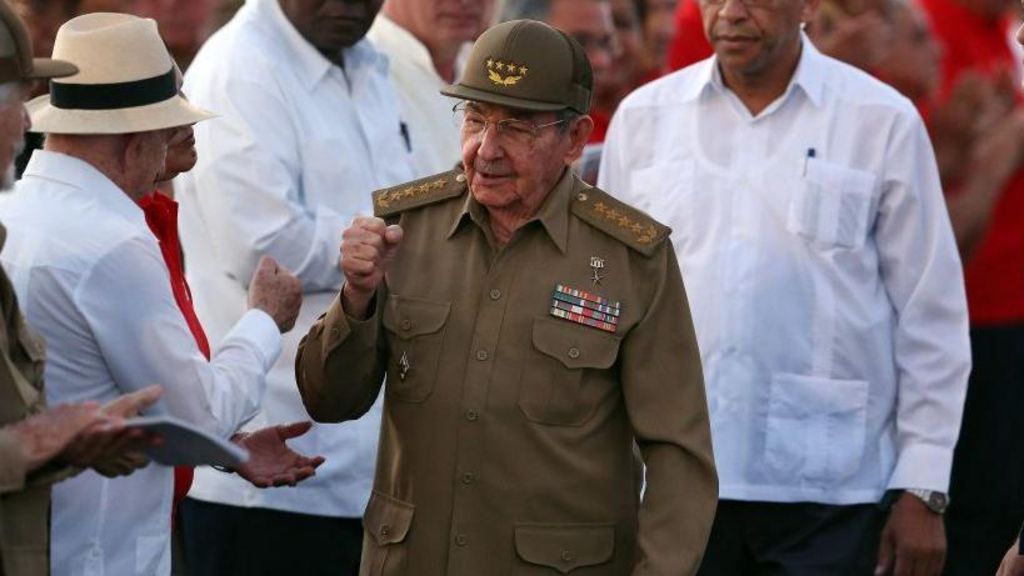
A decades-old Cold War-era incident between the U.S. and Cuba has reignited a high-stakes diplomatic standoff, after a U.S. court unsealed murder and conspiracy charges against 94-year-old former Cuban President Raúl Castro. The charges stem from the 1996 downing of two small aircraft operated by Brothers to the Rescue, a Cuban-American dissident group based in Florida. Four people, including three U.S. citizens, were killed in the incident, which has remained a flashpoint of tension between Washington and Havana for nearly 30 years.
At the time of the incident, Castro, who stepped down as Cuba’s head of state in 2018, led the country’s armed forces. He was indicted alongside five other co-defendants earlier this week, with the charges carrying extreme penalties including life imprisonment or the death penalty. Cuban President Miguel Díaz-Canel has rejected the accusations outright, labeling them a baseless political maneuver with no legitimate legal standing.
The indictment comes as part of a broad, escalating campaign of pressure on Cuba by the Trump administration, which has openly targeted the country’s communist government for regime change. In recent weeks, the White House has ramped up sanctions: earlier this month, President Trump issued an executive order blacklisting officials across Cuba’s energy, defense, financial and security sectors, targeting individuals the U.S. accuses of human rights violations and public asset misappropriation. The U.S. has also tightened its long-standing trade embargo to block oil shipments to Cuba, a move that has exacerbated the country’s ongoing economic woes, triggering widespread power blackouts and acute food shortages.
The Trump administration’s aggressive posture toward Cuba follows the January capture and extradition of former Venezuelan President Nicolás Maduro to the U.S. to face narco-terrorism and drug trafficking charges. In public remarks after the capture, Trump openly stated he believed Cuba was “ready to fall,” signaling further escalation against the island nation.
In response to the latest indictment, Beijing has reaffirmed its long-standing diplomatic and economic support for Havana, a close ally. Chinese Foreign Ministry spokesperson Guo Jiakun issued a formal statement Thursday condemning the U.S. action, calling on Washington to end its use of “coercion” and “constant threats of force” against Cuba. Guo emphasized that China firmly opposes any attempt by outside powers to pressure Cuba under any pretense, and urged the U.S. to stop misusing sanctions and judicial mechanisms as tools of political coercion. “China resolutely supports Cuba in safeguarding its national sovereignty and dignity, and opposes external interference in Cuba’s internal affairs,” Guo said.
China has deepened its economic and diplomatic ties with Cuba over the past decade, following President Xi Jinping’s 2014 official visit to the island. In 2018, formally joined China’s transcontinental Belt and Road Initiative, a massive infrastructure investment framework that has already funded multiple key strategic development projects across Cuba.