
CAPE CANAVERAL, Fla. — After a year of uncontrolled drift through cislunar space, a discarded upper stage from a SpaceX Falcon rocket impacted the lunar surface as predicted on Wednesday, marking the latest high-profile incident of human-made space debris accumulating on Earth’s only natural satellite. Scientists have confirmed the collision through observational data, even as the remote crash site has left formal visual confirmation pending.
作者: admin
-
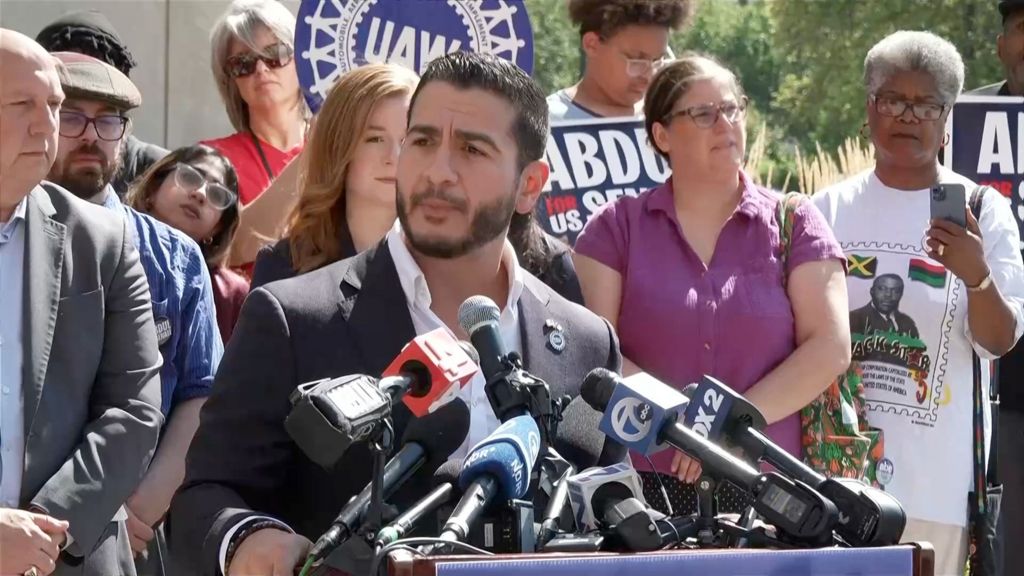
El-Sayed promotes progressive platform after Michigan Senate primary win
After securing a win in Michigan’s closely watched U.S. Senate primary, Democratic candidate Abdul El-Sayed has wasted no time advancing a bold progressive policy platform that aims to resonate with working-class voters across the state ahead of the general election in November. The son of Egyptian immigrants, El-Sayed made history with his primary triumph, and a November victory would shatter another major political barrier: he would become the first Muslim American to serve in the United States Senate.
El-Sayed’s primary win marked a significant shift in the state’s political landscape, as his progressive platform—which includes policy priorities like expanded healthcare access, higher minimum wages, climate action, and campaign finance reform—drew widespread enthusiasm from young voters and progressive activists. His background as the son of working-class immigrants has shaped his policy outlook, with the candidate often emphasizing that he is fighting to represent communities that have been overlooked by establishment politics for decades.
Political analysts note that El-Sayed’s general election bid is already being watched closely across the nation, both for its potential to make history and for what it signals about the growing influence of progressive politics within the Democratic Party. If successful in November, his win would not only represent a personal milestone but also a landmark moment for Muslim representation in the highest levels of American government. El-Sayed has struck an inclusive tone in the wake of his primary win, reaching out to voters across party lines while reaffirming his commitment to the progressive priorities that fueled his primary victory.
-
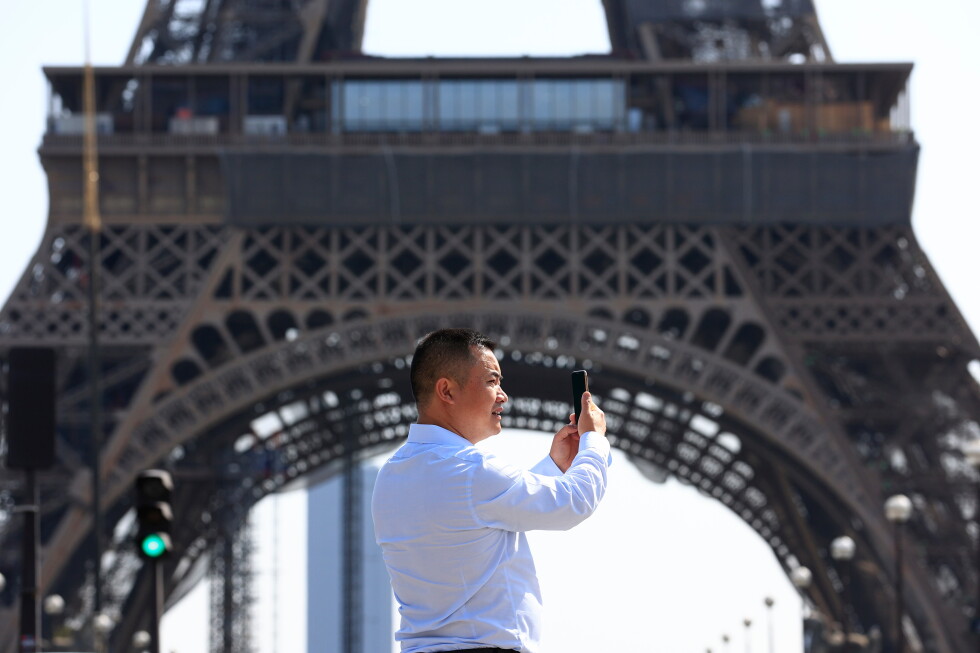
France is banning unsolicited telemarketing calls starting next week
PARIS – Starting next week, a landmark new consumer protection law will come into force across France, permanently banning unsolicited cold-call telemarketing. The legislation, championed by President Emmanuel Macron’s administration and set to take effect on August 11, targets intrusive unsolicited sales pitches and cracks down on fraudulent commercial tactics that disproportionately endanger vulnerable groups.
For decades, French consumers have voiced growing frustration with uninvited marketing calls. Under the previous regulatory framework, people who wished to block such calls were required to register their phone numbers on a government-managed opt-out list. However, consumer advocacy groups have long documented that many call centers routinely disregard this registry, leaving millions of people vulnerable to daily intrusions.
The new regulation flips this framework on its head. “Under the updated rules, businesses are strictly prohibited from reaching out to consumers for marketing purposes without their explicit prior consent,” explained Alice Vilcot, chief of staff at France’s Directorate-General for Competition, Consumer Affairs and Prevention of Fraud. “Importantly, consumers also retain the right to withdraw that consent at any point going forward.”
Government data underscores the urgency of the reform: official estimates show that three out of every four French people receive at least one unsolicited sales call each week, with many facing a constant stream of such intrusions to both their landlines and mobile devices. In 2024, 11 leading national consumer organizations issued a joint public appeal for a full ban, denouncing what they called “relentless harassment” that has become an unwelcome regular disruption to daily life. The legislation was ultimately approved by French parliament last year.
To enforce the new ban, regulators have put in place steep punitive measures. Individual violators face fines of up to €75,000 (approximately $87,000) for each illegal call, while corporate offenders can be fined as much as €375,000 ($435,000) per violation. A small set of targeted exceptions apply: consumers who voluntarily opt in to receive marketing communications, for example by checking a consent box during an online purchase, will still receive such calls, and companies may reach out to existing customers with new offers tied to an ongoing contractual relationship. Members of the public can report suspected violations directly through a dedicated government portal.
Vilcot pointed to a high-profile enforcement case from last year that foreshadowed the country’s tougher stance: an Ireland-based telemarketing firm was hit with a €6 million ($6.9 million) fine for violating the old rules by repeatedly calling numbers listed on the previous opt-out registry.
The new rule has not been without controversy, however. In Morocco, which hosts a large offshore call center industry that serves the French market, government officials have warned of significant employment risks. In March, Moroccan Employment Minister Younes Sekkouri stated that between 40,000 and 50,000 local call center jobs could be impacted, noting that the French market makes up more than 80% of total sector revenue for Moroccan call centers.
France’s policy shift puts it among a small group of European nations that have adopted an opt-in model for telemarketing. Neighboring Germany implemented a similar ban on unsolicited cold calls back in 2009. Most other major economies, by contrast, still rely on opt-out systems: the U.S. maintains a national Do Not Call Registry, Canada operates its own national do-not-call list, and the United Kingdom runs the Telephone Preference Service, where users can register to block unwanted calls. In the U.K., violating opt-out requests can result in fines of up to £500,000 ($670,000) per violation.
AP reporter Jill Lawless contributed reporting from London.
-
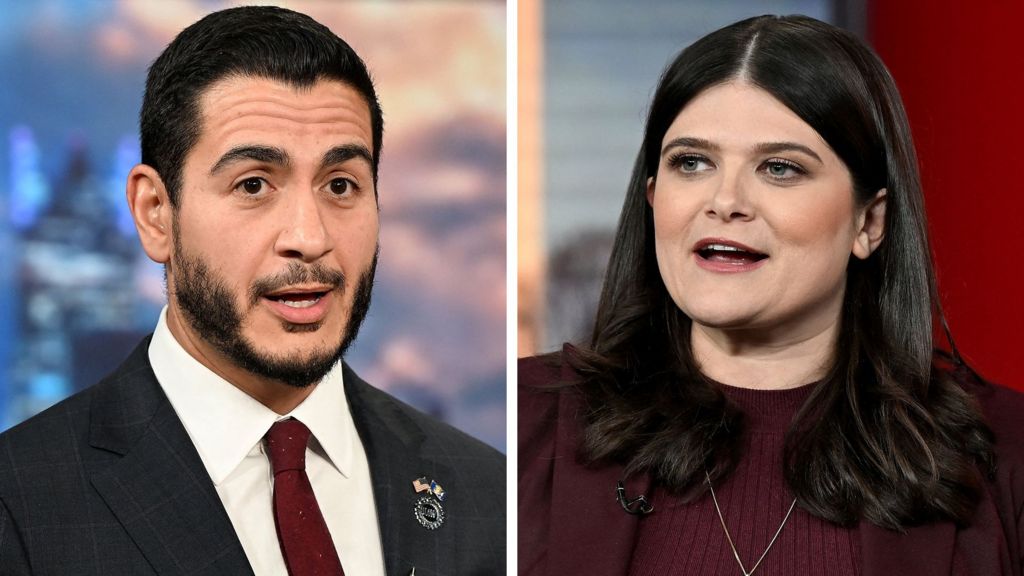
Left-wing political outsider wins Democratic Senate primary in Michigan
A surprise political shift is reshaping the 2026 midterm election landscape in Michigan, where left-wing progressive outsider Abdul El-Sayed has been projected to claim the Democratic Party’s U.S. Senate nomination, capping off a brutal primary race that laid bare deep ideological fractures within the national Democratic Party.
According to projections from CBS News, the BBC’s U.S. news partnership, the former public health official is on track to defeat four-term moderate Democratic incumbent congresswoman Haley Stevens in the state’s competitive primary. If the result is officially confirmed, El-Sayed will face off against former Republican congressman Mike Rogers, a close ally of former President (and current President, as of 2025) Donald Trump, in the critical November general election.
A son of Egyptian immigrants, El-Sayed would make history as the first Muslim U.S. senator if he secures victory in November. His campaign has centered on a slate of bold progressive policy priorities: he has pushed for the implementation of universal single-payer healthcare (branded as Medicare for All), called for the abolition of U.S. Immigration and Customs Enforcement, and broken with centrist party orthodoxy by demanding an end to unconditional U.S. military aid to Israel. He earned high-profile endorsements from leading progressive figures, including Vermont Senator Bernie Sanders and New York Congresswoman Alexandria Ocasio-Cortez, building a grassroots movement focused on reducing the influence of corporate money in politics.
In remarks to supporters on Wednesday, El-Sayed framed his campaign as part of a growing national movement for economic and social change. “The movement to get money out of politics, put money in your pocket, and pass Medicare for All is a big movement,” he said, echoing a core message he repeated throughout the primary campaign. Stretching a hand to unify the state’s Democratic electorate ahead of the general election, he added that he would represent all Michigan constituents, regardless of whether they supported him in the primary or backed Kamala Harris or Donald Trump in the 2024 presidential election.
Stevens, the 43-year-old moderate candidate who positioned herself as a centrist alternative capable of winning over swing voters in November, quickly conceded and pledged her full support to El-Sayed. “I want to congratulate Abdul El-Sayed on winning the Democratic nomination for US Senate,” Stevens said in an official statement. “He is a doctor, a community health official, a Rhodes Scholar, and a dedicated Michigander. I am proud to offer my support as he takes on Mike Rogers in the general election.” Stevens ran on a platform focused on protecting Michigan’s manufacturing jobs, and counted endorsements from high-profile state Democrats including Governor Gretchen Whitmer and outgoing Democratic Senator Gary Peters, whose retirement opened up the Senate seat up for grabs.
The two candidates offered starkly different visions for the party and the country, with their opposing stances on U.S. policy toward Israel emerging as the most prominent dividing line of the campaign. While El-Sayed has criticized longstanding U.S. military involvement in the Middle East and called for reining in aid to Israel, Stevens has maintained a staunchly pro-Israel position, supporting the continuation of unconditional American military assistance.
For Trump and national Republicans, the primary result was met with open celebration. Trump declared the Michigan outcome “Great news for the Republican Party” in a post on his Truth Social platform, doubling down on his familiar attacks on Democrats by mislabeling the party the “Dumocrats” and claiming that their “crazy policies will only get worse!”
Even before the final projection was confirmed, El-Sayed had signaled his priority of uniting the Democratic base to block Rogers from winning the seat in November. “Whatever happens tonight, we have a responsibility to ensure that we unite, unite to make sure that [Republican] Mike Rogers never sees the inside of the US Senate,” he told supporters Tuesday night as votes were still being counted.
Tuesday’s primary voting also included contests for U.S. House seats across Michigan, Virginia, and Washington state, where Democratic voters selected their general election candidates. The open Michigan Senate seat has not been won by a Republican candidate since 1994, but the state remains one of the most critical swing states in national presidential politics: Michigan backed Democrat Joe Biden in 2020, but flipped to support Trump in his successful 2024 presidential run.
The November 2026 midterm elections will decide partisan control of both chambers of Congress for the final two years of Trump’s second presidential term, making every competitive Senate race a high-stakes contest for both parties.
-
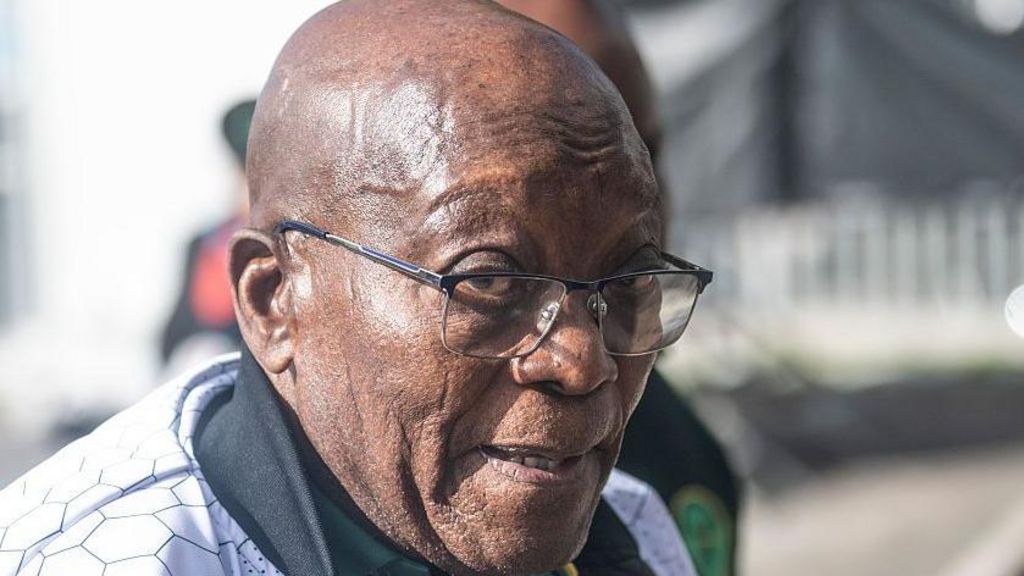
South Africa plans new rules on ex-leaders’ foreign trips after Zuma’s visit to India
South Africa’s national government is moving to formalize stricter transparency regulations for foreign travel by former heads of state, a policy shift sparked by repeated diplomatic and political controversies stemming from ex-President Jacob Zuma’s recent overseas trips. The push for new rules comes after Zuma, who left office in 2018 amid widespread corruption allegations, made a high-profile visit to India last month where he was photographed meeting with Ajay Gupta, one of the three Gupta brothers at the center of South Africa’s decades-long state capture corruption scandal.
The meeting sparked immediate public and political outrage across South Africa, with one sitting cabinet minister publicly accusing Zuma of giving a defiant “middle finger” to the country’s ongoing efforts to combat institutional corruption. The Gupta family’s close ties to Zuma during his presidency have been the subject of a years-long official investigation. Over a decade ago, the wealthy Indian-South African business family was first accused of leveraging their personal connection to Zuma to shape national policy and siphon off hundreds of millions of dollars in state contracts. Both Zuma and the Gupta family have consistently denied all allegations of wrongdoing.
Following the launch of a judicial inquiry into the so-called “state capture” scheme in 2018, the entire Gupta family fled South Africa. In 2022, the inquiry’s final report formally concluded that Zuma had repeatedly appointed and removed key economic cabinet ministers at the direct request of the Gupta family, effectively letting the private family influence core state functions. South African authorities have since canceled the arrest warrant for Ajay Gupta, while Atul and Rajesh Gupta—Ajay’s two younger brothers—reside in the United Arab Emirates. In 2023, an Emirati court rejected South Africa’s formal extradition request for the pair, leaving them beyond the reach of South African law enforcement.
Zuma, who was expelled from the ruling African National Congress (ANC) – the party he once led – now heads the newly formed opposition party uMkhonto we Sizwe (MK). During his last month’s trip to India, the 82-year-old politician was photographed with Ajay Gupta at an Indian religious site, with South Africa’s sitting high commissioner to India Anil Sooklal also appearing in the image. In the wake of the photo becoming public, Sooklal was recalled to South Africa for questioning, though he has denied any improper conduct related to the meeting.
Speaking at a formal media briefing this Wednesday, South African Foreign Minister Ronald Lamola confirmed that his department has submitted draft proposals for new travel protocols to parliament and the president’s office. Under the new rules, any former head of state traveling abroad would be required to disclose full details of their itinerary, meetings and trip purpose ahead of departure, to allow the government to conduct a full assessment of potential reputational, political, diplomatic and security risks, and determine what level of official support, if any, will be provided.
This incident is not the first time Zuma’s foreign travel has created diplomatic embarrassment for the current South African government. Last year, Zuma traveled to Morocco in his capacity as MK party leader, where he publicly expressed support for Morocco’s territorial claim over the disputed region of Western Sahara—a position that directly contradicts the official policy of the South African government, which supports the independence movement for the territory. During that trip, Zuma was photographed meeting Morocco’s foreign minister standing in front of a South African national flag while discussing Western Sahara, prompting the government to issue a formal condemnation and deliver a diplomatic protest to Moroccan authorities.
The proposed new rules are now under consideration by South Africa’s legislative and executive branches, as the government works to address gaps in oversight that have allowed former heads of state to take actions that undermine the country’s official diplomatic positions and anti-corruption efforts.
-
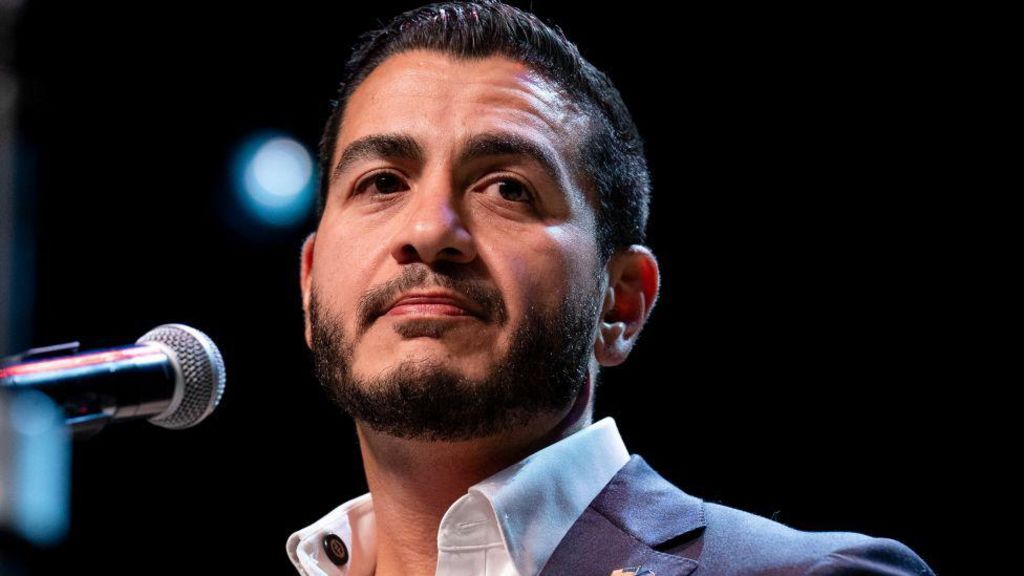
El-Sayed’s victory sends tremors through Democratic Party
Three months out from the pivotal 2026 US midterm elections that will determine partisan control of Congress and key state governorships, Tuesday’s primary results across five states have delivered a sharp, revealing snapshot of the American electorate’s current mood. The outcomes exposed deepening ideological rifts within the Democratic Party, cemented former President Donald Trump’s continued dominance over Republican primary politics, and offered early signals of which issues and candidates could shape November’s general election outcomes. Below is a breakdown of the four most consequential takeaways from Tuesday night’s voting.
-
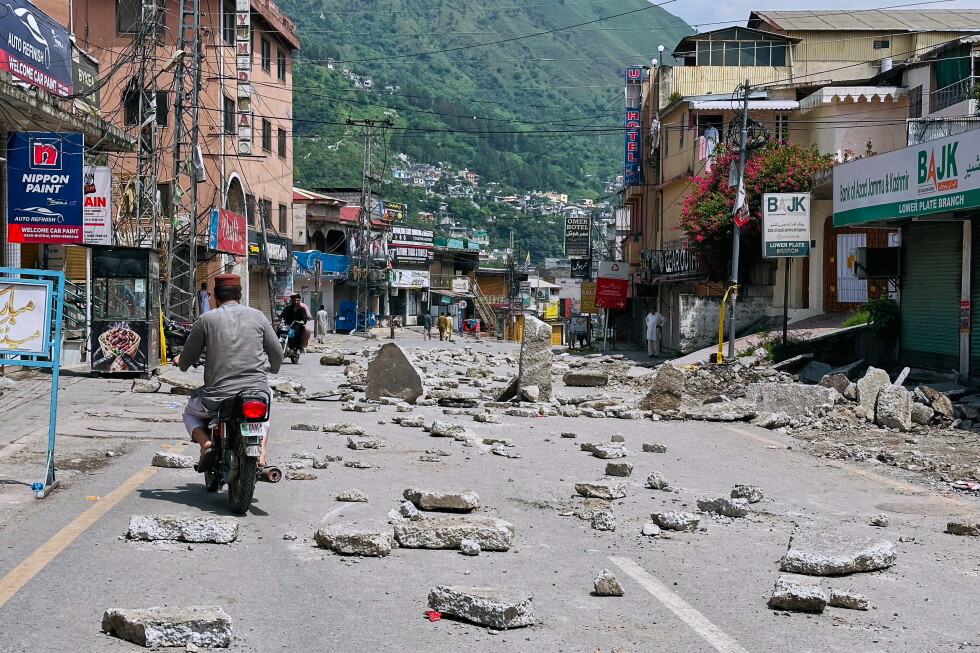
Pakistan’s ruling party leads in Kashmir vote despite boycott call by banned group
ISLAMABAD, Pakistan – Early official results from the first two phases of legislative assembly elections in Pakistan-administered Kashmir show Prime Minister Nawaz Sharif’s ruling Pakistan Muslim League-N (PML-N) holding an overwhelming early lead, defying weeks of destabilizing protests and organized boycott calls from a recently banned opposition group.
Raja Shakeel, spokesperson for the region’s independent election commission, confirmed Wednesday that candidates backed by PML-N have secured 24 of the 34 seats decided in the first two rounds of voting. Even with 11 remaining seats set to go to the polls on August 10, election observers already project the party is on an unassailable path to form the next regional government — marking PML-N’s return to power in the territory after a 10-year absence.
Election officials extended voting across three phases to address two overlapping challenges: persistent security threats from unrest and severe disruption from annual monsoon rains, which made large-scale outdoor campaign rallies logistically unfeasible and dangerous. Despite these headwinds and the boycott campaign, voter turnout has outperformed many expectations: regional data shows turnout surpassed 50% across most voting areas, hitting 56% in the regional capital of Muzaffarabad.
The electoral process was overshadowed for weeks by demonstrations led by the Joint Awami Action Committee (JAAC), an opposition group that was formally banned by the regional government over public order and national security concerns shortly before voting began. The JAAC has centered its protest on 12 legislative seats reserved for refugees displaced from Indian-controlled Kashmir following the 1947 partition of British India. The group argues these seats give unfair disproportionate political influence to people residing outside Pakistan-administered Kashmir and has repeatedly called for the reserved seats to be eliminated entirely. The controversy escalated in June when the region’s Supreme Court ruled that the reserved seats are constitutionally protected, and can only be altered through a formal constitutional amendment, a process that requires approval from the elected legislative assembly.
The reserved seats were first established to guarantee political representation for displaced families who settled across mainland Pakistan after partition, when Pakistan-administered Kashmir lacked the infrastructure and resources to accommodate a large influx of new residents. Decades later, many descendants of these displaced families still reside across Pakistan, while others have since relocated to the Pakistan-administered Kashmir region.
In the lead-up to voting, repeated clashes broke out between JAAC supporters and local police. Regional authorities have further alleged that members of the Pakistani Taliban have infiltrated JAAC protests to disrupt the democratic process, claims the JAAC has not issued any formal response to. Despite these threats of violence, the majority of registered voters turned out to cast their ballots, exercising their democratic right amid widespread insecurity.
Political analysts note that the strong turnout and rejection of the boycott campaign signals broad public confidence in the regional democratic process, even amid longstanding political tension. In a formal statement following the release of early results, former Prime Minister Nawaz Sharif offered congratulations to all winning candidates for their successful campaigns.
The Kashmir region has remained one of the world’s longest-running territorial disputes: both nuclear-armed neighbors India and Pakistan administer separate portions of the Himalayan territory, while each claims full sovereignty over the entire region. Since both states gained independence from British rule in 1947, two of the three full-scale wars fought between the two nations have been over control of Kashmir.
-
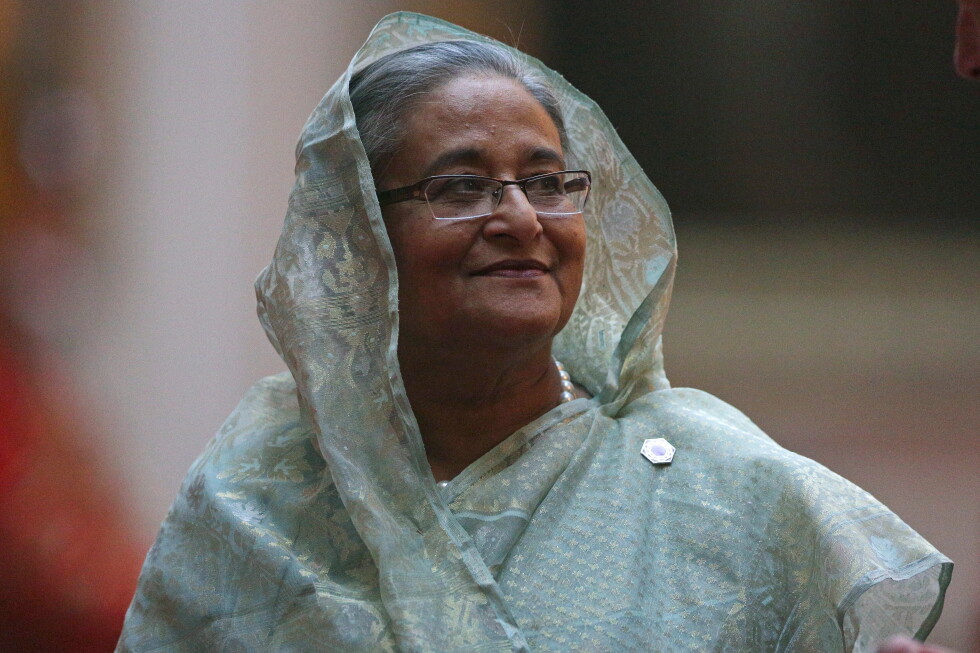
Ousted Bangladeshi leader Sheikh Hasina to return from exile in December
On a Wednesday marked by overlapping symbolic events tied to Bangladesh’s 2024 political upheaval, ousted former prime minister Sheikh Hasina made a defiant declaration from her exile in India: she intends to return to her homeland this December, even as a capital punishment sentence hangs over her head for the deadly 2024 crackdown on anti-government protesters.
Hasina delivered the announcement via an audio address at a New Delhi event commemorating the second anniversary of the student-led uprising that forced her from power. The 15-year incumbent prime minister fled to India in 2024 as mass protests swept across Bangladesh, and has remained in exile outside her country ever since. In 2025, a Bangladeshi court convicted her in absentia of crimes against humanity for ordering the violent response to the uprising, sentencing her to death. A United Nations report on the unrest recorded that nearly 1,400 people lost their lives during the crackdown, charges that Hasina has repeatedly and vehemently denied.
Facing legal jeopardy that could cost her life, Hasina framed her planned return as a non-negotiable responsibility to the people of Bangladesh. “I know that they may put me in jail, or they may kill me, or anything may happen, but still I have to go back,” she stated. “Fear cannot decide my duty to the people.” She also used the address to push for two key political demands: the lifting of the current ban on her Awami League party, and the release of all political detainees being held under the current administration.
Bangladesh’s current government has repeatedly requested India extradite Hasina to face her sentence, but New Delhi has thus far refused to hand the former leader over. The status of that extradition request remains unchanged as of Hasina’s latest announcement.
Half a world away in Dhaka, the same day brought a separate event that cemented the legacy of the uprising that ended Hasina’s rule: Bangladeshi Prime Minister Tarique Rahman officially opened the July Mass Uprising Memorial Museum, installed in Hasina’s former official residence. The memorial initiative was first launched by the interim government led by Nobel Peace Prize winner Muhammad Yunus, who took office just three days after Hasina fled the country in 2024. Yunus joined Rahman for the inauguration ceremony.
The museum preserves the story of the 2024 uprising through immersive exhibits, including audio and video footage of the unrest, personal effects of protesters killed during the crackdown, contemporaneous newspaper clippings, and documentation of alleged systemic political repression that occurred during Hasina’s 15 years in power.
Rahman, the son of former prime minister Khaleda Zia and Hasina’s long-standing political archrival, won a landslide election victory in February 2025, in a vote administered by Yunus’ interim government. Hasina’s Awami League was blocked from participating in that electoral contest. The report on Hasina’s announcement was filed by contributing journalist Alam based in Dhaka, Bangladesh.
-
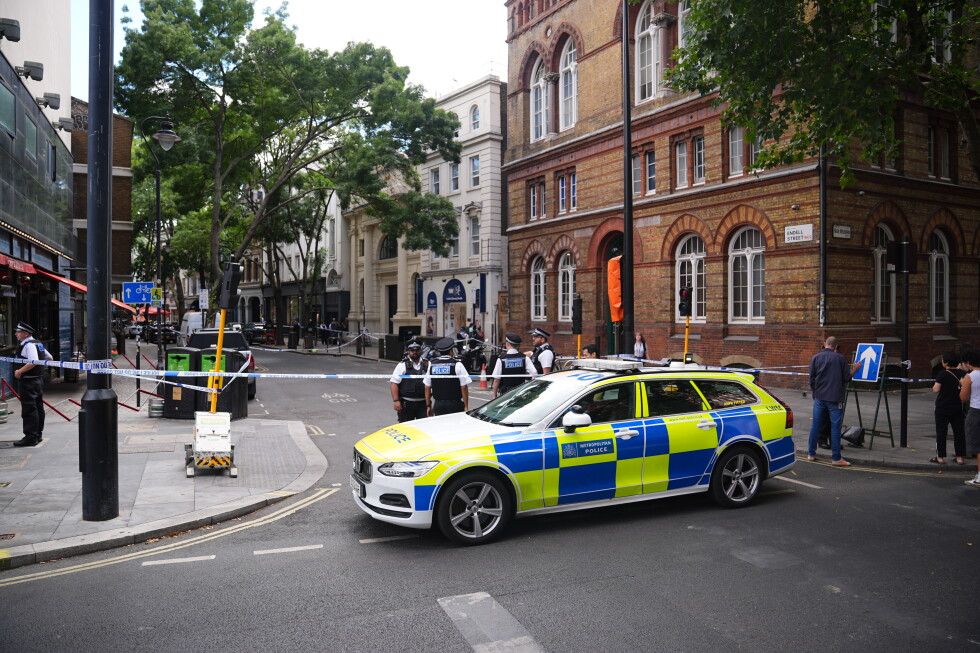
4 people have been stabbed in London’s Covent Garden area and a woman arrested, police say
A violent stabbing incident disrupted the busy tourist hub of Covent Garden in central London on Wednesday, leaving four men injured and prompting the swift arrest of a local woman, London’s Metropolitan Police have confirmed.
Initially, authorities reported that three individuals had been wounded in the attack, which took place on Endell Street in the afternoon. But an updated statement from the force later corrected this count, confirming that four men, aged 34, 39, 42 and 52, were located with visible stab wounds following the disturbance.
A 47-year-old woman has been taken into police custody in connection with the event. She faces suspicion on two charges: possession of an offensive weapon and assault, according to official police briefing. All four injured men were quickly transferred from the scene to a leading major trauma center for urgent medical care. As of Wednesday evening, law enforcement has not released any additional details on the severity or current status of the victims’ injuries.
London Ambulance Service also confirmed its response to the emergency. A service spokesperson noted that paramedics administered on-site first aid to all four patients before transporting them via road ambulance to the trauma center. The incident, which unfolded in one of London’s most crowded and visitor-favorite districts, triggered an immediate emergency response, though no further details about a potential motive or the relationship between the suspect and victims have been made public.
-
Party in Spain’s government questions co-hosting 2030 World Cup with Morocco after migration crisis
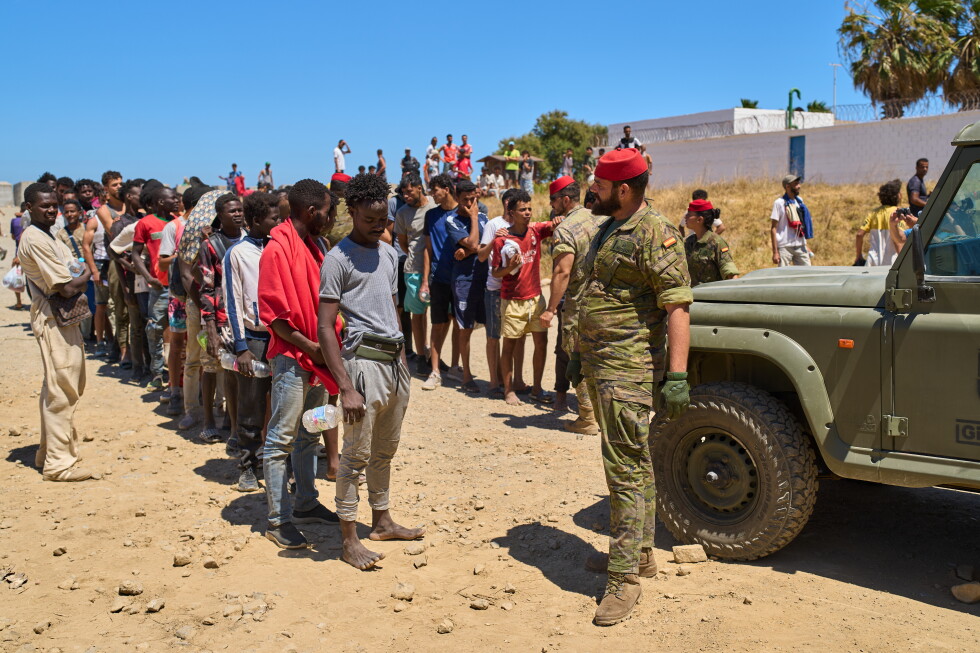
In the wake of a chaotic mass migration surge through the Moroccan-Spanish border last week that left dozens dead, a key junior partner in Spain’s ruling government is pushing for the country to re-examine its plan to co-host the 2030 FIFA World Cup alongside Morocco and Portugal.
Sumar, a small left-wing party that holds cabinet positions in Socialist Prime Minister Pedro Sánchez’s governing coalition, tabled a non-binding parliamentary motion Wednesday calling on Spanish sports governing bodies to revisit the 2030 co-hosting agreement finalized with Morocco and Portugal. While Sumar only controls 26 of 350 seats in Spain’s national parliament, its position carries outsize political weight as a member of Sánchez’s ruling administration — a government that has already drawn sharp criticism from other European Union members over its handling of the Ceuta crisis. Party leaders have acknowledged that beyond backing from other small left-wing blocs, additional parliamentary support for the motion remains unlikely at this stage.
Last week, more than 72,000 migrants crossed the border from Morocco into Ceuta, a small Spanish autonomous territory located on the North African coast. By the time the initial surge calmed, Moroccan authorities helped Spanish officials repatriate nearly all of the arrivals, with roughly 2,000 people — 1,000 of them minors — remaining in the enclave as of the latest figures from Spain’s Interior Ministry. At least 84 migrants died while attempting to cross by swimming around the breakwater and border fence separating the two territories, a surge that was largely coordinated and fueled by viral social media posts encouraging mass crossings.
Prime Minister Sánchez has publicly defended Moroccan authorities’ response, crediting them with acting quickly to facilitate the repatriation process. But his stance has drawn backlash from opposition figures and even within his own cabinet: Spain’s defense minister has joined calls for Morocco to issue a more detailed public explanation of the events that led to the crisis.
Nahuel González, a Sumar lawmaker and one of the co-authors of the motion, has gone further, accusing the Moroccan government of deliberately weaponizing migration to gain political leverage. “The Moroccan state, the Moroccan monarchy, does not respect human rights, it uses migrants to exercise political pressure,” González told Spanish public broadcaster TVE. When pressed to clarify whether Sumar was calling for Morocco to be stripped of its co-hosting status or for Spain to exit the joint hosting plan entirely, González declined to specify, saying only that the motion asks for “Spain’s sports institutions [to] reconsider this World Cup that is to be shared with Morocco because we believe that we must defend human rights.”
Concern over the joint hosting plan has spread to co-host Portugal, where a small parliamentary party Livre has echoed Sumar’s calls. The party sent an official letter to Portuguese Prime Minister Luís Montenegro and the president of the Portuguese Football Federation calling for a full reassessment, arguing that continuing with the current co-hosting arrangement is “unsustainable” in the wake of the Ceuta crisis.
The 2030 FIFA World Cup is structured as a joint project that will see most matches hosted across Spain, Morocco and Portugal. To mark the 100-year anniversary of the first World Cup hosted by Uruguay in 1930, three South American nations — Argentina, Paraguay and Uruguay — will each host one opening round match as part of the centenary celebration.
Videojournalist Helena Alves contributed reporting from Lisbon, Portugal.