作者: admin

  • Venezuela unable to tally missing from cataclysmic quakes

    Venezuela unable to tally missing from cataclysmic quakes

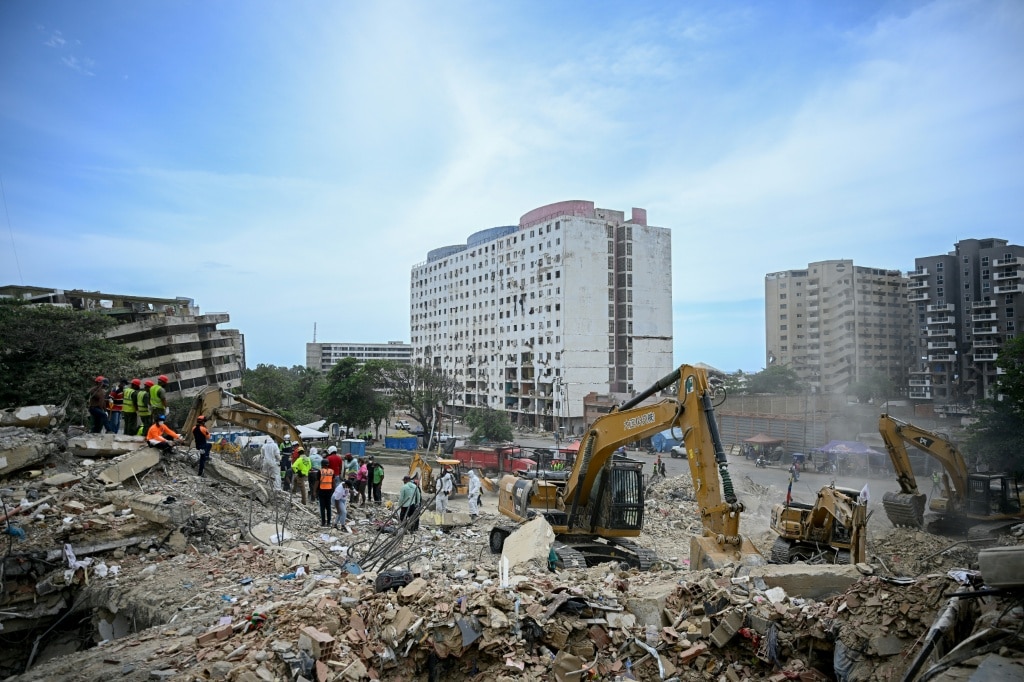
    On June 24, a pair of powerful back-to-back earthquakes tore through northern Venezuela, reducing hundreds of structures to rubble and leaving a trail of devastating loss. Months after the disaster struck, one critical question remains unanswered: how many people are still unaccounted for, buried beneath the broken concrete and debris? Official government data confirms that more than 6,000 people have been confirmed dead from the tremors, but authorities have continuously refused to release any formal count of missing persons. With almost no hope of survival for anyone still trapped, families of the missing are trapped in a cruel, desperate limbo, clinging to faint hope while continuing their search for loved ones.

    The most recent official government update, published Monday, put the confirmed death toll at 6,125. The report also noted that more than 60,990 injured people have received medical treatment, counted 43,679 households displaced or directly impacted by the quakes, and stated that roughly 346,755 tons of rubble have been cleared from disaster zones. But from the day the tremors struck, no consistent or official number of missing people has been made public.

    Across the hardest-hit regions, particularly Venezuela’s coastal La Guaira state and its Caraballeda neighborhood, dozens of civilian volunteers have taken recovery efforts into their own hands, digging through collapsed structures by hand in search of any trace of missing family members. For 50-year-old carpenter Victor Morales, the search is personal: he has already recovered the body of his 13-year-old granddaughter from the rubble, but he refuses to leave until he finds his missing 11-year-old grandson. “We’ve been here since day one, digging holes all the way down to the ground floor,” Morales told AFP through tears. “Until I find him, I’m not going to stop.”

    Conflicting estimates from public officials and international observers have only deepened the confusion around the true number of missing. In the immediate aftermath of the disaster, United Nations aid chief Tom Fletcher estimated that more than 50,000 people were unaccounted for, but a diplomatic source who spoke to AFP called that figure inaccurate. “It’s impossible to know exactly, but around 10,000 or more,” the source said.

    The root of this uncertainty extends far beyond government reluctance to release data. Venezuela has not conducted a full national census since 2011, and years of severe economic and political crisis have made it impossible to update the country’s core demographic records. This gap in data aligns with the Venezuelan government’s longstanding pattern of releasing demographic and economic statistics only when it is politically convenient, rather than on a consistent, transparent schedule.

    Even official statements from senior Venezuelan leaders are inconsistent. On June 30, National Assembly Chief Jorge Rodriguez — brother of interim president Delcy Rodriguez — claimed that 30,000 people were present in the disaster zone when the quakes hit. He stated that 19,000 had been rescued or fled the area, and the death toll at the time stood at roughly 2,000 — a math that leaves 9,000 people unaccounted for. Just last week, however, La Guaira Governor Jose Alejandro Teran put the number of missing at 1,338, based on local residential registry data.

    With no reliable official information coming from government agencies, Venezuelan civilians have launched grassroots initiatives to track missing people on their own. Multiple independent websites have been created to crowdsource reports of unaccounted for victims, but even these efforts have produced wildly varying results, with the gap between the lowest and highest missing person estimates topping 20,000.

    One of the most prominent citizen-led platforms, “Venezuela te busca” (Venezuela is Looking for You), initially recorded 44,274 reports of missing people, and says 17,790 people have yet to be located. A second site, “Desaparecidos terremoto Venezuela” (Missing Earthquake Venezuela), lists 44,418 total missing, with 29,518 still uncontactable. A third independent platform, venezuelareports.org, puts the total number of unaccounted for at 41,311. Despite the good intentions behind these grassroots projects, the diplomatic source who spoke to AFP confirmed, “there are no reliable figures.”

    Experienced rescue volunteers say it is not unusual for large-scale disasters to leave some people permanently unaccounted for. “In disasters of this magnitude, it always happens that some people are not found and remain missing,” explained Esteban Chala, an Argentine rescue volunteer with years of disaster response experience.

    For some families, the weeks-long search ends only after weeks of agonizing waiting. After 40 days of digging and waiting, 50-year-old police officer Fernando Bencomo watched as a specialist recovery team pulled the unrecognizable body of his 21-year-old son, student Fernando Antonio, and his son’s pet dog from the ruins. “He had his whole life ahead of him,” Bencomo told AFP. “From day one, I’ve been here searching. I didn’t want to stop until he could rest in peace.” Even after recovering his own son, Bencomo says he will continue helping other families search: “There are more bodies” to recover.

    Bencomo’s find removes one more name from the list of missing, but as recovery efforts drag on, the official confirmed death toll continues to climb, leaving hundreds, possibly thousands of families still waiting for answers that the Venezuelan government has yet to provide.
  • Team of former inmates on frontline of Spokane wildfires

    Team of former inmates on frontline of Spokane wildfires

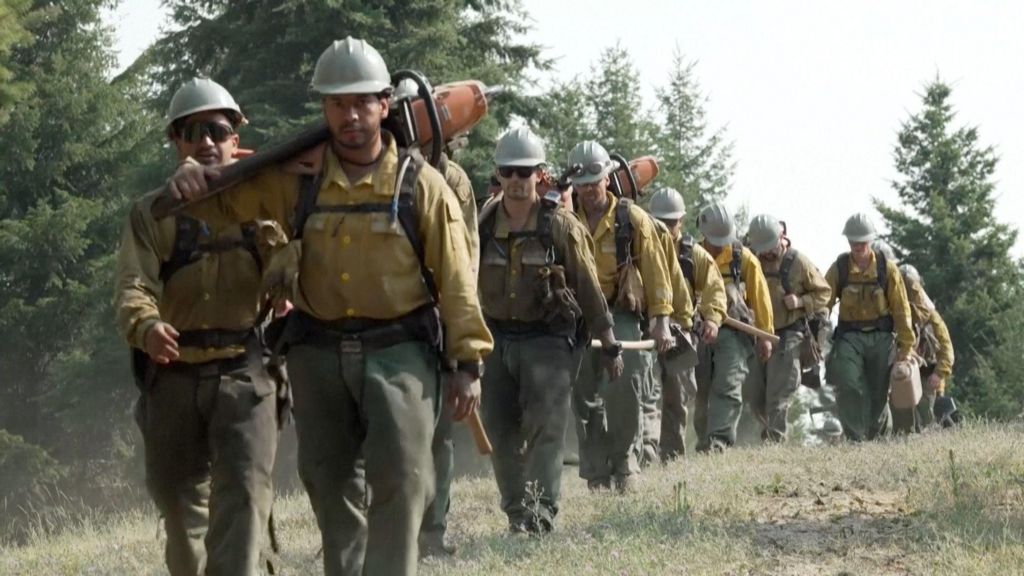
    In the fire-ravaged region of Spokane, Washington, an unconventional group of first responders has emerged to hold the line against one of the area’s most pressing active wildfire threats. Known as the Arcadia 20 team, this crew is made up entirely of individuals who have previously served time in the state’s correctional system, and they are now working on the front lines to stop the Autumn Lane fire from expanding into populated and ecologically sensitive areas.

    The Autumn Lane fire, which remains active after days of burning, continues to put vast swathes of Spokane’s outlying communities and wildlands at elevated risk, forcing evacuations and putting enormous strain on local firefighting resources. As regional fire departments struggle to keep up with the demands of fast-spreading blazes fueled by dry conditions and high winds, the Arcadia 20 team has stepped into a critical role, conducting controlled burn operations, clearing fire breaks, and reinforcing containment lines to slow the fire’s advance.

    What makes this deployment particularly notable is the team’s unique composition: for decades, incarcerated and formerly incarcerated people have been invited to contribute to wildfire response efforts across the western United States, bringing on-the-ground experience and a strong work ethic to high-risk fire zones. For members of Arcadia 20, the role also offers a pathway to reintegration, allowing former inmates to contribute directly to public safety while building new skills and connections to their communities.

    As fire activity remains high across much of the Pacific Northwest, the work of the Arcadia 20 team underscores both the growing strain on wildfire response resources and the innovative approaches communities are taking to protect their residents from the increasing threat of large-scale wildfires.

  • Judge grants Trump’s request to delay handing financial records to BBC

    Judge grants Trump’s request to delay handing financial records to BBC

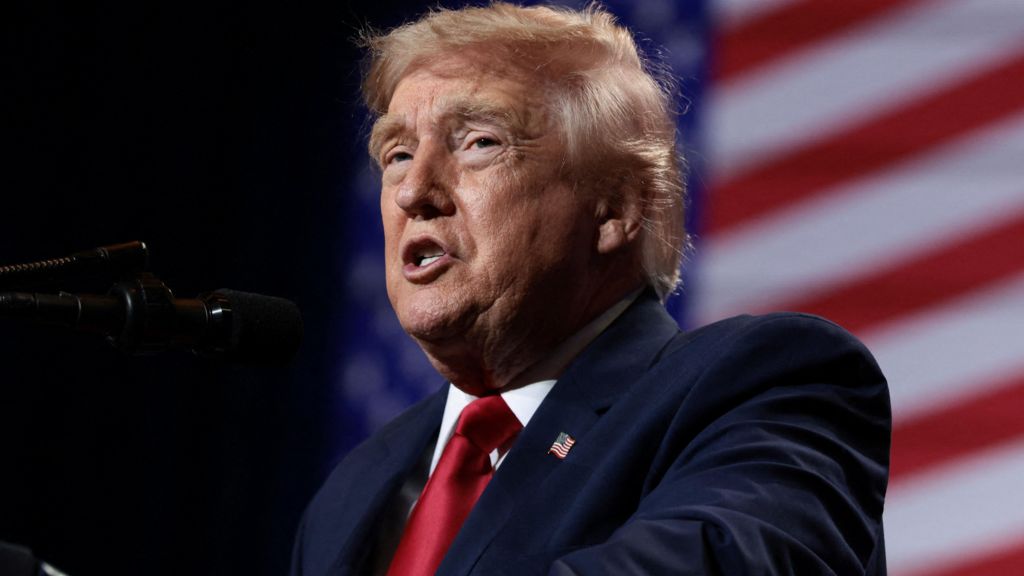
    A U.S. federal judge has approved an emergency motion from former President Donald Trump to temporarily pause the handover of confidential financial records to the British Broadcasting Corporation (BBC), as the high-profile $10 billion defamation lawsuit between the two parties moves through Florida’s court system. The legal dispute stems from a 2021 episode of the BBC’s flagship investigative program *Panorama*, which edited together separate segments of a speech Trump delivered ahead of the January 6 Capitol riot. The editing error created a misleading impression that Trump directly encouraged violent action, a mistake the broadcaster has publicly apologized for, but one that prompted Trump to file suit. Under original court orders issued in July, Trump was required to turn over the first batch of financial documents by August 8, a deadline that followed the BBC’s formal request for the records. The BBC argues the documents are critical to responding to Trump’s original claim that the edited documentary caused severe damage to his business brands and commercial interests. Trump’s legal team submitted the emergency stay request earlier this week, arguing that the disclosure of the former president’s private financial data would cause irreversible harm that cannot be remedied later if the court ultimately sides with Trump on his current objection to the disclosure order. The request for a delay also comes as Trump seeks to amend the core of his lawsuit, a change that would make the financial document release unnecessary entirely. Under the proposed amendment, Trump would drop all claims that the documentary harmed his business ventures. Instead, his complaint would be revised to only seek damages for direct reputational harm to him personally, with no reference to business or brand damage. In her ruling issued Thursday, the judge agreed to pause the disclosure requirement until the court issues a formal ruling on whether Trump will be allowed to amend his complaint. Spokespeople for the BBC have pushed back sharply on Trump’s delay request, characterizing it as a blatant attempt to avoid meeting standard discovery obligations that any plaintiff accepts when filing a lawsuit. The organization noted that this delay is just the latest in a months-long pattern where Trump has refused to produce requested documents, provide sworn answers to written questions, confirm deposition dates, or share any substantive evidence to back his $10 billion claim. A key point of contention for the BBC is that the *Panorama* episode in question was never aired or made publicly available to U.S. audiences, which the broadcaster argues undermines the defamation claim under U.S. law. Just last month, Trump’s own legal team acknowledged that they have no evidence to back up their original assertion that the documentary was distributed to U.S. viewers via the BBC’s BritBox streaming service, BBC.com, BBC Select, or any U.S. broadcast partner. In another recent development in the case, Trump also agreed to remove BBC Studios, the broadcaster’s commercial division, from the lawsuit after the BBC demonstrated that the unit played no role in creating or producing the *Panorama* episode. The BBC has repeatedly called on the court to dismiss the lawsuit entirely, arguing that the editing error was an innocent mistake that does not meet the strict legal standards for defamation in the United States, particularly given the program’s lack of distribution in the country.

  • ‘Morocco has given me nothing’: The young migrants risking everything to reach Ceuta

    ‘Morocco has given me nothing’: The young migrants risking everything to reach Ceuta

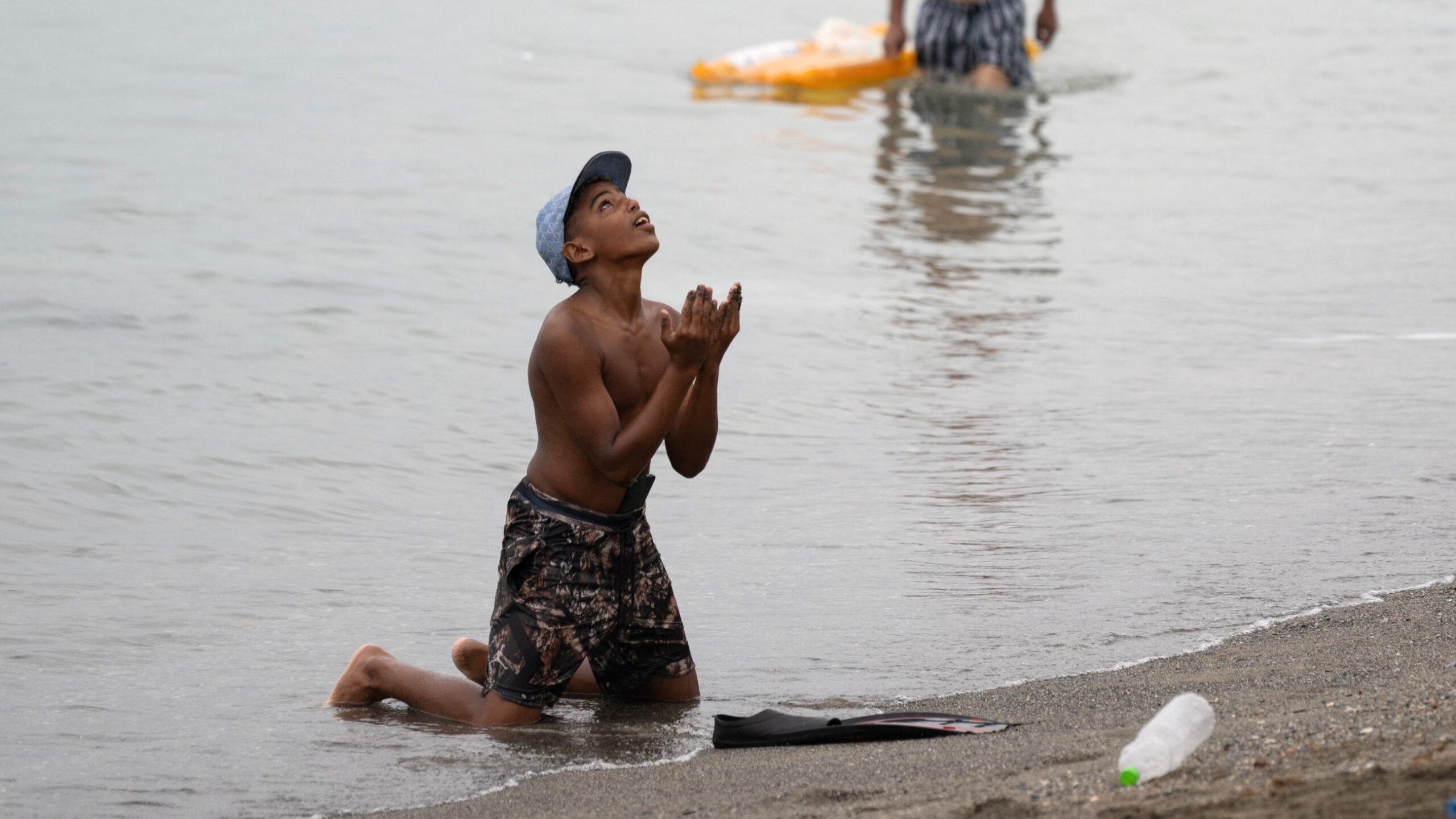
    The Spanish North African enclave of Ceuta is currently reeling from one of the largest unregulated migration events in recent history, after an estimated 72,000 people crossed irregularly from Morocco into the territory starting July 31, a date that coincides with Morocco’s annual King Mohammed VI Throne Day. As of the latest official updates, roughly 70,000 of these arrivals have already been forcibly returned to Morocco, leaving a growing trail of human tragedy and diplomatic fallout between the two neighboring nations.

    No definitive explanation has yet emerged for what triggered the unprecedented crossing, but multiple theories have circulated among policymakers, analysts and migrants themselves. Some observers link the surge to a deliberate political signal from Rabat, coming just 10 days after Spanish Prime Minister Pedro Sanchez’s high-profile visit to Algeria, Morocco’s long-standing rival in the region over the Western Sahara conflict. Other unconfirmed speculation has suggested external involvement from third parties, tied to Spain’s public stance opposing the ongoing conflict in Gaza and escalations against Iran. What remains undisputed is the deeply rooted human desperation driving the crossing: most migrants are young, educated Moroccans who see no viable future in their home country, and at least 141 people have already died during the dangerous journey, with the death toll projected to climb as recovery efforts continue.

    Morocco’s leading independent human rights group, the Association for Human Rights (AMDH), has placed full blame for the crisis squarely on the Moroccan state. In an official statement, the organization described the harrowing border scenes as a direct reflection of systemic despair among Moroccan youth, fueled by mass unemployment, lack of economic opportunity, endemic corruption, growing authoritarianism and the absence of meaningful social justice. The AMDH drew parallels between the situation and humanitarian crises typically seen only in active war and conflict zones. In response, Morocco’s Ministry of Interior has pushed back against these claims, arguing the surge stemmed from misinformation spread virally on social media, combined with human trafficking networks exploiting a recent Spanish Supreme Court ruling that banned immediate forced returns of migrants arriving by sea.

    However, expert analysis and firsthand accounts from migrants directly contradict Rabat’s official narrative. Multiple migrants who completed the crossing told reporters that Moroccan border security actively facilitated their journey, standing aside and even encouraging groups to enter Ceuta. “The Moroccan border security stood back and watched us cross; they would tell us, ‘Go on, hurry up, get into the water,’” explained 19-year-old Hamza, a migrant from Kenitra who traveled more than 40 kilometers to reach the border. Hamza added that police only used violence against migrants who hesitated to cross, beating those who refused to move forward with sticks and ordering them to return home if they would not proceed.

    Carla Hobbs, head of the Madrid Office and policy fellow at the European Council on Foreign Relations (ECFR), confirms that the weight of evidence points to deliberate Moroccan complicity in the surge. “It would have been very hard for this to happen without Moroccan complicity,” Hobbs noted in an interview, pointing to multiple patterns that align with past uses of migration as a political tool by Rabat. She explained that reduced border controls, firsthand accounts of official encouragement, and the timing of the surge immediately after Sanchez’s Algeria visit all point to a deliberate strategic move. This pattern mirrors a 2021 crisis, when a similar mass crossing into Ceuta occurred amid a diplomatic breakdown between Madrid and Rabat over the Western Sahara dispute. Hobbs also highlighted a key shift in this latest crisis: unlike past crossing attempts that were dominated by sub-Saharan African migrants transiting through Morocco, this wave is made up almost entirely of young Moroccans, with reports that Moroccan police blocked sub-Saharan migrants from joining the crossing.

    For the young people who made the journey, the decision to leave grew out of economic hopelessness that even advanced education cannot solve. Nineteen-year-old Hamza, who holds professional diplomas, explained that qualified young people can only earn a handful of dirhams for full-time work even in major Moroccan cities, leaving no path to stable, dignified living. “Even if they try to force me, I will never go back. Morocco has not given me anything,” he said. Twenty-three-year-old Asmae from Casablanca echoed this sentiment, saying she decided to make the crossing after seeing viral posts about the opening on Instagram. She confirmed that Moroccan police remained passive and did not interfere with migrants who chose to leave of their own free will. For 23-year-old Younes, a multilingual college graduate, the journey was driven by a simple hope: “I felt like in Ceuta I would finally get an opportunity in life.” That hope quickly turned to horror, as Younes witnessed three teenage migrants drown during the final swim to shore, and was beaten by Spanish authorities shortly after arriving. He described how Ceuta’s basic services collapsed under the sudden surge, with closed shops, no access to clean water, and widespread violence against new arrivals. “My dream was to get in, and now I swear to god I advise every parent to not send their kids here,” he warned.

    The human cost of the crisis extends far beyond the crossing itself, as hundreds of families remain stranded on the Moroccan side of the border, waiting for any word of their missing loved ones. Najaat, a mother of six, told reporters that three of her children – two daughters aged 12 and 13, and a 14-year-old son – joined the crossing. Before leaving, the girls wrote down their mother’s phone number on their birth certificates, but she has received no word from them since. Overwhelmed with grief and fear, she said she only wants to know if her children are alive or dead, and expressed constant terror that her young daughters face the risk of sexual violence. “I work to take care of my children; I don’t want them to emigrate like this. I deprive myself of things to give to my children,” she said.

    On the ground in Ceuta, humanitarian organizations are scrambling to respond to the crisis, while documenting what they describe as widespread abuses against migrants during deportation processes. No Name Kitchen (NNK), a humanitarian NGO that responds to migration crises, has expanded its small local team from 4 to 18 staff to meet the sudden demand for aid. NNK coordinator Ric Fernandez told reporters that Spanish authorities have used what he calls irregular, violent tactics to force migrants back across the border. “We’ve seen the army use ‘trawling’ tactics, forming human chains of people to force them toward the border with shoves, kicks, shouting and insults, threatening to beat them further if they didn’t move,” Fernandez said. Beatings of migrants who refuse to board deportation trucks are often carried out at night, out of public view, he added. “No one, including the police, the Guardia Civil or the military, asks people how they are, what they need, or why they came to Spain… Even though we sense they’re fleeing hell, the priority is to send them straight back into it,” Fernandez said. The organization is working to connect vulnerable migrants with shelter and resources, while carrying out a large-scale legal documentation effort to protect those eligible for international protection. Their biggest fear, however, is that many vulnerable people will be deported before their claims can be processed.

    Diplomatically, the crisis is expected to cause lasting damage to the slowly rebuilding relationship between Spain and Morocco, which collapsed entirely in 2021 after Spain allowed Polisario Front leader Brahim Ghali to receive medical treatment in Madrid, a move that infuriated Rabat over the Western Sahara dispute. While relations have been on the mend in recent years, Hobbs says the latest surge will leave ties “smooth on the surface but worsened underneath.” Spain has avoided public criticism of Morocco, Hobbs explained, because Madrid relies on Rabat for long-term migration and security cooperation. But the crisis comes ahead of upcoming Spanish elections, and the dramatic images of the surge are already being leveraged by Spain’s far-right anti-immigration party Vox, creating domestic political pressure on the Sanchez government that will not be forgotten. From Morocco’s perspective, the weak, divided response from the European Union has signaled that using migration pressure as a political lever carries very little cost, making it likely Rabat will use the same tactic again in the future, Hobbs added.

  • UEFA says boycott of World Cups stands despite FIFA backdown on private investment

    UEFA says boycott of World Cups stands despite FIFA backdown on private investment

    The long-simmering power struggle between global football’s two governing bodies escalated again on Thursday, as Europe’s UEFA confirmed it would not back down from its threat to boycott both men’s and women’s FIFA World Cup events — even after FIFA backed away from its controversial proposal to open top-tier competitions to private outside investment. The reversal of the private investment plan, which was first floated publicly just over a week ago, came directly after UEFA issued its initial boycott threat last Thursday, a move widely recognized as the driving force that forced FIFA to shelve the policy.

    While the withdrawal of the investment proposal marked the first of two conditions UEFA laid out to drop its boycott threat, the European body confirmed Thursday that the second requirement has not been satisfied. In an official public statement, UEFA emphasized that its member associations set two non-negotiable terms to end their non-participation threat: first, the plans to sell partial stakes in major FIFA competitions had to be fully pulled, and second, FIFA had to provide formal guarantees that no similar attempts to alter the fundamental structure of the sport would be introduced again. “These conditions have not been met,” the statement read plainly.

    Though UEFA acknowledged and welcomed FIFA’s withdrawal of the plan last Saturday, the organization has remained sharply critical of FIFA President Gianni Infantino, attacking the original proposal as a “shabby, backroom, opaque deal” — a tone that remained unchanged in Thursday’s update. The statement reaffirmed that UEFA has completely lost confidence in Infantino’s leadership, a position that remains firmly in place.

    Infantino had earned a temporary show of internal support on Wednesday, when he convened an emergency meeting of senior FIFA directors in Marrakech, Morocco. The board issued a statement offering Infantino their “full confidence” while also issuing an apology for missteps that followed the leak of the investment proposal to media outlets. Even FIFA Secretary-General Mattias Grafstrom, who drew attention earlier this week when a leaked internal email showed he publicly criticized the plan, joined the show of backing for Infantino.

    That show of internal support did nothing to change UEFA’s position, however. In a scathing rebuke, UEFA noted that the backing came from individuals employed directly under Infantino whose professional standing depends on his continued favor, adding that this display of loyalty changes nothing about the European body’s stance.

    The original proposal, unveiled by FIFA on October 15, would have created a new commercial subsidiary named FIFA Forward Enterprise (FFE) to operate flagship events including the men’s World Cup and Club World Cup. FIFA pegged the total valuation of the new entity at $20 billion, and projected that selling private stakes would generate up to $4.2 billion in new revenue. The organization argued the plan would deliver major financial benefits to its 211 member associations: a one-time $20 million payout to every member by early 2027, and an increase in baseline funding for the 2027-2030 cycle from $8 million to $20 million per association.

    Widespread backlash from football federations around the world, led by UEFA’s high-profile boycott threat, forced Infantino to back down from the plan just days later, in what has been widely described as a humiliating climbdown for the FIFA president.

  • Romania rushes to sink 4 barges in the Danube to keep a nuclear power plant’s second reactor running

    Romania rushes to sink 4 barges in the Danube to keep a nuclear power plant’s second reactor running

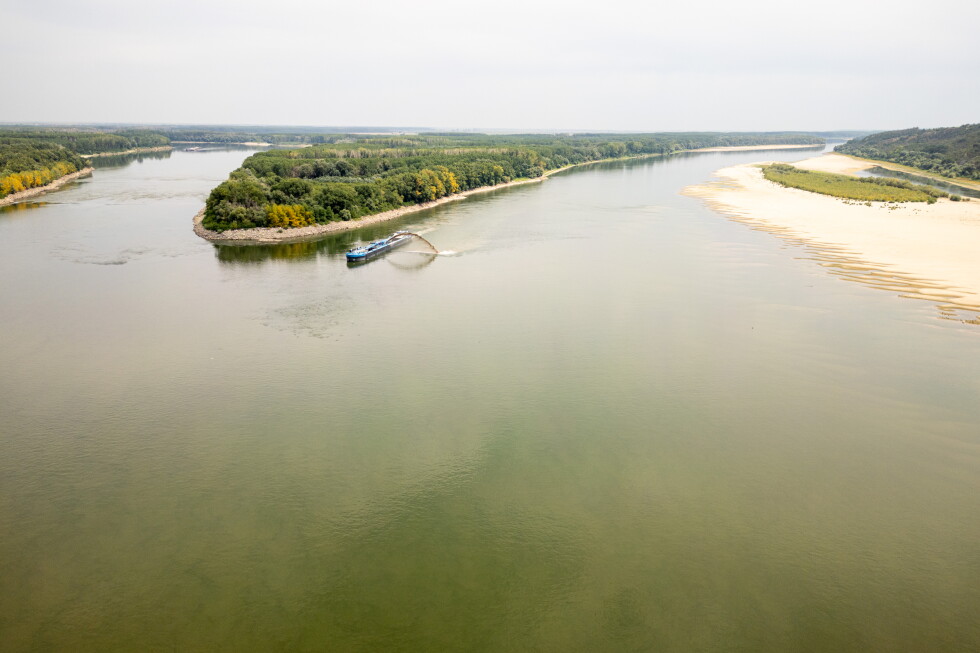
    Amid a crippling regional drought that has pushed the Danube River to historic lows, Romania launched urgent emergency operations Thursday to sink four rock-laden barges in the waterway, in a last-ditch effort to redirect sufficient flow to the country’s critical Cernavoda nuclear power plant and prevent an immediate full shutdown of the facility.

    Unprecedented heatwaves and drastically below-average rainfall across Eastern Europe have drained the Danube to record-low levels over the past seven days, forcing the plant to take its first reactor offline last week. When fully operational, the state-owned Cernavoda facility contributes roughly 20% of Romania’s total national electricity output, and relies directly on Danube water to cool its operating reactors.

    The four barges were filled with rock extracted by the Romanian military from sections of the river near the Bala Canal earlier this week. Once fully submerged, the vessels will form a submerged barrier that shifts water flow back into the river’s main shipping and cooling channel, guiding it straight to the Cernavoda plant located downstream.

    Romeo Urjan, director of the Cernavoda nuclear facility, told Romanian local news outlet Digi24 Thursday that the river’s water level had dropped an additional 2 centimeters (0.78 inches) between Wednesday and Thursday. Without the emergency barge barrier, Urjan confirmed the plant’s second and only remaining operational reactor would be forced to shut down within just five to six days. With the intervention, he projected the reactor could stay online for an extra four to five days, extending operations to nine to 10 days total from Thursday. Urjan also noted that it will take approximately 24 hours for the flow adjustment from the submerged barges to reach the plant, which sits 60 kilometers (37 miles) downstream from the worksite.

    Since the first reactor was shut down, Romanian authorities have rolled out a series of emergency mitigation measures, including large-scale dredging of shallow sections of the river. This week, the Danube’s flow through Romanian territory dropped to 1,400 cubic meters per second — the lowest level recorded in decades, and less than one-third of the seasonal average for this time of year.

    On July 31, acting Romanian Prime Minister Ilie Bolojan declared a nationwide state of alert for the country’s energy sector. Speaking to reporters Thursday, Bolojan reiterated an appeal to citizens and local governments to voluntarily cut back on electricity use during peak evening demand hours, and confirmed that the barge sinking operation would continue through Friday.

    Following a special government meeting to address the crisis, Bolojan said all ongoing works are designed to maintain sufficient water flow even as forecasts predict Danube levels will remain at critically low levels. The core priority, he emphasized, is keeping enough water moving to the plant to allow the second reactor to continue operating “at maximum capacity.”

    Bolojan also warned that a full shutdown of Cernavoda would leave Romania facing significant energy shortfalls. While the country could turn to energy imports from neighboring countries to cover peak evening demand, most neighboring states are also grappling with their own energy disruptions tied to the ongoing drought.

    The drought-driven energy crisis is not isolated to Romania. In neighboring Hungary, record-low Danube levels have left the country’s only nuclear power plant at risk of a full shutdown — a scenario that has not occurred in decades. In Moldova, which relies heavily on imported electricity including from Romania, authorities have also issued public appeals for citizens to voluntarily cut electricity consumption during peak demand hours.

  • The atomic bomb, a world-changing invention, inflicted suffering and launched the nuclear age

    The atomic bomb, a world-changing invention, inflicted suffering and launched the nuclear age

    Human innovation has always held a dual nature: it can lift humanity to new heights of progress, or unleash destruction on a scale never before imagined. No invention embodies this contradiction more sharply than the atomic bomb, a scientific breakthrough that forever altered the course of global history when it was first deployed in warfare 78 years ago.

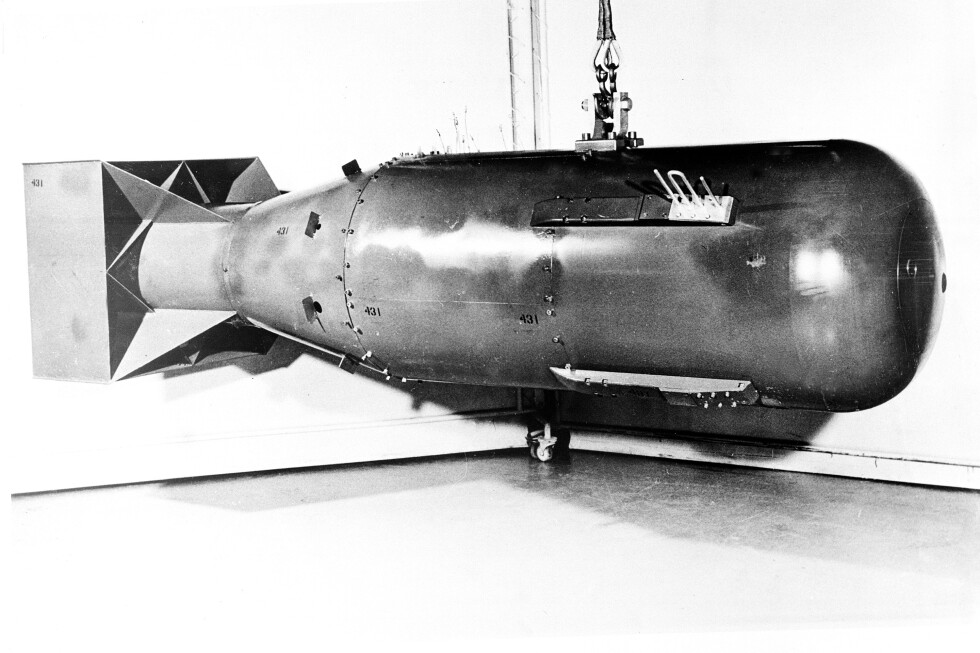
    On August 6, 1945, the United States dropped the world’s first combat atomic bomb, codenamed “Little Boy”, an olive-green steel device, over the Japanese city of Hiroshima. The devastating explosion killed tens of thousands of civilians instantly, left countless more suffering from lifelong radiation-related illness, and redrew the map of global geopolitics permanently. Just three days later, a second atomic weapon, the plutonium-based “Fat Man”, detonated over Nagasaki, claiming another 70,000 lives and leaving tens of thousands more with life-altering injuries.

    Unlike other transformative American innovations – from the airplane that connected continents, to the polio vaccine that eradicated a deadly disease, to the personal computer that revolutionized global communication – the atomic bomb carries an unresolvable dual legacy. While it accelerated Japan’s surrender and brought an end to the bloodshed of World War II, it also inaugurated an era of existential fear of total human annihilation and sparked a decades-long global nuclear arms race that continues to shape international security today.

    Firsthand accounts from survivors and reporters on the ground bring the scale of this destruction into sharp, human focus. United Press International correspondent Leslie Nakashima traveled back to his native Hiroshima in the days after the bombing, and found the city of 300,000 residents completely reduced to rubble, though his own mother survived. In his August 27, 1945 report, he documented what he called the weapon’s “stupendous destructive power” that defied description.

    In Nagasaki, 16-year-old Sumiteru Taniguchi was delivering mail just 1.8 kilometers from the bomb’s epicenter when the blast threw him from his bicycle. He suffered deep, scarring wounds across his back and three broken ribs that permanently damaged his lungs, causing chronic pain until his death in 2017 at the age of 88. Decades after the blast, Taniguchi remained one of the most prominent public voices speaking for nuclear disarmament, keeping the memory of the bombings alive for global audiences.

    Then-U.S. President Harry S. Truman, who made the decision to deploy the weapons, framed the attack as a landmark scientific achievement upon hearing the news while returning from talks about Nazi Germany’s defeat. Back in the United States, crowds celebrated the end of the war, embracing the narrative that the bombings had cut short a years-long global conflict.

    In the decades that followed the 1945 bombings, nuclear proliferation spread steadily across the globe. The Soviet Union successfully tested its own atomic weapon in 1949, followed by independent nuclear programs in the United Kingdom, France, China, India, Pakistan and North Korea. Today, the status of nuclear capabilities in the Middle East remains one of the most contentious flashpoints in international relations.

    Global debate over the impact of nuclear weapons continues to this day. Some security analysts argue that the mutually assured destruction doctrine born from nuclear proliferation has prevented large-scale direct conflict between major world powers. But other experts warn that the rising competition between states seeking nuclear status has created new, unquantifiable risks that threaten global stability.

    In a recent analysis, former British diplomat Tim Willasey-Wilsey noted that while artificial intelligence has expanded nations’ capacity to defend against modern threats like terrorism, cyberattacks and drones, the gravest threat to modern civilization remains nuclear weapons falling into the hands of irresponsible leaders. “The greatest danger of a massive global shock would come from the use of a nuclear weapon in anger for the first time since 1945,” Willasey-Wilsey wrote. He added, “A nuclear war will not be about an inability to connect intelligence, but another massive failure of human imagination.”

    This reporting is part of “American Objects”, a recurring series marking the 250th anniversary of the founding of the United States that explores the inventions and artifacts that have shaped the nation’s history and global legacy.

  • Employees make plans for a windfall as SpaceX shares are unlocked

    Employees make plans for a windfall as SpaceX shares are unlocked

    A highly anticipated milestone is set to unfold this Thursday as SpaceX, the pioneering private aerospace manufacturer led by Elon Musk, officially lifts trading restrictions on its locked shares. This regulatory and corporate move opens the door for the company’s earliest team members to cash out portions of their equity stakes, with financial analysts projecting that many of these long-tenured early employees stand to collect life-changing windfalls from the transaction.

    The share unlock marks a key inflection point for SpaceX, which has grown from a niche startup aiming to revolutionize space access into the dominant player in the global commercial launch industry. Over the years, the company has routinely awarded equity compensation to early hires to incentivize long-term commitment, particularly during its high-risk early development phases when traditional funding was harder to secure. Those holdings have remained restricted from public or secondary market trading until Thursday’s unlock date.

    Industry insiders report that many of the early employees who are eligible to sell their shares have already begun mapping out personal financial plans for their expected gains. These plans range from early retirement and large-scale property purchases to investing in new startup ventures and setting up generational wealth funds for family members. The BBC’s business correspondent Samira Hussain has been on the ground reporting on the employee expectations and broader market context surrounding this historic share unlock for the private space giant.

  • UK won’t intervene in Paramount’s $81 billion takeover of Warner Bros. Discovery

    UK won’t intervene in Paramount’s $81 billion takeover of Warner Bros. Discovery

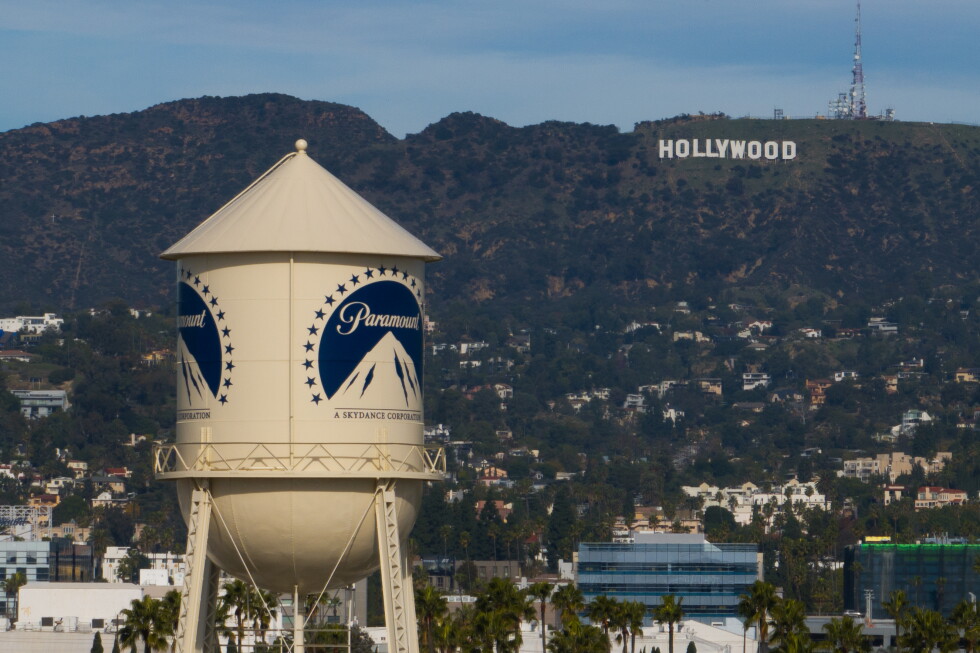
    The $81 billion proposed acquisition of Warner Bros. Discovery by Paramount has cleared a critical regulatory hurdle in the United Kingdom, after British competition and cultural regulators signed off on the deal Thursday, contingent on a series of legally binding commitments from the media giant. The approval removes one major barrier to the mega-merger, though the transaction still faces ongoing high-stakes antitrust challenges in the United States that will push its closing into at least 2025.

    The UK’s Competition and Markets Authority (CMA) concluded its review of the combination by ruling that the merger would not substantially reduce competition for UK consumers, clearing the path for the deal. Separately, the UK’s Department for Digital, Culture, Media and Sport (DCMS) announced it would not intervene, after Paramount agreed to a set of strict, enforceable protections for UK media consumers.

    These safeguards include requirements to maintain full editorial independence for Paramount’s UK free-to-air network Channel 5, keeping its editorial direction entirely separate from the merged group’s other major news assets CNN and CBS. The company also committed to keeping its linear broadcast channels and on-demand streaming offerings separate in the UK market, and to preserving the distinct identity of children’s networks including Nickelodeon and Cartoon Network. DCMS will oversee ongoing compliance, requiring Paramount to submit annual public statements confirming it is adhering to the agreed terms.

    The green light from UK regulators comes after months of scrutiny, and pushback from high-profile critics. Earlier this summer, Culture Secretary Lisa Nandy had publicly indicated she was inclined to intervene over concerns about competition and media diversity for UK consumers in news, broadcast television, and streaming. Last month, three of Britain’s most prominent Hollywood stars – Alan Cumming, Benedict Cumberbatch, and Benedict Wong – published a joint open letter in The Guardian urging Nandy to block the deal, arguing the merger would cause lasting harm to British audiences and the UK creative industry.

    “As actors and public figures who have spent our careers in the arts in Britain — working with British crews, on British stages and sets — we have a responsibility to the public who support, enjoy and consume the art we make,” the trio wrote in their July 27 op-ed.

    Paramount has framed the UK approval as a key milestone in its effort to close the acquisition. The company itself was acquired by Skydance just one year ago, and leadership has framed the Warner Bros. Discovery purchase as a transformative move to create a global media powerhouse. If completed, the merger will bring a sprawling roster of major media properties under one corporate roof: HBO Max, CNN, the Harry Potter film franchise, and Warner’s UK-based TNT Sports will combine with CBS, Paramount+, the Top Gun franchise, London’s Channel 5, and localized UK children’s programming from Nickelodeon.

    While the deal has now secured approval from UK regulators, it still faces significant opposition on the other side of the Atlantic. A coalition of 12 U.S. states led by California filed suit last month to block the merger, alleging that the combination would eliminate critical competition in Hollywood, reduce content choices for consumers, and drive up prices for moviegoers and cable customers. The Writers Guild of America has also joined legal challenges to the deal, arguing further media consolidation will harm creators and workers in the industry.

    A 12-day antitrust trial over the states’ challenge is scheduled to begin in early March 2025, and Paramount has confirmed it will vigorously defend the transaction in court. As a result of the ongoing litigation, the company has already pushed back the target closing date for the merger well into next year.

    Notably, the U.S. challenge stands in contrast to the position of the current Trump administration’s Department of Justice, which announced in June it would not block the deal and released a public statement supporting the combination. Questions about political influence have lingered around the transaction, due to President Trump’s well-documented close relationship with the family of Paramount CEO David Ellison, a billionaire media scion.

    Beyond the UK and U.S., Paramount has already secured regulatory approval for the merger from the European Union, as well as authorities in China, Canada, and Australia. When including the assumption of Warner Bros. Discovery’s outstanding debt, the total value of the transaction climbs to nearly $111 billion, equal to roughly 82 billion British pounds.

    Paramount and Warner Bros. Discovery have argued that the merger will drive long-term growth for the global media industry, and expand access to diverse content for consumers. Critics, however, warn that the deal will further concentrate an industry already dominated by a small handful of major media conglomerates, reducing competition and eroding media diversity for audiences around the world.

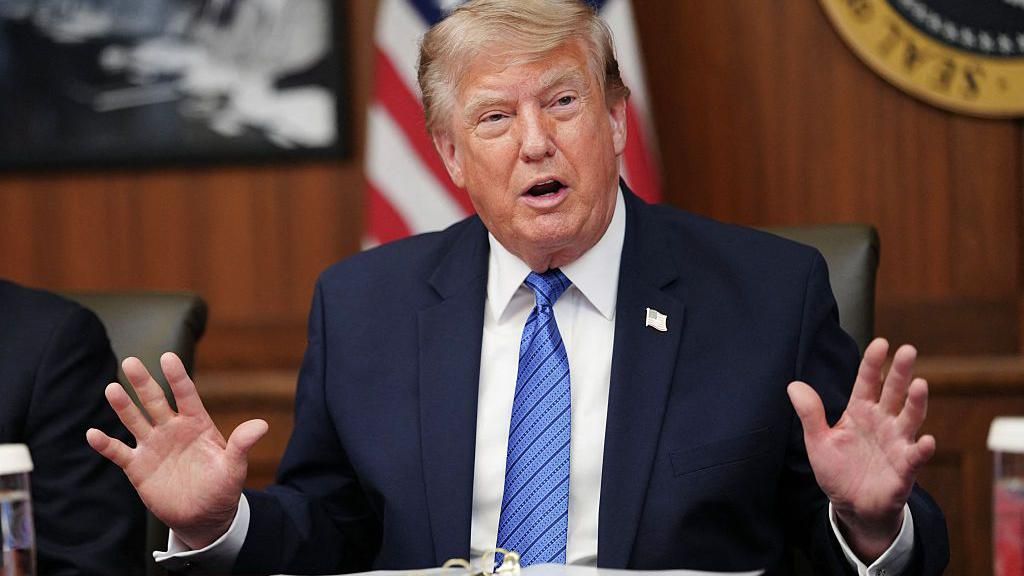
  • Trump denies US weapons shortage and says information ‘leakers’ being ‘hunted down’

    Trump denies US weapons shortage and says information ‘leakers’ being ‘hunted down’

    Six months into open conflict between the United States and Iran, mounting scrutiny has fallen on the Trump administration over the status of U.S. military stockpiles, spurring a sharp public pushback from the former president that includes vows of severe legal action against officials leaking unflattering information.

    In an early Thursday post on his Truth Social platform, Donald Trump rejected widespread reports of a critical munitions shortage, insisting the U.S. currently holds massive stockpiles of all major types of ammunition and missiles, with additional production lines ramping up to deliver new inventory as required. He went further to label the claims of a shortfall as “treasonous statements” from rogue insiders, confirming that law enforcement and intelligence officials are actively tracking down those responsible for the leaks and that the administration will pursue lengthy prison sentences for anyone found responsible.

    The latest wave of reports questioning stockpile levels originated from two separate outlets. CBS News, U.S. reporting partner to the BBC, cited two anonymous sources with direct knowledge of U.S. arsenal status to claim the war has already drawn down most of America’s global stockpile of long-range precision missiles. A day earlier, the Washington Post also reported, again citing unnamed sources, that Trump had confronted Defense Secretary Pete Hegseth over a potential weapons shortage during a private meeting the previous week. The BBC has not independently verified the claims in the Post reporting.

    This controversy comes as the U.S. and Iran remain locked in a cycle of tit-for-tat strikes, despite multiple temporary ceasefire agreements that have failed to produce a lasting peace deal. Over the course of the conflict, the U.S. military has expended massive quantities of specialized, hard-to-manufacture precision weapons during major combat operations including Operation Epic Fury. The Trump administration and Pentagon have repeatedly attempted to reassure the American public that overall missile stockpiles remain sufficient to meet all current defense needs.

    Independent analysis from nonpartisan experts paints a far grimmer picture, however. The Center for Strategic and International Studies (CSIS), a leading Washington-based national security think tank, released new estimates Wednesday based on publicly available data that show steep drawdowns. Retired Marine Corps Colonel Mark Cancian, a senior CSIS adviser, told reporters that between 759 and 827 Patriot missiles remain in U.S. stockpiles as of the end of July, down sharply from a pre-conflict total of 2,330. The think tank also estimates that roughly 60% of the U.S. Terminal High Altitude Area Defense (THAAD) interceptor missile stockpile, used to defend against incoming long-range strikes, has been expended over the course of the war.

    Compounding the strain on U.S. stockpiles is the enduring demand for American weapons from global allies beyond the Iran conflict. Since Russia’s 2022 full-scale invasion of Ukraine, the U.S. has shipped large numbers of Patriot missiles to Kyiv to help defend Ukrainian cities and critical infrastructure against Russian attacks. With U.S. stockpiles now depleted, Cancian predicts the Pentagon will hold back on future transfers of the systems to Ukraine. During a cabinet meeting Friday, Trump addressed Ukraine’s latest request for additional Patriots, telling reporters that approving the request would be a “big step” and that discussions between the two governments are still ongoing.

    Modern precision weapons have notoriously long production timelines, requiring years of planning, funding, manufacturing, and delivery, which makes rapid replenishment of expended stockpiles extremely difficult. Despite their consistent public denials of any shortage, administration officials have already moved to ramp up production and seek emergency funding to rebuild inventory. Last month, Hegseth submitted a request to the U.S. Senate for $87 billion in emergency appropriations, which would go toward troop pay and the rapid replenishment of depleted military equipment and munitions.

    Hegseth has echoed Trump in dismissing the shortage claims as a “manufactured story,” telling CBS’ Face the Nation in a mid-June appearance that reports of stockpile gaps are untrue. Trump made similar comments to the Wall Street Journal last month, claiming “We have far more munitions than anyone in the world, and far more than we need.” Since taking office as Defense Secretary, Hegseth has also implemented sweeping new restrictions to limit the information reporters can gather from Pentagon officials, a move widely seen as an effort to crack down on unauthorized disclosures. All official information on U.S. missile stockpile levels remains classified.

    Readers can follow ongoing coverage of the second Trump administration’s key policy shifts through North America correspondent Anthony Zurcher’s weekly newsletter, *US Politics Unspun*. Sign-up is available here for readers based in the United Kingdom, and here for readers based outside the UK.