作者: admin

  • Israel names new envoy to Turkey amid tensions over Gaza and Syria

    Israel names new envoy to Turkey amid tensions over Gaza and Syria

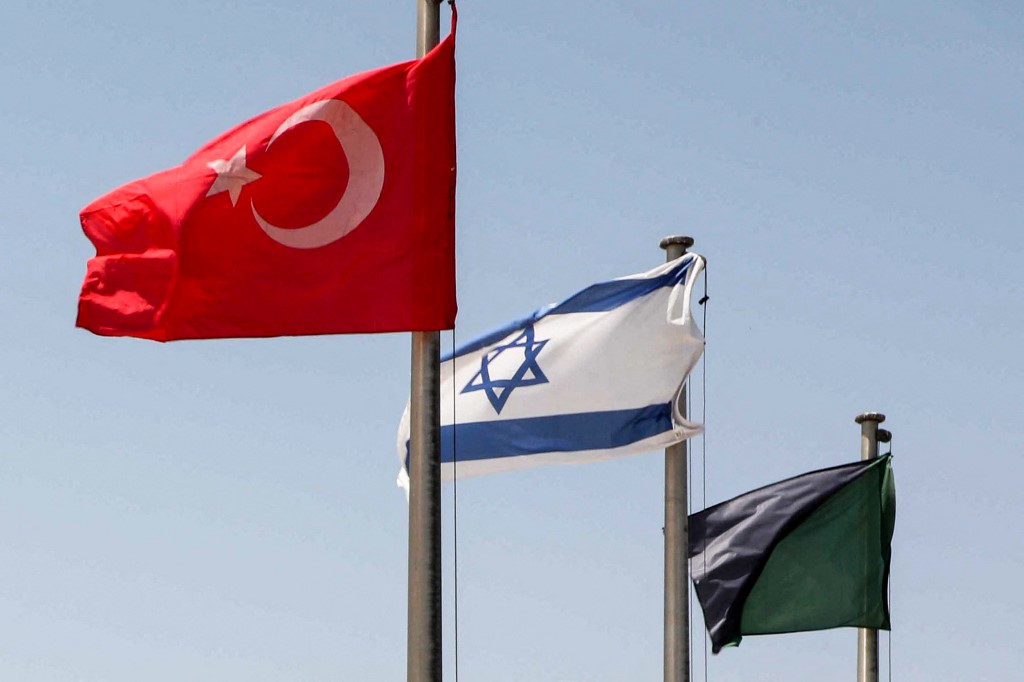
    In a small but notable step that signals continued tentative engagement between two longtime regional rivals, Israel has named a new senior diplomatic representative to Turkey this week, even as the country’s main embassy compound in Ankara remains shuttered to most diplomatic activity over persistent security threats, a senior Israeli official confirmed to Middle East Eye in an exclusive briefing Wednesday.

    Veteran Israeli diplomat Joel Lion has been selected by the Israeli Foreign Ministry to fill the post of charge d’affaires in Turkey, taking over the role that has sat vacant since the retirement of former ambassador Irit Lillian earlier this year. Lion brings a wealth of regional and European diplomatic experience to the role: he most recently served as Israel’s first resident ambassador to Moldova, a post he held until April 2025, and also held concurrent accreditation as non-resident ambassador to Armenia through August 2026.

    On the very day the appointment was confirmed, Lion was already on the ground in Ankara to formally present his credentials to Turkey’s Ministry of Foreign Affairs, marking the first visit by a senior Israeli diplomatic official to the country since Israel withdrew all of its expat diplomatic staff from Ankara and Istanbul in late 2023 amid escalating security risks.

    The Israeli official who spoke to MEE emphasized that the ongoing closure of the embassy is exclusively a matter of security assessment, not a reflection of a diplomatic rupture between the two states. Contrary to public speculation that the shuttering constitutes a formal downgrade of relations, the official clarified that the mission has never been officially closed: local Turkish diplomatic staff continue to carry out limited core operations from the compound even as all senior Israeli personnel remain stationed outside the country. “Both sides agree that the embassy should stay closed over the security issues,” the official told MEE, confirming a shared consensus on the current status of the facility.

    The appointment comes at a moment of deep, persistent friction between Ankara and Jerusalem that shows little sign of near-term easing. After a brief period of warming bilateral ties between 2022 and 2023, relations deteriorated sharply following the October 7, 2023 Hamas-led attack on southern Israel. Turkey was one of the earliest and most vocal critics of Israel’s subsequent military campaign in Gaza, ultimately upgrading its condemnation to labeling the war a genocide and imposing formal trade restrictions on Israeli goods in 2024.

    Tensions spilled beyond verbal confrontation earlier this year in neighboring Syria, where both countries maintain competing military and strategic presences. Just last month, Israeli warplanes carried out airstrikes on the Abu al-Duhur military air base in northern Syria, located just 70 kilometers from the Turkish border. Israel justified the strike by claiming Turkey was preparing to deploy advanced air defense systems to the base, a move that would have limited the Israeli military’s unrestricted freedom of operation in Syrian airspace, where it regularly carries out strikes against Iranian-backed militant groups.

    Ankara has pinned its hopes for a reset in relations on the upcoming Israeli general election scheduled for October, with Turkish officials widely expecting that a defeat for Israeli Prime Minister Benjamin Netanyahu would open the door to renewed high-level dialogue. The Israeli official pushed back on that expectation Wednesday, noting that even if Netanyahu’s current bloc fails to secure a majority, his Likud party could still form a viable governing coalition by aligning with other centrist or moderate opposition parties. Such a shift in coalition makeup, the official added, could actually bring broader, more substantive changes to Israel’s overall regional policy framework. The official also identified one key persistent irritant in bilateral ties: widespread what the official called “incitement against Israel” in Turkish state and private media outlets, which the official described as the single biggest stumbling block to improved relations right now.
  • Watch: Crews race to rescue passengers from burning ferry in Philippines

    Watch: Crews race to rescue passengers from burning ferry in Philippines

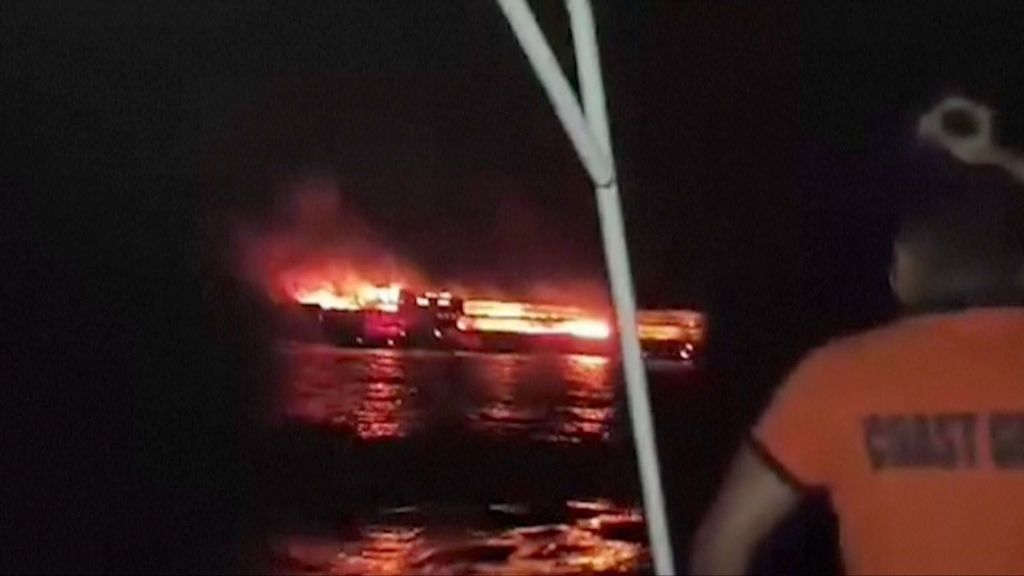
    A desperate search-and-rescue operation is underway off the scenic coastline of Coron, Philippines, after a passenger ferry burst into flames, leaving dozens of people missing and triggering a large-scale emergency response across the region.

    Local disaster management authorities confirmed on Thursday that emergency crews have been working around the clock to reach survivors trapped on the burning vessel and pull people from the surrounding tropical waters, where the incident unfolded earlier this week. As of the latest update, at least 87 passengers and crew members remain unaccounted for, raising urgent concerns about their safety amid ongoing search efforts.

    Multiple response units, including coast guard vessels, local fishing boats, and aerial surveillance teams, have been deployed to the incident site, located several kilometers off Coron’s shore. Footage captured from the scene shows thick plumes of black smoke billowing from the ferry’s superstructure, as rescue craft maneuver around the burning hull to pull recovered survivors to safety.

    Authorities have not yet released full details on what caused the fire, or how many people were officially on board the vessel when the blaze broke out. Local hospitals have been placed on high alert to receive any injured survivors, and emergency response coordinators say they are stretching resources to cover as much of the surrounding search area as possible, even as fading daylight and challenging sea conditions complicate their work.

    The incident is the latest in a series of maritime accidents in the Philippines, an archipelagic nation where passenger ferries are a common form of inter-island transportation, and safety regulations are not always strictly enforced. Local government officials have pledged to continue the search operation through the night, saying they hold out hope of finding more survivors.

  • Iran war won’t end until after US midterm elections, says Trump

    Iran war won’t end until after US midterm elections, says Trump

    As the U.S. enters the final stretch of campaigning ahead of November’s pivotal midterm elections, sitting President Donald Trump has made a bold prediction: the seven-month-long conflict with Iran will wrap up instantly once voting concludes, and global oil prices will plummet shortly after.

    Speaking to reporters Wednesday during a trip to Texas ahead of the first Republican Party convention ahead of the midterms, Trump laid out his timeline for the end of hostilities.

    “I think the war’s going to end immediately after the election because they can’t hold out any longer,” Trump stated, referring to the Iranian government. He doubled down on his projection for energy markets, adding that “Right after the election, oil prices are going to be tumbling downward. I think it’s going to take a little bit longer than the midterm.”

    The midterm elections carry high stakes for American governance, as control of both chambers of Congress could shift from Republican to Democratic hands. Currently, Trump faces slumping public approval ratings driven in large part by voter frustration over the conflict’s ripple effects, which have pushed up prices for everything from gasoline to household groceries. He has also faced growing pressure from within his own party to wind down the war, which he initially predicted would last only a matter of weeks when it launched.

    Trump accused Iran of deliberately prolonging the conflict to sway the election outcome in favor of the Democratic Party, claiming Tehran wants “a nice weak group of people in there” that would allow Iran to pursue a nuclear weapon. Iranian officials have repeatedly and categorically denied that they are seeking to develop nuclear weapons, a rebuttal that has stood for years. When asked about the potential for new diplomatic negotiations with Iran to end the fighting sooner, Trump acknowledged that talks were a possibility, but stressed that “it’s not something we’re looking at” right now.

    The remarks came amid a sharp escalation of hostilities across the Middle East that has sent global oil prices surging. On Wednesday, benchmark crude prices climbed above $100 per barrel for the first time since July, driven by sustained attacks on regional energy infrastructure. The latest upsurge in fighting follows the expiration of a 60-day ceasefire between the U.S. and Iran late last month, ending a brief period of relative calm.

    In the most recent wave of clashes, the U.S. military announced Wednesday it had carried out strikes on five Iranian-linked oil tankers. Iranian state media reported that in retaliation, Tehran launched attacks on two U.S. Navy destroyers and eight commercial oil tankers operating in the Strait of Hormuz, one of the world’s most critical energy chokepoints, inflicting what the outlet called “heavy damage” to the vessels. A day earlier, the Iran-aligned Houthi movement in Yemen launched a series of strikes on oil facilities in Saudi Arabia that sparked large fires at key energy sites.

    Beyond the immediate human and energy costs, the renewed conflict has stoked economic fears in the U.S. Analysts and policymakers now widely predict that sustained high fuel prices will push the Federal Reserve to raise interest rates further, increasing borrowing costs for homes, vehicles, and consumer debt across the country.

  • ‘Radical’ and ‘brutal’: Texas curriculum to change how Islam is portrayed

    ‘Radical’ and ‘brutal’: Texas curriculum to change how Islam is portrayed

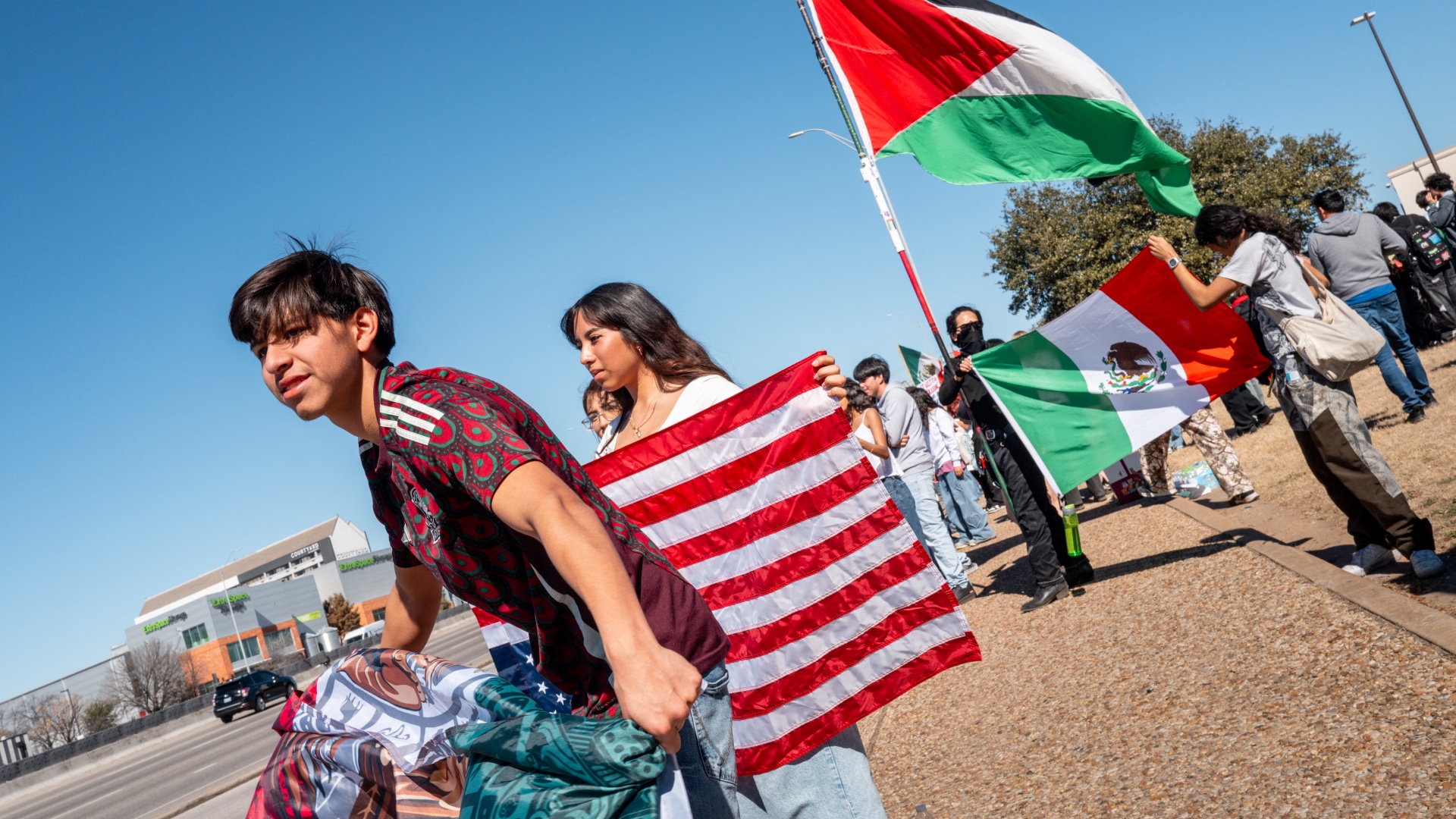
    On Friday, the Republican-dominated Texas State Board of Education approved a revised social studies curriculum framework by an 8-4 vote, following hours of public testimony from hundreds of stakeholders. The new standards, which will impact roughly 5 million public school students across the state when new textbooks are fully phased in for the 2030-2031 academic year, have sparked fierce national debate over religious bias and educational accuracy.

    Under the revised guidelines, Bible passages will become required reading for students, with curricular materials instructed to highlight Christianity’s positive contributions to global and American history. By contrast, early Islamic military campaigns will be explicitly labeled “brutal” — a designation that is not applied to equivalent periods of violent expansion waged by Christian powers. Local Texas outlet Fox4 Dallas-Fort Worth confirmed that units on early Islamic history will also be framed exclusively through the lenses of slavery and the captivity of women, a framing that critics say erases the religion’s centuries-long cultural, scientific and social contributions. The 9/11 attacks, which were carried out by Saudi hijackers and planned by the al-Qaeda network, will also be taught as being rooted in “radical Islam” rather than any political motivation or agenda, a narrative that historians widely reject as oversimplified.

    The decision drew immediate condemnation from civil rights groups, lawmakers and education advocates, who argue the framework promotes selective, biased history that targets one religious community. “Selective history is not education. Texas students deserve history that is accurate, complete, and fair,” Salman Bhojani, a Muslim member of the Texas State House, wrote on social media platform X ahead of the final vote.

    The Council on American-Islamic Relations (CAIR), the nation’s largest Muslim civil rights organization, led coordinated opposition to the changes. In a pre-vote statement, the group clarified that it does not oppose teaching the full history of global religions in public schools — but takes issue with targeting Islam for unfair negative framing. “What public schools should not do is force teachers and students to single out and denigrate a particular religion, in this case Islam,” CAIR said. The organization added that it would object just as forcefully to any curriculum that framed Christianity as inherently responsible for historical atrocities ranging from the genocide of Indigenous populations to the transatlantic slave trade and modern domestic terrorism by white Christian extremist groups.

    Supporters of the new curriculum, however, have defended the change as a push for honest education. Longtime anti-Islam advocate and Texas Republican Senator Ted Cruz praised the board’s decision, writing on X that “students deserve to know the truth about Islam.”

    The controversial curriculum change aligns with a years-long pattern of anti-Muslim policy actions from Texas Governor Greg Abbott, a Republican, who has repeatedly targeted the state’s growing Muslim population — a community that now numbers more than 400,000 across the state. Just last month, Dallas-Fort Worth International Airport scrapped plans to build a dedicated ablution station for Muslim travelers, used for ritual cleansing before prayer, after Abbott threatened to withhold hundreds of millions in state grant funding from any airport that moved forward with the project.

    Last year, Abbott amplified far-right anti-Muslim disinformation to push for a federal investigation into a planned 1,000-home residential development with a mosque and school outside Dallas. After far-right agitator Amy Mekelburg falsely labeled the project “Sharia City” and claimed it would implement Islamic law, Abbott shared the false claim to his own social media, framing the development, led by the East Plano Islamic Community, as a threat to Texas. A Texas judge ultimately ruled in favor of the developers in May 2024, ordering the state to honor its pre-existing contractual agreements with the project.

    Also in 2023, Abbott issued a proclamation designating both CAIR and the Muslim Brotherhood as foreign terrorist organizations and transnational criminal enterprises. The designation bars the groups from purchasing or acquiring land in Texas, and grants the state attorney general broad authority to bring legal action against them. CAIR has forcefully rejected the unsubstantiated allegations, and the Muslim Brotherhood is a transnational movement with no official headquarters or centralized operations based in the United States.

    Critics have also noted that the new curriculum violates the core principle of separation of church and state enshrined in the U.S. Constitution, which prohibits the establishment of an official state religion and bars public institutions from promoting or elevating one religious tradition over others.

  • Inside Thailand’s school shooter drills following recent attacks

    Inside Thailand’s school shooter drills following recent attacks

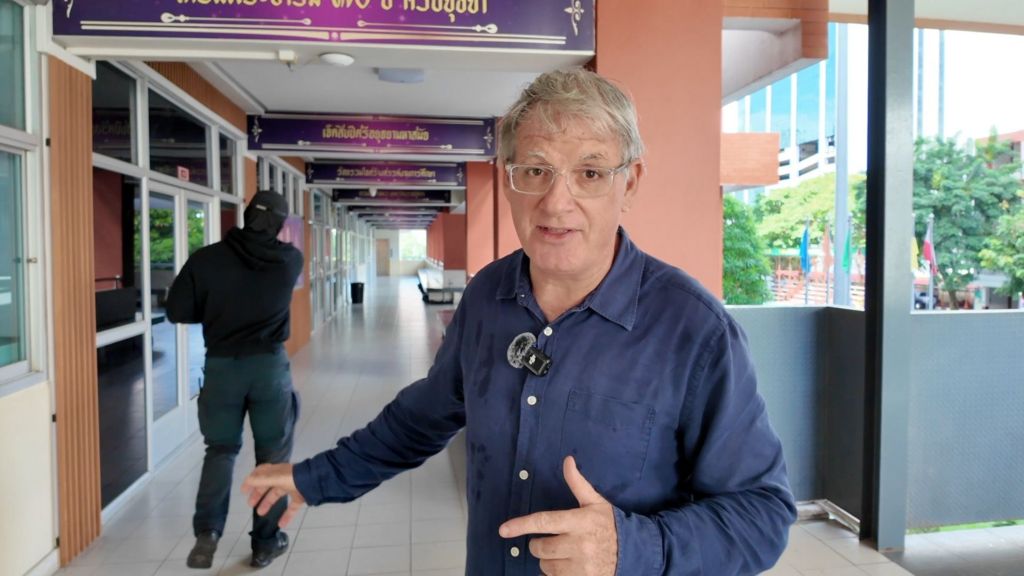
    In the wake of a string of deadly violent attacks targeting educational institutions across Thailand, law enforcement agencies have rolled out widespread active shooter preparedness drills, aiming to equip students and school staff with life-saving skills to respond if an active attacker enters a campus. This push for emergency preparedness comes as alarming data shows a steady uptick in school shooting incidents across Southeast Asia, stoking widespread public anxiety about the safety of children and adolescents in learning environments.

    Thailand’s national police force has emphasized that regular, realistic drills are a critical frontline defense against potential attacks. By walking students through step-by-step emergency protocols — including lockdown procedures, hiding strategies, and evacuation routes — organizers hope to cut down on confusion and panic during a real crisis, ultimately reducing the risk of casualties. Training sessions also include guidance for school administrators and teachers on how to coordinate with first responders, closing communication gaps that can slow emergency response.

    Regional security analysts note that the growing frequency of school shootings in Southeast Asia has pushed governments across the bloc to reevaluate campus safety standards. Unlike many Western nations that have integrated active shooter drills into standard school safety protocols for decades, most Southeast Asian countries have only recently begun rolling out this kind of training, in response to high-profile attacks that have shocked local communities. The drills being conducted in Thailand serve as a test case for other nations in the region looking to strengthen their own campus security frameworks.

  • Australians love sport – but can the NFL win them over in debut Melbourne match?

    Australians love sport – but can the NFL win them over in debut Melbourne match?

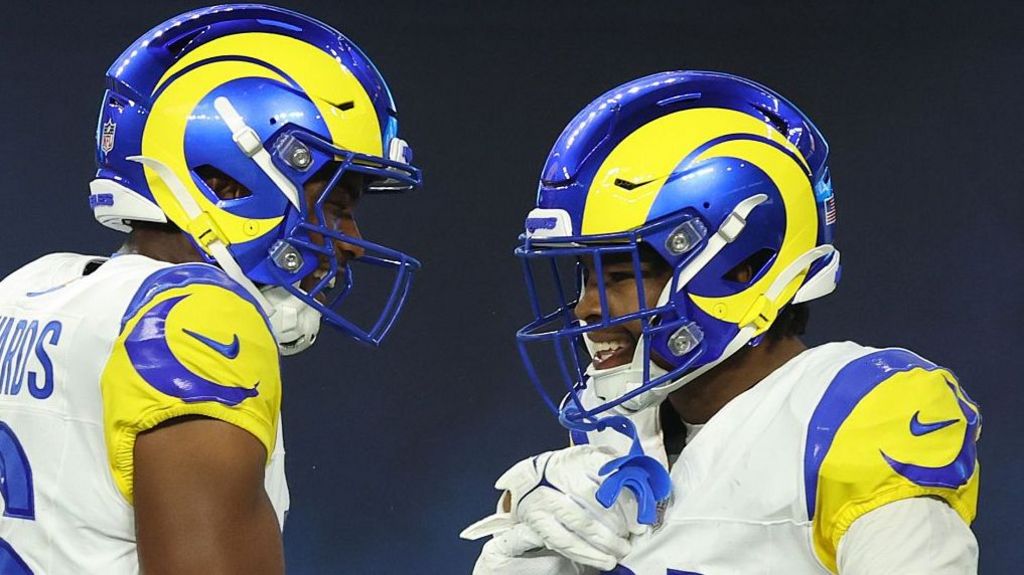
    For Melbourne, Australia, the month of September is traditionally synonymous with the peak business end of the Australian Football League (AFL) finals. But this September, an entirely different type of oval-ball sport is dominating the city’s sporting landscape. On Friday, 100,000 fans will file into the iconic Melbourne Cricket Ground (MCG) to witness a groundbreaking event for Australian sports: the first non-exhibition, regular season National Football League (NFL) game ever held in the country, featuring the Los Angeles Rams against the San Francisco 49ers.

    The historic fixture sold out months in advance, with more than half of ticket holders traveling from outside the state of Victoria to attend. Even restricted-view seats are reselling for upwards of A$650 (US$470) on official platforms, a clear sign of the unprecedented demand for American football Down Under. Thomas McMillan, host of Australian NFL podcast *Any Given Sunday Australia*, notes that the hype has completely overshadowed the usual AFL finals buzz. “Walking down the street, it’s AFL finals week and you wouldn’t even know,” McMillan says. “It’s all NFL everywhere. There are bars that are nothing but 49ers bars or Rams bars. We have a Ram Tram getting around the district. When you’re in Melbourne and AFL isn’t visible, it shows how big this is at the moment.”

    The 10:35 a.m. local kickoff time, while unusual for Australian sports fans, is scheduled to accommodate prime-time television slots for US audiences and their advertisers, a core consideration for the league’s global expansion strategy. The NFL first launched international regular season games in 2007, and over the past two decades, these overseas fixtures have become a central long-term strategy to grow the league’s global fanbase and revenue. The 2026 season will feature nine games outside the United States, including three in London, but Melbourne marks the furthest destination the league has ever brought its regular season action.

    For the two California-based teams, the long journey to Australia has brought very different approaches to combating the 17-hour time difference and jet lag. The 49ers arrived in Melbourne a full week before kickoff, giving players ample time to recover from the 16-hour flight, adjust to the local time zone, acclimate to conditions, and hold open practice sessions for local fans. Their star tight end George Kittle and other players have already been greeted by throngs of fans across the city, with appearances at public fan rallies, AFL matches, and even a classic Australian community sausage sizzle hosted by local hardware chain Bunnings, where former 49ers legends Joe Nedney and Jesse Sapolu drew crowds of adoring supporters. 49ers cheerleaders also performed for fans at Melbourne’s Federation Square this week, building massive hype around the club.

    The Rams, by contrast, have taken a far more controversial, last-minute approach: the team plans to arrive on a chartered Qantas A380 on Thursday morning local time, play the game on Friday, and return to the US West Coast immediately after the final whistle. The strategy is designed to minimize disruption to players’ body clocks ahead of their next regular season fixture, but it has drawn criticism for cutting off almost all opportunities for fan engagement. “Definitely it’s a gamble,” McMillan says of the approach. “If they don’t quite get things right after the 16-hour flight, you still might have that jet lag, even though you’re trying to avoid it. And not everyone can sleep on planes, whether you’re in first class, business class, whatever it is, you’re still on a plane. Most NFL players are six foot six, so it’s going to be even tighter seats.”

    Though the Rams are technically the designated home team for the game after securing NFL global marketing rights in Australia through the league’s Global Markets programme, the 49ers’ early arrival and extensive community outreach has left them as the more visible presence across Melbourne this week. American sports journalist Dontay Atkinson has openly criticized the Rams’ fly-in, fly-out strategy, arguing it will alienate local fans. “Fly in, fly out, no contact,” Atkinson wrote on social media platform X. “I’m sure the Aussies feel great about that snub.” McMillan says he understands the Rams’ position, as the club is viewed as a legitimate contender for the 2027 Super Bowl and prioritizes winning the fixture over long-term fan outreach. Even so, he notes the approach has left a gap the 49ers have been quick to capitalize on. “We do feel a bit snubbed, and feel the 49ers are doing the right thing,” McMillan says. “I just worry that they have missed the boat of ingraining themselves as the Australian team. It leaves it open for others, and the 49ers have really jumped on that.”

    Rams officials reject claims of a snub, pointing to years of ongoing outreach work in Australia beyond this week’s game. Stephanie Cheng, the Rams’ Head of International, told reporters the Melbourne fixture is the culmination of more than four years of work, not just a one-off event. “It’s not just about game week. We have long term rights,” Cheng says. She notes the Rams are the only NFL team with an official local membership programme for Australian fans, have sent coaches into local schools and communities to promote flag football — the non-contact version of the sport that will debut at the 2028 Los Angeles Olympics — and have hosted multiple previous visits by star players, including running back Kyren Williams in March 2026. In the lead-up to this week’s game, Rams cheerleaders visited US military bases across Australia before arriving in Melbourne, and the franchise has built a 22-yard floating fan zone football on the Yarra River in central Melbourne. The club also hosted a public community day for local American football fans earlier this week.

    Interest in the NFL has grown steadily in Australia for years, with many pointing to the success of Australian-born offensive lineman Jordan Mailata as a major turning point for the sport’s popularity. Mailata, who plays for the Philadelphia Eagles, became the first Australian to play in and win a Super Bowl in 2025, a milestone that shifted local perception of the sport. “Seeing an Australian in what we’d called a skilled position and then winning a Super Bowl. It doesn’t get better than that,” says Danny Webb, McMillan’s co-host on *Any Given Sunday Australia*. While no Australian players will take the field in Friday’s game, dozens of Australians currently play college football in the US, and a handful have made it to the NFL, most working as kicking specialists after honing their skills playing AFL or rugby league.

    Friday’s game is the first of three NFL regular season games scheduled to take place in Melbourne over the next four years, as part of a multi-year contract between the league and the state government of Victoria. NFL International managing director Gerrit Meier says the league’s long-term goal is to establish annual regular season games in Australia, replicating the gradual growth the league has achieved in the United Kingdom over the past two decades. “We’re working off the hypothesis that we need to make a commitment to a market,” Meier told Reuters.

    Even as some US-based fans remain critical of international regular season games, the massive hype and sell-out crowd in Melbourne suggests the league’s Australian expansion is off to a strong start, and the games look set to become a permanent fixture on the Australian sporting calendar. Webb says the shift in local attitudes has been dramatic in just a few short years. “I had mates four years ago asking why are you doing an NFL podcast? It’s not a big sport here,” he says. “And now every single one of those mates are asking me for tickets for the game.”

  • Spanish intelligence warned of Ceuta mass crossing plans before surge

    Spanish intelligence warned of Ceuta mass crossing plans before surge

    Newly declassified Spanish government documents have pulled back the curtain on a deeply contentious political controversy surrounding the unprecedented mass migrant crossing into the North African Spanish exclave of Ceuta last July, revealing that Spain’s top intelligence agency issued a clear warning about coordinated social media calls for a large-scale crossing a full 24 hours before tens of thousands of people attempted the journey.

    The documents were released only after weeks of mounting political pressure on Prime Minister Pedro Sánchez, who has faced persistent accusations from opposition parties that his administration intentionally concealed critical information about the origins and scale of the July 2024 influx. According to the declassified materials, on July 29, Spain’s National Intelligence Service (CNI) formally notified both Moroccan intelligence officials and Ceuta’s local government that organized social media groups were actively mobilizing migrants to launch a mass crossing into the territory the following day.

    This revelation directly contradicts repeated public statements from Sánchez, who has consistently maintained to parliament and the Spanish public that the events of July 30 and 31 were entirely unforeseeable. The prime minister previously told legislators that there was “no information that conveyed the magnitude” of the crisis that unfolded over the final two days of July.

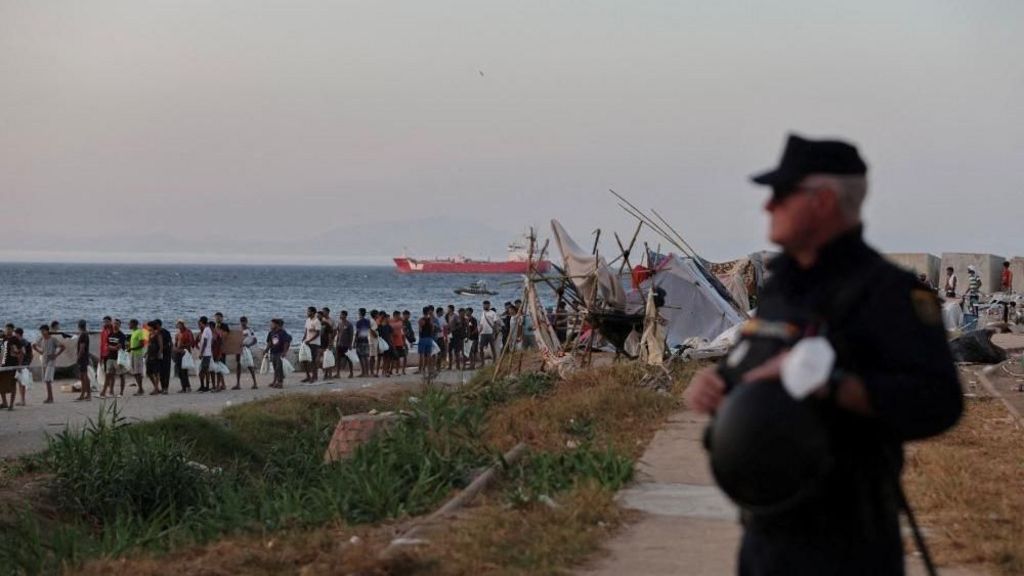
    When the crossing did occur, official data from Ceuta’s mayor confirms that at least 72,000 migrants crossed from Morocco into Ceuta, most swimming around the heavily fortified border fence. The dangerous crossing claimed the lives of at least 100 people, according to the official count. While the vast majority of the migrants eventually returned to Morocco, as many as 5,000 remain in the exclave, staying in overcrowded makeshift camps or sleeping rough on city streets and public beaches. The prolonged humanitarian situation has sparked civil unrest among local residents, who have raised widespread safety concerns, taken to destroying migrant shelters and blocking aid convoys from reaching displaced people.

    The declassified CNI note dated July 29 details that intelligence analysts identified coordinated mobilization campaigns on two major platforms, WhatsApp and Facebook, that encouraged migrants to reach the exclave “both swimming and via the [border] fence.” The documents show that the messaging reached an audience of roughly 180,000 people, with one post explicitly noting: “Whoever wants to cross has the last chance on Throne Day [30 July] at 8 [am] the authorities will be distracted with the celebrations and parades.” Beyond notifying Moroccan and Ceutan authorities, the CNI also sent a text alert to the central government’s representative in Ceuta and Spain’s national civil guard force to flag the dangerous social media activity.

    The 40+ declassified security documents were released amid growing allegations in Spain that Moroccan officials deliberately facilitated the mass crossing, an accusation that gained traction earlier this month when a leaked Spanish police report appeared to tie Moroccan law enforcement to the incident. Sánchez has repeatedly rejected these claims, insisting that no evidence exists to prove Moroccan complicity, and reaffirmed his stance just hours before the documents were published on Wednesday, telling Spanish television that “the mass arrival of migrants was not expected.”

    Opposition leaders have seized on the declassified materials to condemn the Sánchez administration, arguing that the documents directly contradict the prime minister’s claims of no advance warning. Ester Muñoz, a senior spokesperson for Spain’s main conservative opposition party the People’s Party, issued a blunt rebuke, saying: “They had the information, they are directly responsible for the invasion of Ceuta and for those who died.” Jorge Buxadé, a leading figure in the far-right Vox party, wrote on social media that the documents proved Sánchez “and his band of criminals should be brought before the Supreme Court for treason and security crimes.”

    Members of the ruling government have pushed back against these accusations, standing by their position that the administration acted appropriately based on the information it had prior to the crossing. Foreign Minister José Manuel Albares told reporters that he was “not aware of any report that might have foreseen the magnitude of what happened on July 30.” A senior anonymous government source explained that the published documents “showed that the information available before the mass crossing did not make it possible to anticipate the scale that the crisis would reach or prepare with enough time the necessary response.” Miguel Ángel Pérez Triano, the central government’s delegate in Ceuta, also downplayed the advance CNI text messages sent to his office on July 29, arguing: “The Whatsapps from [July] 29 do not constitute an alert or a report. It is nothing more than an exchange of information.”

  • Muted US response to UK’s West Bank sanctions may reflect simmering frustration

    Muted US response to UK’s West Bank sanctions may reflect simmering frustration

    A sharp new escalation in Middle Eastern diplomacy erupted this week after the United Kingdom announced sweeping sanctions targeting Israeli settlements in the occupied West Bank, drawing furious retaliation from Jerusalem and leaving global observers waiting to see whether Washington would step in to back its closest ally in the region.

    Within hours of the UK’s policy reveal on Monday, Israel rolled out a series of punitive diplomatic measures: it announced plans to close Britain’s diplomatic office serving the Palestinian territories, expel British military personnel from a key international coordination base along the Gaza border, and bar entry to 11 left-wing British members of Parliament. Israeli leaders framed the move as a clear act of defiance against what they view as unwarranted external interference in their sovereign affairs, marking one of the most significant breakdowns in UK-Israel relations in recent decades.

    For its part, London justified its new sanctions by framing the policy as a moral necessity to preserve the viability of the two-state solution, the long-proposed framework that would create an independent Palestinian state alongside Israel. UK officials explicitly accused the current Israeli government of turning a blind eye to systematic settler violence and what they termed ethnic cleansing of Palestinian communities in the occupied West Bank, a charge that Israeli leaders have vehemently rejected.

    By Monday afternoon, the diplomatic standoff expanded, with 11 additional mostly European nations signaling they would join the UK’s settlement trade ban, putting growing international pressure on Israel over its settlement expansion policy. This shift immediately raised a critical, long-standing question in Middle Eastern diplomacy: when Israel faces global isolation, its closest superpower ally, the United States, has almost always stepped in to provide a protective diplomatic shield. Would Washington break with that precedent, or would it condemn the UK’s move to back Israel?

    Many regional observers had pre-emptively predicted a harsh American reprimand of the UK. That speculation grew louder after US Ambassador to Israel Mike Huckabee appeared on BBC airspace shortly before the UK’s official announcement, hinting that Washington could impose unspecified sanctions, repercussions or retaliatory measures against the UK. Notably, Huckabee, a long-time hardline supporter of Israeli settlement expansion who has cited biblical justifications for Jewish settlement in the West Bank, admitted he had not consulted President Trump before making the remarks, a trend that has become increasingly common among political appointees in the current Trump administration.

    However, as Tuesday unfolded, the White House and State Department delivered a response that defied most expectations: it was strikingly muted, with no forceful condemnation or punitive threats against the UK.

    Secretary of State Marco Rubio, speaking to reporters while traveling to Colombia, told journalists that “obviously, we’re not going to do what the UK did. We saw their announcement today but I don’t have any comment on it right now.” Rubio added that the UK had notified the Trump administration of its plans in advance, most likely during a pre-announcement call between President Trump and UK Prime Minister Andy Burnham on Monday. He also noted that the US shared “the goal of stability” amid rising tensions in the region, and did not “want to see some uptick in violence… in the West Bank” – a statement that amounted to far from a scathing rebuke of the British policy, and even hinted at quiet alignment with some of the UK’s core concerns.

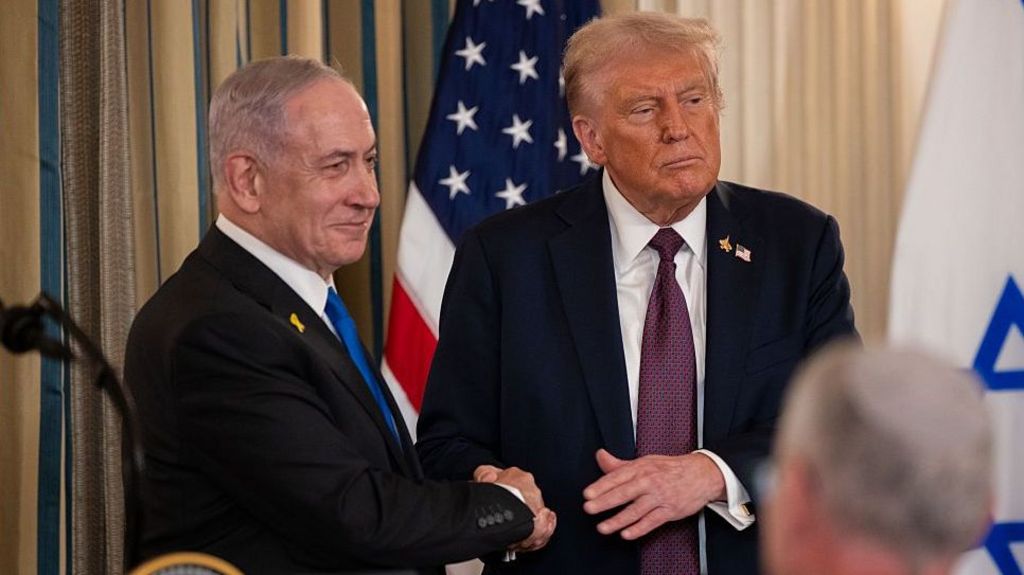
    When asked about the diplomatic standoff on Wednesday, Trump told reporters he planned to speak with Israeli leaders to better understand their position, adding: “I understand exactly what’s going on, but I want to find out why all of a sudden has that happened.”

    Sources familiar with internal administration deliberations confirm that senior officials held high-level discussions about a US response on Tuesday. The emerging baseline position among decision-makers was opposition to any actions that could harm the commercial interests of American companies, ruling out broad economic retaliation against the UK.

    While staunchly pro-Israel Republican lawmakers in Congress have publicly pushed for punitive measures against the UK, pointing to existing state-level laws in places like Florida that penalize businesses that boycott Israel, no formal targeted criticism of the UK has emerged from either the White House or the State Department to date. Though administration officials have not ruled out issuing a formal condemnation in the coming days, the absence of urgent pushback so far reflects growing underlying frustrations within the Trump administration with Israeli Prime Minister Benjamin Netanyahu’s leadership, multiple sources suggest.

    For Trump, the timing of this standoff could not be more sensitive. The president’s top current foreign policy priority is preventing a full-scale escalation of the crisis in the Strait of Hormuz, the central flashpoint in his ongoing stalemate with Iran. The complex US-Israel alliance has already been marked by growing friction in recent months: Netanyahu has repeatedly escalated military actions against Iran-backed Hezbollah in Lebanon at critical moments when Trump was attempting to advance diplomatic talks with Tehran, moves that Israeli leaders frame as necessary for national security but that have put US diplomatic efforts at risk of derailment.

    Additionally, Trump is pushing for progress on his signature Gaza peace initiative, which calls for the disarmament of Hamas and a full withdrawal of Israeli military forces from Gaza. Netanyahu has publicly rejected the current draft of the plan, creating another major rift between the two leaders. So far, Trump has also declined to endorse Netanyahu in Israel’s upcoming general election, a break from long-standing US practice of backing incumbent Israeli leaders.

    The Trump administration has also grown increasingly frustrated with the wave of rising settler violence against Palestinian communities in the West Bank, which the Israeli government has failed to meaningfully address. This inaction has become a diplomatic embarrassment for the White House, particularly as key Trump allies among Gulf Arab states – who are currently mediating indirect talks between Israel and Hamas to cement a Gaza ceasefire – have repeatedly raised concerns about ongoing settler violence. These Gulf allies question how the US can secure concessions from Israel on Gaza if it cannot even pressure Israel to rein in settler violence in the West Bank.

    With Trump prioritizing two major legacy foreign policy wins – containing Iran and advancing his Gaza peace plan – coming out forcefully to defend Israel against European sanctions over West Bank settlements does not currently make political or strategic sense for the president, analysts say. For Trump, at least for the moment, the diplomatic and political costs of backing Israel on this issue far outweigh any potential benefits.

  • Igor Tulchinsky: Sponsor of British Museum Bayeux Tapestry exhibition funded community centre in West Bank settlement

    Igor Tulchinsky: Sponsor of British Museum Bayeux Tapestry exhibition funded community centre in West Bank settlement

    A major controversy has engulfed the British Museum’s high-profile Bayeux Tapestry exhibition after revelations that its lead sponsor, Belarus-born billionaire Igor Tulchinsky, has provided core funding for a community resilience center located in Efrat, an illegal Israeli settlement in the occupied West Bank that is now subject to UK sanctions.

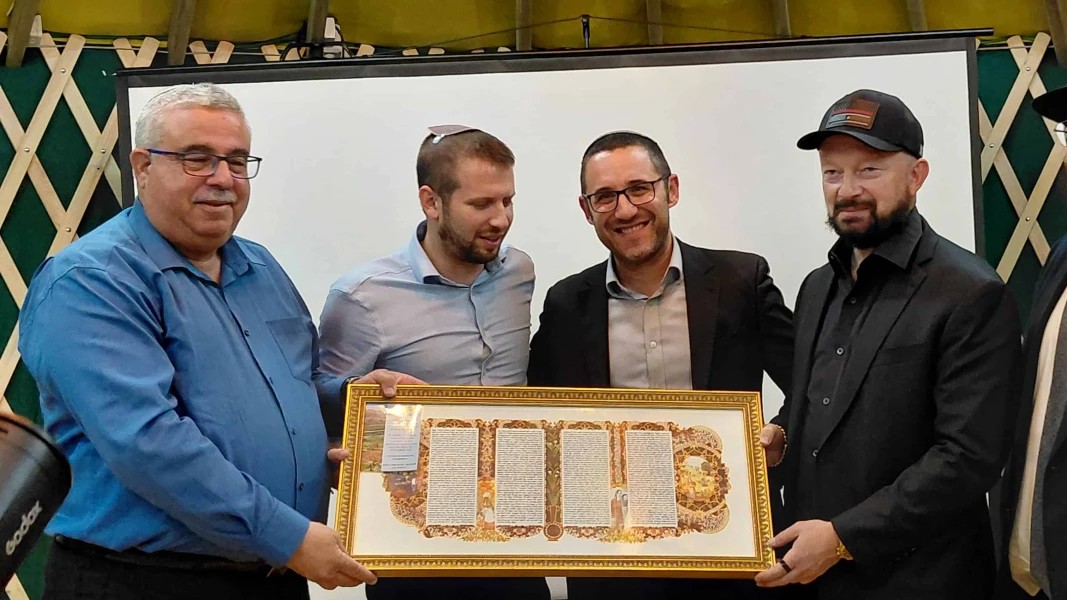
    Tulchinsky, whose backing for the iconic medieval tapestry exhibition is reportedly valued at £5 million ($6.75 million), publicly unveiled a purpose-built therapy yurt at Efrat’s Mondlak Center in November 2025, appearing alongside the settlement’s far-right mayor Dovi Shefler for the ceremony. Public records from the Efrat Development Foundation, the nonprofit organization that operates the Mondlak Center, confirm Tulchinsky as the primary sponsor of the facility, which serves the entire Gush Etzion settlement bloc, a cluster of illegal Israeli settlements located just 12 kilometers southeast of Jerusalem.

    According to an Instagram post from the foundation documenting the event, Tulchinsky dedicated the new facility to “Israel’s brave warriors and their families” during his opening remarks, where he famously described the therapy space as “Israel’s inner Iron Dome.”

    Efrat, a settlement of roughly 12,000 Israeli settlers, was constructed on land seized from four indigenous Palestinian villages. It serves as the administrative capital of the expanding Gush Etzion bloc, which continues to push its boundaries toward the Palestinian city of Bethlehem. The Mondlak Center operates as a project of the Efrat Development Foundation, a nonprofit that states its mission is to advance Efrat’s social, cultural and physical development. The foundation’s public website outlines three tiers of donor partnership, with its top-tier “Vision Partner” designation requiring contributions of more than $50,000 and granting donors access to participate in strategic planning for the organization. The foundation also explicitly advertises support for “pioneer family support in Givat HaEitam” – a reference to the highly controversial E-2 hilltop settlement expansion that peace campaigners warn will cut Bethlehem off from the southern West Bank, effectively ghettoizing the Palestinian city.

    The full scope of Tulchinsky’s support for the center, whether financial or in-kind, remains undisclosed. Middle East Eye attempted to reach Tulchinsky’s global investment firm WorldQuant for comment multiple times, but received no response. When contacted directly, the Efrat Development Foundation confirmed Tulchinsky is a donor but said his contribution was channeled through an unnamed third-party organization. A photograph of Tulchinsky at the yurt’s opening ceremony remains publicly displayed on the foundation’s official fundraising webpage.

    The revelations about Tulchinsky’s connection to the illegal settlement come just 48 hours after UK Foreign Secretary Ed Milliband announced a sweeping new package of sanctions targeting individuals and entities linked to illegal Israeli settlement expansion in the occupied West Bank. Speaking to UK parliament, Milliband accused Israeli settlers of carrying out “ethnic cleansing” against Palestinian communities in the West Bank, stating that the Israeli occupation is unlawful due to Israel’s entrenched control, stated aim of claiming permanent sovereignty over the territory and expansionist agenda driven by illegal settlement building. “We will take action against specific companies and individuals who provide services such as construction, infrastructure financing or real estate for settlement expansion,” Milliband told lawmakers. “So to those who finance or facilitate illegal settlements, let me say this: You will face the full force of UK sanctions. Settlements are illegal. They should not be promoted in our country.”

    Efrat’s mayor Dovi Shefler, who appeared alongside Tulchinsky at the yurt opening, has a long public record of vocal support for the full Israeli annexation of the occupied West Bank. The municipal council he leads has repeatedly violated even Israeli military regulations to expand Efrat into territory administered by the Palestinian Authority, and Shefler has openly boasted that Efrat’s eastward expansion has irreparably damaged any prospect of a viable contiguous Palestinian state. “We are physically blocking the connection between Bethlehem and Hebron,” he stated in an April 2025 interview. “Whoever is plotting to establish a terrorist state here – we are simply cutting off their dream through construction.”

    Efrat is widely recognized as a stronghold of far-right religious-nationalist ideology in the West Bank. During Israel’s 2022 national election, nearly 48 percent of Efrat voters cast ballots for Religious Zionism and Jewish Power, the two extreme far-right parties led by Israeli cabinet ministers Bezalel Smotrich and Itamar Ben Gvir – both of whom were sanctioned by the UK in June 2025 for repeated incitement to violence against Palestinian communities. In May 2025, Smotrich appeared in a public video with Shefler praising the mayor’s settlement expansion work, and the pair called for new Israeli settlement construction in the Gaza Strip.

    Roughly 50 to 60 percent of Efrat’s settler population are native English speakers, and in April 2025 investigative outlet Declassified UK exposed an Israeli organization caught on camera offering assistance to British citizens seeking to relocate to the settlement. The organization Shivat Zion told potential migrants, “You’re next to the Arabs; you’ll hear their mosques. But apart from this, it’s a great living standard.”

    The Mondlak Center, named after British-born immigrants Moshe and Lina Mondlak who settled in Gush Etzion, provides specialized mental health services to the settlement community. The therapy yurt unveiled by Tulchinsky features three private therapy rooms and an outdoor space dedicated to yoga, mindfulness and breathing workshops, according to reporting from the Jerusalem News Syndicate. Demand for the center’s services from Israeli soldiers and settlers increased dramatically following the outbreak of the 2023-2025 Gaza war, which has been widely described as a genocide against Palestinians in Gaza.

    In his dedication speech, Tulchinsky reaffirmed his support for Israeli forces, saying, “the war after the war being fought by therapists, volunteers and by soldiers and their families who are learning to breathe again.” Additional reporting from Middle East Eye published this week revealed that Tulchinsky runs a defense technology-focused venture capital fund based in Israel, led by a recently retired senior Israeli army commander who has publicly promoted the use of remote-controlled combat vehicles in Gaza. Israeli remote-controlled vehicles have been labeled a “direct tool for committing genocide” by one leading human rights group, and have been implicated in the systematic destruction of entire civilian neighborhoods in Gaza and southern Lebanon, including irreplaceable cultural heritage sites. In a March 2025 interview with the *Jerusalem Post*, Tulchinsky confirmed he has provided direct financial support to the Israeli army since the 7 October 2023 Hamas attacks and the start of the Gaza war, noting that he visits Israel on a regular basis.

    The British Museum has so far declined to respond to multiple requests for comment about Tulchinsky’s sponsorship, which opened to the public this Thursday. Artists for Palestine UK, a prominent network of UK-based artists and cultural workers, has condemned the museum’s partnership with Tulchinsky as “outrageous.”

  • How US response shows UK sanctions on Israeli settlements are much more than hollow symbolism

    How US response shows UK sanctions on Israeli settlements are much more than hollow symbolism

    For weeks leading up to a historic diplomatic announcement, tensions simmered between the United Kingdom and its closest transatlantic ally over a planned UK crackdown on illegal Israeli settlements in the occupied Palestinian territories. British media had been saturated with reports that the Trump administration was gearing up to forcefully block the Andy Burnham-led UK government’s sanctions plan, sparking fierce domestic pushback from opposition lawmakers and pundits who warned the move would provoke Washington and leave Britain isolated on the global stage.

    Behind closed doors, the pressure campaign was real: senior government sources confirmed to Middle East Eye that U.S. officials had repeatedly lobbied the Burnham government to abandon the plan ahead of Tuesday’s scheduled announcement. The pressure campaign reached extraordinary heights last week, when U.S. President Donald Trump openly suggested the U.S. would not defend the Falkland Islands if Argentina launched an invasion, a comment widely interpreted as a veiled threat tied to the settlement dispute. Over the weekend, U.S. Ambassador to Israel Mike Huckabee escalated the rhetoric further, accusing the British government of “Jew hate” and warning that U.S. states could retaliate by sanctioning British firms.

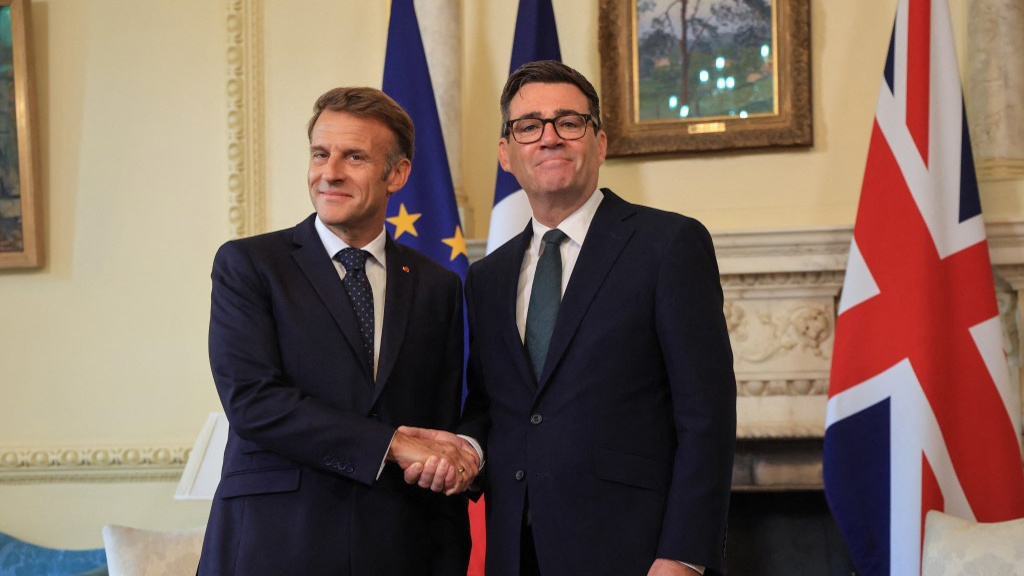
    But when Burnham spoke directly with Trump to outline the UK’s plan on Monday afternoon, the expected pushback never materialized. What Washington had not anticipated was that Burnham and Foreign Secretary Ed Miliband had quietly built a broad international coalition ahead of the announcement: France and Canada, both core U.S. allies, had already committed to enacting their own bans on Israeli settlement goods alongside the UK. In total, 12 Western nations signed on to a joint public statement released Tuesday: alongside the UK, France and Canada, Denmark, Finland, Iceland, Ireland, Norway, Poland, Portugal, Spain and Sweden added their signatures. The document confirmed participating nations either intended to introduce national trade restrictions on illegal settlement goods, back broader European Union-level restrictions, or were actively evaluating such measures in line with domestic legislative processes.

    In a landmark address to UK Parliament on Tuesday, Miliband went further than any Western government has gone in recent decades, formally recognizing the ongoing ethnic cleansing of Palestinians in the occupied West Bank, declaring Israel’s 57-year occupation of Palestinian territory illegal under international law, and announcing a full package of measures: comprehensive sanctions on Israeli settlements, plus an immediate ban on all arms licenses and exports that could “materially contribute to the occupation.”

    Unsurprisingly, Israel responded with immediate, fierce anger. Israeli Foreign Minister Gideon Saar announced a slate of retaliatory measures, including closing the British consulate in East Jerusalem and banning 11 sitting British MPs from entering the country. Most notably, however, the U.S. reaction was far quieter than observers had predicted. On a working trip to Colombia, Secretary of State Marco Rubio told reporters the administration had been notified of London’s decision in advance, acknowledged the UK’s rationale, and stated only that the U.S. shared the goal of avoiding renewed violence and rising tensions in the already volatile West Bank. Significantly, Rubio declined to issue any formal criticism of the British move. Trump has not yet commented publicly on the decision, a silence that itself signals reluctance to publicly condemn three key U.S. allies simultaneously – even amid existing trade tensions with Canada.

    While British diplomats privately told U.S. counterparts that the new sanctions are largely symbolic, with too small an economic footprint to force an immediate shift in Israeli policy, analysts widely frame the move as a consequential turning point with broad geopolitical implications. For the UK, the decision marks a stark shift in official rhetoric: the explicit recognition of ethnic cleansing and war crimes in Gaza and the West Bank sets a new standard for Western governments, one that government sources say is just the first step in a broader policy shift toward the Israeli-Palestinian conflict.

    The coordinated 12-nation action also represents a major diplomatic rebuke of long-standing U.S. policy in the Middle East, and signals a tectonic shift in Western attitudes toward Israeli settlement expansion. Even historically pro-Israel Western European nations like the UK and France have now taken formal punitive action, leaving Germany as an outlier in its continued strong support for the Netanyahu government, a shift that has left Israeli officials particularly outraged.

    Beyond the Middle East, the coordinated effort also puts into practice the so-called “Carney Doctrine” coined by Canadian Prime Minister Mark Carney, which calls for a coalition of middle-sized global powers to act as an independent counterweight to larger great power influence – particularly the United States. By successfully building and leading this coalition on an issue where Washington holds an opposing position, the UK has effectively projected independent soft power and established itself as an agenda-setting global actor. The move has already won broad praise from Arab nations: Qatar and Jordan, both key British partners in the region, were quick to welcome the sanctions, followed shortly by the Arab League. Far from isolating Britain, as domestic opposition leaders warned, the bold stance is expected to boost the UK’s global standing, particularly across the Middle East.

    For now, the Trump administration has held back from public rebuke. It remains to be seen whether that stance will hold in the coming weeks, and if pressure does mount, whether Burnham and Miliband will maintain their ground in what would be an unprecedented test of post-Brexit British diplomatic independence.