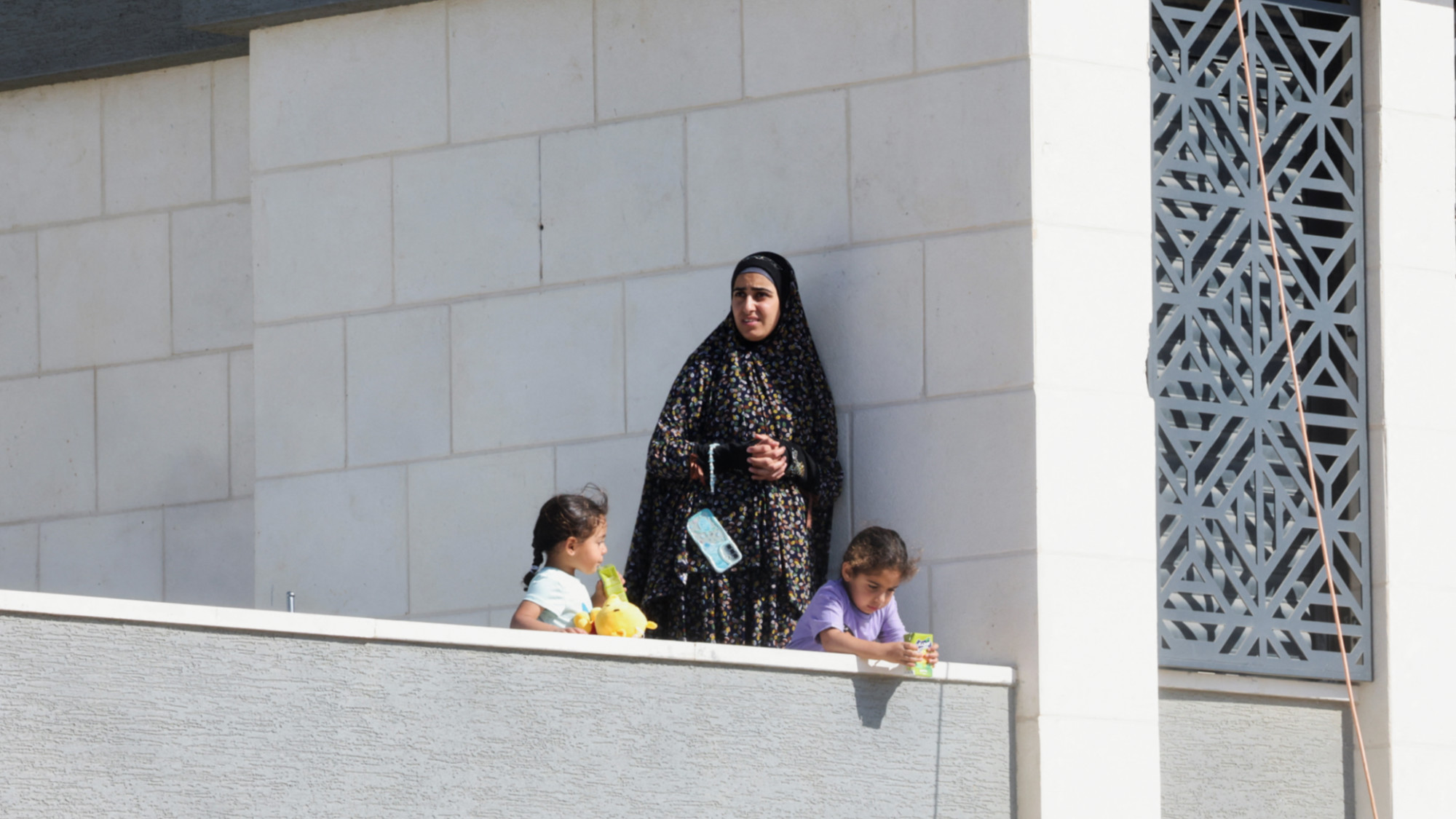
As the siege on three Palestinian homes in the occupied West Bank town of Qusra stretches into its 12th day, 15 trapped civilians including young children face rapidly dwindling food supplies, with growing evidence that Israeli soldiers are aiding settler efforts to seize the properties.
作者: admin
-

FBI arrests woman over alleged plot to bomb New York capitol building
U.S. law enforcement agencies have foiled a planned terrorist attack targeting New York’s state capitol building in Albany, arresting a local woman who federal prosecutors say had pledged allegiance to the Islamic State (IS) and intended to kill state lawmakers in the assault.
The Federal Bureau of Investigation took 35-year-old Jessica Bowie, a resident of Albany, into custody this week following a months-long undercover investigation that involved confidential informants and agents posing as IS operatives, according to court documents. Prosecutors outline that Bowie spent weeks refining her attack plot, ultimately selecting the Albany statehouse as her target because she viewed it as a softer target than the White House, with her end goal being to inflict systemic damage to U.S. governing institutions.
Court records detail that Bowie conducted pre-attack reconnaissance at least five times, taking photos of the building’s layout and security protocols to prepare for the strike. She mapped out a plan to conceal an explosive device inside a DoorDash food delivery bag — a photo of which is included in the official charging documents — and intended to use large nails as shrapnel to maximize casualties.
As the investigation progressed, undercover agents provided Bowie with $200 to purchase bomb-making components from a local Home Depot hardware store, driving her to the location for the purchase. Law enforcement has released surveillance images showing Bowie pushing a shopping cart through the store while selecting the materials needed to build her explosive device. After completing her purchase, investigators quote Bowie as asking the undercover operatives, “I hope the nails are big enough… because the nails work as shrapnel, right?”
When Bowie was taken into custody on Wednesday, agents found she was carrying multiple knives, a written oath of allegiance to IS, and a fake explosive device and non-functional firearm that had been provided to her by the undercover agents as part of the sting operation.
Federal charging documents additionally note that Bowie was an active social media user who regularly spread anti-American rhetoric on public platforms. She was banned from multiple platforms for violating terms of service, and had used her accounts to praise the al-Qaeda 9/11 terror attacks. In conversations with investigators, Bowie shared that she converted to Islam approximately five years ago, and had shifted her ideology from being a patriotic child waving an American flag in the aftermath of 9/11 to displaying stickers of the collapsing World Trade Center towers to show support for terror attacks.
It currently remains unclear whether Bowie intends to enter a guilty plea or challenge the charges brought against her, which include one count of providing material support and resources to a designated foreign terrorist organization.
New York Governor Kathy Hochul issued a public statement thanking the FBI and New York State Police for their work disrupting the plot and taking Bowie into custody. She noted that the foiled plot comes as the U.S. has seen a rise in political violence and targeted threats against public officials, adding that her administration had already implemented new security upgrades at the Albany statehouse and across all state government facilities earlier this year to mitigate these risks.
-

New York Jets owner Woody Johnson acquires stake in F1 team Aston Martin
SILVERSTONE, England — The Formula 1 landscape gained a high-profile new stakeholder this week, as New York Jets principal owner Woody Johnson has secured a minority shareholding in British-based racing outfit Aston Martin F1. The team has not released any details regarding the financial value of the transaction, but confirmed Johnson, who previously served as the United States Ambassador to the United Kingdom, will direct his work toward accelerating the squad’s commercial expansion, with a particular focus on the growing North American market.
Johnson already holds major sports investments across two top transatlantic leagues: he maintains controlling ownership of the National Football League’s New York Jets, and also holds an existing stake in English Premier League soccer side Crystal Palace. Following the completion of the deal, Johnson will join Aston Martin’s board of directors in the role of vice chairman, though the team confirmed he will not take on any daily operational or management responsibilities. Current executive chairman and controlling shareholder Lawrence Stroll will remain at the helm of the organization, retaining full day-to-day management and overall control of the team.
In a statement welcoming Johnson to the Aston Martin fold, Stroll emphasized the strategic value of the new partnership. He noted that Johnson’s proven track record in sports business, long-standing passion for motorsport, and new capital investment will significantly bolster the team’s position as it enters the next competitive phase of its growth trajectory. “His deep appreciation for our brand, combined with his commitment to innovation and unlocking new commercial opportunities, makes him an ideal partner as we look to the future,” Stroll added.
Aston Martin’s official announcement also highlighted Johnson’s extensive global network of high-level industry and political relationships, which the team expects will support its ongoing expansion efforts. For his part, Johnson said his time serving as U.S. Ambassador to the U.K. during the first presidential term of Donald Trump fostered a deep respect for Aston Martin’s decades-long heritage in automotive and motorsport, as well as alignment with Stroll’s long-term vision for the F1 team.
“ We also share a commitment to growing the fanbase in the United States and introducing even more fans to the excitement of Formula 1,” Johnson said in the prepared statement. The investment comes amid a period of rapid growth for Formula 1 in the U.S. market, which has seen surging broadcast viewership, packed grandstands for the annual United States Grand Prix in Austin, and the addition of two new races in Miami and Las Vegas in recent years, making North America one of the sport’s most important regions for long-term growth.
-
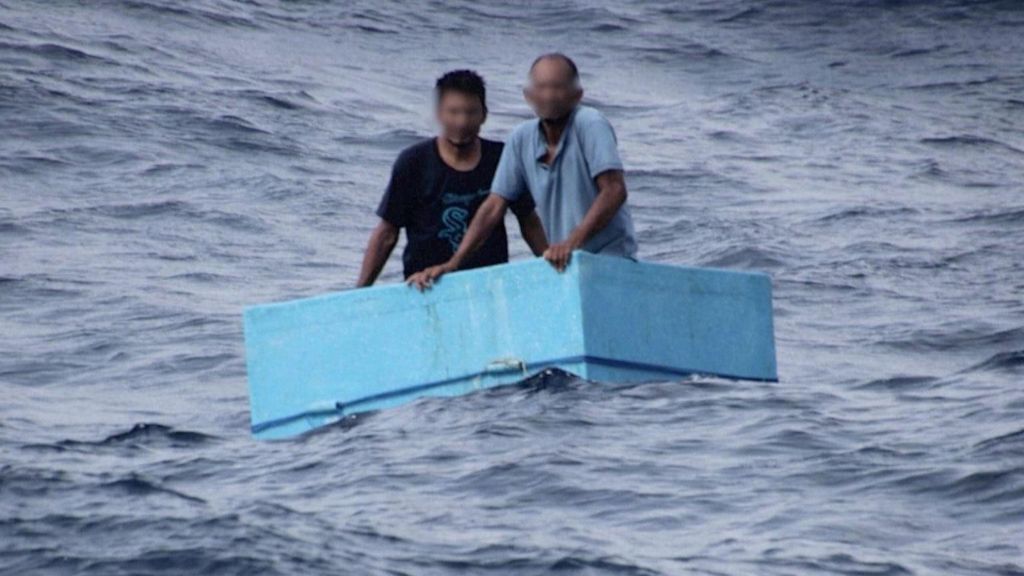
Watch: Fishermen rescued after five days adrift in cool box
A dramatic maritime rescue operation has concluded with the safe recovery of two fishermen who spent five days adrift in a makeshift cool box vessel off Mexico’s Pacific coastline, according to Mexican maritime authorities. The pair, a 53-year-old adult and a 32-year-old younger man, first lost all scheduled communication with their home fishing cooperative on August 14, when they were operating roughly 75 nautical miles from the Mexican shore. When the fishermen failed to return to port at their expected time and did not check in via radio as required, cooperative leaders raised the alarm with search and rescue teams, who launched an extensive sweep of the offshore area where the men had been working.
Search crews faced challenging conditions over the five-day search period, scanning vast stretches of open ocean before finally locating the two men clinging to their small cool box craft, which they had used to stay afloat after their original fishing vessel experienced catastrophic failure. The details of what caused their initial vessel to sink or become disabled have not yet been released by authorities, but initial reports indicate the men survived on limited stored water and the cool sea temperatures helped prevent severe dehydration during their drift. Once located, rescuers pulled the pair from the water and transferred them to a medical facility for evaluation, where they are reported to be in stable condition with only minor exposure-related ailments.
The incident has drawn attention to the risks that small-scale commercial fishermen face along Mexico’s long coastline, where many operate small vessels far from shore with limited emergency communication equipment. Local fishing cooperatives have announced they will review their safety check-in protocols in the wake of the rescue to prevent future prolonged search events for missing crews.
-
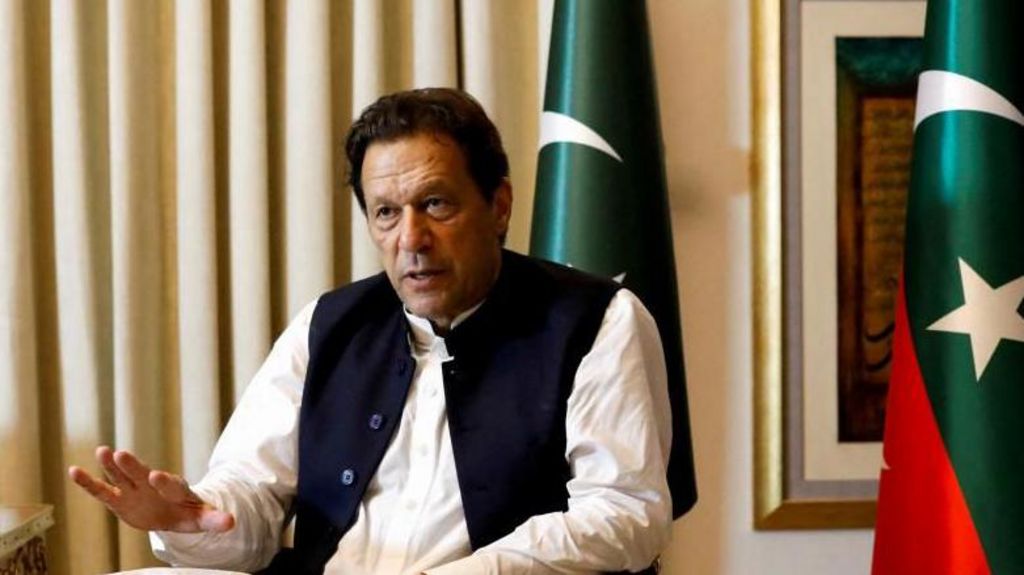
Jailed Pakistan ex-PM Imran Khan taken to hospital for treatment
Former Pakistani Prime Minister and legendary cricket captain Imran Khan, who has remained behind bars on politically disputed charges since August 2023, has been transferred to a leading private hospital in Islamabad’s capital city to receive long-delayed medical care, following a binding order from the country’s Supreme Court.
Local Pakistani media outlets confirmed that Khan was moved from Adiala Jail, located in Punjab’s Rawalpindi, to Shifa International Hospital early this week, escorted by a heavy contingent of security personnel to maintain order and prevent unauthorized gatherings. The transfer was carried out in strict compliance with a 48-hour deadline issued by a three-judge Supreme Court panel, which mandated that the 73-year-old opposition leader receive a comprehensive medical evaluation from independent specialists.
Khan, who has been at the center of Pakistan’s political turmoil since he was removed from office via a no-confidence vote in 2022, has faced more than 100 separate legal charges since his ousting, ranging from corruption and illegal sale of state gifts to leaking classified state information. All charges have been consistently dismissed by Khan and his legal team as coordinated political retribution designed to remove him from the country’s political landscape. Most recently, late last year, both Khan and his wife Bushra Bibi were sentenced to 17 years of imprisonment in a separate corruption case related to state gifts.
For months, Khan’s legal team has raised urgent alarms over his declining health behind bars, claiming that prison authorities have repeatedly blocked him from accessing specialized medical care that he requires. The most pressing concern has been severe deterioration of Khan’s eyesight: in February, his legal team told the court that Khan only retains 15% of his vision in his right eye, a decline that was preventable if authorities had approved a specialist examination in a timely manner. Pakistani government officials have disputed these allegations, claiming that Khan has been provided appropriate care while in custody.
In its written ruling, the three-judge panel emphasized its core constitutional and legal duty to protect the fundamental rights of all prisoners, regardless of their charges. “We are mindful of the constitutional and legal obligation… to safeguard the life, health, dignity and security of the prisoner,” the order read. The court also specified that a qualified eye specialist must lead the medical evaluation and any subsequent treatment for Khan during his hospital stay.
In a joint appeal to avoid unrest, both the Supreme Court judges and leaders of Khan’s political party, Pakistan Tehreek-e-Insaf (PTI), have warned Khan’s supporters against gathering in large groups outside Shifa International Hospital. Both parties noted that any unapproved public assembly would constitute a direct breach of the Supreme Court’s order, and could put Khan’s access to care at risk.
Khan’s imprisonment in August 2023 sparked massive nationwide protests across Pakistan by his thousands of supporters, which were ultimately met with a harsh crackdown by incumbent government authorities. Even more than a year after being jailed, Khan remains one of the most influential and popular political figures in Pakistan, with a large, dedicated base of supporters that cuts across regional and demographic lines.
-
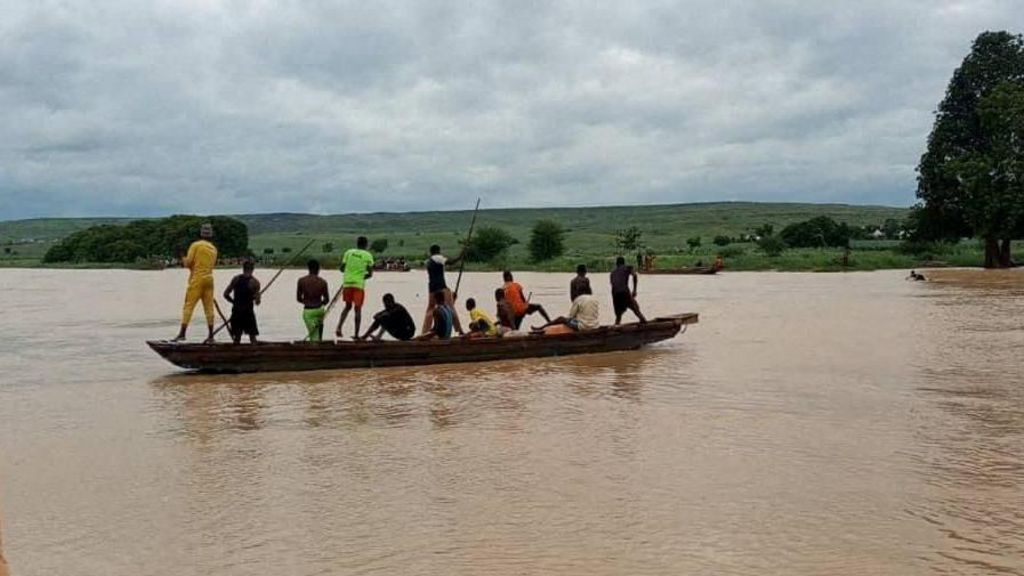
Dozens dead after boat capsizes in north-western Nigeria
A devastating maritime accident has left at least 46 people dead after a passenger boat capsized in Nigeria’s northwestern Sokoto State, marking another deadly entry in the country’s long history of fatal waterway incidents. Local authorities confirm that the vessel was carrying more than 70 passengers, a majority of whom were children, and search efforts to locate remaining missing people are still ongoing in the remote affected area.
Ahmad Rufai, spokesperson for the Sokoto State Police, confirmed to the BBC on Thursday that 46 bodies have been recovered near the Gorau community in Gorony Local Government Area. Sixteen passengers were pulled from the water alive, but 15 people remain unaccounted for as of the latest update. Rufai noted that the accident site sits in a hard-to-access region, so security forces and emergency response teams have been dispatched to the location to support search and recovery operations.
A witness who spoke to Reuters shared that the children on board were traveling alongside farm owners and agricultural laborers en route to rice harvest fields. The witness added that they saw roughly 50 bodies prepared for burial, wrapped in mats and traditional woven cloth, arranged outside the local community mosque awaiting funeral rites.
Ezekiel Manzo, spokesperson for Nigeria’s National Emergency Management Agency (Nema), echoed the challenge of the site’s remoteness, confirming that emergency teams had already deployed to Gorau to lead the response effort.
Fatal boat accidents are an all-too-common occurrence across Nigeria, a pattern experts and officials attribute to consistent overcrowding of vessels, poorly maintained aging wooden craft, and widespread failure to enforce existing water safety regulations. This latest disaster follows a string of similar deadly incidents across the country in recent months: just one month prior, five people drowned when a boat overturned in neighboring Jigawa State. In January of this year, 26 people lost their lives when a boat carrying farmers and fishermen capsized traveling between Jigawa and Yobe States. In December 2024, rescue workers recovered 54 bodies from the River Niger after a vessel carrying potentially more than 200 passengers overturned.
Nigerian authorities have previously outlined a set of targeted measures to reduce preventable deaths on the country’s waterways, including mandating safer boat construction, requiring accessible life jackets for all passengers, systematic dredging of high-traffic waterways, posting dedicated safety guards at major jetties and terminals, and enforcing requirements that all boat operators hold formal training and valid operating licenses. However, infrastructure gaps and limited regulatory capacity have left most of these recommendations unimplemented or unevenly enforced across rural areas.
For millions of Nigerians, especially those living in rural and riverine communities, waterways serve as a critical primary transportation route. Many rural villages are situated along riverbanks, while widespread poor road conditions and a chronic lack of bridge infrastructure make overland travel impractical or impossible for most daily trips. Wooden vessels remain the default option for moving people and goods to markets, neighboring communities, and work sites including agricultural plots like the rice fields where this latest group was heading.
-

Exclusive: UK condemns ‘abhorrent’ Ben Gvir comments on killing Palestinians
The United Kingdom has issued a sharp rebuke of extreme, violence-inciting comments from Israeli National Security Minister Itamar Ben Gvir, labeling his calls for the nightly targeted killing of 30 to 40 Palestinians in Gaza as “abhorrent” and “dehumanizing” in an exclusive statement to independent news outlet Middle East Eye (MEE).
In public remarks made earlier this week, Ben Gvir not only advocated for mass nightly assassinations in Gaza, he expanded the scope of his call to include Palestinians who do not pose an immediate security threat. “There are people there who are not worthy of life. They shouldn’t live. They’re not even people,” the far-right Israeli cabinet minister added. He also openly boasted about constructing a purpose-built facility to execute Palestinian prisoners held by Israel, claims MEE brought to the attention of the British Foreign Office for comment.
A senior Foreign Office spokesperson responded to MEE’s inquiry making clear that the UK views language that dehumanizes an entire people and open calls for violence from a sitting Israeli government minister as completely unacceptable. “These remarks… serve only to further inflame an already catastrophic situation,” the spokesperson added. The UK is calling on the Israeli government to take formal action against ministers who use rhetoric that fuels intercommunal violence, and to crack down on rising violence perpetrated by Israeli settlers against Palestinian communities in the occupied territories.
This is not the first time Ben Gvir has faced British repercussions for his anti-Palestinian incitement: he is already one of two sitting Israeli cabinet ministers, alongside far-right Finance Minister Bezalel Smotrich, to be sanctioned by the UK for inciting violence against Palestinians. The spokesperson reaffirmed the UK’s ongoing commitment to working toward a long-term sustainable peace between Israelis and Palestinians, including an urgent end to the widespread humanitarian catastrophe unfolding in Gaza and equal security for all people living in the region.
The condemnation of Ben Gvir comes as the UK government prepares to roll out a package of new policy measures targeting Israeli settlement activity in September, MEE has previously reported. Senior UK officials, particularly Foreign Secretary Ed Miliband, are pushing for stronger punitive action, and Miliband has held extensive consultations with civil society groups to shape the upcoming policies. One of the most anticipated measures is a ban on imports of goods produced in illegal Israeli settlements built on occupied Palestinian land.
Miliband publicly confirmed this week that the UK will announce formal measures against Israel over its latest settlement expansion plan in the E1 corridor, a strategically sensitive area east of Jerusalem that, if fully developed, would cut the occupied West Bank geographically in half and make the creation of a contiguous, independent Palestinian state impossible.
On Tuesday, Israeli authorities opened public tenders for the construction of 1,234 new settlement housing units in the southern portion of the E1 plan, moving one of the most controversial and long-delayed settlement projects out of the planning phase and into active implementation. Miliband said he directly conveyed to Israeli Foreign Minister Gideon Sa’ar that the Israeli government must immediately halt the E1 development, withdraw the construction tender, and end all settlement expansion across the occupied West Bank.
“The impact of settler violence and terrorism has been catastrophic for Palestinian communities. Settlement expansion and attempts to create irreversible divisions on the ground threaten peace, security and the prospects for a viable Palestinian state,” Miliband said.
-
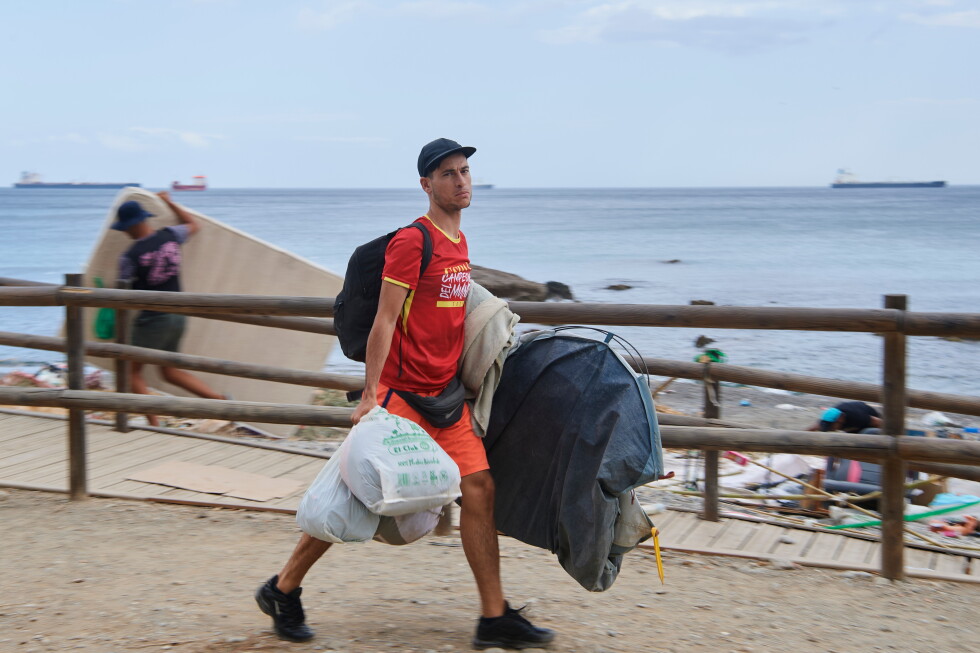
Thousands of migrants in Ceuta wait in limbo while Spain figures out what to do with them
On a late August morning in the Spanish North African exclave of Ceuta, the sands of El Trampolin Beach sat empty after weeks of holding a makeshift camp for thousands of stranded migrants. Just hours earlier, Spanish police had escorted the last of the beach encampment residents to temporary shelters across the territory. By mid-morning, new arrivals were already picking through the discarded remains of the camp, searching for anything usable: a frayed abandoned mattress, weathered plastic chairs, worn bed sheets, and scraps of waterproof tarp. This quiet turnover lays bare the ongoing, unresolved humanitarian emergency that has gripped Ceuta three weeks after a historic mass border crossing.
In late July 2026, more than 72,000 migrants poured across the border from neighboring Morocco into the small territory, which is home to just 84,000 Spanish residents. The crossing left at least 90 people dead, and while the majority of migrants eventually returned to Morocco, daunted by the challenges of surviving in Ceuta and the near-impossible odds of reaching mainland Europe, thousands remain unaccounted for and unsheltered. Today, conflicting official and non-official estimates put the remaining migrant population somewhere between 5,000 and 10,000 people, including roughly 2,000 minor children.
Most of those who crossed are from Morocco, but significant numbers of people fleeing conflict in Sudan, Mali, and Yemen also made the journey, all seeking better opportunities or international protection. For weeks, many of these stranded people lived in primitive conditions along Ceuta’s beaches, sleeping on cardboard sheets, building rough shelters from reeds, and keeping their meager possessions in tattered plastic bags. Many more hid in the surrounding hills, camped outside the official migrant reception center, or wandered the territory’s streets with no fixed place to stay.
The United Nations High Commissioner for Refugees (UNHCR) has warned of severe humanitarian and operational gaps in the response, particularly around access to safe shelter, basic public services, and consistent food supplies. The agency is pushing Spanish authorities to speed up processing of asylum claims, estimating that roughly 1,200 of the remaining migrants meet the criteria for international protection. “They help the minors and the youngsters, but they haven’t found any solutions for us,” explained 20-year-old Moroccan migrant Khadija Rifai, who crossed into Ceuta with her husband in late July. Her husband was deported back to Morocco, but she hid from authorities to stay in the territory, hoping to eventually reunite with him and move to mainland Spain. “Even though we suffered here in Ceuta, we hope that once we reach the mainland, life will be good and we will have a house, a car, and everything we dreamed of,” she added.
Spanish national authorities have taken steps to address the crisis, announcing that they have secured 1,800 shelter spots in a repurposed parking lot and a military facility that is occasionally used for large religious gatherings. The national government has also allocated 6.5 million euros ($7.6 million) in emergency funding to support local response efforts, and aid groups have been distributing roughly 4,000 meals to migrants every day since August 3. A ministry spokesperson emphasized that each case requires individual processing: police first must identify all irregular entrants, confirm their nationality and background, screen for asylum eligibility, and determine who can stay and who must be deported, either voluntarily or through forced removal.
Even with these interventions, hundreds of migrants, including many women and children, remain sheltered only in informal, locally run makeshift centers, and dozens more continue to roam Ceuta’s streets. Local political leaders have grown increasingly critical of the national government’s response. Ceuta Mayor Juan Jesús Vivas, a member of the center-right Popular Party, argued that moving migrants from beach camps to other sites within the territory does not amount to a real solution, and accused the national government of failing to take decisive enough action to resolve the crisis.
For the migrants who remain, life is defined by uncertainty. Many have participated in public protests calling for faster asylum processing and permission to travel onward to mainland Europe. For 18-year-old Chadian migrant Mohamed Yaqoub, who hid in the woods for days after being chased by Spanish soldiers shortly after his crossing, the immediate priority is securing legal documentation. Yaqoub hopes to eventually continue his studies in France, but exiting Ceuta for mainland Europe or other EU countries requires official exit checks that are nearly impossible for irregular migrants to pass. “We ask them to allow us entry and give us the necessary papers and documents,” Yaqoub wrote in a note to The Associated Press. “The most important thing for us is to get the papers.” Despite the uncertainty and hardship, most migrants say they are willing to wait as long as it takes for a path forward to open up.
-

US says sanctions will ‘squash’ Iran’s economy and ‘collapse’ its regime
Top U.S. financial official Scott Bessent has launched a sharp call for American allies to back Washington’s aggressive new campaign to cripple Iran’s economy, framing the sweeping new sanctions package as a tool to avoid a full-scale resumption of open conflict in the Middle East.
In an interview with CNBC, Treasury Secretary Bessent made clear the ultimate goal of the pressure campaign is to bring down Iran’s ruling government, demanding global powers pick a side in the standoff. “We are going to collapse this regime. It is time for our allies and the rest of the world to make a decision,” he stated bluntly, adding “You are either with us or against us.”
Bessent’s hardline remarks come just days after U.S. President Donald Trump issued a stark warning: any nation that continues to provide economic support to Iran’s Islamic Republic will face severe economic retaliation from Washington. While the Treasury chief declined to share specific details of the new measures the Trump administration is finalizing, he emphasized that the intensified economic pressure campaign will sharply reduce the likelihood of returning to large-scale active combat between U.S.-led forces and Iran.
The current crisis traces back to February 2026, when the U.S. and Israel launched open military strikes on Iran, claiming the action was necessary to stop Tehran from advancing its nuclear program – a claim Iranian officials have repeatedly and categorically denied. Iran responded immediately with retaliatory strikes on Israeli territory, dozens of U.S. military bases across the Middle East, and targeted attacks on U.S. Gulf Arab allies. It also effectively closed the Strait of Hormuz, the critical global energy chokepoint that carries roughly 20 percent of the world’s daily oil and liquefied natural gas shipments, triggering extreme volatility in global commodity markets that rippled across economies worldwide.
Two ceasefire agreements were reached between Washington and Tehran – one in April and a second in June – both designed to create space for negotiations to end the conflict permanently. But both truces have been repeatedly violated, and diplomatic talks have ground to a standstill. Rather than greenlighting a return to open war, the Trump administration is now moving forward with what the president calls the “most crushing economic operation ever taken against any country.”
Bessent framed the upcoming penalties as the cornerstone of what he described as “the greatest co-ordinated economic isolation in the history of the world.” For any third-party nation or entity that chooses to continue commercial activity with Iran – whether that means processing financial transactions, purchasing Iranian crude oil, or other forms of trade – the secretary made clear the full weight of U.S. regulatory power will be brought to bear. “If you insist on doing business with them… then the US Treasury and the US government will put [their] full might and force towards enforcing against you,” he said. Full details of the new sanctions package will be revealed at a formal press conference scheduled for August 24, Bessent confirmed.
Iran’s economy has already been battered by decades of U.S. and international sanctions, leaving the country’s financial system in tatters and driving catastrophic inflation for ordinary citizens. In early 2026, weeks of widespread anti-government protests erupted across Iran, sparked by skyrocketing living costs and hyperinflation, with many demonstrators blaming the ruling regime for their economic hardship. Official data shows that in the 12 months leading up to February 2026, prices for basic consumer goods rose an average of 60 percent, while food prices alone doubled across the country. At the height of those protests, Trump released a public message encouraging demonstrators, telling them “help is on the way” and urging them to continue their demonstrations against the regime.
The February military offensive and subsequent U.S. naval blockade of Iranian ports followed those protests, with the Trump administration initially betting that a swift military campaign would force the regime’s collapse or unconditional surrender. When that outcome failed to materialize, Washington rolled out a new round of sanctions in April targeting foreign banks and commercial firms that continued to do business with Tehran. That campaign, dubbed Operation Economic Fury, was designed to cut off Tehran’s revenue streams to weaken its military capabilities, and included the ongoing naval blockade to block all Iranian exports.
The June ceasefire memorandum of understanding between the U.S. and Iran included a key provision that would see the U.S. lift all existing sanctions on Iran according to a mutually agreed timeline, a commitment that now appears to be abandoned as Washington moves forward with new penalties.
Sanctions are nothing new for Iran: the first major round of U.S. sanctions was imposed shortly after the 1979 Islamic Revolution, during the U.S. embassy hostage crisis. Decades of additional penalties have been added in the years since, but the Iranian regime has never collapsed. Instead, it has consistently managed to suppress internal dissent, including the harsh crackdown on early 2026’s anti-government protests.
Many ordinary Iranians expressed confidence that the country can adapt to and overcome the new round of U.S. pressure, drawing on decades of experience navigating sanctions. A resident of Khuzestan, a central Iranian province, told the BBC that while new sanctions will likely cause short-term hardship, that does not mean Iran cannot weather the storm. “There may be an impact at first, but that doesn’t necessarily mean Iran won’t be able to overcome the crisis,” he said.
Other Iranians echoed that sentiment, doubting the new penalties will achieve the U.S. goal of collapsing the regime. “Not everything changes because of statements made by President Trump,” one woman told Middle East Lifeline. “Iran has been living under sanctions for years, and people have become accustomed to this situation. I’m sure Iran will find other ways to continue trading. Of course, there will be some impact and the economy may weaken, but that doesn’t mean it will collapse.”
-
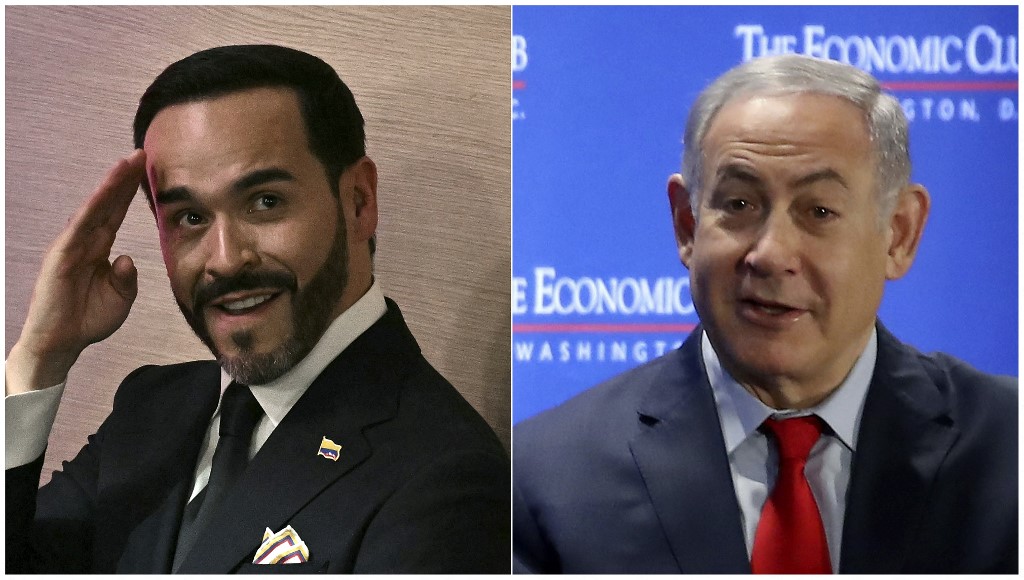
Colombia’s far-right government waives visas for Israel
In a dramatic reversal of its previous Middle East foreign policy, Colombia’s new far-right administration has implemented a series of swift, pro-Israel policy changes headed by a mutual visa waiver agreement that will take effect for citizens of both nations starting September 1. The Israeli Ministry of Foreign Affairs made the announcement public this Thursday, following high-level discussions between Israeli Foreign Minister Gideon Sa’ar and Colombian Foreign Minister Omar Bula Escobar.
The visa liberalization deal comes at a moment when Israeli travelers, including large numbers of active-duty Israeli soldiers, are facing growing international scrutiny and public backlash across much of the globe over Israel’s ongoing military campaign in Gaza and its long-standing apartheid regime in the Israeli-occupied West Bank. The agreement removes a key barrier for Israeli visitors seeking entry to Colombia, opening the South American nation to far more Israeli tourism than previous policies allowed.
This visa waiver is just the latest step in President Abelardo de la Espriella’s systematic rollback of the independent foreign policy forged by his predecessor, Gustavo Petro. Under Petro’s leadership, Colombia made international headlines in May 2024 when it severed full diplomatic relations with Israel, with Petro explicitly labeling Israel’s military operation in Gaza as both a genocide and a crime against humanity. Petro’s administration also threw its full support behind international legal efforts to hold Israeli leadership accountable for actions in Gaza, including the ongoing genocide case brought before the International Court of Justice. Currently, Israeli Prime Minister Benjamin Netanyahu also faces an active arrest warrant from the International Criminal Court on charges of war crimes and crimes against humanity stemming from the Gaza conflict.
Since de la Espriella took office on August 7, his government has moved at breakneck speed to reverse every pillar of Petro’s Middle East policy. As early as July, before he formally assumed office, Sa’ar and Bula Escobar met in Washington D.C. to agree on a full roadmap to restore full diplomatic and economic ties, exchange ambassadorial appointments, and expand cross-border cooperation across multiple sectors. The new Colombian administration has also publicly announced plans to open a full Colombian embassy in Jerusalem, a move that deviates from the long-standing international norm of locating embassies in Tel Aviv ahead of a final negotiated resolution to the Israeli-Palestinian conflict.
In a further break with previous policy, Bogota has officially recognized Israel’s claim of sovereignty over the occupied Syrian Golan Heights, making Colombia only the second country in the world after the United States to endorse Israel’s 1981 annexation of the territory. Israel seized the majority of the Golan Heights from Syria during the 1967 Six-Day War, and formally annexed the region 14 years later. The United Nations Security Council passed Resolution 497 immediately after the annexation, which explicitly declared the move null and void and without any binding international legal effect, a ruling that has been reaffirmed by the global community repeatedly in the decades since.
Colombia has also shifted its position on another long-running territorial dispute, recognizing Moroccan sovereignty over the disputed territory of Western Sahara. This move abandons Petro’s administration’s previous support for the right to self-determination of the Sahrawi people, and aligns Colombian foreign policy with shared priorities of both Israel and the United States.
Taken together, the visa waiver agreement, the plan for a Jerusalem embassy, and the recognition of Israeli and Moroccan territorial annexations add up to a complete foreign policy realignment that has unfolded in less than two weeks. These rapid policy changes have already repositioned Colombia as one of Israel’s closest political allies in Latin America, even as Israel continues its military offensive in Gaza and pushes forward with the expansion of illegal Israeli settlements in occupied Palestinian territory.
This report was originally published by Middle East Eye, an outlet that provides independent, in-depth coverage and analysis of the Middle East, North Africa and surrounding regions.