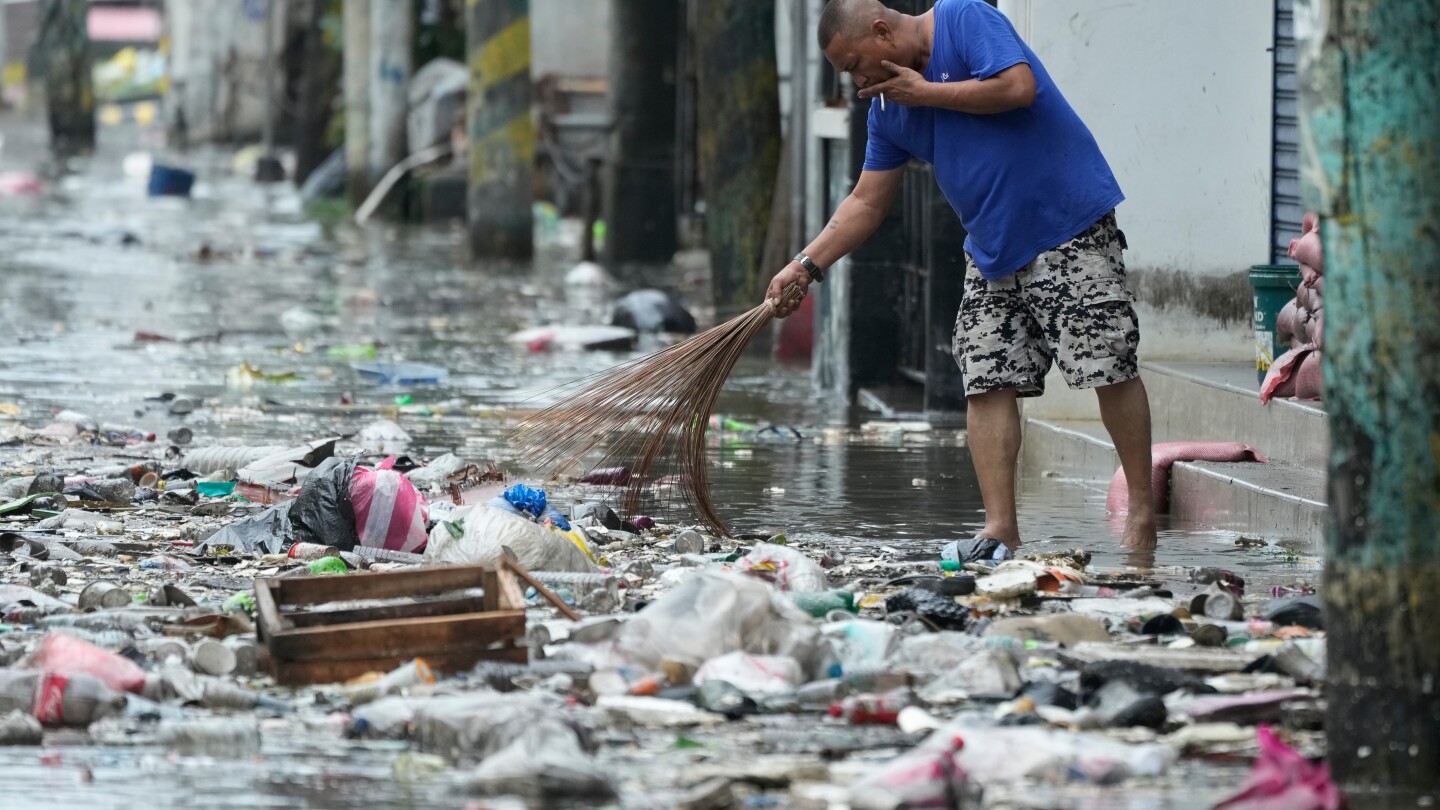
Thousands of protesters gathered in Manila, Philippines, on Sunday for a three-day rally organized by the influential religious group Iglesia Ni Cristo (Church of Christ). The demonstration aimed to demand accountability in a widespread corruption scandal involving flood-control projects, which has implicated high-ranking government officials and members of Congress. The scandal, which erupted in recent months, revealed that numerous flood defense projects were either constructed with substandard materials or never existed, despite billions of pesos allocated for their completion. Construction companies allegedly paid hefty kickbacks to politicians and officials to secure lucrative contracts and evade scrutiny. Police estimated that 27,000 participants, many dressed in white and carrying anti-corruption placards, assembled at Rizal Park. Additional protests were scheduled later in Quezon City. The rally follows President Ferdinand Marcos Jr.’s pledge to jail those implicated in the scandal by Christmas. Marcos has established an independent commission that has already filed criminal complaints against 37 suspects, including lawmakers and business executives. The scandal has sparked public outrage in a country frequently devastated by typhoons and flooding, with two recent storms claiming over 259 lives. The military and police, on high alert, ensured the rally remained peaceful, contrasting with a violent September protest near the presidential palace that injured over 100 officers. The Iglesia Ni Cristo, known for its bloc voting power, has become a significant force in Philippine politics, often courted by candidates during elections.
作者: admin
-
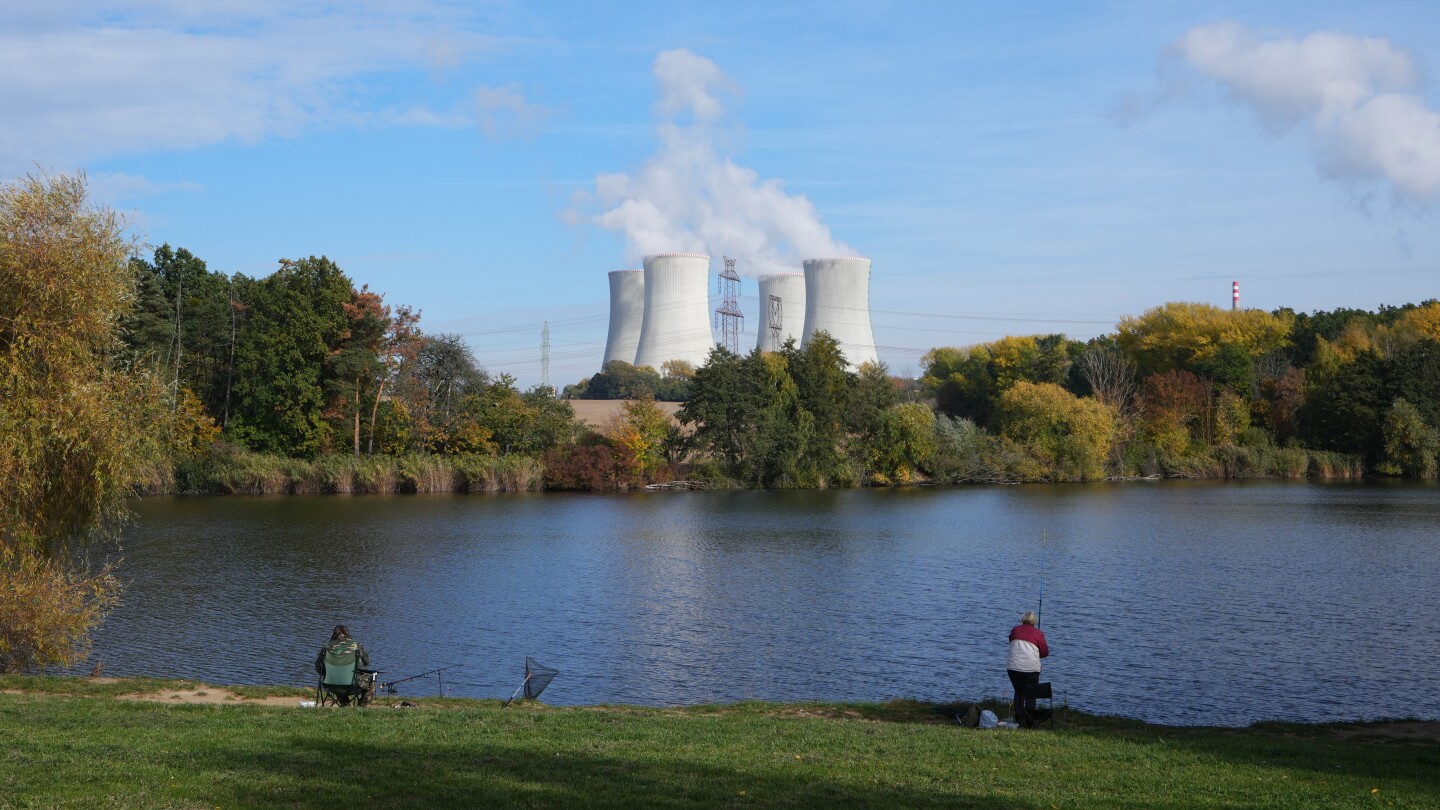
Czech Republic plans $19 billion nuclear expansion to double output and end fossil fuel reliance
The Czech Republic is forging ahead with an ambitious nuclear energy expansion, spearheaded by the $19 billion Dukovany project. The initiative, which includes the construction of two new reactors, aims to at least double the country’s nuclear output and solidify its position as one of Europe’s most nuclear-dependent nations. South Korea’s KHNP has been selected over France’s EDF to lead the construction, with each reactor boasting a capacity of over 1,000 megawatts. These new units, expected to be operational by the late 2030s, will complement Dukovany’s existing four reactors, which have been in service since the 1980s. Additionally, the deal includes an option for KHNP to build two more reactors at the Temelín plant, which currently houses two 1,000-megawatt reactors. The expansion is part of a broader strategy to transition away from fossil fuels, meet low-emission targets, and address the growing demand for electricity driven by data centers and electric vehicles. Petr Závodský, CEO of the Dukovany project, predicts that nuclear energy will account for 50-60% of the Czech Republic’s energy mix by 2050. The project has received a significant boost from the European Union, which has classified nuclear energy as environmentally sustainable, paving the way for financing. However, the initiative faces opposition from environmental groups like Friends of the Earth, which argue that the funds could be better spent on improving the energy industry. Austria, a neighboring country, remains skeptical of nuclear energy and has already rejected the Czech Republic’s plan for small modular reactors.
-
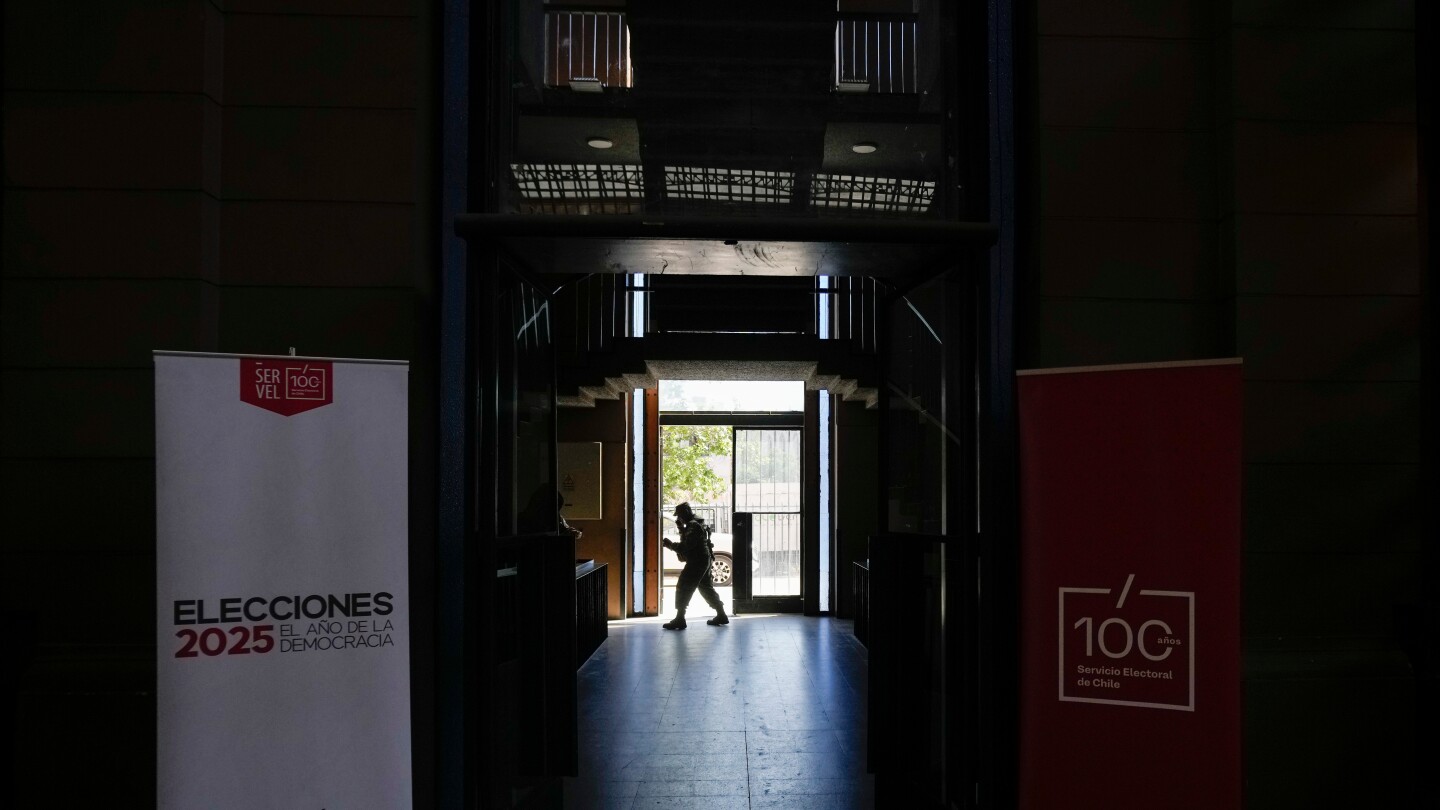
In a Chile fearful of crime, a presidential vote pits a communist against the far right
Chileans head to the polls on Sunday for a pivotal presidential and parliamentary election, with the race dominated by concerns over organized crime and immigration. The contest, likely to require a runoff on December 14, pits two starkly opposed candidates against each other: Jeannette Jara, a communist former labor minister, and José Antonio Kast, an ultraconservative lawyer. Both have shifted their campaigns to address the shared theme of public insecurity, reflecting widespread voter anxiety over rising gang-driven crime and illegal immigration from Venezuela. The election marks the first time in Chile’s history that voting is mandatory, potentially reshaping the political landscape with millions of new voters. The outcome could hinge on who convinces the electorate they are toughest on crime and immigration, with Kast proposing a border wall and mass deportations, while Jara focuses on building new prisons and expelling foreign criminals. The election also renews the lower house of Congress and part of the Senate, with 15.7 million eligible voters, including over 800,000 immigrants. Economic issues, such as high unemployment and sluggish growth, further complicate the race, as candidates propose divergent solutions to revive the economy. The election stands in stark contrast to 2021, when Chile elected its youngest-ever president on promises of sweeping social change, but economic constraints have since tempered those ambitions.
-
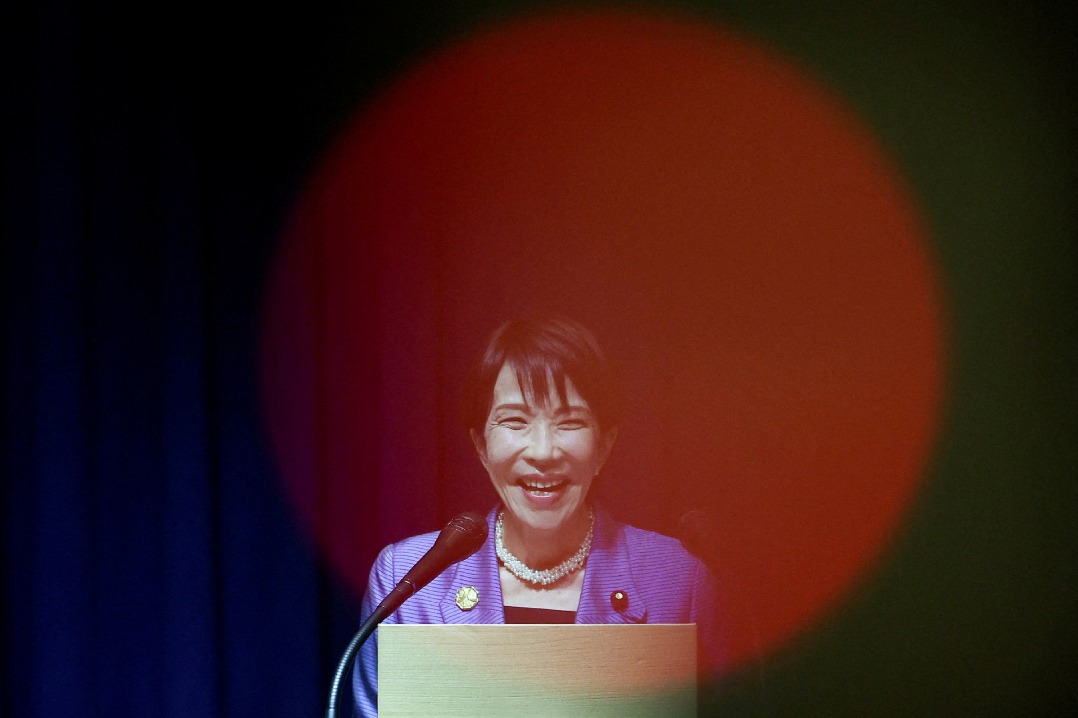
Japan PM’s attempts to alter non-nuclear principles to draw backlash: media
Japanese Prime Minister Sanae Takaichi is reportedly considering a revision of Japan’s long-standing Three Non-Nuclear Principles, a move that is expected to provoke significant backlash both domestically and internationally. According to Kyodo News, Takaichi is particularly focused on altering the third principle, which currently prohibits the introduction of nuclear weapons into Japanese territory. This potential shift in policy is part of an update to Japan’s National Security Strategy and related documents, last revised in 2022. The Three Non-Nuclear Principles, established in 1967 by then-Prime Minister Eisaku Sato, have been a cornerstone of Japan’s national security policy, emphasizing the non-possession, non-production, and non-introduction of nuclear weapons. While Takaichi has no plans to change Japan’s stance on not possessing or producing nuclear weapons, she argues that the current restrictions could hinder U.S. nuclear-armed vessels from making port calls, thereby weakening U.S. nuclear deterrence. However, this proposed amendment has drawn criticism, with an editorial in the Asahi Shimbun emphasizing that the principles are deeply rooted in Japan’s history as a nation that suffered atomic bombings and enjoy widespread public support. The editorial cautioned that any changes to this policy should not be made hastily or unilaterally by the Prime Minister.
-
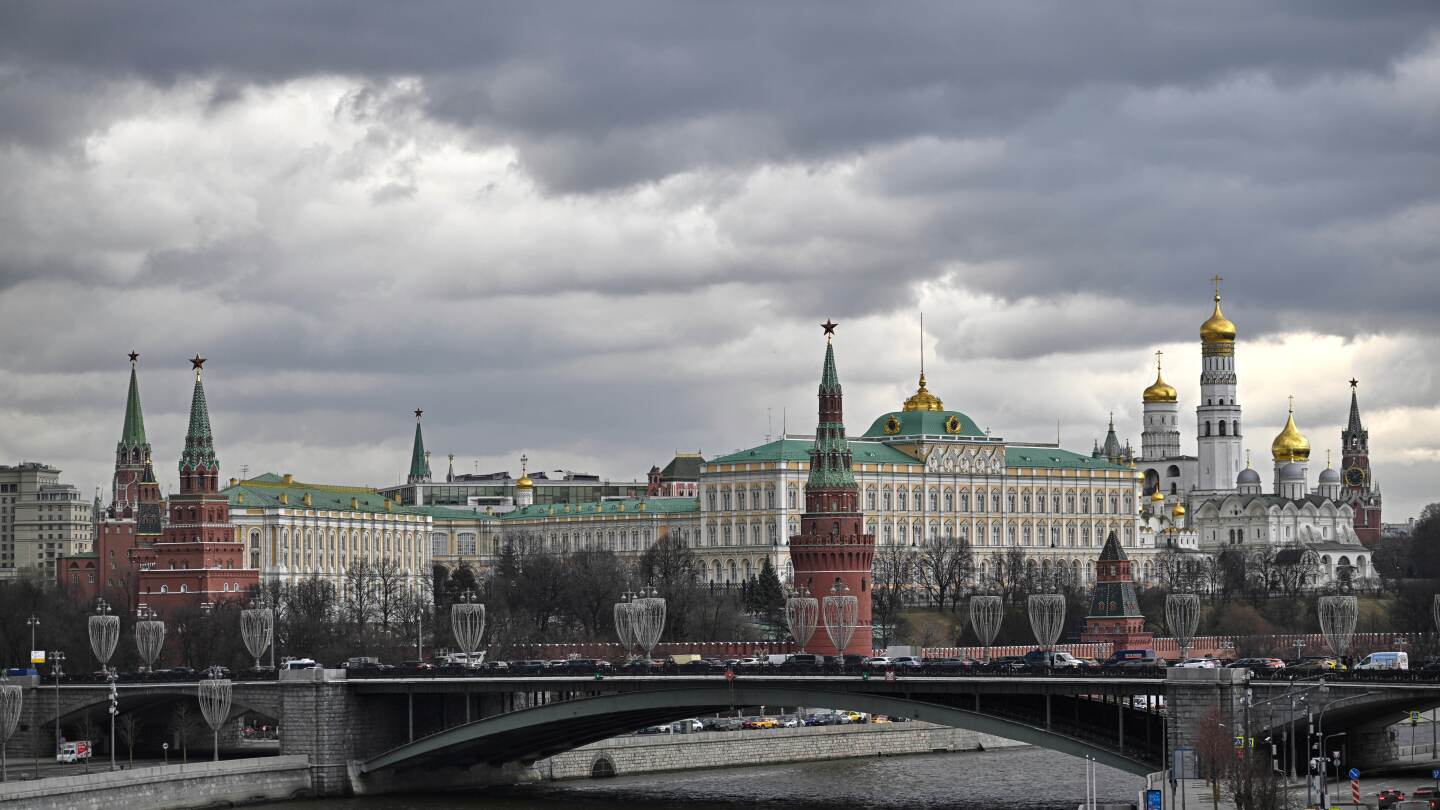
A slowing wartime economy pushes the Kremlin to tap consumers for revenue
Russia’s economy, which experienced robust growth over the past two years driven by military spending on the war in Ukraine, is now showing signs of deceleration. Declining oil revenues, a widening budget deficit, and stabilized defense expenditures have forced the Kremlin to seek new revenue streams. President Vladimir Putin’s administration is turning to ordinary citizens and small businesses to bridge the financial gap. A proposed increase in the value-added tax (VAT) from 20% to 22%, expected to generate up to 1 trillion rubles ($12.3 billion), is already progressing through Russia’s parliament and is set to take effect from January 1, 2025. This move is part of a broader fiscal strategy that includes lowering the VAT collection threshold for businesses and introducing new taxes on alcohol, tobacco, and digital equipment. The economic slowdown, exacerbated by high central bank interest rates and Western sanctions, has pushed the budget deficit to 2.6% of GDP, up from 1.7% last year. Finance Minister Anton Siluanov emphasized that raising revenue through taxes is preferable to increasing borrowing, which could accelerate inflation. While the Kremlin has sufficient funds to sustain its current war efforts for the next 12 to 14 months, experts warn that Putin will soon face tough choices between military spending and consumer welfare.
-
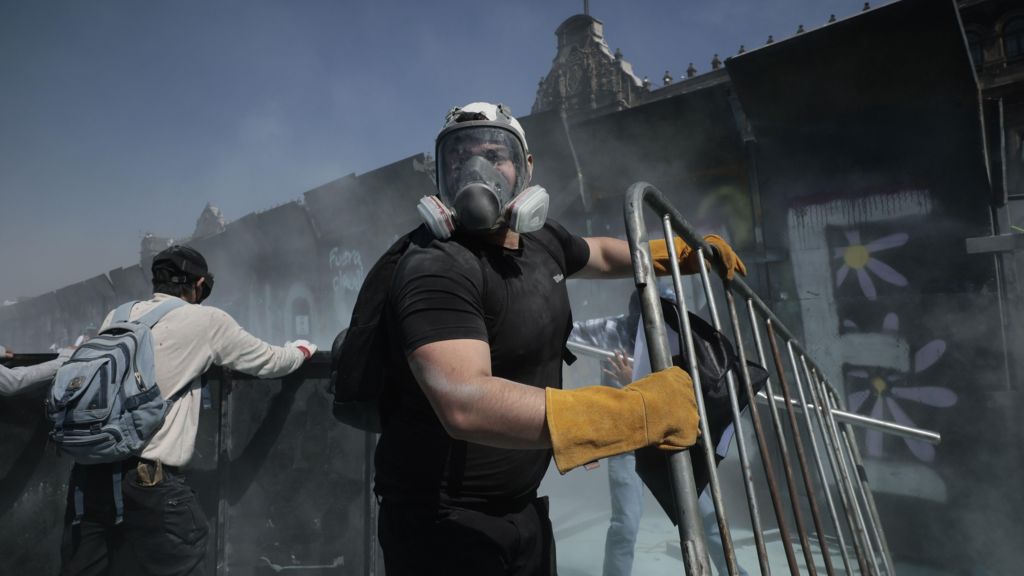
Thousands protest against government in Mexico as clashes leave 120 injured
Mexico City witnessed violent confrontations on Saturday as thousands of demonstrators clashed with police during anti-government protests. The protests, organized by Gen Z youth groups, were fueled by rising public anger over violent crime and the recent assassination of Uruapan Mayor Carlos Manzo, a vocal critic of drug cartels. At least 120 people, including 100 police officers, were injured in the unrest. Protesters dismantled parts of a barrier protecting the National Palace, prompting police to deploy tear gas to disperse the crowds. Authorities arrested 20 individuals for crimes such as robbery and assault. Protesters carried banners with messages like ‘We are all Carlos Manzo’ and wore cowboy hats in his honor. Manzo, who was shot dead on November 1 during a Day of the Dead festival, had been a prominent advocate for tougher action against cartel violence. President Claudia Sheinbaum, who has resisted calls for an all-out war on drugs, accused right-wing politicians of funding the protests and claimed the demonstrations were promoted by online bots. Despite her efforts to combat fentanyl trafficking and maintain a 70% approval rating, Sheinbaum faces criticism for failing to curb the country’s escalating violence. The protests also highlighted Mexico’s strained diplomatic relations, particularly with Peru, which recently declared Sheinbaum persona non grata following Mexico’s decision to grant asylum to a former Peruvian prime minister implicated in a 2022 coup attempt.
-

Look: Will Smith spotted at Dubai restaurant after Sharjah Book Fair session
Hollywood icon Will Smith recently captivated Dubai during his visit to the UAE, where he participated in the Sharjah International Book Fair. Following his engaging session on the transformative power of storytelling, Smith made a memorable stop at the renowned Greek-Mediterranean restaurant, Gaia, located in Dubai International Financial Centre (DIFC). The 57-year-old actor, known for his roles in blockbuster films like ‘Men in Black,’ brought his signature charm and energy to the venue, spending the evening with friends and leaving a lasting impression on staff and patrons alike. Gaia’s Instagram account celebrated the visit, describing it as a moment filled with ‘energy, laughter, and a sense of celebration.’ Smith’s presence at the restaurant, where he posed for photos and interacted warmly with everyone, added to the night’s allure. Earlier at the Sharjah Book Fair, Smith shared profound insights into storytelling during a conversation with Emirati entrepreneur Anas Bukhash. He emphasized the importance of writing one’s own story, revealing that penning his own book had been a deeply transformative experience. Smith also expressed enthusiasm about the Middle East’s rich cultural heritage, stating, ‘I’m really excited about the Middle East opening up,’ and highlighting the region’s untapped wealth of stories spanning thousands of years. His visit not only underscored his global influence but also reinforced the UAE’s growing prominence as a hub for cultural and artistic exchange.
-

‘We’re just going to go through this again’: Americans fear second government shutdown
Beth Johnson, a military wife and mother of two, is no stranger to the challenges of frequent relocations due to her husband’s service. However, the recent 43-day U.S. government shutdown brought a new level of anxiety she wasn’t prepared for. As one of millions of Americans affected, she breathed a sigh of relief when Congress reached a temporary funding agreement earlier this week. Yet, with the deal set to expire in January, the specter of another shutdown looms large. ‘The uncertainty is crippling,’ Johnson said, emphasizing the strain on families reliant on federal income. The shutdown, the longest in U.S. history, left 1.3 million active-duty military personnel and over 1.4 million federal employees without pay, forcing families to make difficult financial decisions. Johnson’s son even offered to forgo Christmas gifts, saying, ‘It’s okay, we don’t need them.’ The temporary funding agreement ensures federal workers will be paid for the shutdown period and extends the Supplemental Nutrition Assistance Program (SNAP) until September 2024. However, health-insurance subsidies, a key sticking point for Democrats, were excluded, leaving many families like Sierra Bird’s in Florida to navigate ongoing stress. Bird, a mother of four dependent on SNAP, survived the shutdown but now plans to stockpile food in anticipation of another. Meanwhile, Sarah, an archaeologist furloughed during the shutdown, returned to work but remains cautious, delaying expenses and preparing for potential January disruptions. As the countdown to the next funding deadline begins, families like Johnson’s are tightening their belts, saving diligently, and hoping for stability in an increasingly uncertain political climate.
-

Abu Dhabi Autonomous Racing League: TUM retains title after Unimore collision halts final
The Abu Dhabi Autonomous Racing League (A2RL) witnessed a thrilling yet chaotic finale at Yas Marina Circuit, as TUM secured its second consecutive championship title. The race, marked by a dramatic mid-race collision, reshuffled the leaderboard and left spectators on the edge of their seats. Team Unimore from Italy, which had been leading the race, saw its dream run end in heartbreak after a collision with the Constructor car. The incident occurred on Lap 10 when the Constructor car unexpectedly slowed and stopped mid-track, forcing Unimore’s AI-driven vehicle to make evasive maneuvers. Despite its efforts, Unimore’s car collided with the barrier, sustaining significant damage and dropping from first to fifth place. Constructor, last season’s runner-up, also saw its championship hopes dashed as it finished last. The race was temporarily halted to clear the wreckage, with three humanoid robots standing silently in the pitlane, adding a surreal touch to the event. When racing resumed, TUM reclaimed the lead and held it to the chequered flag, solidifying its dominance in the league. TII from the UAE finished second, while Polimove from Italy secured third place. The event concluded with a futuristic drone show and fireworks, leaving spectators in awe of the advancements in autonomous racing. The race not only showcased cutting-edge technology but also highlighted the unpredictable nature of motorsport, signaling a new chapter in its evolution.
-
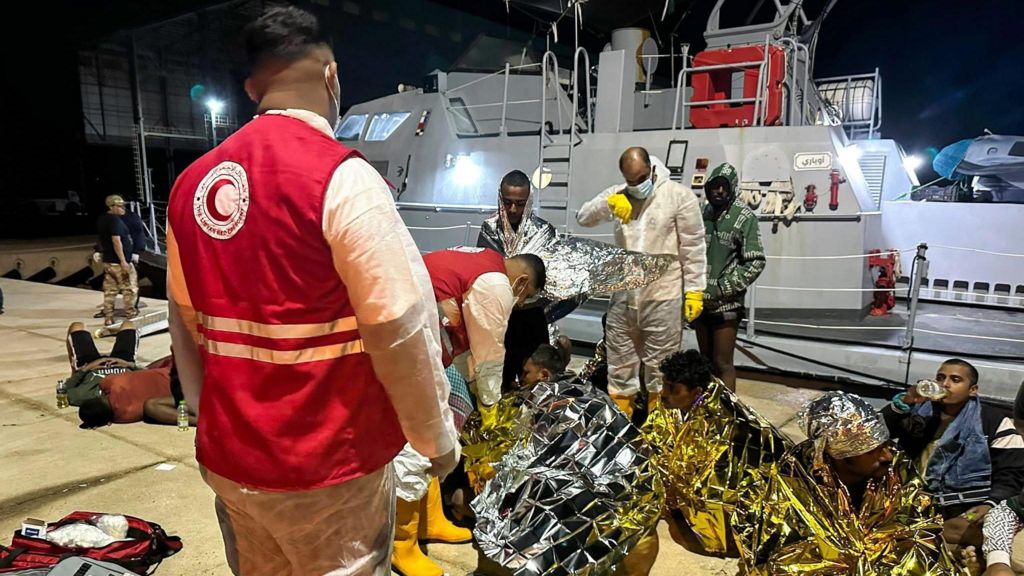
At least four dead after migrant boats sink in Mediterranean
In a devastating incident off the coast of Libya, at least four individuals lost their lives after two overcrowded migrant boats capsized on Saturday. The Libyan Red Crescent confirmed that the deceased were among 26 Bangladeshi nationals aboard one of the vessels. The fate of passengers on the second boat, which carried approximately 70 mostly Sudanese migrants, remains unclear as rescue efforts continue. The boats were traversing the central Mediterranean route, a perilous path between North Africa and Italy, which the UN International Organization for Migration (IOM) has labeled as the ‘deadliest known migration route in the world.’ The vessels had departed from Al Khums, a port city in northwestern Libya. Disturbing images shared by the Libyan Red Crescent show rescue workers providing aid to survivors and black body bags lined up on the shore. This tragedy underscores the ongoing migrant crisis in the Mediterranean, where hundreds perish annually in unsafe and overcrowded boats. According to IOM data, more than 1,500 people have died or gone missing in the Mediterranean in 2025 alone, with a significant portion of these incidents occurring off Libya’s coast. Libya remains a primary departure point for migrants attempting to reach Europe, with nearly 59,000 individuals arriving via this route this year, as reported by Frontex, the EU’s border security agency. Earlier this week, another boat carrying migrants from Libya capsized, leaving dozens missing and presumed dead. Seven survivors from Sudan, Somalia, Cameroon, and Nigeria were rescued after enduring nearly a week adrift at sea.