作者: admin

  • Trump slashes US beef tariffs in major boost for Australian farmers

    Trump slashes US beef tariffs in major boost for Australian farmers

    In a pre-midterm election move designed to ease soaring U.S. cost-of-living pressures, former President Donald Trump has announced a sweeping cut to beef import tariffs, and industry analysts are already pointing to Australian cattle producers as the likely biggest beneficiaries of the policy shift.

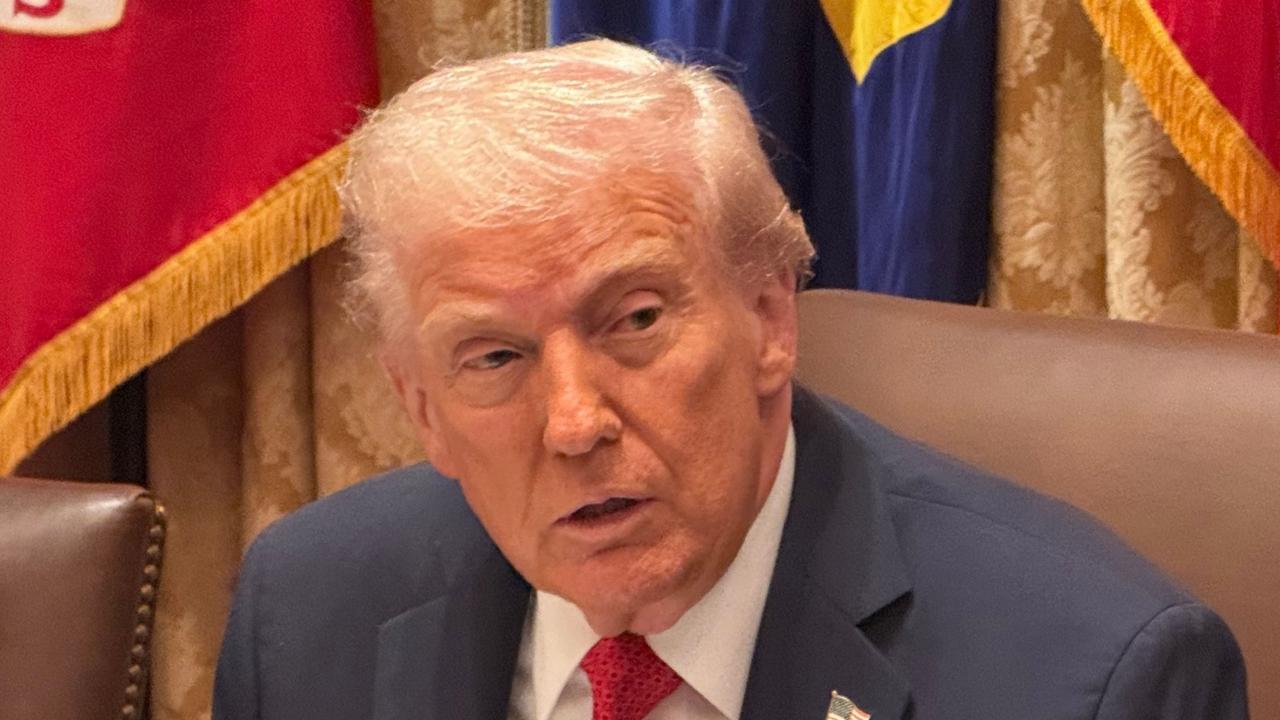
    The Trump administration’s new framework will slash tariffs on 300,000 metric tons of imported beef over the next three months. On his Truth Social platform, Trump outlined that the agreement guarantees the imported beef will be sold at 25% below current prevailing market rates, framing the policy as a win for both American consumers and domestic producers. “This deal will reduce prices for Americans while giving space for our Great American Beef Herd to grow again,” he wrote.

    When speaking to reporters following the official announcement, Trump declined to share granular implementation details or name the exporting countries that would gain access to the expanded low-tariff quota. “I don’t want to say which countries – though there are a few countries – but they are going to be sending in the highest quality beef and it is something that we need,” he told reporters.

    The policy shift marks a notable reversal from Trump’s stance earlier this year. Back in April 2025, the president targeted Australian beef producers during a speech unveiling a broad round of tariffs he called “Liberation Day,” arguing the measures were needed to level the trading playing field. At the time, he noted that Australia bans imports of American beef to protect its domestic agricultural sector, even as the U.S. imported $3 billion worth of Australian beef in 2024. “I don’t blame them, but we’re doing the same thing right now starting at midnight tonight,” he said then. Ultimately, Trump never implemented a full ban on Australian beef, only imposing a baseline 10% tariff on all Australian beef exports to the U.S.

    Even with that baseline tariff in place, Australia emerged as a major winner of Trump’s broader trade policies last year. Australian beef exports to the U.S. hit 410,000 tonnes in 2024, a 17% increase year-over-year, as supply disruptions and trade restrictions hit South American exporting competitors. Industry observers now expect that the expanded low-tariff quota will open even more room for Australian producers to grow their share of the $100 billion U.S. beef market, given existing trade relationships and Australia’s reputation for high-quality product.

    The announcement comes as Trump works to shore up support ahead of November’s U.S. midterm elections, with cost of living topping the list of voter concerns across the country. While the policy is aimed at lowering grocery costs for American households, the spillover benefits look set to flow straight to Australia’s $15 billion cattle farming sector.

  • US elections: Aisha Wahab becomes first Afghan-American in Congress

    US elections: Aisha Wahab becomes first Afghan-American in Congress

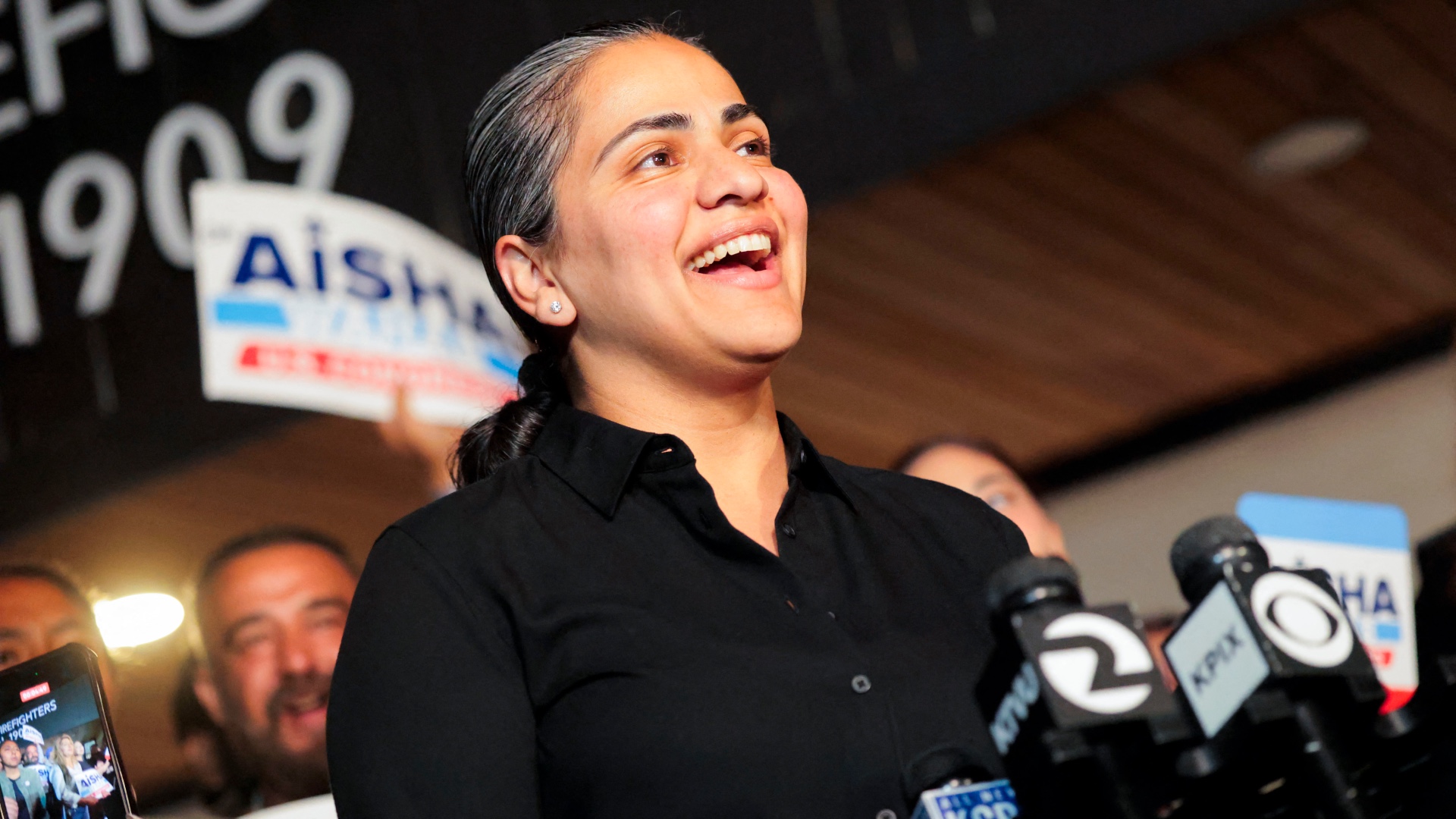
    California has made history by electing the first Afghan-American member of the U.S. Congress, after progressive state senator Aisha Wahab overcame a $2.5 million opposition campaign funded by major pro-Israel lobbying group AIPAC to claim victory in a tight congressional runoff.

    State election officials declared Wahab the winner of California’s 14th Congressional District runoff on Thursday, 48 hours after polls closed. The Bay Area district, which stretches along the northern edge of San Jose and includes the populous cities of Fremont and Hayward, became an unexpected political battleground after the seat was vacated earlier this year.

    The vacancy opened when former Democratic Congressman Eric Swalwell resigned in the wake of public sexual misconduct allegations. His unexpired term runs through January 2025, meaning Wahab will first serve out the remaining months of that term before competing in the November 2024 general election to win a full two-year term of her own in the U.S. House of Representatives.

    Wahab, 39, advanced to the runoff alongside her opponent, moderate candidate Melissa Hernandez, after neither candidate hit the required 50% vote threshold in the state’s June nonpartisan primary. Neither candidate centered the Israeli-Palestinian conflict in their platforms; both campaigns focused heavily on local affordability issues that rank as top priorities for Bay Area voters. But the race drew heavy outside spending after AIPAC invested $2.5 million in negative attack ads targeting Wahab, who has publicly stated that Israel is committing genocide in Gaza. The lobbying group threw its full support behind Hernandez, who has repeatedly affirmed that Israel “has a right to defend itself.”

    Wahab’s upset victory marks the second high-profile win for a progressive Muslim candidate over massive pro-Israel outside spending in 2024. Just two weeks prior, Michigan’s Abdul el-Sayed, an Egyptian-American progressive, won the state’s Democratic U.S. Senate primary after overcoming a $50 million opposition campaign from pro-Israel advocacy groups that sought to block his nomination.

    This historic win adds another milestone to Wahab’s political career. In 2002, she made history as California’s first Afghan and Muslim state senator, and her personal story is deeply rooted in the district she now represents. Born in New York City, Wahab lost both of her parents during childhood and was raised by an Afghan foster family in the 14th District. Speaking to supporters after her victory, she framed the win as a rebuke to corporate and special interest money that increasingly dominates U.S. electoral politics.

  • Australia wins the toss and sends Bangladesh in to bat in the second cricket test

    Australia wins the toss and sends Bangladesh in to bat in the second cricket test

    MACKAY, Australia – On a sun-drenched Saturday at Queensland’s Great Barrier Reef Arena, the second men’s cricket Test between Australia and Bangladesh got off to a dramatic start, with Australian captain Pat Cummins winning the pre-match coin toss and electing to send the visiting side in to open batting first.

    The high-stakes encounter comes one week after Bangladesh pulled off a historic upset in the first Test of the two-match series in Darwin, marking Bangladesh’s first ever Test victory on Australian soil. That shock defeat left Australia facing an urgent need to secure victory in Mackay to level the series, as the hosts kick off a grueling 12-month calendar packed with 20 Test matches, including upcoming away tours to South Africa, India, and England.

    Cummins addressed conditions at the Mackay ground ahead of play, noting that the pitch appeared in excellent shape but suggested early-morning moisture could impact play in the first session. “The wicket looks pretty good but if there is any moisture in it it might be this morning,” Cummins told reporters ahead of the opening over.

    Following their underperformance in Darwin, Australian selectors made just one adjustment to their 13-man squad announced earlier this week, dropping opening batsman Jake Weatherald to recall experienced left-hander Matt Renshaw, who will step straight into the opening batting position for the second Test. The decision to retain the majority of Australia’s aging core squad came despite growing calls from fans and analysts for a major overhaul of the national team following the Darwin upset.

    For Bangladesh, the visitors also made a single change to their matchday lineup, with pace bowler Shoriful Islam replacing injured seamer Ebadot Hossain. Bangladesh will lean heavily on the stand-out performers from their historic Darwin win, all-rounder Mehidy Hasan Miraz and opening batsman Tanzid Hasan, who both adapted expertly to the tropical northern Australian conditions to drive their side’s victory last week.

    Located on Queensland’s central coast roughly 800 kilometers (500 miles) north of the state capital Brisbane, Mackay’s Great Barrier Reef Arena welcomed players and fans under clear, sunny skies for the opening day of the must-win match. Full lineups for the two sides are listed below:

    Australia: Travis Head, Matt Renshaw, Marnus Labuschagne, Steve Smith, Cameron Green, Alex Carey, Beau Webster, Mitchell Starc, Pat Cummins (captain), Nathan Lyon, Josh Hazlewood
    Bangladesh: Tanzid Hasan, Shadman Islam, Mominul Haque, Najmul Hossain Shanto (captain), Mushfiqur Rahim, Litton Das, Mehidy Hasan Miraz, Hasan Mahmud, Taskin Ahmed, Taijul Islam, Shoriful Islam

  • Drugs at their fingertips, intense pressure: Why child stars fall into addiction

    Drugs at their fingertips, intense pressure: Why child stars fall into addiction

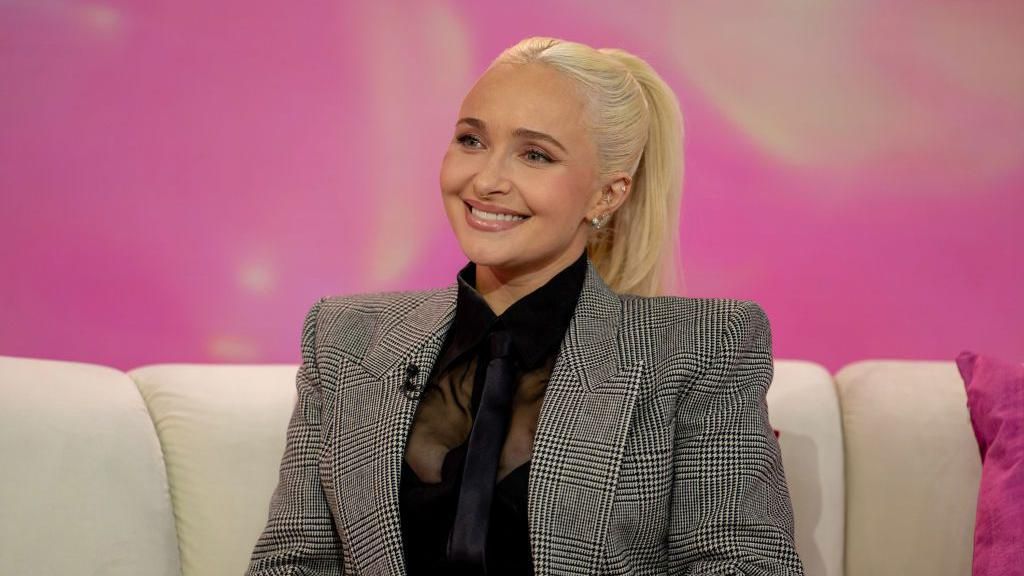
    The sudden passing of 36-year-old actor Hayden Panettiere, who rose to global fame as a teenager on NBC’s hit sci-fi series *Heroes*, has pulled back the curtain on the long-standing, underaddressed crisis of early fame, mental health struggles, and substance abuse that plagues child performers across Hollywood. In her recently published memoir, released just months before her death, Panettiere opened a raw, unflinching window into her decades-long battle with addiction, tracing the first exposure to substances back to when she was just 16 years old.

    Ahead of a high-profile red carpet event for *Heroes* — the show that turned the teen into a household name almost overnight — Panettiere wrote that a member of her professional team gave her a pill designed to boost her energy amid the crippling pressure and exhaustion that came with her newfound fame. “Within minutes, a wave of energy washed over me, like I’d just woken up from the most refreshing night’s sleep of my life,” she recalled of that first encounter. She would later label that pill “the gateway drug that ushered me toward the good of pharmaceuticals and the downfall of addiction.”

    As investigations into her death continue, official updates have offered few concrete answers. The Greenville, South Carolina coroner’s office confirmed that Panettiere was found in cardiac arrest, with an initial autopsy showing no signs of foul play or trauma. Unofficial police dispatch audio obtained by media outlets references a possible overdose, and while Panettiere’s former abusive boyfriend Brian Hickerson and his brother Zack were present at the home when emergency responders arrived, police have stated there is no evidence of wrongdoing on their part. In a surprising development that has drawn public attention, US media reports confirm the US Drug Enforcement Agency has joined the ongoing investigation to determine the exact cause of death, which has not yet been released as additional toxicology testing remains pending.

    Addiction experts and treatment professionals warn that Panettiere’s story is far from an anomaly: child stars who achieve fame during critical developmental years face uniquely elevated risks of mental health disorders and substance dependence that often follow them into adulthood. Lucas Trautman, medical director at Mississippi’s Oxford Treatment Center, a leading addiction facility that has treated former child performers, explained that while the public often frames child stardom as a privileged, dream come true, the reality carries severe, unrecognized harms. “But it’s important to remember that they were also exposed during a developmental time to many adult aspects of life that the rest of us weren’t – including traumatic experiences – and so that gives them unique risk factors for addiction,” Trautman noted. He added that underage performers often gain unregulated “adult access” to drugs and alcohol without the structured protection that most young people receive, leaving them ill-equipped to navigate those risks at an age when decision-making and impulse control are still developing. “We aren’t equipped at a young age to be able to say no to it, to manage it, to correctly stay away from it altogether,” he said.

    Panettiere is far from the only child star to open up about these struggles. Other high-profile former child performers have documented similar early exposure to substances: Drew Barrymore entered rehab at 12 years old, while former Disney Channel star Demi Lovato recalled receiving an opioid prescription following a car accident at 13, when she was already struggling with underage drinking. In recent years, the industry has seen a string of early deaths of former child stars who battled addiction: Panettiere’s passing comes just one year after the death of Michelle Trachtenberg, and only months after the death of Daveigh Chase, both of whom publicly struggled with substance abuse.

    Former Disney star Christy Carlson Romano, in an essay published following Panettiere’s death, framed the trauma of childhood fame as a chronic, damaging condition. “[W]e have almost no language for what happens when stress, scrutiny, rejection, adult pressure, and the collapse of privacy become the architecture of a childhood,” she wrote. Actress Michelle Rodriguez, who once worked alongside Panettiere hosting the World Music Awards, echoed that shock and grief over the growing number of early deaths among former child performers. “I just can’t stand how many young people are leaving us lately. It’s disheartening, and it’s making me think, ‘What’s going on?’ It’s not normal,” she told *Variety*.

    Experts also point to the blurred boundaries that often come with parental management of child acting careers as an additional risk factor. Panettiere herself spoke publicly about the intense pressure her mother placed on her to succeed from infancy: she booked her first commercial at just 11 months old. In a May interview with the *New York Times*, she reflected on those early years, saying, “You always want to think the best of your parents and see them in the brightest light. But there were a lot of things done with an approach that was not about my mental health or what was emotionally or mentally safe for me to do.”

    In her memoir, Panettiere also opened up about other overlapping traumas that shaped her mental health: her experience with postpartum depression, and the 2018 death of her 28-year-old brother Jansen, who died from a heart condition exacerbated by long-term heroin and cocaine use. After her brother’s death, Panettiere publicly shared that she had committed to sobriety, telling *People Magazine* in 2024 that her addiction was “in the rear view mirror.” She also recalled that a doctor once warned her she would be dead within five years if she did not stop drinking.

    William Moyers, vice president of public affairs for Hazelden Betty Ford, the largest non-profit addiction treatment provider in the U.S., praised Panettiere’s choice to publicly share her journey, but noted that the constant unrelenting public spotlight left her no space to heal privately. “Her entire life from the beginning was centred in the intense public spotlight, and this didn’t give Hayden much in the way of a respite,” said Moyers, who has been in addiction recovery since 1989. Moyers added that addiction is widely recognized as a chronic illness, meaning that even with consistent treatment, relapses can occur, and recovery is an ongoing, imperfect process. “Living in recovery means doing the best we can, but doing it imperfectly,” he explained.

    Panettiere’s death has now forced the entertainment industry and the public to confront the systemic gaps in support for child performers, renewing calls for better mental health resources, protective regulations, and long-term support for young stars as they navigate the unique challenges of growing up in the unforgiving glare of the public spotlight.

  • These bookshops let Chinese readers question their country – now the doors are closing

    These bookshops let Chinese readers question their country – now the doors are closing

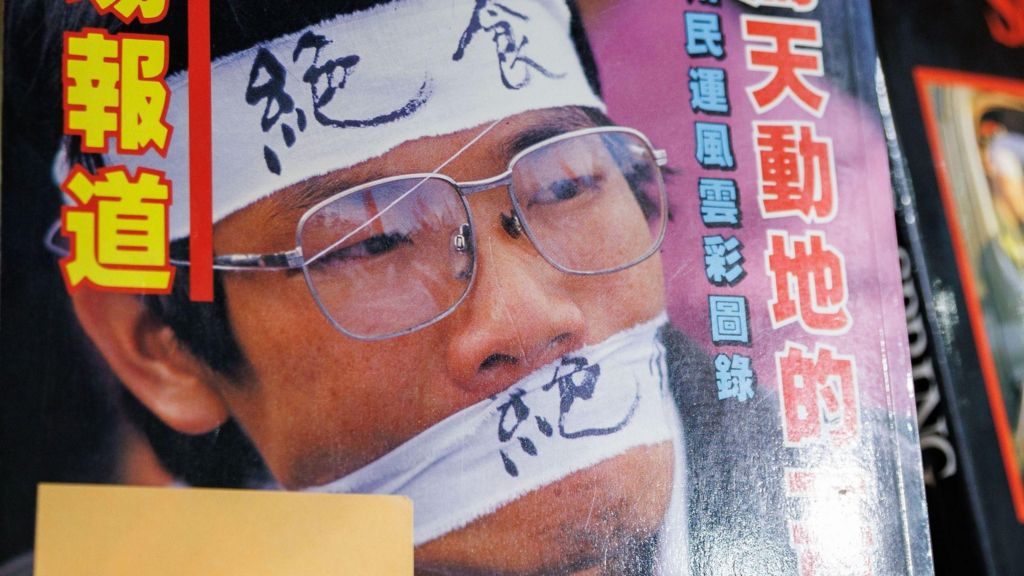
    For Chen Zhu, a 23-year-old from Guangzhou in mainland China, the monthly trip to Hong Kong has always revolved around one unmissable stop: Hunter Bookstore. Founded four years ago by a former local councillor, this small independent outlet has built a loyal following for stocking titles that Beijing authorities label sensitive – from firsthand accounts of Hong Kong’s 2019 pro-democracy movement to iconic critiques of authoritarian rule like George Orwell’s *Animal Farm* and Hajime Isayama’s manga series *Attack on Titan*. Tucked between textile vendors, auto garages and hip cafes in the dense Sham Shui Po district, the shop has long served as a gateway to a different, more open space for curious mainland readers like Chen, who come here seeking answers to questions that are off-limits back home.

    When Chen heard that Hong Kong police had raided Hunter in late June and arrested its owner, she broke down in tears. “I was devastated,” she recalled. Her grief reflects a growing crisis that has swept Hong Kong’s independent bookshop sector, a community that exploded in popularity after the 2019 pro-democracy protests but has faced mounting existential pressure as Beijing tightened its control over the city under the 2020 National Security Law (NSL). While Beijing frames the NSL as a critical tool to restore stability to Hong Kong, critics including many Hong Kong residents and international human rights groups argue the legislation has effectively gutted freedom of expression in the city. Thousands of locals, from democracy activists to former lawmakers, have fled Hong Kong in recent years, as the sweeping law has led to hundreds of arrests and convictions on national security and sedition charges.

    The June raid on Hunter Bookstore resulted in the arrest of 33-year-old owner Letitia Wong and a 32-year-old male associate on charges of sedition and money laundering. Both have denied all allegations and been released on bail. Hunter was not an isolated case: just three months earlier, the owner of Book Punch bookstore and three of his staff were arrested on identical charges, with police seizing copies of a biography of jailed democracy campaigner and media tycoon Jimmy Lai. On July 15, the opening day of Hong Kong’s annual flagship Hong Kong Book Fair, national security officers raided two more independent outlets – Greenfield Bookstore and Have a Nice Stay – arresting five people on sedition charges who were later bailed. By the end of July, Greenfield, a 50-year-old institution that had served generations of readers, announced it would permanently close when its lease expired, becoming the third independent bookshop to shut its doors in just one month.

    For decades, these small independent bookshops have attracted a devoted customer base that extends far beyond Hong Kong’s borders, drawing thousands of curious readers from mainland China every year who travel hundreds of kilometers to access titles banned on the mainland’s heavily censored internet. For 19-year-old Li, a student from Shanghai who requested anonymity, these shops are rare spaces “where you can see so many possibilities, and where existing ideas can be challenged.” For many mainland readers, they offer a sense of open discourse and community that cannot be found back home – a space that is now at risk of disappearing entirely as the crackdown intensifies.

    The story of Chen Zhu’s search for reading material illustrates the draw these shops hold for young mainland readers. When Chen started university in 2021, she grew increasingly curious about topics erased from mainland public discourse, most notably the 1989 Tiananmen Square crackdown, a topic completely scrubbed from the mainland’s controlled internet. After watching popular but underground films that touched on the event – including the romantic drama *Summer Palace* and the independent film *Lan Yu* – failed to satisfy her curiosity, she set her sights on finding *The Unburned Book*, a collection of reflections by Taiwanese poet Yang Du on 1989 protesters who went into exile. Immediately after the Hong Kong-mainland border reopened following COVID-19 restrictions in 2023, she traveled to Hong Kong to track down the book, at a time when the city’s independent bookshop scene was at its peak, with readers sharing curated walking routes and recommendations across social media.

    At that time, the city was dotted with beloved independent outlets: the discount-focused Luck Win in busy Mong Kok, Greenfield with its floor-to-ceiling packed shelves, the cozy Have a Nice Stay founded by former journalists that hosted popular late-night reading sessions, the cramped but beloved Elmbook where regulars treated browsing like a treasure hunt, Book Punch with its defiant motto “one punch to wake the reader” on Tai Nan Street, Word by Word – a popular spot for foodies in historic Wan Chai – and Hunter, with its outdoor sofa where passersby could rest. It was at Hunter that Chen finally found *The Unburned Book*, after searching through half a dozen other shops without luck.

    Beyond accessing banned books, readers value these shops for the open, connected community they foster. During Li’s visit to Hong Kong earlier this year, just months after a devastating apartment fire in Tai Po killed 168 people, she found a wall of black sticky notes at Hunter Bookstore where visitors had left messages of solidarity for the victims and their families. This kind of open public collective grief is rare on the mainland, Li explained, where authorities often restrict unregulated public expression around sensitive events. “People can only express themselves indirectly” back home, she said. She was also struck by the small personal touches: handwritten notes from booksellers next to titles, sharing their own reflections on the work or highlighting meaningful passages – something she had never encountered in mainland bookshops. For Chen, the sense of shared community means she never feels like an outsider, even when browsing alone. “You’ve left mainland China behind. Of course, you know this freedom has its limits. But it’s still better than not being able to say anything at all,” she said.

    Today, that limited freedom is rapidly shrinking. In the lead-up to this year’s book fair, two low-profile shops that rarely organized public events, Luck Win and Elmbook, were publicly condemned in Wen Wei Po, a Beijing-controlled newspaper in Hong Kong. The paper accused the shops of selling books that promote “soft resistance,” including *The Hong Kong Diaries* by Chris Patten, Hong Kong’s last British governor before the 1997 handover, and *300 Short Essays* by Lee Yee, a late columnist for the now-shuttered pro-democracy newspaper *Apple Daily* – whose owner Jimmy Lai is currently serving a prison sentence under the NSL.

    Tong Kin-long, a researcher at University College London, explained that this vague enforcement strategy is intentional. “The authorities don’t want people to know exactly where the boundaries are,” he said. “They want people to work out the red lines for themselves, or to censor themselves before crossing them.” For many long-time observers of media in China, the crackdown on Hong Kong’s independent bookshops echoes a gradual tightening that has already reshaped the mainland’s bookselling landscape over the past decade. K, a 30-something reader from Sichuan who requested anonymity, recalled that mainland bookshops were once vibrant spaces for open discussion, with liberal titles and magazines prominently displayed and regular public talks. But from 2015 onward, he watched as restrictions gradually tightened: first books about political leaders were pulled, then less obviously sensitive titles disappeared, public events became rarer, and the open atmosphere faded. Chen says a friend who runs a small bookshop in Guangzhou faces regular police harassment, with authorities even cutting power during private film screenings the shop hosts.

    Even for readers who manage to travel to Hong Kong, bringing banned books back to the mainland carries significant risk, as customs officials regularly seize titles deemed a threat to national security. Many readers, like K, go to great lengths to smuggle their purchases back, choosing busy border crossings, hiding books deep in luggage or inside clothing, and avoiding titles with prominent covers featuring sensitive names. But today, smuggling is no longer the biggest worry. “In the past, people would simply think, ‘If I can’t buy a book in mainland China, I’ll go to Hong Kong’. Now the feeling is different. You don’t even know which bookshops will still be here the next time you come,” K said.

    The wave of closures has accelerated in recent months. A week after Elmbook was excluded from the 2024 Hong Kong Book Fair, it announced it would close its physical location in April 2025. Have a Nice Stay soon followed, announcing it would shut at the end of August 2024, citing both economic pressure and the unpredictability of official “red lines” around what content is permitted. Many in Hong Kong’s bookselling industry have grown deeply pessimistic about the future, with some expecting conditions to worsen before any potential improvement. But despite the crackdown, many readers remain committed to sustaining the remaining independent shops, framing their visits as an act of quiet resistance. “Buying a book has become a quiet way of showing support, and a quiet form of resistance,” said Chris, a 20-year-old mainland reader who requested anonymity, adding that despite the recent arrests he will continue traveling to Hong Kong to visit the remaining independent outlets. As one industry insider put it: readers still have agency. “We can still buy books. We can still read. And we can still read a great many books.”
  • China investigates comedian after he altered a revolutionary song lyric onstage

    China investigates comedian after he altered a revolutionary song lyric onstage

    One of China’s most high-profile traditional comedy performers is facing official investigation and the abrupt cancellation of multiple scheduled shows after altering the lyrics of a revered revolutionary song during a public performance, according to regional and international media reports. Guo Degang, the most influential figure in xiangsheng – a centuries-old Chinese form of conversational stand-up comedy credited with reviving mainstream public interest in the art among younger audiences – is under probe by cultural regulators in Wuhan, the central Chinese city where the controversial performance took place last month, local Chinese media confirmed.

    The incident has triggered a wave of performance cancellations across the country. A scheduled August show in Xi’an, a major northwestern Chinese city, was pulled from the calendar, with ticketing platform Damai and the city’s performance venue both citing unspecified “venue issues” in public statements. The venue reclassified the show as “postponed” but declined to share a new rescheduled date, and Guo’s promotional team has offered full refunds for all ticket purchases, as well as reimbursement for pre-booked travel and accommodation costs linked to the performance. Multiple other August shows in cities across China have also been scrapped, local media reports indicate.

    According to social media videos and local reporting, the controversy stems from an unauthorized lyric change to *Playing My Beloved Pipa*, a beloved revolutionary song tied to the 1956 film *Railway Guerrilla*, which chronicles the story of Communist-led resistance against Japanese occupation during World War II. During his Wuhan performance, Guo altered the original line “it is quiet along Weishan Lake” to “it is quiet in the Forbidden City” – the centuries-old former imperial palace in Beijing that now operates as a major public museum drawing more than 10 million annual visitors. The song is one of China’s most culturally significant revolutionary tracks: it was performed at the 1998 CCTV Spring Festival Gala, China’s most-watched annual television event, and was named in 2019 as one of the 100 recommended songs to mark the 70th founding anniversary of the People’s Republic of China by the Communist Party’s Publicity Department.

    Shanghai-based state-affiliated outlet The Paper noted that while Guo’s full Wuhan performance received pre-approval from local cultural regulators, the last-minute lyric change did not. The alteration may run afoul of existing Chinese regulations governing commercial public performances, the outlet reported. As of Saturday, neither Guo Degang nor his promotional team had responded to emailed requests for comment from the Associated Press.

    The investigation underscores the increasingly strict regulatory environment and content oversight governing China’s arts and entertainment sectors, where creators and performers must operate around vaguely defined, frequently shifting “red lines” for acceptable content. This is not the first high-profile incident of a Chinese comedian facing professional consequences for on-stage content. In 2023, rising stand-up comedian Li Haoshi, who performs under the stage name House, sparked massive national controversy after he used a Chinese military slogan to describe two of his pet dogs chasing a squirrel. Li’s management company Xiaoguo Culture Media was fined 14.7 million yuan (roughly $2.13 million) over the incident, and Li has not been permitted to perform in public venues on mainland China since.

    Over the course of his decades-long career, Guo Degang has been widely credited with revitalizing xiangsheng, a traditional art form that was once largely regional and restricted to older audiences, by making it accessible and appealing to younger Chinese consumers. His performance troupe Deyunshe has become one of the most popular comedy brands in China, selling out shows across the country and building a massive global following on social media.

  • Modi spent years building his strong image – why is he making Gen Z reels now?

    Modi spent years building his strong image – why is he making Gen Z reels now?

    India’s demographic landscape is shifting rapidly, with Generation Z poised to become one of the largest voting blocs by the 2029 general election – and the ruling Bharatiya Janata Party (BJP), long a leader in digital political campaigning, is scrambling to adapt its strategy to connect with this young, discerning audience.

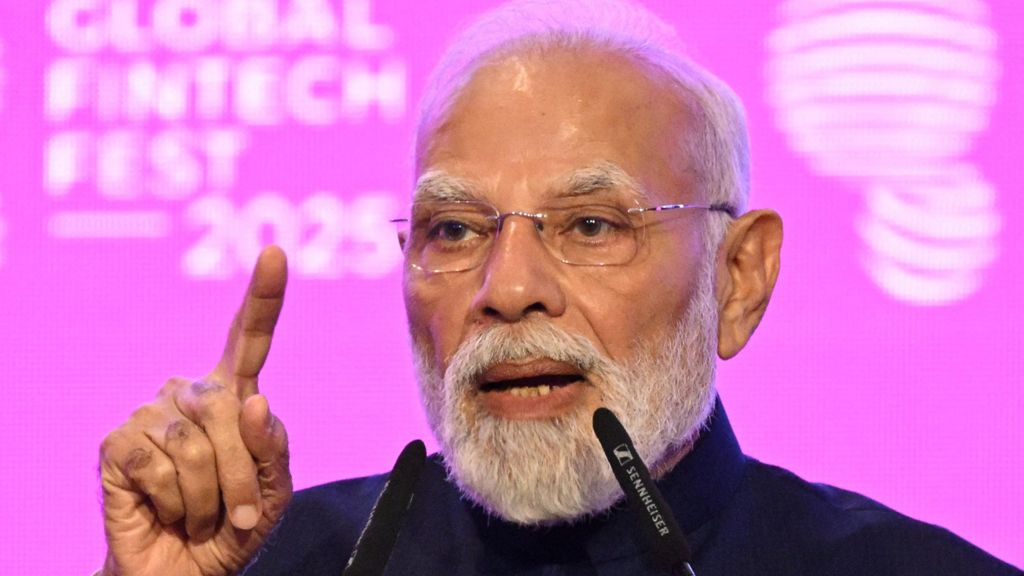
    For years, Prime Minister Narendra Modi, 75, has cultivated a carefully curated strongman public image, built around scripted speeches, formal national broadcasts and tightly choreographed public appearances. Even with more than 106 million Instagram followers – making him one of the most followed political leaders on the platform – casual, approachable content was never a core priority for Modi or his party’s social media team. That all changed after a wave of youth-led protests rocked the country earlier this year.

    The unexpected protest movement, organized by the satirical activist group Cockroach Janta Party (CJP), spread like wildfire across Instagram via memes, live streams and short-form reels. What began as an online joke quickly evolved into a mass grassroots movement that gained enough momentum to force a sitting federal minister to step down – catching the BJP’s seasoned digital team completely off guard.

    Political commentator and author Anurag Minus Verma notes that for over a decade, the Hindu nationalist BJP has built one of India’s most formidable online political operations, leveraging WhatsApp groups, Facebook pages and X (formerly Twitter) accounts to amplify its messaging and dominate public narratives. But today’s young Indians consume content and engage with politics very differently than older generations. More than 60% of India’s 1.4 billion people are under 35, and experts warn that winning Gen Z’s support requires meeting them where they are: on platforms like Instagram, where unfiltered, personal content resonates far more than stiff, traditional political talking points.

    In response to the protest wake-up call, Modi has quickly overhauled his Instagram presence. Where his timeline once featured only carefully polished, curated posts, it now includes more seemingly candid content: a “get-ready-with-me” short reel, multiple selfie-style video addresses where Modi refers to young viewers directly as “friends”, and even a speech that wove in a popular Gen Z catchphrase. At a Delhi graduation ceremony, Modi boasted, “I am the first in my bloodline to build a rocket, a chip and a drone” – a deliberate attempt to speak to young India’s growing interest in technology and national development.

    But the outreach has not gone as planned. When Modi dropped his first selfie-style reel addressing the ongoing protests, young users responded immediately with sarcasm and mockery. A long, awkward pause after his opening greeting of “friends” went viral, spawning thousands of edits, memes, and jokes that poked fun at the clip’s poor lighting and awkward camera angles. The clip now has more than 400 million views – but the majority of the engagement comes from users sharing it to mock, not support, the prime minister.

    Modi’s team has since adjusted, experimenting with new camera angles, backdrops and lighting to address criticism, but many young Indians remain skeptical of the sudden shift in tone. Ginni Malia, a 22-year-old young voter, says she understands why the BJP wants to connect with people her age, but the timing of the outreach raises red flags. “The videos adopt Gen Z language and formats, but they don’t address any of the core concerns that sparked the protests in the first place,” she explained. For many of her peers, the BJP’s new social media content is treated as accidental comedy, not serious political outreach.

    The cringe-inducing attempts are not limited to Modi’s personal account. BJP party pages have also jumped on the Gen Z content trend, posting memes, Gen Z slang and pop-culture references that often miss the mark. One post-protest reel, set in a gym, featured a plot where an older trainer argued young people should avoid the protests – and was widely panned as awkward and out of touch in the comments. Another used the title track from 1990s sitcom *Friends*, a millennial favorite that holds little cultural cachet for Gen Z, with the caption “PM Modi is there for you”.

    Recognizing that their initial attempts have fallen flat, the BJP has already made leadership changes. The party recently replaced Amit Malviya, its long-serving social media chief who held the role since 2015. Many analysts attribute the shakeup to widespread online criticism of the party’s handling of the protest narrative on social media. During the unrest, Modi reportedly instructed his cabinet to ramp up their own youth-focused social media engagement, and the Hindustan Times recently reported that federal ministers were given formal performance “report cards” for their social media outreach and ordered to expand their presence across all major platforms.

    The BJP is not the only Indian political party courting Gen Z on Instagram. Opposition Congress leader Rahul Gandhi has long posted candid selfies and casual content on the platform, and held a popular Instagram “Ask Me Anything” session after the protests, where he responded to questions with playful quips – including one joke about whether he and Batman are the same person.

    But even as the BJP tries to adapt, political analysts say the party faces fundamental structural challenges to winning on Instagram. Joyojeet Pal, a University of Michigan professor who studies the political use of social media, explains that the BJP’s traditional digital strategy relies on a network of loyal supporters to amplify messaging on X and WhatsApp. That model does not translate to Instagram, where the algorithm prioritizes affect-driven engagement – watch time, shares, comments and reactions – over network reach.

    “It’s not uncommon for a 200-follower account to get 10 million views on a reel, while a huge verified political account only gets a few thousand,” Pal explains. “The BJP built its strategy for a network-centric internet, but today’s platforms are far more affect-centric. That’s a massive shift.”

    Another major hurdle is the loss of narrative control. Modi’s first viral Gen Z-style reel is a perfect example: while it earned hundreds of millions of views, young users re-edited and shared it with sarcastic commentary, turning the prime minister’s intended outreach into a national joke. Verma notes that Instagram is fundamentally built around irony and satire, making it easy for even well-produced political content to be turned against the person who posted it. Learning to operate in that ungovernable space is a major culture shift for the BJP, which has long prioritized controlling the narrative.

    Still, analysts caution against overstating the impact of social media performance on electoral outcomes. Pal points out that the BJP’s election success has always depended far more on its robust ground organization and loyal core support base than viral social media content. “It’s important to distinguish between winning a social media narrative and winning an election,” Pal says. “The BJP could still sweep elections even if every Gen Z user hates its content on Instagram.”

    For now, the BJP – like every major political party in India – is navigating this unfamiliar new political terrain. Pal notes that the party has a long track record of adapting to new forms of political communication: it was an early adopter of social media campaigning, and has already embraced newer formats like podcasts and influencer interviews. It will likely figure out the Instagram game eventually, but it will take time to learn the platform’s unwritten rules. For young Indian voters, the priority is clear: they want leaders to listen to their concerns, not just chase viral social media trends.

  • TikTok to pay $400m to US in one of largest child privacy settlements

    TikTok to pay $400m to US in one of largest child privacy settlements

    For nearly two years, TikTok has faced mounting regulatory and political pressure in the United States, and the latest chapter of this scrutiny has concluded with a major legal settlement. The short-form video platform and its parent company ByteDance have agreed to pay a $400 million penalty to the U.S. government to resolve a federal lawsuit claiming the platform violated long-standing U.S. child online privacy rules. This settlement ranks among the largest financial penalties ever imposed for violations of the Children’s Online Privacy Protection Act (COPPA).

    The lawsuit behind this resolution was first filed in 2024 by the U.S. Department of Justice during the administration of former President Joe Biden. Prosecutors alleged that TikTok and ByteDance illegally gathered massive volumes of personal data from millions of platform users under the age of 13, a direct violation of COPPA. Enacted in 2000, COPPA mandates that online platforms obtain explicit parental consent before collecting personal information from children younger than 13, the same federal regulation that is now at the center of multiple ongoing lawsuits against Meta from dozens of U.S. states.

    In a statement announcing the settlement, Assistant Attorney General Brett Shumate emphasized that the outcome leaves children and families with stronger privacy protections than existed when the legal action was first launched. This $400 million penalty far outpaces many previous COPPA-related fines: Google’s YouTube paid a $170 million penalty for similar violations in 2019, while video game developer Epic Games paid $275 million to resolve COPPA claims in 2022. Currently, Meta is facing potential penalties that could surpass hundreds of billions of dollars, after 29 state attorneys general brought suit against the social media giant. A jury trial in that case started earlier this week, where Meta, owner of Instagram and Facebook, stands accused of deliberately targeting child users to generate advertising revenue off minor users.

    Notably, the 2024 lawsuit against TikTok predates the 2025 divestment of TikTok’s U.S. operations from its Chinese parent company, a process mandated by U.S. political pressure. Under the terms of the current settlement, only TikTok’s pre-divestment corporate structure faces penalties. The agreement outlines a staggered payment schedule: TikTok and ByteDance will pay an initial $300 million to the Department of Justice immediately, with the remaining $100 million due only after U.S. regulators vacate an existing 2019 consent decree issued by the Federal Trade Commission.

    This is not TikTok’s first run-in with COPPA regulators. In the 2019 consent decree, Musical.ly – the predecessor app that ByteDance acquired and rebranded as TikTok – paid a $5.7 million fine for COPPA violations and committed to implementing age verification and parental consent processes for under-13 users.

    The Department of Justice announced on Friday that no additional action against TikTok will be pursued beyond the financial penalty. Regulators did note, however, that since the lawsuit was filed, TikTok has implemented sweeping changes to its platform, including overhauls to its ownership structure, privacy policies, and content and data controls for young users. When the lawsuit was originally filed, federal prosecutors noted that more than 170 million American minors used the platform, arguing that TikTok was inherently designed to appeal to children yet failed to implement effective age checking or required parental consent for underage users.

    Political pressure on TikTok predates the 2024 lawsuit. In 2024, former President Biden pushed U.S. policymakers to either implement a full national ban on TikTok or force a full divestment of its U.S. operations from ByteDance. Former President Donald Trump, who first raised national security concerns about TikTok during his first term, supported the 2025 divestment process that has restructured the platform’s U.S. ownership. Today, a consortium of U.S.-based investors holds 81% of TikTok’s U.S. operations, while ByteDance retains a 19% minority stake.

    As of this reporting, a TikTok representative has not responded to requests for comment from the BBC.

  • Watch: BBC takes a 180mph spin around Washington’s IndyCar circuit

    Watch: BBC takes a 180mph spin around Washington’s IndyCar circuit

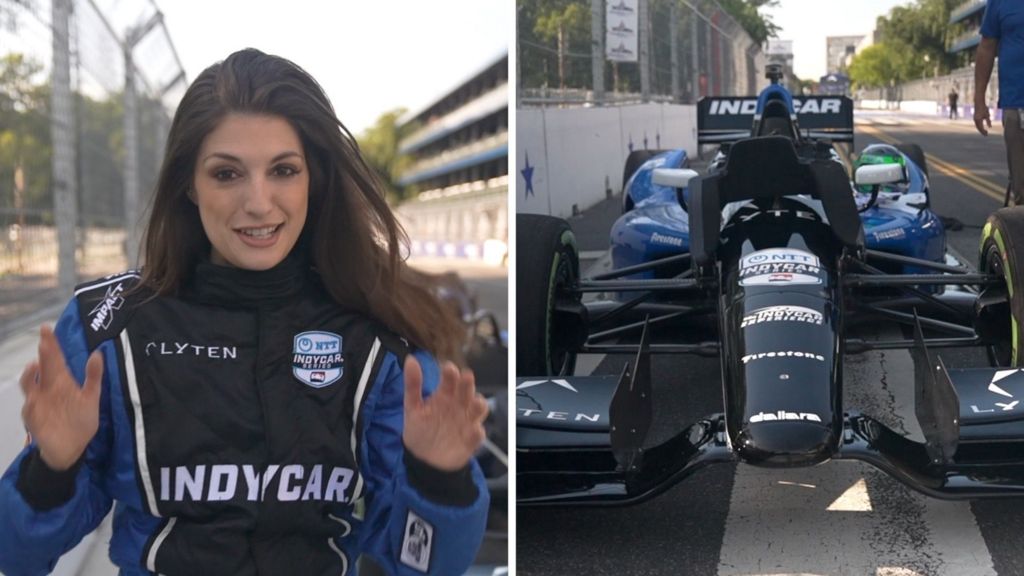
    Ahead of one of the most anticipated motorsport events on the U.S. calendar this year, the BBC has released exclusive footage capturing a blistering 180mph lap around the newly configured IndyCar circuit cutting through downtown Washington, D.C. The race, dubbed the Freedom 250 Grand Prix, carries far more than sporting stakes: it stands as a centerpiece event marking the 250th anniversary of the United States’ founding. What makes the event even more notable for motorsport fans across the country is that it will be the first major open-wheel auto race hosted within the boundaries of the U.S. capital in over two decades, ending a 24-year drought of top-tier racing in the nation’s heart. For years, major racing series have focused their schedules on permanent road courses and speedways outside major metropolitan areas, making this street course event in Washington a landmark departure that has drawn widespread attention from racing fans and casual observers alike. The BBC’s on-track test run gives audiences a first-person view of the challenges drivers will face when they take to the track, from tight turns past iconic D.C. landmarks to long straightaways that allow cars to hit speeds north of 180 miles per hour.

  • Logan Morris boots career-best eight goals in Lions’ finals-shaping victory

    Logan Morris boots career-best eight goals in Lions’ finals-shaping victory

    In a dominant Friday night display at the Melbourne Cricket Ground, the Brisbane Lions turned in a masterclass performance to defeat the Collingwood Magpies by a staggering 63 points, securing their spot in the AFL qualifying final and putting themselves on the cusp of the ideal finals positioning for a historic third consecutive premiership.

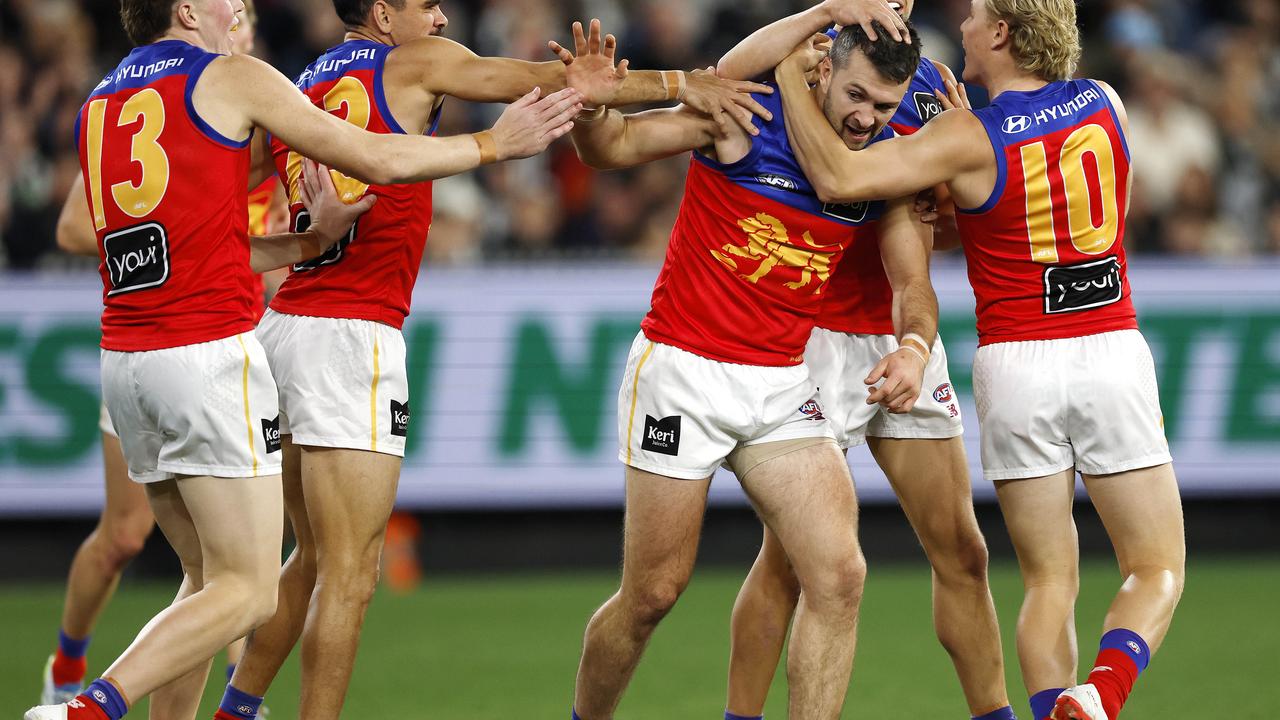
    The Lions’ victory was built on standout individual contributions across the ground, headlined by key forward Logan Morris, who delivered a career-defining performance with eight goals, keeping Collingwood’s defense under constant pressure from the opening bounce. Star midfielder Lachie Neale, who has been heavily linked to a 2027 move to Collingwood, put on a clinic in the contest, racking up 35 disposals and 16 center clearances to control the tempo of the game. Irish small forward Conor McKenna also stole the show, turning limited early opportunities into spectacular goals that had commentators and fans alike stunned. After just two touches in the first quarter, McKenna broke the deadlock to give Brisbane an early lead they never relinquished, before nailing a candidate for goal of the year: swiping the ball from a Collingwood defender in a tight pocket and converting from an impossible angle that floated the ball straight over the goal umpire’s hat. He followed that up with a second sensational 45-meter snap goal in the third quarter, prompting SEN commentator Dwayne Russell to quip, “It’s Hollywood footy from the Lions at the moment, this is Harlem Globetrotters stuff.”

    Heading into the main break, the Lions held a comfortable 22-point lead, and never let Collingwood challenge for the top spot on the scoreboard. The final scoreboard reflected Brisbane’s dominance: 25.9 (159) to Collingwood’s 15.6 (96).

    The result pushes Brisbane into pole position to claim third place on the AFL ladder heading into the finals, after picking up a 2.2 percent percentage boost from the win. For Hawthorn to leapfrog Brisbane into third, the Hawks will need not just a win against West Coast in Perth this weekend, but a massive 4.4 percent percentage boost – requiring a win of roughly 90 to 100 points to knock Brisbane out of the top three spot. Third place would hand Brisbane a near-perfect path to the Grand Final, with a potential qualifying final matchup against a Sydney Swans side already reeling from an alleged sexual assault scandal that has forced five key players out of their lineup.

    Brisbane head coach Chris Fagan addressed the Swans scandal post-game, calling the situation “a bit of a head scratcher.” “It’s really unfortunate for Sydney because they have been such a terrific club in that regard for a long long time,” Fagan said. “You just wonder what was going through people’s heads for that to occur. But with the guys that do get to play just might go that much harder and be that much more difficult to beat.” Fagan added that Brisbane has no preferred opponent for their qualifying final, noting the scandal could galvanize the remaining Swans players.

    Post-game, Neale addressed ongoing speculation about his potential move to Collingwood, admitting it would be difficult to leave the club he has called home for nine years. “I’ve been here nine years and I think this is the ninth year in a row we will play finals footy and I don’t take it for granted and I can’t wait to see what we can do,” Neale told Fox Footy. “It’s an exciting time to be a Lion.” Collingwood coach Craig McRae acknowledged Neale’s standout performance, after the star midfielder toured Collingwood’s elite facilities earlier this month. Asked if Collingwood was missing a player of Neale’s caliber, McRae called it a “pointed question” before praising the Brisbane star: “I think he’s a great player. Everyone can see that on the night. They (Brisbane) got many threats, that’s why they’re going to be really hard to beat from here on out.”

    The match came with two significant sour notes for the sides: Brisbane’s Ty Gallop faces potential scrutiny from the AFL’s Match Review Officer after slamming Collingwood’s Charlie West’s head into the ground on the stroke of three-quarter-time, resulting in a free kick for dangerous tackle. For Collingwood, veteran midfielder Scott Pendlebury left the field in the first half with a knee bursa injury, leaving his availability for next weekend’s wildcard final in doubt. Collingwood will wait on Saturday’s results to confirm their opponent for the inaugural wildcard round, with the club heavily tipped to host a Friday night fixture.

    Even in defeat, Collingwood star Nick Daicos reinforced his status as the overwhelming favorite to win this year’s Brownlow Medal, with experts predicting he could break the 45-vote record and even reach 50 votes this season. Despite playing just 60 percent of the match, Daicos finished with 26 disposals and a spectacular 50-meter goal that had the 66,846-strong MCG crowd roaring. “Still would have been a goal, if the posts were four inches apart,” Russell said of Daicos’ effort. Daicos was named Collingwood’s best player on the night, alongside Jamie De Goey, Sam Swadling and Charlie West. For Brisbane, Neale, McKenna, Morris, Ashcroft, Dunkley and Allen were named the team’s best, with Neale picking up three votes for the annual Player of the Year award, McKenna two, and Daicos one.