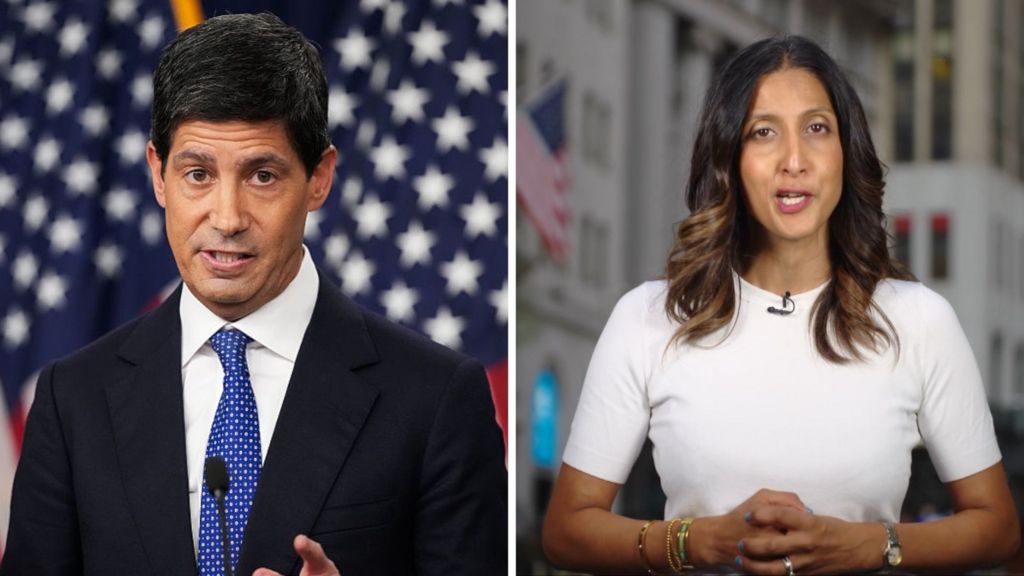
As the Federal Reserve navigates persistent inflationary pressures and a shifting labor market, the decision to raise interest rates has once again put household financial stability under the microscope. In a recent on-the-ground reporting piece, BBC correspondent Samira Hussain breaks down the complex economic drivers that have pushed the central bank toward higher borrowing costs, while exploring the ripple effects that will touch every corner of consumer finance across the United States.
The Federal Reserve has long relied on interest rate adjustments as its primary tool to cool overheated economic growth and rein in runaway inflation. When rates climb, borrowing becomes more expensive for everything from mortgages and auto loans to credit card balances and small business lines of credit. This dynamic is designed to slow discretionary spending, which in turn eases upward pressure on consumer prices. But for everyday American households, the transition to a higher rate environment does not play out evenly, with variable impacts depending on individual financial circumstances.
For consumers looking to purchase a new home or refinance an existing mortgage, higher interest rates translate directly to steeper monthly payments, pricing many entry-level buyers out of a market already strained by limited housing inventory. Existing holders of adjustable-rate mortgages also face growing payment obligations as their rates reset to reflect the new benchmark. Credit card users, most of whom carry variable rates tied to Fed benchmarks, will see their interest charges jump almost immediately, increasing the burden of carried balances. Even consumers saving for retirement or large purchases can face mixed outcomes: while high-yield savings accounts and certificates of deposit start offering more attractive returns, the value of existing bond holdings often drops as new bonds come with higher interest payments.
Hussain’s reporting also contextualizes the Fed’s balancing act: policymakers are walking a fine line between taming inflation and avoiding tipping the overall economy into a recession. A sharp enough slowdown in spending could trigger job cuts in interest-sensitive sectors like housing, construction and retail, which would ultimately feed back into consumer financial health. By speaking with economists, industry analysts and everyday households, the report lays out both the intended consequences of the Fed’s policy move and the unexpected risks that could hit consumers who are already grappling with lingering price increases from years of high inflation.