作者: admin

  • Israel warns of strikes, evacuations over kites launched by Palestinian children in Gaza

    Israel warns of strikes, evacuations over kites launched by Palestinian children in Gaza

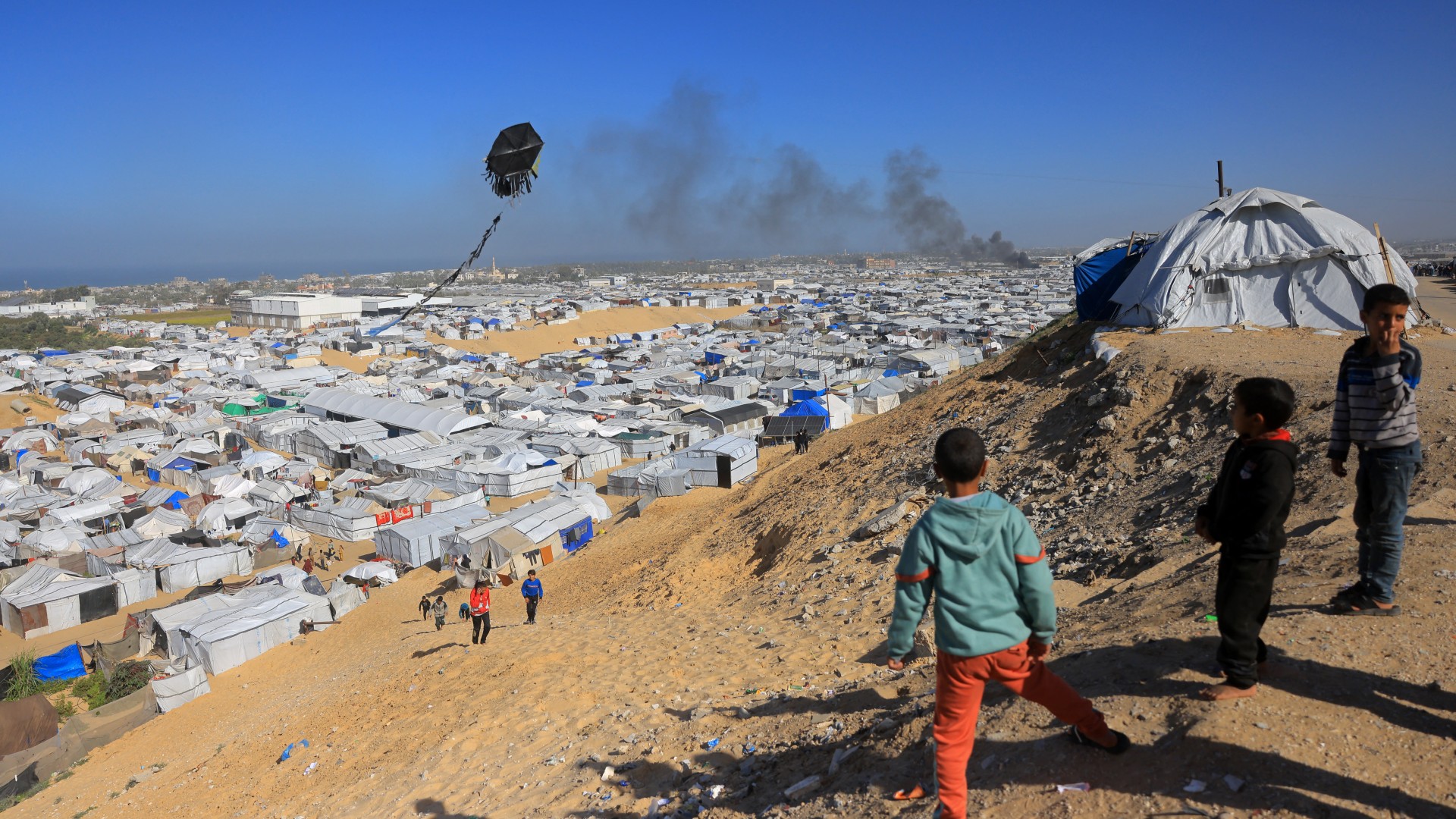
    A seemingly innocuous childhood activity in the Gaza Strip has spiraled into a major escalation threat, after the Israeli military has framed the kites flown by Palestinian children as a security threat justifying expanded military operations and forced displacement across the blockaded enclave.

    On Sunday, Prime Minister Benjamin Netanyahu’s office issued a formal statement announcing that Israel had issued Hamas a 72-hour deadline to end all kite launches from Gaza. If the activity continued, the statement warned, Israel would launch a wide-ranging air assault, and would evacuate populated Gaza regions from which kites, incendiary balloons, and unmanned aerial devices have reportedly been launched.

    The current tensions were sparked over the weekend, when Israeli media outlets reported that several kites launched from Gaza had touched down near Nahal Oz Kibbutz, an Israeli settlement built illegally on Palestinian territory adjacent to the Gaza border. Though Israeli military sources confirmed the kites were launched by local Palestinian children, and that no hazardous materials were found on any of the devices, confirming they posed no threat to public safety, the incident did not end there.

    Kibbutz residents pushed back against the characterization of the flights as harmless isolated incidents, releasing a collective statement rejecting any passive approach to what they framed as a breach of their security. “We will not accept a policy of containment when it comes to our security,” the statement read.

    Within days, top Israeli security officials convened for an emergency strategy session. Netanyahu joined Defense Minister Israel Katz, Israel Defense Forces Chief of Staff, the head of the National Security Council, and other senior security leaders for a special closed-door meeting focused exclusively on the kite issue on Sunday.

    Following the meeting, Katz announced he had instructed Israeli military units to respond to the kite launches with overwhelming force, and take all necessary measures to halt the activity. He went so far as to classify the children’s activity as an “act of war”, equating unarmed paper kites to hostile drones and saying the military would treat them identically. As part of the response measures, Katz confirmed that Israeli forces would target Hamas commanders deemed “responsible” for the launches. In a remark that underscored the severity of the Israeli stance, he added: “A balloon is like a kite, and a kite is like a drone, whether it carries explosives or not.”

    For Gazans, however, kites have carried a far different meaning for nearly two decades, shaped by the ongoing Israeli siege that has confined the strip’s 2 million residents since 2007. Cut off from freedom of movement beyond the enclave’s borders, flying homemade kites has become a quiet symbol of the desire for freedom for Palestinians, particularly for children growing up under blockade.

    The deep cultural roots of the activity stretch back more than a decade. In 2010, thousands of Gazan children gathered on Gaza’s Mediterranean coast to fly kites as part of the United Nations Relief and Works Agency for Palestine Refugees (UNRWA) Summer Games, breaking the Guinness World Record for the largest number of kites flown simultaneously. A total of 6,302 handmade kites, built by the children themselves, were launched into the sky that day, drawing international attention to life under blockade. To this day, building and flying homemade kites remains one of the most popular pastimes for children and young people across Gaza, even as they remain trapped behind the Israeli and Egyptian barriers that enclose the small coastal enclave.
  • Melbourne Lord Mayor calls for federal funds to protect religious events

    Melbourne Lord Mayor calls for federal funds to protect religious events

    As public hearings wrap up at Australia’s Royal Commission into Anti-Semitism and Social Cohesion, Melbourne’s top local official has made an urgent push for federal financial support to boost security at religious gatherings across cash-strapped municipal jurisdictions.

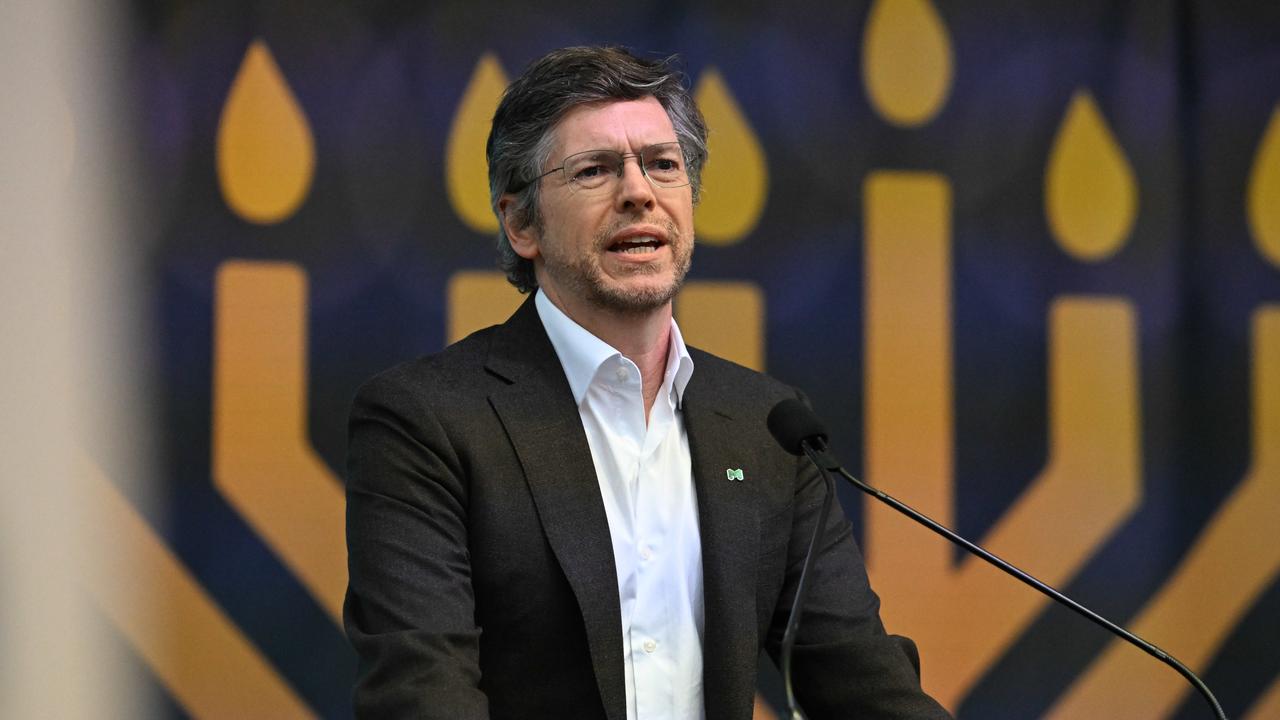
    Appearing before the inquiry on Monday, Lord Mayor Nicholas Reece emphasized that Melbourne is home to Australia’s largest Jewish community, a group that has been woven into the cultural, social and civic fabric of the city since its founding. He then detailed his firsthand experience responding to a 2023 firebombing attack on a Melbourne synagogue, carried out while families were gathering inside for Shabbat dinner.

    Reece described the scene as one of the most distressing he has ever witnessed: children and families displaced onto the street, emergency responders from the fire service and Victoria Police surrounding the site, and the entire area cordoned off as an active crime scene. “This is not the Melbourne I have known for most of my life,” he told commissioners, adding that the act of violence was terrifying and entirely unacceptable in a democratic Australian city. The attack, he confirmed, has been linked to an extremist conspiracy originating overseas.

    Beyond addressing immediate security needs, Reece also weighed in on the role of local government in debating complex global conflicts, referencing an hours-long council motion held during his time as acting mayor about the Gaza war. He called the process deeply challenging and a poor use of local government resources. While Reece acknowledged that local councils have a legitimate role in international engagement – from supporting cultural exchanges for international students to fostering university partnerships – he argued that nuanced, high-stakes geopolitical conflicts fall outside the core remit of local government.

    Instead, Reece recommended that the federal Department of Foreign Affairs and Trade (DFAT) take the lead in facilitating community input on these global issues, modeling the work of community forums previously run by the Australian Agency for International Development (AusAID). He clarified that he does not oppose councils hosting open community debate on any topic, but DFAT is far better positioned to collect and address community perspectives on international matters.

    Turning back to security for multicultural religious events, Reece noted that the Melbourne City Council has already been forced to add security measures to major public celebrations for Hanukkah, Ramadan, and Diwali to address rising concerns about social fracturing and the threat of antisocial or violent incidents. So far, the extra precautions have not been needed for active incidents, which Reece called a positive outcome, but the need for the measures themselves underscores the growing risk facing faith communities.

    Most critically, Reece stressed that the vast majority of Australian local governments operate under severe resource constraints, with little to no budget available to cover the extra costs of enhanced event security. “I cannot overstate how resource constrained local government is,” Reece told the commission. “Most councils don’t have financial capacity to provide that safety support at some of those events. One of the things the Commission might like to consider is if we do want to see more celebration of faith events, social, multicultural events … then that might be something that requires some funding support in order to deliver.”

    Reece also shared shocking data on the scale of persistent antisemitic vandalism across Melbourne over the past two years: his council has removed more than 3,000 pieces of offensive graffiti, with between 800 and 1,000 of those tagged with explicitly antisemitic messaging. In total, the council has cleared nearly 4,000 square meters of antisemitic graffiti, posters, and stickers, he said. To address the ongoing crisis, the city has launched a rapid response program that aims to remove hateful vandalism within one hour of it being reported, though the service does not cover most private property outside of pre-arranged automatic arrangements for public transport assets like trains and trams.

    Earlier in the hearing, Tony Jackson, president of the Southbank Elsternwick Rotary club, told commissioners he felt he had failed his members after hearing widespread reports of fear and anxiety among club members about rising antisemitism in the local community. The Royal Commission, overseen by Commissioner Virginia Bell, is drawing to a close after months of public testimony from community leaders, officials, and residents across Australia.

  • Shein aims for almost $27bn valuation in stock market debut

    Shein aims for almost $27bn valuation in stock market debut

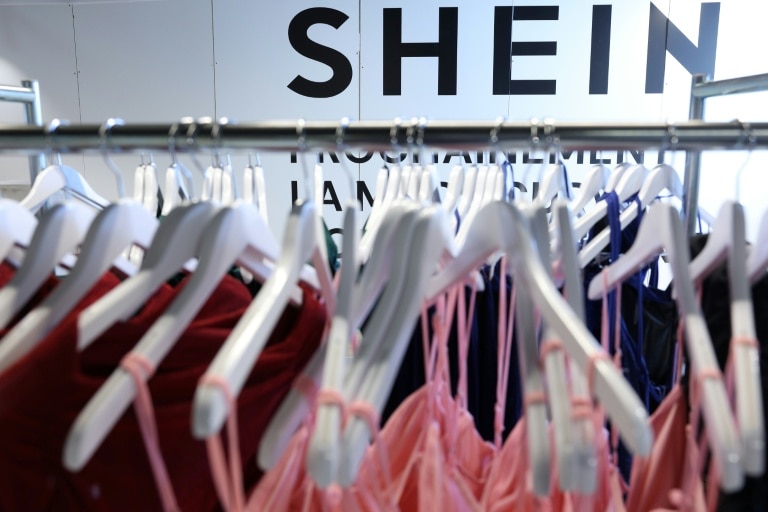
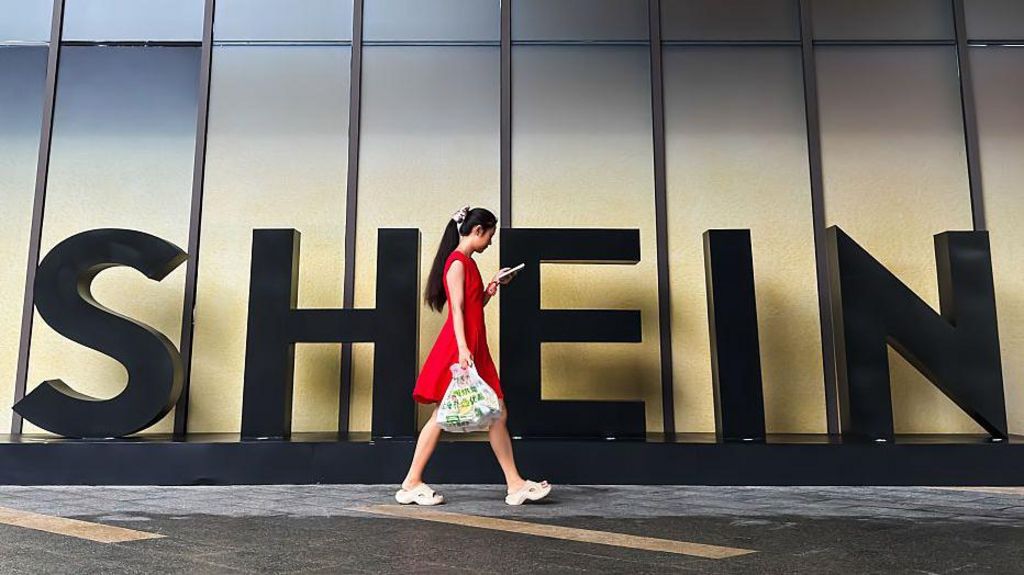
    Global fast-fashion powerhouse Shein has formally locked in September 1 as the launch date for its long-awaited initial public offering (IPO) on the Hong Kong Stock Exchange, with plans to raise up to HK$13.86 billion (equivalent to approximately £1.3 billion or $1.77 billion), the company confirmed in a regulatory filing released Monday.

    Under the terms of the offering, Shein will issue nearly 280 million new shares, priced in a range between HK$47.60 and HK$49.50 per share. At the upper end of this pricing band, the China-founded, Singapore-headquartered retailer would carry a total market valuation of roughly $27 billion. This figure marks a sharp 73% drop from the $100 billion valuation the company achieved during a 2022 private fundraising round, a decline that mirrors broader industry headwinds including slowing sales growth and soaring operating costs across the retail sector.

    This Hong Kong listing comes after two failed attempts to launch IPOs in the United States and the United Kingdom, derailed by heightened regulatory scrutiny and geopolitical tensions tied to the company’s origins and operational practices. The offering is underwritten by three of Wall Street’s most prominent investment banks: Goldman Sachs, Morgan Stanley, and JP Morgan, signaling major institutional backing for the listing despite ongoing challenges.

    Shein’s path to public markets has been complicated by a series of recent financial setbacks. In July, the company disclosed it had swung to a net loss of $99 million in the first quarter of 2026, a reversal from the $395 million net profit it recorded in the same period one year earlier. The retailer attributed the poor results largely to the elimination of a longstanding US import duty exemption for small packages by former President Donald Trump, which drastically increased its cost of doing business in its largest market.

    “In response to the increased duties and taxes, we are pursuing a wide range of options, including increasing our prices in the US market to offset a portion of the increased costs,” the company stated in its July financial update. Uncertainty around the ongoing, currently paused US-China tit-for-tat tariff war has also created long-term headwinds for the retailer, which relies heavily on Chinese manufacturing for its core supply chain. Shein added that the ongoing Iran conflict has further disrupted operations, pushing up logistics costs, delaying deliveries to key regional markets, and softening consumer demand in affected regions.

    The company noted that roughly $328 million of the first-quarter loss stems from a non-cash accounting adjustment related to special investor shares, which will convert to ordinary stock following the IPO and are subject to valuation shifts before listing.

    Founded in 2008, Shein has grown from a small online apparel retailer to one of the world’s largest fast-fashion players, serving a active customer base across more than 150 countries. The company’s disruptive business model leverages a vast network of Chinese manufacturing partners to deliver ultra-cheap, trend-driven apparel to consumers at speeds far outpacing traditional retail rivals like H&M and Zara. Its annual revenue has already outstripped both legacy competitors, cementing its position as the global leader in fast-fashion e-commerce. As of the end of March 2026, Shein counted 281 million active customers, a 16% year-over-year increase, with customers placing more than one billion orders in the 12-month period.

    Despite its rapid growth, Shein has faced persistent criticism on multiple fronts. Environmental activists have repeatedly raised alarms about the company’s contribution to textile waste and carbon emissions, a core critique of the fast-fashion industry as a whole. The company has also faced repeated allegations of forced labor in its Chinese supply chains, claims Shein has repeatedly denied, telling the BBC it maintains a “zero tolerance for forced labor” policy across all supplier partners. Its attempted London IPO collapsed in 2024 after regulators and investors called for greater transparency around supply chain practices, which Shein declined to provide at the time.

  • Shein to make market debut in Hong Kong in September

    Shein to make market debut in Hong Kong in September

    Global fast-fashion e-commerce leader Shein has formally announced its long-awaited initial public offering (IPO) will launch on the Hong Kong Stock Exchange on September 1, confirming a valuation of nearly $27 billion for the company at the top end of its offering range, according to an official filing released Monday.

    In its regulatory submission to the Hong Kong bourse, the retailer outlined plans to issue 280 million new shares at a price band between HK$47.60 and HK$49.50 per share. If all shares are issued at the upper end of the range, the offering will raise approximately US$1.7 billion (HK$13.86 billion) in gross proceeds. The company will finalize its offer price on August 31, with the listing set to go live the following day.

    Founded in mainland China and headquartered in Singapore since 2022, Shein secured final approval from Chinese regulatory authorities for the Hong Kong listing just last month, marking an end to years of delays that derailed earlier plans to list on either the New York or London stock exchanges due to cross-border regulatory hurdles.

    Unlike many of its fast-fashion competitors, Shein has built its competitive advantage on the back of China’s unparalleled textile manufacturing ecosystem and a hyper-responsive supply chain model. The company’s ability to roll out new product designs in days, paired with its famously low price points, has catapulted it to the top tier of global e-commerce, reaching comparable market standing to Amazon in the U.S. consumer market. As of the end of 2025, the platform counted 156 million average monthly active users across Europe, outranking Amazon and trailing only fellow Chinese cross-border platform AliExpress in monthly user size on the continent.

    Shein confirmed that the net proceeds from the IPO will be allocated to two core priorities: upgrading its technological infrastructure and expanding its global market footprint. The move to Singapore for its headquarters was widely framed by analysts as a strategic step to reduce growing geopolitical and regulatory scrutiny of China-founded global corporations, though the company still retains nearly all of its manufacturing base in China, leveraging the country’s low-cost production capacity and advanced e-commerce logistics network.

    Despite its impressive growth trajectory, Shein has faced mounting regulatory and public scrutiny across major Western markets in recent years. The company reported a full-year net profit of $2.06 billion for 2025, but posted a $99 million net loss in its most recent quarter after the U.S. eliminated a longstanding import duty exemption for small-value packages, a change that directly raised costs for the company’s core cross-border shipping model.

    Regulatory pushback has been particularly sharp in the European Union. Earlier this year, a French appeals court rejected a government request to temporarily suspend a portion of Shein’s French website after illicit childlike sex dolls were discovered on the platform (the products were immediately removed after the discovery). In June alone, French regulators issued two fines totaling more than €22 million ($25.1 million) over violations including inadequate product traceability, incorrect environmental labeling, and non-compliance with delivery transparency rules. Cumulative fines imposed on Shein by French authorities now exceed €210 million, and Italian regulators have also issued fines over allegations of misleading environmental claims.

    Beyond regulatory penalties, the company has faced repeated criticism over its environmental impact, driven by its high-volume, fast-turnover business model, as well as long-running allegations of supply chain human rights violations. Shein’s executive chairman has repeatedly pushed back on these claims, telling Agence France-Presse last year that the company maintains “zero tolerance” for forced labor in its supplier network.

  • Former cricket captains appeal to Pakistan over Khan health care

    Former cricket captains appeal to Pakistan over Khan health care

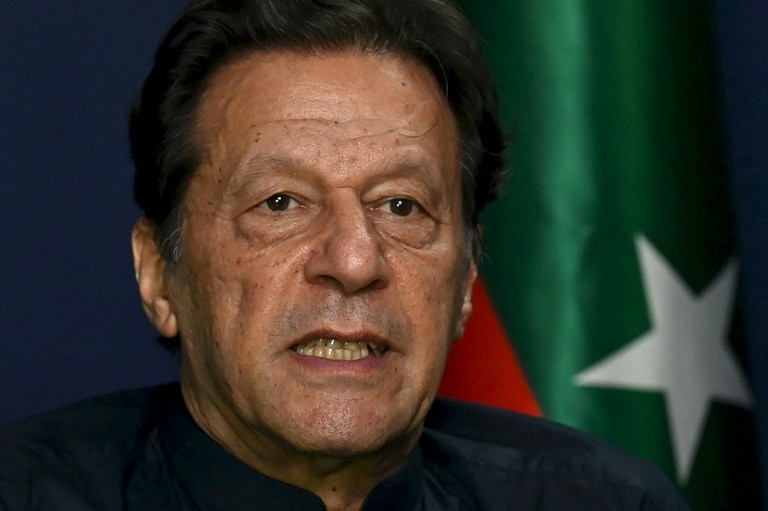
    In an unprecedented show of cross-border solidarity from the global cricket community, 21 legendary former international cricket captains have added their voices to calls for the Pakistani government to ensure proper, uninterrupted healthcare for imprisoned ex-prime minister and former Pakistan cricket captain Imran Khan. This open letter, addressed to Islamabad on Sunday, marks the second such appeal from the group, following an earlier statement focused on Khan’s medical access released in February.

    Imran Khan, 73, has been held in custody since 2023, after he and his wife were sentenced to a combined 17 years of imprisonment on corruption charges that the pair have repeatedly and vehemently denied. A former cricket star who led Pakistan to a historic World Cup victory in 1992 before entering politics and serving as prime minister from 2018 to 2022, Khan’s legal and political battles have gripped the nation for more than two years. He was ousted from office in 2022 via a no-confidence vote amid rising tensions between his administration and Pakistan’s powerful military establishment, and has since faced dozens of overlapping legal cases on charges ranging from corruption to contempt of court. Khan and his Pakistan Tehreek-e-Insaf party have consistently maintained that all legal proceedings against him are politically motivated, a claim the government denies.

    Earlier this week, Pakistan’s Supreme Court responded to growing concerns over Khan’s deteriorating health, ordering that he be transferred to Islamabad’s private, top-tier Shifa International Hospital for a full medical evaluation. On Friday, just hours after completing court-ordered check-ups, the 73-year-old was sent back to his jail cell, prompting renewed anxiety among his supporters and global observers over his condition, specifically the reported vision loss he has experienced in his right eye.

    The open letter from cricket’s legendary leaders lays out three clear, specific demands to Pakistani authorities. First, the group calls for the Supreme Court-ordered independent medical board to be allowed to complete a full, unimpeded health assessment of Khan, with particular attention paid to his reported eye issues. Second, they urge authorities to fully uphold the court’s ruling restoring weekly family visits to Khan, with no administrative delays or unnecessary interruptions to these visits. Finally, the cricket leaders demand that any treatment the medical assessment recommends be implemented immediately, without political or bureaucratic hold-up.

    The list of signatories to the letter includes some of the biggest names in international cricket history, spanning across major cricketing nations. From India, the signatories include Sunil Gavaskar, Kapil Dev and Dilip Vengsarkar, all former captains of the men’s national team. Six former England captains have added their names: Michael Atherton, Michael Brearley, Nasser Hussain, Andrew Strauss and David Gower. Australia’s contingent includes six legendary skippers: Allan Border, Ian Chappell, Belinda Clark, Adam Gilchrist, Steve Waugh and Kim Hughes. Rounding out the signatories are Clive Lloyd, the iconic former West Indies captain, and John Wright, former men’s skipper of New Zealand.

    Khan’s arrest in May 2023 sparked massive, widespread protests across Pakistan that saw thousands of his supporters take to the streets, with some demonstrations turning violent. The unrest led to hundreds of arrests of PTI supporters and leaders, and has deepened the ongoing political crisis in the South Asian nation.

  • Syria says Israel talks addressed de-escalation, staying out of Israel-Turkey tensions

    Syria says Israel talks addressed de-escalation, staying out of Israel-Turkey tensions

    In a rare high-level diplomatic meeting mediated by the United States and hosted by Jordan, Syria and Israel have convened talks focused on rolling back recent cross-border violence and preventing Israel’s growing standoff with Turkey from spilling onto Syrian territory. The Sunday negotiations mark the first formal direct dialogue between the two sides in several months, building on an earlier January agreement to establish a joint intelligence-sharing framework as they edge toward a broader regional security deal.

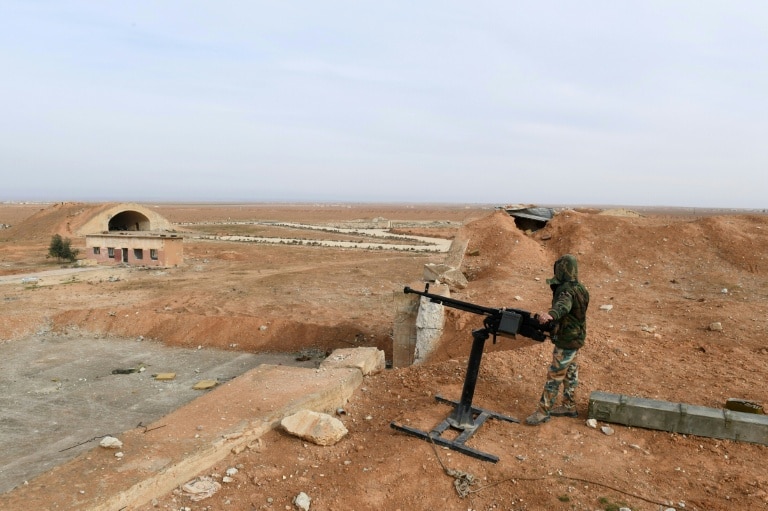
    The talks come on the heels of two key destabilizing events: an Israeli airstrike earlier that week on the abandoned Abu Duhur airbase in northwest Syria, and a deadly targeted strike in southern Syria just one day before the negotiations. Israel justified the Abu Duhur attack by claiming it aimed to block an impending deployment of Turkish forces to the site, a claim Ankara has firmly denied. A day before the Jordan meeting, Israel carried out another strike targeting an alleged militant in southern Syria, leaving one person wounded and drawing condemnation from Damascus as a blatant violation of Syrian sovereignty.

    According to a diplomatic source quoted by Syrian state news agency SANA, the Syrian delegation was led by Foreign Minister Assad al-Shaibani and included the heads of both general and military intelligence, while the Israeli side was headed by Roman Gofman, director of Israel’s Mossad intelligence agency. Sources confirmed to Agence France-Presse that core agenda items included the creation of a joint US-supervised special operations room based in Jordan, tasked with preventing unintended confrontations on Syrian soil, particularly those that could draw in third-party actors like Turkey.

    The overarching goal of the dialogue, the Syrian foreign ministry source noted, is to de-escalate tensions following a string of recent Israeli bombardments on Syrian territory that have raised the risk of broader conflict in southern Syria. Discussions also centered on bridging gaps between Ankara and Jerusalem to ensure that the ongoing public feud between Israeli Prime Minister Benjamin Netanyahu and Turkish President Recep Tayyip Erdogan does not draw Syria into the crossfire. Tensions between Turkey and Israel have surged since the Abu Duhur strike, with the two leaders exchanging sharp public criticism in recent days.

    The airstrike on the abandoned airbase drew unusual pushback from the United States, with US Syria envoy Tom Barrack describing the attack as an unnecessary escalation that undermines, rather than advances, regional stability. Since the December 2024 overthrow of longtime Syrian leader Bashar al-Assad by Islamist forces that Israel classifies as jihadist, Israel has launched hundreds of strikes across Syrian territory. It has also deployed troops into the UN-patrolled buffer zone on the Israeli-annexed Golan Heights, maintained a permanent military presence in a self-declared security buffer in southern Syria, and repeatedly pushed for a full demilitarization of the southern region.

    Sunday’s talks are part of a broader US-brokered process that began with earlier negotiations in Paris in January, where the two sides first agreed to set up a US-supervised communication cell to reduce bilateral friction. An Arab diplomat based in Damascus confirmed earlier that the proposed joint operations room in Jordan would oversee both security coordination and border management efforts. While US President Donald Trump has actively pushed for a formal security agreement between Israel and Syria’s new transitional authorities, Israeli leadership remains deeply distrustful of Damascus’s new governing institutions, slowing progress toward a final deal.

    The Golan Heights, which Israel captured from Syria in the 1967 Arab-Israeli War and unilaterally annexed shortly after, remains a core long-standing point of contention between the two states. The annexation has only been recognized by the United States and, earlier this month, Colombia, with most of the international community continuing to regard the territory as occupied Syrian land.

  • Tourism boom pushes limits of Athens air traffic control

    Tourism boom pushes limits of Athens air traffic control

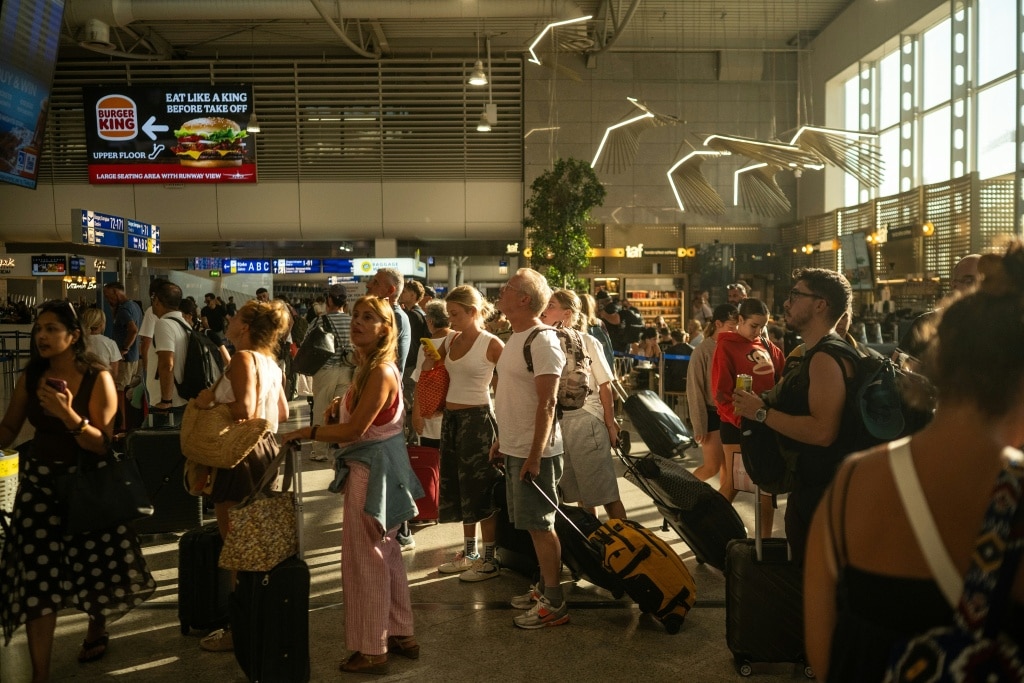
    At the peak of Greece’s annual summer tourist rush, green icons marking commercial jets packed with holidaymakers stack up across the radar screens of Athens air traffic controllers, creating a high-stakes logistical puzzle that tests even the most experienced professionals. “Look at this sky, it’s crazy, there’s no room for any more planes!” said Olga Toki, vice-president of the Association of Air Traffic Controllers of Greece, summing up the unprecedented pressure facing Greece’s overstretched aviation workforce this summer.

  • Trump takes starring role at Washington’s IndyCar debut

    Trump takes starring role at Washington’s IndyCar debut

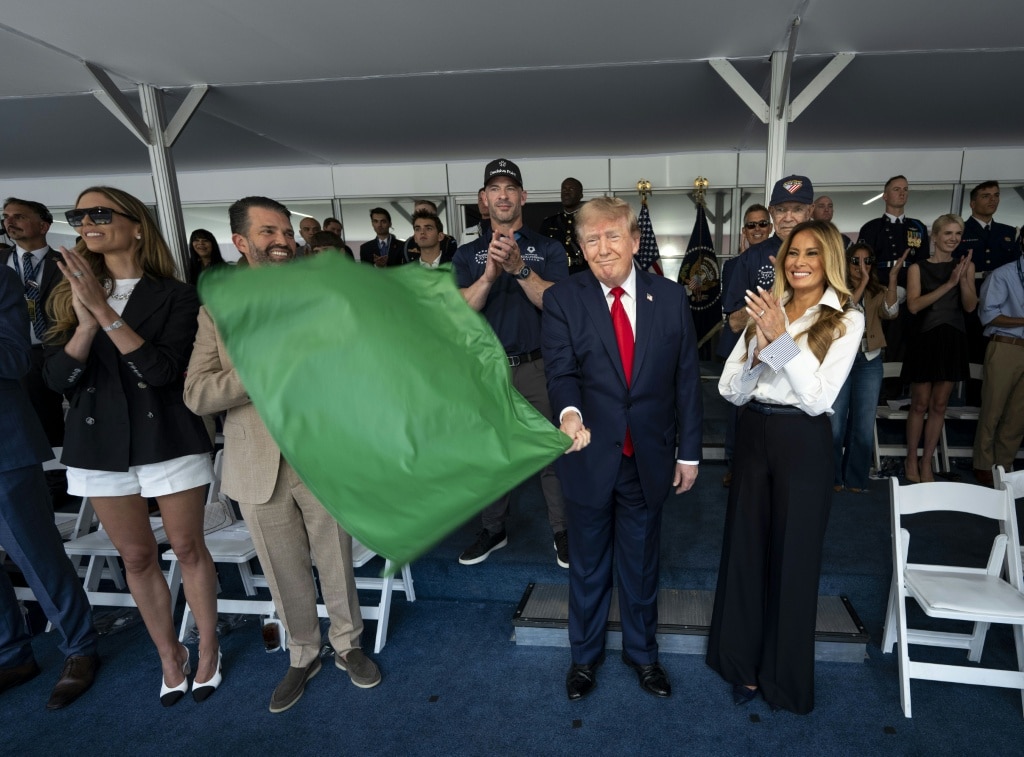
    On Sunday, a historic motorsports milestone unfolded in the heart of the U.S. capital, as former U.S. President Donald Trump took center stage for the first-ever street-running IndyCar race in Washington D.C., the Freedom 250 Grand Prix, a centerpiece event marking the 250th anniversary of American independence.

    The race, established by executive order during the Trump administration to mark the nation’s birthday celebration, stretched 147 laps around a 1.7-mile temporary circuit winding past some of the nation’s most iconic landmarks, including the U.S. Capitol, the Washington Monument, and the National Archives, home to the original Declaration of Independence. Open-wheel IndyCar vehicles reached top speeds of nearly 185 miles per hour as they roared through the downtown circuit, creating a one-of-a-kind spectacle for spectators.

    Before the green flag dropped, Trump completed a slow ceremonial parade lap around the track in his iconic armored presidential limousine, nicknamed “The Beast”, alongside First Lady Melania Trump. Following the parade lap, the president greeted all 25 competing drivers, including seven winners of the Indianapolis 500, and 89-year-old series owner Roger Penske, who revealed that organizers had been working to bring an IndyCar race to Washington for more than two decades before Trump’s administration moved the project forward.

    Trump then took his place at the start-finish line in front of the U.S. Capitol to wave the green flag and officially launch the 250-mile contest. Pre-race festivities also featured ceremonial flyovers by a stealth bomber and the presidential aircraft Air Force One, with temporary air traffic suspensions in place at nearby Reagan National Airport to accommodate the event.

    After two hours, 40 minutes, and 42.9548 seconds of competitive racing, American driver Kyle Kirkwood crossed the finish line to claim victory, his seventh career IndyCar win, beating Denmark’s Christian Lundgaard by a margin of 3.09 seconds. Australian driver Will Power secured third place. A late restart nearly derailed Kirkwood’s lead when New Zealand driver Scott McLaughlin crashed attempting an overtake, but Kirkwood avoided incident and held the top spot through to the end.

    An emotional Kirkwood called the win a career-defining moment, saying “You can’t even put it into words. This is incredible. I’m almost in tears. This is a big moment for us. A big moment for America.” He added that the win would be a memory he would cherish for life, calling it a “dream come true.”

    Third-place finisher Power described the experience of meeting the president and racing in the nation’s capital as surreal. “Shaking President Trump’s hand, it was pretty crazy,” he said. “For me from a small town in Australia to be talking to an American President is surreal… then getting behind the wheel and racing.” After the finish, he noted that Trump remained in attendance watching the final laps, a sign of the race’s engaging energy.

    Racing legend Mario Andretti, 86, whose 1969 Indy 500-winning car is housed in the Smithsonian Institution’s national museum, called the event “really amazing”, echoing praise from other attendees. Penske, who led the event’s organization, noted that Trump has long been a fan of motorsports, and the race was conceived as a fitting addition to the nation’s semiquincentennial celebrations. “This is an iconic race,” Penske said.

    Organizers confirmed that the $35 million production cost was largely covered by IndyCar and Penske Racing, with a total turnout of 215,000 attendees across two days of events. The race marks another high-profile addition to Trump’s lineup of 250th anniversary events, which also included hosting an Ultimate Fighting Championship bout on the White House South Lawn in June. Trump has also proposed major new capital construction projects in Washington, including an expansion of the White House event space and a new national triumphal arch.

    Discussions are already underway to bring the race back to Washington in coming years. Bud Denker, president of Penske and chairman of the Freedom 250, revealed that Trump has expressed a desire to host the race for five additional years, and First Lady Melania Trump has already confirmed her expectations for a 2026 running. “Melania on the way out said, ‘We look forward to seeing you next year,’” Denker said. “The pressure is on. The First Lady is involved.”

    Key infrastructure for the race, including track barriers, has already been stored locally near the circuit, meaning the bulk of the capital investment is already complete. Still, Denker noted that organizers will need to secure comparable revenue to this year’s event to make a return feasible, with a final decision expected in the coming weeks after organizational meetings next week.

  • Ukraine backers gather as war escalates, air defence runs low

    Ukraine backers gather as war escalates, air defence runs low

    As Russia’s full-scale invasion of Ukraine enters its fourth year and a dramatic new escalation of deadly aerial assaults drives civilian casualties to their highest levels since the opening months of the war, Ukraine hosts key European allies in Kyiv on Monday for an urgent emergency summit focused on securing life-saving air defence supplies and tightening international pressure on Moscow.

    The high-stakes gathering of the so-called Coalition of the Willing, a Franco-British-led forum coordinating international support for Ukraine, is co-chaired by the leaders of Britain, France and Germany. It comes as new UK Prime Minister Andy Burnham makes his first overseas trip to Kyiv since taking office at 10 Downing Street, with other leaders joining the talks remotely and European Union Council President Antonio Costa also travelling to the Ukrainian capital for the negotiations.

    Monday’s summit coincides with Ukraine’s Independence Day, which marks four and a half years since Russia launched its large-scale invasion on 24 February 2022. In pre-summit comments, Burnham underscored unwavering Western solidarity with Ukraine, saying: “Russia should be in no doubt of our resolve. We will not back down until there is a just and lasting peace.”

    Diplomatic efforts to end the conflict – Europe’s largest land war since World War II – remain effectively frozen. Moscow has demanded sweeping territorial and political concessions that Kyiv has rejected as a surrender that would only set the stage for future Russian aggression.

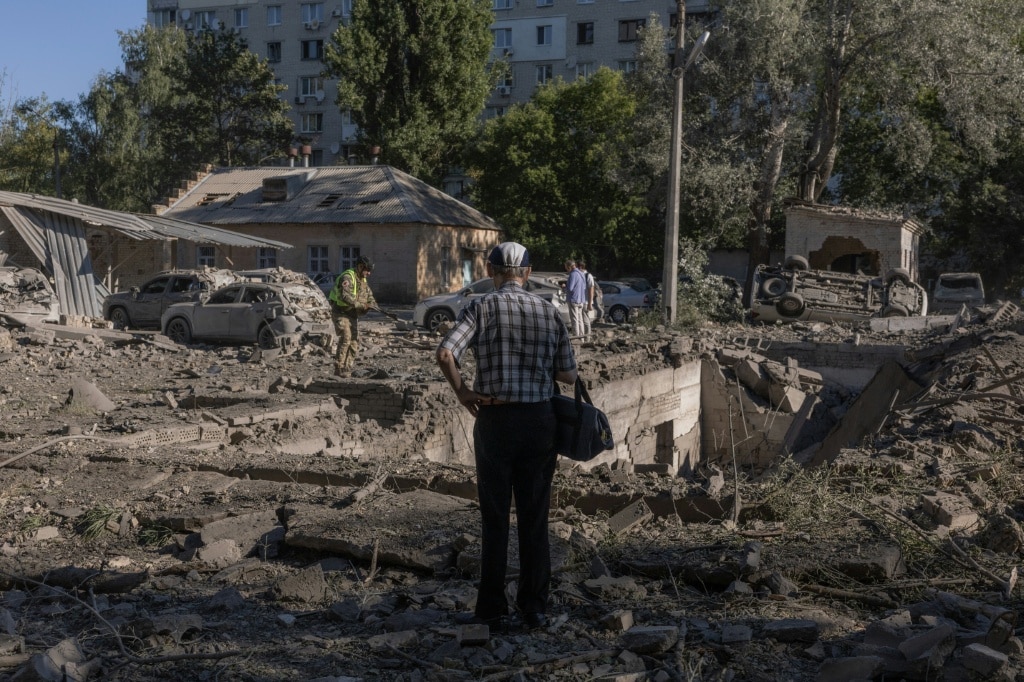
    Over recent weeks, Russia has unleashed a barrage of ballistic missile attacks across Ukraine, concentrating strikes on the capital Kyiv that have reduced residential apartment blocks to rubble and killed dozens of civilians. The surge in attacks has pushed monthly civilian death tolls to levels not seen since the first three months of the 2022 invasion. After every assault, which forces tens of thousands of Kyiv residents to shelter in the city’s metro system, basements and other emergency refuges, Ukrainian President Volodymyr Zelensky has repeated urgent public appeals for expanded air defence support from the West.

    As part of the summit, Burnham is set to announce that the British government will authorize defense contractor MBDA to declassify technical information needed to allow Ukraine and France to establish domestic production of long-range SCALP cruise missiles. The announcement follows a pledge from French President Emmanuel Macron over the weekend that Paris will deliver a new shipment of interceptor missiles to Ukraine. “It is crucial to provide Ukraine with all the necessary means to defend its skies and thwart this aggression,” Macron wrote on social media platform X.

    Russia’s barrage of dozens of ballistic missiles poses a uniquely difficult challenge for Ukrainian air defences: the weapons travel at extremely high speeds along a steep, high-arching trajectory that makes them far harder to intercept than slower cruise missiles or attack drones. Ukraine’s domestically produced air defence systems cannot shoot down these ballistic projectiles, leaving Kyiv almost entirely dependent on advanced Western systems – most notably US-made Patriot interceptors – to shield its population and critical infrastructure.

    But global stockpiles of Patriot interceptors have been stretched thin after the United States redirected large volumes of missiles to its own military campaign against Iran, leaving Ukraine facing catastrophic shortfalls. Ahead of Monday’s summit, Zelensky publicly disclosed the extent of the deficit, revealing closely held supply figures that highlight the severity of the crisis. He told reporters that deliveries of Patriot interceptors to Ukraine have fallen by half since 2023: over the full course of 2023, Ukraine received 675 missiles, compared to just 364 in 2025, even as Russian missile strikes have increased in frequency and intensity. Current projections put 2026 deliveries at only 264 interceptors, Zelensky added, noting that Ukraine is seeking a minimum of 300 extra missiles to prepare for the coming winter, when Russia typically intensifies attacks on energy infrastructure.

    The United States has been unable to meet Ukraine’s requests for larger shipments, as it prioritizes building up its own stockpiles for its ongoing campaign against Iran. By contrast, Zelensky noted that Russia maintains the industrial capacity to produce roughly 100 new ballistic missiles every month, allowing it to sustain its current high pace of strikes.

    In response to the intensified Russian aerial campaign, Ukraine has stepped up its own long-range strike operations targeting Russian energy infrastructure and logistics hubs, including oil refineries and commercial storage warehouses deep inside Russian territory.

    The Coalition of the Willing was originally conceived as a group of nations prepared to deploy peacekeeping troops to Ukraine if a ceasefire is reached. It has since evolved into a key coordinating forum for marshalling European support for Ukraine, filling a growing gap in commitments amid ongoing uncertainty over long-term US support for Kyiv following Donald Trump’s return to office.

  • Trial looms for Brodie Dewar, 21, accused of killing Labor figure Tim Picton

    Trial looms for Brodie Dewar, 21, accused of killing Labor figure Tim Picton

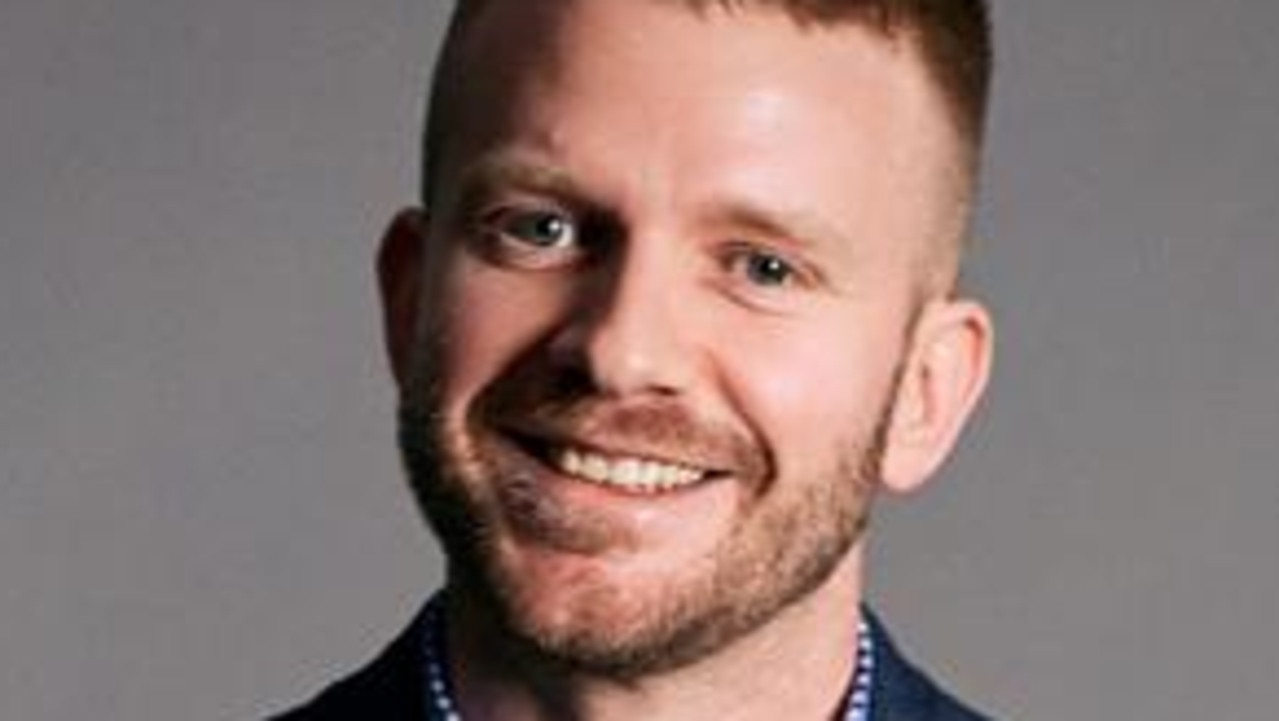
    A 21-year-old defendant has formally entered a not guilty plea and confirmed he will defend a manslaughter charge at a scheduled 2025 trial over the fatal one-punch assault on senior Australian Labor Party strategist Tim Picton outside a Western Australian nightclub. Brodie Dewar made his first court appearance before the West Australian Supreme Court on Monday, where he denied the allegation of unlawfully killing 36-year-old Picton.

    The violent incident unfolded in the early hours of December 27 last year, just outside a popular Perth venue. Picton was rushed to a local hospital immediately after the assault, where medical teams placed him in an induced coma to treat his injuries. Despite initial emergency interventions, the senior Labor figure succumbed to his injuries and died several weeks after the attack.

    On Monday, Justice Joseph McGrath confirmed the trial timeline, scheduling a 10-day court hearing set to begin in July 2025. The two-week proceeding will hear all evidence related to the case as Dewar contests the manslaughter charge.

    Before relocating to Western Australia, Picton built an extensive career across Australian Labor politics. He previously served as president of South Australian Young Labor, and held advisory roles for federal Labor parliamentarians Amanda Rishworth and Don Farrell, as well as working in the office of former Victorian Premier Daniel Andrews. At the time of his death, he was a key strategist in WA Labor, and was widely recognized for his critical work contributing to former WA Premier Mark McGowan’s landslide election victory in 2021. He is also the brother of current South Australian State Development Minister Chris Picton.