作者: admin

  • Canada looks to trade talks after US Supreme Court tosses Trump’s tariffs

    Canada looks to trade talks after US Supreme Court tosses Trump’s tariffs

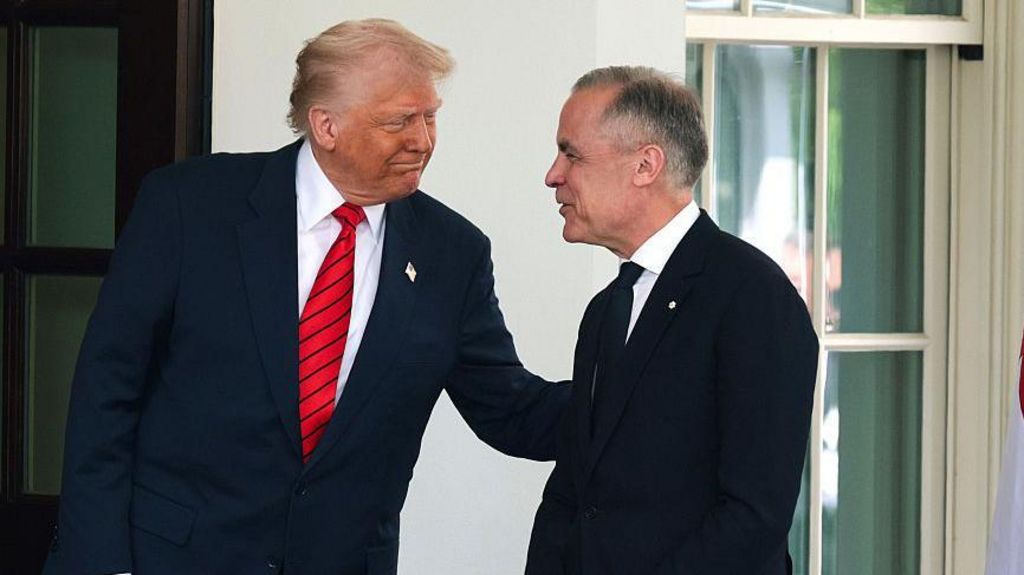
    Canada’s restrained celebration following the US Supreme Court’s invalidation of Donald Trump’s global tariffs underscores the complex trade challenges that persist between the two nations. While the court’s ruling nullified the controversial “fentanyl” tariffs imposed on Canada, China, and Mexico, Canadian Trade Minister Dominic LeBlanc acknowledged that significant hurdles remain in bilateral trade relations.

    The Supreme Court’s decision, striking down tariffs implemented under the International Emergency Economic Powers Act (IEEPA), provided limited practical relief for Canadian exporters. Approximately 85% of trade previously subject to these tariffs already enjoyed exemption status under the USMCA framework. The White House has confirmed that these exemptions will continue under Trump’s new 10% global tariff structure set to take effect imminently.

    Attention now shifts to the forthcoming USMCA review, a critical juncture for North American trade encompassing a market of over 500 million people. All three signatory nations must decide by July 1st whether to extend the agreement originally negotiated during Trump’s first presidential term. The Trump administration has demonstrated lukewarm enthusiasm for trilateral renewal, with officials suggesting preference for separate bilateral agreements with Canada and Mexico.

    Trade tensions continue to simmer as US Trade Representative Jamieson Greer characterized negotiations with Canada as “more challenging” than with Mexico, citing persistent trade barriers including restrictions on American wine and spirits sales. Additional friction points include Canadian dairy import regulations and the Online Streaming Act, which mandates American media companies to financially support Canadian content.

    Amid this uncertainty, Canadian business leaders emphasize the necessity of predictable, rules-based trade. Dennis Darby of Canadian Manufacturers & Exporters stressed the importance of a successful USMCA renewal that would eliminate recurring trade disruptions. Concurrently, Canada continues its strategic diversification efforts, seeking to expand non-US export markets with an ambitious goal of doubling such exports by 2035.

  • US Supreme court rules against Trump tariffs; what does it mean for businesses?

    US Supreme court rules against Trump tariffs; what does it mean for businesses?

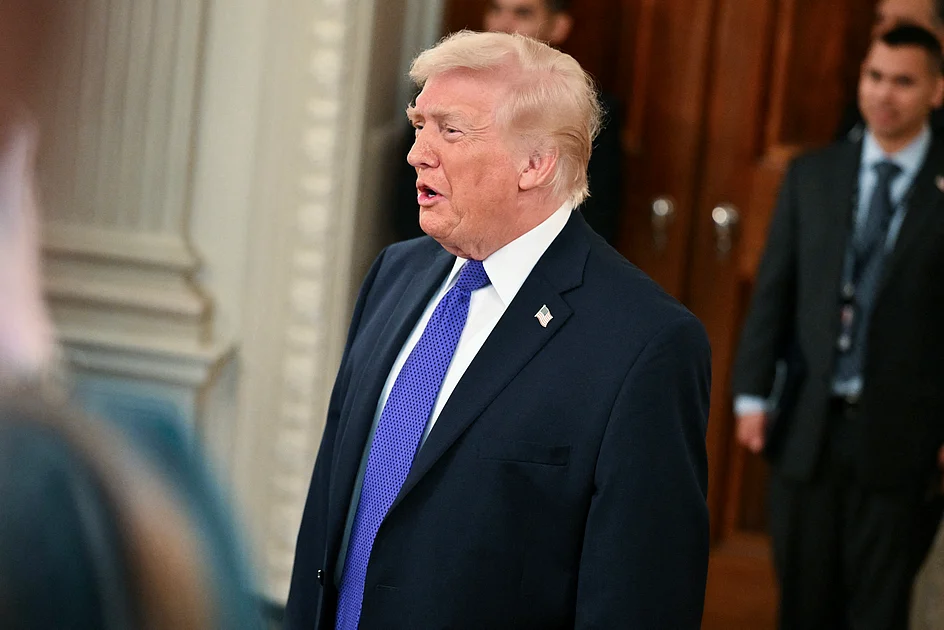
    In a landmark decision with profound implications for global commerce, the U.S. Supreme Court has invalidated the Trump administration’s use of emergency powers to impose sweeping import tariffs. The ruling determined that the 1977 International Emergency Economic Powers Act did not provide legal authority for the broad tariff regime implemented by the former president.

    This judicial reversal triggers a complex refund mechanism that could return more than $175 billion to thousands of American businesses that paid tariffs under the contested program. According to economists from the Penn-Wharton Budget Model, companies across consumer goods, automotive, manufacturing, and apparel sectors—particularly those reliant on global supply chains—now face strategic decisions regarding pursuit of reimbursement claims.

    The immediate market response saw stock markets in both the United States and Europe rally, with luxury brands and import-dependent companies experiencing significant gains. Shares of LVMH, Hermès, and Moncler all climbed following the announcement.

    Legal experts caution that the refund process will be administratively complex and time-consuming. More than 1,800 tariff-related lawsuits have already been filed with the U.S. Court of International Trade since April—a dramatic increase from fewer than two dozen cases throughout 2024. Prominent plaintiffs include subsidiaries of Toyota, Costco, Goodyear Tire & Rubber, Alcoa, Kawasaki Motors, and EssilorLuxottica.

    Despite this victory for free trade advocates, uncertainty persists within the business community. Trump administration officials have indicated they will pursue alternative legal authorities to implement tariffs, including statutes addressing unfair trade practices and national security concerns. Fitch Ratings’ head of U.S. economics, Olu Sonola, noted that “the odds that tariffs reappear in a revised form remain meaningful,” creating ongoing operational and legal challenges.

    The ruling highlights how approximately 90% of tariff costs were ultimately borne by American consumers and companies, according to Federal Reserve Bank of New York research, contradicting administration claims that foreign entities absorbed the financial impact.

    Many businesses, anticipating a protracted refund process, have already begun selling their rights to future refunds to external investors at discounted rates. Meanwhile, companies like German logistics firm DHL are developing technological solutions to streamline potential reimbursement procedures for their clients.

  • How photography helped the British empire classify India

    How photography helped the British empire classify India

    A groundbreaking exhibition titled ‘Typecasting: Photographing the Peoples of India, 1855-1920’ at Delhi’s DAG art gallery unveils nearly 200 rare photographs that reveal how the British Empire weaponized photography as a tool for social classification during colonial rule. Curated by historian Sudeshna Guha, the comprehensive display spans 65 years of visual anthropology that transformed India’s fluid social realities into fixed, knowable categories for colonial administration.

    The exhibition centers on folios from ‘The People of India,’ the influential eight-volume photographic survey published between 1868-1875, while expanding to include works by pioneering photographers including Samuel Bourne, Lala Deen Dayal, John Burke, and studio Shepherd & Robertson. These practitioners developed a visual language that both documented and actively shaped perceptions of Indian society through their lenses.

    Geographic diversity emerges as a central theme, with images ranging from Lepcha and Bhutia communities in the northeast to Afridis in the northwest, and from Todas in the Nilgiris to Parsi and Gujarati elites in western India. The colonial gaze particularly focused on those occupying society’s lower rungs—dancing girls, agricultural laborers, barbers, and snake charmers—transforming ordinary labor into ethnographic subjects.

    Women feature prominently throughout the collection, as seen in Edward Taurines’ 1890 image of Bombay women carrying cow dung cakes, deliberately repositioned outdoors from their typical domestic settings. Another striking portrait by Felix Morin captures both the ethnographic scrutiny and formal elegance characteristic of early photography.

    The exhibition also includes photographs from regions beyond direct British control, such as Sikkim, Bhutan, and Tibet, alongside images documenting Indian diaspora communities in Singapore and the Malay Peninsula. According to DAG CEO Ashish Anand, ‘This material tells the history of ethnographic photography and its effect on British administration and Indian population in a project which in size and depth has never before been seen in India.’

  • Arteta wants Arsenal to ‘live in the present’ before crucial trip to Tottenham

    Arteta wants Arsenal to ‘live in the present’ before crucial trip to Tottenham

    Arsenal manager Mikel Arteta has issued a rallying cry for his squad to maintain absolute focus on the present moment as they prepare for a critical North London Derby against Tottenham Hotspur. This high-stakes encounter comes at a precarious time for the Premier League leaders, whose championship ambitions have been dented by consecutive draws against Brentford and Wolverhampton Wanderers.

    The Gunners’ recent stumble has significantly tightened the title race, with second-placed Manchester City now trailing by just five points while holding an additional game in hand. Arsenal’s away form presents additional concerns, with just one victory secured in their last four league matches on the road.

    Addressing journalists during Friday’s press conference, Arteta emphasized the necessity of confronting current challenges rather than dwelling on past accomplishments. “We operate under a very clear directive—we must live in the present,” stated the Spanish tactician. “While our previous achievements are commendable, our attention must remain fixed on the immediate task. We’ve positioned ourselves exactly where we desired across all competitions, but substantial work remains ahead.”

    The midweek fixture against bottom-side Wolves proved particularly disappointing as Arsenal conceded a late equalizer. Arteta characterized the result as a “system shock” but confirmed his players’ determination to respond positively. Supporters have remained steadfast in their backing, and the squad is eager to channel their frustration into Sunday’s derby clash.

    Potential reinforcements could arrive with the anticipated returns of forward Kai Havertz and playmaker Martin Ødegaard. Meanwhile, Tottenham approach the match under new leadership following the recent appointment of manager Igor Tudor, who brings fresh tactical approaches despite the team’s winless league streak since December.

    Arteta confirmed comprehensive preparation for Tudor’s potential systems: “We’ve analyzed his complete managerial history across various clubs and formations, assessing how Tottenham’s available players might fit into his philosophy. Our adaptability will be crucial, but ultimately our concentration remains fixed on executing our game plan to secure victory.”

  • Saudi health authority summons medic for viral video with ‘misleading claims’

    Saudi health authority summons medic for viral video with ‘misleading claims’

    Saudi Arabia’s Ministry of Health has initiated disciplinary proceedings against a medical professional following the viral dissemination of a video containing dangerously misleading information about cholesterol medications. The controversial video, which circulated extensively across social media platforms, contained unsubstantiated claims regarding statin drugs that prompted numerous patients to abruptly discontinue their prescribed treatments without medical consultation.

    The health authority confirmed it has formally summoned the physician responsible for the content to provide an official statement regarding the circulated misinformation. The ministry emphasized that the unauthorized cessation of statin medications exposes patients to significant health risks, particularly those with existing cardiovascular conditions requiring consistent pharmaceutical management.

    In an official statement, the ministry reiterated that all medical decisions must be made exclusively under proper physician supervision rather than based on unverified social media content. The regulatory body further warned that legal measures will be enforced against any individual found to be distributing misleading medical information or violating established healthcare profession ethics.

    This incident represents the latest in Saudi Arabia’s ongoing efforts to combat medical misinformation online, following recent actions against individuals spreading false information about criminal cases and inciting public opinion through digital channels. The ministry’s prompt response demonstrates the government’s commitment to maintaining evidence-based medical practices and protecting public health from potentially dangerous misinformation.

  • These shy, scaly anteaters are the most trafficked mammals in the world

    These shy, scaly anteaters are the most trafficked mammals in the world

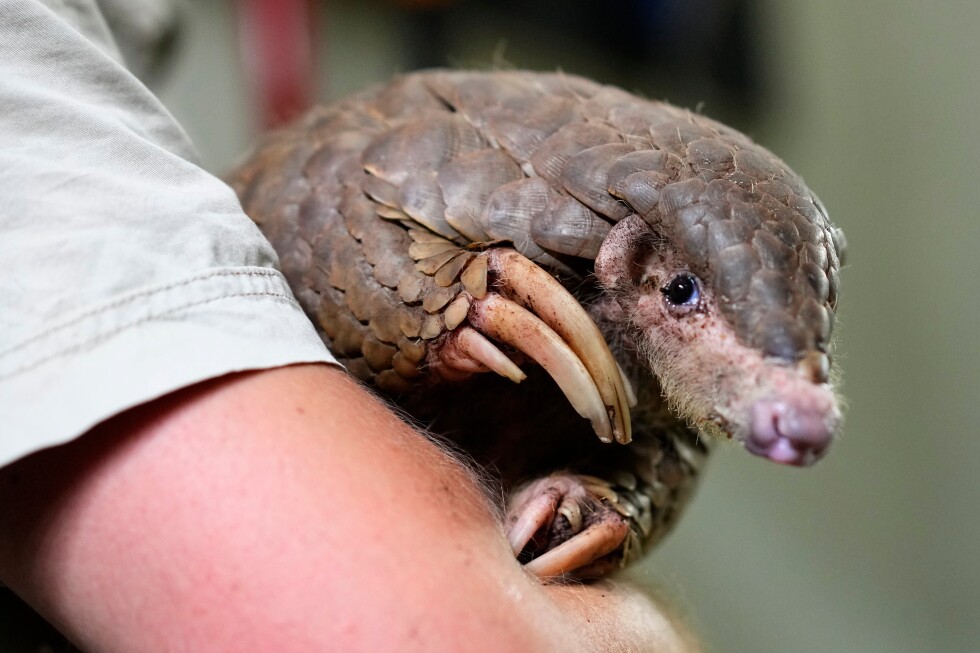
    CAPE TOWN, South Africa — On World Pangolin Day, conservationists are sounding the alarm about the critical endangerment of pangolins, the distinctive scaly anteaters native to Africa and Asia that have earned the grim distinction of being the planet’s most trafficked mammals.

    According to a recent CITES (Convention on International Trade in Endangered Species) report, these unique creatures surpass all other mammals in illegal wildlife trade metrics. Between 2016 and 2024, authorities intercepted over half a million pangolins in anti-trafficking operations worldwide. The World Wildlife Fund estimates that more than one million pangolins were removed from their natural habitats during the past decade, including countless undetected cases.

    The trafficking surge is primarily driven by high demand for pangolin scales in Asian markets, particularly China, where they are ground into traditional medicine despite lacking scientific validation for therapeutic properties. These scales consist of keratin—the same protein found in human hair and nails—yet command exorbitant prices due to unfounded beliefs about curing various ailments. While pangolin meat is considered a delicacy in some regions, the scale trade remains the primary economic motivator for poachers.

    Of the eight known pangolin species (four African, four Asian), all face severe extinction threats classified as high to extremely high. Their remarkable biological defenses—including overlapping keratin scales that form impenetrable armor when rolled into a ball—prove ineffective against human predation. Unlike charismatic megafauna such as elephants or tigers, pangolins lack widespread conservation recognition despite their ecological uniqueness, including tongues that extend nearly their entire body length to capture insects.

    Although some reports suggest reduced trafficking since the COVID-19 pandemic, conservationists warn that poaching continues at alarming rates across Africa. Nigeria has emerged as a global trafficking hotspot, prompting wildlife veterinarian Dr. Mark Ofua to establish rescue operations and a pangolin orphanage in Lagos. Through youth education programs and celebrity engagement initiatives, Ofua aims to raise awareness about these critically endangered mammals, noting that many Nigerians cannot even identify native pangolin species—a fundamental barrier to effective conservation.

  • Trump administration pursuing nuclear deal with Saudi Arabia, opening path to enrichment: Report

    Trump administration pursuing nuclear deal with Saudi Arabia, opening path to enrichment: Report

    The Trump administration has formally notified Congress of its intent to pursue a civil nuclear agreement with Saudi Arabia that notably omits stringent non-proliferation safeguards traditionally required by the United States, according to a Reuters exclusive. This proposed ‘123 Agreement’ marks a significant departure from established US policy by not explicitly prohibiting the kingdom from enriching uranium or reprocessing spent nuclear fuel.

    Unlike previous nuclear pacts with nations such as the United Arab Emirates (UAE), which made US cooperation conditional on a commitment to forgo enrichment, the preliminary document with Saudi Arabia stipulates only ‘additional safeguards and verification measures’ for the most sensitive areas of cooperation. This language leaves the door open for Riyadh to potentially develop domestic enrichment capabilities—a move analysts consider far more transformative for the region than the concurrent pursuit of advanced F-35 fighter jet sales.

    US law mandates that a 123 Agreement must be in place before significant nuclear exports can be licensed. Furthermore, lawmakers have historically insisted that partners also adopt the ‘Additional Protocol,’ which grants the International Atomic Energy Agency (IAEA) enhanced inspection powers. The UAE, the only other Gulf state with a US nuclear partnership, signed this protocol in 2009. However, the Trump administration’s November notification to congressional committee heads indicated it is not pursuing this protocol with Saudi Arabia.

    The administration’s report positions US industry at the forefront of Saudi Arabia’s civil nuclear development. The finalized agreement could be submitted to Congress as early as February 22nd, triggering a 90-day review period. During this time, both the House of Representatives and the Senate would need to pass resolutions of disapproval to block the pact in its current form.

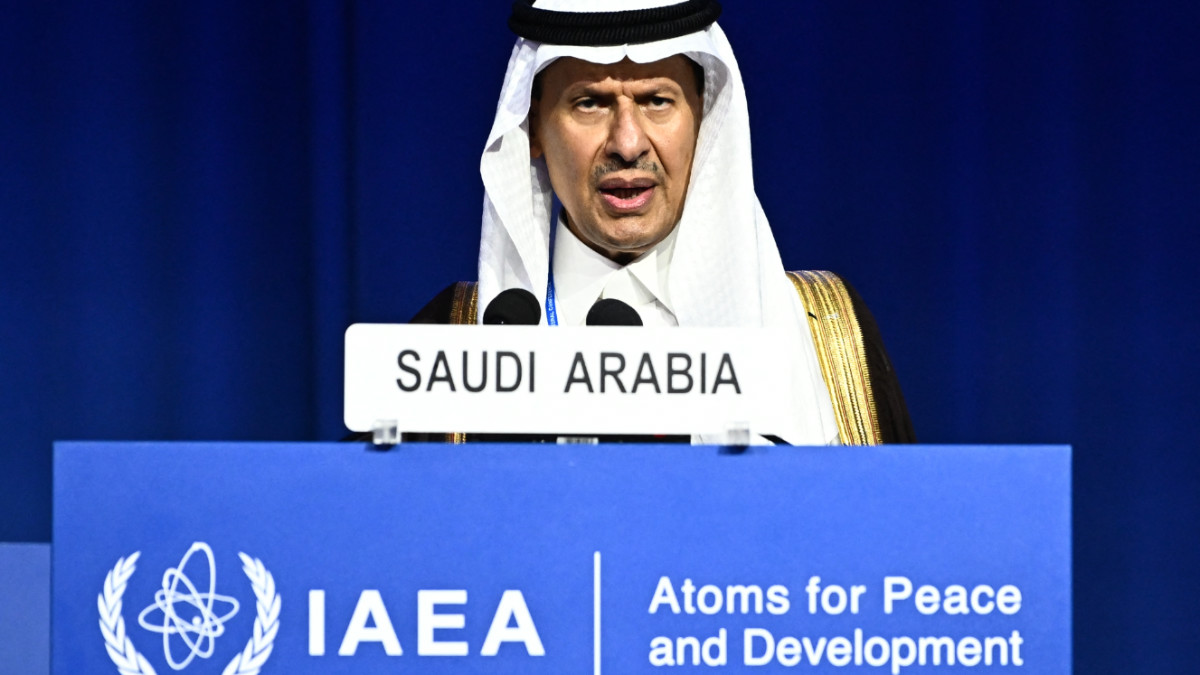
    This diplomatic approach underscores President Trump’s deal-centric foreign policy, which often prioritizes economic exports over the non-proliferation concerns of the traditional foreign policy establishment. The concession on enrichment appears to be a key to securing the deal, aligning with Saudi Crown Prince Mohammed bin Salman’s ambition to capitalize on the kingdom’s vast uranium reserves. Energy Minister Prince Abdulaziz bin Salman has publicly stated the intent to enrich and sell uranium, framing it as both an economic imperative and a matter of national pride.

    The nuclear negotiations are part of a broader suite of potential deals with Riyadh. Concurrent discussions on F-35s have involved assurances to lawmakers regarding the maintenance of Israel’s Qualitative Military Edge (QME), with sources indicating the proposed sale involves a lower-grade variant of the jet. Simultaneously, Saudi Arabia is exploring alternative defense partnerships, including a fighter jet co-production deal with Turkey and potential investment in a UK-Italy-Japan next-generation fighter program.

  • Trump lashes out at Supreme Court justices over tariffs ruling

    Trump lashes out at Supreme Court justices over tariffs ruling

    In an extraordinary display of presidential ire, Donald Trump launched a deeply personal broadside against six Supreme Court justices who delivered a landmark ruling against his administration’s global tariff policies. The decision, handed down on Friday, represents one of the most significant judicial setbacks of Trump’s second term.

    Addressing reporters at a White House press conference just hours after the ruling, Trump expressed profound disappointment with the court’s majority opinion. ‘I’m ashamed of certain members of the court. Absolutely ashamed for not having the courage to do what’s right for our country,’ the president declared, initiating a sweeping critique of the judicial branch that lasted nearly 45 minutes.

    The court’s ruling established that presidents lack inherent constitutional authority to impose comprehensive tariffs on foreign nations without congressional approval. Trump’s response transcended typical political disagreements, evolving into a remarkable personal indictment of the justices themselves.

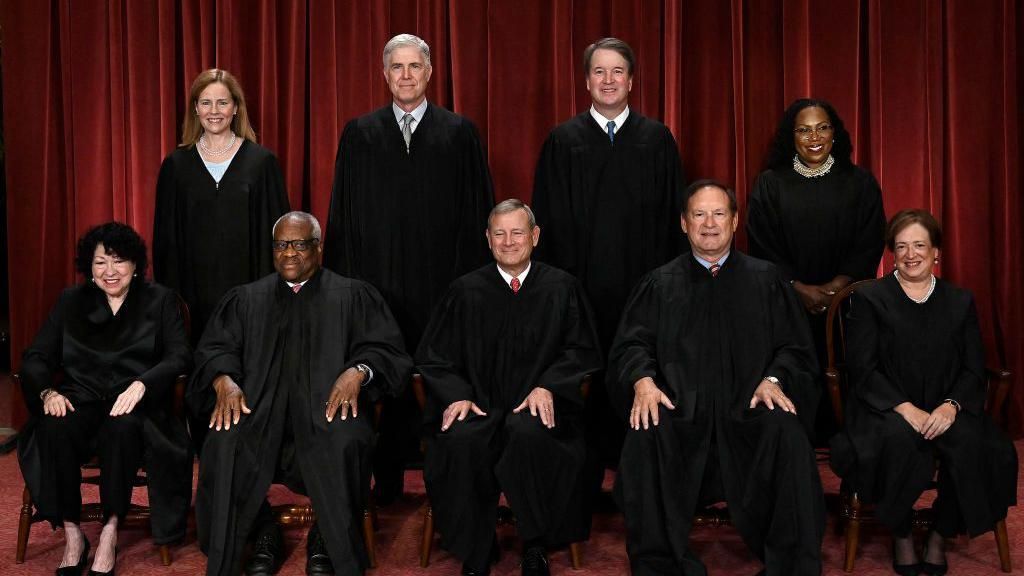
    Notably, the president’s criticism crossed ideological and appointment lines equally. The six justices in the majority comprised an unusual coalition: three Democratic-appointed liberals (Elena Kagan, Sonia Sotomayor, and Ketanji Brown Jackson) and three Republican-appointed conservatives, including two of Trump’s own nominees (Neil Gorsuch and Amy Coney Barrett), with Chief Justice John Roberts writing the majority opinion.

    Trump employed particularly harsh rhetoric, labeling the justices ‘fools and lapdogs for the Rhinos and the radical left Democrats’—using the derogatory term ‘RINOs’ (Republicans In Name Only) typically deployed by the far right against moderate Republicans. In an especially unusual move, the president suggested the decision reflected embarrassment to the justices’ families and made unsubstantiated claims about ‘foreign interests’ influencing the court’s deliberation, though he provided no evidence when pressed by reporters.

    Conversely, Trump lavished praise on the three dissenting justices—Clarence Thomas, Samuel Alito, and Brett Kavanaugh (another Trump appointee)—thanking them for ‘their strength and wisdom and love of our country.’ Justice Kavanaugh’s dissent warned of practical complications, predicting the government would face a ‘mess’ in refunding billions in tariff revenue.

    Legal and trade experts characterized the ruling as a victory for constitutional separation of powers and the rule of law. Colin Grabow of the Cato Institute noted the court simply determined Trump had ‘went too far’ in asserting executive authority, while Alan Wm Wolff, former WTO deputy director-general, observed the court was fully aware of the decision’s significance to the administration.

    The president vowed to pursue alternative methods to implement his protectionist trade agenda despite the judicial setback, signaling continued confrontation between the executive and judicial branches.

  • Pegula extends dominance over Anisimova, reaches Dubai final

    Pegula extends dominance over Anisimova, reaches Dubai final

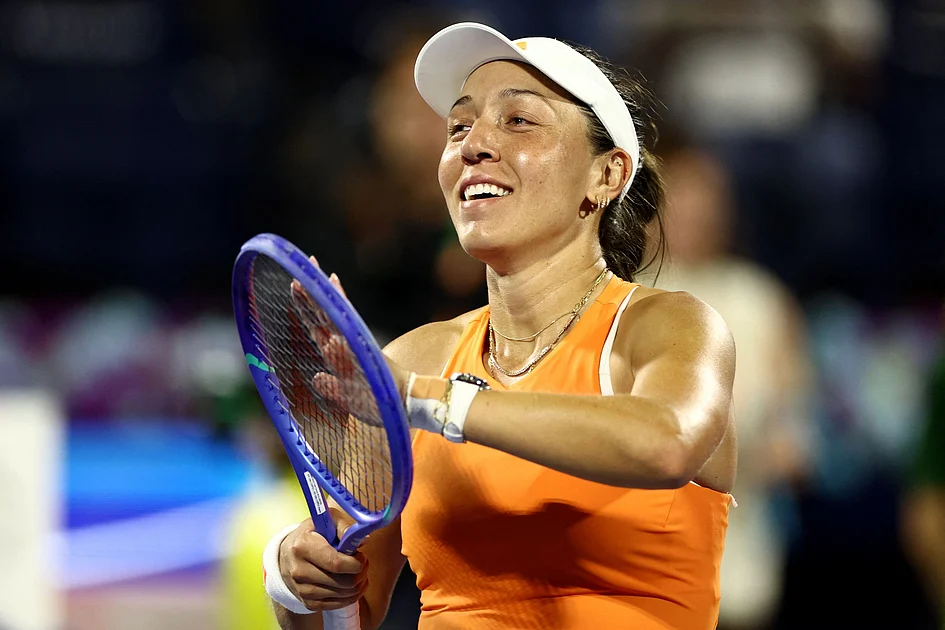
    American tennis star Jessica Pegula demonstrated exceptional resilience on Friday, overcoming a disastrous start to defeat compatriot Amanda Anisimova 1-6, 6-4, 6-3 in the Dubai Duty Free Tennis Championships semifinals. The world number five showcased her championship mentality by reversing momentum after being thoroughly outplayed in the opening set.

    The victory extends Pegula’s perfect record against Anisimova to 5-0 and marks her second consecutive win over the 24-year-old following their Australian Open quarterfinal encounter last month. This impressive performance continues Pegula’s remarkable consistency on tour, representing her second WTA final appearance since August 2025, with five additional tournaments during this period resulting in semifinal finishes, including both the US Open and Australian Open.

    Pegula attributed her sustained excellence to the intensive training regimen implemented by her coaching team since 2025. This dedication was evident as she weathered Anisimova’s powerful game, which produced seven aces throughout the match. After dropping the first set and falling behind 3-1 in the second, Pegula mounted her comeback with two critical breaks to force a deciding set.

    The match’s turning point came in the fourth game of the third set when Pegula secured another break against her younger opponent, ultimately maintaining her composure to close out the victory. Pegula now advances to face the winner of the other semifinal between two-time Grand Slam champion Coco Gauff of the United States and two-time Dubai titleholder Elina Svitolina of Ukraine.

    In doubles action, the pairing of Russia’s Vera Zvonareva and Germany’s Laura Siegemund earned their place in the final with a 6-3, 7-6(6) victory over Romanian duo Jaqueline Cristian and Elena-Gabriela Ruse. They will compete for the title against Canadian Gabriela Dabrowski and Brazilian Luisa Stefani, who overcame Aleksandra Krunić and Anna Danilina 4-6, 6-2, 10-6 in their semifinal encounter.

  • Bad Bunny positioned to consolidate his popularity in Brazil with first-ever performances

    Bad Bunny positioned to consolidate his popularity in Brazil with first-ever performances

    SAO PAULO — Global music phenomenon Bad Bunny has achieved a significant breakthrough in one of the world’s most challenging markets for international artists, marking a cultural shift during his inaugural Brazilian performances this weekend. Despite his worldwide streaming dominance, the Puerto Rican superstar had previously struggled to penetrate Brazil’s music scene, where domestic artists command an impressive 75% of streaming consumption according to Luminate’s 2025 midyear report.

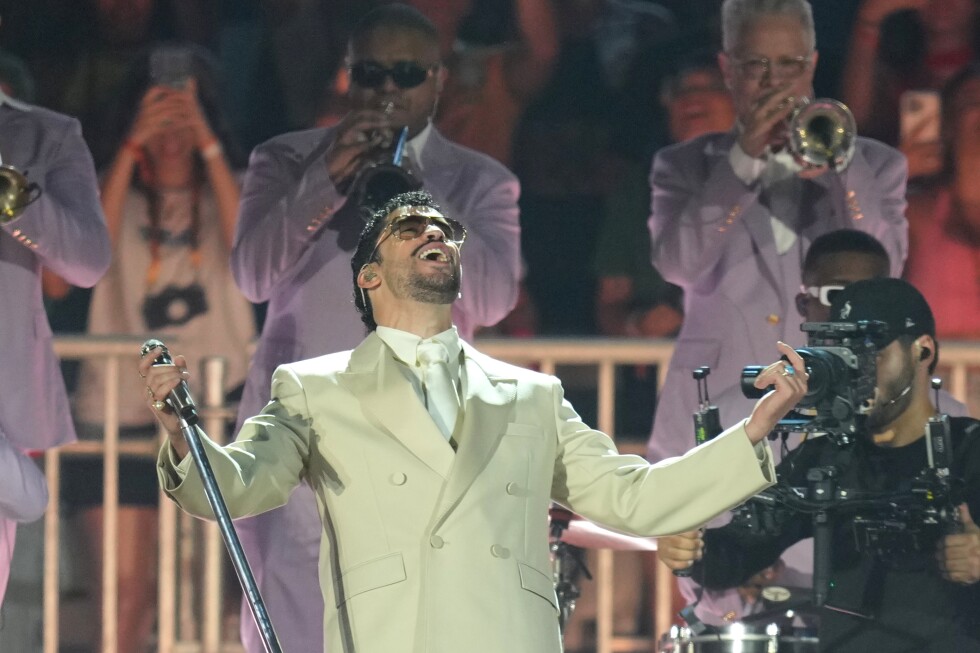
    The turning point emerged with his Grammy-winning album “Debí Tirar Más Fotos,” but the catalyst proved to be his historic Super Bowl halftime performance. Subsequent data reveals a staggering 426% surge in Bad Bunny’s Spotify streams in Brazil during the post-Super Bowl week, with his track “Yo Perreo Sola” experiencing an extraordinary 2,536% increase.

    Ethnomusicologist Felipe Maia, currently pursuing doctoral research on popular music at Paris Nanterre University, observes: “This represents the optimal moment to conquer a market like Brazil, occurring precisely when he has achieved near-global domination.”

    The demand manifested visibly as both scheduled shows at Sao Paulo’s Allianz Parque stadium sold out immediately, necessitating additional dates. By Friday afternoon, extensive queues had formed featuring not only Brazilian devotees but enthusiasts from across Latin America including El Salvador, Colombia, and Venezuela. Many attendees sported traditional Puerto Rican jíbaro straw hats, symbolizing their connection to the artist’s cultural roots.

    Ticket economics underscored the frenzy: while official prices ranged from $50 to $210, resellers demanded over $830 for last-minute entries—exceeding 2.5 times Brazil’s monthly minimum wage.

    Flávia Durante, a Sao Paulo-based Latin music specialist DJ, notes a transformative shift in perception: “Some Brazilians historically associated Spanish-language music with telenovela clichés, but Bad Bunny has shattered that bubble. Nowadays, everyone knows the lyrics and engages passionately, even requesting his music at rock or 80s pop events.”

    The phenomenon extends beyond commercial success into cultural identity. Colombian-Brazilian writer Nicole Froio, who sported Bad Bunny-themed attire during Rio’s Carnival celebrations for the third consecutive year, identifies the artist as representing “Latino resistance.” She emphasizes: “While other Latin stars recorded full songs in other languages, Bad Bunny maintains artistic authenticity through Spanish—inspiring me to embrace my identity unapologetically.”

    This cultural resonance finds reinforcement in Bad Bunny’s Super Bowl acknowledgment of the Americas’ geographic scope, challenging the United States’ linguistic appropriation of “America.” For longtime fan Diogo da Luz, 22, this inclusive approach “reinforces that we belong to one united people.”