作者: admin

  • Dubai Police stop children riding bike on public road, impose Dh50,000 impound fee

    Dubai Police stop children riding bike on public road, impose Dh50,000 impound fee

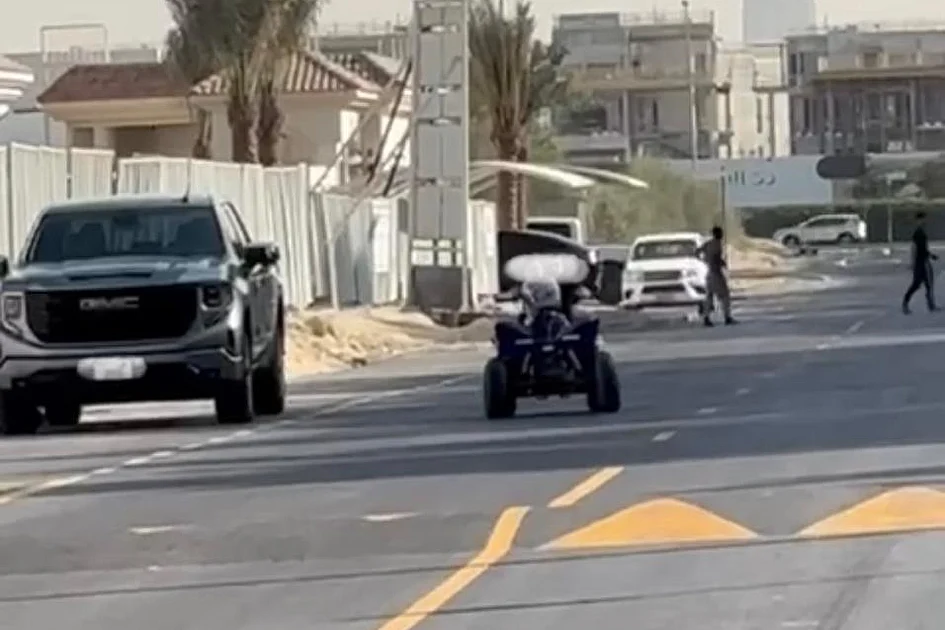
    Dubai authorities have imposed a substantial 50,000-dirham vehicle impound release fee following the interception of minors operating a recreational motorbike on public thoroughfares. The incident, occurring this week, prompted immediate intervention from traffic patrols to safeguard both the young riders and other road users.

    Major-General Saif Muhair Al Mazrouei, Assistant Commander in Chief for Operations Affairs at Dubai Police, confirmed the guardian’s subsequent summons and the motorcycle’s confiscation. The supervising adult reportedly pleaded ignorance of traffic regulations, though officials emphasized this defense holds no legal validity.

    Legal proceedings have been initiated under Wadeema’s Law, legislation specifically criminalizing actions that expose children to hazardous situations or compromise their physical and psychological welfare. The statute explicitly prohibits guardians from permitting minors to engage in activities threatening their safety.

    Al Mazrouei elaborated on the grave risks involved, noting children’s developmental limitations in navigating complex traffic environments. Their typically underdeveloped physical coordination, risk assessment capabilities, and emergency response mechanisms create potentially fatal scenarios when operating vehicles among regular traffic.

    Authorities clarified that recreational motorcycles are strictly designated for controlled, enclosed areas with professional supervision—not public roads shared with commercial and passenger vehicles. The police statement urged parents to uphold their legal and ethical obligations through vigilant supervision and adherence to licensing age requirements.

    The case has reignited public awareness campaigns about parental responsibilities, with officials reminding communities that child protection constitutes a collective societal duty originating within households. Dubai Police encourage citizens to report similar endangerment incidents via their 901 call center or through the Police Eye digital service.

    This enforcement action aligns with broader regional road safety initiatives, following recent advisories about e-scooter restrictions in educational zones and warnings after seven motorbike accidents injured nine individuals in Abu Dhabi.

  • Trump says considering strike on Iran, day after ‘bad things’ would happen comment

    Trump says considering strike on Iran, day after ‘bad things’ would happen comment

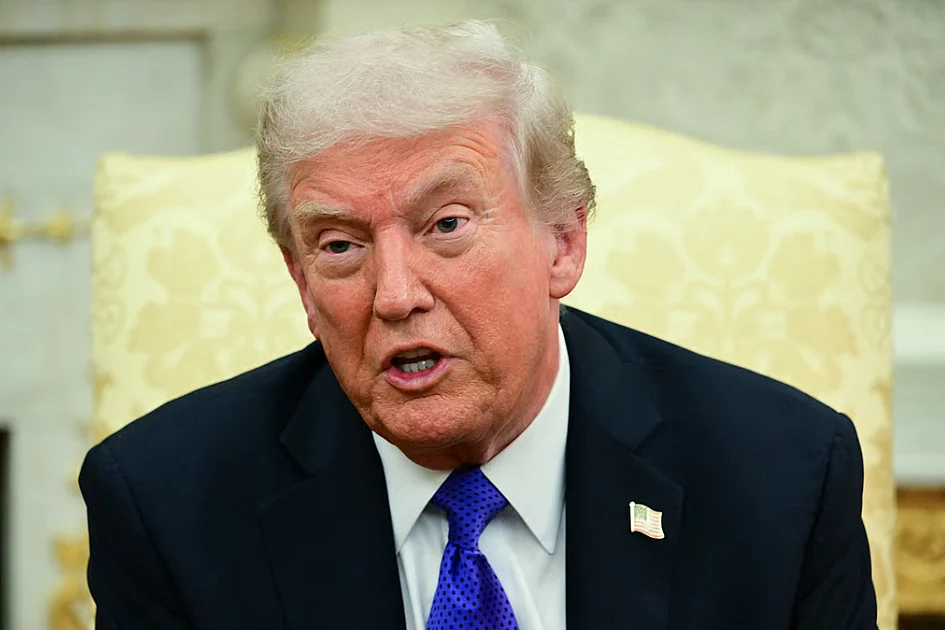
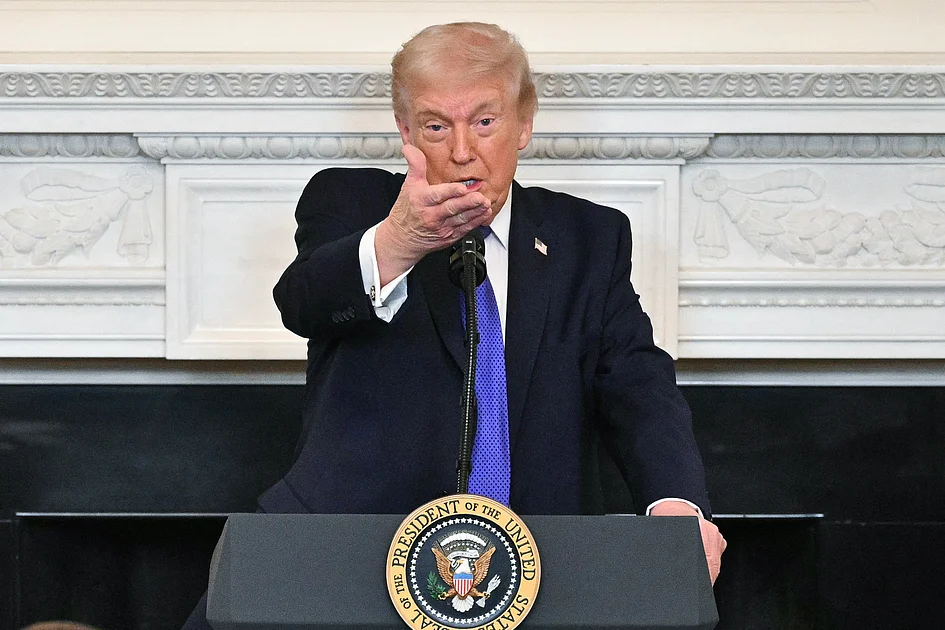
    Tensions between the United States and Iran have escalated dramatically as President Donald Trump confirmed he is contemplating limited military action against Tehran. This development follows his administration’s significant naval mobilization in the Middle East, designed to pressure Iran into accepting a nuclear agreement.

    The confrontation intensified after Trump’s Thursday remarks suggesting ‘bad things’ would occur if Tehran failed to reach a deal within an extended 15-day deadline. When pressed by journalists on Friday regarding potential military strikes, the president acknowledged, ‘The most I can say—I am considering it.’

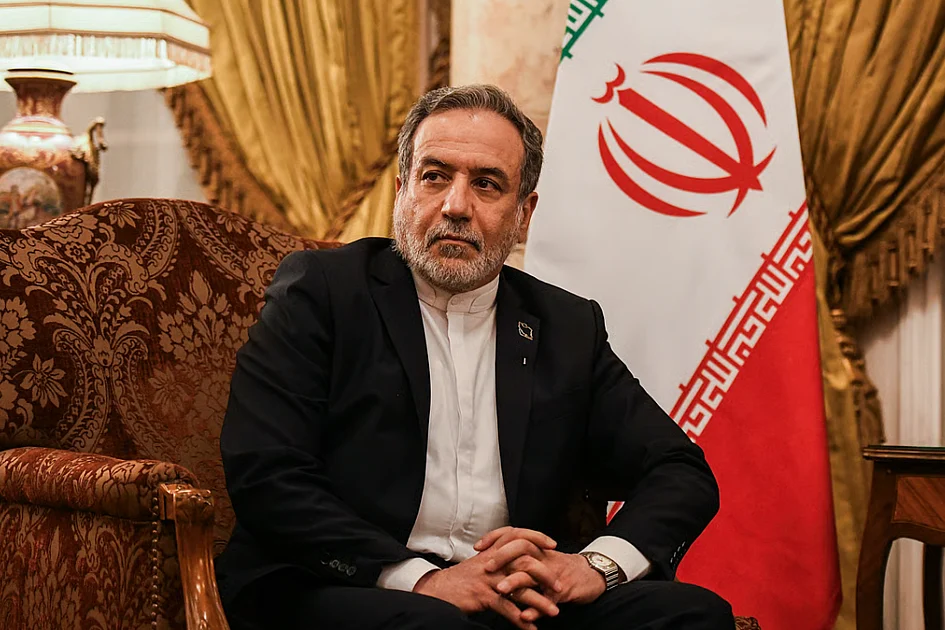
    Diplomatic efforts continue simultaneously, with Iranian Foreign Minister Abbas Araghchi revealing that draft proposals for a potential agreement could be finalized within days. Following Geneva negotiations this week, Araghchi stated both parties agreed to exchange draft frameworks, describing this as the ‘next step’ in the process.

    Contradictions have emerged between official statements from both nations. While Trump has repeatedly insisted Iran must completely cease uranium enrichment, Araghchi asserted American negotiators haven’t demanded zero enrichment. ‘What we are now talking about is how to ensure that Iran’s nuclear programme, including enrichment, remains peaceful forever,’ the minister explained in an interview with MS NOW.

    The geopolitical standoff has triggered military posturing from both sides. Washington has deployed the USS Abraham Lincoln carrier group to the Gulf and ordered the Gerald Ford carrier to the region. Iran responded with naval exercises near the strategic Strait of Hormuz.

    Regional stability concerns heightened as Israel’s military announced being on ‘defensive alert’ regarding Iran, though public security guidelines remain unchanged. Meanwhile, Iran’s UN ambassador warned that US bases and assets would become ‘legitimate targets’ if America follows through with military threats.

    The economic dimension remains crucial, with Araghchi acknowledging Iran’s interest in swift sanctions relief. ‘We are under sanctions, obviously any day that sanctions are terminated sooner would be better for us,’ he noted, adding Tehran has ‘no reason to delay’ negotiations.

    This diplomatic crisis occurs against the backdrop of recent domestic unrest in Iran, where economic hardships sparked protests that authorities suppressed with force, resulting in significant casualties according to human rights organizations.

  • US Supreme Court rules Trump administration’s sweeping tariffs illegal

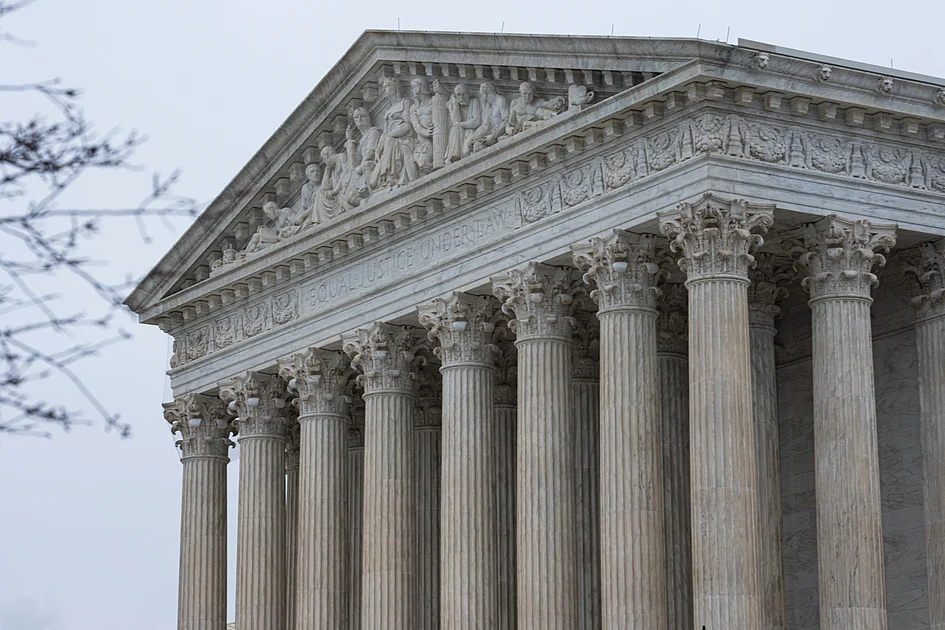
    US Supreme Court rules Trump administration’s sweeping tariffs illegal

    In a landmark ruling with significant implications for presidential authority and international trade, the US Supreme Court declared on Friday that the sweeping tariff regime implemented by former President Donald Trump violated established legal parameters. The Court determined that the administration’s application of a national emergency statute to justify broad-based import duties exceeded the law’s intended scope.

    The controversial tariffs, predominantly targeting Chinese goods alongside steel and aluminum imports from various nations, were originally enacted under Section 232 of the Trade Expansion Act of 1962. This provision traditionally authorizes the executive branch to impose trade restrictions specifically addressing genuine national security threats.

    Justice Elena Kagan, writing for the majority, emphasized that “while the presidency possesses considerable latitude in international affairs, this authority remains bounded by congressional statutes. The application of emergency powers to economic matters lacking clear national security dimensions constitutes an overreach of executive power.”

    The ruling represents a substantial judicial check on presidential trade authority and establishes a crucial precedent limiting the use of emergency economic powers. Legal analysts suggest the decision will likely reshape how future administrations justify and implement trade measures, particularly those affecting global supply chains and international relations.

    The Court’s decision emerged from a consolidated challenge brought by coalitions of affected businesses, manufacturing associations, and trading partners who argued the tariffs caused economic harm while lacking proper legal foundation. Industry representatives have welcomed the ruling as restoring predictability to international trade relationships.

  • US Supreme Court strikes down swath of Trump global tariffs

    US Supreme Court strikes down swath of Trump global tariffs

    In a landmark decision with profound implications for presidential trade powers, the US Supreme Court declared Friday that former President Donald Trump overstepped his constitutional authority by imposing sweeping global tariffs under emergency economic statutes. The 6-3 ruling from the conservative-majority court specifically invalidated tariffs implemented under the International Emergency Economic Powers Act (IEEPA), marking a significant check on executive trade authority.

    The court determined that IEEPA—legislation originally designed for national security emergencies—does not provide legal foundation for imposing broad tariff measures. Justice Samuel Alito, writing for the majority, emphasized that “had Congress intended to convey the distinct and extraordinary power to impose tariffs with IEEPA, it would have done so expressly, as it consistently has in other tariff statutes.”

    This ruling affects multiple tariff initiatives Trump enacted upon returning to office last year, including so-called “reciprocal” tariffs targeting trade practices deemed unfair by Washington, alongside separate duties imposed on Mexico, Canada, and China concerning drug trafficking and immigration issues. The decision upholds earlier findings from lower courts that had blocked these tariffs from taking effect pending appeal.

    Notably, the ruling does not impact sector-specific tariffs on steel, aluminum, and various other goods that Trump implemented through different legal mechanisms. Several formal investigations that could lead to additional sectoral tariffs remain ongoing. The White House has indicated it will explore alternative legislative pathways to address what it characterizes as unfair global trade practices.

  • Trump to travel to China from March 31 to April 2, says White House

    Trump to travel to China from March 31 to April 2, says White House

    The White House confirmed on Friday, February 20, 2026, that U.S. President Donald Trump will undertake an official visit to China from March 31 to April 2. This high-stakes diplomatic engagement marks a significant moment in Sino-American relations, occurring against a complex geopolitical backdrop.

    The announcement follows a prior congressional outreach effort, wherein a delegation of U.S. lawmakers journeyed to China for discussions in September 2025. That visit was notably the first by a House of Representatives delegation since 2019, signaling a tentative thaw in diplomatic exchanges at multiple levels of government.

    This forthcoming presidential summit is anticipated to address a spectrum of bilateral issues, potentially including trade imbalances, technological competition, and regional security concerns. The trip’s scheduling suggests a strategic effort to foster high-level dialogue, though it comes amid a period of pronounced tensions highlighted by recent U.S. actions. These include the establishment of a $12-billion strategic minerals stockpile explicitly framed as a counter to China’s influence and public statements from President Trump characterizing certain international dealings with Beijing as ‘very dangerous.’

    The international community will be closely monitoring the outcomes of this engagement, which could have profound implications for global economic and political stability.

  • Canada and USA to meet in charged Olympic finale

    Canada and USA to meet in charged Olympic finale

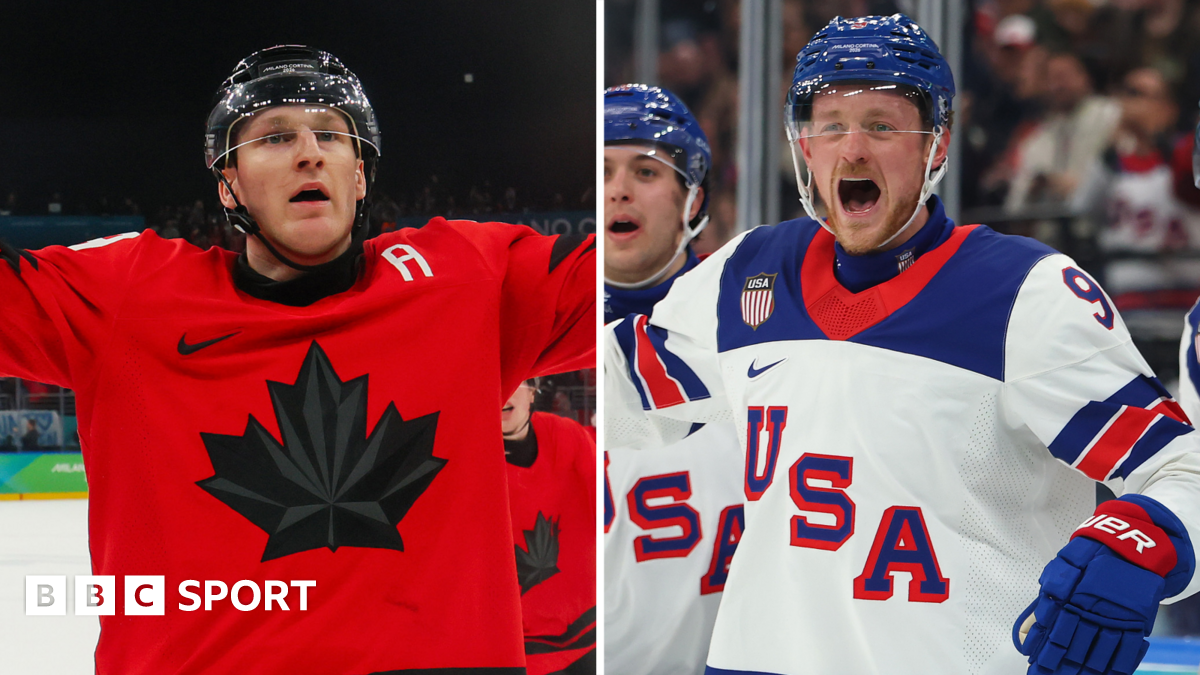
    The Milano Santagiulia Ice Hockey Arena prepares to host one of the most anticipated confrontations in Winter Olympics history as North American rivals Canada and the United States clash for men’s ice hockey gold on Sunday at 13:10 GMT.

    This championship matchup represents a study in contrasting Olympic legacies. Canada seeks to solidify its hockey dominance by capturing an unprecedented tenth men’s gold medal, while the Americans aim to end a 46-year drought since their legendary ‘Miracle on Ice’ victory in 1980. The historical advantage belongs to Canada, having defeated the U.S. in their two most recent Olympic final meetings (2002 and 2010).

    Both teams navigated challenging paths to the championship game. Canada demonstrated remarkable resilience by overcoming a 2-0 deficit against Finland in Friday’s semi-final, scoring the decisive goal with merely 35 seconds remaining. The Americans secured their place through Quinn Hughes’ overtime winner against Sweden in the quarter-finals.

    Canada faces significant challenges beyond the ice. Captain Sidney Crosby remains questionable with a knee injury that forced him to miss the semi-final, while a team-wide illness bug affected several players, notably Nathan MacKinnon during the quarter-final. Despite these setbacks, Canada boasts what experts consider the tournament’s most formidable roster.

    “In Connor McDavid, you have the best player on the planet by a million miles,” noted hockey commentator Seth Bennett in discussion with BBC Sport. “He averaged three points per game entering the semi-finals. Combined with Nathan MacKinnon’s offensive brilliance and Cale Makar’s defensive excellence, they’ve assembled what resembles a fantasy team configuration.”

    The American squad counters with its own strengths, particularly the effective combination of the Tkachuk brothers and Jack Eichel in attack, though captain Auston Matthews has yet to deliver his expected performance level. Defenseman Quinn Hughes has emerged as a crucial asset, with Bennett describing him as “possibly the world’s best three-on-three player.”

    This Olympic tournament has been transformed by the return of NHL players after their absence from the previous two Games, elevating the competition to unprecedented levels of skill and excitement. The resolution of initial concerns regarding ice quality at the newly constructed arena has enabled what Bennett characterizes as “the highest level of hockey ever witnessed at an Olympics.”

    The geopolitical dimension adds intrigue to the sporting spectacle. Canadian Prime Minister Mark Carney, a known hockey enthusiast, is expected to attend, while uncertainty surrounds the potential presence of U.S. President Donald Trump, whose previous comments regarding trade relations with Canada have heightened political tensions between the nations.

    Despite the historical rivalry and political undertones, experts anticipate a fiercely competitive but less violent contest than February 2025’s Four Nations matchup that featured multiple fights in the opening seconds. With Olympic gold at stake, players are expected to prioritize skill over aggression, though Bennett predicts “every break in play will feature a cross-check, a word, a push, a scrum.”

    The championship concludes what has been described as one of the most eventful Winter Olympics in recent history, both athletically and politically, with this final medal event serving as a fitting culmination to the Milan-Cortina 2026 Games.

  • BBC inside Trump press briefing slamming Supreme Court tariffs ruling

    BBC inside Trump press briefing slamming Supreme Court tariffs ruling

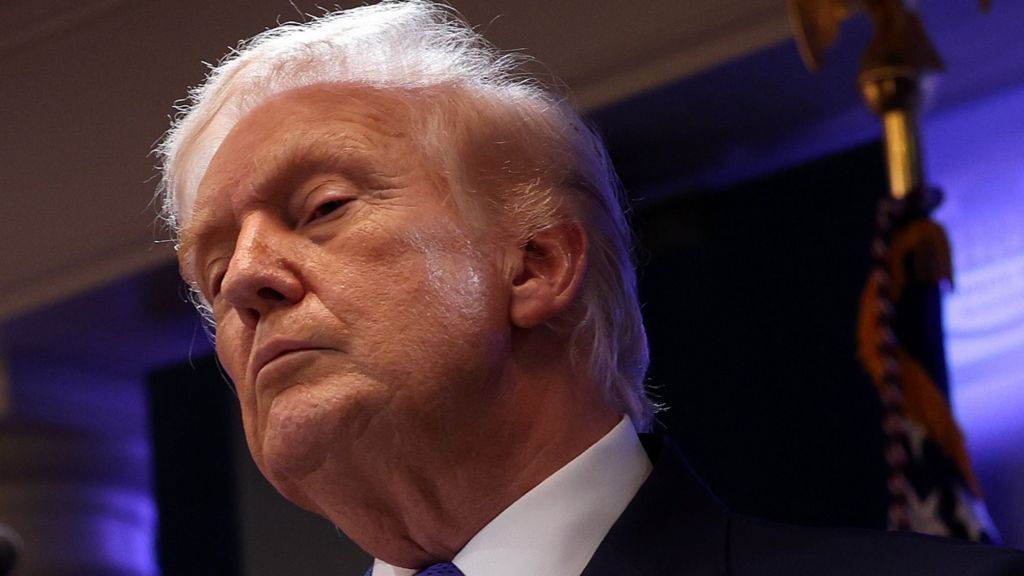
    In a heated press briefing, President Donald Trump delivered a scathing critique of the U.S. Supreme Court following its landmark ruling that struck down his administration’s expansive tariff policies. BBC correspondent Bernd Debusmann reported from inside the briefing room where the president expressed his vehement disagreement with the judicial decision.

    The ruling, which represents a significant check on presidential trade authority, found that the Trump administration had overstepped its executive powers in implementing sweeping levies on imported goods. Legal experts suggest the decision reinforces constitutional separation of powers and could have lasting implications for future presidential trade actions.

    During his remarks, President Trump characterized the ruling as ‘a disastrous decision for American workers and businesses,’ arguing that it undermines his administration’s efforts to protect domestic industries and negotiate better trade deals. He suggested the decision would embolden trading partners and weaken the United States’ position in ongoing trade negotiations.

    The Supreme Court’s majority opinion, as summarized by legal analysts, maintained that while the president possesses substantial authority in international trade matters, such power must operate within the framework established by Congress through existing trade legislation. The ruling specifically addressed the legal basis cited by the administration for implementing certain tariffs, finding it insufficient under current law.

    Market analysts are now assessing the potential economic impact of the decision, which may lead to the rollback of certain tariffs and affect various sectors differently. The ruling comes amid ongoing trade tensions with multiple nations and could influence upcoming trade negotiations.

  • Iran’s nuclear deal proposal could be ready in days, FM Araghchi says

    Iran’s nuclear deal proposal could be ready in days, FM Araghchi says

    Iranian Foreign Minister Abbas Araghchi announced on Friday that Tehran expects to finalize a draft nuclear counterproposal within days, signaling potential diplomatic progress despite escalating military tensions in the Middle East. The development comes as the United States maintains a substantial military presence in the region, with President Donald Trump having issued a 10-15 day ultimatum for Iran to reach an agreement or face severe consequences.

    In a televised interview with MS NOW, Araghchi clarified critical aspects of the ongoing negotiations, stating unequivocally that Iran had not offered to suspend uranium enrichment and that American officials had not demanded complete cessation of enrichment activities. Instead, discussions have focused on establishing verifiable safeguards to ensure the exclusively peaceful nature of Iran’s nuclear program in perpetuity.

    The Iranian diplomat outlined plans for implementing both technical and political confidence-building measures that would provide international assurance of peaceful intentions. These measures would be exchanged for specific actions regarding sanctions relief, though Araghchi declined to provide detailed specifications regarding either the safeguards or the sanctions negotiations.

    While not specifying exact timing, Araghchi indicated that additional US-Iran talks could resume within approximately one week following internal review of Iran’s forthcoming proposal by senior officials in Tehran. He expressed optimism that a diplomatic resolution remained achievable within a compressed timeframe, despite the looming American deadline.

    The White House declined to immediately comment on Araghchi’s statements. However, an unnamed Trump administration official later contradicted portions of the foreign minister’s account, asserting that US negotiators had indeed maintained the position of no uranium enrichment. According to this source, American officials communicated to their Iranian counterparts that any counterproposal must demonstrate concrete safeguards ensuring the purely energy-oriented nature of Iran’s nuclear activities, with a detailed proposal expected within one week.

    Araghchi separately addressed the US military buildup in the region, warning that military options would significantly complicate diplomatic efforts to reach a comprehensive agreement. The situation remains tense as both diplomatic and military timelines converge in what represents one of the most critical periods in recent US-Iran relations.

  • Turkey, Saudi sign solar plants deal, capable of powering over 2 million homes

    Turkey, Saudi sign solar plants deal, capable of powering over 2 million homes

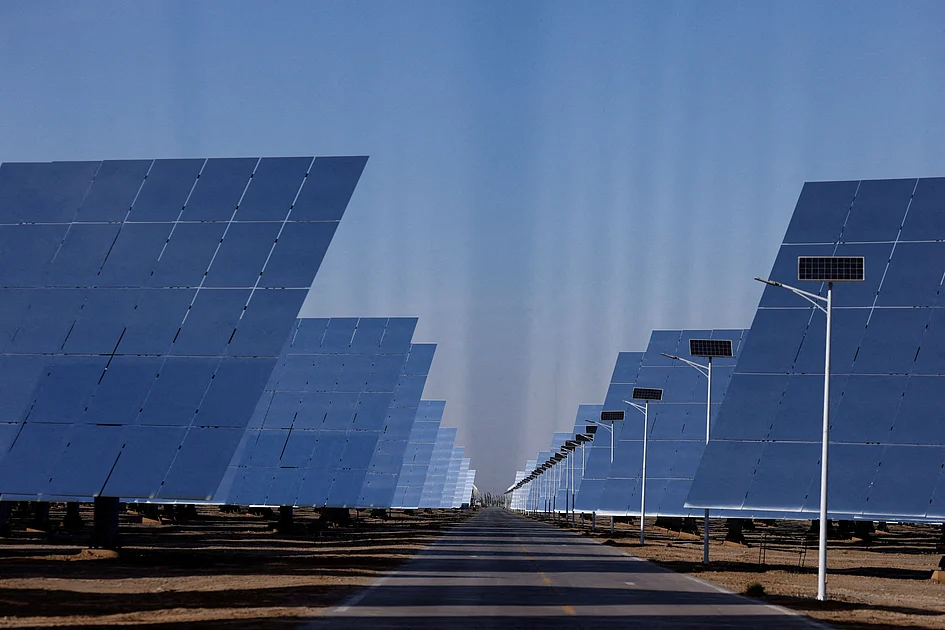
    In a landmark move for regional energy cooperation, Saudi Arabia and Turkey have formalized a major solar power agreement that will significantly advance Turkey’s renewable energy infrastructure. The deal, signed on February 20, 2026, at an Ottoman-era palace overlooking Istanbul’s Bosphorus Strait, involves Saudi energy developer ACWA constructing two massive solar plants in central Turkey’s Sivas and Karaman provinces.

    The project represents one of the most substantial energy investments in Turkish history, with the combined facilities boasting a generation capacity of 2,000 megawatts—sufficient to power approximately 2.1 million households. This initiative builds upon a $2 billion intergovernmental energy agreement established during Turkish President Recep Tayyip Erdogan’s pivotal visit to Riyadh earlier this month.

    Turkish Energy Minister Alparslan Bayraktar celebrated the partnership as transformative for Turkey’s energy landscape, noting that it will deliver electricity at historically competitive rates while advancing the nation’s renewable objectives. Bayraktar emphasized Turkey’s ongoing ‘energy revolution,’ revealing that renewable sources already constitute 62% of the country’s installed electricity capacity, with solar and wind generation having expanded from negligible levels to over 40,000 megawatts today.

    The timing of this agreement carries additional significance as Turkey prepares to host the United Nations COP31 climate summit later this year. Despite these renewable advances, official data indicates coal still accounted for 33.6% of Turkey’s electricity generation last year. Minister Bayraktar addressed this dependency, outlining a transitional strategy where coal would initially be replaced by natural gas, with nuclear energy providing a long-term solution alongside expanded renewable infrastructure.

    Turkey has established ambitious climate targets, including achieving net zero emissions by 2053 and expanding its solar and wind capacity to 120,000 megawatts by 2035. This Saudi-Turkish collaboration marks a substantial step toward these goals while strengthening economic ties between two pivotal regional powers.

  • ‘How can I move on?’: Palestine Action’s Fatema Rajwani on life after prison

    ‘How can I move on?’: Palestine Action’s Fatema Rajwani on life after prison

    In a landmark legal outcome, Fatema Rajwani, a former film student at Goldsmiths University, was acquitted of aggravated burglary charges alongside five co-defendants following a raid on an Israeli-owned arms factory. The August 2024 incident at Elbit Systems’ Bristol facility was motivated by Rajwani’s profound opposition to Israel’s military operations in Gaza, which she described as fundamentally altering her perspective. “Watching people die and not being able to do a single thing about it became unbearable,” she stated, explaining her transformation from apolitical student to activist.

    The Woolwich Crown Court jury delivered not guilty verdicts after a months-long trial that revealed startling details about the factory confrontation. Security guards from Minerva Elite, a firm employing ex-special forces personnel, were shown in bodycam footage striking unarmed activists with sledgehammers and wielding whips. Police witnesses retracted initial statements under cross-examination, admitting key details about defendant armament were inaccurate.

    Despite the acquittal on the most serious charges, the defendants face a retrial in February 2027 on remaining counts including criminal damage. Rajwani endured 18 months in pre-trial custody at HMP Bronzefield—exceeding standard UK limits—where she described being treated as a “terrorist” following the government’s proscription of Palestine Action. She reported frequent cell intrusions while partially dressed, confiscation of religious garments, and restricted communication with her family.

    The case has highlighted ongoing tensions between activist movements and security forces, with allegations of excessive force and evidentiary inconsistencies. Both Elbit Systems and Minerva Elite declined to comment when approached by media outlets. Rajwani, now free on bail, reflects on her traumatic experience: “I’m not the same person I was a year and a half ago, but I will never regret trying to do the right thing.”